Project 1 Mechanical design of battery pack
Objective:
Battery pack capacity: 18 kWh
Cell: ANR26650M1-B
Prepare a detailed battery pack drawing along with its enclosure. State your assumptions.
Theory:
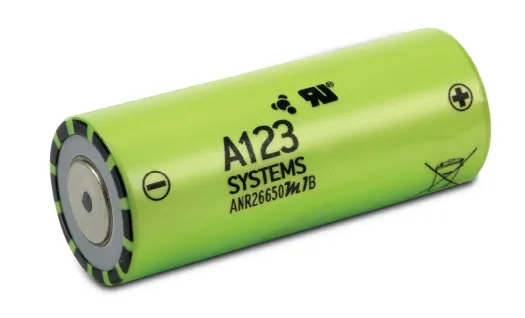
A123's high performance Nanophosphate lithium iron phosphate (LiFePO4) battery technology delivers high power and energy density combined with excellent safety performance and extensive life cycling in a lighter weight, more compact package. Our cells have low capacity loss and impedance growth over time as well as high usable energy over a wide state of charge (SOC) range, allowing our systems to meet end-of-life power and energy requirements with minimal pack oversizing.
Technical Data:
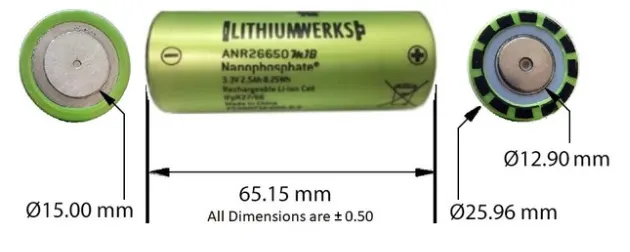
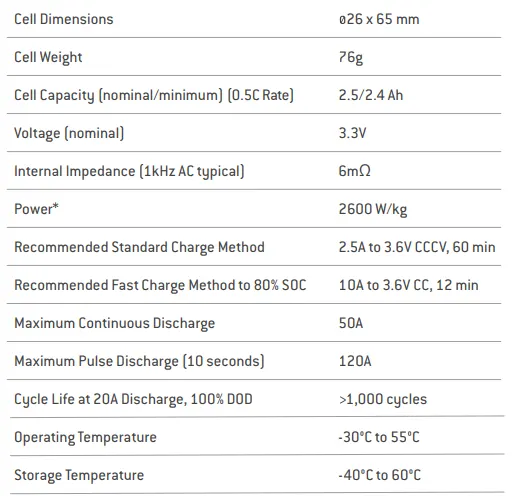
Mechanical design of battery pack:
The mechanical design of a battery pack involves various factors that need to be considered to ensure safe and reliable operation of the battery system. Some of the key considerations include:
-
Module and cell arrangement:
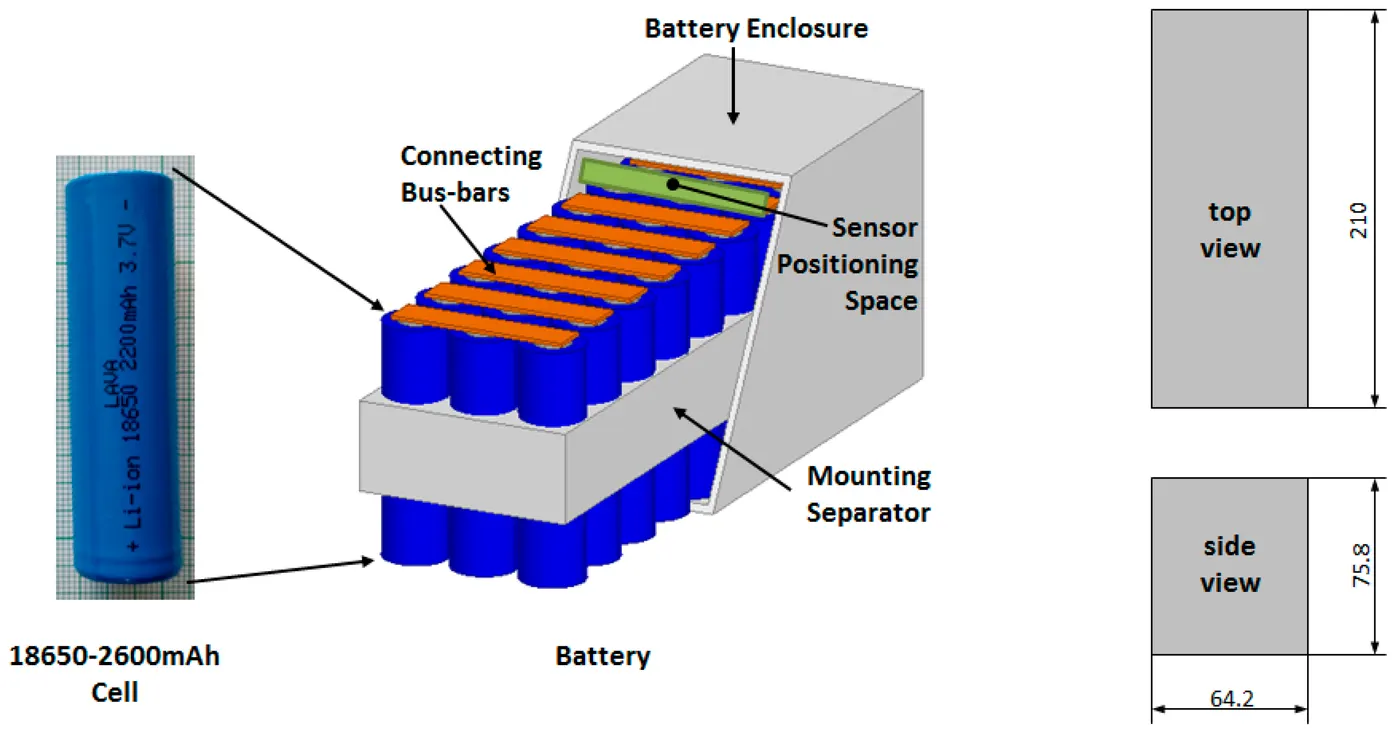 The arrangement of the battery modules and cells within the pack should be optimized for maximum energy density, efficient thermal management, and ease of assembly and maintenance.
 -
Enclosure and housing: The battery pack should be housed in a durable and lightweight enclosure that provides protection against physical damage, moisture, and temperature fluctuations. The enclosure should also provide adequate ventilation and cooling to prevent overheating and reduce the risk of fire or explosion.
-
Thermal management:
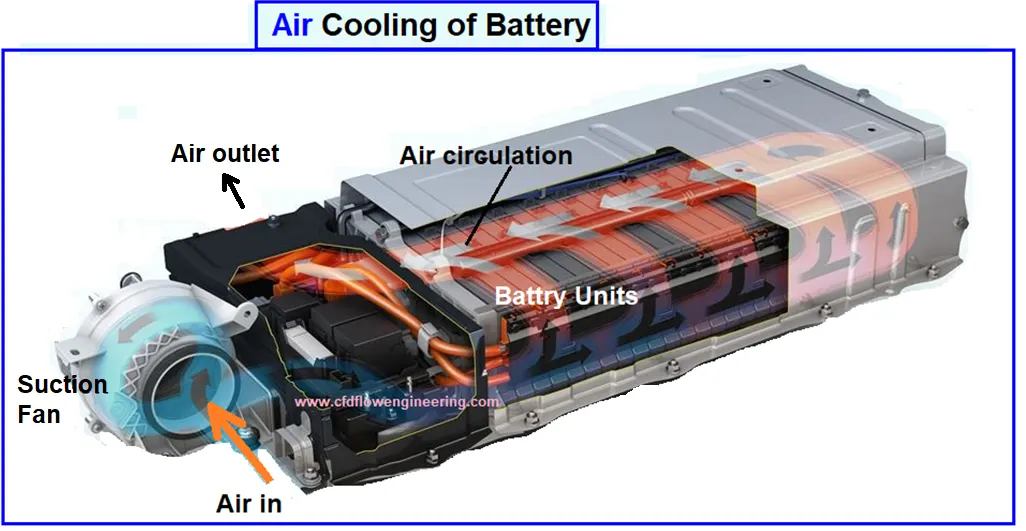 The battery pack should be designed with an effective thermal management system that controls the temperature of the cells and prevents overheating during charging and discharging. This can involve the use of cooling systems, such as heat sinks, fans, or liquid cooling, to maintain optimal operating temperatures.
 -
Electrical connections: The battery pack should be designed with secure and reliable electrical connections between the cells, modules, and external components. This can involve the use of bus bars, connectors, and fuses that are designed for high current and voltage applications.
-
Safety features:
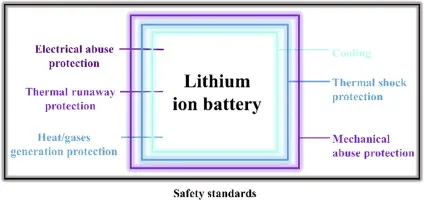 The battery pack should incorporate various safety features, such as overcurrent protection, overvoltage protection, and short circuit protection, to prevent damage to the battery and ensure safe operation.
Overall, the mechanical design of a battery pack requires careful consideration of various factors to ensure optimal performance, safety, and reliability.
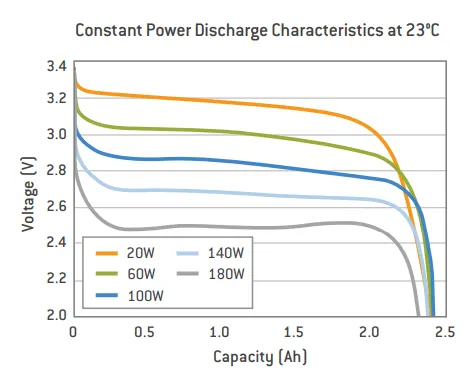
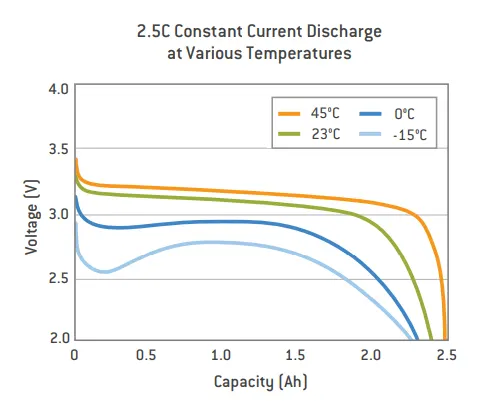
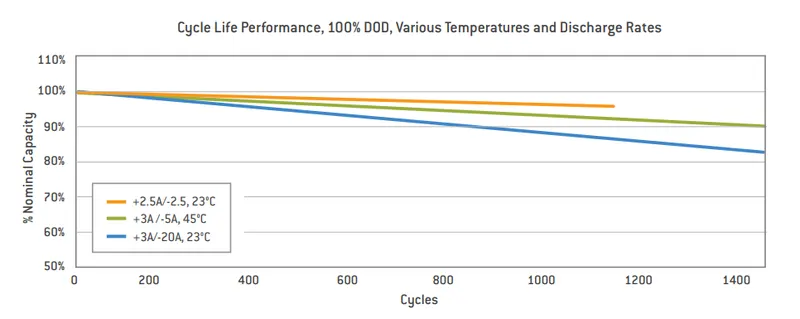
Characteristics of Cell:
Applications:
1) COMMERCIAL SOLUTIONS
Advanced lead acid replacement batteries for:
- Datacenter UPS
- Telecom backup
- IT backup
- Autonomously guided vehicles (AGVs)
- Industrial robotics and material handling equipment
2) GOVERNMENT SOLUTIONS
- Military vehicles
- Military power grids
- Soldier power
- Directed energy
3) GRID SOLUTIONS
Versatile, flexible and proven storage solutions for the grid:
- Frequency regulation
- Renewables integration
- Reserve capacity
- Transmission and distribution
4) TRANSPORTATION SOLUTIONS
Hybrid, plug-in hybrid and electric vehicle battery systems for:
- Commercial vehicles
- Off-highway vehicles
- Passenger vehicles
References: