Project 1 Mechanical design of battery pack
EV Live Batch 21.
1 Aim:
Battery pack capacity: 18 kWh
Cell: ANR26650M1-B
Prepare a detailed battery pack drawing along with its enclosure. State your assumptions.
Ans: To develop the mechanical design of a battery pack based on the required energy capacity.
Battery pack capacity: 18 kWh Cell: ANR26650M1-B.
Objective:
=> To design a battery pack whose energy capacity is eqaul to 18kwh.
=> The battry pack should be developed from lithium -ion cells whose specification is ANR26650M1-B.
=> While designing the battery pack relevant assumptions can be made and the same be stabbed in the report.
Stage Of Battery Pack:
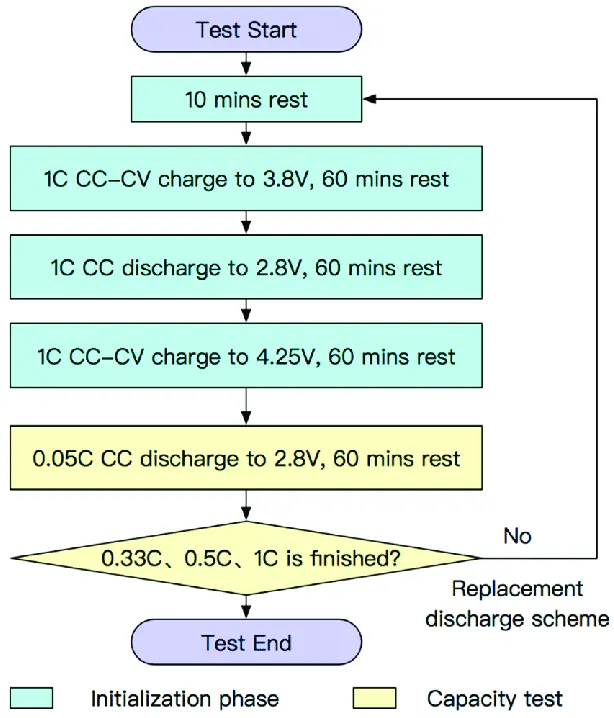
=> The various design elements to be considered while developing a battery pack are follows
Electrical Design Of Battery:
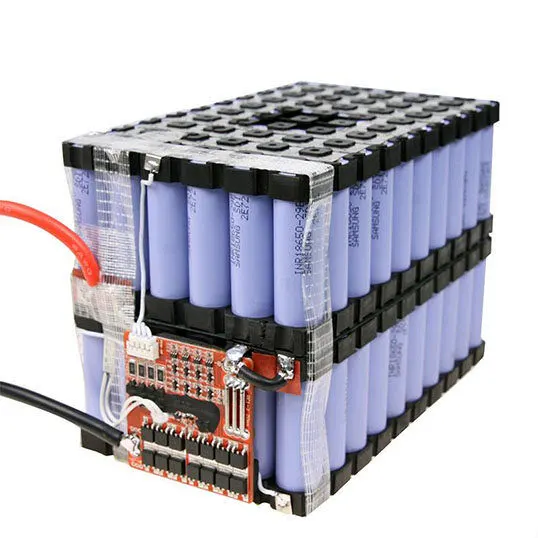
=> Determine of capacity ,voltage and Current.
=> High Voltage Isolation.
=> Short Circuit Prevention.
=> Efficient Power Delievery.
Thermal Design:
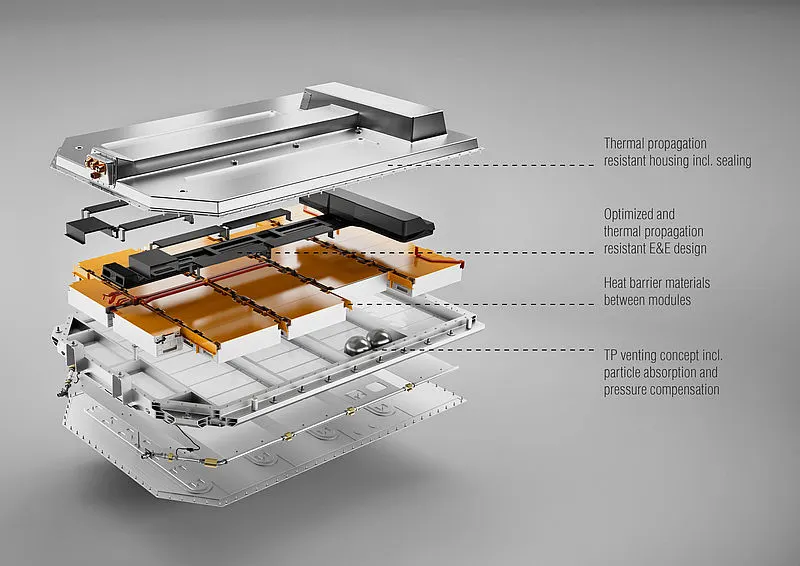
=> Improve pack efficiency.
=> Mitigate thermal accidents.
=> Increase pack life.
Mechanical Design:
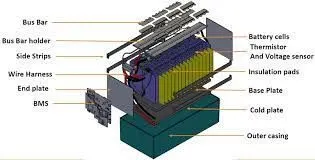
=> Safe structure for extreme conditions.
=> Cost productivity and reiabilty.
=> Ease of assembly and service.
=> Aesthetics,compactness and light weight.
Battery Management System (BMS) Design:
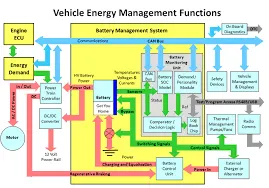
=> Maintain cell/Pack operating limits.
=> Prevent evemts compromisisng safety
=> Control thermal systems.
=> Communications and logitics.
Arrangement Of Battery Pack:
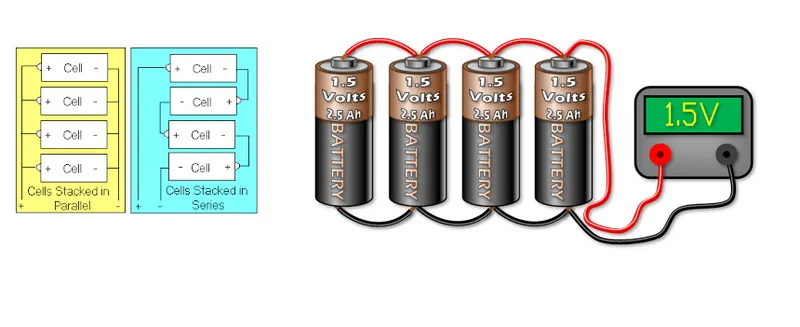
=> The type of terminals or connections to the external circuits depend on the current to be carried, the frequency with which the battery may be connected and disconnected, and the design of the circuit to which the battery will be connected.
=> For low power circuits, gold plated contacts are the terminals of choice for connectors which are subject to frequent insertions. Gold is hard wearing, it has low contact resistance and doesn't oxidise.
=> Flying leads with spade terminals or snap on studs are also used for low power applications.
=> Metal tabs are also used on pouch cells. Terminals for high power applications are usually threaded metal studs to ensure a reliable connection. Safety requirements on high voltage batteries may also dictate shrouded terminals to prevent accidental exposure of the operator to dangerous voltages of the battery or to short circuits.
=> Keyed terminals or connections are also advisable to prevent connection to incorrect chargers or loads.
Given data:
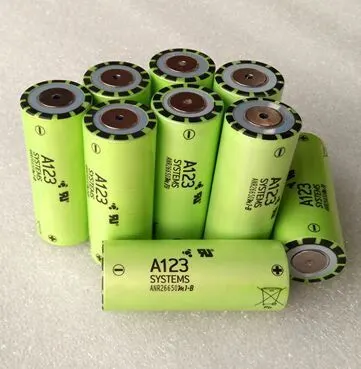
=> Required Energy capacity for the pack =18 kwh.
=> Cell used for forming the pack = ANR26650M1B
Cell Parameters Used For The Mechanical Design Process:
Cell Voltage = 3.3V
Cell Capacity = 2.5 Ah
Cell weight = 76g
Cell Diameter = 26mm
Cell Height = 65mm
Cost of each cell = $ 6.55
Mechanical Construction:
Let us assume that the voltage of the battery pack (Pack voltage ) = 400volts.
We know that P = V*I,Hence we can calculate the pack capacity as follows.
Pack capacity = Energy capacity/Pack voltage
Pack capacity = (18*10^3)/400
= 45 Ah.
No of cells in series=Pack voltage /Cell voltage
= 400/3.3
= 121.21
No of cells in parallel = Pack capacity/ cell capacity
= 45/2.5
= 18 cells.
Total no of cells in the battery pack=(No Of Cells in series)*(No of cells in parallel)
= 122*18
= 2196 cells
Weight of battery pack =(No of cells in series)* (cell Weight) = 122*)/1000
=9.2772g
Length of Battery pack =(no of cells in the series) *(Cell diameter)
= 122*0.026
= 3.172m
Width of battery pack = (No of cells in parallel)*(cell diameter)
= 18*0.026
= 0.468m
Area of battery pack = (Length of the battery pack)*(Width of the battery pack)
= 3.172*0.468
= 148.45m^2
Volume of battery pack =(Area of battery pack) * (cell Height)
= 1.4845*0.065 = 0.0965 m^3
=96.5 litres
Specific Energy Density = Pack Energy Capacity/Weight of battery pack.
= (18*10^3)/167
= 107.78wh/kg
Volumetric Energy Density = Pack Energy Capacity/Volume of battery pack
= (18*10^3)/96.5
= 186.53 Wh/L
Cost of battery pack = (Total no of cells in the battery pack )*(cost of each cell )
=(2196*6.55)
= $ 14,383.8
= Rs 10,45,544.76
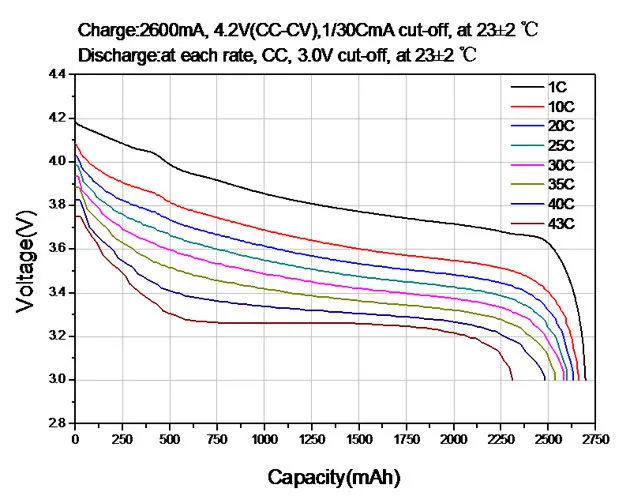
Discharge Battery Plot:
Enclosure Construction:
To find the overall enclosure volume we have to find the volume of a single module volume consisting of 122 cells in series connection and multiplied by 18 parallel connected module volumes.
Single module,
Let us assume 122 cells(single module) are divided into 2 modules of 61+61 cells.
The length of the module = No.of cell in row *(Cell dia + Margin at both side of cells) + clearance at side(2(cell dia + margin)).
=61*(26+4)+60=1890mm.
The breadth of the module = (cell dia +Margin of both sides of cells + clearance)
=26+4+60=90mm.
Height of the module=Height of the cell + connecting strip thickness, wires say 35mm =65+35=100 mm.
Thus the volume required for single module is 1.8 * 0.09 * 0.1 = 0.0162 m3.
The total number of modules assumed is 18*2=36 modules, since a single module is divided into two modules.
Therefore total volume required for battery pack of 122S18P configuration construction is 0.0162 * 36 = 0.583 m3. Thus from the above results, it is assumed approximately 1m3 of volume should be used for the EV battery pack with additional ventilation spaces for the pack.
We can assume that two modules are combined into one cabinet. So 18 cabinets should be connected to form the final battery pack.