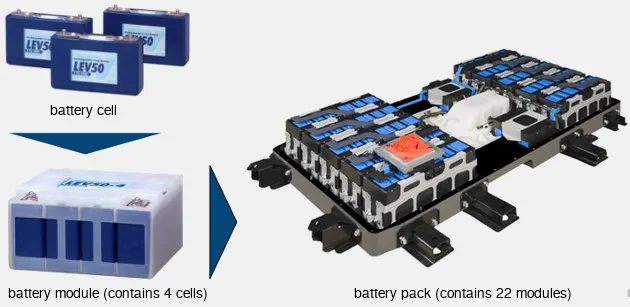
Project 1 Mechanical design of battery pack
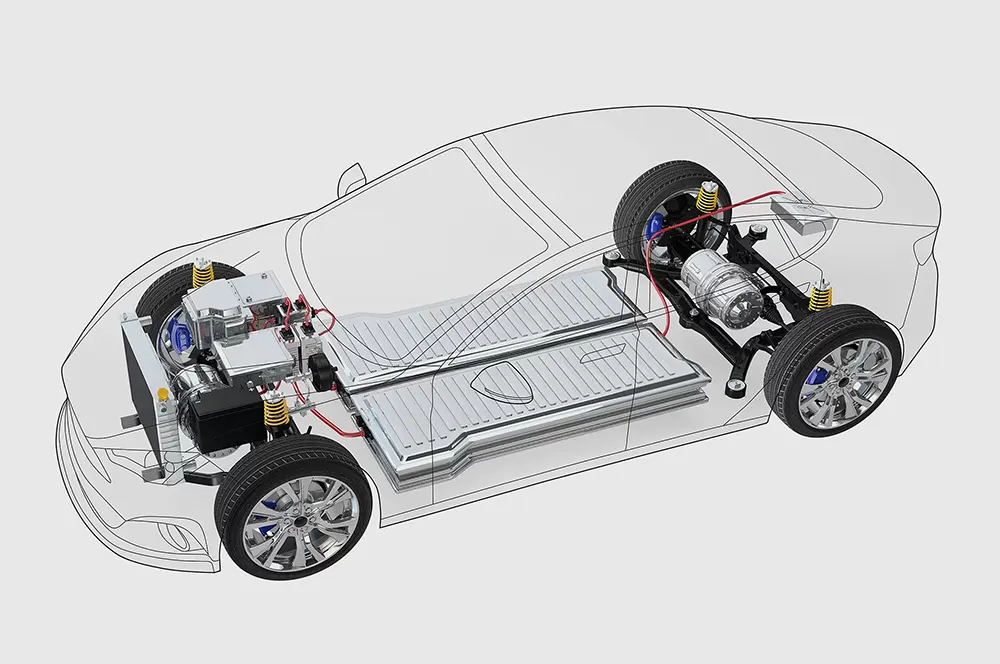
Battery pack capacity: 18 kWh
Cell: ANR26650M1-B
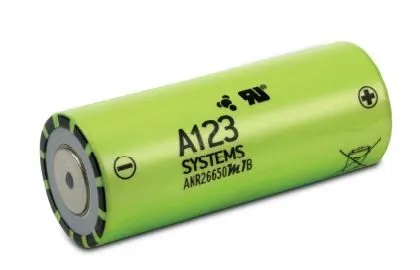
Given specifications in the battery pack:
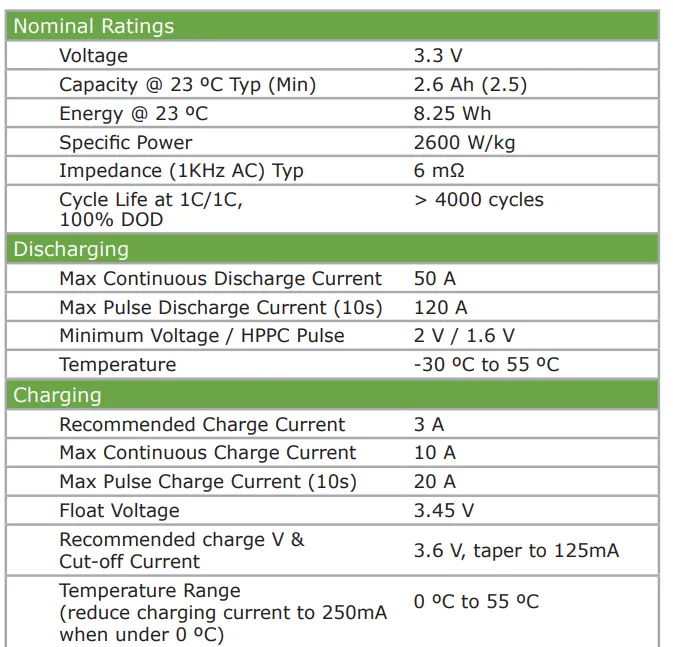
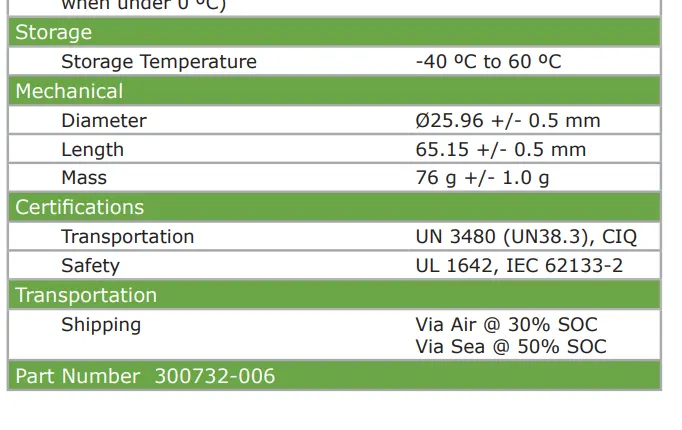
A123’s high-performance Nanophosphate® lithium iron phosphate (LiFePO4) battery technology delivers high power and energy density combined with excellent safety performance and extensive life cycling in a lighter weight, more compact package. Our cells have low capacity loss and impedance growth over time as well as high usable energy over a wide state of charge (SOC) range, allowing our systems to meet end-of-life power and energy requirements with minimal pack oversizing.
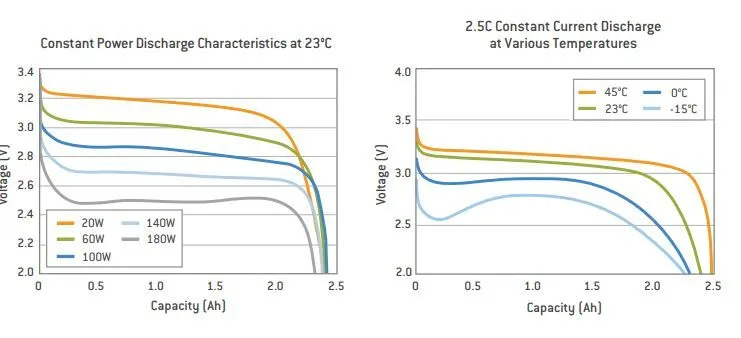
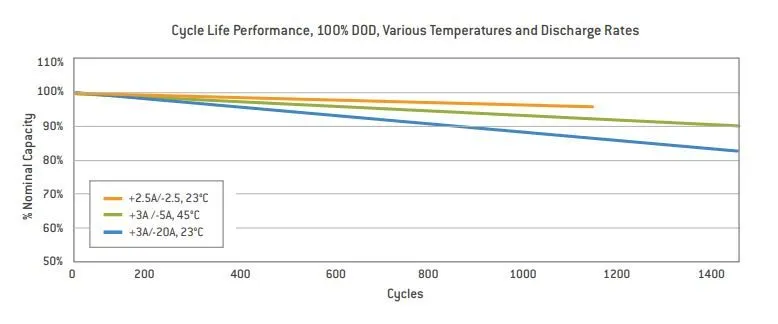
The performance of battery is given in the datasheet that is referred to the project
The images shows the power discharge current discharge and life cycles of cells used in the battery pack
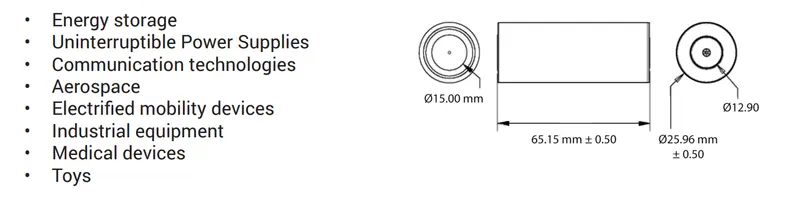
dimensions of battery:
Voltage: 3.3 Volts
Capacity: 2.5 Ah
Energy: 8.25 Wh
Specific Power: 2600 W/kg
Impedance (1KHz AC Typical) 6 mΩ
Cycle Life at 1C/1C, 100% DOD: > 4000 cycles
Cell Type: 26650 Lithium Ion Power Cylindrical Cell
Discharging
Max Continuous Discharage: 50 A
Max Pulse Discharge Current >50% SOC (10s): 120 A
Minimum Voltage: 2 Volts
Temperature: -30ºC to 55ºC
Charging
Recommended Standard Charge: 2.5 Amps
Max Charge Rate: 10 Amps
Max Pulse Charge Current <50% SOC (10s): 25 A
Float Voltage: 3.45 Volts
Recommended charge V & Cut-off Current: 3.6 Volts, taper to 125mA
Temperature
(reduce charging current to 250mA when under 0ºC): 0ºC to 55ºC
calculation:
1.No of cells in series = rated voltage/nominal voltage
let us assume rated voltage = 350v
nominal voltage of one cell = 3.3
no of cells in series = 350/3.3
= 106
no of cells in parallel cells = total current/nominal capacity
total current is 10amp,nominal capacity is 2.5Ah
= 10/2.5
= 4
Total no of cells = no of cells in series*no of cells in parallel
=106*4 = 424
cell architecture = 106S 4P
Battery capacity = parallel cells in row*individual cell capacity
=4*2.5 = 10Ah
Range = capacity/energy consumed per km
Battery pack capacity is 18kwh
energy consumed is assumed as 100wh/km
Range = 18000/100 = 180km
1.cell holders:
The main function of battery holder is to keep cells fixed in place safely and securely also it is used to keep cells in aproper arrangement so that there will be a decrease in mechanical vibration,and have a better thermal runaway in between the cell gaps.most of the cell holder is made of polypropylene or nylon bodies rated for 80-100c
A battery holder or a battery mount is an integrated or separate cavity to hold cells. If it is a separate compartment, it can be attached to a cell-powered device. It is used to hold the cells securely and power the device it is attached to.
The primary function of a battery holder is to keep cells fixed in place safely and securely while conveying power from the batteries to the device in question. External connections on battery holders are most often made by contacts either with pins, surface mount feet, soldered lugs or via a set of wire leads.

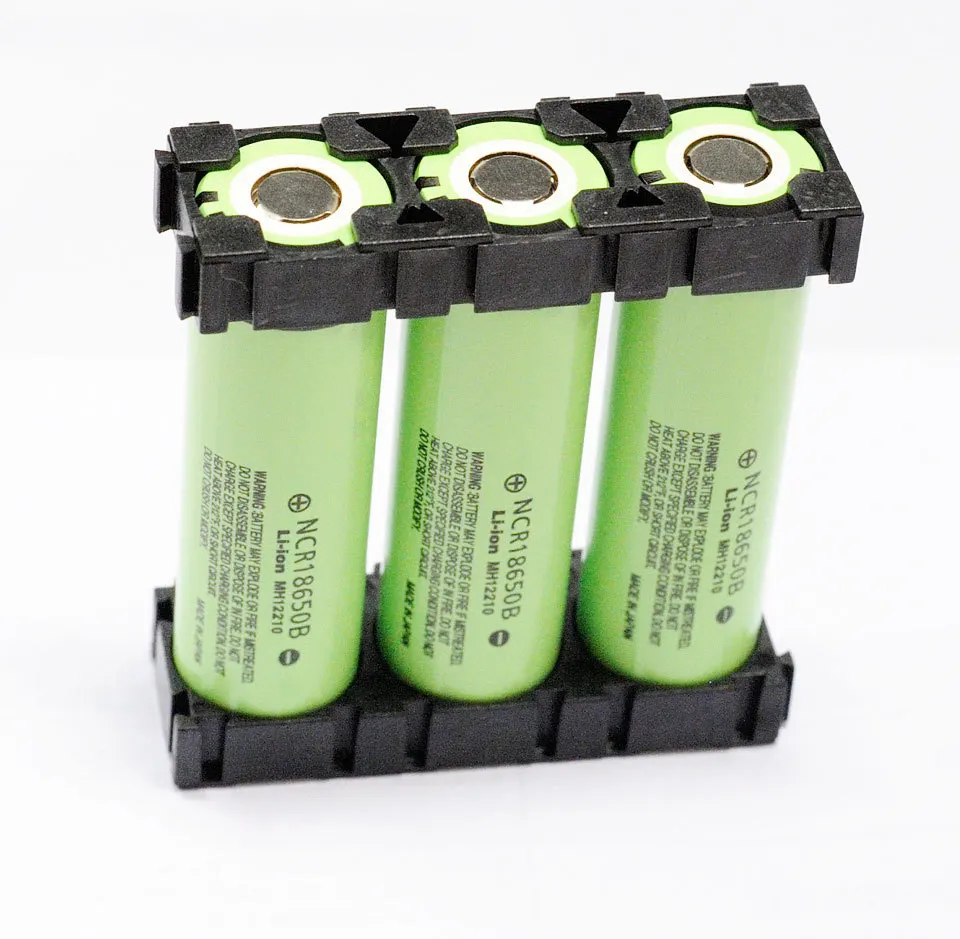
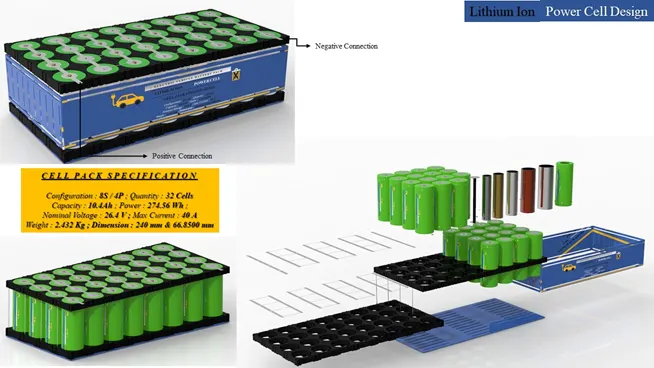
2.Cylindrical cells have improved thermal management efficiency because of compact shape,but have low packaging efficiency because of their round cases section.here i use a positive and negative tab to connect multi cells
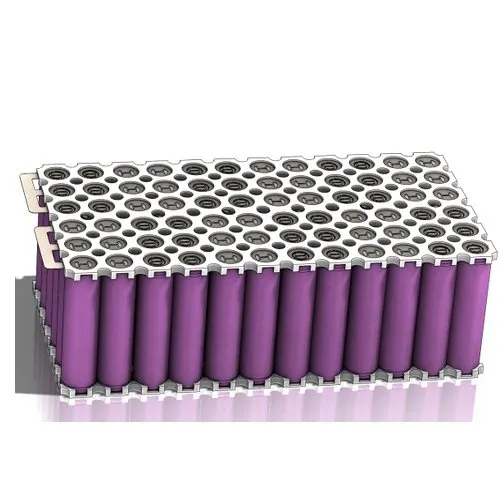
The suitability of joining methods to build battery packs using culindrical cells is shown below:
3.welding:
welding for the battery pack:
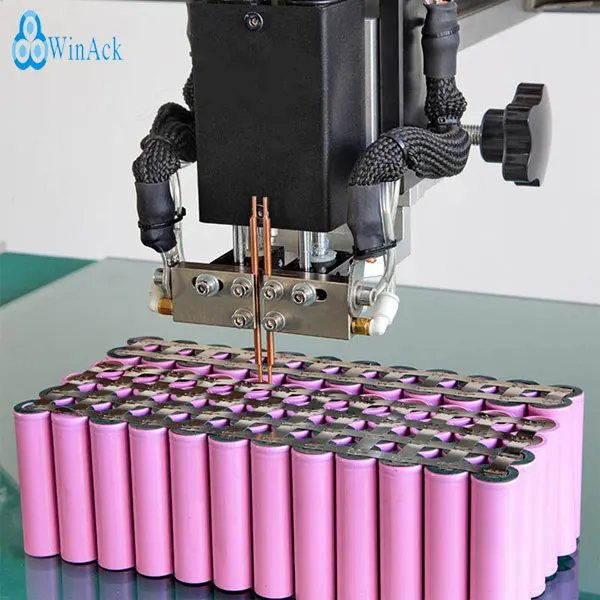
A spot welder works by releasing a pulse (or two) of high current through two leads. The leads should be touching the material, let's assume Nickel, to be welded. The high current heats up the Nickel beyond it's melting point and once cooled, the metal surfaces are welded together.
Welding strips on the batteries to build the battery pack is a common technique for both DIY machinists and professional manufacturers. This process requires the battery spot welder to be carried out. Typically, battery interconnects are made of nickel strips, ideally designed with bifurcations and protrusions, and then welded using parallel gap or step welding methods.
Battery Types and Welding Methods:
The connecting process is a challenge because it combines highly conductive materials that vary in thickness. The common energy storage methods include lead-acid, nickel-cadmium, nickel-metal hydride, sodium-nickel, and lithium-ion batteries. Usually, spot welding, projection welding, or ultrasonic and laser welding are used to combine batteries, with spot welding being the most common method.
How does it Work?
The first takeaway of battery spot welding is that the process does not need any filler material. It involves pressure and heat applying to the welding area. A copper-alloy electrode transmits current through the material so that it melts and fuses the parts. The current is off while the pressure maintains to solidify the weld and so the joint forms. Usually, the current only runs in a flash whereas the pressure stays a bit longer