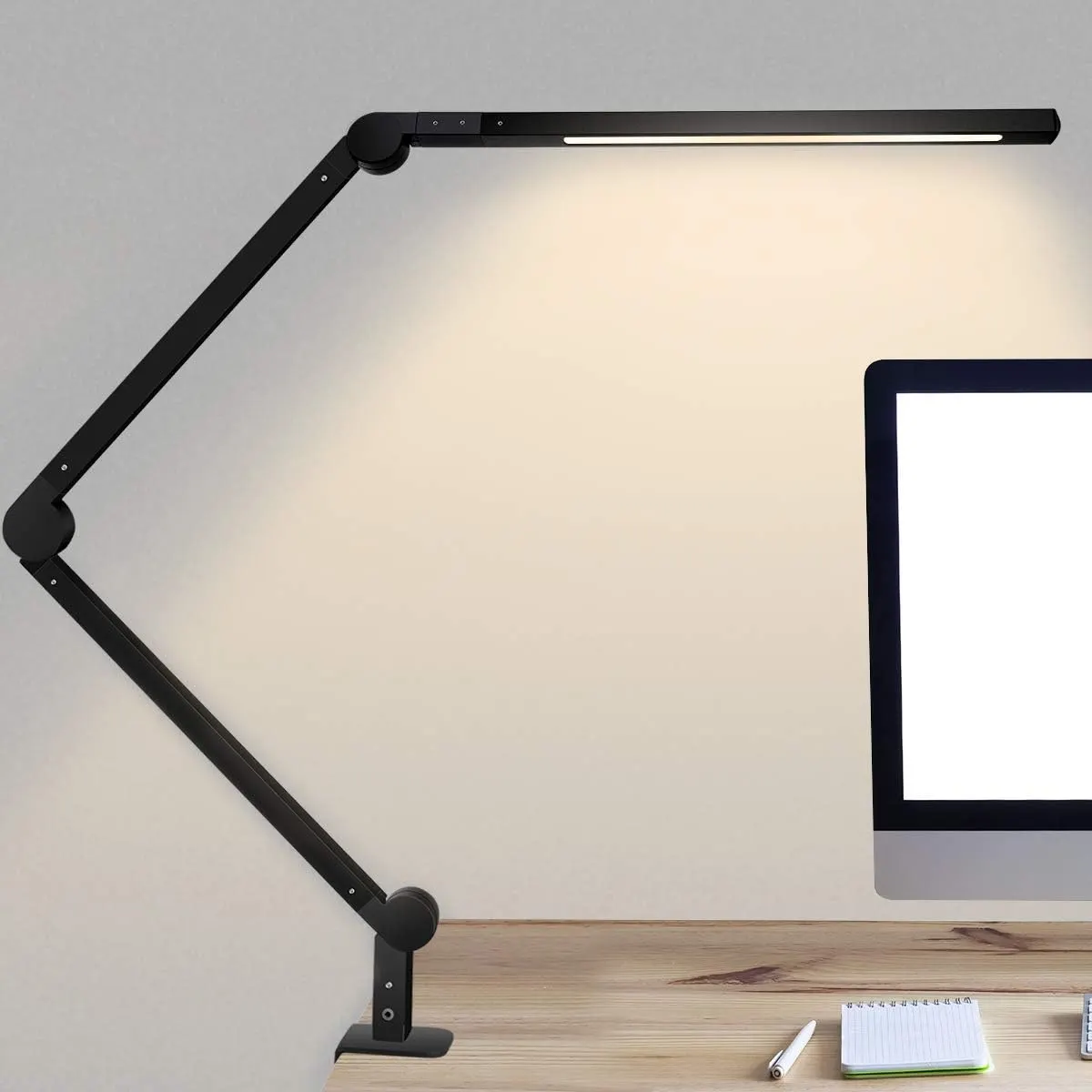
Project 1 - LED Desktop Lamp
Task 1:
Light Emitting Diode (LED) lamps replace conventional light bulbs with an array of LEDs. Notably, LED lamps are more energy-efficient as compared to conventional lamps. LED desk lamps are most commonly used on study and work desks. They usually emit an ultra-white light, but are now available in other colour variants as well. These lamps are available in a variety of shapes, sizes and designs to blend seamlessly with room decors.
Competition Landscape:
The LED desk lamp market is fragmented as several players from the wiser electronics market have sought to capture a share in the rapidly expanding market. The market is shaped by competition over costs, lamp designs, utility, energy efficiency, durability, weight, etc. This makes R&D and product innovations a key feature in the market. Incorporation of new technologies into LED table lamps has also been a focus area for market R&D. For example, SYSKA LED and General Electric Company have developed LED lamps that incorporate Amazon’s Alexa, an Artificial Intelligence (AI) technology. Certain LED desk lamps also contain charging mechanisms. Some of the key global players in the LED desk lamp market include Koninklijke Philips, Guanya, Brightech, OPPLE Lighting, Tomons, Yingke, Panasonic, Philips, General Electric Company, Cree, VAVA, Toshiba, PHIVE, Etekcity, OSRAM, Donghia, BenQ, MaxLite, Sunllipe, Koncept, Ningbo Liangliang, SYSKA LED, Newhouse Lighting, Yingke Lighting Electric, Xiaomi Corporation and Lumiy. Keeping in line with the growing trend of online distribution channels gaining popularity, several key players have sought to increase their online presence as well. Some, such as SYSKA LED and Xiaomi, have also established their own online distribution channels. At the same time, offline distribution channels have remained the largest distribution channel for the market, mainly led by electronic stores and supermarkets. This has caused manufacturers to strengthen syndication with vendors. Chroma, Wal-Mart, Ikea and Reliance Digital are among the prominent vendors in the market. Some popular brands available in the LED desk lamp market include TaoTronics, Deeplight, TW, Lepower, Novoledo, Mafiti, Miady, Limelights, Mi, Globe Electric, Fujetek, Bohon, CeSunlight, Simple Designs, Pinsoon, Harmonic, Torchstar, Etekcity, Aukey, Topelek, etc.
Drivers of LED Desk lamp market:
Concerns over climate change and global warming have created a need for energy-efficient electronic products, both at the public and governmental levels. This has resulted in an increasing number of people opting for LED desk lamps. The LED desk lamp market has also benefited tremendously from market-friendly government policies and subsidies in several countries, including developing countries in Asia, Africa and Latin America.
Region wise Analysis:
The East Asian and South Asian regional segments have enjoyed the largest share in the LED desk lamp market on account of East Asia’s consolidated economies and the growing economies of India, China, Bangladesh and the Southeast Asia nations. These growing economies are expected to ensure that these regional segments also witness the fastest growth in coming years, subject to their ability to emerge swiftly from the Covid-19 induced economic crisis. Notably, these regions, especially China, are also the hub of LED desk lamp manufacturing. The European regional segment is the other fast-growing segment, mainly on account of several favourable government policies in countries like Sweden, Germany and France that promote the use of energy-efficient products like LED desk lamps. North America is the other large regional segment for the LED desk lamp market. Latin America, led by Brazil and Mexico, Oceania and Middle East and Africa are other key regional segments.
Task 2:
Customer Requirements:
- Clear, bright light that’s easy to work beneath.
- Relatively focused beam with minimal glare.
- An adjustable design that can be positioned to accommodate a range of tasks.
Functional requirements:
- Plug is either plugged into electrical outlet or not. The user changes the state.
- The ON button and the OFF button can be in depressed or normal state. The user changes the state by pressing and releasing with his or her finger.
- The fluorescent tube has several states. The tube is in an inactive state when no electricity is applied and, therefore, no light is produced. The tube is in an ionizing state when the two end elements have current through each end. If the gas inside the tube is ionized, a sustaining voltage applied across the ends of the tube will place the tube in the operational or third state. In the third state, the gas glows and gives off light. Pressing the ON button must effect the state transitions from the inactive state to ionized state to sustaining state. Pressing the OFF button must place the tube in the inactive state. Pressing the ON while the tube is in the sustaining state should cause no harm to the lamp or the individual. The electronics component changes the state of the tube under the control of the states of the ON and OFF buttons.
- The state of the support is a variable range of heights. The user changes the state by adjusting the support.
- The state of the base should allow the lamp to be stable for the entire range of the adjustment of the support. That is, the lamp should not be unstable and easily knocked over.
Performance requirements:
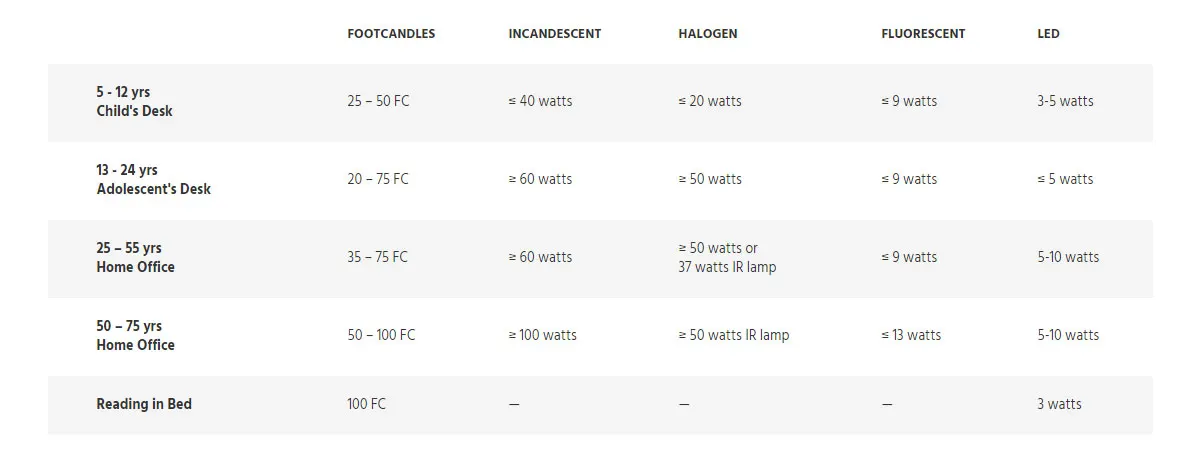
Your perfect desk lamp has to be between 85 to 100 CRI ratings. On the other hand, color temperate is referred to as the standard measures of light appearance which often called cool or warm. To get the perfect color temperature, your LED lamp needs to in between 2700k to 4500k.
Design Requirements:
| Product Features | • LED retrofit bulb as replacement for 40W standard incandescent lamps • dimmable • energy savings up to 75% |
| Wattage | 10W |
| Voltage | 220-240V |
| Operating Frequency | 50-60Hz |
| Light Color | Warm white - 3000K |
| CRI | >80 |
| Luminous Flux | 480 lumens |
| Luminous Efficiency | 48 lumens/Watt |
| Lifetime | 35,000 hrs = 16 years. |
Task 3:
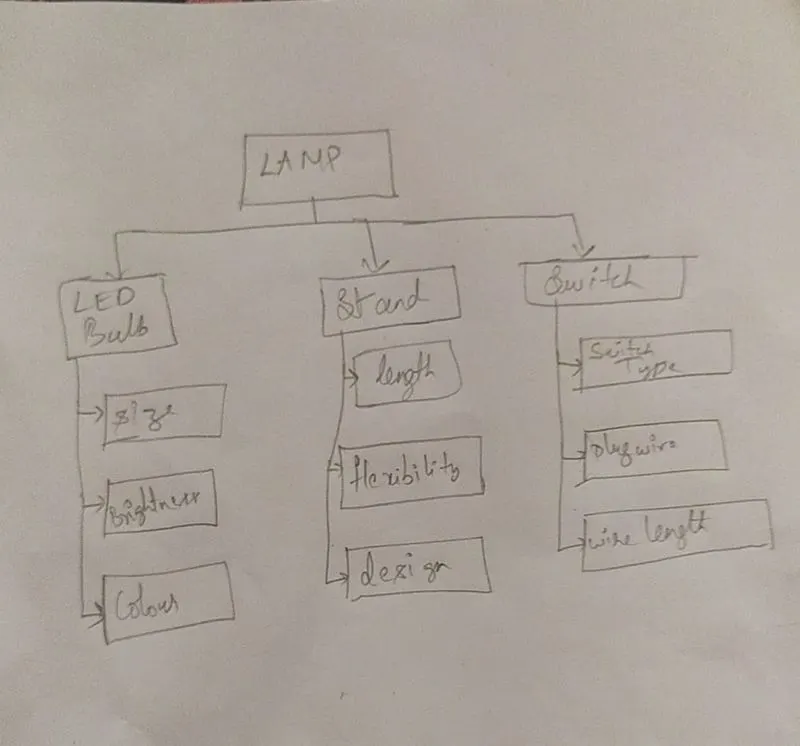
Mechanical Interface:
Electrical Interface:
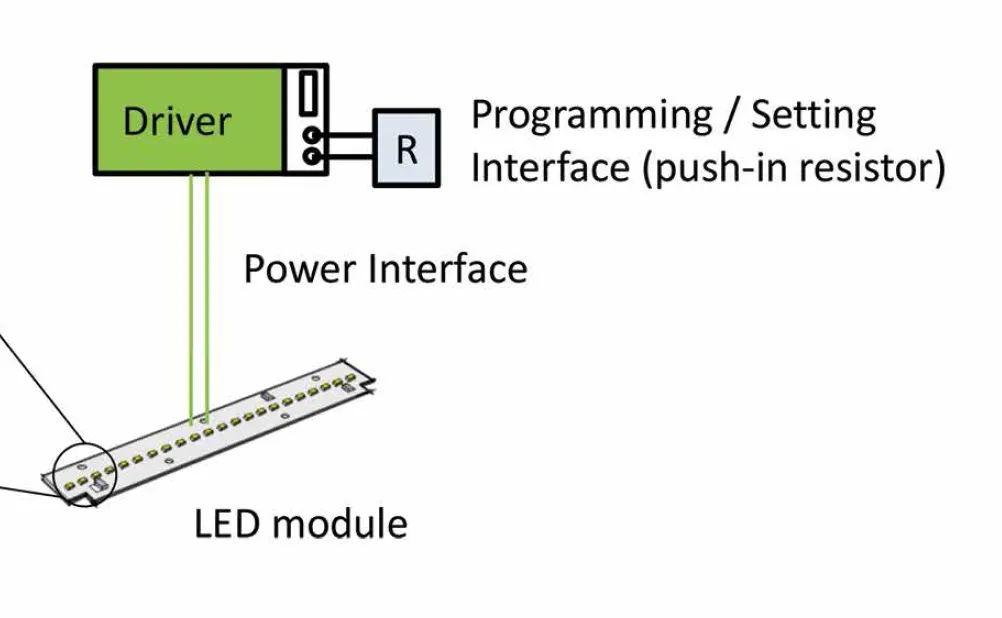
Human Machine Interface:
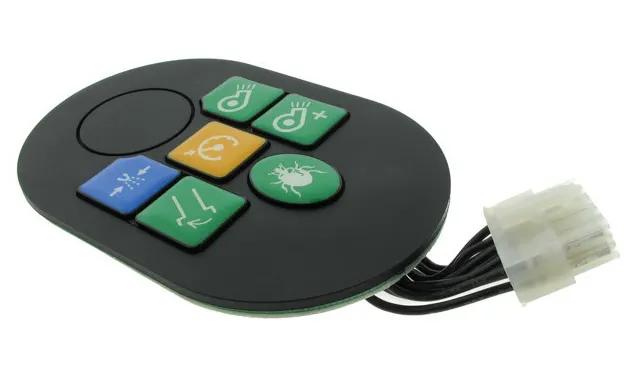
Information flow Interaface:
Task 4:
Mission Statement: To be a successful Global Company, by enabling People and Businesses to realize their full potential and also sets out the framework and objectives for the future, and directs everyone in the organization towards achieving the set goals.
Task 5:
- Recent research has shown how the efficiency and lifetime of LEDs can be dramatically improved without sacrificing bulk by inserting a single layer of nanoparticles between the LED chip and glass or plastic encasing.
- Thermal management is generally the single most important factor in the successful performance of an LED over its lifetime. The higher the temperature at which the LEDs are operated, the more quickly the light will degrade, and the shorter the useful life will be.
- Flicker in LED lighting occurs as a result of modulating the current to electric light sources. Flicker can induce seizures in people with photosensitive epilepsy, contributes to headaches, eye strain, and fatigue, and can negatively impact those on the autism spectrum.
- LED lighting is typically made of an array of tens or even hundreds of individual LED light chips with highly directed lensing. This causes very little shadowing. In addition, LED lighting maintains its brightness far longer than the typical HID lighting. Even though older lighting may still be working, it is operating at far less lighting output than when it was initially installed. This dim lighting can create safety hazards and lead to more workplace accidents.