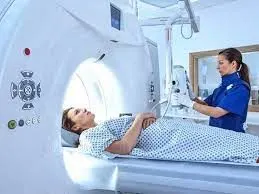
Project 2
Project a
Gastrology system
1. Pathology condition: Gastroesophageal reflux disease (GERD)
- Main function of human Digestive system is to break down the food particle into smaller molecules that can be utilized for several prposes like energy, growth, repair anad regulation.
- It is a condition wherein the lower esophageal sphinchter is not functioning properly and the gastric contents reflexal or enter back into the esophagus and the common complaint is heartburn.
- GERD or Gastroesophageal Reflux Disease (a chronic disease that saps the digestive system) greatly influences a disruption in homeostasis due to one major effect--heartburn.
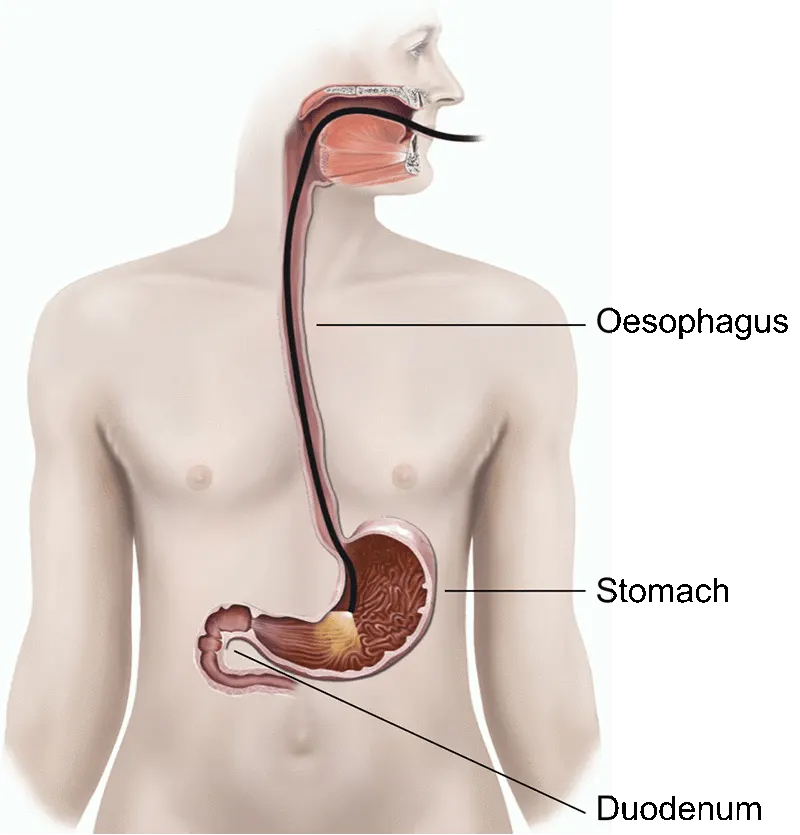
2. Diagnostic method: Upper gastrointestinal scopy
gastrointestinalscopy is a flexible tube with a camera at its lower base end and this is introduced via oral cavity and then it done under anaesthaetic condition and then the tube passes through the esophagus nd then finally into the stomach.
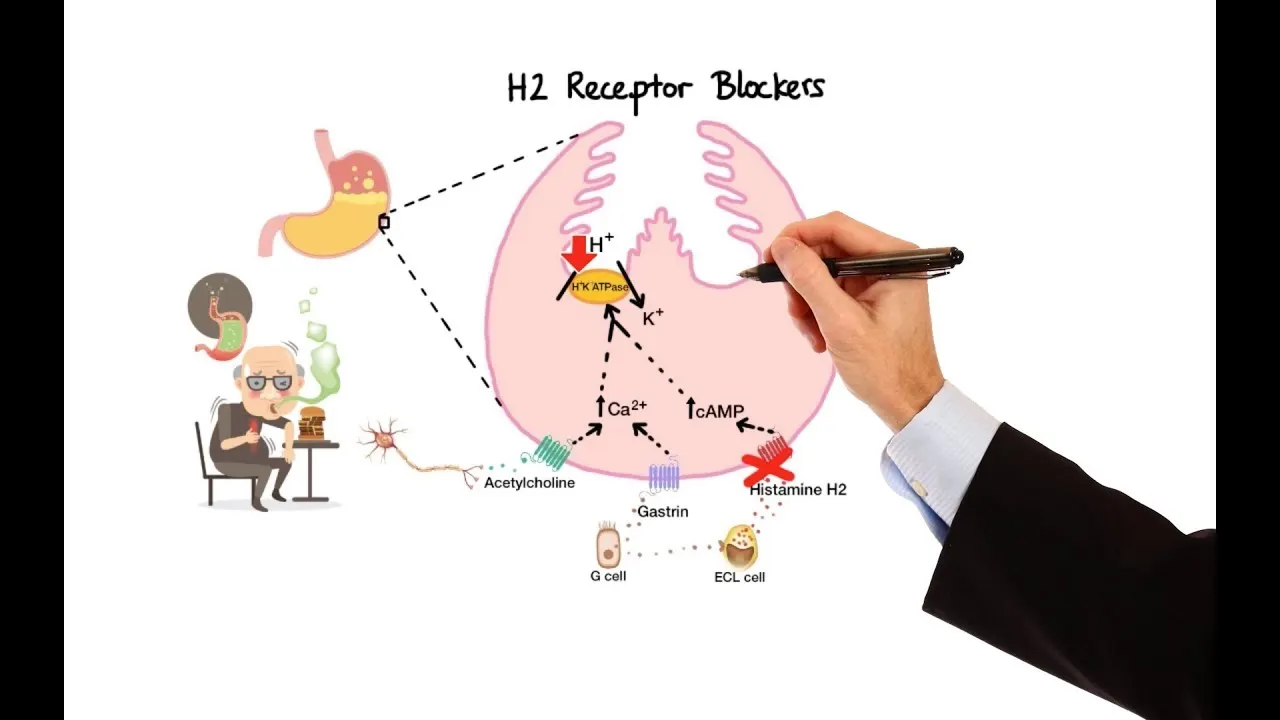
3. Medications: Prescription-strength treatments for GERD include: Prescription-strength proton pump inhibitors. These include esomeprazole (Nexium), lansoprazole (Prevacid), omeprazole (Prilosec), pantoprazole (Protonix), rabeprazole (Aciphex) and dexlansoprazole (Dexilant).
4. Surgical Solution:
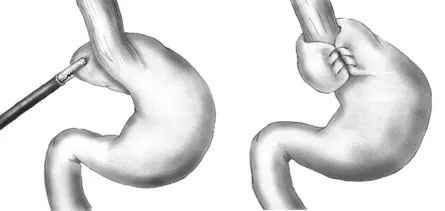
- A Nissen fundoplication is a surgery to treat gastroesophageal reflux disease (GERD).
- During the procedure, a surgeon creates a sphincter (tightening muscle) at the bottom of the esophagus to prevent acid reflux.
5. Medical devices:
- Antacids. Over-the-counter antacids are best for intermittent and relatively infrequent symptoms of reflux.
- Histamine blockers.
- Proton pump inhibitors.
- Prokinetic agents.
- The primary functon of human cardiovascular system is to give oxygen, nutrients na dother essentials through the blood and aslo remove unwanted waste.
- It is a stroke is when blood flow to a part of your brain is stopped either by a blockage or the rupture of a blood vessel.
- During a stroke attack, interruption of circulation causes detrimental changes such as anoxia, oxygen and glucose deprivation (OGD), loss of adenosine triphosphate (ATP), acidosis due to anaerobic generation of lactate, disrupted cell ionic homeostasis.
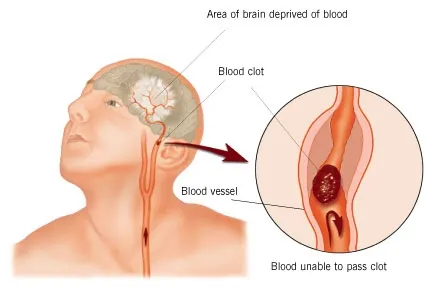
2. Diagnostic method: Magnetic Resonance Imaging(MRI)
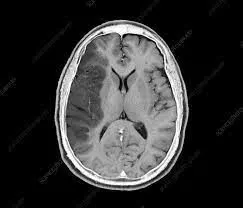
An MRI can detect brain tissue damaged by an ischemic stroke and brain hemorrhages. Your doctor may inject a dye into a blood vessel to view the arteries and veins and highlight blood flow (magnetic resonance angiography or magnetic resonance venography).
3. Medications: One treatment for ischemic stroke is the FDA-approved drug, tissue plasminogen activator (tPA), which must be administered within a three-hour window from the onset of symptoms to work best.
4. Surgical Solution:
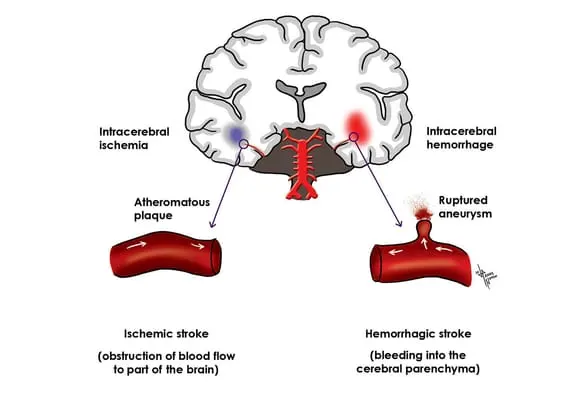
- Ischemic stroke treatment clears the blockage, which can be done via endovascular surgeries.
- In a hemorrhagic stroke, surgeons may need to relieve the pressure on the brain and repair the blood vessel.
5. Medical devices: