Project 1
1.
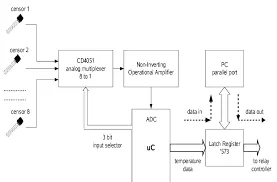
- Physiological monitoring systems assess aspects of human performance and either respond with a corrective action, or alert a human being to do so.
- Physiologic monitors can measure and record temperature, heart rate, respiration, alertness, and activity.
- Physiological parameters, such as heart rate, blood pressure, body temperature, serum levels of various stress hormones (e.g. cortisol) and immunological functions (e.g. suppression of lymphocyte activity) can be used to assess welfare. Measurement of many of these parameters requires invasive monitoring techniques.
- The primary sensors used within medical devices are pressure, force, airflow, oxygen, pulse oximetry, temperature, and barcode sensing. The above sensors play a critical role in the operation of the equipment.
2.
3.
- It would feature intuitive controls and large, vibrant and colorful, easy to understand visual display of the patient's situation presenting integrated information from all sensors.
- It would be resistant to artifacts and only issue an alarm in case of a true positive event.
4.
-
Patient-centeredness, including
-
using variable-acuity rooms and single-bed rooms
-
ensuring sufficient space to accommodate family members
-
enabling access to health care information
-
having clearly marked signs to navigate the hospital
-
-
Safety, including
-
applying the design and improving the availability of assistive devices to avert patient falls
-
using ventilation and filtration systems to control and prevent the spread of infections
-
using surfaces that can be easily decontaminated
-
facilitating hand washing with the availability of sinks and alcohol hand rubs
-
preventing patient and provider injury
-
addressing the sensitivities associated with the interdependencies of care, including work spaces and work processes
-
-
Effectiveness, including
-
use of lighting to enable visual performance
-
use of natural lighting
-
controlling the effects of noise
-
-
Efficiency, including
-
standardizing room layout, location of supplies and medical equipment
-
minimizing potential safety threats and improving patient satisfaction by minimizing patient transfers with variable-acuity rooms
-
-
Timeliness, by
-
ensuring rapid response to patient needs
-
eliminating inefficiencies in the processes of care delivery
-
facilitating the clinical work of nurses
-
Equity, by
-
ensuring the size, layout, and functions of the structure meet the diverse care needs of patients
5.
- Identify Which Equipment Needs to Be Tested. ...
- Identify Inspection and Measurement Processes. ...
- Decide on the Calibration Frequency. ...
- Assign Responsibilities. ...
- Decide on the Custody of Calibration Tools. ...
- Identify the Relevant Standards.
6.
7.
- A record that is comprehensive contains: demographic data, administrative data, health risks and health status, patient medical history, current management of health conditions, and outcomes data.
- The sensor is found in the part of the device that is attached to the patient's body from where it collects the data that needs to be interpreted.
- For example, a Spo2 Sensor detects the oxygen levels in your blood and delivers it on the screen for the doctor to treat you accordingly.
8.
- Every intensive care unit (ICU) should strictly follow protocols for investigating alarms.
- Monitoring usually includes measurement of vital signs (temperature, blood pressure, pulse, and respiration rate), quantification of all fluid intake and output, and often daily weight.
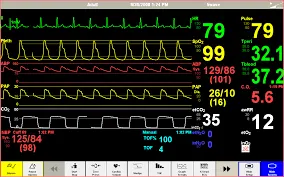
- The bedside cardiac monitor (oscilloscope) in the ICU provides a continuous display of not only the patient's ECG, which includes heart rate (measured as the number of QRS complexes) and rhythm, but also the oxygen saturation (SpO2).
- The Intensive Care Unit (ICU) is a separate, self-contained area within a medical facility, equipped with high-tech specialised facilities designed for close monitoring, rapid intervention and often extended treatment of patients with acute organ dysfunction.
9.
- A provider identifies the condition(s) to manage remotely and launches a remote patient monitoring program to offer an RPM service to patients. Providers can use remote patient monitoring to collect a wide range of patient health data. This includes blood pressure, heart rate, vital signs, weight, and blood sugar levels.
- A provider determines that a patient would benefit from remote physiologic monitoring of one or more of the types of health data that can be captured via RPM. With the patient's consent, the provider orders or prescribes RPM.
- The patient is provided with a device to collect the health data. Remote patient monitoring devices must be electronically connected, which is most often accomplished via cellular networking or Bluetooth. The most common RPM devices are blood pressure monitors, weight scales, blood glucose meters, and spirometers. Other device types that are seeing increased RPM use include pulse oximeters and ECG machines.
- Once the device is set up appropriately, health data is captured by the device and transmitted from patient to provider, usually electronically.
- The provider analyzes this data and gives the patient health and wellness guidance and directions based upon the results.
10.
-
Detection of life-threatening situations: The detection of life-threatening situations was the original purpose of monitor alarms. False negative alarms are not acceptable in such situations because of the danger of severe patient harm or death.
-
Detection of imminent danger: The early detection of gradual change that might indicate imminent danger.
-
Diagnostic alarms: These alarms indicate a pathophysiological condition (e. g., shock) rather than warning of 'out-of-range' variables.
-
Detection of life-threatening device malfunction: This ability is essential for all life-support devices, which must recognize malfunctions, such as disconnection from the patient, occlusion of the connection to the patient, disconnection from power, gas, or water supply, and internal malfunction.
-
Detection of imminent device malfunction: The early detection of device-related problems that could result in malfunction is an integral part of many therapeutic devices. These warning mechanisms range from simple aspects (e. g., low-battery warnings) to complex algorithms and sensors that track the wear of respiratory valves.
11.
- You can also drag and drop files into the external hard drive.
- If you plug in an external hard drive, it usually opens in Finder.
- Highlight your files, click and hold them, and then drag and drop them into the new drive you plugged in.