Project 1 - Design and Develop a IOT based Wireless Wearable Health Monitoring System or a Home Healthcare System to monitor the physiological parameters of ECG, Heart Rate, Pulse Oximetry, Cuffless Blood Pressure and Body Temperature.
An IoT System for Remote Health Monitoring in Elderly Adults and covid-19 patients through a Wearable Device and Mobile Application
Abstract
- Healthcare is one of the least funded sectors many other similar developing countries. People living in rural and remote areas do not have access to proper health care, and when they do, it is too expensive. This research aimed to develop a real-time health monitoring system that is cheap, easy to use, and accessible by doctors and patients.
- The system consists of several Internet of Things (IoT)-based sensors connected to an Arduino microprocessor, which thus measures the vital body signs of the patients. The measured readings are then transmitted to an Android application on a smartphone via a Bluetooth module. The sensors are connected to analog inputs.
- These sensors measure analog data, which is amplified by the microprocessor after being sorted. Doctors can also carry out the diagnosis of ailments using the data collected remotely from the patient. An Android-based mobile application that interfaces with a web-based application is implemented for efficient patients-doctors dual real-time communication.
- The Android application, which is connected to a MySQL database, updates the said database, which updates and displays the readings on a website accessible by both doctors and patients. Initially, the health monitor was tested using an Arduino Integrated Development Environment (IDE) monitor and a single user.
- Once initial simulations were successful, the proposed system was tested on five different real-human test subjects. The testing of the wireless health monitor produced successful results that measured patient vitals with a high level of accuracy. The proposed IoT-based system monitors vital signs such as the patient’s body temperature, heart rate, ECG, SpO2 levels, blood pressure, and glucose levels. This system also includes a medical treatment plan by the doctors.
- The proposed system is novel as it integrates the IoT-based patient monitoring system with telemedicine. This proposed system has different sensors for real-time measuring the vital signs of the human body. A mobile and web application have also been integrated with this system for real-time remote patient monitoring and treatment plan. There are now systems available that only offer a telemedicine facility, where patients and doctors can have discussions, but do not have an IoT-based patient vital sign monitoring system integrated with telemedicine.
- The proposed system in this paper has the facility of IoT-based patient vital signs monitoring integrated with telemedicine, which makes this research work novel. The proposed system will increase the life expectancy of people throughout the world.
- With the increase in global life expectancy and the advance of technology, the creation of age-friendly environments is a priority in the design of new products for elderly people healthcare. This paper presents a proposal for a real-time health monitoring system of older adults living in geriatric residences. This system was developed to help caregivers to have a better control in monitoring the health of their patients and have closer communication with their patients’ family members.
- To validate the feasibility and effectiveness of this proposal, a prototype was built, using a biometric bracelet connected to a mobile application, which allows real-time visualization of all the information generated by the sensors (heart rate, body temperature, and blood oxygenation) in the bracelet.
- Using these data, caregivers can make decisions about the health status of their patients. The evaluation found that the users perceived the system to be easy to learn and use, providing initial evidence that our proposal could improve the quality of the adult healthcare.
Introduction
- In recent years, there has been a rise in popularity in the usage of IoT sensors for measuring human body vital signs. However, that is not the case for Bangladesh and certain other developing countries. In most developing countries, health care lacks adequacy, and health coverage is non-existent.
- Health care is not affordable or even accessible in rural areas due to a lack of funding and infrastructure. Thus, people living in remote parts of such countries suffer from a lack of medical check-ups. The number of patients with chronic diseases like hypertension, diabetes, heart disease, Chronic Obstructive Pulmonary Disease (COPD), and others are increasing nowadays.
- Every year, many patients with chronic diseases die in the whole world. Continuous monitoring of the vital physiological parameters of these patients is crucial. In this case, an IoT-based real-time patient monitoring system can play a vital role.
- There are a large number of patients in rural areas who require regular health monitoring (for example, people with diabetes, coronary complications, hypertension, obesity, and other such morbidities). And with fewer than two doctors per 10,000 people , patients have to travel long distances and go through expensive medical tests to monitor their health.
- Thus, currently, the problem is that immediate access to health care is not accessible for rural patients. Even if patients travel long distances to get check-ups, medical tests are too expensive. Thus, there is an immense necessity for producing a cheap wireless portable health monitor that will solve the geographical hurdle and make medical tests available to everyone in the country, thus improving the virtual doctor-to-patient ratio.
- The essential part of any shrewd well-being observing framework is to help clients remotely control and check machines. In the very remote rural areas of Bangladesh, the facilities for treatment by MBBS doctors are nearly impossible. Patients from rural areas need to travel to city areas to get medical treatment.
- In addition to that, in Bangladesh, there are not enough patient seats available in the city hospitals as well. Many patients are lying on the hospital floor and need to wait to get seats on the patient beds. Recently, due to COVID-19, the demand for health care services has increased a lot.
- Due to the coronavirus, the use of telemedicine has increased. In the COVID-19 situation, continuous monitoring of Covid-affected patients’ health is very important. In this situation, an IoT-based remote patient monitoring system would be a blessing for the people. In this Covid time, social removal, less physical contact, and remaining domestic orders are issued by the government to control the spread of the infection. Individuals who have been in contact with emphatically tired people but who do not show any indications are too guided to self-isolate or self-quarantine for a few days. Positive patients with mellow indications are exhorted to watch isolates.
- The self-isolation or isolation can be watched from home, whereas the influenced individual sends signs or indications of any affliction to the specialist at customary intervals. remote health care is still relatively new, but remotely caring for patients has been quite common in the past decade in other developing countries and developed countries.
- For a lot of reasons, it is still quite difficult to bring quality products to . With this in intellect, the inspiration of this paper is to create a framework that not only controls and screens the well-being of patients but also bolsters the sound way of life of clients.
- To this conclusion, we are spurred to broaden the scope of the health care system to accommodate the upload of symptoms affected by COVID-19 from the comfort of their respective homes.
- Vital monitoring and smart sensor usage are supposedly estimated to increase at a rate of 8.76% in the predicted timeline between 2020 and 2027, which is due to reasons like the lower number of health services industry doctors and nurses and due to sub-par government health care policies will hinder the growth of such industry.
- Any person with non-communicable diseases will be an expected audience for the product, especially those living further away from hospitals
- In recent years, the number of scenarios in which we use the Internet has been increasing, evolving from being static to being social, transactional, and mobile . However, the Internet continues its evolution, and now we talk about connecting “things” (objects/devices) to this network which were not previously designed to have this connectivity but are currently communicating with each other.
- This evolution has created its own concept: The Internet of Things (IoT), defined as the interconnection to the Internet of any daily use device (or among them) anywhere and anytime, ranging from cell phones, coffee machines, washing machines, and clocks to machine components, such as the engine of an airplane .
- These objects/things are called nodes, which must operate autonomously and have the ability to transmit/receive small amounts of information, access resources in the cloud, and in some cases, make decisions according to the sensed data .
- Currently, there are devices with sensors of different types (e.g., movement, environmental, contact) that can be interconnected, through the Internet or other network technology, to be monitored and controlled by a central IoT server . An estimated 21 billion devices on the planet were connected or will connect to the Internet in 2018, representing almost twice the number of the human population, and this number is projected to grow to more than double, 50 billion devices, for 2022 .
- Furthermore, mobile devices such as smartphones and tablets play a very important role in our daily lives, since they are used in many people’s daily activities (e.g., telephony, phonebook systems, instant messaging). Their technological development has advanced in such a way that for some years, they have been equipped with similar or even greater capabilities than some desktop computing equipment.
- In light of all of the foregoing, the world of healthcare has acquired concepts such as: eHealth, which is the intersection of medical information, public health and business, regarding services and information provided or improved through the Internet and related technologies , and mHealth, which is a derivation of eHealth and consists of the practice of medicine and public health at a distance, supported by mobile devices.
- These concepts marked the beginning of a revolution in healthcare, which has improved both healthcare and remote patient care through technology.
- IoT technologies have penetrated several fields of healthcare, from follow-up to rehabilitation therapies personal monitoring of daily activities reminders of medical appointments and medication intakes, to the remote monitoring of vital signs of patients .
- Recently, advances in sensors and mobile devices have led to the development of wearable devices (wearables) that connect with smart phones to analyze the data obtained from people who use them to monitor their health, give suggestions to improve it, and even predict hidden diseases through intelligent algorithms applied to the data sensed from devices such as: Bracelets, watches, lenses, gloves, and even implants in the patients’ bodies . Through medical IoT technology, physicians or caregivers responsible for the health of patients can remotely know, in real time, the physical condition of people.
- An important sector that has benefited from eHealth are the elderly, who can live in age-friendly environments and at the same time take care of their health using technology. The main types of housing in this sector are: Independent (e.g., own home), private housing with assistance, and nursing homes.
- Nursing homes for older adults are facilities with medical and care staff available to look after the health of the patients who live there, who are regularly monitored for vital signs, spatial tracking, and health in general. This is an ideal environment to implement IoT technology with the support of wearables to improve the process of monitoring, supervision, and decision making regarding the health of the residents.
- This study describes the design, development, and usability assessment of Abuelómetro, a technological platform created by the authors, whose objective is focused on providing a support tool to the personnel responsible for the care of elderly people in nursing homes, in order to monitor, in real time, the health status of their patients and keep in constant communication with family members, through the IoT and a wearable device.
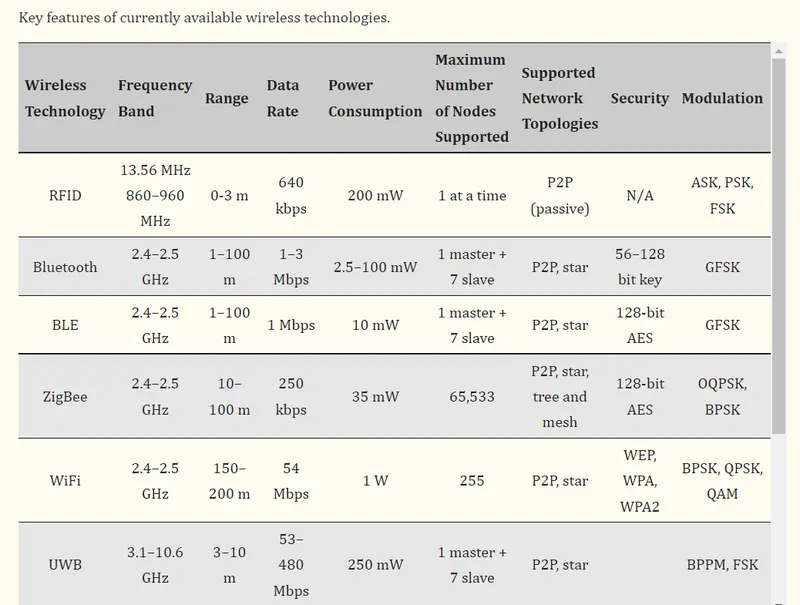
Materials and methods
- The term temperature indicates earmarks of hotness or coldness of the body. Normally, it refers to the impact such as temperature on helping or impeding warm by radiation and convection from the portion. Commonly, the temperature is surveyed by a thermometer at a particular position on the body.
- Normally, the temperature of the body is between 97.5 Fahrenheit and 99.7 Fahrenheit. B.P-Blood weight could be an estimation of the constraints applied to the divider of an individual supply route as his or her heart pumps blood into his or her body. The perusing gets by two numbers. The beat number is systolic, and the foot number is diastolic. This is an estimation of the constraint applied to the divider of an individual supply route as his or her heart pumps blood into his or her body.
- The perusing gets by two numbers. The beat number is systolic, and the foot number is diastolic. For instance, 140 over 80 is written as 140/80 mm Hg . The pulse rate may be an ordinary condition of resting heart rate for grown-ups of 60 to 100 m per minute. The beat is getting lower, whereas grown-ups are at rest or expanding when working out.
- The beat rate shifts from individual to individual. An electrocardiogram (ECG) could be a straightforward test that can be utilized to check one’s heart cadence and electrical movement. It stands for detecting one’s heart rate and rhythm . Glucose is a key element of our body that keeps our body instruments in the best working arrangement.
- It is the only carbohydrate that makes it a monosaccharide. It connotes that it has one sugar, and it’s not alone. Other monosaccharides incorporate fructose, galactose, and ribose. Testing glucose levels is important for diabetes patients. Regular checking is necessary for such a patient on a daily routine basis.
- Generally known as an oxygen immersion, Spo2 could be a measure of the sum of the oxygen-carrying hemoglobin within the blood relative to the sum of hemoglobin not carrying oxygen. To work proficiently, the body needs to have a certain level of oxygen in the blood. In genuinely, an exceptionally low level of Spo2 can result in exceptionally genuine side effects, which is known as hypoxemia .
- This research uses the user-centered design as a methodology, which aims to know and understand the user’s needs, limitations, behavior, and characteristics, in order to ensure that the final product is of quality and will be accepted by the end user.
Initial Understanding
- It was found that all caregivers keep a daily record of the health status of all elderly people in the residence, being the most important document for the health control of patients. In this registry, which is usually on paper, the clinical follow-up of the elderly person is reflected, which contains physician prescriptions or in some cases instructions issued by the elderly’s relatives.
- It also includes data such as blood pressure and glucose level, and in some cases the time interval in which these values will be measured, either daily, every other day or every week.
- The main communication mode between caregivers and family members is the telephone, followed by messaging systems such as WhatsApp and Facebook Messenger. This communication is mainly about updates of health status and the needs of the elderly, for example, lack of medicines, external medical attention, or to invite them to events such as Mother’s or Father’s Day.
- When an older adult enters a nursing home, it is necessary to name a direct person responsible, who must be in constant communication with the residence and the elderly. In addition, the relative must provide all the medical information of the older adult.
- In residences with medical staff, an initial assessment is performed to identify the medical state in which the elderly person is admitted. Depending on the geriatric residence, this diagnostic includes the measurement of body temperature, heart rate, oxygen saturation, blood glucose level, and blood pressure; additionally, it was found that anthropometric variables such as waist circumference, the patient’s height, and body weight are taken into account in a nursing home.
- A condition is that the admitted adults are not violent, and as part of their registration information, their anthropometric data is recorded; if necessary, laboratory tests are performed to corroborate the health of the elderly in their admittance and to initiate a clinical history and a medical record of the patient. Some of the main problems detected in the residences are:
-
Many older adults, with few caregivers to care for them;
-
Little communication between the caregiver and the family;
-
Health monitoring is registered mainly on paper;
-
Very low involvement of the family members in the care of the elderly.
Based on the analysis of this information, the characteristics that the system of Abuelómetro should cover to support the healthcare of the elderly living in nursing homes were obtained.
Envisioned System
We envisioned that to improve the healthcare of seniors living in nursing homes, the system needs to address the following aspects:
Medical Record
The system must be able to replace the traditional paper log, storing the records of the elderly in an electronic database and offer access to them in a simple and immediate way, with data updated in real time. In this way, physicians and caregivers can register daily life activities, food, medicines, health conditions, injuries, medical treatments, photos, and notes.
Communication with Family
One of the main problems that was found is the lack of involvement of the family. To lessen this, a function was included to send reports to the family with details of the daily life of the patient: Participation in activities, illnesses, therapies, food, and medication intakes. Likewise, the family can give an answer and instructions to the caregiver through this function, to speed up the attention and get involved in the decision-making about the care of the elderly.
Remote Monitoring
Through the wearable IoT device, Abuelómetro will have remote monitoring of the vital variables of the adult through the Internet in real time; the variables to be collected by the sensors were selected based on the user’s interviews and whether they can be measured without intrusive sensors and human intervention: Heart rate, body temperature, and blood oxygenation. These data can be visualized by the doctors, caregivers and relatives of the patient in real time within the mobile application.
Medical History
When the older adult is admitted into the residence, an initial clinical history should be created, with data such as surgical history, obstetric history, prescriptions, allergies, social data (religion, occupation, studies), habits, and vaccines. Additionally, through this functionality, the health of the elderly can be monitored through a digital registry.
Alert Notifications
- When the IoT system detects a possible alarm situation with the patient’s health, it must be able to generate an alert for caregivers and family members.
- The design of the wireless health monitor had to be such that it would have had to be able to measure temperature, heart rate, ECG, SpO2 levels, blood pressure, and glucose levels. So the hardware needed to be compact and light. For it to be portable, it would have to run on a Direct Current (DC) power supply.
- Thus, sensors connected to an Arduino microcontroller were used to measure vital signs. A Bluetooth module was used to transmit these measured data wirelessly to an android application (built using JAVA in the android studio) from where a MySQL database was updated with the information.
- Then, the patients and doctors could access the information through a built-in website updated by the same database. The best option for quick and efficient website development was Hypertext Preprocessor (PHP).
- This Patient Health Monitoring system comprises both a hardware part and a software part. Along with the software part, a database on a web server as a storage for the accumulated data from the hardware implementation was being used.
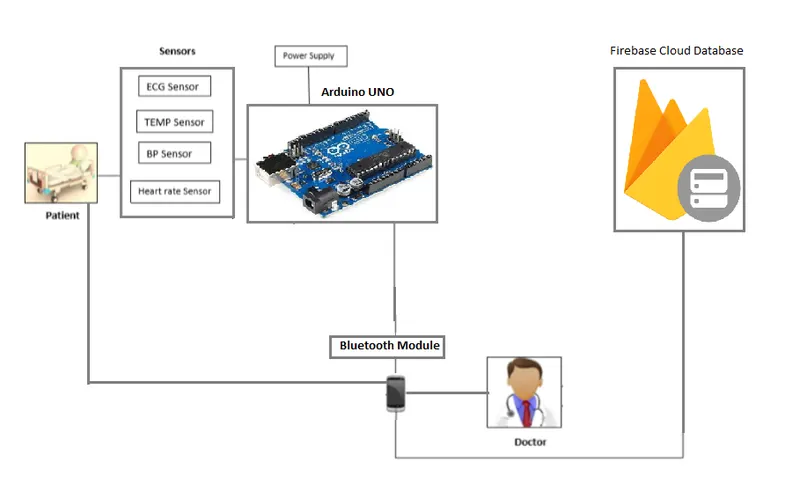
complete the block schematic of the IoT device to acquire physiological parameters and explain each block in detail:
Design plans
Hardware architecture
- There were three different sections. The microcontroller is at the center of the entire hardware process.
- It receives analog signals from the sensors, and then, the Arduino code is written such that the data are sorted from each sensor and then digitized.
- The sorted data are then passed on to a Bluetooth module which transmits the data to the mobile android application.
- The android application displays the readings and simultaneously updates the MySQL database connected to the website.
- From the website, patients and doctors should be able to access the information simultaneously.
Android application and website interface integrated with database server
- When patients open the application, they should be prompted to register and open a new account with their personal details, which will be passed on to the database. The application system will always check the database for these login details to allow patients for future logins.
- Once logged in, patients should be able to do the following: They should be able to view their past readings to compare, they should be able to take new measurements, or they should be able to check their doctor’s prescription that was given since the last time they took readings.
- the architecture of the algorithm that will be used for the android user interface (UI). After the patient logs in, patients can choose between two options. One alternative is to upgrade the data of patients by giving data approximately title, age, crisis email, and ID, which is really the device ID, and, of course, the interesting id for each persistent
Mobile Monitoring to Predict Medical Conditions
- This project uses wearable technology, watches and phones that have the Android operating system. The objective is to collect and process data from sensors placed in patients with medical conditions to detect or, ideally, predict episodes such as chronic obstructive pulmonary disease (COPD), seasonal affective disorder (SAD), and bipolar affective disorder (BAD).
- The smartphone requires users to complete a questionnaire that describes their health once per day. After finishing the questionnaire, patients are asked to blow into the microphone as a measure of their maximum expiratory flow. The data collected during the day are sent to a remote server to be analyzed .
- When evaluated with patients, preliminary results indicated that they are willing to use this wearable device.
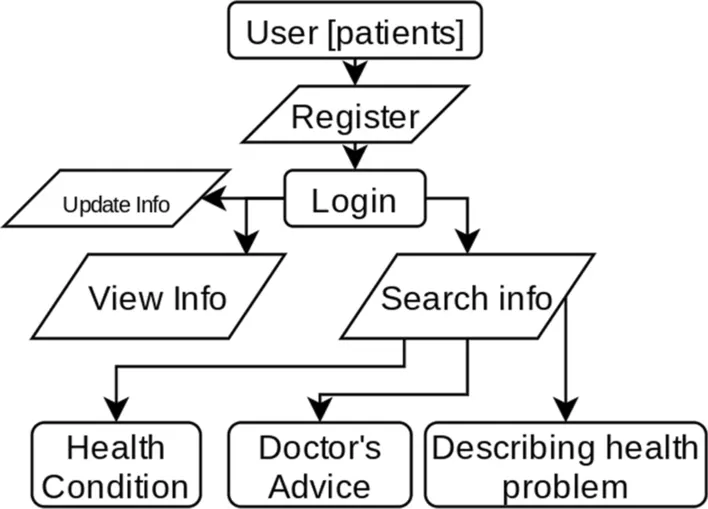
Block diagram of proposed android UI implementation
Wearable IoT device
- The first layer consists of the wearable IoT device, which corresponds to the Hexiwear biometric bracelet.
- It is a device with capabilities to become an IoT node and includes sensors to measure heart rate, body temperature, and blood oxygenation , In addition, it is energy-efficient and has wireless communication and a touch screen.
- It was selected because both software and hardware are open-source, so it is fully configurable to the needs of each project
WolkAbout API
- The Hexiwear bracelet is supported by a platform called “WolkAbout IoT Platform”, among the components of which is a mobile application for smartphones and which stores all the information generated by the bracelet sensors in the cloud.
- In this way, data such as oxygenation, heart rate, and temperature are made available to developers through its application programming interface (API), in such a way that applications can be developed to recover the information that is stored in their servers
Middleware
- For the API to communicate with the patient data and the application, it was necessary to develop a middleware layer. This middleware was implemented using the service-oriented computing (SOC) paradigm , which is based on services that expose their functionality through a web API.
- This API provides access to the data of the users wearing the IoT device, which are stored in the cloud and are available to any application through the programming code.
- Another choice is to see data which are the whole data of the patient’s current health condition. This choice will show the temperature and beat rate.
- It too will show any advice from specialists. Besides, understanding can portray his/her well-being condition by either selecting given symptoms or portraying problems in a chosen box that can specifically reach the doctor’s application.
- Similar to patients’ applications, specialists can begin by generating an unused account on the doctor’s application. After that, the professional would be able to use his account. Specialists must once again register their account by including the basic information needed to access the account and then log in with their username and password. This section’s whole mechanism is shown.
- A doctor may have a large number of patients under his care. As a result, a doctor will have access to a list of patients the specialist will see. More specialists may choose a single permanent by selecting it from the understanding list by clicking on the title of the understanding.
- Specialists would be able to view all of the patients’ records after clicking on a single patient. He’ll still be able to see if some form of signal or warning is sent to specialists. Specialists may recommend specialists based on their findings. There is an option called “delete permanent records.” It means, if a specialist needs it, he can erase a few past records of a persistent person.
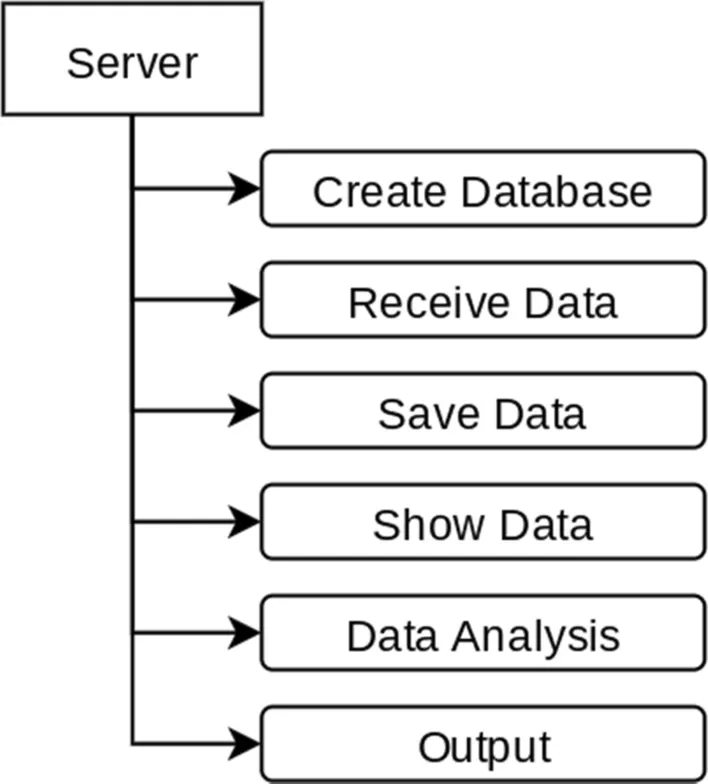
- The probable flow of server implementation is shown below. The Bluetooth module can be utilized as equipment, and it’ll be set up with the Arduino so that it can exchange information over the Internet. A computer interface can handle questions utilizing http, the most well-known convention for trading information on the World Wide Web.
- The information will be put away, handled, and sent to clients. A Bluetooth module will be utilized to exchange information with the app, and a web server will be utilized to store data. The Android interface was selected for the smartphone gadget.
- Android encompasses a world-class stage for creating apps and diversions for Android clients all over the world, as well as a free commerce center for disseminating them right away .
- Prophet Enterprise disseminates, creates, and keeps up the MySQL database, an open-source, commonly utilized, and most well-known SQL database administration framework. The MySQL database administration system will be included in this article.
- MySQL too has the good thing about supporting social databases. Consequently, it is exceptionally adaptable to use since data can be put into totally different tables instead of putting all the data into one table.
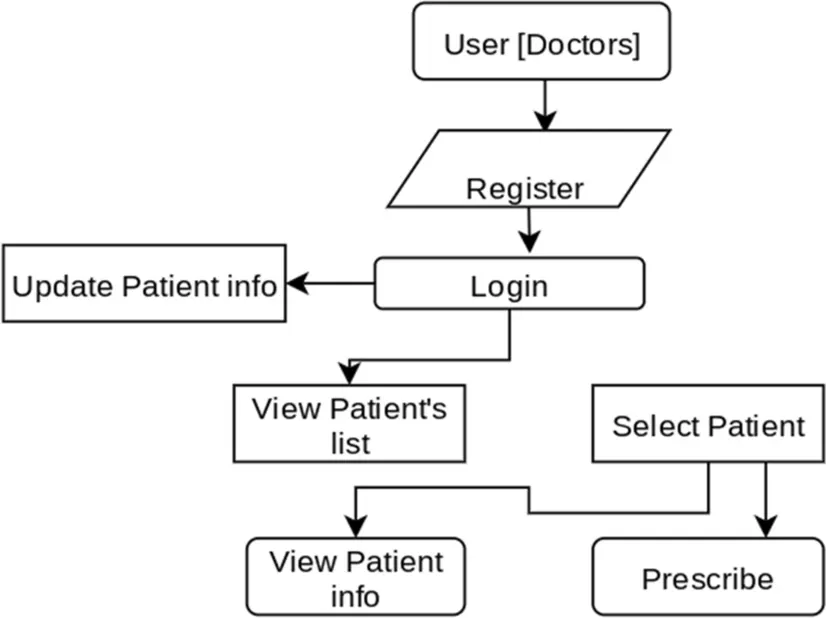
Flow diagram of proposed patient UI implementation
Work Flow:
- First of all we have to make Communication between Arduino and android app using Bluetooth.
- now after establishing the communication successfully start creating android app using android studio and use the code from above link after this send some data to arduino in our scenario we have 4 module so we have 16 combination like patient want only temperature data or ecg, Blood pressure or temperature and ecg etc.
- so for these 16 combination we use hexa table which stars from 0 and ends at 'F' so after reading the incoming value arduino decide which type of data user wants.
- After that arduino start reading that data from sensors and transfer that data to arduino using HC05 and android receive that data and send to firebase which is real time database below is the structure of firebase database
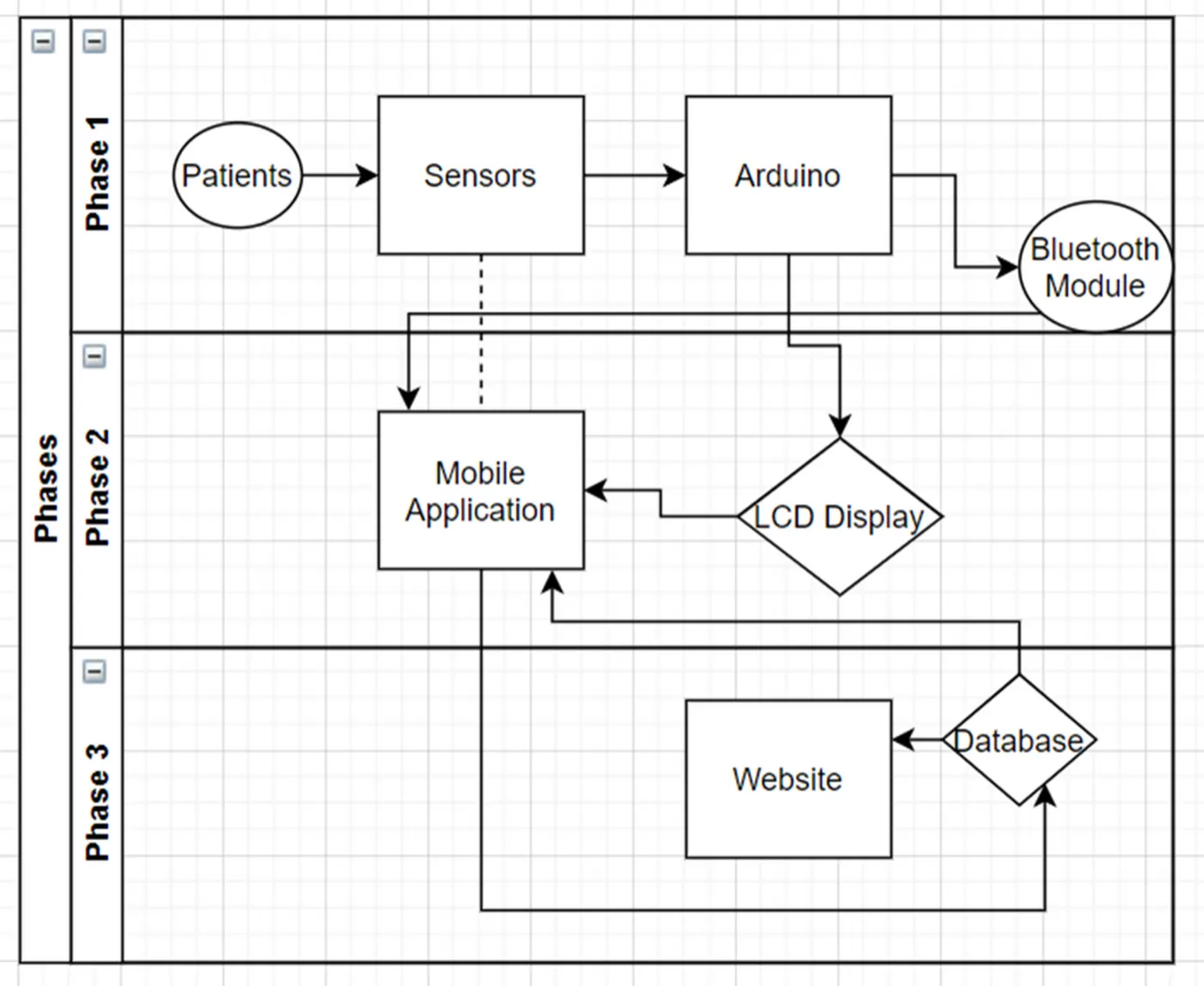
- In program execution, the program portion is coordinated with the equipment portion. The equipment portion has an Arduino, ECG sensor, Heart Beat Sensor, Bluetooth Module, and LCD display.
- To execute the equipment portion, the code may well be planned such that the heartbeat stick is initialized in stick 7, the heartbeat button is initialized in stick 6, and the ECG button is initialized in stick 2.
- When starting to organize, the value of ECG and heartbeat are 0. A strategy setup is utilized for setting up the LCD’s number of columns and columns. Here, the button is taken as input.
- A call-back strategy is utilized to not hinder when the heartbeat is tallied for 20 s. It is executed in 1 moment. appears in the square chart for the whole health monitoring process.
- To execute the site, the paper coordinates the equipment with benefit calls to appear on the site. In real-time, esteem appears on the site. We made a web front with a gadget interface. The (Hypertext Preprocessor) PHP/JavaScript dialect is utilized for making the site.
- PHP is utilized to call the server and get the information from the server. When a heartbeat is measured on a pulse sensor, it is transferred to the server and appears as genuine esteem on the site agreeing to the date and time. It moreover creates the ECG bend graphically on the site, concurring with the time and date.
- Chart.js may be an effective information visualization library. It is utilized to make the graphical lines on the site.
- The web benefit is utilized to display ECG graphically by calling information from the server and creating it from the Arduino code.
- In other parts, one can also make a live check of the understanding by utilizing a login username and password.
Electrical noise
- Electrical noises affecting the signal quality and statistical power of wearable electrophysiological recordings mainly include intrinsic body noise, skin–electrode interface noise and environmental noise.
- Body noise is unavoidable and not dominating in most cases, including undesirable eye movements, muscle activity, cardiovascular activity and skin potentials.
- This type of noise can be largely lessened with data processing techniques.
- Skin–electrode interface noise contributes to a significant part of the signal noises for various electrodes as discussed above. Motion artifacts often arise from the interface due to relative motion of electrodes to the skin. Wearable systems with robust mechanical attachment of electrodes on the body can be designed to decrease these motion artifacts.
- Environment noises come from 50/60 Hz powerline interference, electromagnetic interference from surrounding electronics and moving electric charges in the recording environment.
- The implementation of a buffer at the electrode sites, shielding electrodes and cables, and driven right leg circuits can effectively reduce these interference noises.
Wearable electrical sensors they proposed to be overcome during acquisition
1. Piezoresistive sensors
- Resistive strain sensors: body-to-signal transduction
- When conductive materials are subjected to mechanical deformation, their electrical properties change. This electromechanical response is known as the piezoresistive effect
2. Resistive strain sensors: devices and demonstrations
- A wearable resistive strain sensor must meet certain criteria including high stretchability and flexibility, low hysteresis, and high sensitivity.
- A device that is able to stretch and flex will be mechanically reliable when mounted on the body, allowing for long-term use.
- A wearable strain sensor ideally will also not exhibit extensive plastic deformation when subjected to repeated strain.
- Most importantly, strain sensors must exhibit high sensitivity to strain to improve signal acquisition and detection of dynamic strain
3.Resistive strain: unmet challenges and outlook
- In general, to fabricate highly sensitive strain sensors, stretchability is typically compromised.
- Conversely, highly stretchable strain sensors are generally characterized with low GFs or strain sensitivities.
- In addition, stretchable strain sensors suffer from hysteresis due to the viscoelastic properties of silicone elastomeric substrates.
- Pegan et al. have shown that wrinkled microstructures in platinum thin films were able to achieve GFs of 42 while still being able to elongate up to 185% strain using a shrinking fabrication process.
4.Electrical sensors: body-to-signal transduction
- Electrical sensors measure a change in electrical resistance of the skin or measure changes in capacitive or conductively coupled charge at the skin surface. In most cases, high-input-impedance electronics are used to detect these very small changes in charge.
- That leaves one major challenge for the body-to-signal transduction: good electrical contact with skin. There are two types of electrical contacts, wet electrodes and dry electrodes.
- Wet electrodes combine a solid conductive pad interfaced to the skin via an electrolyte gel that minimizes the impedance of skin by:
(1) hydrating it;
(2) forming a conformal electrical contact with its textured surface
LifeShirt
The LifeShirt ambulatory monitoring system consists of a chest and shoulder strap that records cardiorespiratory measurements in patients with medical or psychological disorders in an outside a laboratory environment. Its sensors measure: Respiratory rate, heart rate, posture, and skin temperature . This device has been tested, and the results suggest that it provides a reliable way to monitor patients who use it
Vita-Data
- Vita-Data is an innovation that combines hardware and software to help to monitor vital signs and send alerts in real time to the patient’s caregivers of children, seniors, and people with disabilities.
- It has sensors that measure body temperature, heart rate, and blood oxygenation, in real time, while comparing the readings of the sensors with the parameters defined by the doctor, and in cases where it detects an anomaly, it sends an alert to another bracelet that the caregiver uses.
- The three analyzed works use very similar sensors that monitor vital signs, but the technologies are different; although they are wearable technologies, the implementations have been in the form of smart watches, bracelets and belts, each of them with the purpose of adapting to the type of patient who will use it, as well as the physical activity that he performs.
- Our goal is to create a system that provides specific support for caregivers of elderly people living in nursing homes.
- This implies the need to carry out an in-depth study of this scenario in order to obtain knowledge about the problems and needs that are faced every day.
- Services available in the cloud and accessible through the middleware.
- Upload photos: Caregiver-type users can share photos with family-type users.
- Upload user information by caregiver: This service allows uploading and updating information related to caregiver-type users.
- Add medical data: The service allows caregiver-type users to create new classifications to personalize the medical data of the elderly at their care.
- Upload user information by family member: This service allows uploading and updating information related to family-type users.
- Consult family chat: Caregiver-type users can access the conversation history with the relatives of the elderly at their care.
- Update information of the elderly: This service allows uploading and updating personal information of the elderly.
- Upload medical information of the elderly: The functionality of this service is to allow caregiver-type users to upload medical data of the elderly who are in their care
Implementation
- The following items shown in Table 1 were bought for the entire implementation of the hardware implementation. Table 1 shows the list of required equipment and its price of it.
- The price here is given in Bangladeshi Taka.
- The total cost of the hardware components for the development of the proposed system is 5735 Bangladeshi Taka, which is equivalent to 67.50 US dollars.
- From the table, it is noted that the hardware equipment for the system is very cheap. That makes the whole system cost-effective, which will be good for the general public to buy and afford the system.
| item | |
|---|---|
| AD8232 ECG measurement module | |
| Arduino bluetooth module HC-06 | |
| Arduino uno R3 SMD | |
| Breadboard | |
| High accuracy 12C MAX30105 PARTICLE optical sensor oximeter module | |
| Jumper wires | |
| L7805 voltage regulator | |
| LCD keypad shield arduino | |
| LM35 temperature sensor | |
| Rechargeable battery charger | |
| 9v Sony rechargeable battery | |
- The details of the equipment and how they are connected to the microcontroller for each sensor are given below.
- The Arduino Uno, could be a microcontroller based on the ATmega328P (datasheet).
- It has everything required to bolster a microcontroller. It has 14 advanced input/output pins (6 can be utilized as PWM yields), 6 analog inputs, a 16 MHz ceramic resonator (CSTCE16MOV53-R00), a Universal Serial Bus (USB) association, a control jack, an ICSP header q, and a reset button.
- So it can essentially be associated with a computer with a USB cable and control with an AC to DC connector or battery so that it can be started.
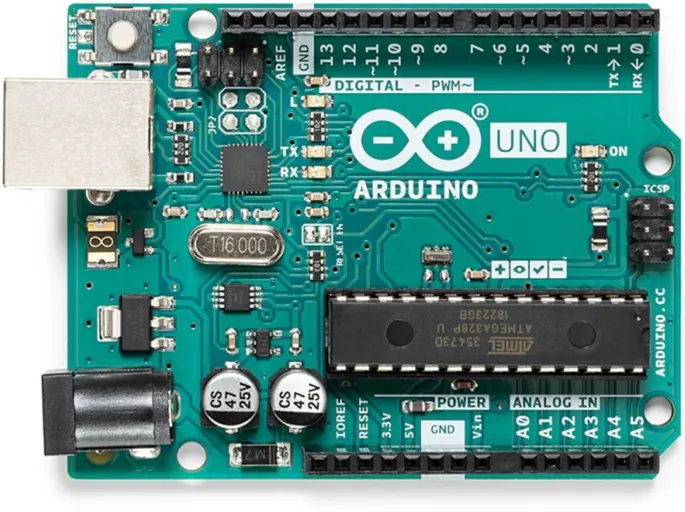
Arduino Microcontroller Pins
- TheAD8232ECG ECG MODULE, is coordinated with the AD8232 IC from Analog gadgets.
- It is outlined as a single chip so that it can extricate, open up, and channel signals for bipotential estimation applications (like ECG and others).
- The ECG may well be exceptionally loud. That’s why the AD8232 Single Lead Heart Rate Screen acts as an op-amp, making a difference in easily getting a clear flag from the PR and QT Interims.
- For feature extraction, crude ECG information is sifted and sectioned, and after that, a complexity examination is performed.
- Combining a stack-based classification module and a relapse module, a machine-learning strategy is connected to building systolic BP(SBP) diastolic BP (DBP).
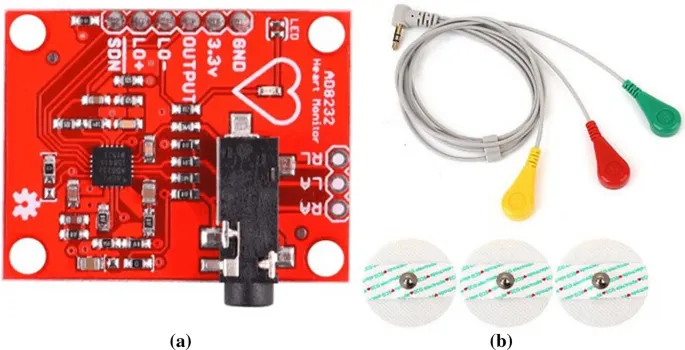
ECG sensor connection
Particle sensor
- The MAX30105, is an indispensable molecule detecting module. There are inner LEDs, photo finders, optical components, and moo clamor hardware encompassing light dismissal. A total framework arrangement that can ease the design-in handle of beats and oxygen level finding is given within the MAX30105.
- Because it is amazingly small, it can, moreover, be utilized as a wearable gadget. Having an electronic show module, an LCD employs fluid precious stones to create an obvious picture. Exceptionally commonly used in DIYs and circuits, the 16 × 2 LCD display is a case of a really fundamental module.
- 16 × 2 outlines a display of16 characters per line in such 2 lines. This paper, too, encompasses an unused equipment framework that can measure the glucose concentration in the blood. This framework is really non-invasive, speedy, and basic. To begin with, near-infrared light is utilized in this paper.
- The infrared light transmittance here can get the flag of blood glucose concentration. Then, these signals will be transmitted to Arduino after amplification by an amplifier. The Arduino Uno board has a CPU that can analyze and process signals.
- By comparing with a standard set, the system can determine the blood glucose concentration of the signals. Lastly, the result will appear on the LCD screen, which can also be transmitted to a phone via Bluetooth at the same time.
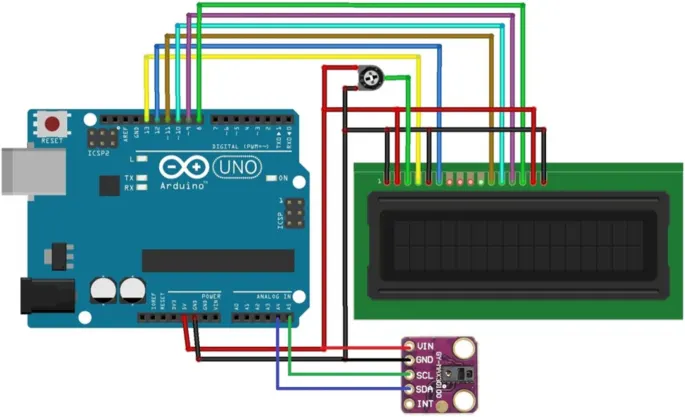
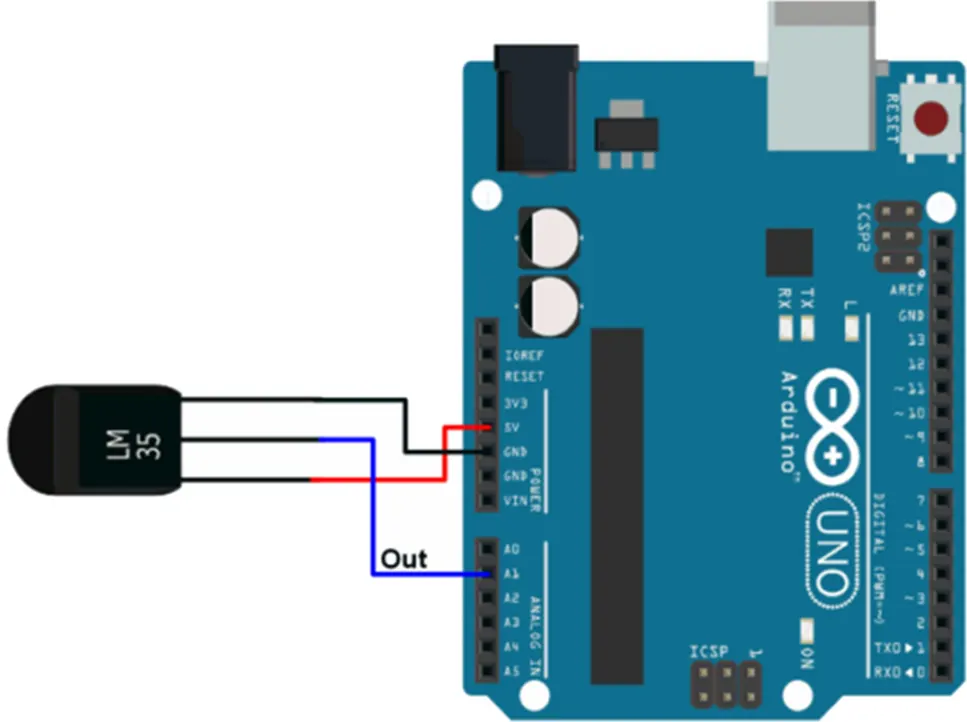
- LM35, which appeared in could be a temperature sensor that can measure temperatures within the range of −55 °C to 150 °C.
- It may be a 3-terminal gadget that gives an analog voltage corresponding to the temperature. The higher the temperature is, the higher the yield voltage
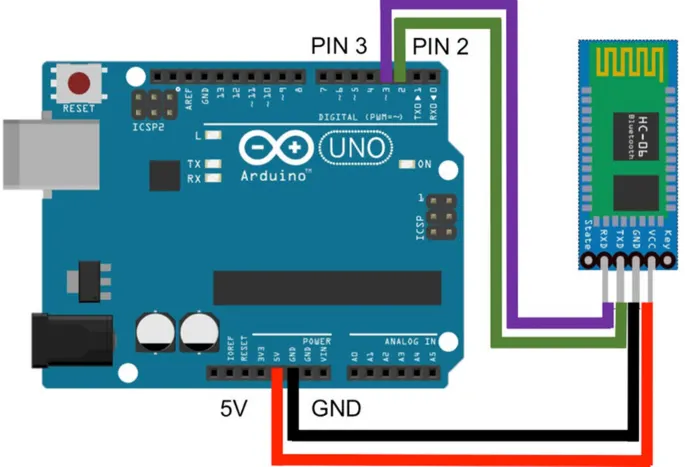
- The HC-05 Bluetooth module,, could be a stackable shield with serial ports based on the HC-06 module.
- The shield can be associated straightforwardly with the Arduino UART harbor for remote communication.
- Without deterrents or other impedances, the Bluetooth shield can communicate for a run of 10 m (32ft)
- The Pulse Sensor Amped is a plug-and-play heart-rate sensor for microcontrollers like PIC, AVR, Arduino, etc.
- It can be used to easily incorporate live heart-rate data into a project. It essentially combines a simple optical heart rate sensor with amplification and noise cancellation circuitry making it fast and easy to get reliable pulse readings.
- It simply needs to be clipped to the earlobe or fingertip and plug into 3.3 V or 5 V supply from Arduino or battery.
- The pulse sensor module has three terminals – VCC, Ground, and Out. The output pin of the pulse sensor module is connected to analog pin A0 of the Arduino.
- The VCC is connected to 5V DC output of Arduino and Ground is connected to the common ground.
- The Arduino and Android applications are connected via Bluetooth. JAVA code is used by the android studio for the android application to send some data to the application.
- Arduino decides and provides data according to user preference from the incoming value.
- Then, Arduino takes readings from the sensors and transfers them using HC-05 to Android.
- Android receives the data and sends it to the real-time database. show the database structure for doctors and patients, respectively.
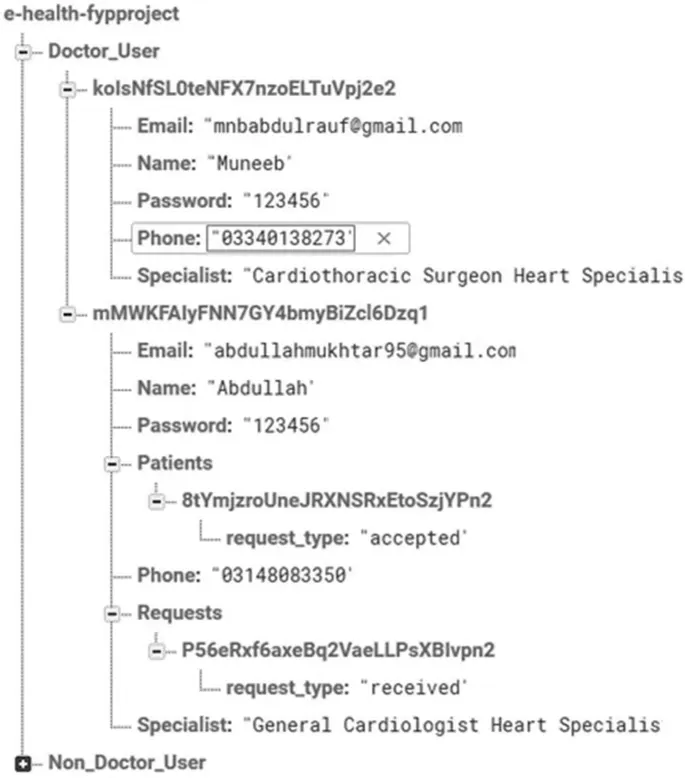
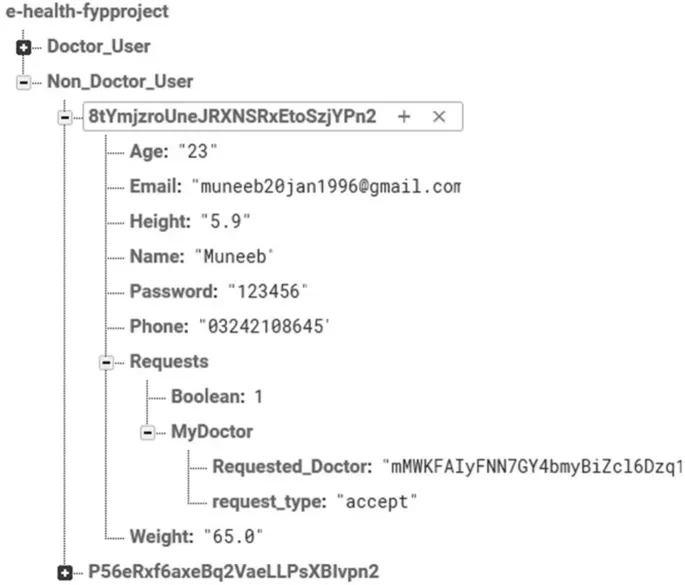
- The database management system, MySQL is used, which is currently the most popular database management system out there.
- MySQL is an API that uses a connector function to link the backend of the PHP app to the MySQL database.
- It provides a better set of functions and extensions. MySQL was used to connect to a PHP-designed website. On the other hand, a simple API was used to connect Android apps to the MySQL server.
- The Abuelómetro system was developed using React Native. The device used for development and testing was a Samsung Galaxy S7 (Samsung Electronics, Suwon, South Korea) this smartphone includes an Android operating system Nougat 7.0 version.
- For storage information in the middleware, MongoDB was used, which is a tool that allows us to develop databases oriented to documents instead of relations (NoSQL database). To implement the middleware, we studied the implications of performance for a real-time web API;
- our first option was the PHP/Apache stack, but after analyzing the literature, we found that Node.js technology outperformed the main web development technologies (PHP/Apache, PHP/Nginx) in computational performance and have been used by real-time high-speed and scalable web applications for the abovementioned, the middleware was developed with the Node.js technology.
- Mobile computing has several advantages in healthcare, but at the same time, privacy and security are essential for any health monitoring technology many challenges arise because the privacy of patients can be compromised and the quality of the data for medical use can be leaked if a cyber-attack occurs.
- At this stage of development, no additional security measures have been implemented to prevent the leakage of patient information; this is considered in the next iteration.
Evaluation
- An assessment of user experience of the system was performed. In the evaluation, the systems usability scale (SUS) was used this is a very useful instrument to evaluate the user’s perception in a simple and reliable way
- It is acceptable to evaluate with five users to detect the majority of problems with usability To fulfill this criterion, five users were selected to perform usability testing.
- The sample was selected by convenience sampling, per the availability of the subjects; gender distribution was: 80% female and 20% male. The information of the user
Characteristics of the users.
| User | Gender | Age |
|---|---|---|
| 1 | Female | 34 |
| 2 | Female | 32 |
| 3 | Female | 55 |
| 4 | Female | 28 |
| 5 | Male | 33 |
Process
- First, the system prototype was explained to the users. Next, users were given a demonstration of the mobile application.
- Later, a list of tasks was assigned to be performed in the application. Finally, participants were asked to fill out the SUS questionnaire, which is a 10-item Likert scale instrument to assess the platform usability.
Use a Cloud Computing approach to build in Intelligence in the data being received from the IoT sensors,
- Public healthcare has been paid an increasing attention given the exponential growth human population and medical expenses. It is well known that an effective health monitoring system can detect abnormalities of health conditions in time and make diagnoses according to the gleaned data.
- As a vital approach to diagnose heart diseases, ECG monitoring is widely studied and applied. However, nearly all existing portable ECG monitoring systems cannot work without a mobile application, which is responsible for data collection and display. In this paper, we propose a new method for ECG monitoring based on Internet-of-Things (IoT) techniques.
- ECG data are gathered using a wearable monitoring node and are transmitted directly to the IoT cloud using Wi-Fi. Both the HTTP and MQTT protocols are employed in the IoT cloud in order to provide visual and timely ECG data to users.
- Nearly all smart terminals with a web browser can acquire ECG data conveniently, which has greatly alleviated the cross-platform issue. Experiments are carried out on healthy volunteers in order to verify the reliability of the entire system.
- Experimental results reveal that the proposed system is reliable in collecting and displaying real-time ECG data, which can aid in the primary diagnosis of certain heart diseases.
Results and analysis
- final hardware prototype built for the proposed IoT-based patient monitoring system in this research work. The hardware was built by using a breadboard as the connecting platform for the wiring of the machine. No final casing of the machine was built as this paper represents the working prototype to measure the accuracy of vital sign readings.
- Here, the sensors and the connection of all sensors with the Arduino and other required components are shown. In this hardware prototype, all the required sensors are connected to the Arduino.
- Sensors will measure the analog signals from the human body, and then, Arduino will process the measured data and provide a digital output which will be sent to the mobile application via Bluetooth device.
- The ECG sensor used for this system has three leads, which are also included with the hardware prototype.
- For the commercial purpose of the system, a mold can be used for the coating purpose of the whole hardware system.

Working hardware prototype of the proposed system built for testing purposes
Measurement of accuracy of sensor readings
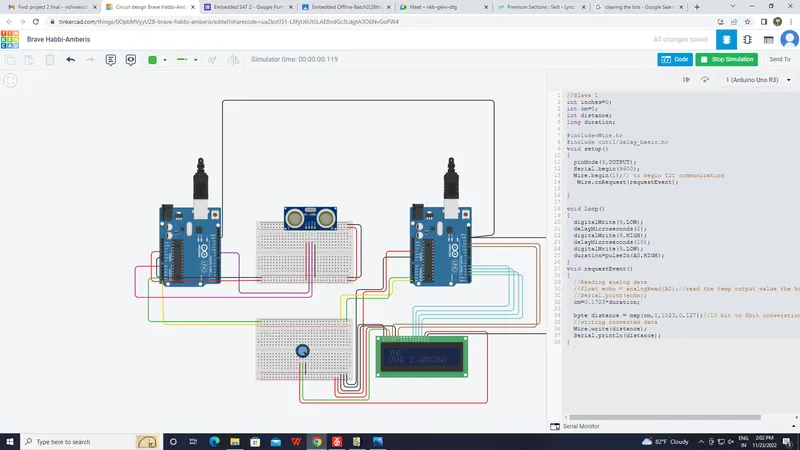
- Once the hardware was built, the initial simulations were done using the Arduino IDE monitor. The physiological parameters of humans were measured and displayed on the monitor, as shown in the following figures.
- The accuracy still remained to be measured in this phase. In this case, for the testing and measurement of the developed system, a real human test subject was used for live testing of the system on a real human test subject.how the ECG is plotted on the serial plotter.
- The signals are generated as voltages of electron movements across arteries. Each pod measures the voltage, the data of which is passed on to the analog input of the microprocessor.
- This signal is amplified to produce a graphical representation on the monitor.

Initial Arduino simulations for ECG values. a shows live testing on one of the patients while b shows the ECG plot on the serial plotter
Like the serial plotter, the monitor shows the readings but in a graphical form. Each of the vital sign values for each pulse appears in tabular form, as shown in Fig. 14 as follows. The analog input values before the graph is plotted can be viewed on the serial monitor as follows.

Serial plotter showing values of physiological parameters measured from sensors
- In this study, in order to test the system, more measurements were performed. A sample size of 5 real human test subjects was used for testing, measurement, and comparison purposes. In this case, these measured physiological parameters’ values were manually noted down, and the data were entered into a Google sheets application to compare with values measured by accurate machines to produce a deviation of values from original measurements.
- The following graphs show original, accurate measurements versus the measured values from the hardware sensors proposed in this paper. The graphs below, shown in , were graphed in Microsoft Excel after manually noting down each value from the serial monitor and then graphing these values against values of vital signs measured medically.
- the orange color bars in the graph show the measured temperature values for five different test subjects that were obtained using the proposed temperature sensor of this system, while the red color bars in the graph shows the measured temperature values using a commercially available analog thermometer. the X-axis represents the test subjects.
- Temperatures were graphed against those measured using a thermometer. In this case, the results of the temperature of the proposed sensor are compared with the analog one. The thermometer here shows the body temperature in degrees Fahrenheit (0F).

- Measured temperature values (orange: sensor of this study) versus medically collected values (red: analog thermometer commercially available) for five different real human test subjects. X-axis represents the test subjects. Temperature is in degrees Fahrenheit (0F)

Measured pulse rate values (pink) versus medically collected values (blue). X-axis represents the test subjects. Pulse rate is in BPM

Measured blood oxygen level values (green) versus medically collected values (pink). X-axis represents the test subject
- Pulse rate and oxygen saturation levels were graphed against values measured with a pulse Oximeter sold in the current market. shows the measured pulse rate values (pink) versus medically collected values (blue) for five different test subjects.
- The pink color bars show the measured heart rate values that were obtained using the proposed heart rate sensor in this study, while the blue color bars in the same graph show the heart rate values that were obtained using commercially available pulse Oximeter sold in the local market.
- The unit of the pulse rate in is BPM (Beats Per Minute). shows the measured blood oxygen level values (green) versus medically collected values (pink) for five different test subjects. In, the green color bars of the graph show the measured blood oxygen level values using the proposed sensor in this study, while the pink color bars of the graph show the measured values using a commercially available pulse Oximeter sold in the local market.
- Each separate bar in the following graph represents each separate patient. In each graph, corresponding bars show vitals measured using medical equipment versus the measurements taken by the wireless health monitor mentioned in this paper.
- Manually, each of the readings was measured, noted, and then graphed against medically measured values to compare the bars. In the X-axis shows the test subjects that were used for measurement purposes in this study.
- To measure the accuracy, the percentage difference in the value of the vital was calculated. From the above graphs and plots, we can see that most readings were well within the 10% error rate. Thus, most vital measurements were accurate to above 90%.
- Some readings were even as close as 98% accurate compared to vital readings measured by current market products. This was considered to be quite accurate when compared to the prices of products in the market. These results were good when looked at from a financial standpoint.
Android application testing
- This phase includes an individual patient’s process to see, record, and share their vital medical history on the android application. Once the above readings are taken, they are viewed on the android mobile application by the patient.
- But before one can do that, one needs to register their account, and they will go through a series of fields to fill in and give their personal details shows the simplistic registration process for the mobile application.
- Once the patient opens up the mobile application, he/she has to register by filling in the required information, as can be seen These fields are saved in the database and used for authentication.
- Once an account is created, patients can login using a username and password that they selected themselves during the registration procedure.

The registration process for Android application users.
a shows how a patient first has to login by registering their email and
b shows the completion of the profile once logged in.
c shows the prescription attachment button on the website, while
d shows how the pdf prescription appears on the android app
- Once logged in, patients will have to connect the application to the Bluetooth module, which is quite simplistic. Once searched, they will find a device to be paired named HC05 or see the mac address for it. Once the pairing request is sent, the pairing takes only about 3 to 5 s, and a notification will be shown to the user.
- In the Android mobile application, patients can also see the prescription provided by the doctor from the web application. After logging in to the web application, a doctor can monitor patients’ medical information and testing data in real time and provide the prescription to the patients.
- The prescription form for the web application needs to be attached by the doctor shows the prescription attachment button on the website. Here, at the patient’s end, users can see their prescriptions in the mobile application in pdf format. shows how the pdf of the prescription appears on the android application.
- Once pairing is confirmed, the monitor section of the app will show the readings automatically as long as the person is connected physically to the sensors. The sensor readings will show up in the application. Once readings are taken, they are saved automatically on the MySQL database under the names and identities of the patients.
- That is done in the background through a backend API call. The patient does not have to save anything. The patient also has the option to change personal details or check up on his or her prescription. Only the most recent prescription is shown on the application.
- shows the live testing of the mobile application with the whole sensors and hardware prototype and a real human test subject. The Android mobile application successfully shows the measured vital physiological parameters of a real patient. The proposed hardware prototype and android mobile application of the proposed system work perfectly.
- The hardware prototype can successfully send the measured data from the human body to the mobile application. The android applications show all vital parameters (heart rate, SpO2, ECG graph, blood glucose level, blood pressure, and body temperature) of a real human test subject on the mobile application
- The measured data here in the mobile application also show accurate values. Data accuracy has already been discussed in the previous section.
- Apart from certain bugs and certain User Interface (UI) changes that could be made, the application runs smoothly and accurately. shows the implementation of the android application. Once pressed on the monitor button, the android window will ask to connect the sensors, which, when connected, will pass over the values to the android app.
- Each of the vitals will show up in relevant fields, and the session data are automatically recorded to be sent to the database from where the website is updated. The prescription button on the android app displays a pdf of the prescription uploaded by the doctor on the website.

Testing of mobile application a shows the live testing of one of the patients, while b shows how the vital physiological parameters can be read from the mobile application
Database
- The MySQL database is immediately updated with the information provided by the user. The backend API call pulls the user information from the android device into a structured database.
- Once in the database, the android application can use the database to check login or other credentials.
- The figure below shows that the patient’s information has automatically been added to the MySQL database along with all the personal credentials. shows the database structure of a user’s saved information.

Screenshot of the database updates of information provided by the user
- The doctors, however, do not have an android application for the purposes of this paper. They can access the database information via a connected website where they too would be required to give their personal details and credentials.
- Their details are also stored in the database under the doctor’s tab. The database also contains all the readings for the patients in the logs tab, as seen on the left-hand side of the image.
- The website can allow both doctors and patients to access these details.
Web implementation
- To actualize the site, equipment was coordinated with benefit calls to appear on the site. The real-time esteem within site. shows a screenshot of the website’s home page. A web front with a gadget interface was made. The PHP/JavaScript dialect was utilized for making the site. PHP is utilized to call the server and get the information from the server.
- When a heartbeat sensor measures the heartbeat, it is transferred to the server and appears as genuine esteem on the site, concurring with date and time. It too produces the ECG bend graphically on the site, concurring with the time and date. Chart.js could be an effective information visualization library.
- It is utilized to make the graphical lines on the website. On the front end of the website, doctors, patients, and admins can do registration, and they can also log in to the web application. -b shows the doctor and patient registration and login pages of the developed web application in this research work.
- In , a patient login system is shown where a patient can log in to the web using their email address and a preferable password set by the patient himself.
- A doctor login system is shown where a doctor can log in to the web using an email address and a preferable password set by the doctor himself. If patients and doctors do not have any accounts, they can create a new account, as can be seen in

Screenshot of the website home page
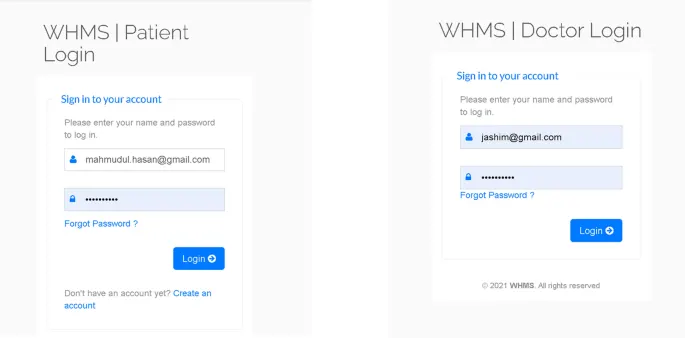
Testing of website: a patient login/registration page, and b doctor login/registration pag
- The web benefit is utilized to display ECG graphically by calling information from the server and producing it from the Arduino code. In other parts, one can also make a live check of the persistent by utilizing a login username and secret word.
- The Internet front is shown within the taking after figuring at the side of the login page interface. appears on the domestic page that both specialists and patients see when they begin to visit the site.
- From there on, they can explore their particular entrances by logging in as a persistent or as a specialist, as shown in Like their portable applications, they can either login or register.
- The patients have a similar login interface on the website. Once inside, the doctors can view patient details by clicking on individual patients and adding prescriptions to them, as shown in the following figure. Once the prescription is uploaded by the doctor on the website, it can be seen via the database by the patient. shows a screenshot of the dashboard being used by the doctor.
- As seen in , the doctor can view all vitals, physiological parameters, and basic information of the patient directly from the website and then contact the patient in terms of prescriptions and medical check-ups required. On this website, doctors can monitor patients in real time.
- Doctors can attach and send a prescription to patients using this web platform, as shown in The presented work in this paper is novel, and it is shown throughout the paper.

Screenshots of the dashboard being used by the doctor
- shows the comparison of the study presented in this article to the other published articles. From it is noted that the presented work in this work is novel. This system is based on the IoT and has a range of sensors integrated with it to measure vital physiological parameters of the human body.
- The proposed system has mobile and web applications for continuously monitoring the patients. This platform also includes a prescription service by the doctors so that patients can get the proper treatment plan remotely based on their physical condition.
- The available system in is web-based telemedicine system where patients can discuss with doctors and get the prescription. The IoT-based patient monitoring system, on the other hand, is not available in The system proposed inis IoT-based and has ECG and temperature sensors integrated with it.
- The measured data are directly sent to the web, but there is no mobile application and no prescription facilities available in this system. The number of sensors is limited in this, and it can only measure ECG and body temperature. The system proposed in is an ECG monitoring system only, and the date can be seen on the mobile application.
- In this system the measured ECG data are not sent to the web application and it does not include a real-time patient treatment plan. In [, the authors have developed a mobile application and, using this system, patients can discuss with the doctors and get prescriptions.
- However, this system is not IoT-based and a real-time patient monitoring system is not integrated with this system. The systems in have limited sensors to measure physiological parameters of human bodies, and they do not have web applications integrated for real-time patient monitoring systems.
- Authors developed a web-based telemedicine system inwhere doctor and patient can have discussion and patients can have treatment plan by the doctor. This system lacks the real-time IoT-based patient monitoring system integrated with it.
- From the above analysis and it is noted that the proposed system in this study is novel compared to the work presented in the published paper. This proposed system is an IoT integrated telemedicine system with numerous sensors for vital physiological parameter monitoring of remote patients.
Alert Notifications
- Abuelómetro has algorithms that analyze the sensed data obtained by the sensors in real time; if it detects that the sensed data are outside normal parameters, the display will indicate the alert by color codes, similar to those used in traffic lights
- Additionally, an alert message will be sent to the messaging application, both to family members and caregivers.
- The algorithms to analyze the sensed data are based on deriving secondary context specifying a set of rules to infer it from the data collected by the sensors.
Data encyption and Security method for the IoT
- The development of an IoT-based wearable medical device (WMD) with safety features for the user is underway. It is made up of two modules: a user module and a base station (crew or physicians) module. This wearable device includes a temperature sensor (DHT11), an ECG sensor (AD8232), an EEG sensor (TGAT2), and a collision detection sensor (SW420).
- Wireless sensor network (WSN) technology is used to communicate the many variables being monitored. The base station module is made up of a personal computer with a cloud connection. The data is updated in real time and transferred to the cloud via an internet of things (IoT) platform accessible from anywhere within the restricted area.
- When the user is informed using organic LED (OLED) for temperature and abnormal heart rhythm monitoring, a buzzer alert is made. The built-in wi-fi on the FPGA controller is used for communication. A notice alert is delivered to the physicians if an unusual event happens.
Usability
The purpose of the SUS questionnaire is to provide an instrument to measure usability that is easy to complete and evaluate.
Once the user completes the 10 items, the questionnaire is scored as follows:
-
In the odd items, subtract one from the position marked by the user.
-
For even items, subtract the position marked from five.
-
Add up these new values from responses and multiply that total by 2.5.
-
Then we obtain a general value of usability on a scale of 0 (null usability) to 100 (excellent usability). It is not a percentage.
Conclusion
- The primary objective of the proposed framework was to center on health monitoring with remote body range organizations. In any case, it effectively actualized the prototype of the physical machine and came up with an active construction of web- and app-based systems with a precise result investigation.
- Essentially, a remote body region organized could be an endless zone to expand. Executing computer science in therapeutic science has ended a modern period of development. Introducing a well-being checking framework with an application will truly be helpful to individuals in developing countries.
- One of the most thought processes of this system was to form a genuine time communication between doctor and patient in a simpler way. In spite of the fact that this model has been actualized and tried, a few more changes are required to present it in genuine life. Additional hardware is also required.
- The real objective of this framework will be satisfied when it can utilize the well-being checking framework and “wireless health monitor” application in genuine life, and individuals will benefit.
- design was based on a contextual study in geriatric residences, in which semi-structured interviews were applied to the personnel responsible for the care of the elderly.
- The development of the prototype showed that it is feasible to carry out and implement the proposal of this research. In addition, it is low-cost and aligned to the IoT paradigm; the most important characteristics are: Real time tracking of the general conditions of the patients, the fact that it allows interaction between caregivers and family, that it is accessible remotely, and that the highest cost is the wearable device, which costs less than $100 US.
- In general, IoT-based health care platforms that connect with smart sensors attached to the human body for health monitoring for daily check-ups are becoming more and more popular. In this paper, an IoT-based patient monitoring system was discussed and designed.
- Health care is one of the least funded sectors in and many other similar developing countries. There is no health coverage, and health insurance is almost non-existent. Thus, people living in rural and remote areas do not have access to proper health care, and when they do, it is too expensive.
- This research aimed to develop a real-time health monitoring system that is cheap, easy to use, and accessible by both doctors and patients. The wireless patient monitoring and care market is estimated to grow at a CAGR of 8.76% in the forecast period of 2020 to 2027, with factors like lack of health care industry professionals and unfavorable recompense policies acting as restraints to the growth of the market.
- Any person with non-communicable diseases will be an expected audience for the product, especially those living further away from hospitals. The paper’s main aim is to make health care management in developing countries better than that in the current system.