Project 1
Report
AIM:
To route the wiring harness for the given engine. Application of all Packaging rules, Industry best practices studied in this course shall be demonstrated in design. Apply Protection coverings as required.
Design Criteria and Packaging Assumptions
- Wiring harness routing should be designed for ease of manufacturing, accessibility, removal, and maintenance of attached equipment and wiring harness.
- Routing through small structural holes and openings should be avoided to minimize chafing and handling of the wiring harness during installation.
- Harness routing and clipping should be avoided in the blind zone of the operator during harness assembly or in service.
- Routing should offer protection against possible damage through common misuses such as being used as a handhold or temporary support for test equipment.
- Additional slack should be provided to the harness according to the surroundings and harness bending requirements. Ensure that the routing meets the clearance requirements with different surrounding parts.
- Routing over bolts or near to bolted joints should be avoided, as this may damage or puncture the harness. Keep the harness away from panel mounting screws.
- Harness routing near sharp edges should be avoided, and if this is not possible, the harness should be protected. The maximum distance between two clips on a straight branch is 200 mm.
- Clips and clamps should be provided if the harness is going to bend at multiple locations. The use of too many sheet-metal brackets should be avoided.
- The branch length should be more than 50 mm.
- The minimum distance between a clip and a branching point should be 25 mm. The minimum distance between two branch breakouts should be 50 mm.
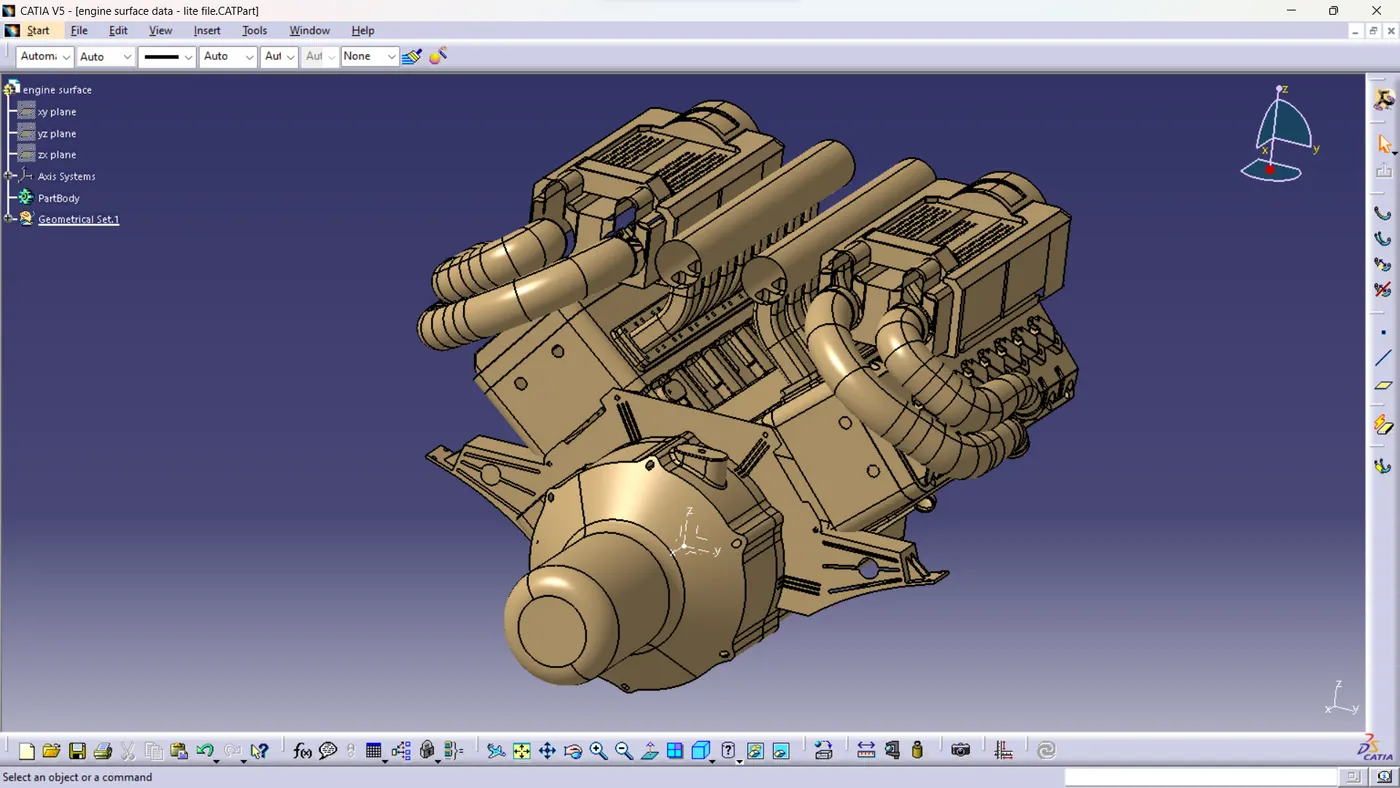
Engine Surface
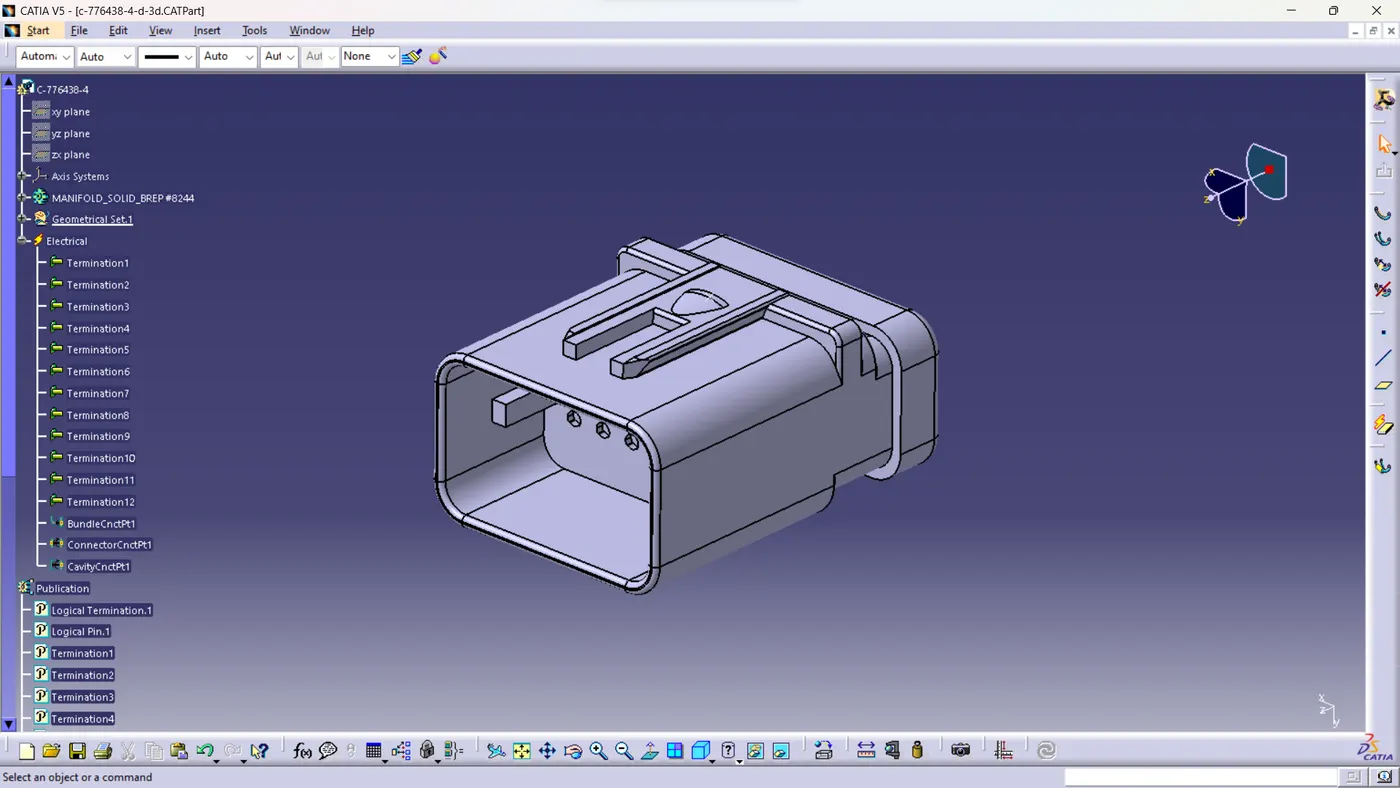
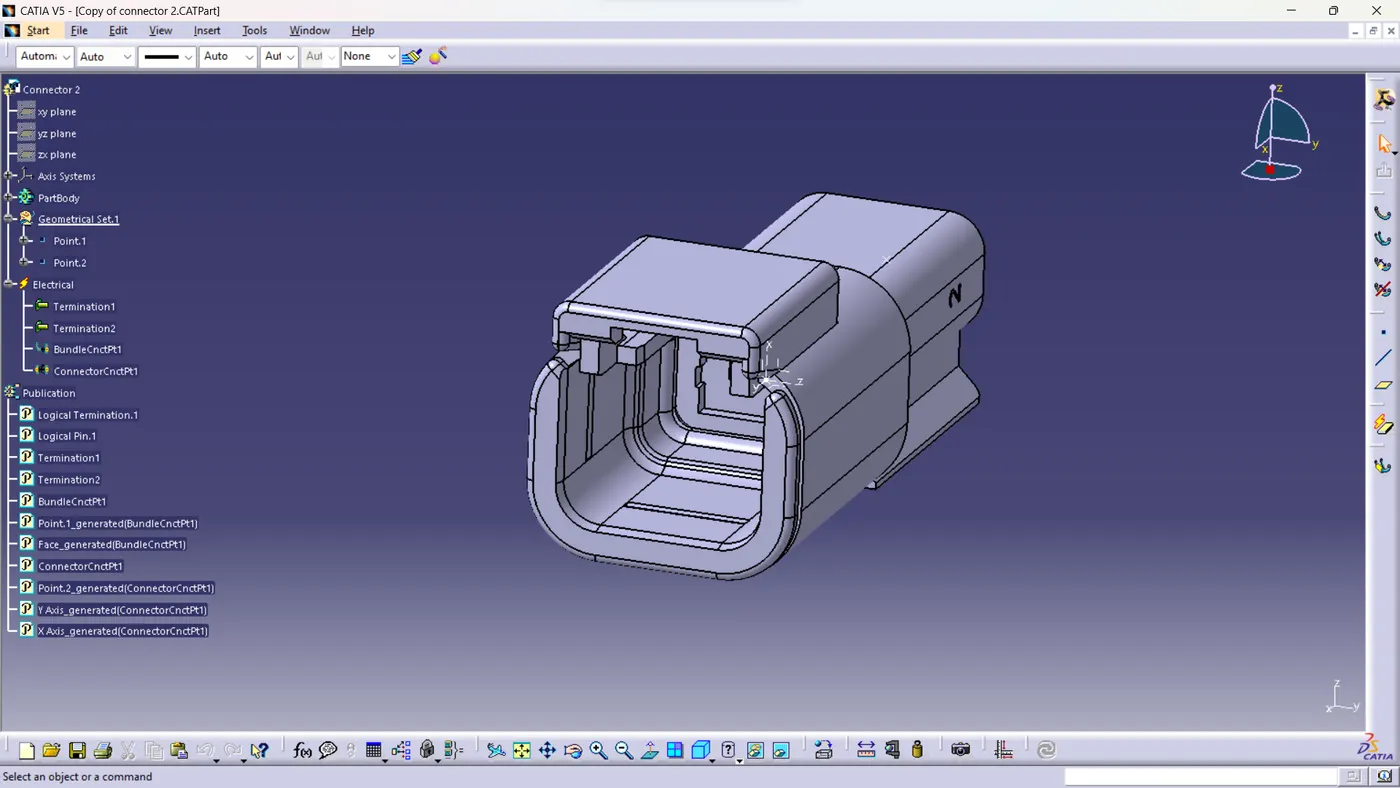
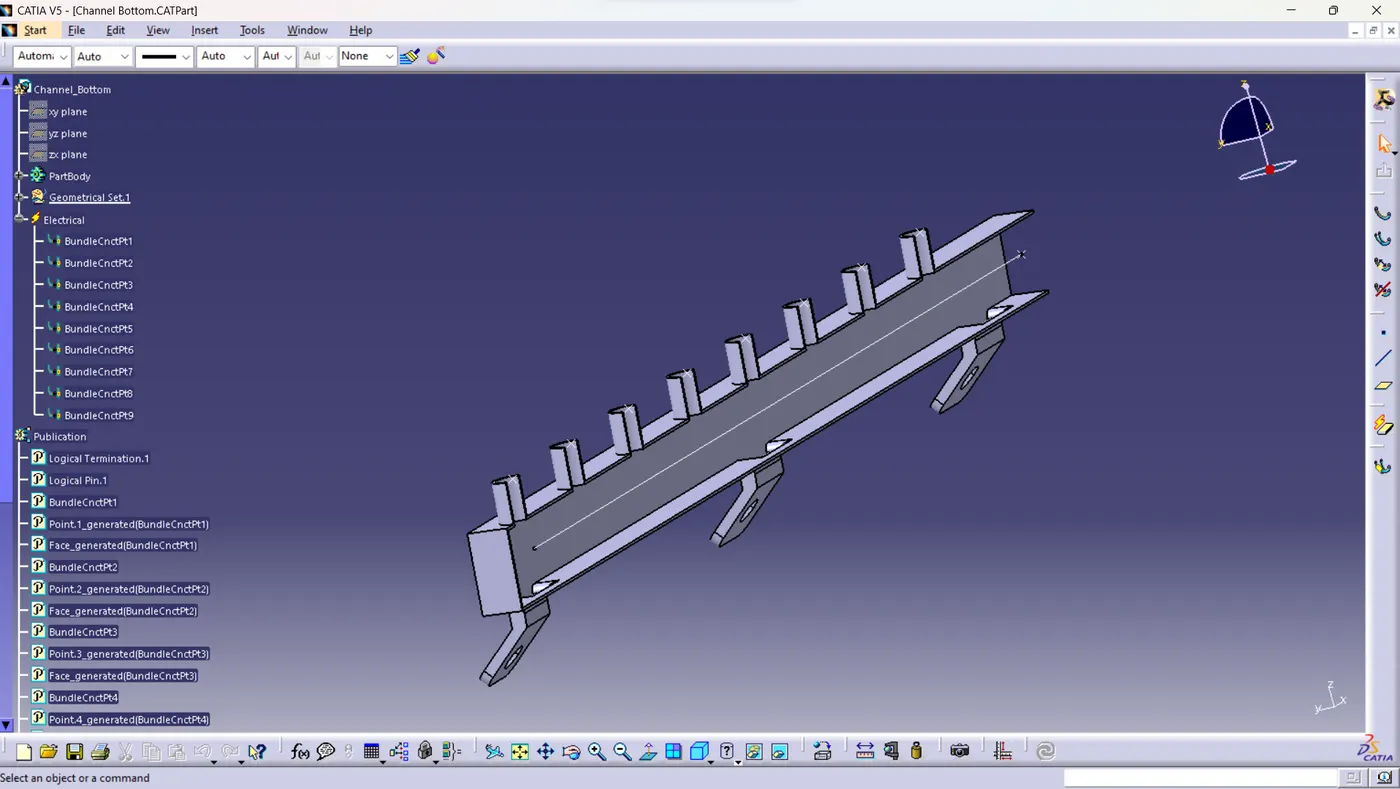
Electrically Defining all the components
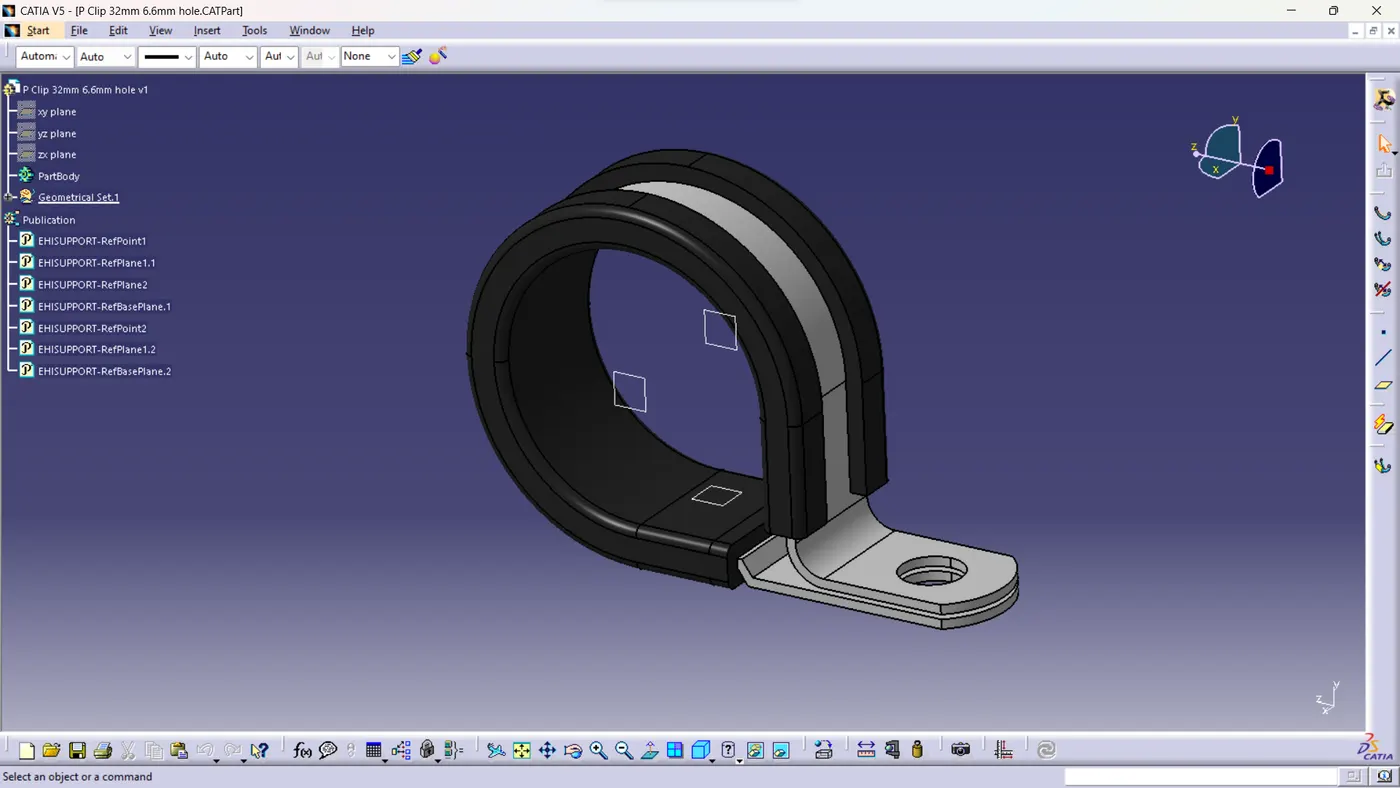
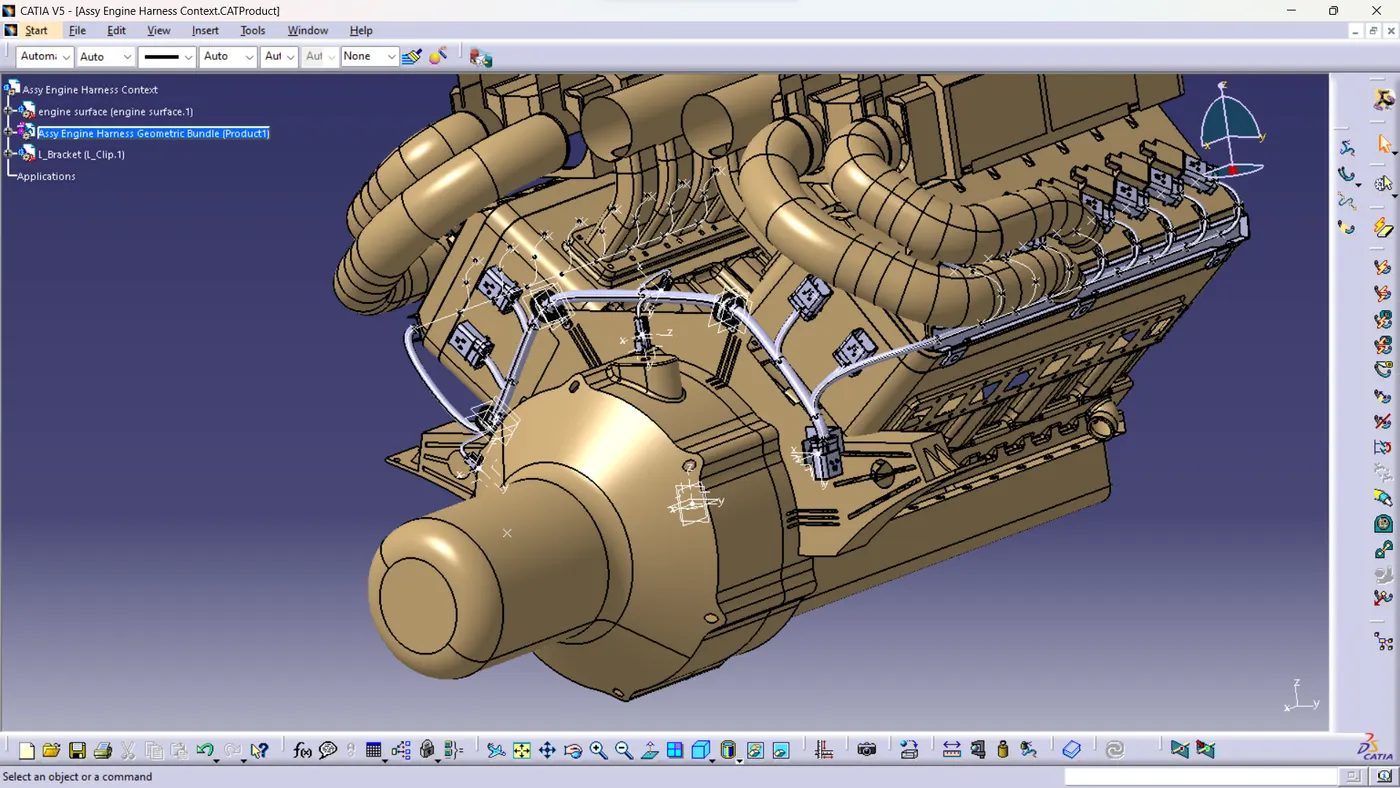
Routing
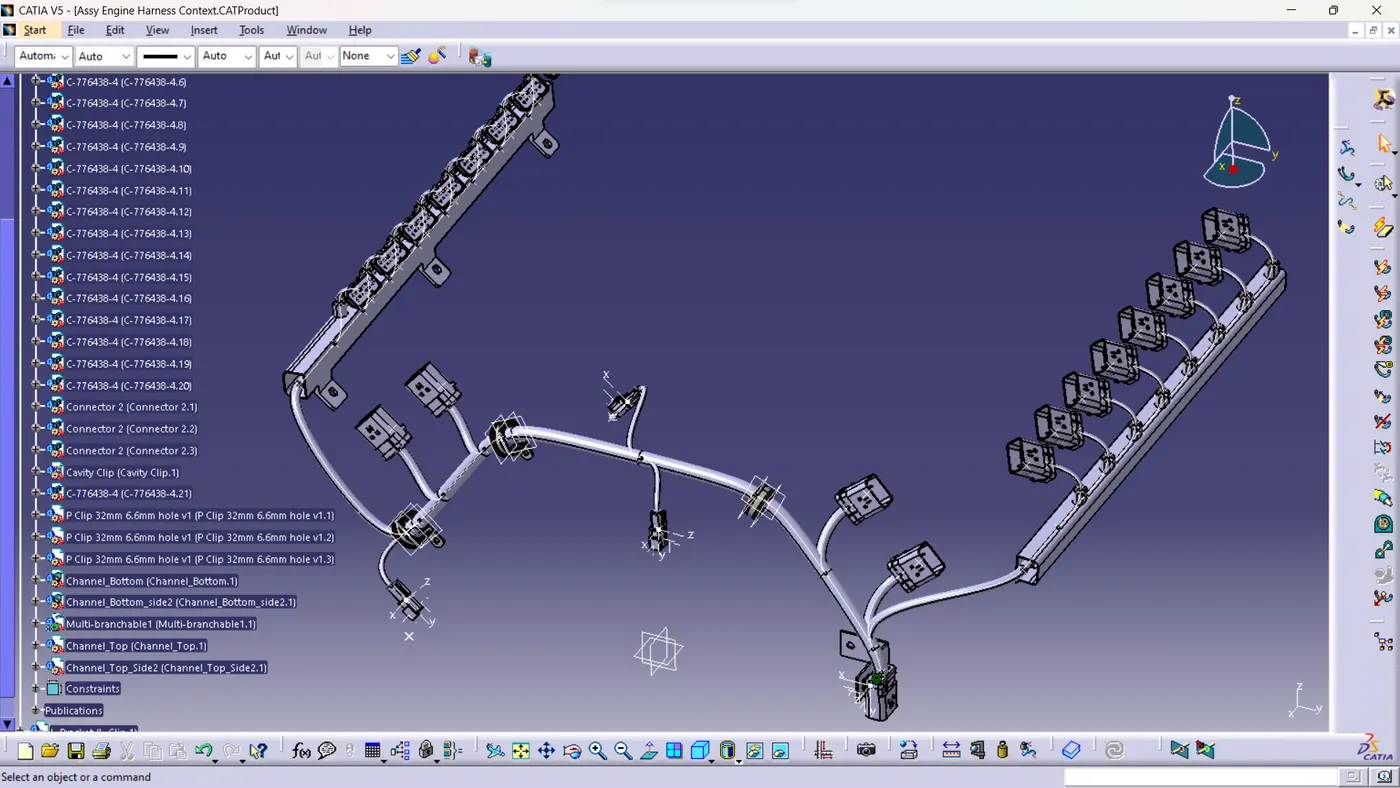
Flattening
since the file size is larger, im providing the link to the file.
https://drive.google.com/file/d/1M4XLWASBkQhzmY9ABsT7beyc4bOecXK7/view?usp=sharing