Project 1
Topic - Wire Harness Routing and flatenning on an engine
Objective - To route the wiring harness on the rngine using connectors clips and clamps
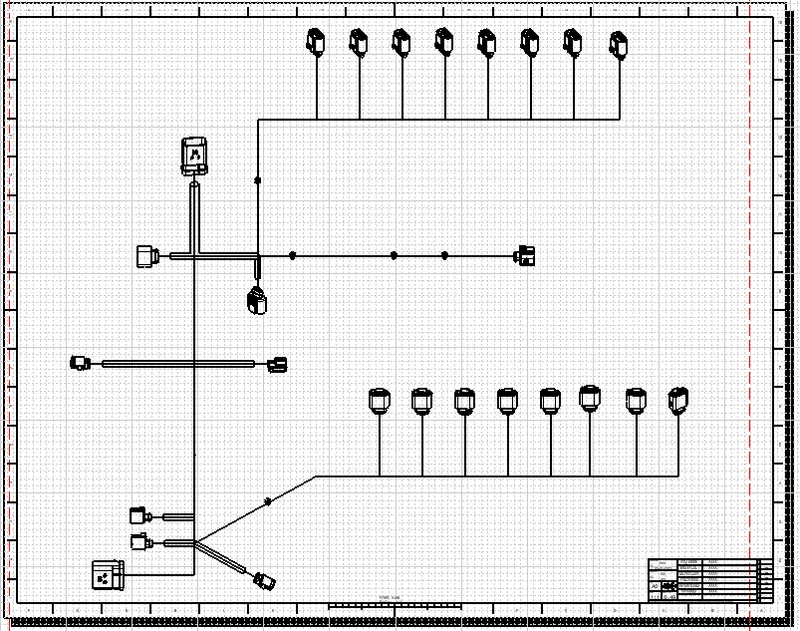
To do the flatenning of the wiring harness
To make the drawing of the flattening
Introduction
Wiring harness is one the most essential parts of the vehicle industry. A wiring harness is an organized set of wires, terminals and connectors that run throughout the entire vehicle and transmit information and electric power, thereby playing a critical role in “connecting” a variety of components. Power and information travel through this network much like the circulatory and central nervous systems of the human body. It conducts electricity for all electrical loads on a vehicle
Selection of components
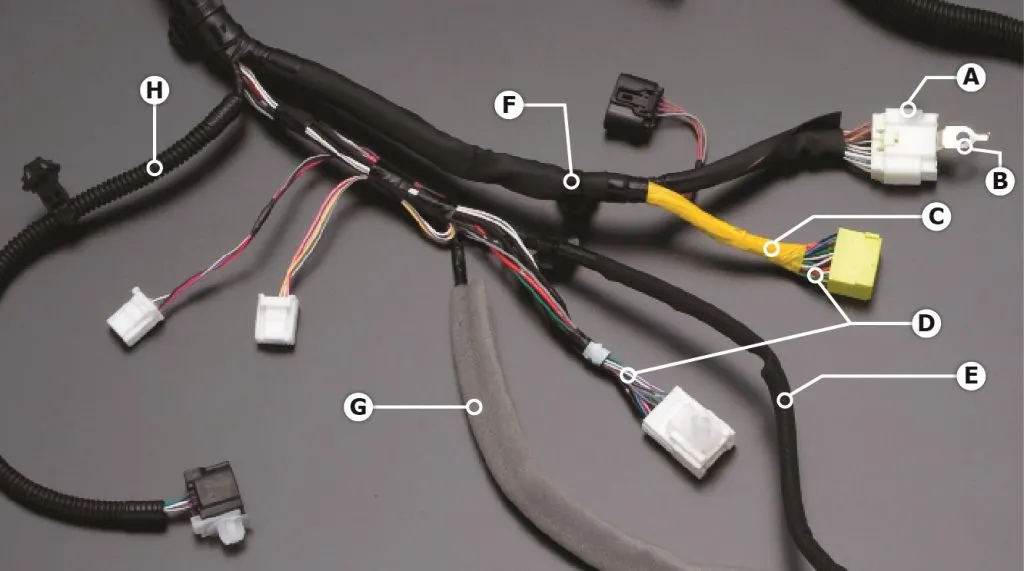
Selection of connectors, fuses, lights, switches, sensors, wires, cables, relays, protection tubes, motors etc. are the core components of the wiring harness. The performance of these components directly determines the overall performance of the wiring harness and plays a decisive role in the stability and safety of the whole vehicle. The basis of the selection of these components is the voltage system and its current carrying capacity. Ambient temperature in the selection of these components is one of the most important aspects of wiring harness design. Proper selection of these electrical components and their conductors ensures reliability and safety. For example, for the requirements of high performance airbags like ABS and ECU with a terminal connector, gold-plated pieces are preferred to ensure safety and reliability
Wiring Diagram
Wiring diagrams are also known as schematics or circuit diagrams. The selected components are placed and connected to each other in the diagram. These components belong to a set of libraries which can be modified and configured according to customer specific requirements. A wiring diagram shows each connection in detail. The schematics give an overview of the components that are part of the electrical design. Other items in the schematics are for example cables, sheet cross references and ECUs.
If an assembly is going to be used for communications or data signal transmission, twisted pairs should be considered to eliminate the risk of noise or EMI (electromagnetic interference) impacting on the performance of the assembly.
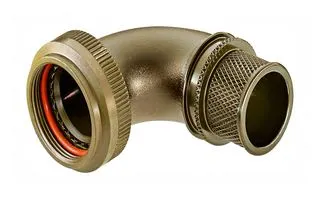
Connectors
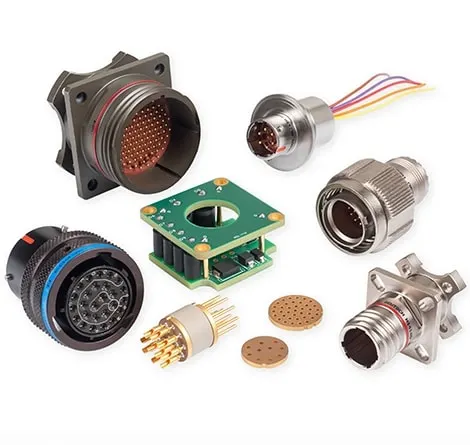
An electrical connector is an electromechanical device used to create an electrical connection between parts of an electrical circuit, or between different electrical circuits, thereby joining them into a larger circuit. Most electrical connectors have a gender – i.e. the male component, called a plug, connects to the female component, or socket.
Protective covering - Cot tubes
Corrugated Flexible Tubes also known as Cot Tubes / Convoluted Conduits have a wide range of application for harnessing cables in: • Automobiles: HCVs / LCVs / Four Wheelers / Two Wheelers. • Electrical Control Panels. • Home Appliances: Washing Machines / Fridges. • Railway Coaches
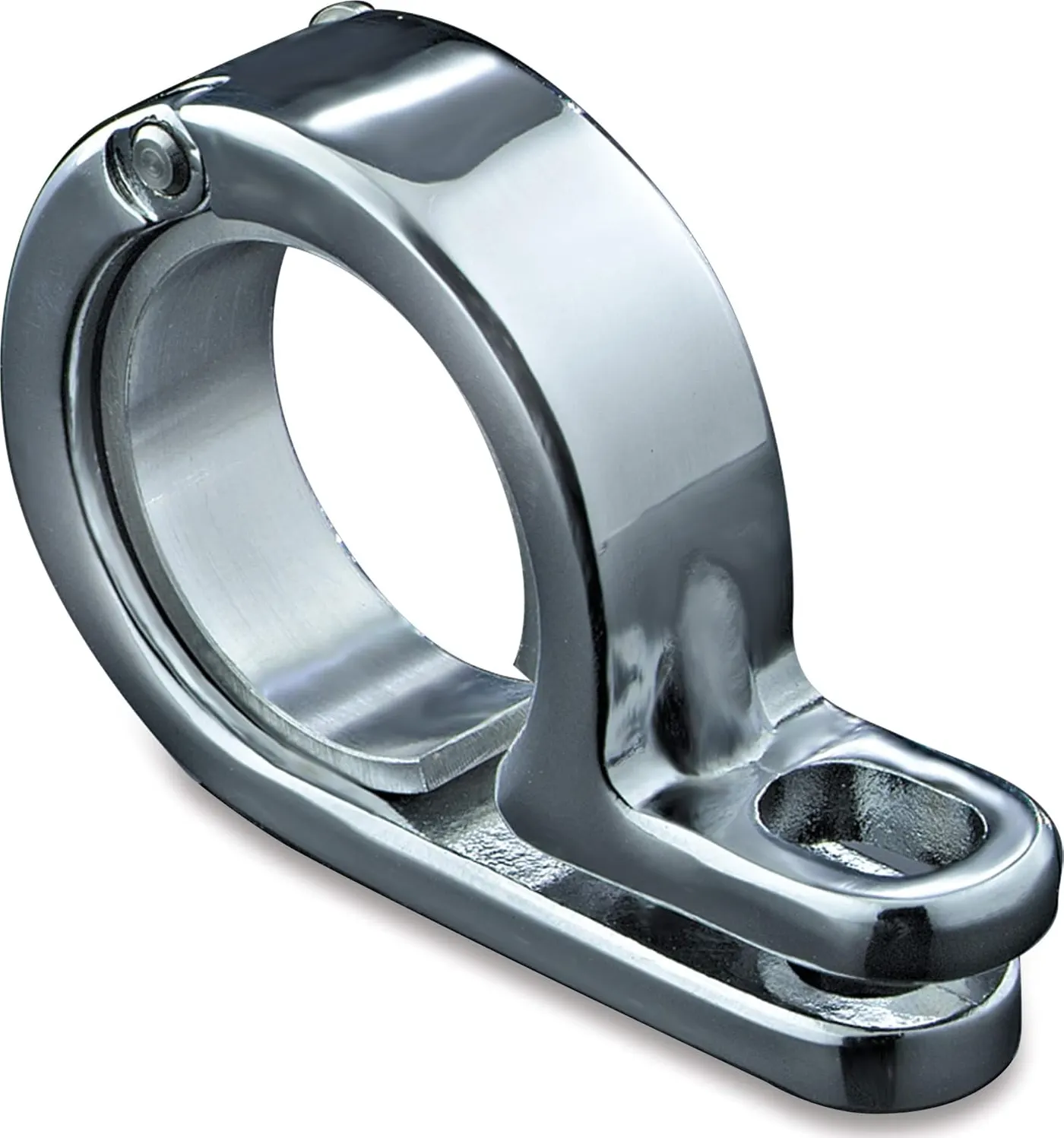
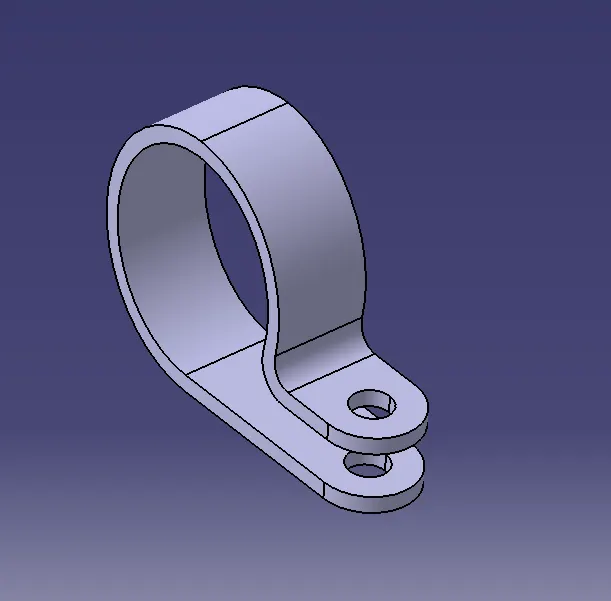
P Clamp
 .
.
Statement of assignment:
Route the Wiring harness on Given Engine and Prepare flatten view drawing in CATIA V5. Application of all Packaging rules, Industry best practices studied in this course shall be demonstrated in design. Apply Protection coverings as required.
Available connector 3D data can be used, or you can download the connectors from www.te.com
Prepare & Submit all necessary reports like clearance, Clipping/Clamping selection, Harness fixing requirements, Harness continuity, Assumptions if any along with CATIA 3D data.
Assumptions-
- Provide clips/clamps as per requirement.
- Make sure that there is no any fauling case while designing the wire harness. Additional clips/clamps may be used to avoid fauling case.
- Give additional slack if needed. 5-10% slack is sufficient.
- Avoid routing over bolt and bolted joints to avoid harness puncture.
- Avoid routing on sharp edges or else provide protection over the harness.
- Follow the clearance distance and keep away the harness from heat generation components.
- Protection should be provided as needed according to surrounding temperature.
- Avoid direct support for harness on fuel lines routed in the engine.
- Use plastic guiding channels if needed.
- Branch length should be greater than 50mm.
- Minimum distance between two branch points should be at least 50mm.
- Minimum distance between clip and branch point should be at least 25mm.
- Avoid too many sheet metal brackets on the engine. Try to use available threaded bosses on the engine or demand for it.
- The wiring harness should be easy to assemble and easy to access.
- While using dummy connectors, ensure that whatever positions you are defining that are practical. Bundle diameters and another placements can be defined properly for the wire harness routing.
- If the packaging area is too tight and there are many packaging constraints then we can think of creating harness channel which can be used to route and protect the wire harness effectively.
First we need to download all the Cad data
Engine
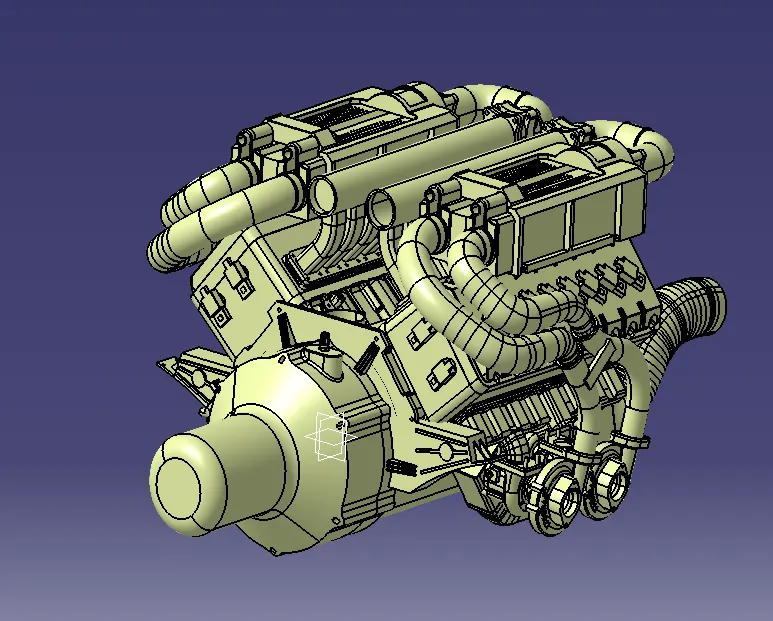
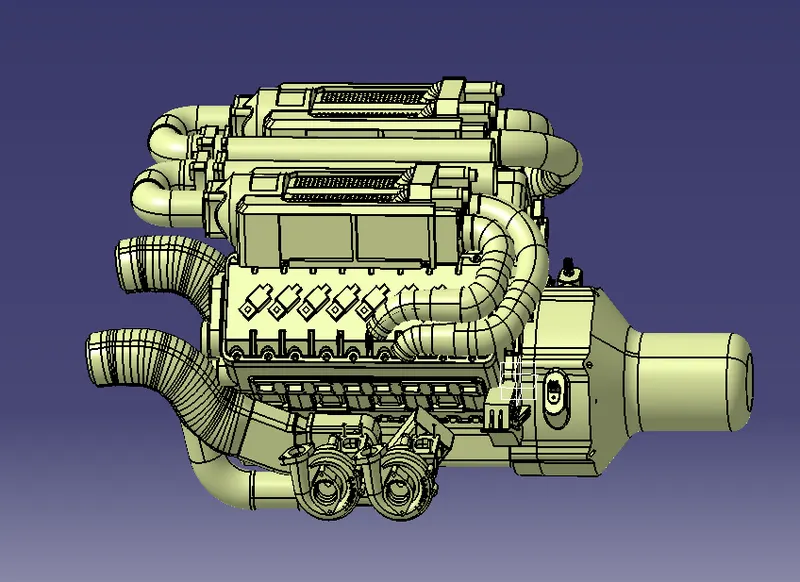
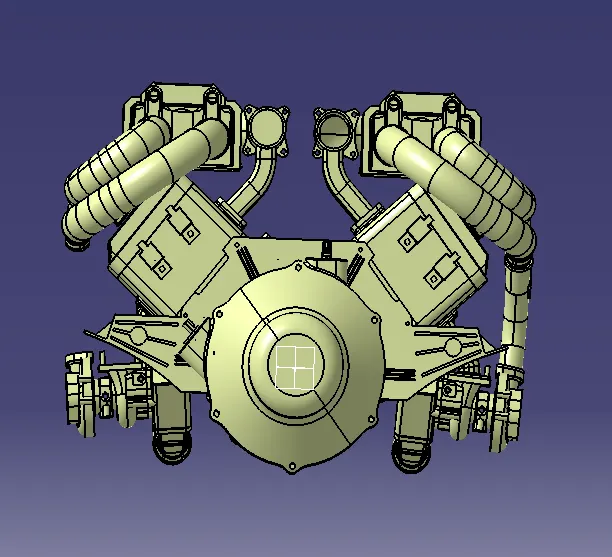
Later we have to define the connectors, Pclam, Fir tree clip and channel electrically using electrical part design work bench
Here are all the parts
Connectors
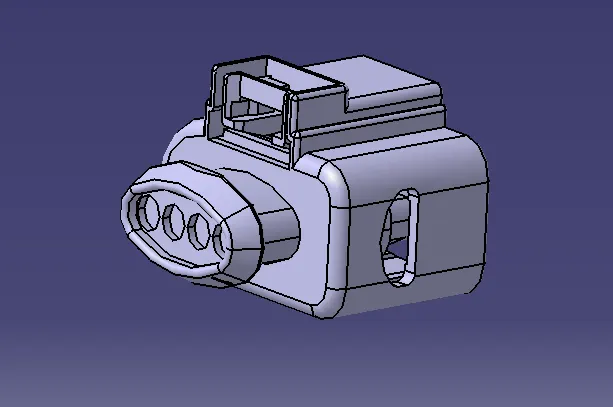
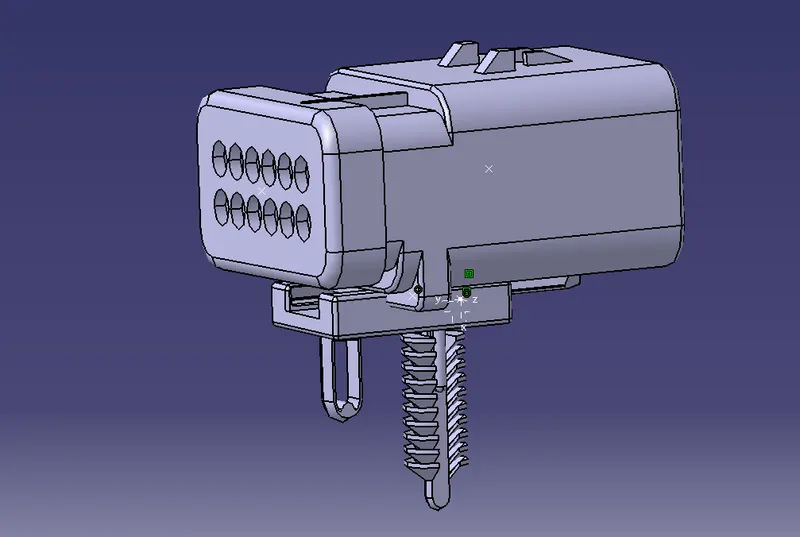
This connector is electrically connected with its cavity
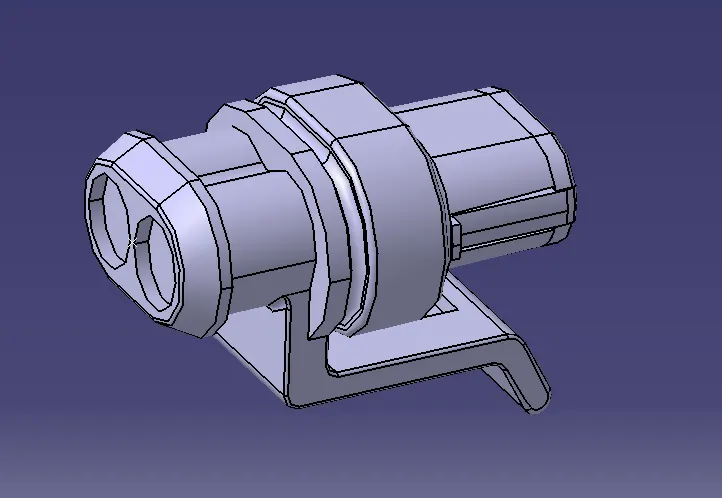
P clamp.
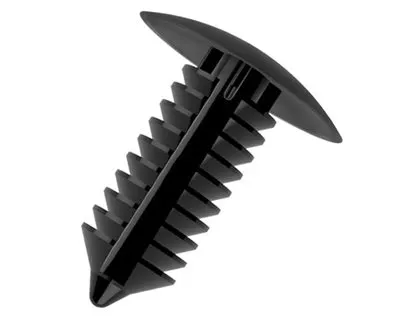
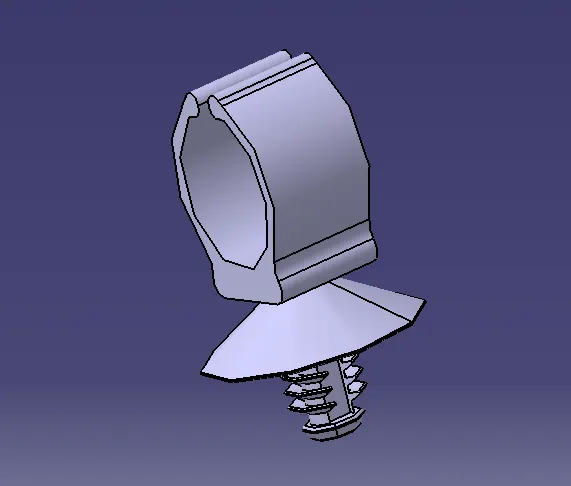
Fir Tree clip
Channel
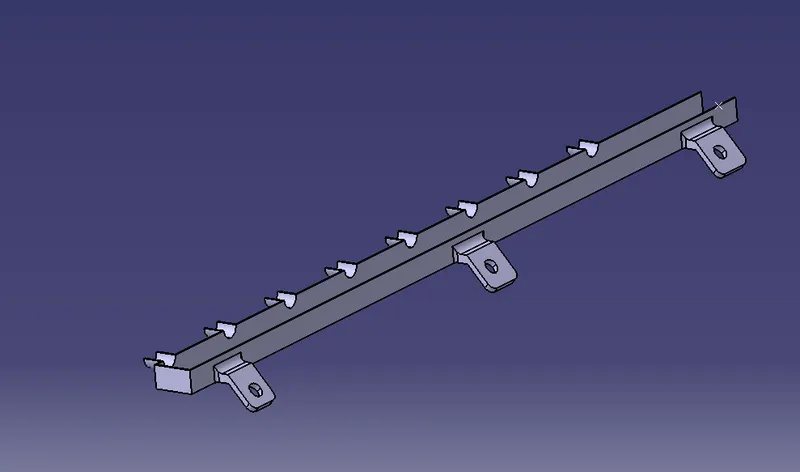
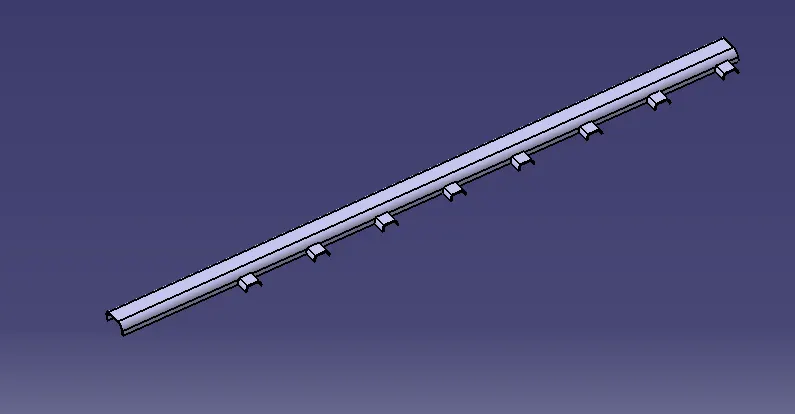
After defining all the components electrically start placing the components on the engine assembly
Here are some pictures
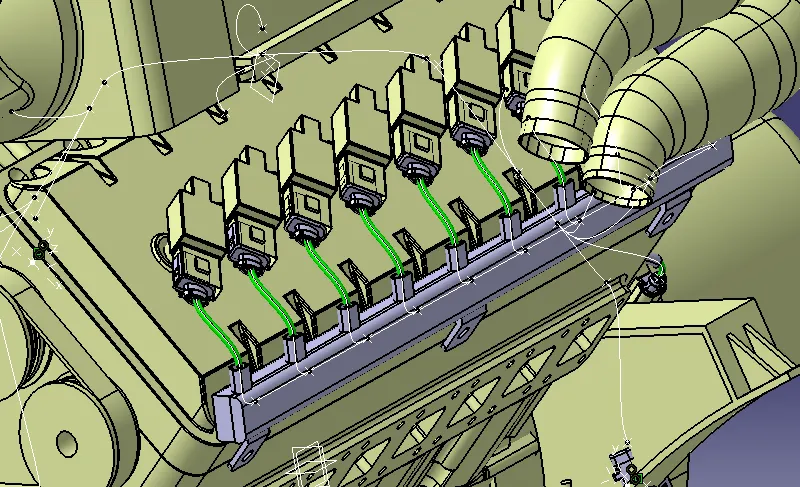
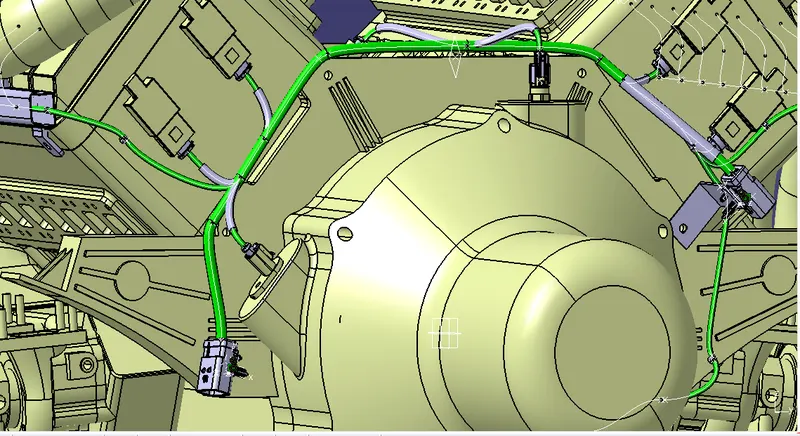
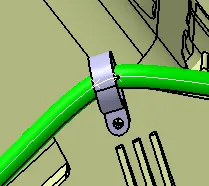
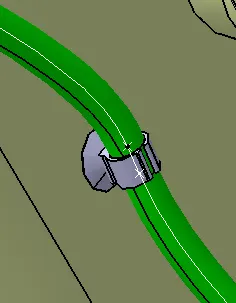
After placing all the p clamps and fir tree clip and connectors on the required position start routing the bundle according to need
This is the complete routing picture
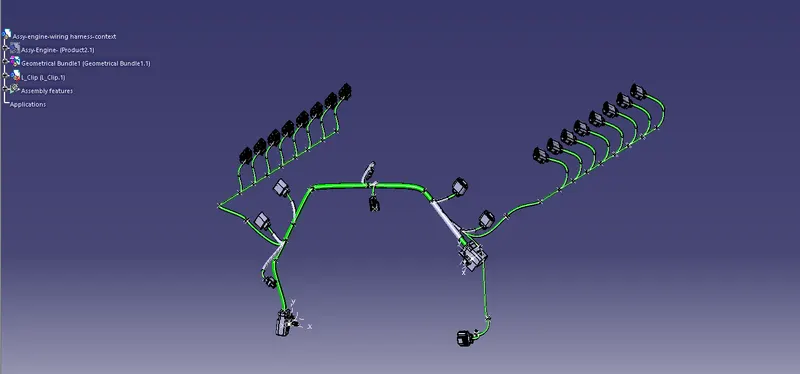
After completing the routing open a new product and go to flatening workbench
in flatening workbench set the parameters and extract the geometrical bundle
Later Flaten the bundle and adjust it acoordingly with rotate and roll command