Project 1
AIM
Utilizing Simscape Multibody and Simscape components, make a model of a double-acting actuator. The hydraulic system must be modelled using Simscape library physical components, and the mechanical system of the cylinder must be constructed using Simscape Multibody library components.
CYLINDER MODEL
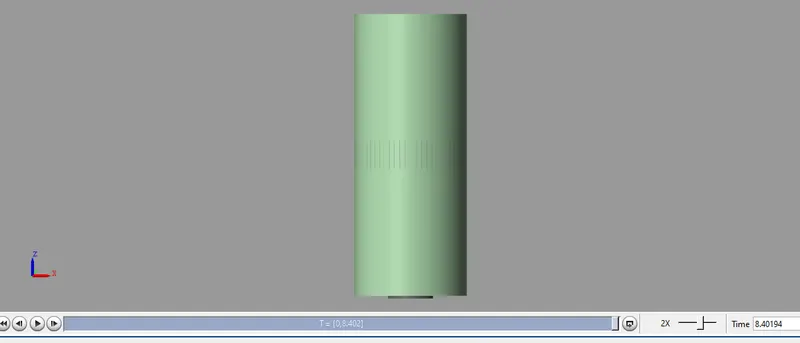
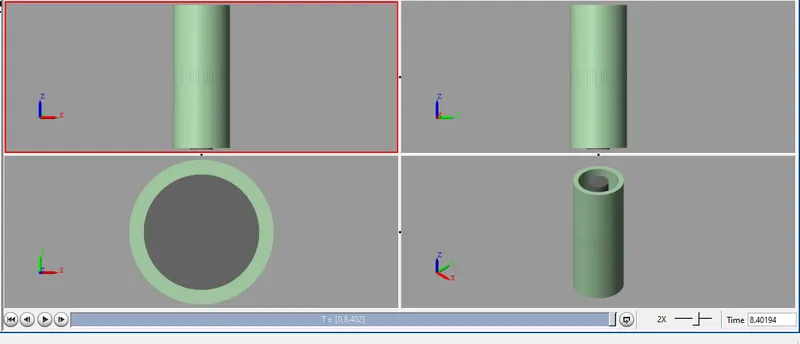
The cylinder is shown on the schematics in three different positions partially retracted, fully retracted, and fully extended.
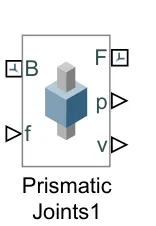
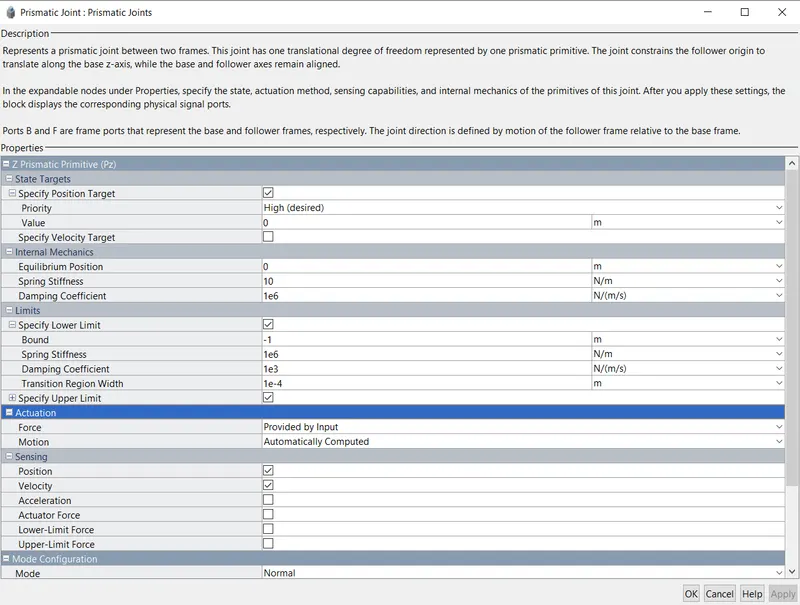
Simscape Multibody allows you to simulate the system's mechanical component. The Revolved Solid (Simscape Multibody) and Cylindrical Solid (Simscape Multibody) blocks, for instance, can be used to depict the cylinder and piston. Use a Prismatic Joint (Simscape Multibody) block to provide the piston the translational degree of freedom. The base frame (B) and follower frame (F) of the joint can be attached to the centres of the left inner surface of chamber A and the left surface of the piston, respectively, to make it simple to compute the lengths of chambers A and B. Make sure that chamber B is in the centre of both the B and F frames' Z-axes.
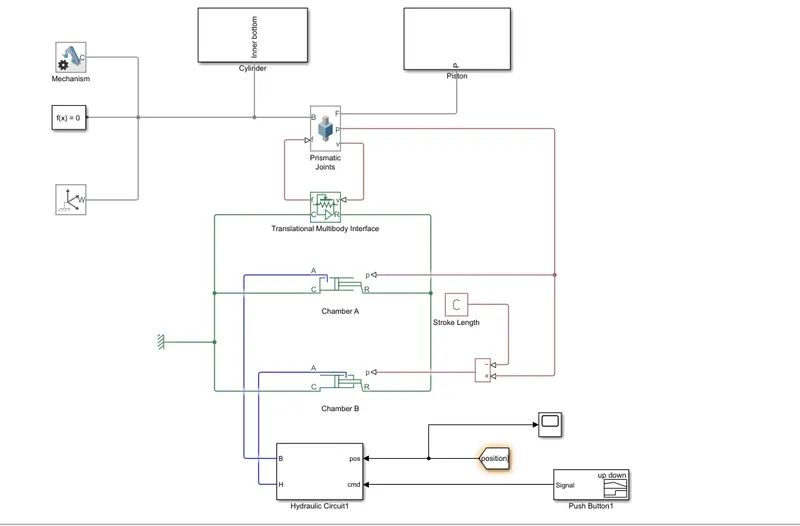
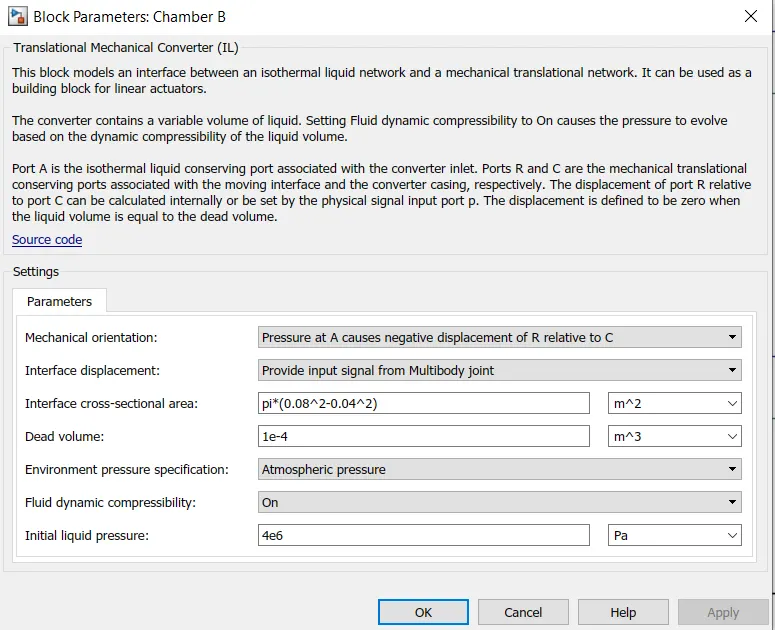
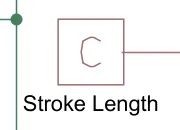
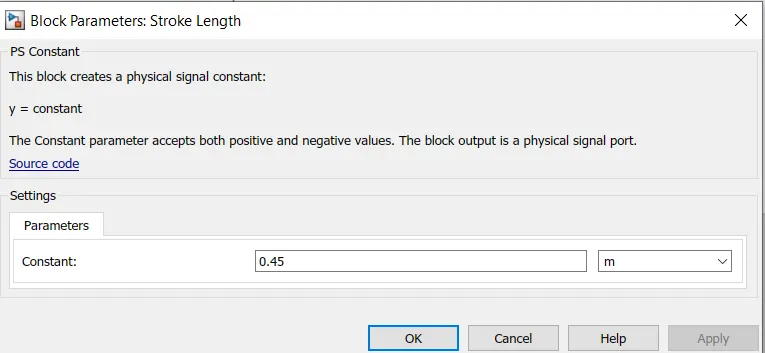
Using this convention, the length of the chamber A, d A, equals the joint block's output position, and the length of the chamber B, d B, is equal to the difference between d A and the stroke length. You may set the top and lower position limitations of the Prismatic Joint block to make sure the piston doesn't go past the cylinder's ends.
DOUBLE ACTING CYCLINDER
Double-acting actuators employ air pressure to open and close the valve, in contrast to single-acting actuators. The most common type of pneumatic valve actuator is this one. Due to the lack of mechanical springs in the majority of models, double-acting actuators are used since they are more affordable and have a longer lifespan. High-quality double-acting actuators frequently cycle through millions of times before failing.
ADVANTAGES OF DOUBLE ACTING CYCLINDER
Although the absence of springs in the double acting design offers an advantage in terms of size and weight, the presence of springs continues to be advantageous in terms of providing a fail position. Since they do not have to accommodate big springs, double acting devices show to be much lighter, usually less costly, and frequently smaller in profile, especially in larger sizes. The actuator valve interface between the two types typically stays comparable.
Additionally, a spring return configuration must also overcome the opposing force of the springs themselves, whereas the force needed to open a valve using a double acting setup only needs to overcome the torque inherent to the valve and the process.

APPLICATIONS OF DOUBLE ACTING CYCLINDER
Applications for double-acting cylinder systems are numerous. For instance, a scissor hoist system that raises and lowers the dump bed on a dump trailer can be activated by a double-acting cylinder.
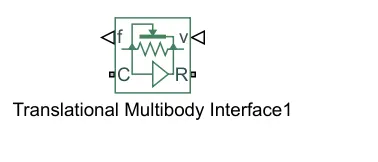
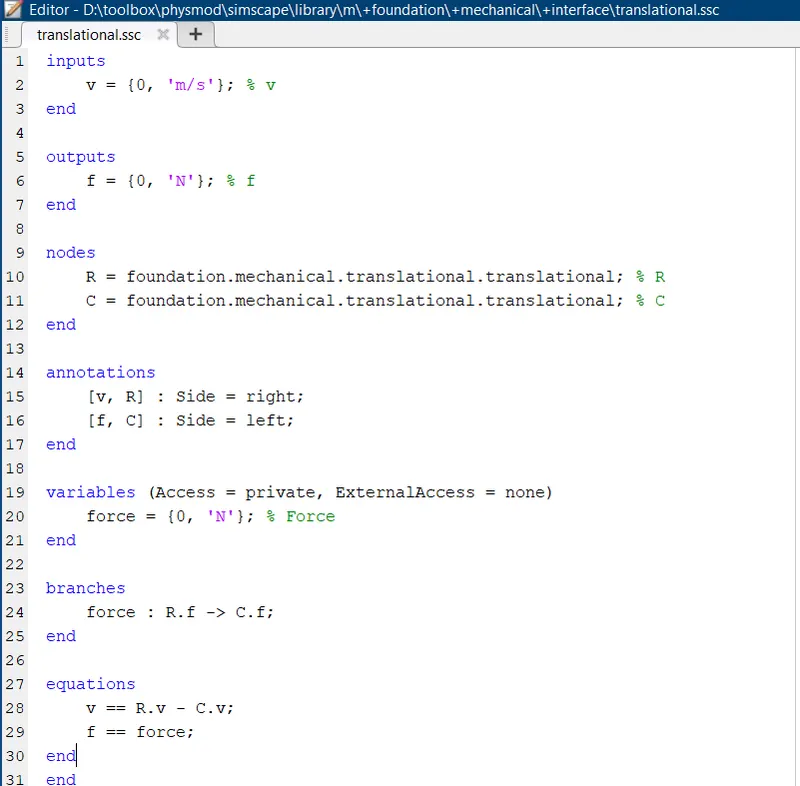
The mechanical and hydraulic subsystems of the scissor hoist are concealed behind the Double-Acting Hydraulic Cylinder block and are connected via a Translational Multibody Interface block.
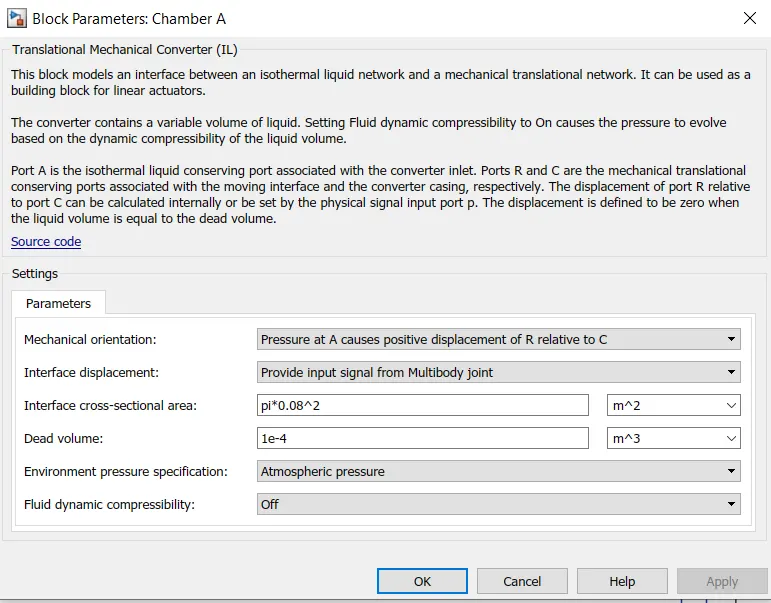
The two actuators in the hydraulic subsystem, Head Chamber and Bottom Chamber, which have the opposing settings for the Mechanical orientation parameter, are given positional information by the Prismatic Joint block in the mechanical subsystem.
MOTORIZED SYSTEM
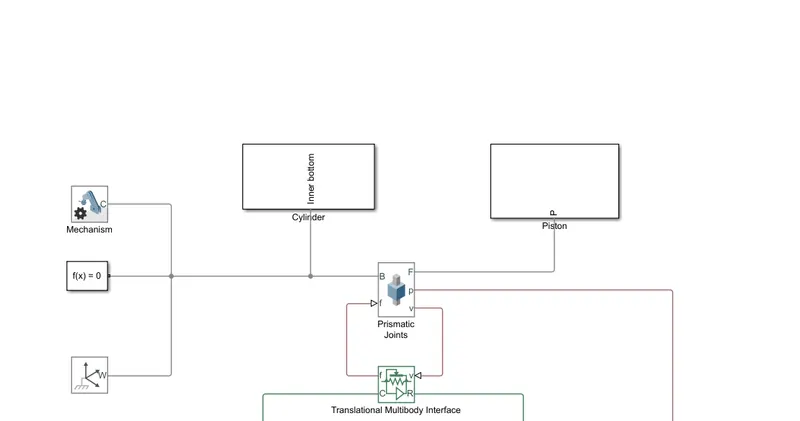
The crucial components of the prismatic joint are the cylinder and piston.
CYCLINDER MODEL
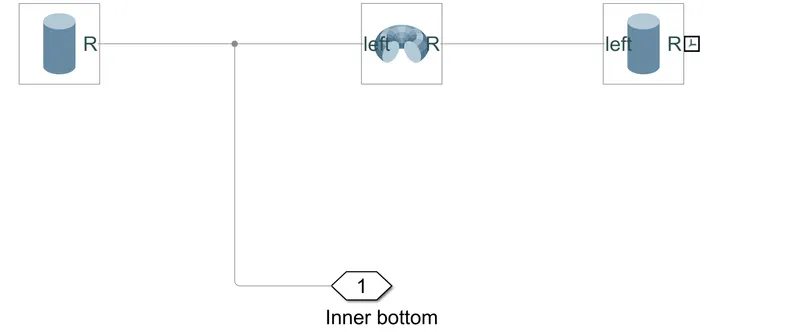
CYLINDRICAL SOLID BRICK 1
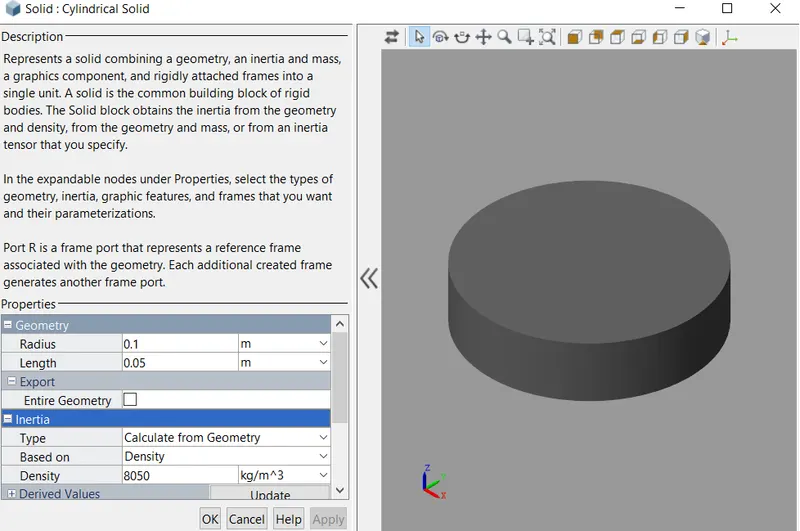
CYLINDRICAL SOLID BRICK 2
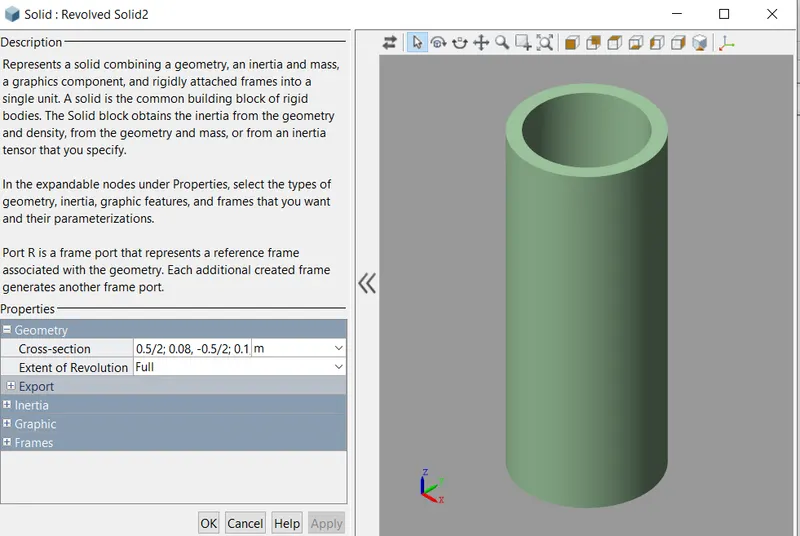
CYLINDRICAL SOLID BRICK 3
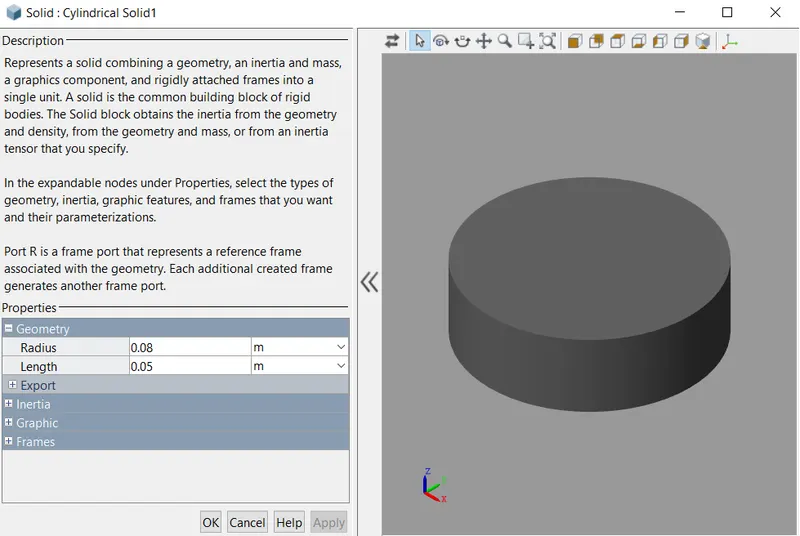
PISTON
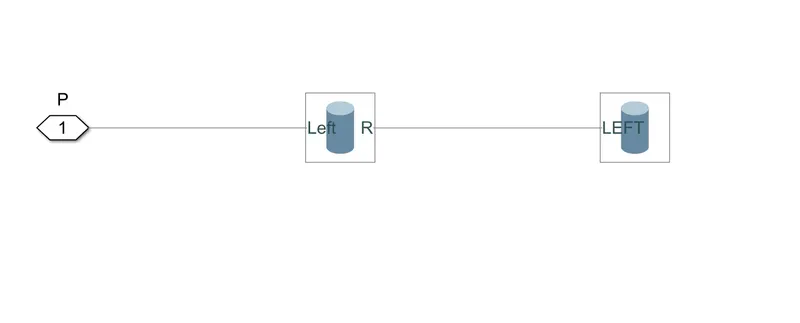
PISTON 1
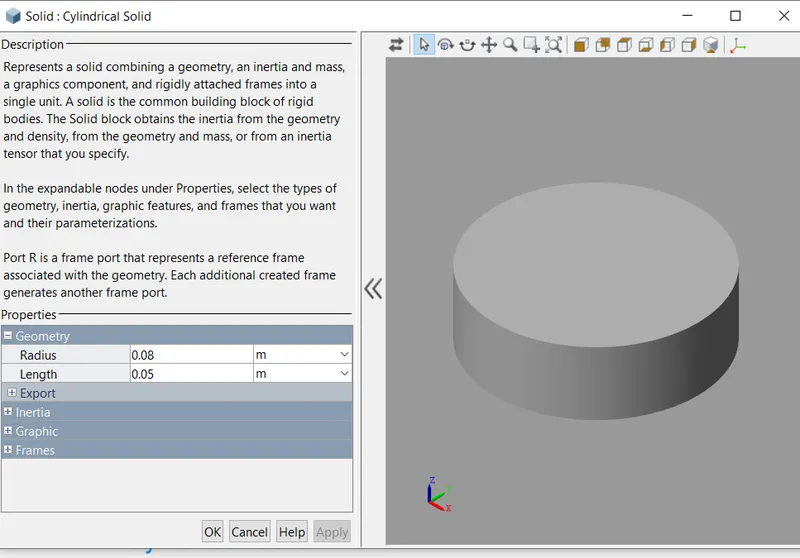
PISTON 2
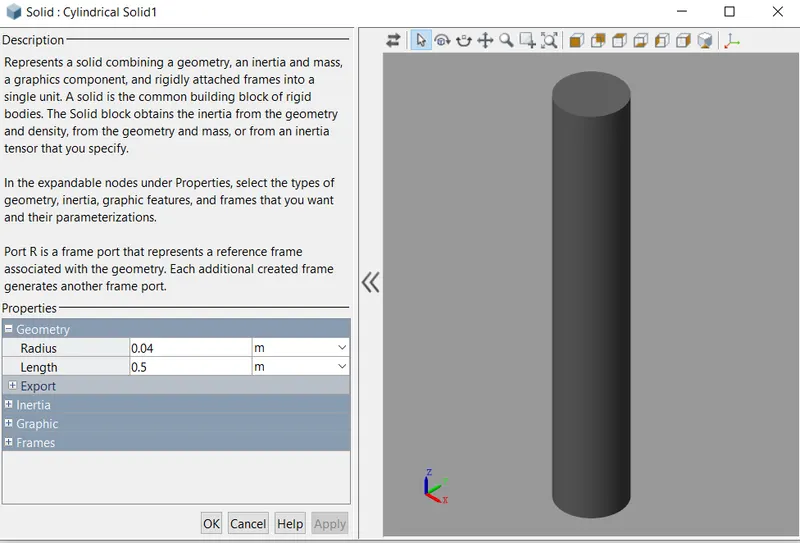
FINAL OUTPUT
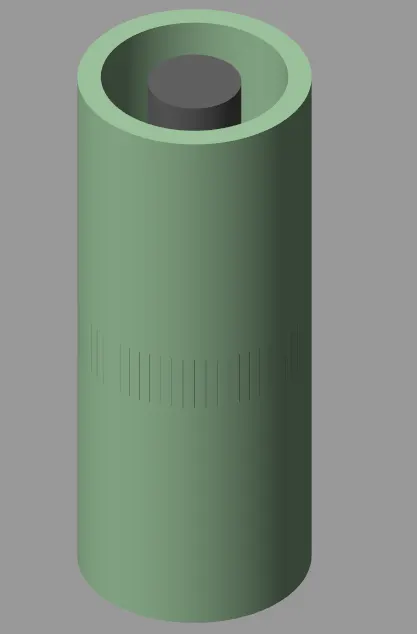
PRISMATIC JOINT
TRANSLATIONAL MULTIBODY INTERFACE
SOURCE CODE
HYDRAULIC SYSTEM
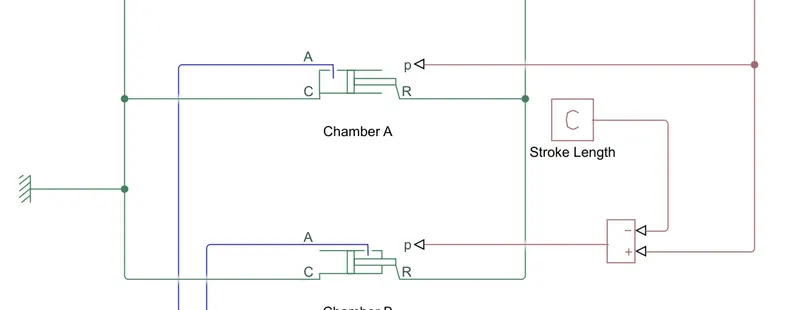
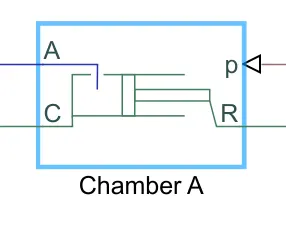
CHAMBER A
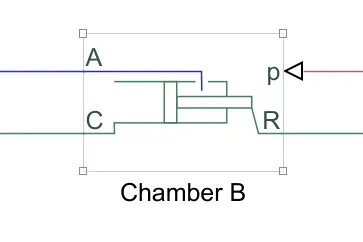
CHAMBER B
STROKE LENGTH
HYDRALIC CIRCUIT
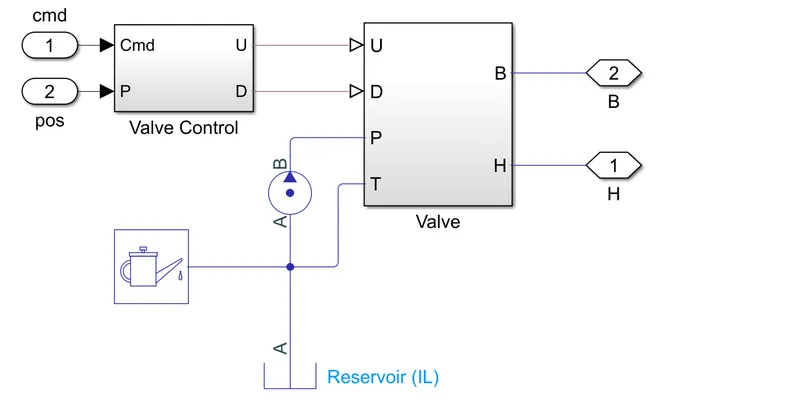
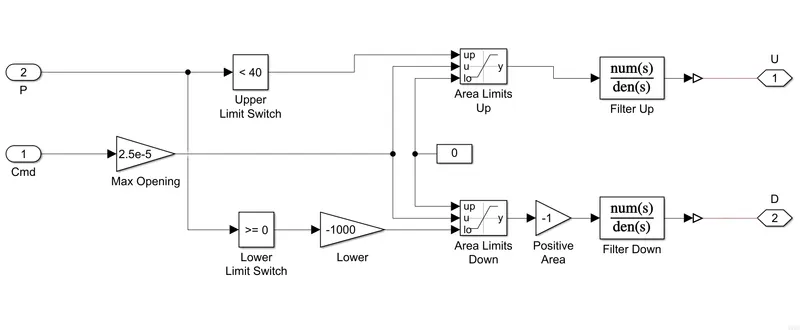
VALVE CONTROL
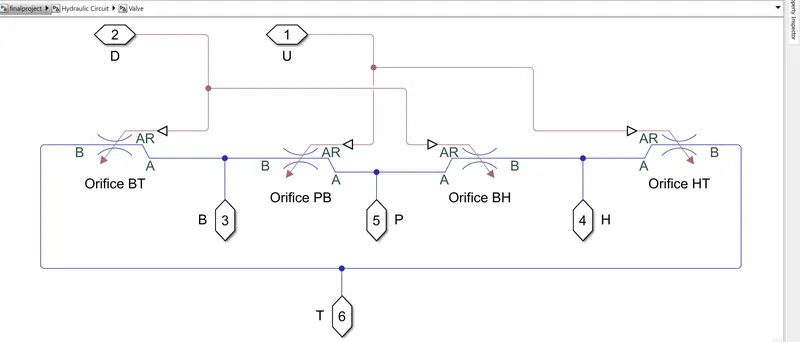
VALVE
RESULTS
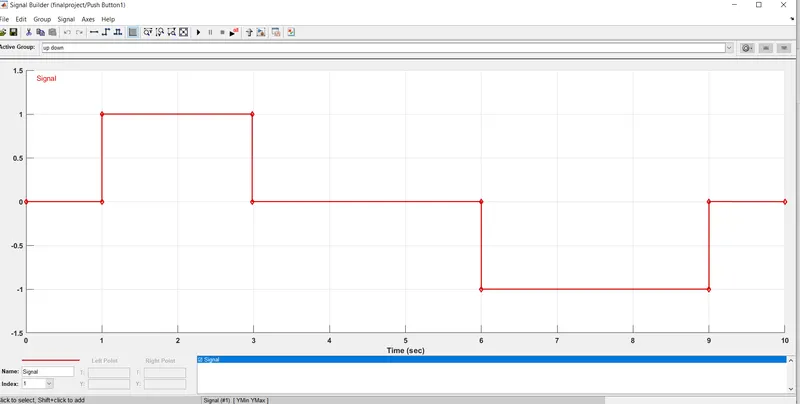
SIMSCAPES RESULT
https://drive.google.com/file/d/1EDQrgSNyi6fPTu0hplEnuDEkTtMZl2Wl/view?usp=sharing