Mixing efficiency
Aim: To study and evaluate mixing efficiency of air in a long and short tee junction pipe for different velocities of cold air inlet.
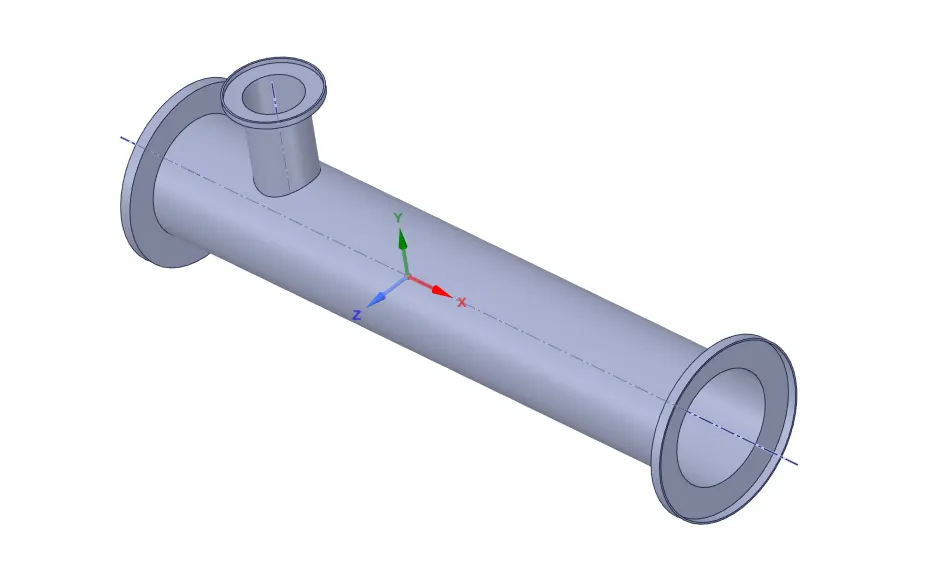
Introduction: Tee junction pipes are used in air conditioning applications where desired cooling effect is required.The air conditioning systems operates optimal at paticular temperature but that temperature might be too chill for indoor cooling.Thus to achieve required temperature,hot air is supplied from outside to one of the Tee junction inlet while cold air from AC enters from other inlet.A short tee junction pipe is as shown below.
Solving:
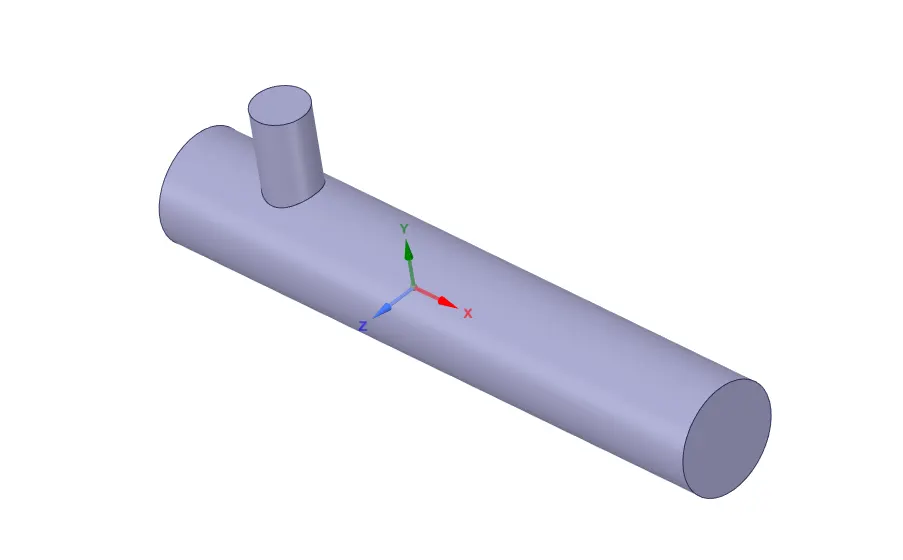
- For this problem only the wetted volume is to considered as the actual solid model is of no importance.So the wet volume is extracted and solid model is suppressed for physics.The wet volume is shown below
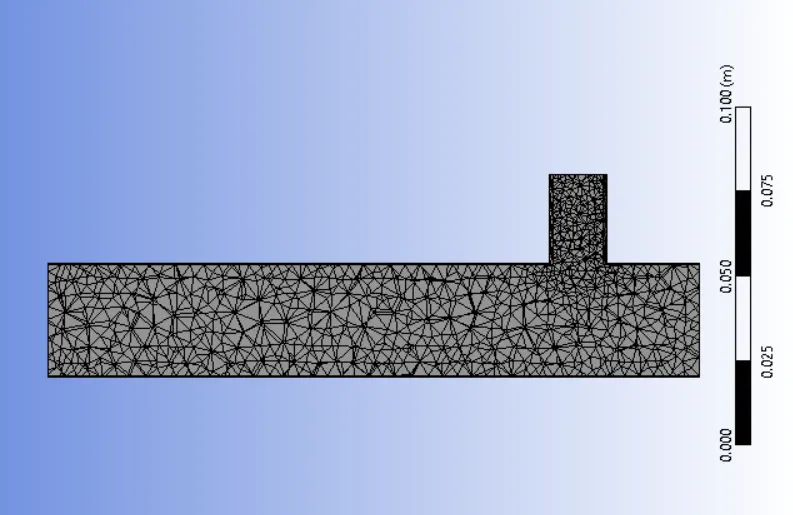
- After completion of geometry we move further to the meshing process.Faces are names as inlet_x,inlet_y,oulet and remaining as wall.Tetrahedral meshing is done with element size of 0.005m.Mesh is shown below
- As we are solving for temperature,energy equations are to be considered and viscous model is set for realizable k-epsilon model for first case.Given boundary conditions are added. To calculate the outlet temperature,area weighted avg report & plot is created for outlet face and to predict the mixing efficiency standard deviation of temperature is evaluated
- A Steady state Pressure based solver is used for both the cases
CASE 1
1)
- Short Tee Junction Pipe
- Momentum ratio=2 i.e Vcold=6 m/s
- K-epsilon turbulence model
Output plots for this case are as shown below
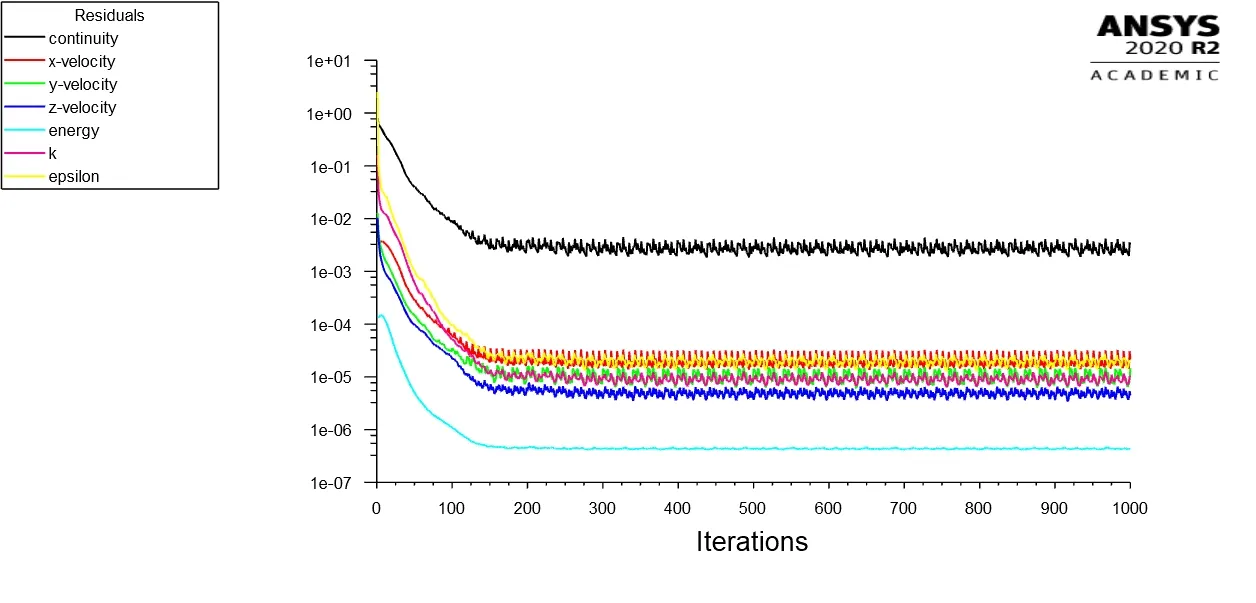
1) Residual Plot (200 iterations for convergence)
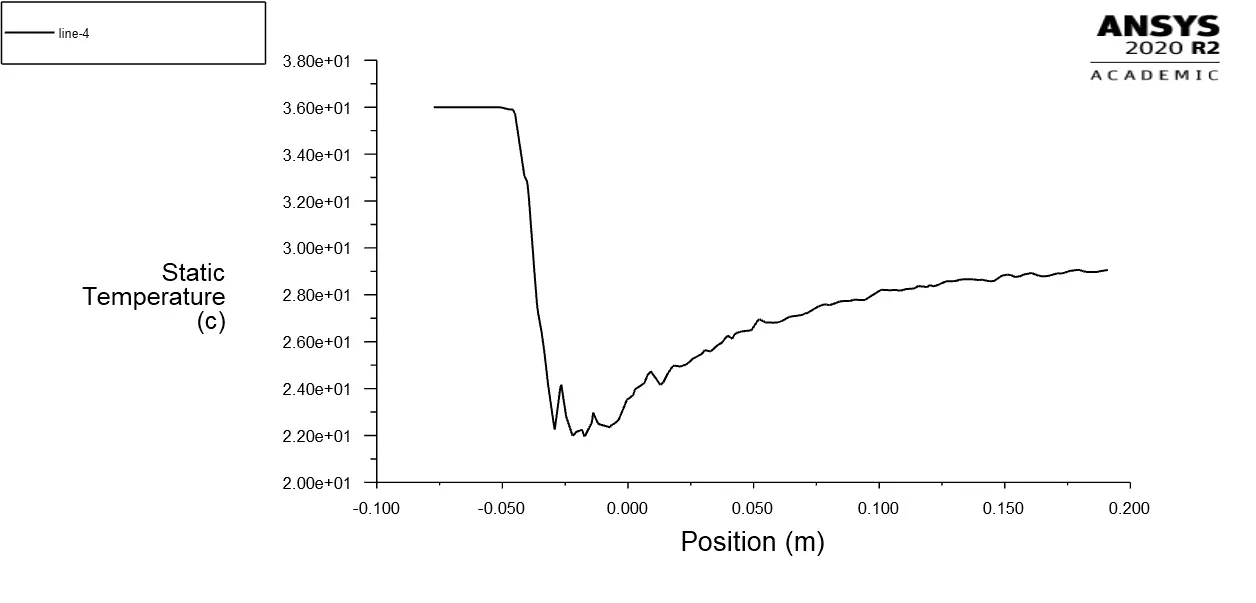
2)Static Temperature of air along the length of pipe
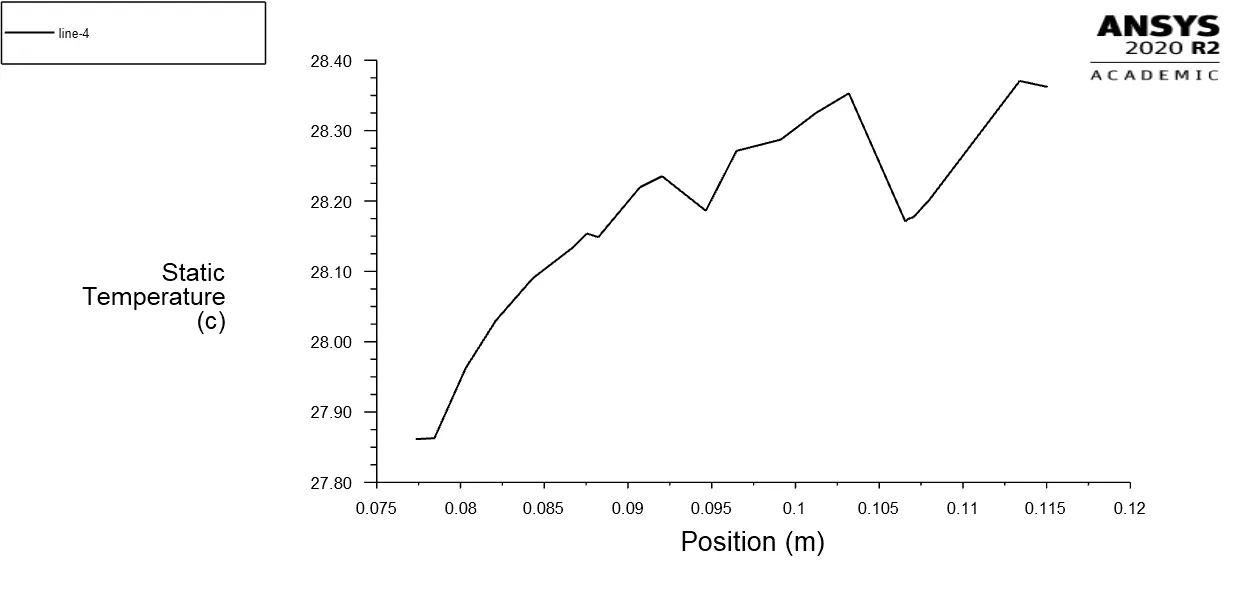
3) Velocity of air along the length of pipe
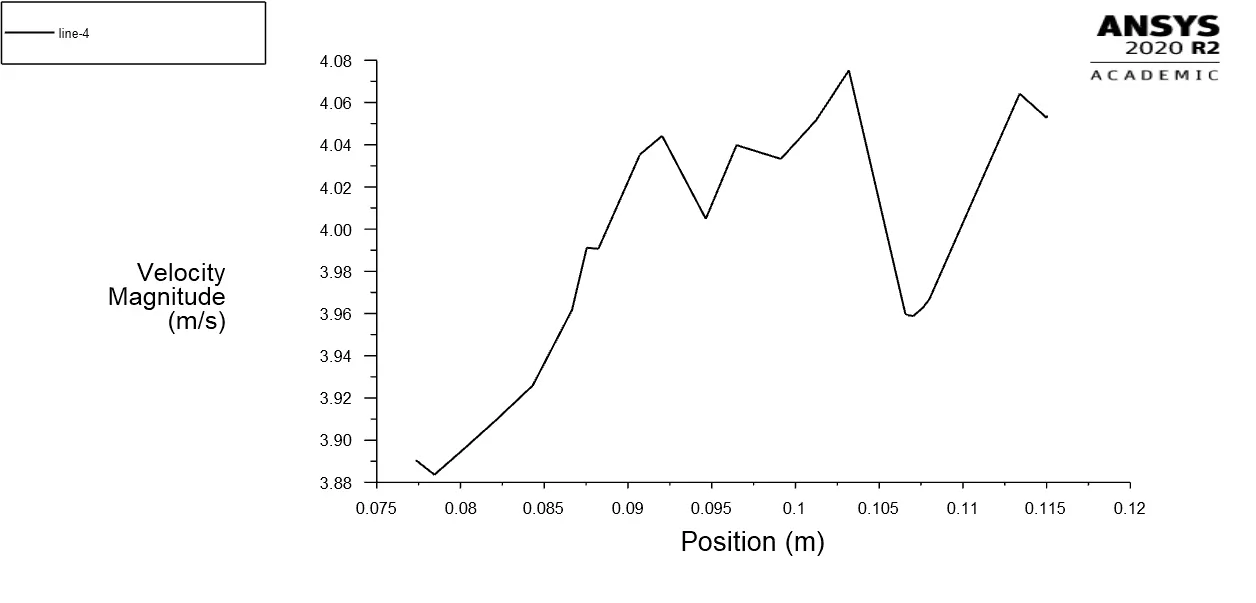
4) Temperature contour along the pipe
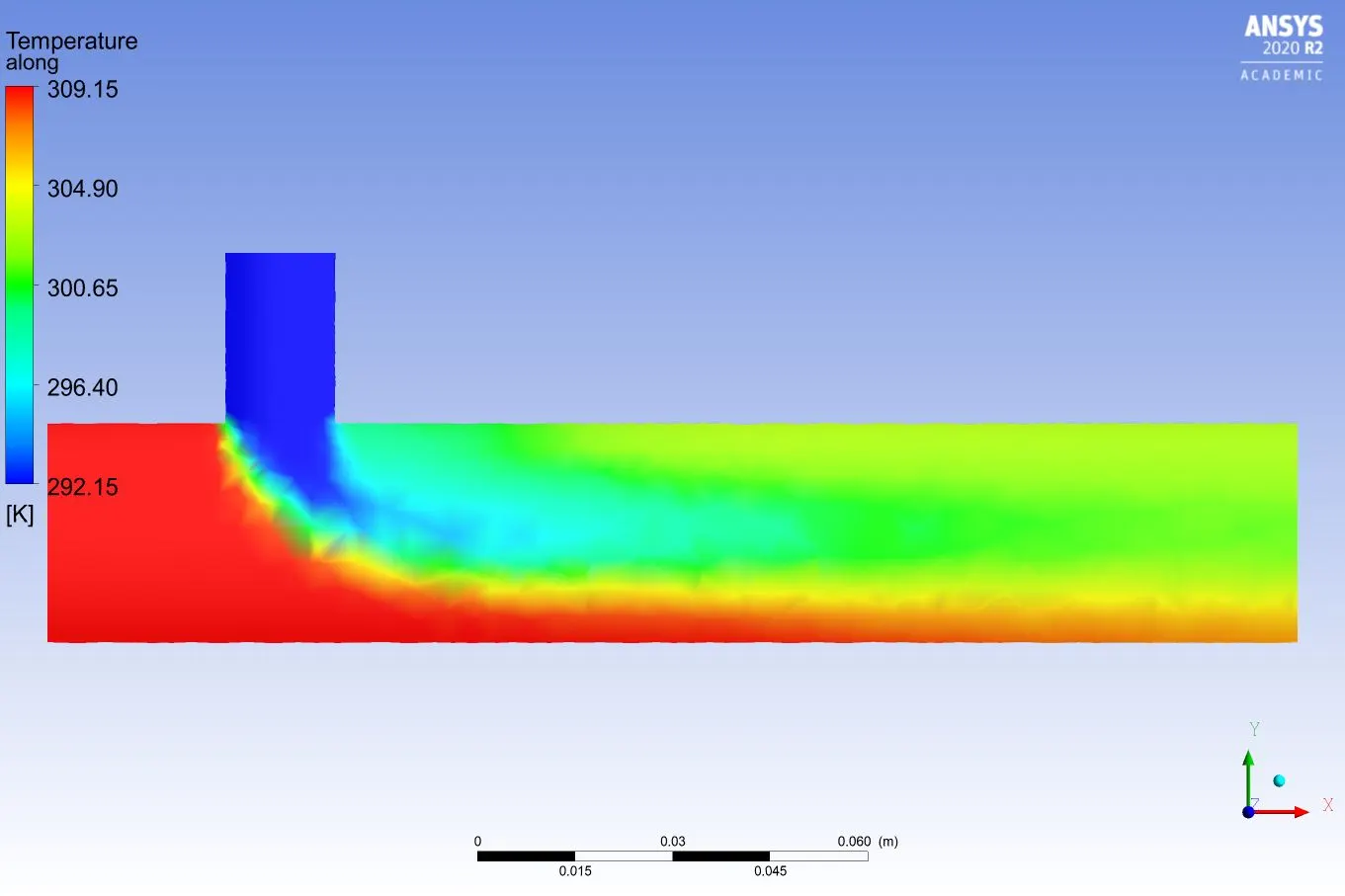
5) Velocity contour along the pipe
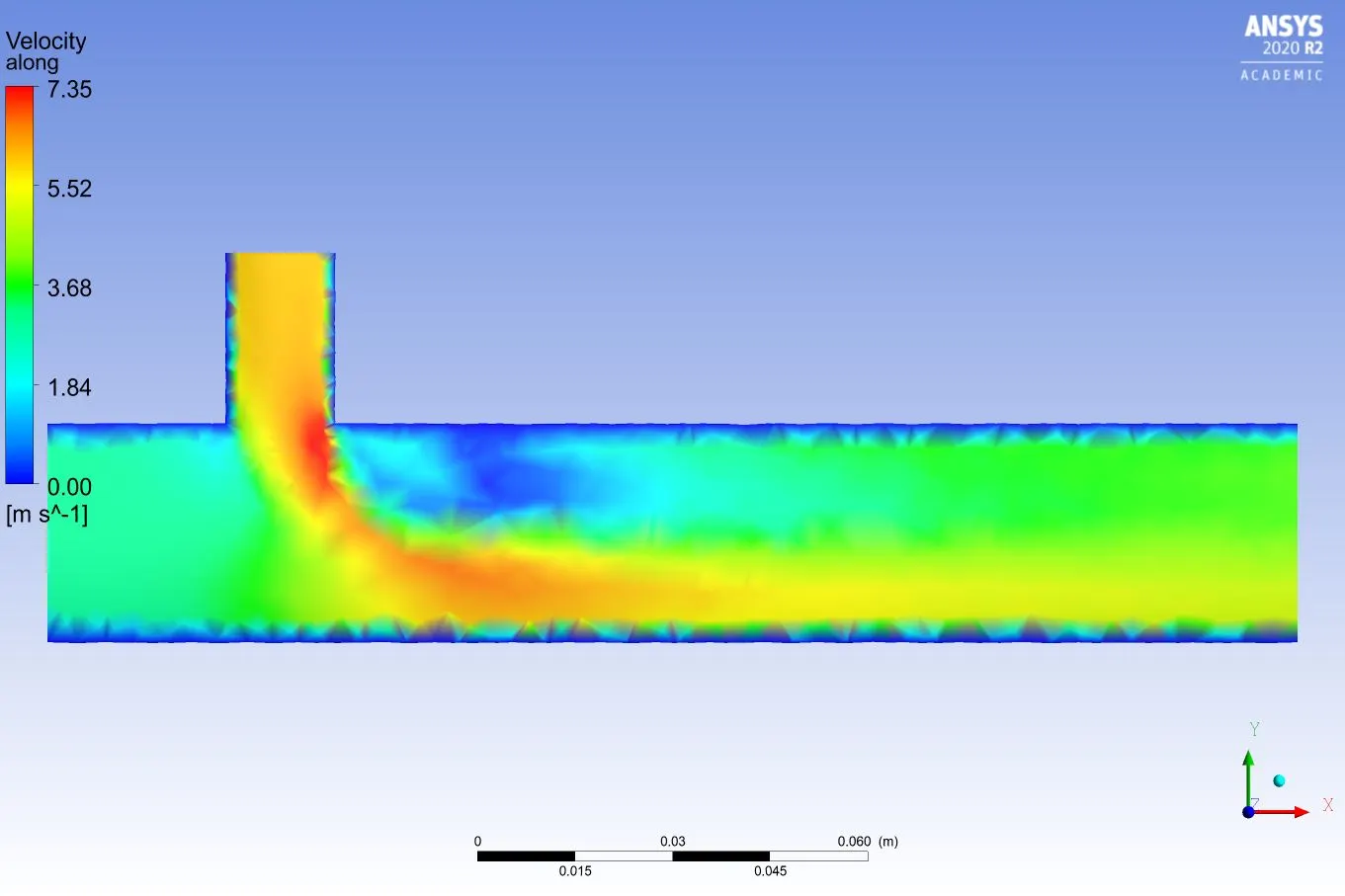
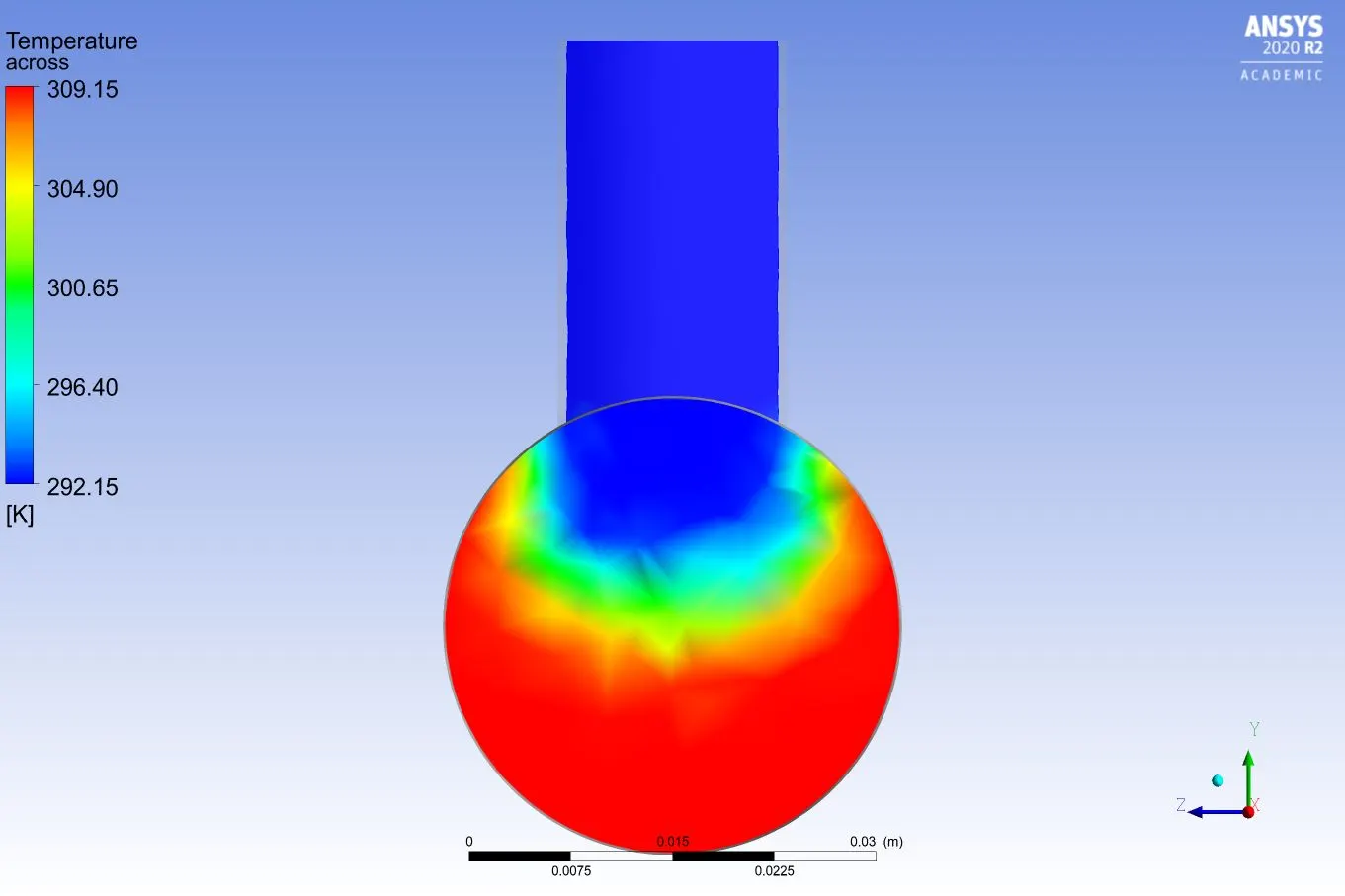
6) Temperature contour across the pipe junction
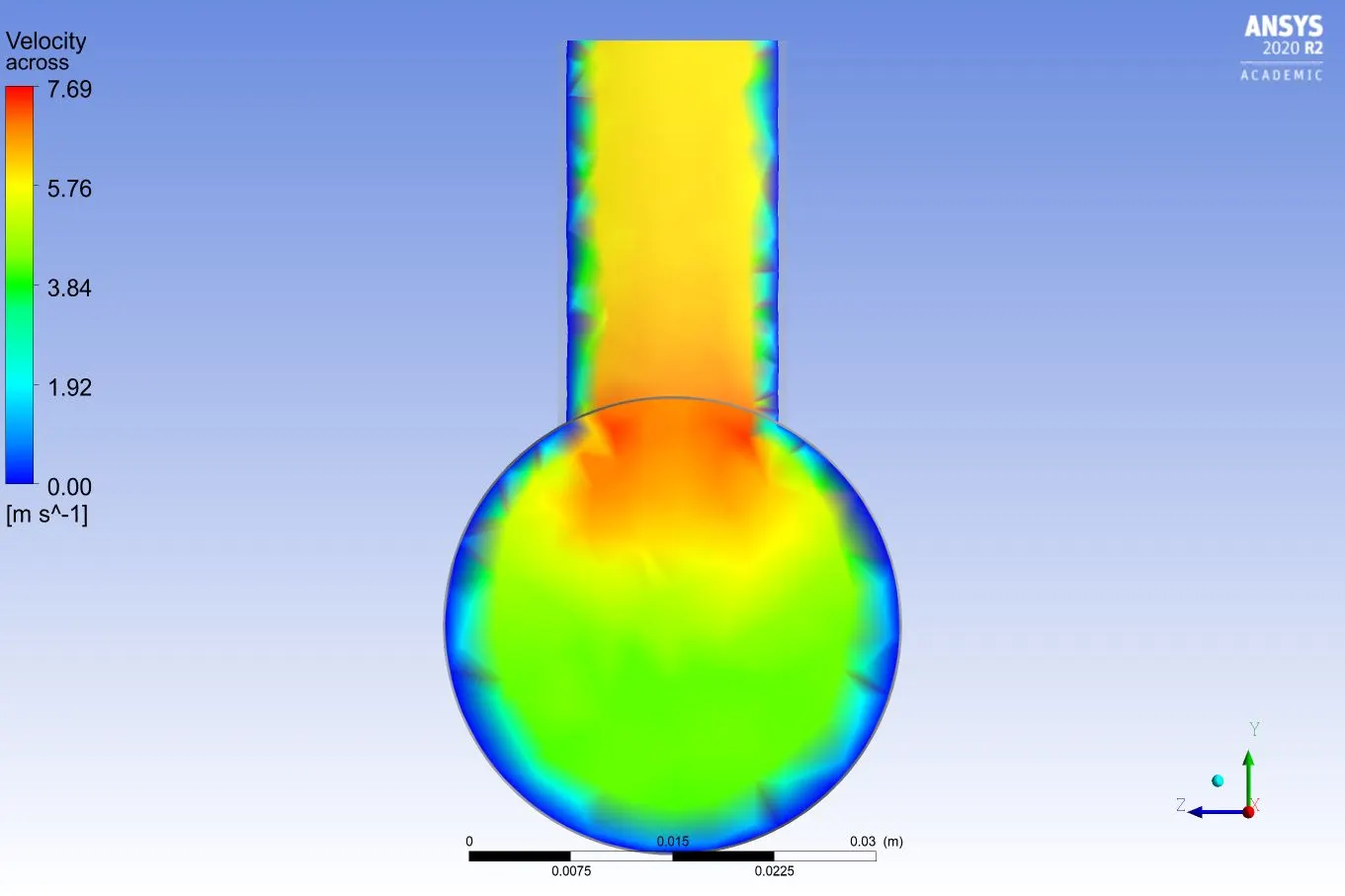
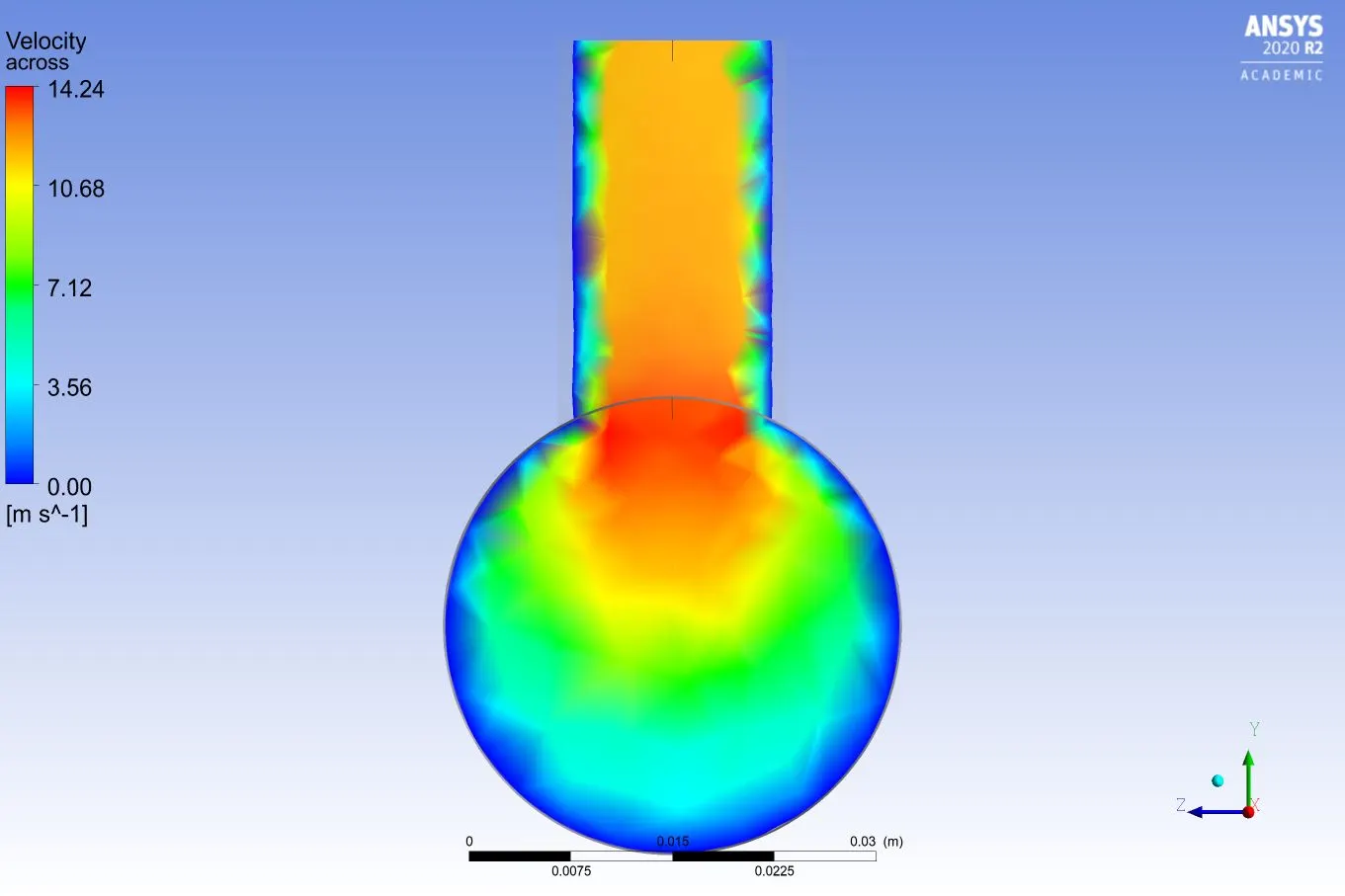
7) Velocity contour across the pipe junction
2)
- Short Tee Junction Pipe
- Momentum ratio=2 i.e Vcold=6 m/s
- K-omega turbulence model
Output plots are shown below
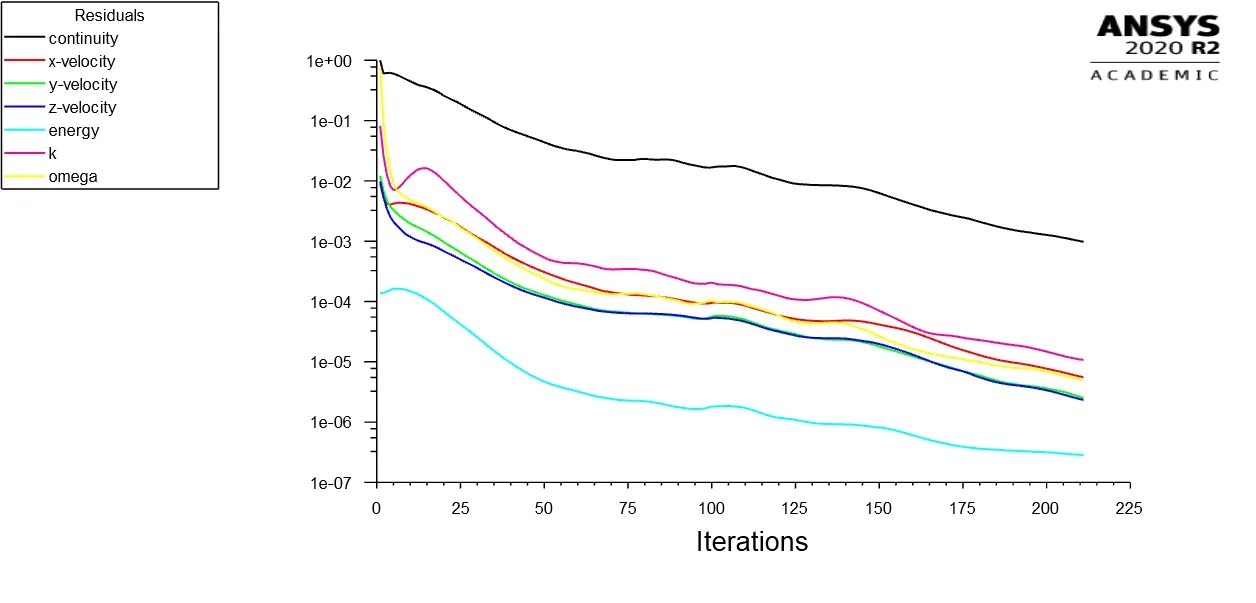
1) Residual Plot (211 iterations)
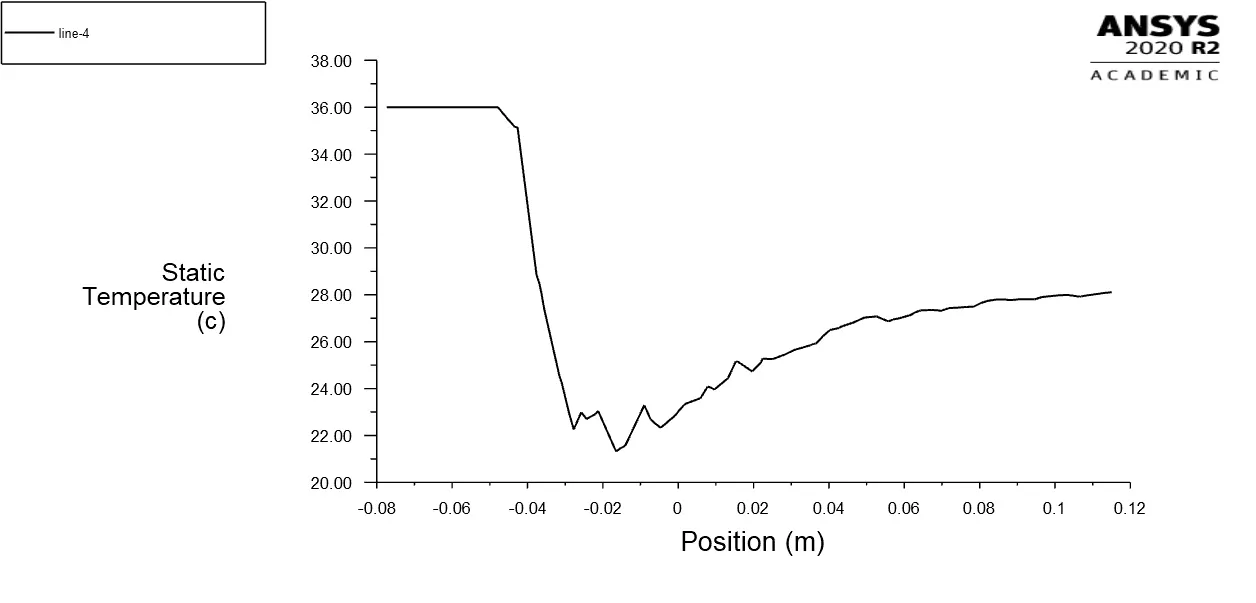
2) Static Temperature of air along the length of pipe
3) Velocity of air along the length of pipe
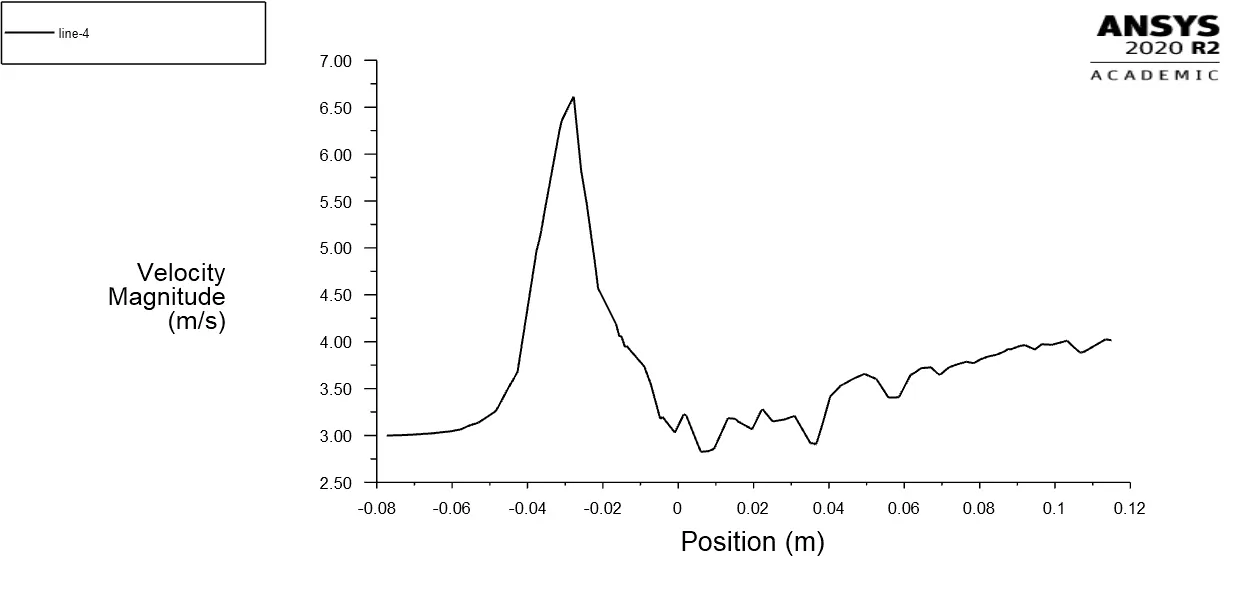
4) Temperature contour along the pipe
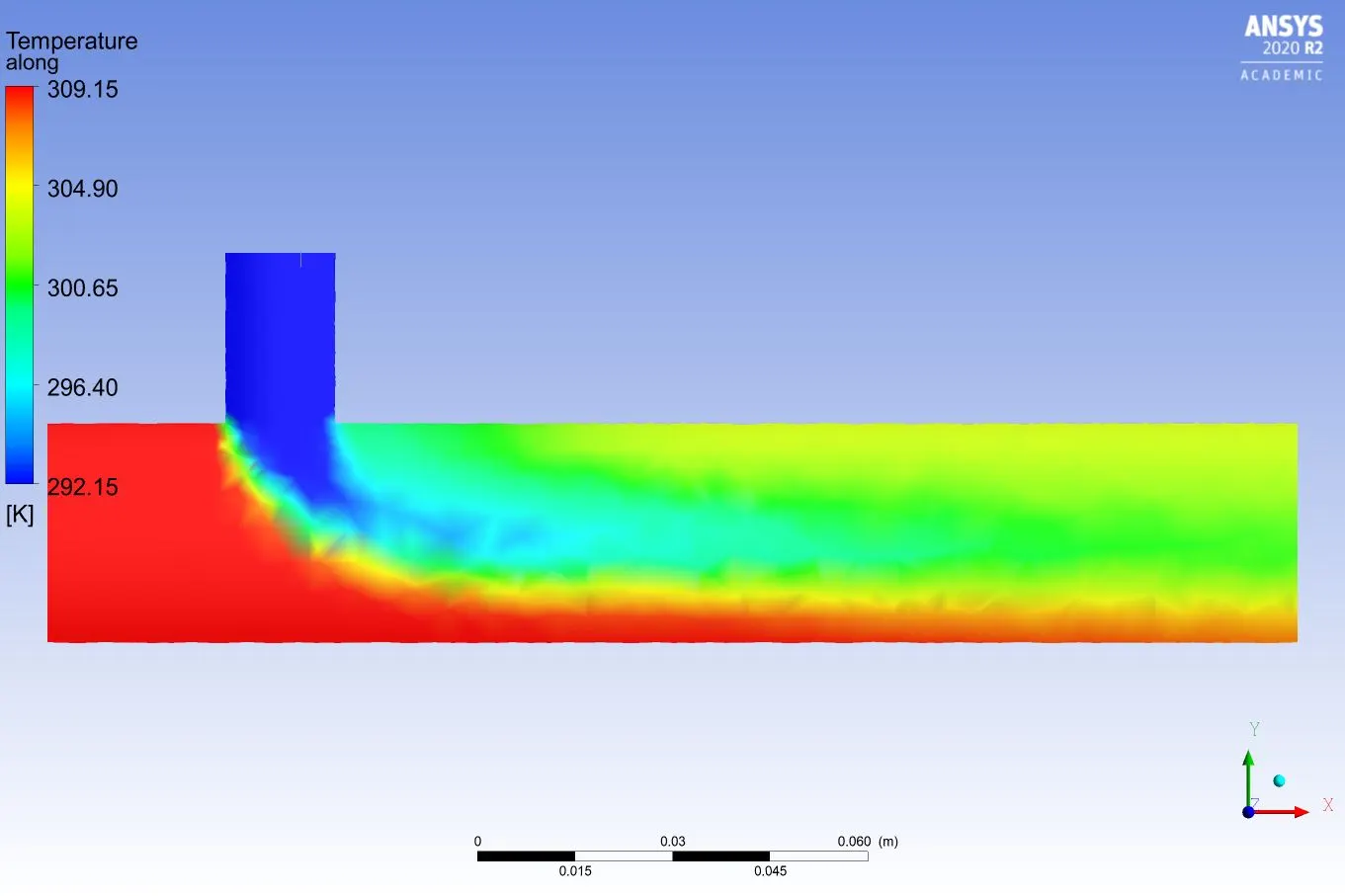
5) Velocity contour along the pipe
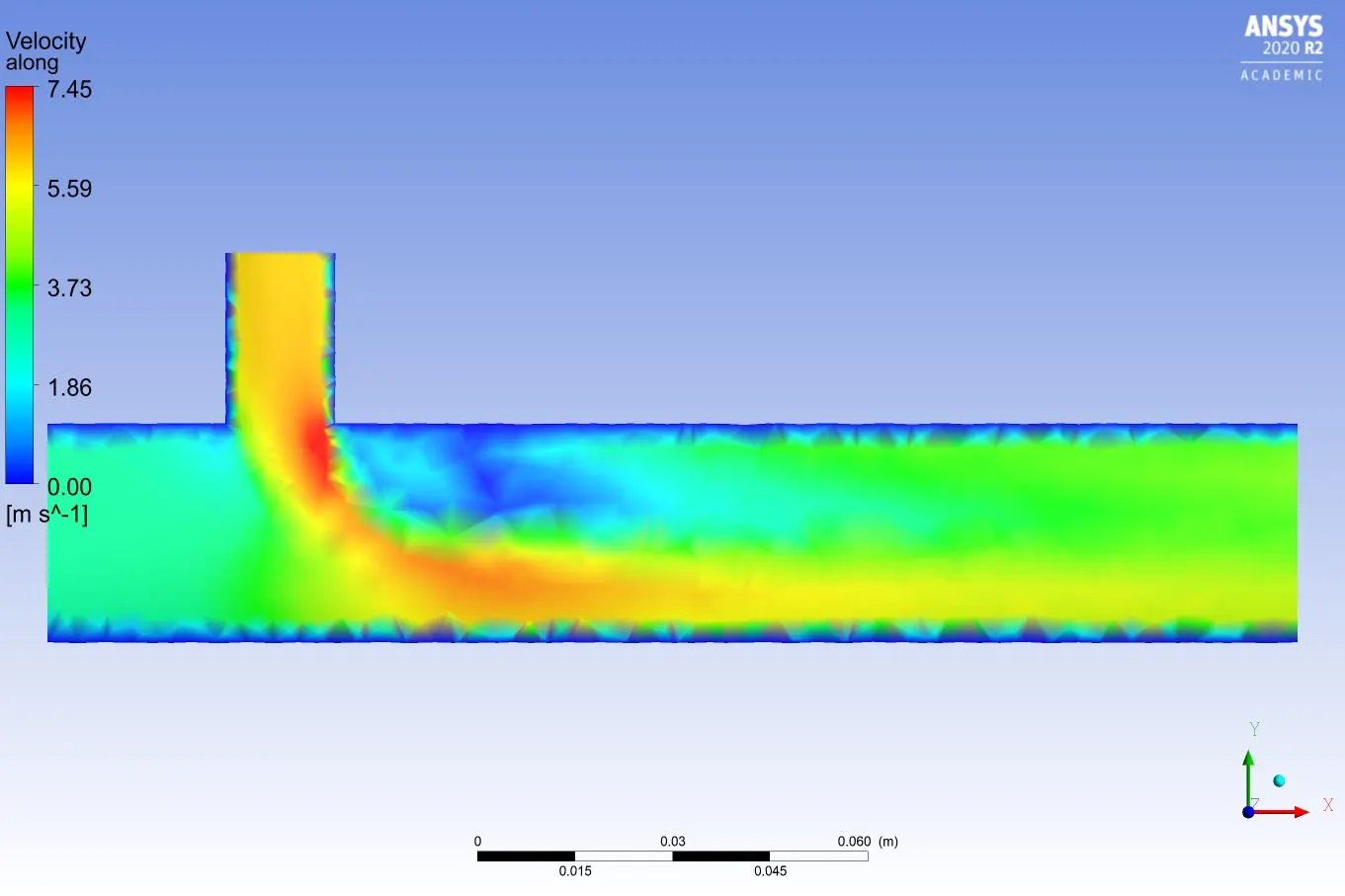
6) Temperature contour across the pipe junction
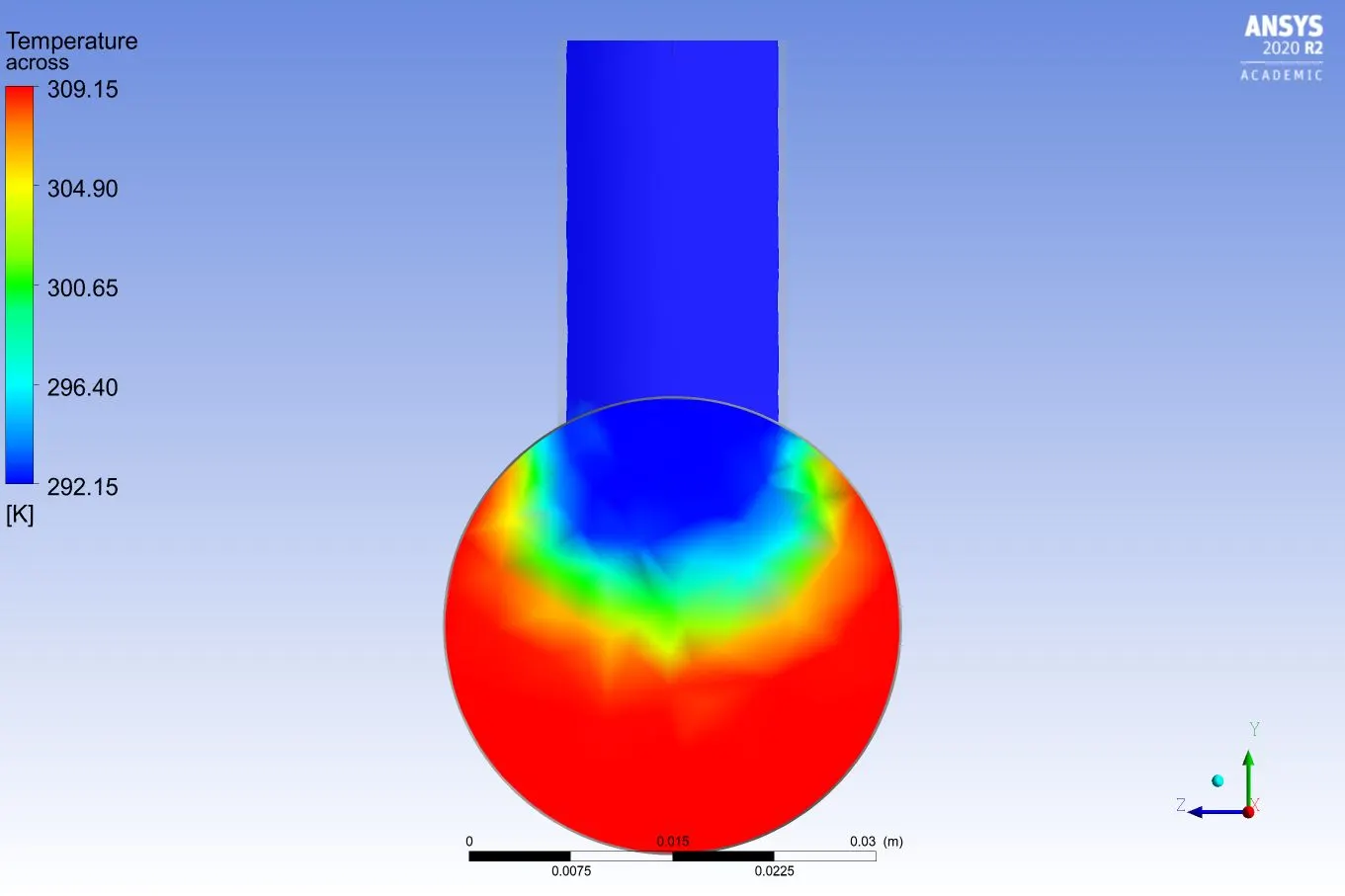
7) Velocity contour across the pipe junction
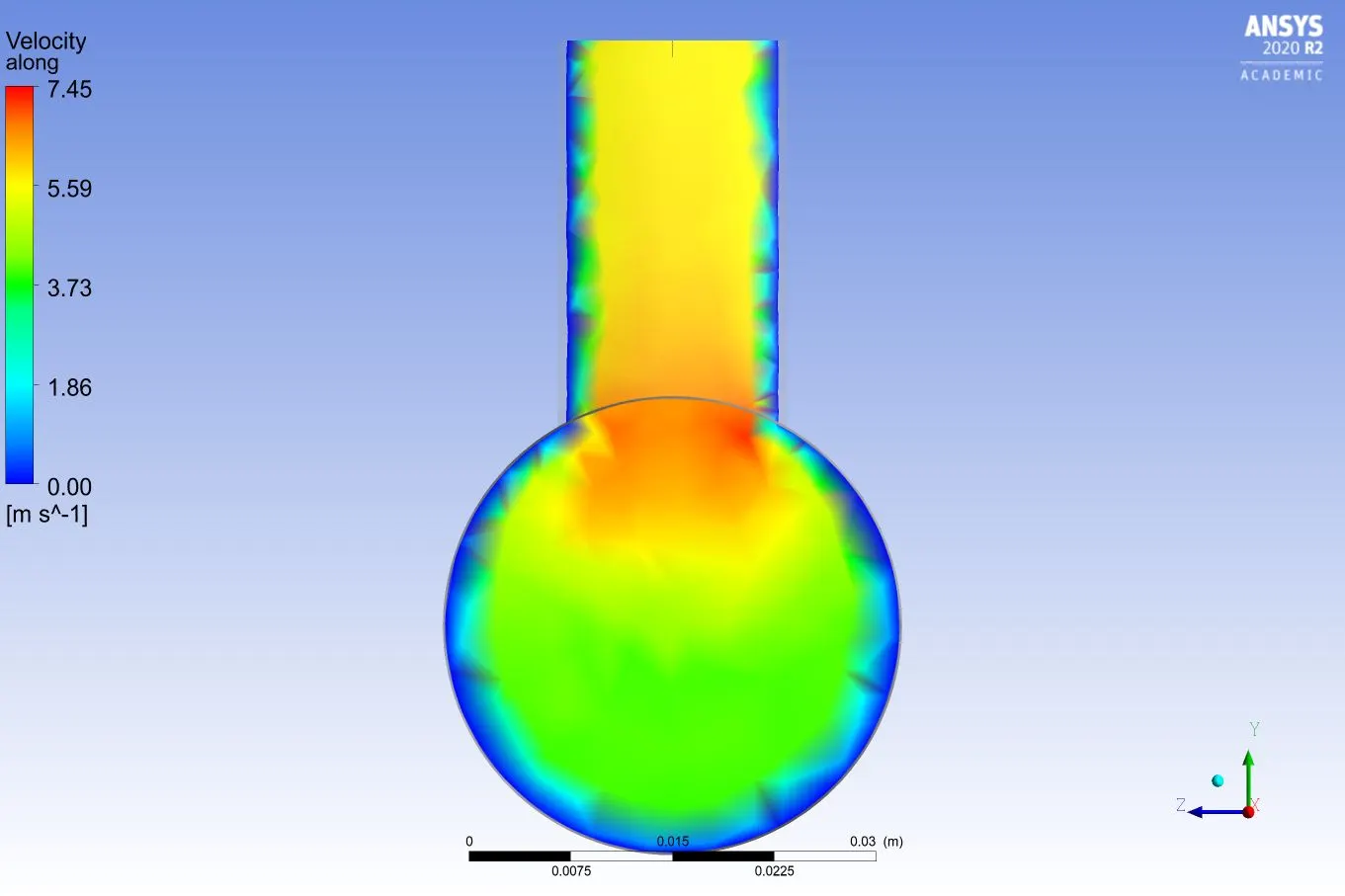
3)
- Short Tee Junction Pipe
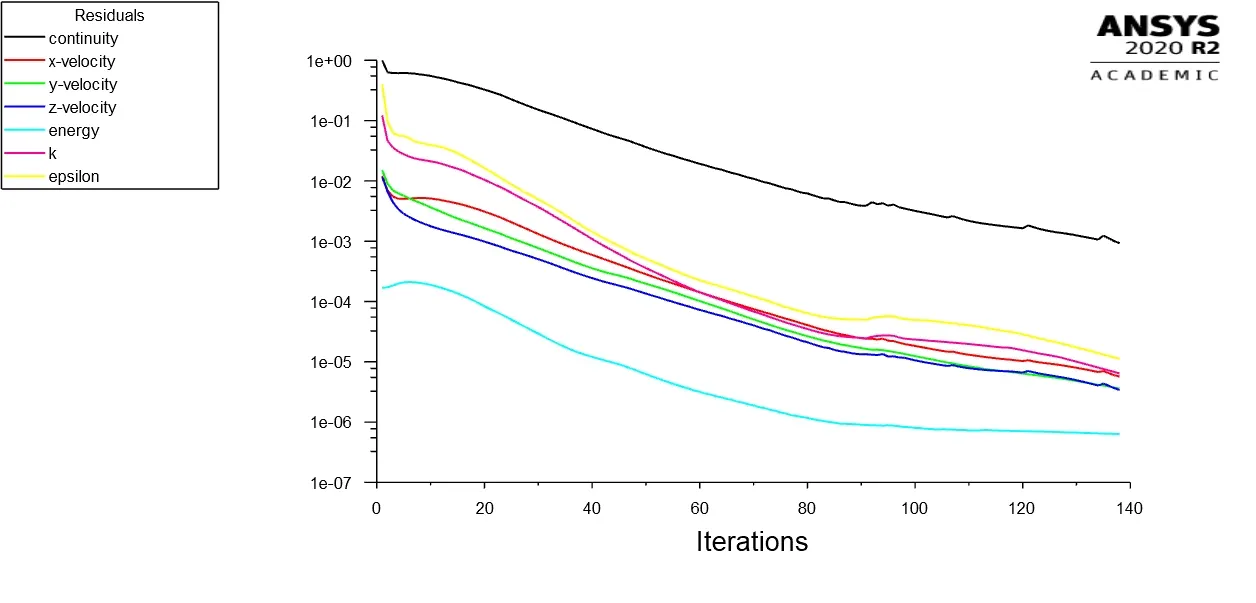
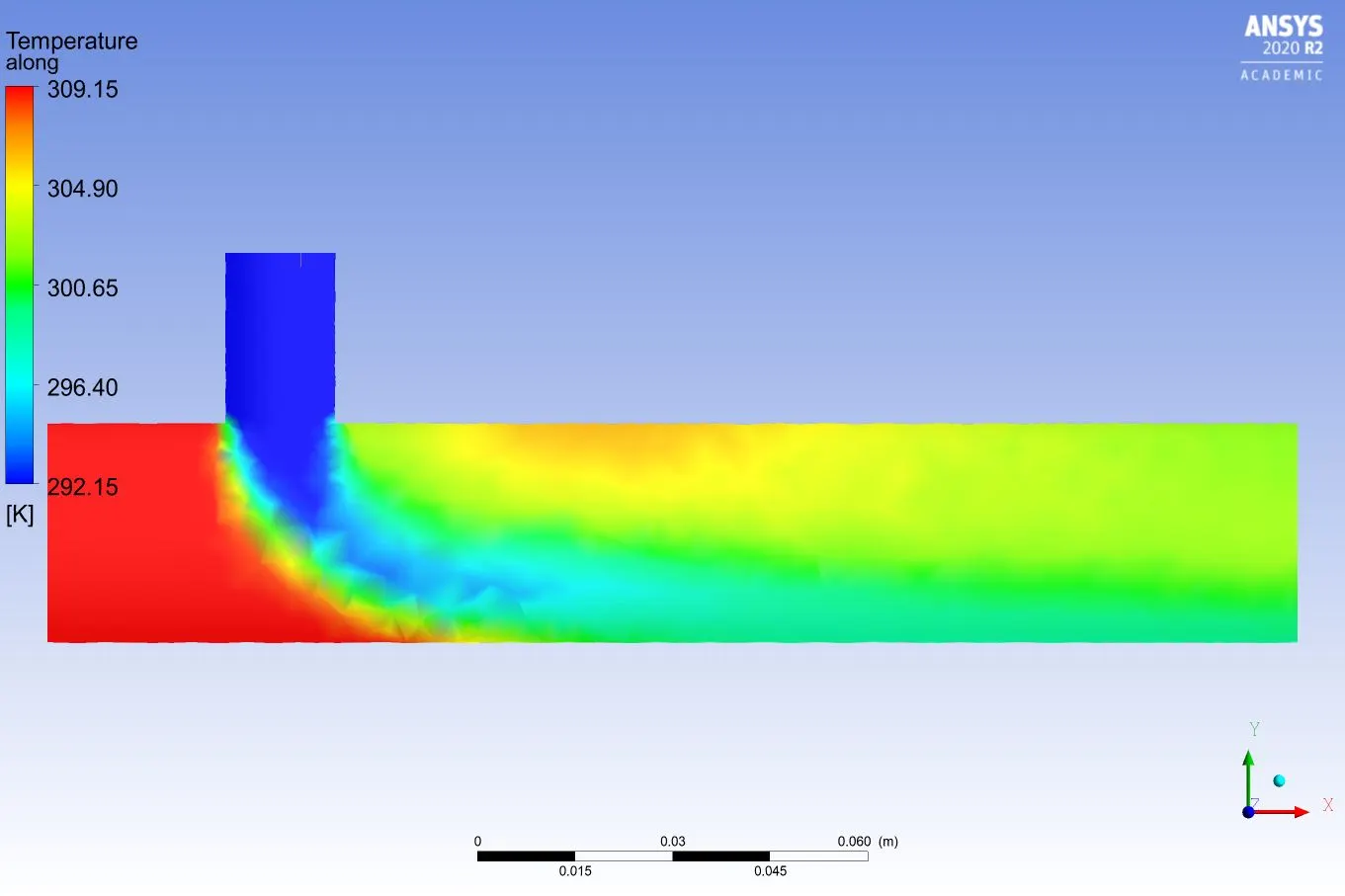
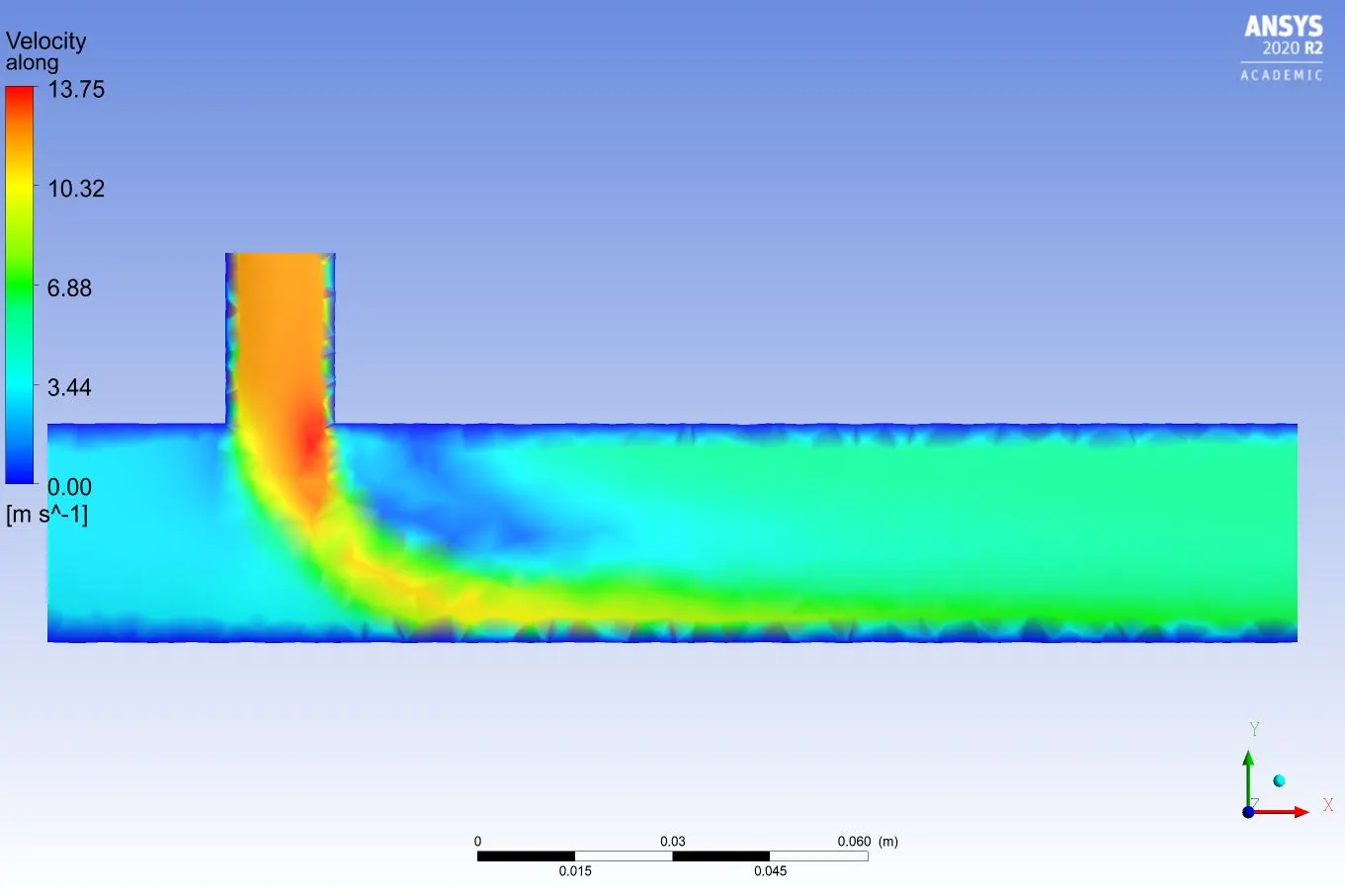
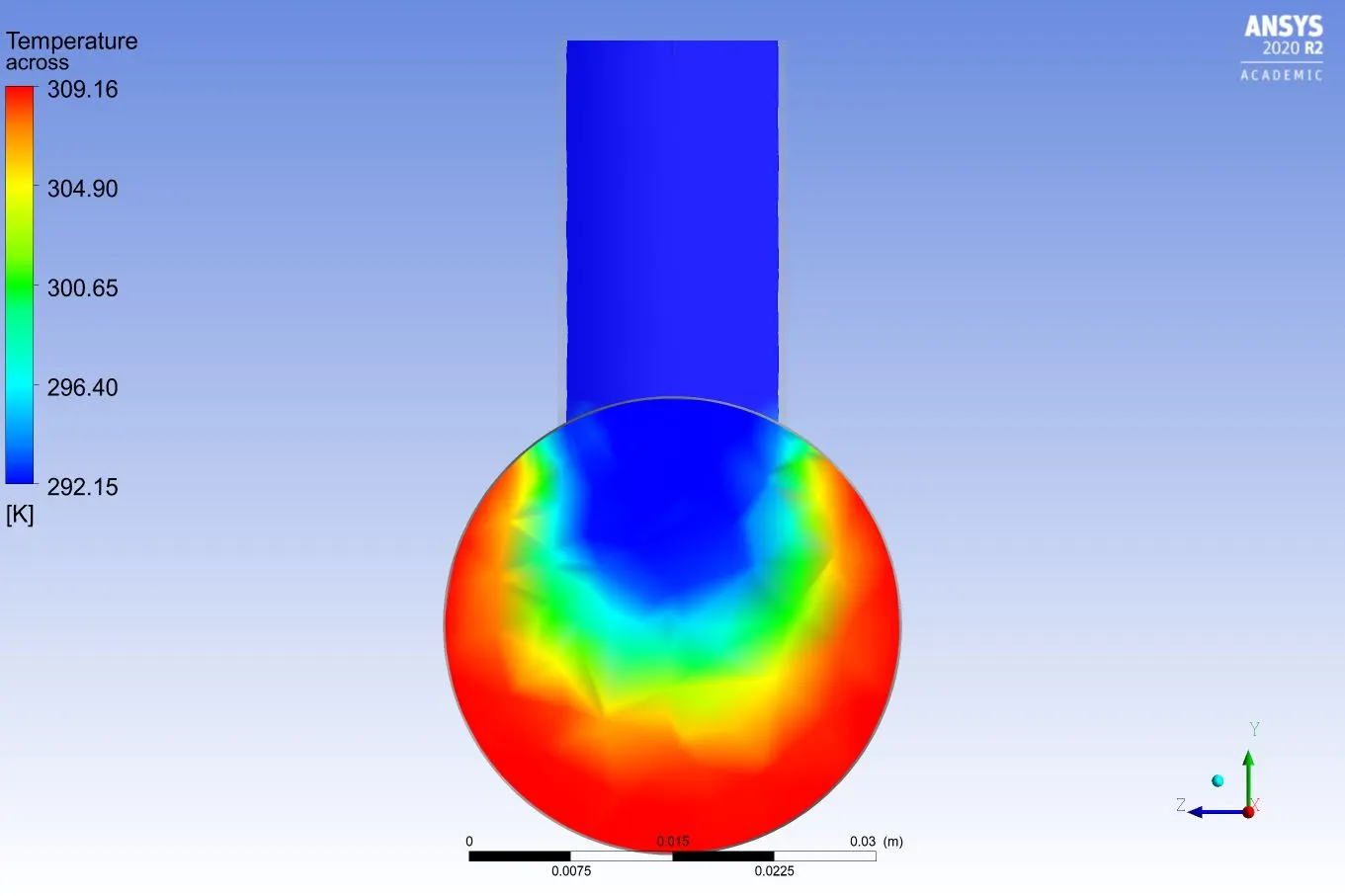
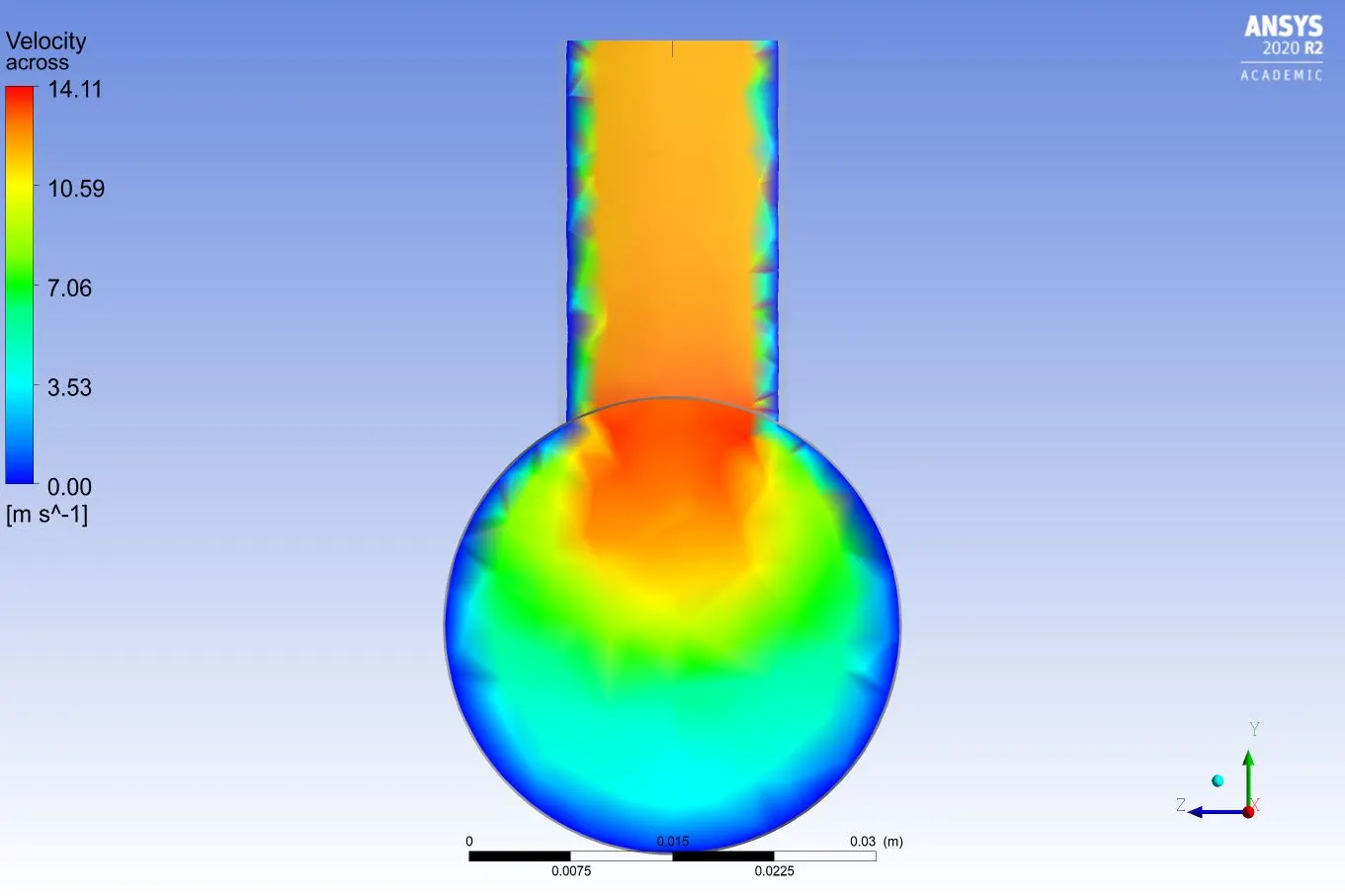
- Momentum ratio=4 i.e Vcold=12 m/s
- K-epsilon turbulence model
Output plots are shown below
1) Residual Plot (138 iterations)
2) Static Temperature of air along the length of pipe
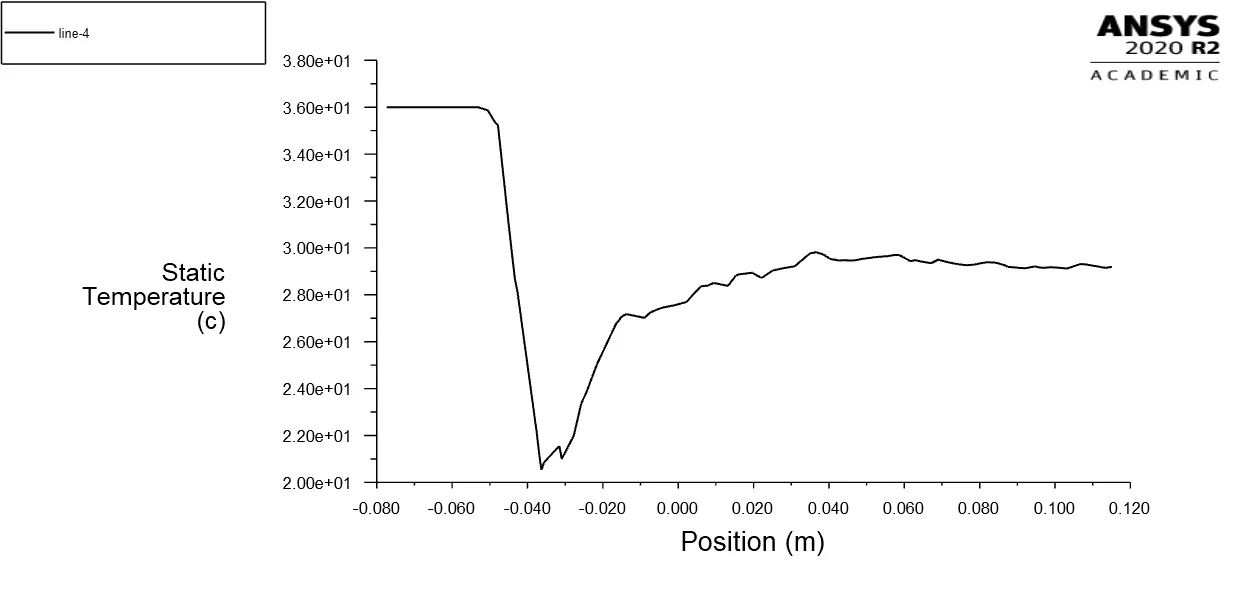
3) Velocity of air along the length of pipe
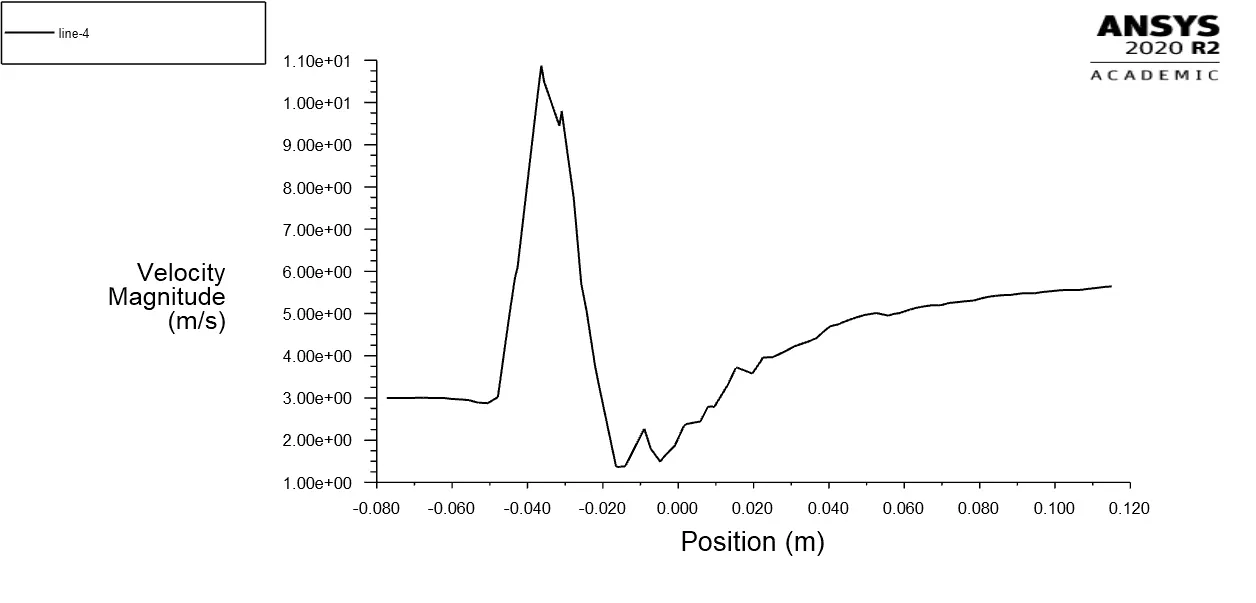
4) Temperature contour along the pipe
5) Velocity contour along the pipe
6) Temperature contour across the pipe junction
7) Velocity contour across the pipe junction
4)
- Short Tee Junction Pipe
- Momentum ratio=4 i.e Vcold=12 m/s
- K-omega turbulence model
Output plots are shown below
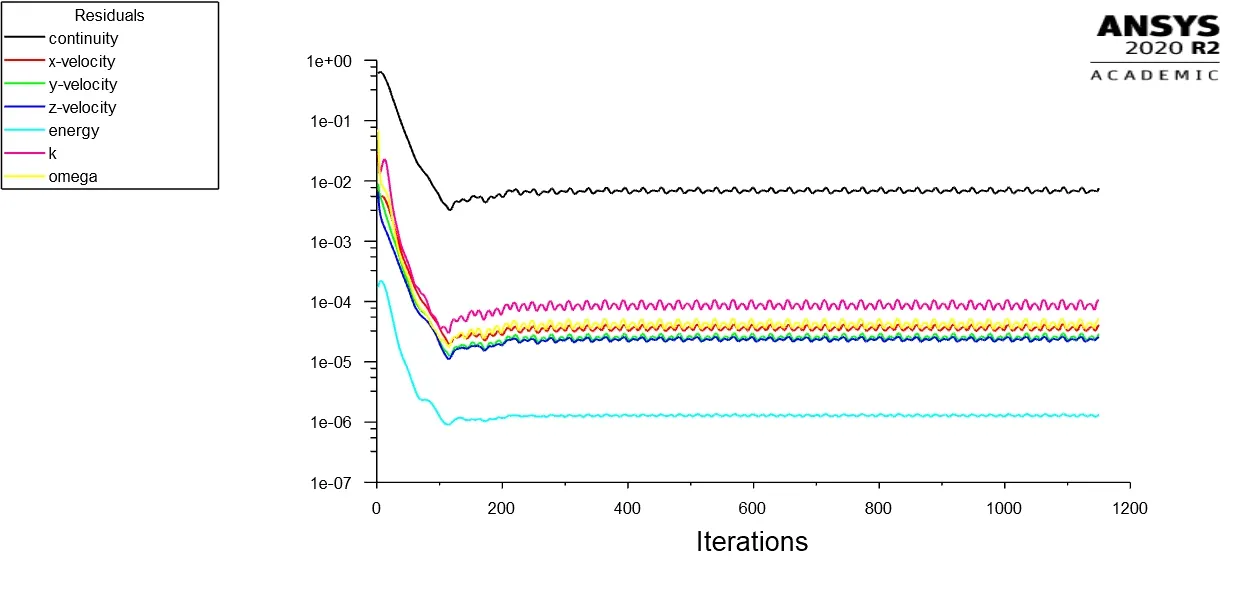
1) Residual Plot (200 iterations)
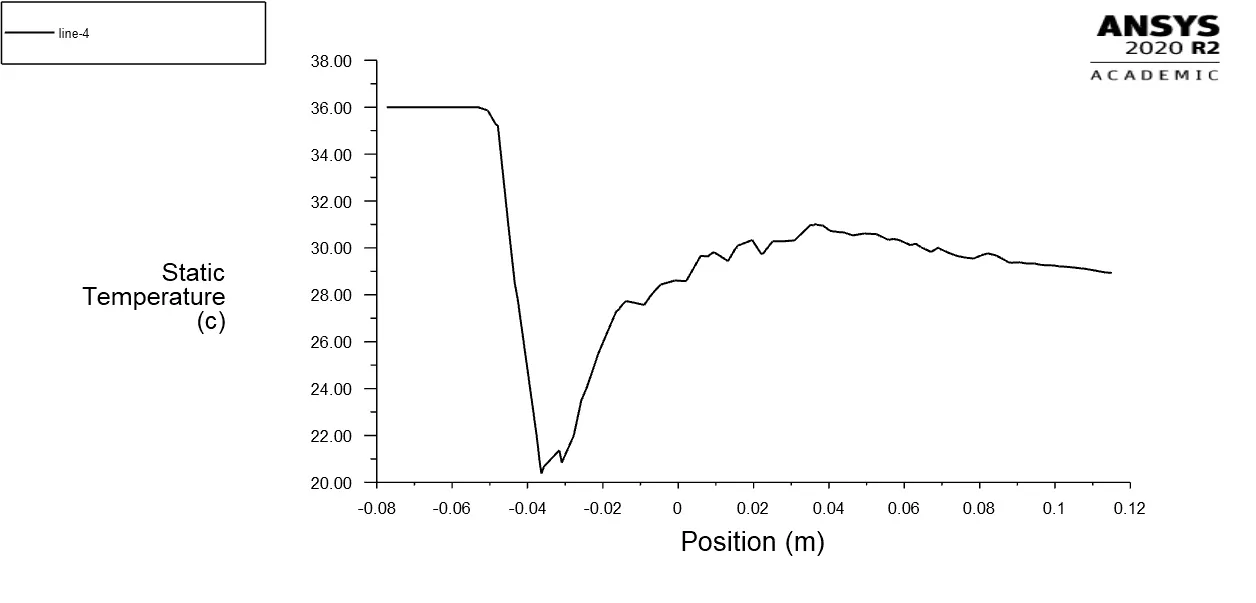
2) Static Temperature of air along the length of pipe
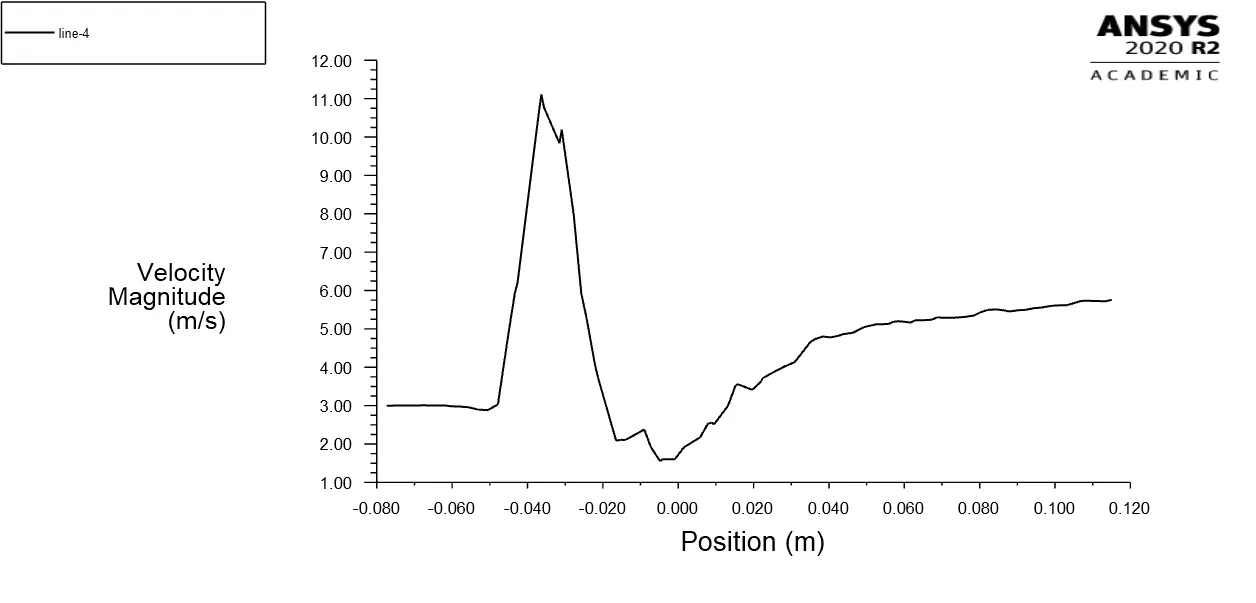
3) Velocity of air along the length of pipe
4) Temperature contour along the pipe
5) Velocity contour along the pipe
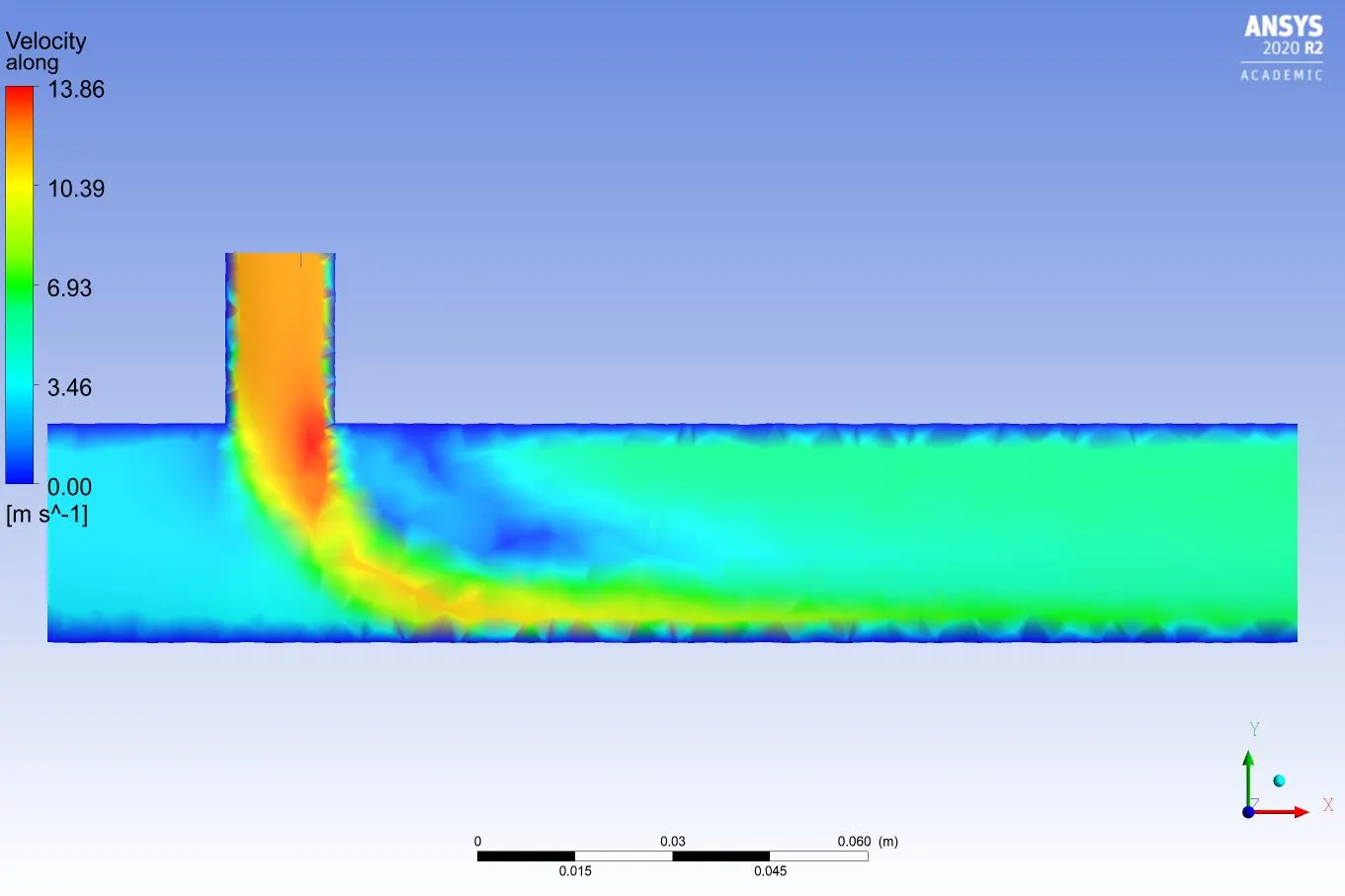
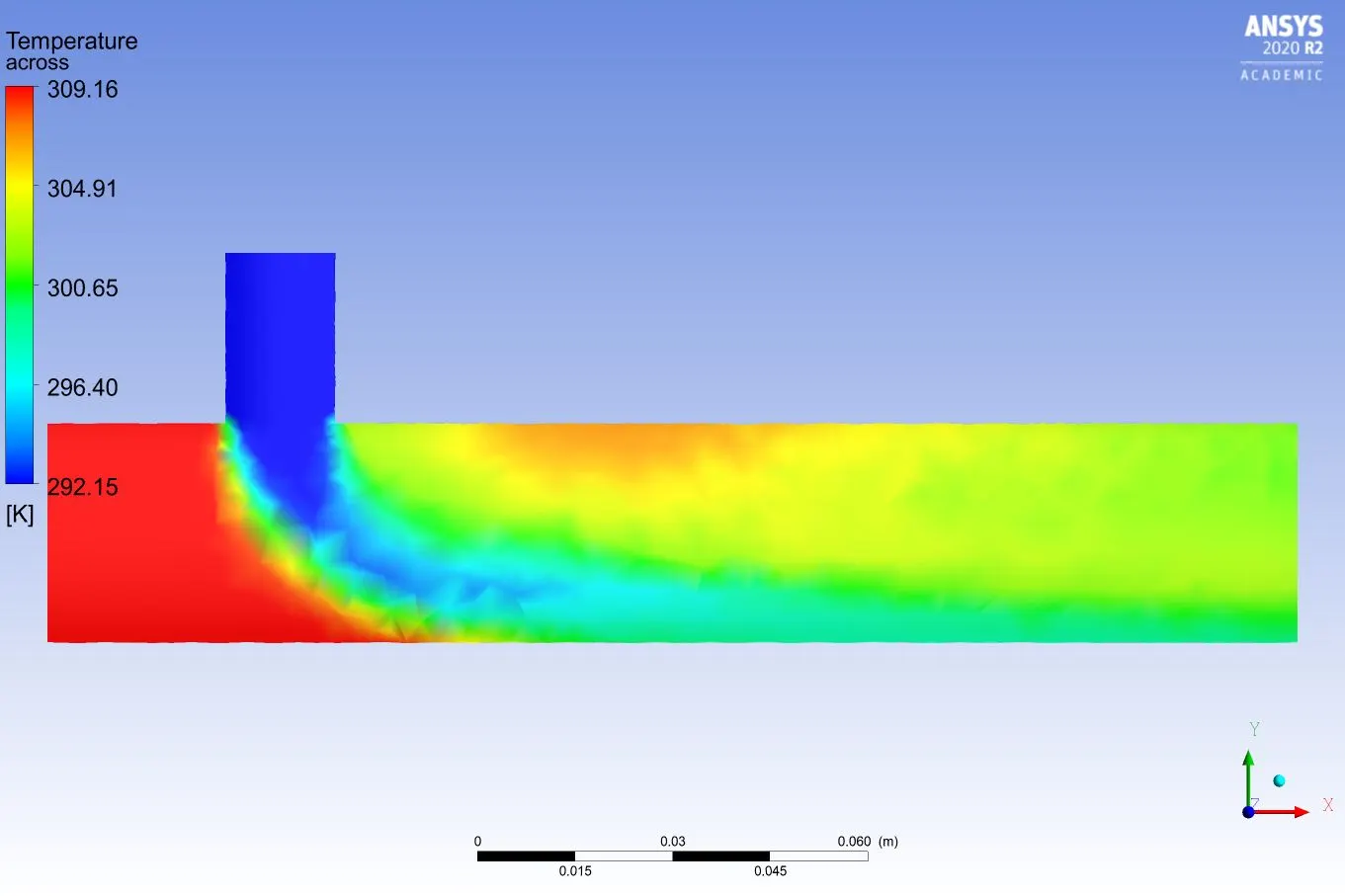
6) Temperature contour across the pipe junction
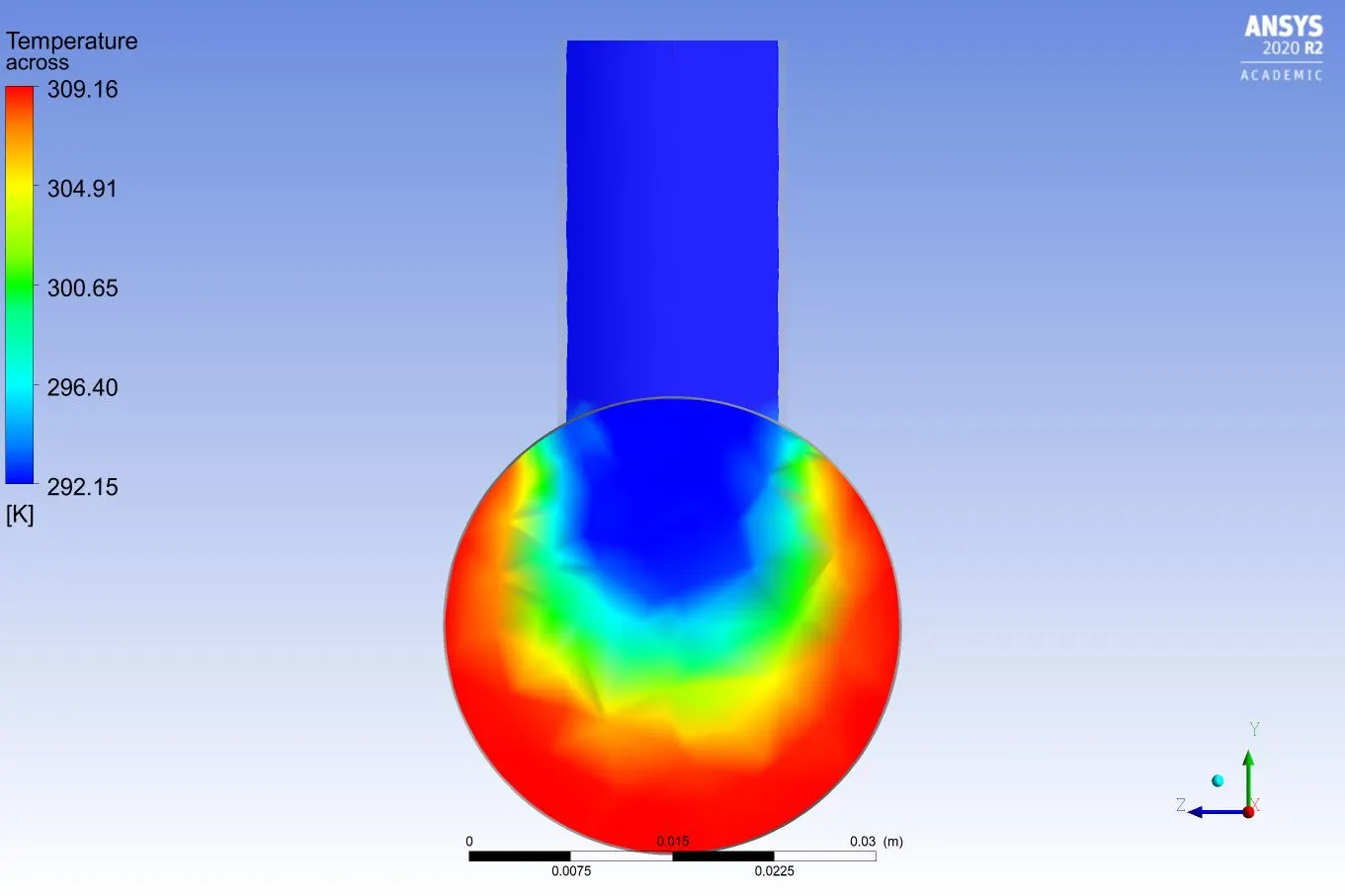
7) Velocity contour across the pipe junction
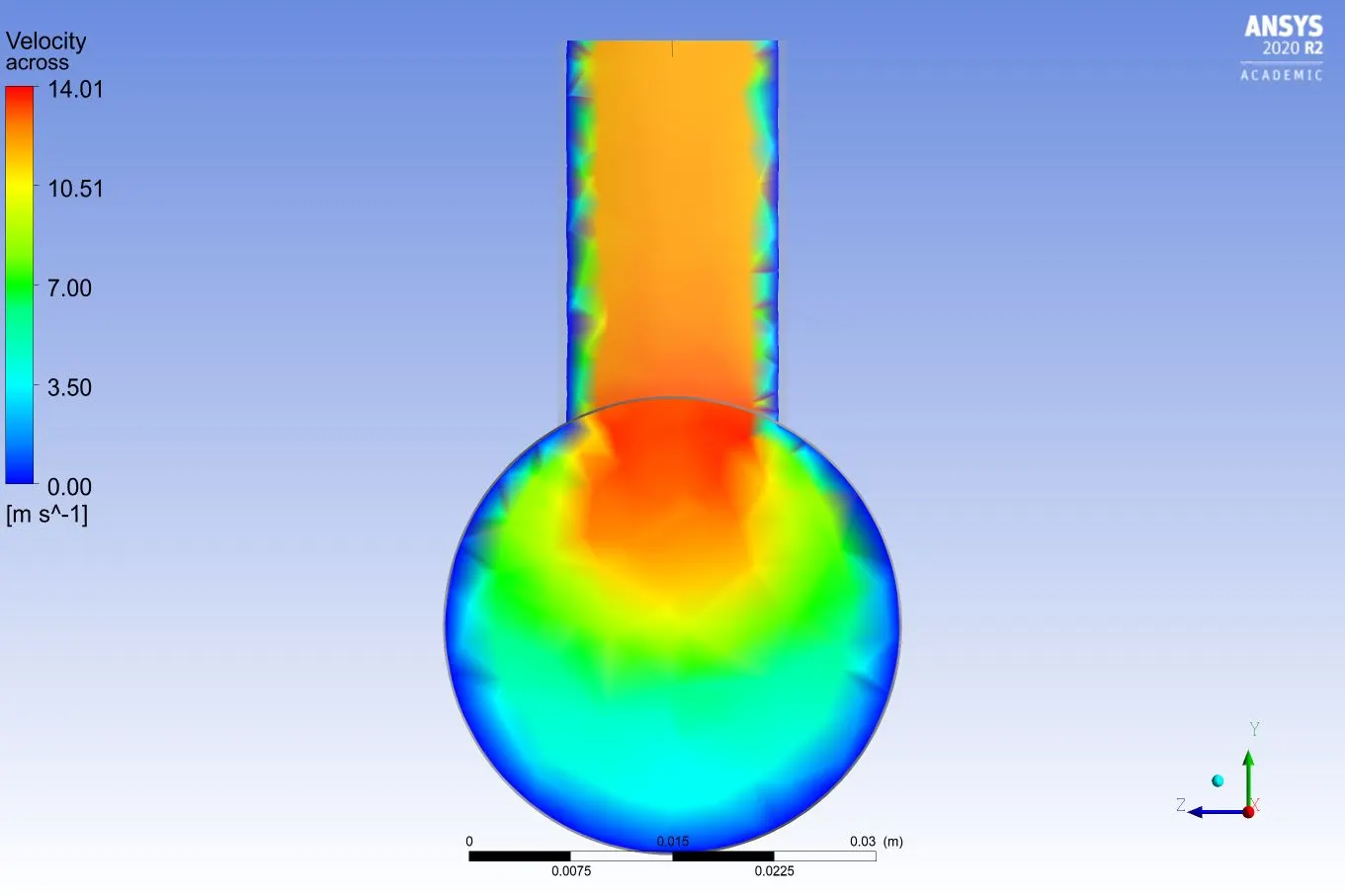
From the residual plots of all the above cases it is observed that less number of iterations are required for Realizable k-epsilon turbulence model.Thus for simulating case 2 k-epsilon turbulence model is selected
CASE 2
1)
- Long Tee Junction Pipe
- Momentum ratio=2 i.e Vcold=6 m/s
- Realizable K-epsilon model
1) Residual Plot (236 iterations)
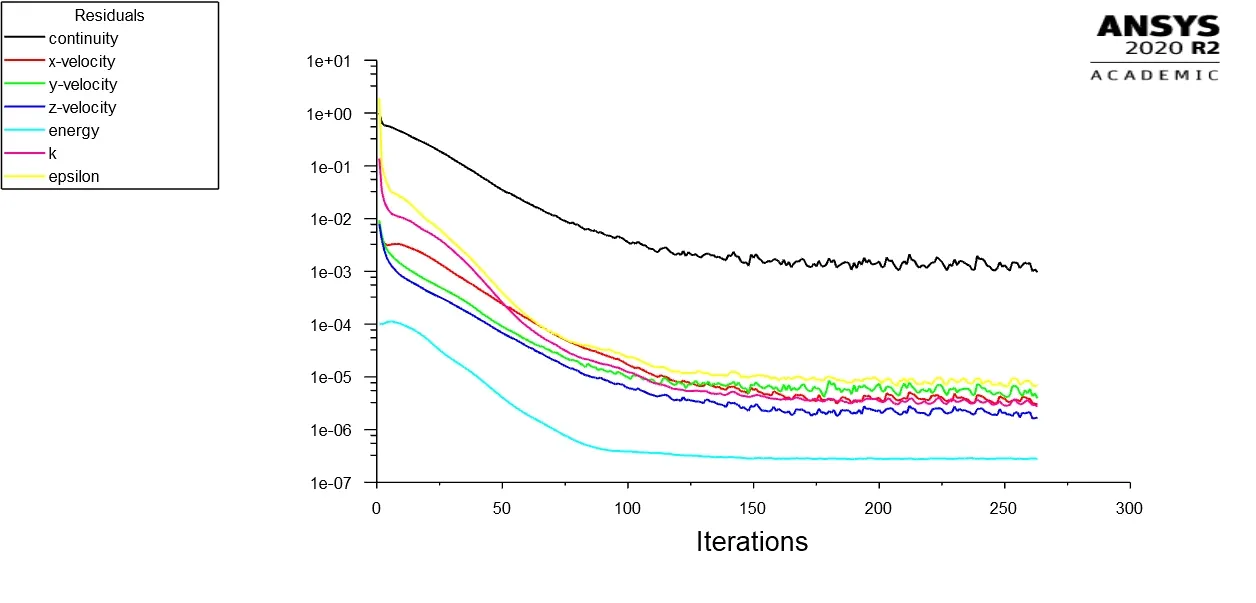
2) Static Temperature of air along the length of pipe
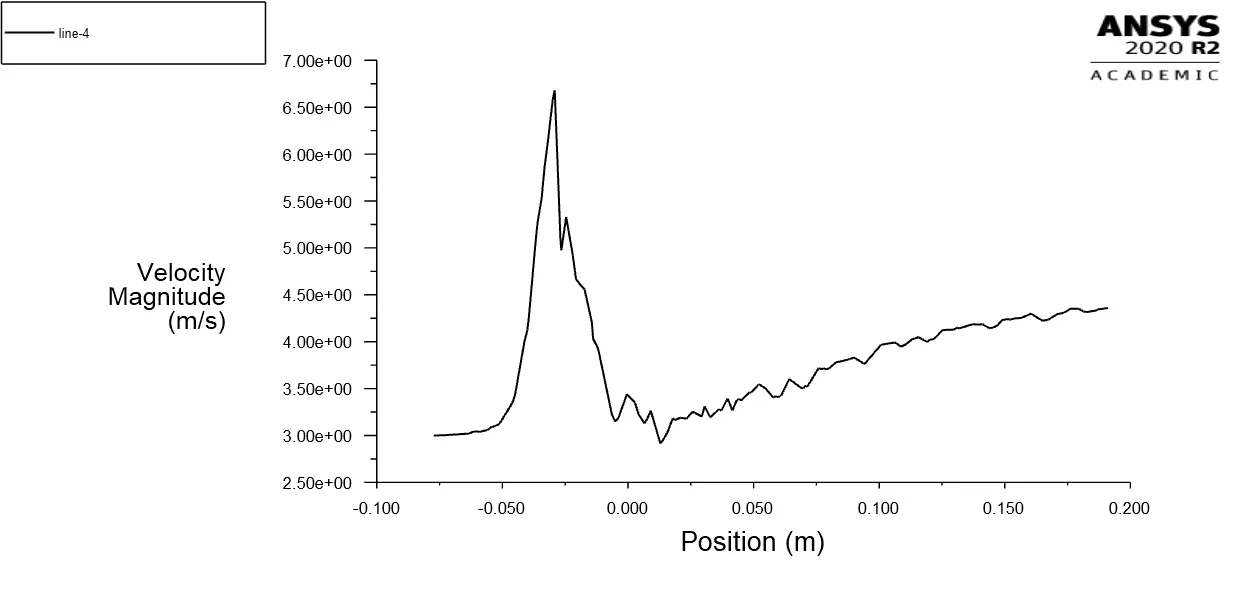
3) Velocity of air along the length of pipe
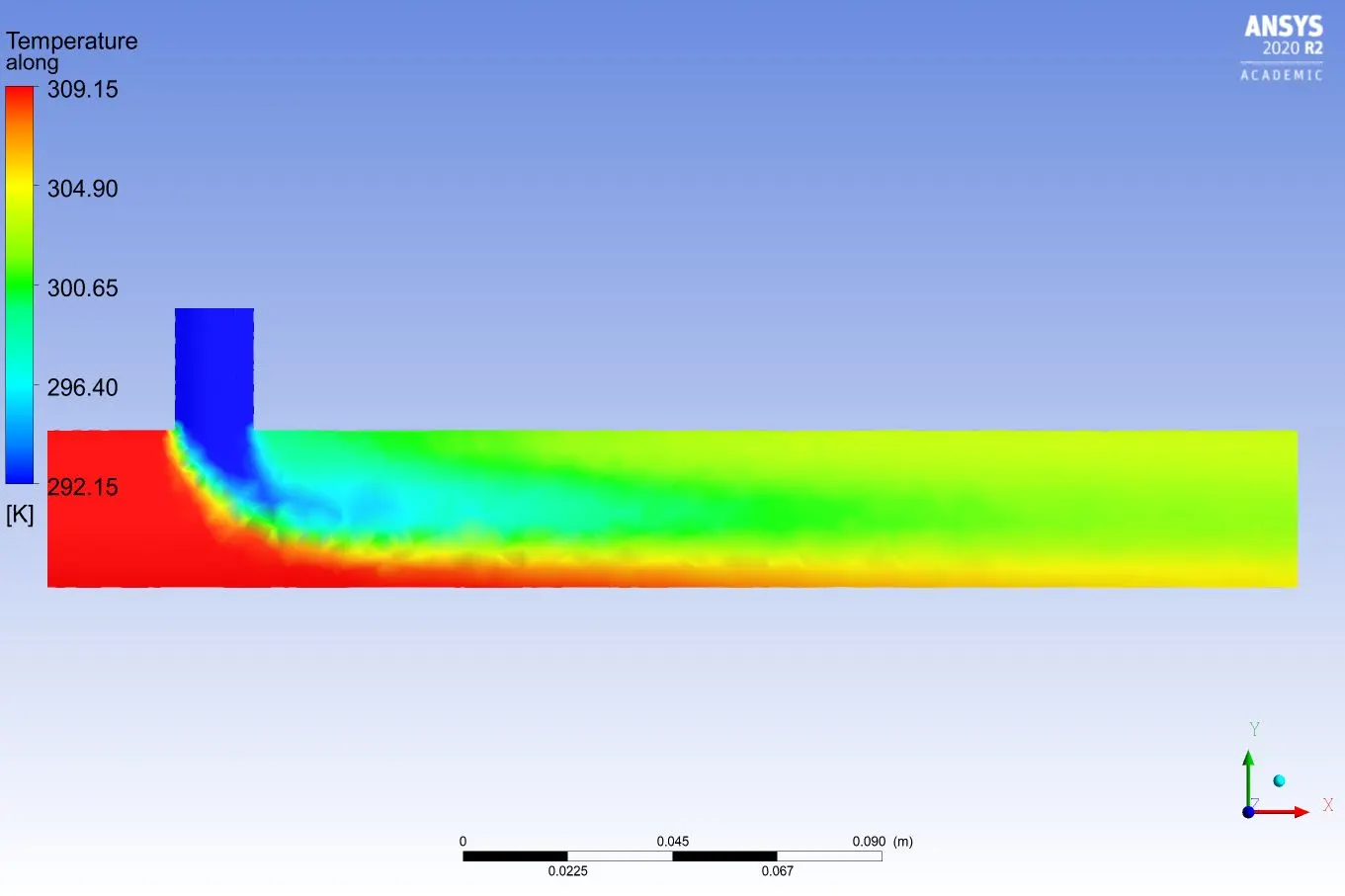
4) Temperature contour along the pipe
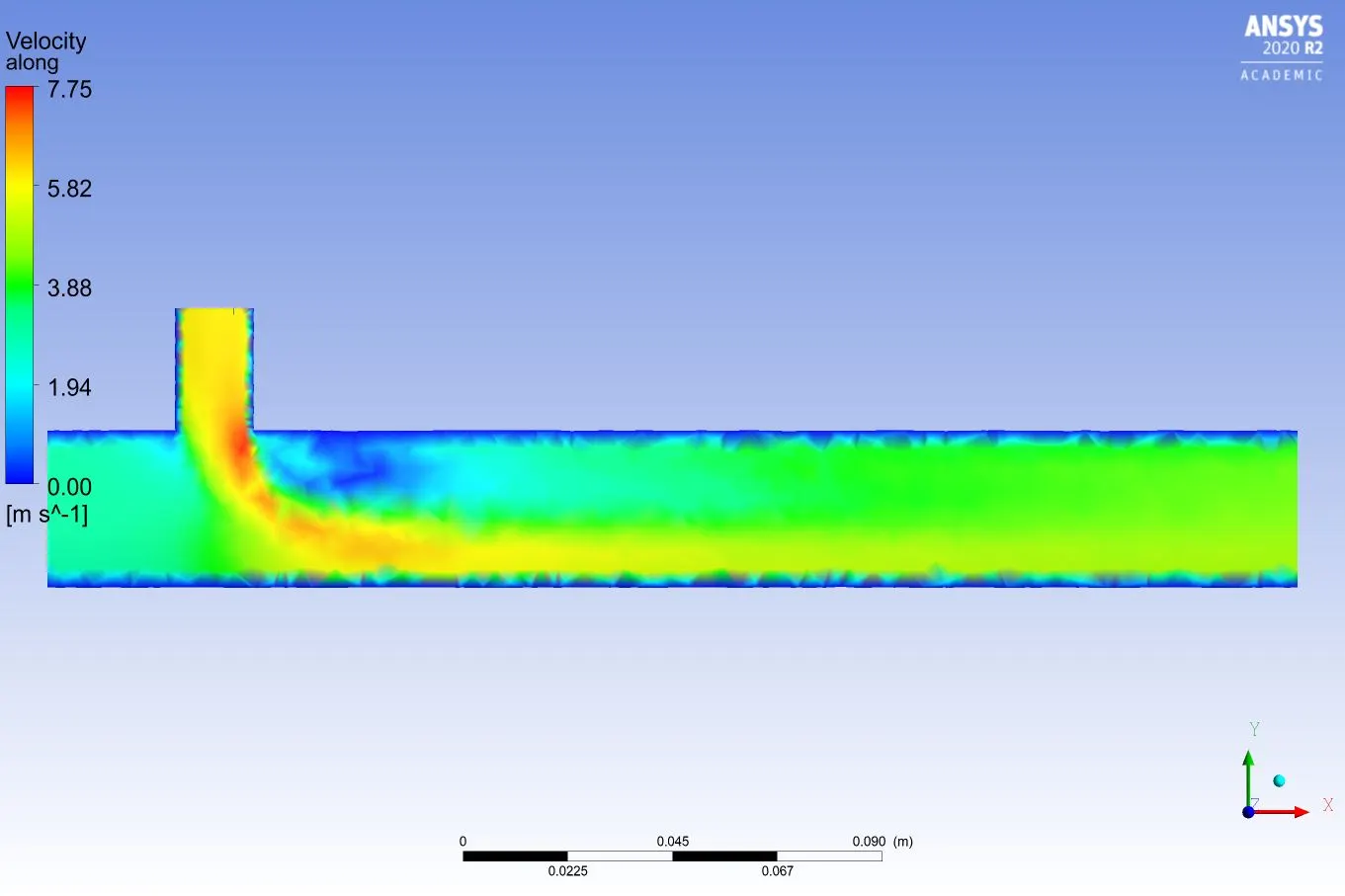
5) Velocity contour along the pipe
6) Temperature contour across the pipe junction
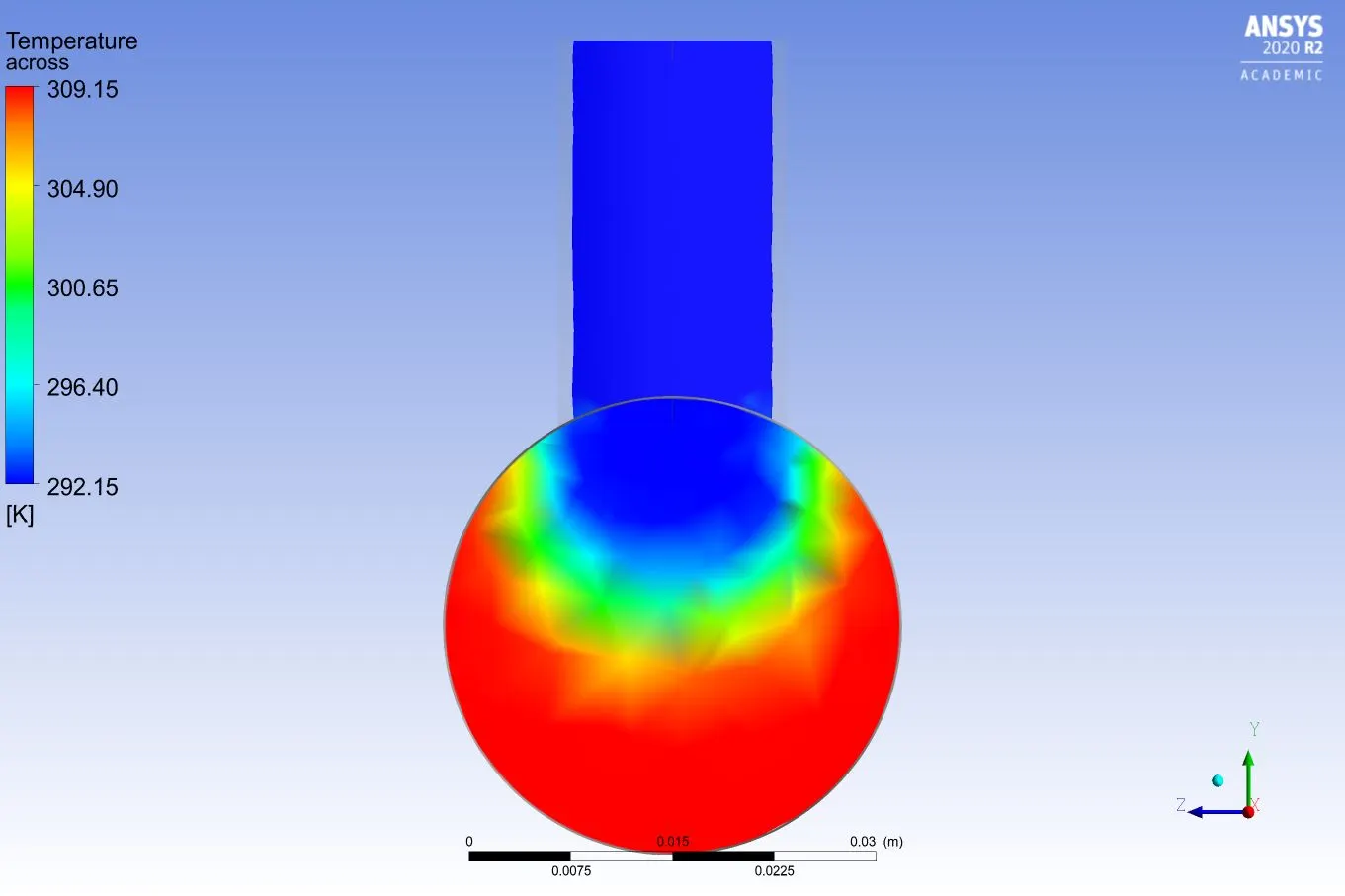
7) Velocity contour across the pipe junction
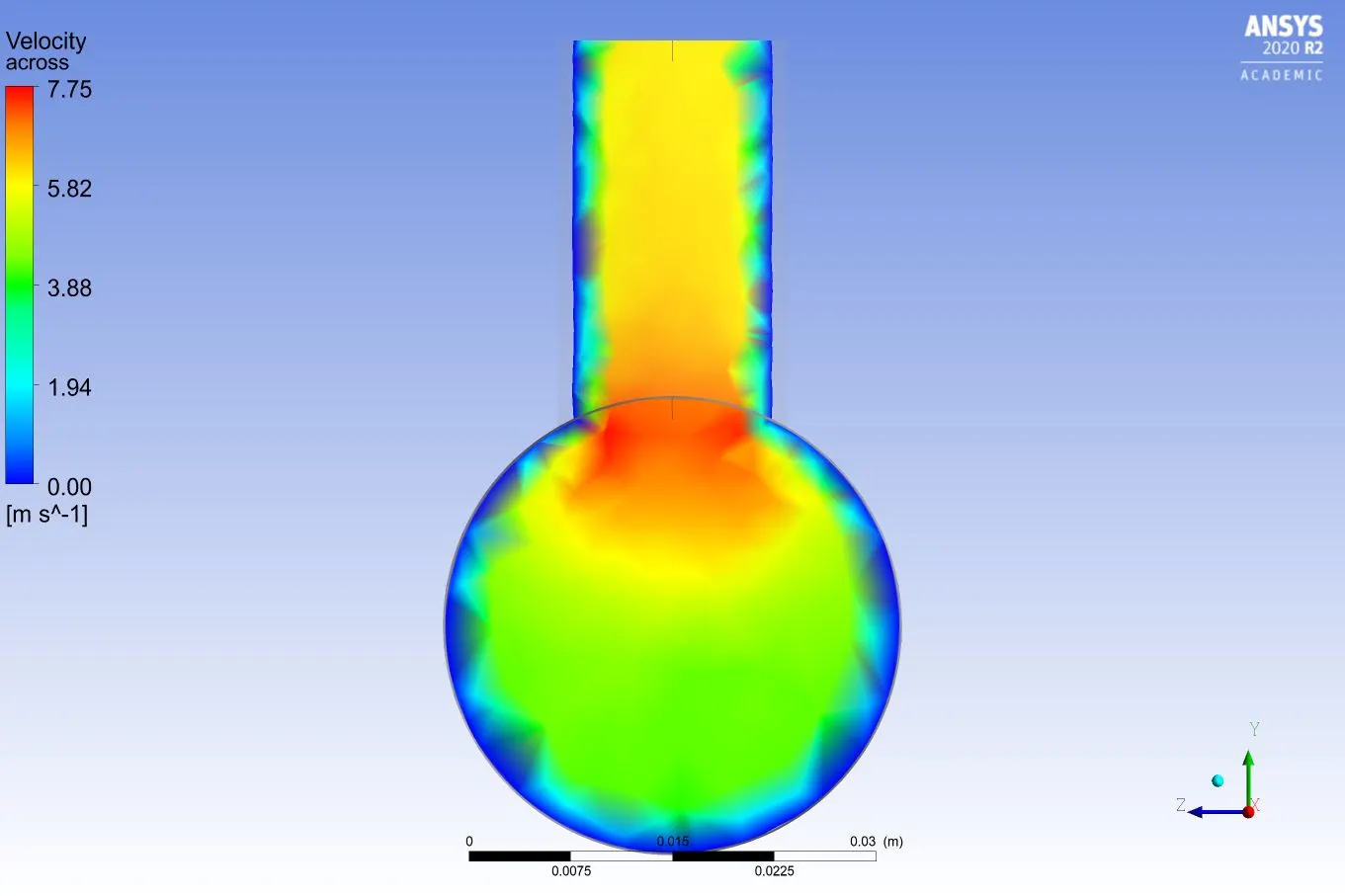
2)
- Long Tee Junction Pipe
- Momentum ratio=4 i.e Vcold=12 m/s
- Realizable K-epsilon model
1) Residual Plot (136 iterations)
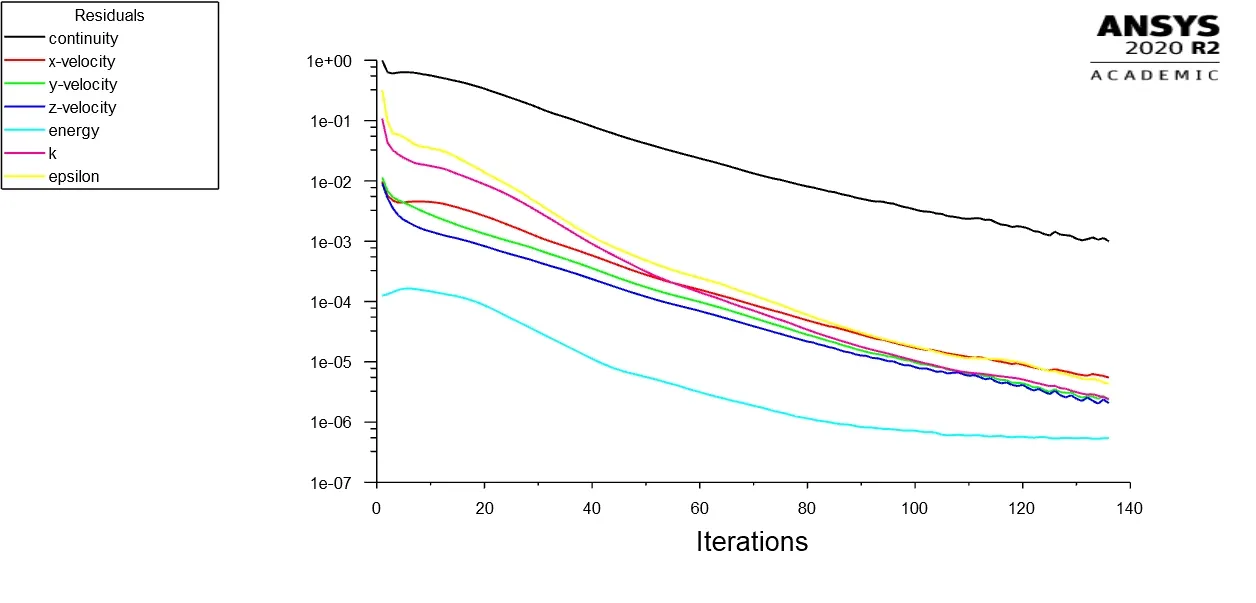
2) Static Temperature of air along the length of pipe
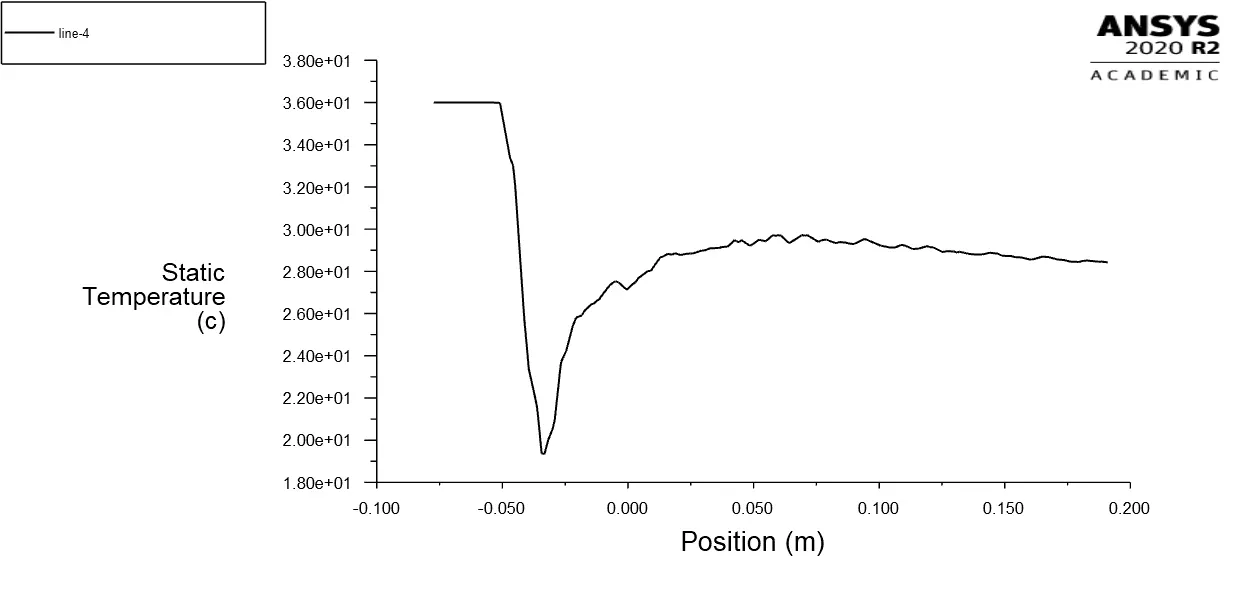
3) Velocity of air along the length of pipe
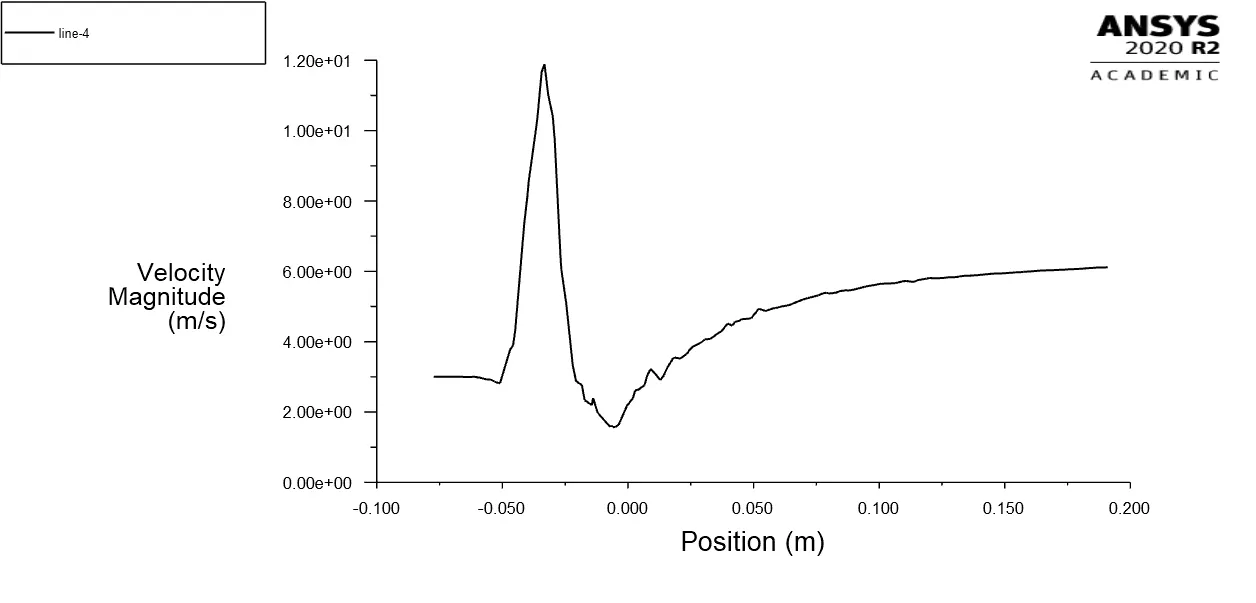
4) Temperature contour across the pipe junction
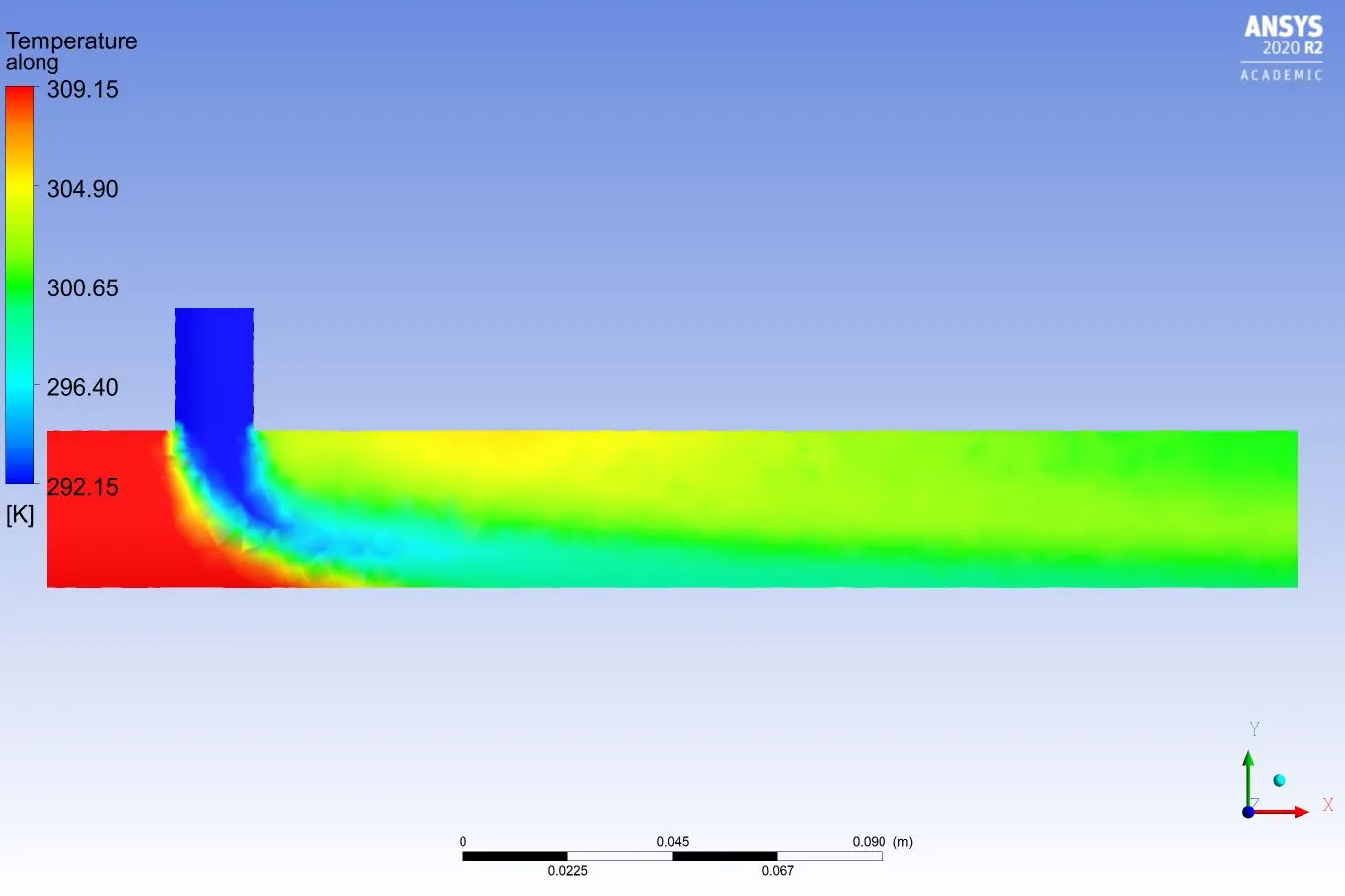
5) Velocity contour along the pipe
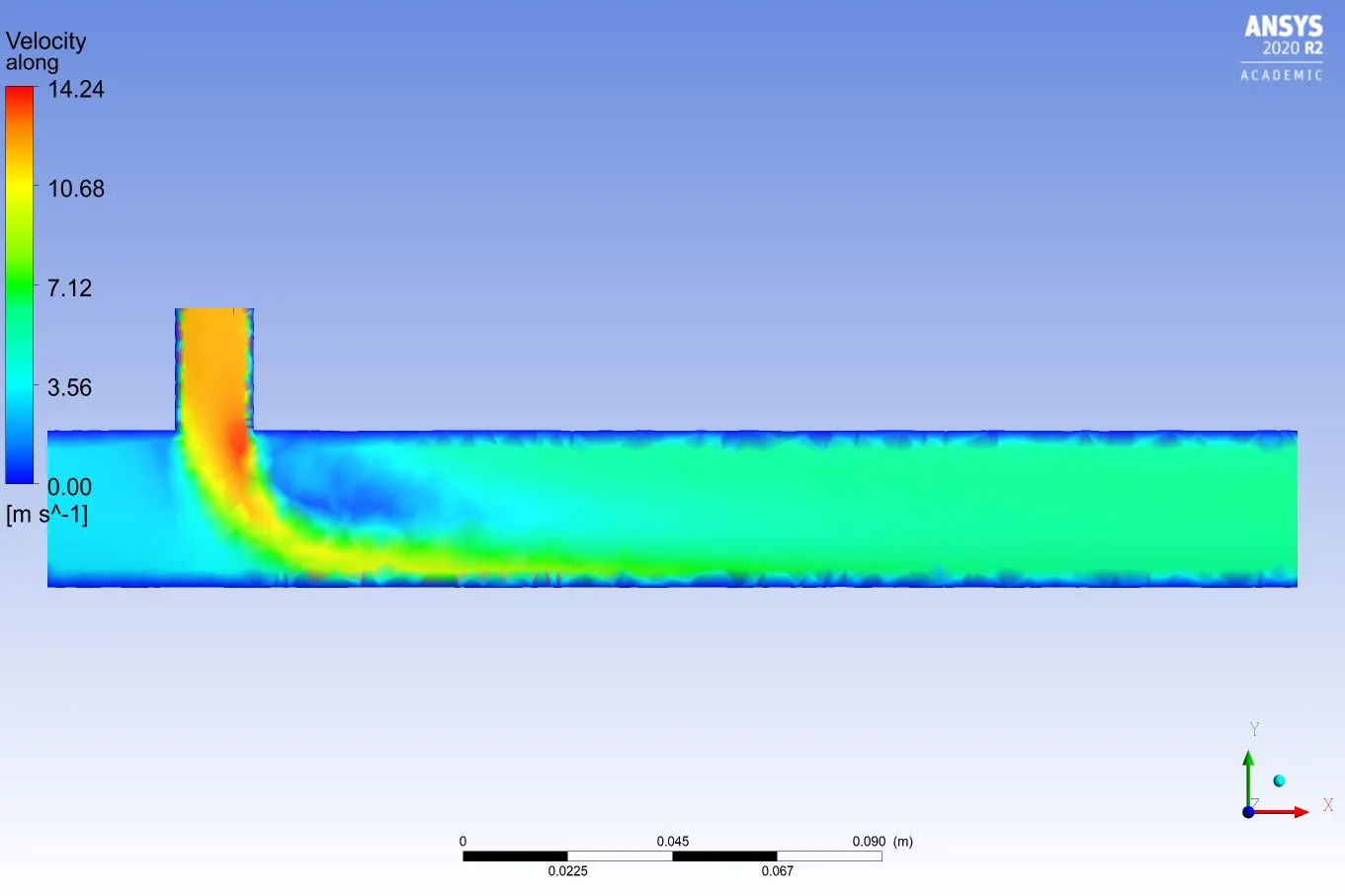
6) Temperature contour across the pipe junction
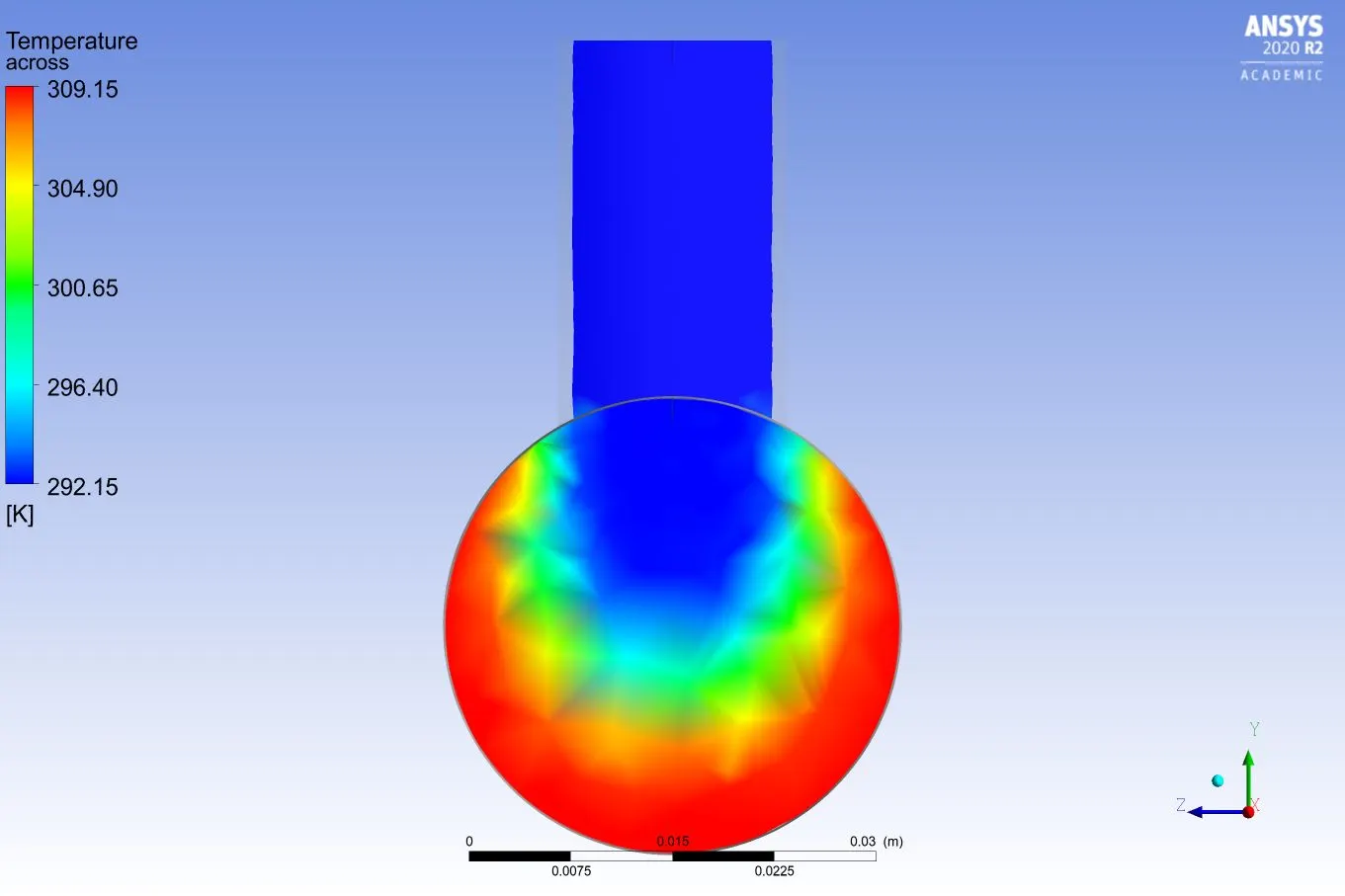
7) Velocity contour across the pipe junction
Comparision of CASE 1 and CASE 2 for Momentum ratio=2 and k-epsilon model
| No. | Cell count |
Outlet Temperature (C) |
Number of iterations for convergence |
| CASE 1 (Short) | 14228 | 30.215 | 200 |
| CASE 2 (Long) | 17787 | 30.313 | 263 |
Comparision of CASE 1 and CASE 2 for Momentum ratio=4 and k-epsilon model
| Cell Count |
Outlet Temperature (C) |
Number of iterations for convergence | |
| CASE 1 (Short) | 14228 | 27.54 | 138 |
| CASE 2 (Long) | 17787 | 27.489 | 136 |
Mesh Independence Test
Need of Mesh Independence Test
- The output result of a coarse mesh and fine mesh will never be same .So upto what extent we need to vary the mesh to get the accepted level of toleracne
- When varying the mesh doesnot affect the result much we can stop and select the minimum mesh size for our final solution output
- Mesh independence test is done by parametric analysis tool by setting the element size as input parameter and temperature at outlet as output parameter

Not much change is observed in the outlet temperature as we vary the element size so we can say that the results obtained are correct
Conclusion:
- Not much reduction in outlet temperature is observed when the pipe is elongated i.e in long tee pipe
- Reduction in temperature occurs when speed of cold air is increased
- Standard deviation in temperature for both the cases is
Pipe Standard Deviation in temperature at outlet 1 Long 0.92078388 2 Short 1.192422
- Mixing efficiency depends on standard deviation in temperature,low standard deviation means high mixing efficiency
- Thus from above table we can say that Long tee junction pipe has high mixing efficiency
- Best efficiency is obtained with long tee pipe and high cold inlet air velocity