Introduction to National Building Code and Steps in a Construction project
1) Why are building codes or standards essential for the modeling/ efficiency of drawings in Revit ?
THE NATIONAL BUILDING CODE (NBC) IS A STANDARDIZED SET OF RULES TO BE FOLLOWED BY AUTHORITIES AND CONSTRUCTION FIRMS , TO PROVIDE A HEALTHY AND SAFE LIVING EXPERIENCE FOR ALL RESIDENTS.
THE NBC OF INDIA, A COMPREHENSIVE BUILDING CODE, IS A NATIONAL INSTRUMENT PROVIDING GUIDANCE FOR REGULATING BUILDING CONSTRUCTION ACTIVITIES ACROSS THE COUNTRY.
IT SERVES AS A MODEL CODE FOR ADOPTION BY ALL AGENCIES INVOLVED IN BUILDING CONSTRUCTION WORK BE THEY PUBLIC WORKS DEPARTMENT, LOCAL BODIES, OR PRIVATE CONSTRUCTION AGENCIES.
THE CODE MAINLY CONTAINS ADMINISTRATIVE REGULATIONS, DEVELOPMENT CONTROL RULES, AND GENERAL BUILDING REGARDING MATERIAL, STRUCTURAL DESIGN, AND PLUMBING SERVES, APPROACH TO SUSTAINABILITY, AND ASSET AND FACILITY MANAGEMENT.
THE NBC IS A DOCUMENTATION THAT PROVIDE GUIDANCE FOR THE CONSTRUCTION OF STRUCTURE RESIDENTIAL, MERCANTILE, INSTITUTION, EDUCATIONAL, COMMERCIAL, ASSEMBLY, STORAGE SPECIFIED, OR EVEN HAZARDS BUILDING.
IT IS IMPORTANT TO FOLLOWS THESE GUIDANCE THAT ARE MEANT TO PROTECT THE OVERALL HEALTH OF THE CONSTRUCTION AND ENSURING THE HEALTH AND SAFETY OF THE PUBLIC AND THE RESIDENT.
THESE STANDARDIZED CODE WERE FIRST PUBLIC IN 1970 AND REVISED LATER IN 1983.
THE LATEST REVISION WAS IN 2005.
2) From the National Building Code list the groups that will be essential to you when you begin modeling in Autodesk Revit.
ACCORDING TO NBC THE BUILDINGS ARE CLASSIFY BASED ON OCCUPANCY AS FOLLOWS:
GROUP A :
- RESIDENTIAL BUILDING
- LODGING OR ROOMING HOUSE (A-1)
- ONE OR TWO FAMILY DWELLING (A-2)
- DORMITORIES (A-3)
- APARTMENT HOUSE (A-4)
- HOTEL (A-5)
- STARRED HOTEL (A-6)
GROUP B :
- EDUCATIONAL BUILDING
GROUP C :
- ASSEMBLY BUILDING
GROUP D :
- INSTITUTIONAL BUILDING
GROUP E :
- MERCANTILE BUILDING
GROUP F :
- BUSINESS BUILDING
GROUP G :
- STORAGE BUILDING
GROUP H :
- INDUSTRIAL BUILDING
GROUP J :
- HAZARDOUS BUILDING
3) List the five major steps that occur in project cycle . The steps should include from conceptualization of project to maintenance and final stage.
A Project Management life cycle is a five-step framework planned to assist project managers in completing projects successfully.
The primary competency of a project manager is to gain a thorough understanding of project management stages. Knowledge and planning for the five Project Management steps will help you plan and organize your projects so that it goes off without any hitches.
Predictive Life Cycles
In predictive life cycles, also known as fully plan-driven the three major constraints of the project, the scope, time, and cost, are determined early in the project life cycle. These projects progress through a series of sequential or overlapping phases. Now the planning can be done for the entire project at a detailed level from the beginning of the project. Different work is usually performed in each phase. Therefore, the composition and skills required of the project team may vary from phase to phase.
Adaptive Life Cycles
The adaptive life cycles, also known as change-driven or agile methods, are used in cases of high levels of change or application areas such as IT. Adaptive methods are also iterative and incremental, but the difference is that iterations are very rapid (typically with a duration of 2 to 4 weeks) and are fixed in time and cost. Sometimes the processes within the iterations can be going on in parallel.
5 Phases of Project Management Life Cycle
1. Project Initiation
Project initiation is the first Project Management life cycle phase, where the project starts. It provides an overview of the project, along with the strategies required to attain desired results. It is the phase where the feasibility and business value of the project are determined.
The project manager kicks off a meeting to understand the client and stakeholders’ requirements, goals, and objectives. It is essential to go into minute details to have a better understanding of the project. Upon making a final decision to proceed, the project can move on to the next step: that is, assembling a project team.
The Project Charter is considered to be the most important document of any project as it comprises:
- Business vision and mission
- Project goals and benefits
- List of stakeholders
- Scope of the Project
- Project deliverables
- Risks associated with the project
- Project budget and resources
1. Undertake a Feasibility Study
In the initial stage, it is essential to understand the feasibility of the project. See if the project is viable from the economic, legal, operational, and technical aspects. Identifying problems will help you analyze whether you can solve issues with appropriate solutions.
2. Identify the Project Scope
Identifying the project scope involves defining the length, breadth, and depth of the project. On the other hand, it’s equally essential to outline functions, deadlines, tasks, features, and services.
3. Identify the Project Deliverable
Upon identifying the project scope, the very next step is to outline the project deliverables. The project deliverables include defining the product or services needed.
4. Identification of Project Stakeholders
A thorough identification of project stakeholders is essential. It is better to have meetings with team members and experts to identify project stakeholders. Documentation of relevant information on stakeholders and impact on them on successful completion of the project is required.
5. Develop a Business Case
Before developing a business case, check whether the essential pillars of the project such as feasibility, scope, and identification of stakeholders are in place. The very next step is to come up with a full-fledged business case.
Creation of a statement of work (SoW) and the formation of a team wrap up the project initiation phase.
2. Project Planning
A lot of planning related to the project takes place during this phase. On defining project objectives, it is time to develop a project plan for everyone to follow.
The planning phase frames a set of plans which help to guide your team through the implementation phase and closing phase. The program created at this point will surely help you to manage cost, quality, risk, changes, and time.
The project plan developed should include all the essential details related to the project goals and objectives and should also detail how to achieve them. It is the most complex phase in which project managers take care of operational requirements, design limitations, and functional requirements.
The project planning phase includes the following components:
1. Creating a Project Plan
A project plan is a blueprint of the entire project. A well-designed project plan should determine the list of activities, the time frame, dependencies, constraints involved, and potential risks. It assists the project manager to streamline operations to meet the end objective and track progress by taking appropriate decisions at the right time.
2. Creating a Resource Plan
The resource plan provides information about various resource levels required to accomplish a project. A well-documented plan specifies the labor and materials to complete a project. Resources used should have relevant Project Management expertise. Experience in the concerned domain is a priority.
3. Budget Estimation
Framing a financial plan helps you to set the budget and deliver project deliverables without exceeding it. The final budget plan lists expenses on material, labor, and equipment. Creating a budget plan will help the team and the project managers to monitor and control the costs throughout the Project Management life cycle.
4. Gathering Resources
Gathering resources is an essential part of project planning as it helps to monitor the quality level of the project. It is not enough to assemble a well-balanced team from internal and external resources. Resources like equipment, money, software solutions, and the workplace should be given to complete the assigned tasks.
5. Anticipating Risks and Potential Quality Roadblocks
The risk plan will help you identify risks and mitigate them. It will comprise all the potential risks, the order of severity, and preventive actions to track it. Once threats are under control, it is possible to deliver the project on time adhering to quality.
3. Project Execution
Project execution is the phase where project-related processes are implemented, tasks are assigned, and resources are allocated. The method also involves building deliverables and satisfying customer requirements. Project managers or team leaders accomplish the task through resource allocation and by keeping the team members focused.
The team involved will start creating project deliverables and seek to achieve project goals and objectives as outlined in the project plan. This phase determines whether your project will succeed or not. The success of the project mainly depends on the project execution phase. The final project, deliverable also takes shape during the project execution phase.
There are a lot of essential things that are taken care of during the execution phase. Listed below are a few among them:
1. Reporting Progress of a Project
During the project execution phase, it is essential to get regular project updates as it provides the required information and even identifies the issues.
2. Hold Regular Meetings
Before you kick-off a project meeting, be clear about the agenda and make team members aware of what the meeting is all about well in advance. If communication is timely and straightforward, the productivity of ongoing projects and those that are in the pipeline will not get affected.
3. Manage Problems
Problems within the project are bound to occur. Issues such as time management, quality management, and a weakening in the team’s morale can hinder the success of a project. So make sure all problems are solved in the beginning.
4. Project Monitoring and Control
The project monitoring and control phase is all about measuring the performance of the project and tracking progress. It is implemented during the execution phase. The main goal of this phase is to check whether everything aligns with the Project Management plan, especially concerning financial parameters and timelines.
It is the responsibility of the project manager to make necessary adjustments related to resource allocation and ensure that everything is on track. To aid this, a project manager may conduct review meetings and get .
Monitoring project activity after the project execution phase will allow the project manager to take corrective actions. Meanwhile, considering the quality of work will also help to make the necessary improvements. Keeping an eye on the budget will help to avoid unnecessary expenses resources.
Enroll in our PMP Certification Training today, and develop a strong foundation in the principles of Project Management.5. Project Closure
With much time and effort invested in the project planning, it is often forgotten that the final phase of the Project Management life cycle phases is equally important.
The project closure phase represents the final phase of the Project Management life cycle, which is also known as the “follow-up” phase. Around this time, the final product is ready for delivery. Here the main focus of the project manager and the team should be on product release and product delivery. In this stage, all the activities related to the project are wrapped up. The closure phase is not necessarily after a successful completion phase alone. Sometimes a project may have to be closed due to project failure.
Upon project completion and timely delivery to clients, it is the role of the project manager to highlight strengths, list the takeaways of the project, identify the ambiguities and suggest how they could be rectified for future projects. Taking time to recognize the strengths and weaknesses will help to handle projects with more dedication; this, in turn, builds the project manager’s credibility.
Once the product is handed to the customers, the documentation is finalized, the project team is disbanded, and the project is closed.
4) Give examples of different disciplines involved in construction of a project
DIFFERENT DISCIPLINES INVOLVED IN THE CONSTRUCTION OF THE PROJECTS ARE
- ARCHITECTURE
- ARCHITECTURE PROGRAMMING
- COMMISSIONING AUTHORITIES
- COST ESTIMATING
- ELECTRICAL ENGINEERING
- FIRE PROTECTION ENGINEERING
- HVAC AND REFRIGERATING ENGINEERING
- INFORMATION TECHNOLOGY ENGINEERING
- INTERIOR DESIGN
- LAND SCAPE ARCHITECTURE
- LIGHTING DESIGN
- PLANNING
- PLUMBING ENGINEERING
- STRUCTURAL ENGINEERING
5) How are buildings classified ? Place the following buildings under each category
a. Four unit apartments
b. School with capacity of 1000 students
c. A single unit shop.
d. Multi story Shopping complex
e. Steel machine factory
CLASSIFICATION OF BUILDINGS BASED ON THE PURPOSE:1.Residential Building:
The buildings which include sleeping occupancy are provided for general residential purposes without cooking or food and both facilities.
They are further classified as follows:
A-1: lodging or rooming house.
A-2: One- or two-family private occupancy.
A-3: Hall.
A-4: Apartment House (flat).
A-5: Hotel.
2.Educational Building:
These type of building are used for school, college or day-care purposes including an assembly for education or recreation.
3.Institutional Building:
These building are used for purposes such as medical or other treatment or care for the persons suffering from physical or mental illness, disease or debility.
For the care and sentence or correction of children or older persons in which the freedom of prisoners is restricted.
Institutional buildings usually provide sleeping space for the occupants.
The institutional types of buildings are further classified as
C-1: Hospital.
C-2: Custodial Institute.
C-3: Penal and mental Institute.
4.Assembly Building:
The building or part of a building, where groups of people gather or assemble for entertainment, recreation, social, religious, patriotic, civic, travel, and similar purposes.
For example theatre, assembly hall, exhibition hall, museum, skating rink, gymnasium, restaurant, place of worship, dance hall, club room, passenger station, public transport services, entertaining docks and stadiums, etc.
Assembly buildings are further divided according to the following:
D-1: These buildings are a theatrical stage and fixed seats for more than 1000 persons.
D-2: These building has a theatrical stage and fixed seats for less than 1000 persons.
D-3: These buildings without a single-phase and without lodging for 300 or more persons but has permanent seating arrangement.
D-4: These building provides lodging for less than 300 people.
All other types of buildings are designed for the assembly of people not covered in subdivisions D-1 to D-4 are D5.
5.Business Buildings:
The building or part of a building used for the transaction of business.
The city hall, town hall, courtyard and library are classified in this buildings.
The accounts, records and similar purposes, professional establishments, service facilities are also classified in this buildings.
The main function of these buildings is public business and transactions.
Business type buildings are further classified as follows:
E-1: For offices, banks, professional establishments such as offices of architects, engineers, doctors, lawyers, etc.
E-2: For Laboratories, Research establishments and Testing houses.
E-3: For computer installation.
6.Mercantile Buildings:
These buildings or parts of a building used for the display and sale of goods either wholesale or retail such as shops, shops, markets.
This buildings are further classified as follows:
F-1: For shops, stores, markets with an area up to 500 meters. ‘
F-2: For underground shopping center, contingency services for more than 500m area departmental stores and storage.
Sale & display of goods located in the same types of buildings will be included under this group.
7.Industrial Building:
These building include any part or portion for materials of all types and properties are fabricated, assembled, manufactured or processed.
For example assembly plants, laboratories, dry cleaning plants, power plants, pumping station, smokehouse, laundry, gas plant, refinery: dairies and sawmills.
Industrial type buildings are further classified as
G-1: These buildings are used for less hazardous industries
G-2: These buildings are used for medium-risk industries
G-3: These buildings are used for high-risk industries.
8.Storage Building:
These buildings are primarily used for storage or shelter including goods incidental to servicing, processing, or repair, excluding goods that include highly combustible, explosive products or materials, vehicles, or animals.
For example, warehouses, cold storage, freight depots, transit sheds, storehouses, trucks, and marine terminals, garages, hangars (other than aircraft repair hangars), grain elevators, barns and stables.
Storage properties are characterized by the presence of a relatively small number of people in proportion to the area.
Any new users who increase the number of figures compared to other classes of occupancy will change the grouping of buildings types.
For example sheds used for assembly purposes, warehouses used for office purposes or manufacturing, garage building.
9.Dangerous Buildings:
These buildings or part of a building that is used for the storage, handling, manufacture, or processing of highly combustible or explosive materials or products, which can produce extreme toughness and toxic fumes or explosions.
For storage, handling, manufacture, or processing products that contain highly corrosive, toxic, or toxic alkalis, acids or other liquids or chemicals that produce flame, fumes, and explosives, toxic, irritant, or corrosive gases and for storage, handling, or processing.
As a result of any material forming an explosive mixture of dust, splitting of matter results in spontaneous ignition of particulate matter.
CLASSIFICATION OF BUILDINGS BASED ON DESIGN AND HEIGHT:10.Demolished building:
A building consisting of roof and walls which are separated from any other building and has open space within its boundaries is called a separate building.
11.Semi- circular buildings:
These buildings are different from any other building on three sides and have open spaces. (Open space is defined as integral parts of the site that are open to the sky.)
12.Multi-story or high rise buildings:
These buildings are more than 4 stories and elevations greater than 15 meters (without stilts) or 17.5 meters (with stilts) above the average level of the front road are classified as tall buildings.
CLASSIFICATION OF BUILDING BASED ON STANDARD OF SAFETY:13.Slum Buildings:
These buildings have a low level of maintenance and poor living conditions due to insufficient sanitation, ventilation and other harmful factors.
Slums are marked by a competent authority as per the respective law.
14.Unsafe building:
These types of buildings are structurally weak and unsafe, uneven or polluted, do not have proper entry and exit facilities, disposed to fire hazards, a threat to human life and might pose a threat to safety, health or danger.
Public welfare is considered unsafe.
As per Government regulations, these buildings should take renovation, demolition, or necessary measures as per the instructions of the concerned authority.
It is a global category comprising assembly buildings, industrial buildings, bulk installations, hazardous buildings, hotels, hostels and centrally chilled buildings that are more than 15 meters in height and have a built-up area of over 600 square meters.
16.Multi-level car parking:
These buildings are either below ground level with two or more basements or above ground level with two or more floors mainly used for parking cars, bikes, scooters, and other light
6) Distinguish the roles of Design team and Management team
MANAGEMENT TEAM
DESIGN TEAM
- INTERIOR DESIGNER
- QUANTITY SURVEYOR
- LAND SCAPE ARCHITECTURE
- RESIDENTIAL ENGINEER
- STRUCTURAL ENGINEER
- BUILDING SERVES ENGINEER
- CLERK OF WORKS
- CONTRACTORS
PLANNING TEAM
BILLING TEAM
7) Refer to NBC, Identify the modeling requirements for the project ( from week 4).
a. Height Limitations
b. Area Limitations
c. Room sizing
d. Wall height
e. Thickness based on fire life and safety
f. Passageway requirements
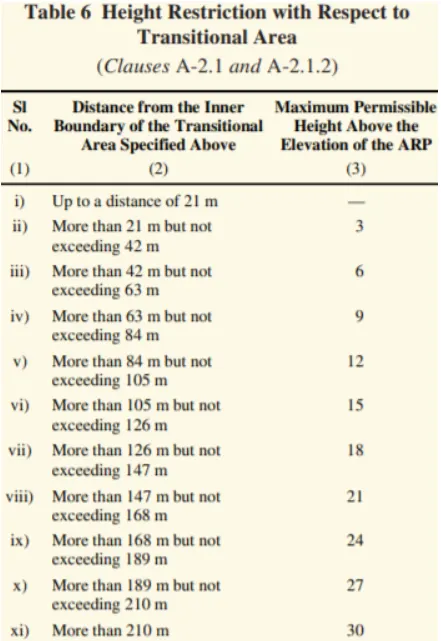
HEIGHT LIMITATIONS :
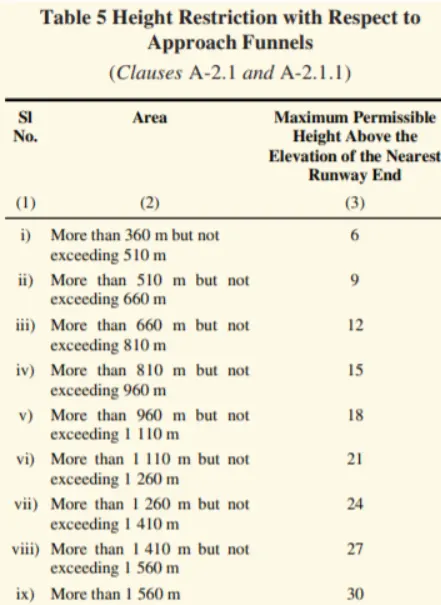
NO BUILDING OR STRUCTURE HEIGHT THAN THE HEIGHT SPECIFIED IN TABLE 5 AND 6 SHALL BE CONSTRAINED.
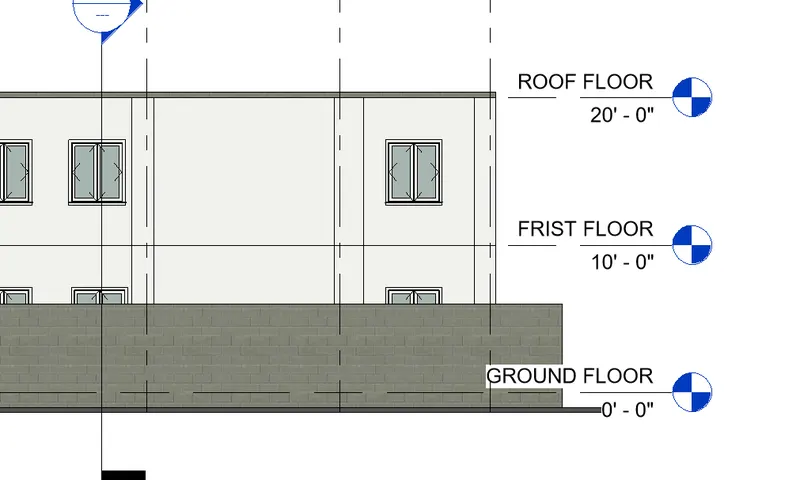
THE HEIGHT OF BUILDING SHALL BE NOT EXCEED 15m
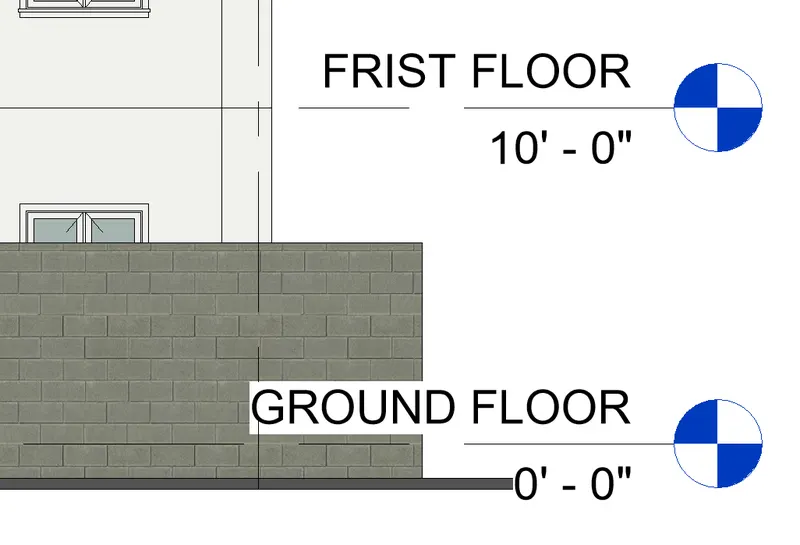
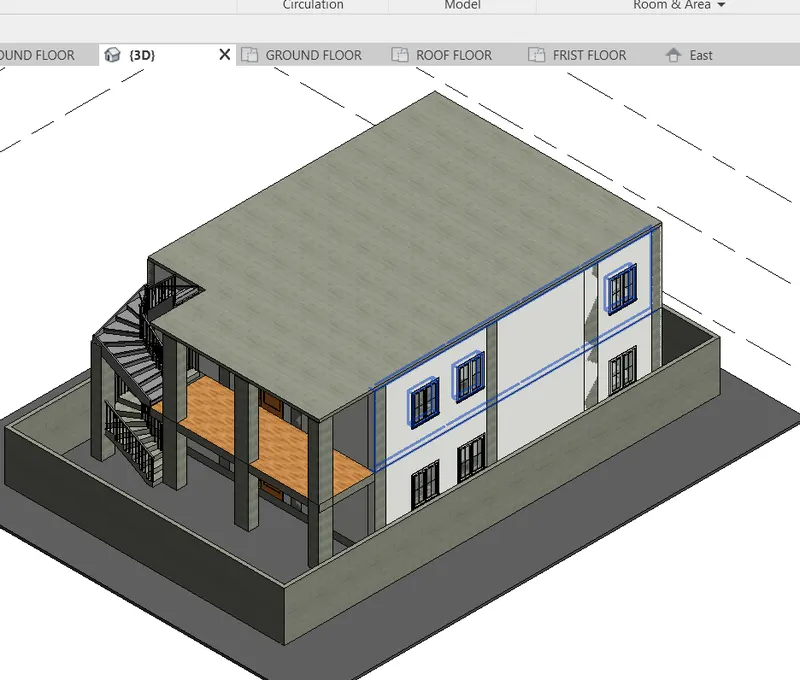
ACCORDING TO MY PROJECT HEIGHT IS 7m.
THERE FORE IT'S DOES NOT EXTEND 15m.
MY PROJECT IS ACCORDING NBC STANDARD.
AREA LIMITATIONS :
THE MINIMUM PLOT SIZE WITH GROUND COVERAGE NOT EXTENDING 75% .
SHALL NOT BE LESS THAN 40 M^2 IN SMALL AND MEDIUM TOWNS AND NOT LESS THAN 30 m^2 IN METROPOLITAN CITYS
ROOM SIZING :
NBC guidelines related to kitchens
- Every kitchen must have provision for washing utensils, with proper connection to drainage.
- The kitchen must be provided with an impermeable floor.
- The kitchen must open into an interior or exterior open space and should not be less than one sq metre.
- The kitchen should not open into a shaft.
- No chutes to be used in buildings above 15 metres.
NBC guidelines related to bathrooms
- One of the walls should have an opening to the open air. Minimum ventilation or window space should be provided measuring up to 0.37 sq metres.
- A bathroom must always be over another bathroom or washing place or the terrace space and not over another room. Watertight floors can be an exception to this rule.
- The seat should be made of non-absorbent material.
- Bathrooms should be enclosed by partitions/walls, provided with an impervious surface with a height prescribed as not less than one metre.
- The floor covering should be impervious too but sloping towards the drain and not towards any other room or balcony space.
- A room provided with a water closet is to be used as a toilet only. These rooms must be provided with flush cisterns.
- If there is a toilet on the terrace with a height of 2.2 metres, it should be counted in the Floor Area Ratio (FAR).
- In the absence of a sewage outlet, a septic tank must be provided.
NBC guidelines related to lofts
- Apart from shops, lofts are permitted in residential buildings only.
- The area of the loft should be restricted to 25% of the covered area.
- The height between the loft and ceiling should not be less than 1.75 metres.
NBC guidelines related to basements
- The minimum height of the basement should be 2.5 metres and the maximum height 4.5 metres.
- The ceiling height should be a minimum of 0.9 metres and maximum of 1.2 metres above the road surface.
- Ventilation is must for the basement and could be in the form of blowers, exhaust fans, air-conditioning, etc.
- Surface drainage should not enter the basement.
- The basement’s walls and floors must be water-proof.
- The basement should not be accessed directly from the road. It should be accessed only from the main entrance or an alternative staircase that provides access to the building.
- Only when a projecting basement is flush with the ground, or if the authority allows, can the basement be permitted to touch the adjacent property.
WALL HEIGHT :
MINIMUM WALL HEIGHT SHALL BE
HABITABLE ROOM IS 2.75m
KITCHEN ROOM IS 2.6m
BATH / WATER CLOSET IS 2m
CORRIDORS 2.1m
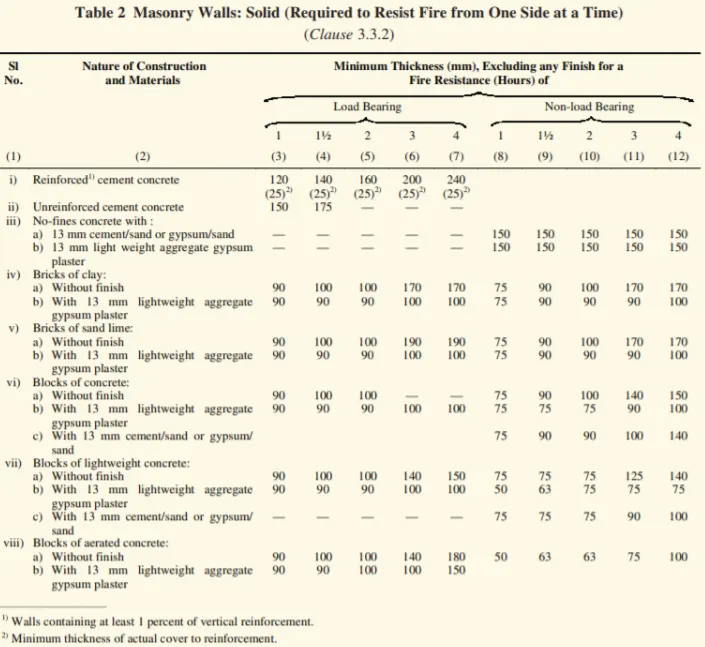
THICKNESS BASED ON FIRE LIFE AND SAFETY :
BASED ON THICKNESS ON NBC GROUP 1 TO 5
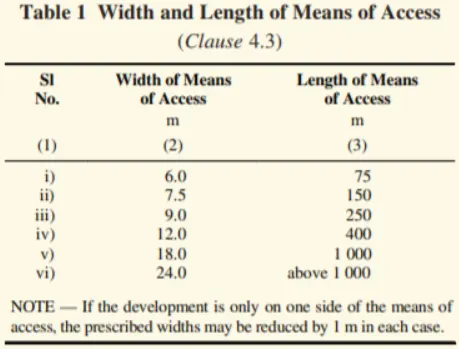
PASSAGEWAY REQUIREMENTS :
BASED ON PASSAGEWAY NBC TABLE 1
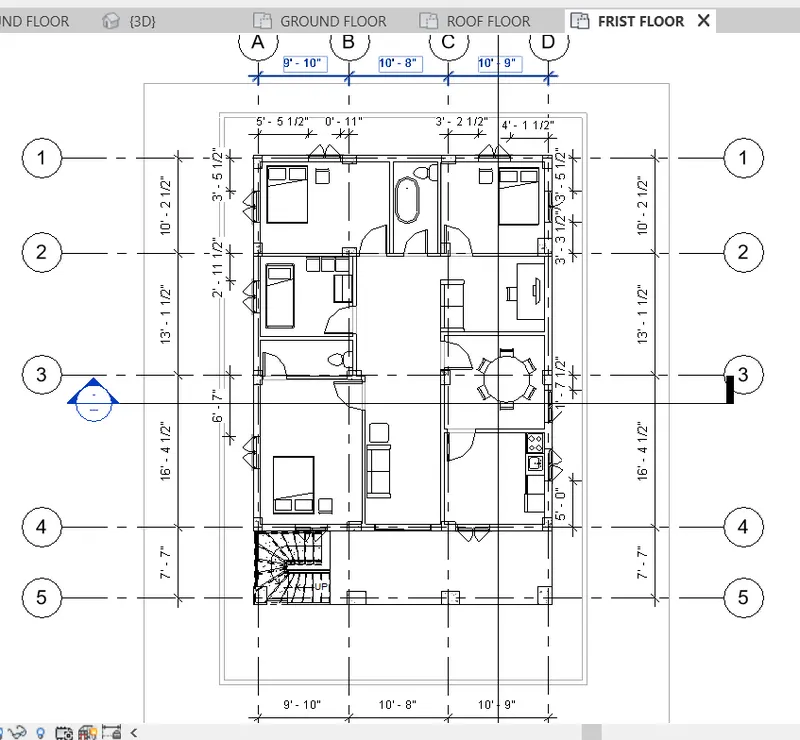
8) We have identified requirements for modeling from question 7, Use these numbers from code book and verify the numbers used in modeling the unit from week 2 to week 4. If the numbers are not reasonable, use the numbers obtained from the code book to create a revision of the mode.
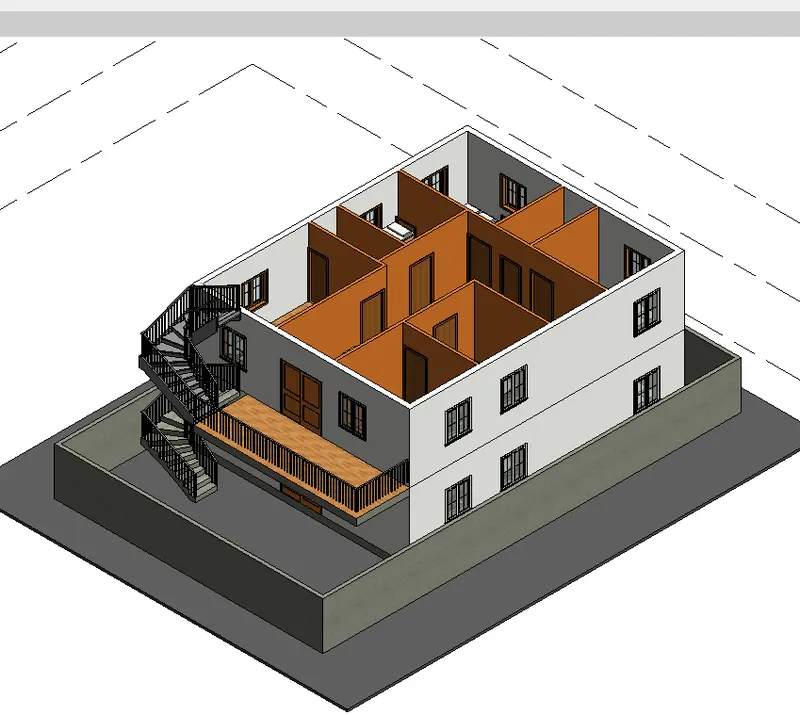
This model resembles the actual modeling requirements for Project 1 of course work
ALL DIMENSIONS ARE WITH IN NBC VALUES