Identification of Cracks
1.
A) Flexural Failure: -
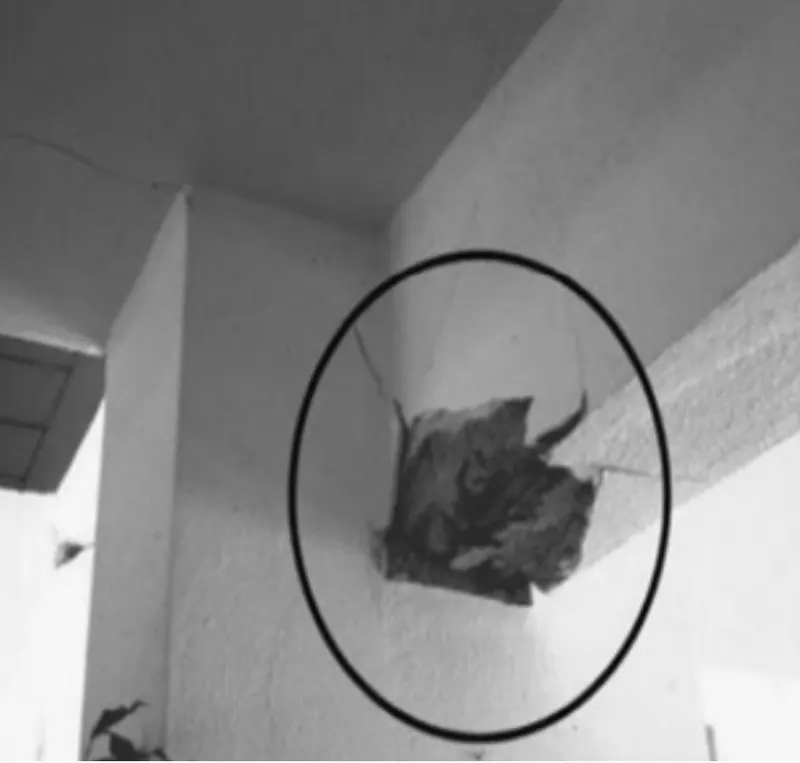
- The concrete portions have ruptured at the bottom in this figure, which means this can be formed due to flexural failure of the beam
- The flexural strength is also known as the modulus of rupture, which represents the highest stress experienced with in the material as its moment of rupture
- Under the effects of high lateral seismic loads, beam column joints are subjected to high force and high moments, which results significant influence on the response of the structure
- The use of flow strength concrete, adequate transverse reinforcement, plain reinforcement bars etc., are the main factors which increase this failure risk
- We can rectify this damage, by replacing the patched areas the concrete of same grade
B)
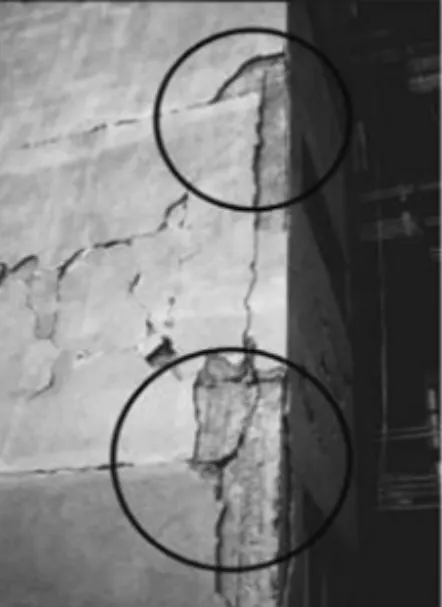
- Pull out of beam bars from narrow corner column, due to short straight anchorage there beam bars with insufficient anchorage in a joint may pull out in an earthquake. Such a Failure of bond and anchorage shows up at the end section as a cracks through there full of the beam. A characteristics feature of a pull out cracks is large width, well in excess of the residual crack width typical of yielding of steel (which is a fraction of a millimeter or around 1 mm ). The impact of this type of bond failure on the global behavior is not dramatic. The beam cannot develop its full moment resistance at the end section and the force resistance and stiffness of the frame it belongs to drops accordingly. The loss o beam anchorage Prevents a proper plastic hinge from forming at the ends of beams.
- The damages reparable, al though the original deficiency, namely the poor anchorage of beam bars in the joint, cannot be corrected easily
C)
Beam Column Joint Failure: -
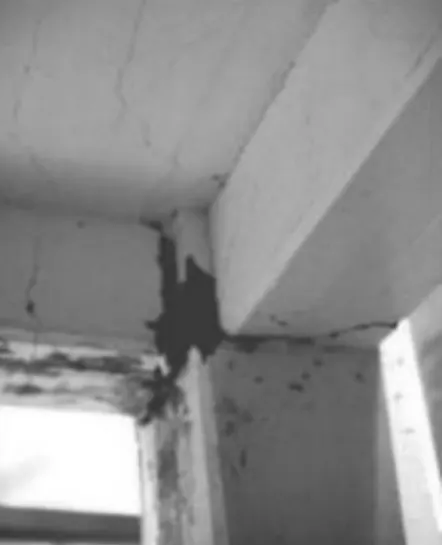
- Normally the beams are expected from plastic hinges at their ends and develops flexural over strength beyond the desired strength
- This type of failure of beam may be occurred due to non-compliance in design or excessed design loads or earthquake could have affected the building
- The high internal forces develop at the plastic hinge cause critical bond conditions in reinforcing bars passing the joints and can also impose high shear demand in the joint core
- This can be rectified by only knowing the revised design requirement and the reasons of failure of this structure
2.
A)
Flexural Compression: -
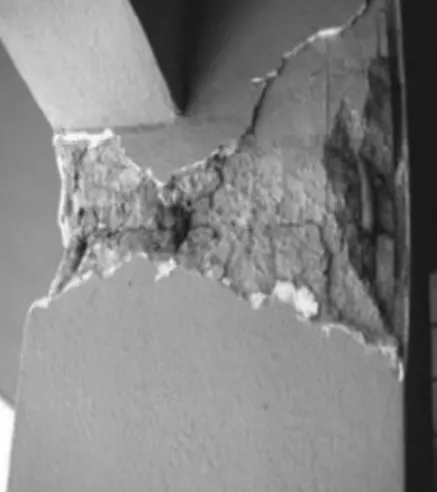
- Failure due to Flexural Compression in the column. This type of failure occurs due to very high axial load in multi-story buildings and also due to bending moments.
- This type of failure can be avoided by providing high compressive strength concrete and providing proper longitudinal and lateral ties thought the column
B)
Shear Failure of Column: -
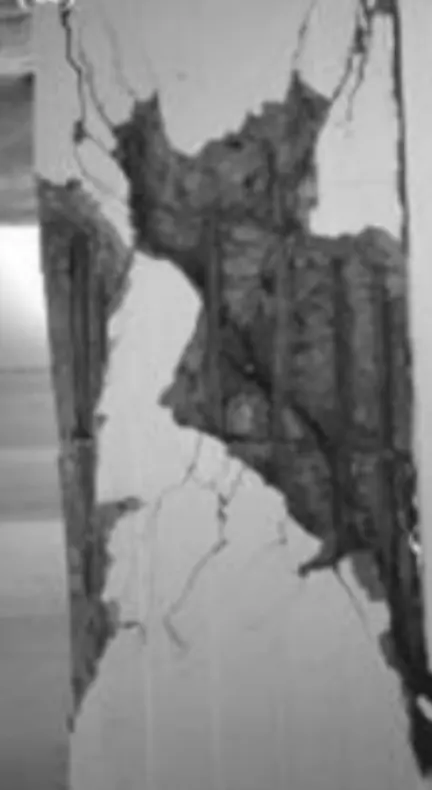
- Columns and shear walls carry the lateral loads (like those generated by winds, earthquake, loads from retaining structure) in a structure, it can be predicted that the shear failure has occurred de to gravity load or lateral load.
- The column may fails in shear mode after yielding of main reinforcement of diagonal cracks predominates in higher reinforced concrete beams without transverse reinforcement
- These are non-repairable failure
C)
Short Column Effect: -
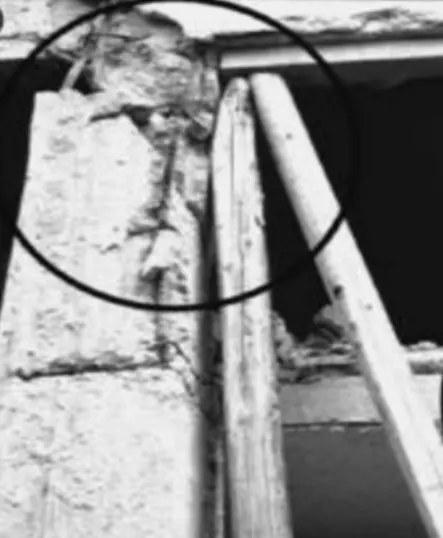
- Short Column effect due to mid storey constraint by a landing slab supported on the column.
- Short columns develop very high shear force demands and are very vulnerable to shear the one in c is made short unintentionally, as the secondary elements supported by the column between its two ends split its free height into two shorter ones. Such effects must be taken into account in the design failure