Identification of Cracks
- What is mode of failure or damage of the beams in the figure above? are the damage repairable ?Elaborate
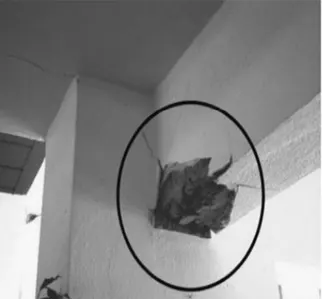
- We can clearly see in this image damage is done in the bottom of the beam and column is clear
- The above Figure shows that flexural cracks devlop at the bottom part of the beam
- Flexural failure appears due to excessive load on beam that leads to flexural failure
- flexural crack devlop due to the cracking and spalling of concrete and yielding of steel reinforcement
- We can clearly see cracks in the beam are devloped from the bottom to top
b)
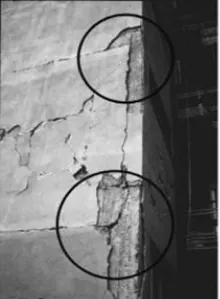
- This image clearly shows the failure along beam column edge
- This failure occurs during construction process
- This failure also known as pull out failure
- This failure devlop due to inadequate rebar development along beam to column
- Thus joint will be weak and cracks will be devloped vertically
c)
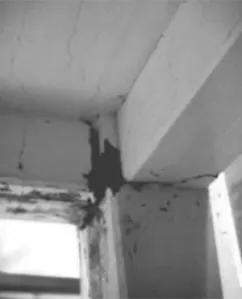
- This image clearly shows beam column connection failure
- This failure appears due to wrong detailing
- Shear crack devloped due to lateral seismic load that can lead to collapse of the building
Q2)
ANS:
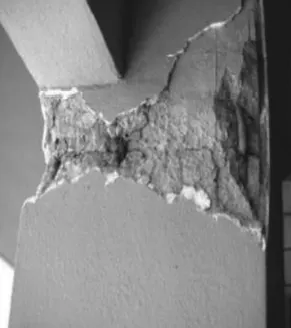
- This above image shows the crusing of the concrete
- This is the perfect example of compression of the concrete
- This type of failure happen when column are spaced away fropm the beam
- This type of failure is plastic hinge failure and happen due to lack of ineffective transfer of laod
- This type of failuire is non repairable
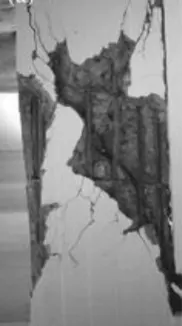
- This is an pure ecample of pure shear failiure
- As we can see that column is severaly crushed so its not possible to repair
- For this new structure must be provided to support the existing structure
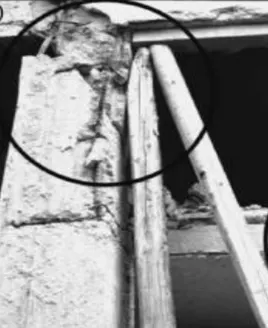
- This type of failure is short column failure
- This failure is also non repairable
- When length of column decreases column becomes stiffer and shear force increases