Identification of Cracks
1)-A):-AIM:-
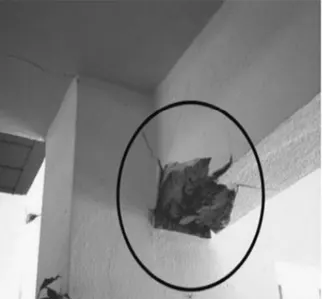
What is the mode of failure or damage of the beams in the figure above? Are the damages repairable? Elaborate
ANS:-
- ITS FROM OF FLEXURAL FAILURE DUE TO TO REVRESAL OF STRESS DURING EARTHQUAKE
- DURING STRESS REVRESAL SUPPORT TOP EXPRESSION COMPRESSION,AND BOTTOM EXPRESSION TENSION
- TOP COMPRESSION IS MANGED BY SLAB .BOTTOM TENSION WAS NOT SATISFIED THE PROVIDED RAINFORCMENT
- SINCE THE RAINFORCMENT GOT YAILDED.IT CAN NOT BEV REPAIRED
B)-
ANS:-
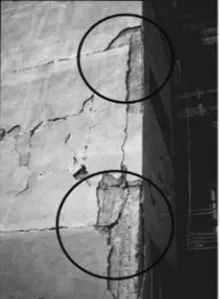
- ITS BEAM PULL OUT FAILURE DUE TO INSUFFICENT DEVELOPMANET LENGHT OF RAINFORCMENT IN JOINTS.
- DURING EATHQUAKE, THE HORIZONTAL MOVEMENT OF STR, MAKES THIS CONDATION WORSE AND ATTACHED THE BEAM MEMBERS FROM COLUMN.
- PROVIDING ACHORRAGE LENGTH BETWEEN TWO EXTING CONCRETE IS VERY DIFFICULT SO NOT REPAIREBLE
C)-AIM:-
-
ANS:-
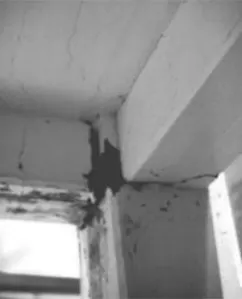
- IT A PALSTICE HINGE FAILURE
- THE DAMAGE OCCURED ONLY IN GTHE JOINT ZOONE FIRST TO ALL
- CYCLIC LATERAL LOADING & STRESS REVRESAL AT THE JOINT LEAD TO THE DAMAGE
- EVEN THE SLAB PARTICEPATED TO IS BEST TO HANDLE THE TENSION
- THE JOINE CAN BE STRENGTHED
2)-A-AIM
ANS:-
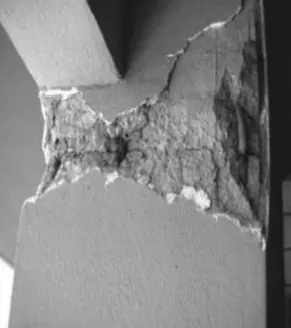
- ITS SOFT STOREY FAILURE TECHNICALLY PALSTICE HING FORMATION
- due to theabsence opf infill wall at the ground floor the plastice hing from at the top of ground story column during lateral development
- based on the develpoment of crushed of concret it can either be repairable or non repairble.
b)-aim:-
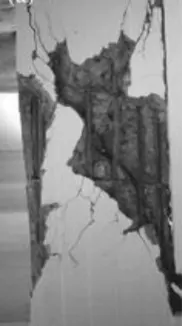
ans:-
- it is pure shair failure
- indaquate shear rainforment comples concrte takes all the shear stress
c)-aim:-
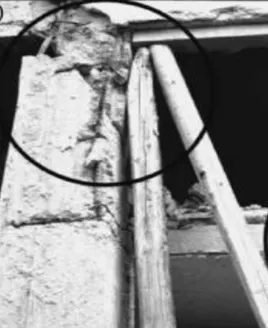
ans:-
- its short column failure
- an addituonal slab or beam connected to acolumn in mide height leads to the effect
- this leads to failure especially if the connection is unitentional and not accounted in design
- the failure given in the picture is not at all reapirble