Automobile Hood Design (BIW Design using NX)
AUTOMOBILE HOOD DESIGN
OBJECTIVE:
- Design Hood outer panel, inner panel, Latch and Hinge reinforcements by following the Master section mentioned with given design parameters.
- Create the Hood Assembly.
- Prioritize Pedestrian Safety to help getting the car good global NCAP rating.
INTRODUCTION:
The hood is the hinged cover over the engine of Automobiles. Hoods can open to allow access to the engine compartment for front Engine Vehicles, or trunk for Electric Vehicles, Rear Engine Vehicles and Mid Engine Vehicles for maintenance, repair and Storage based on the type of Vehicle.
Hood is one the most critical components of an Automobile. Hood plays a big role in enhancing the aesthetics of a Car. It is significant in making the car more aerodynamic. It helps diverting the force of frontal impact away from the Driver. When designed properly It can be the cause of better overall NCAP rating by providing least damage to the pedestrian whose head can get an impact from the hood.
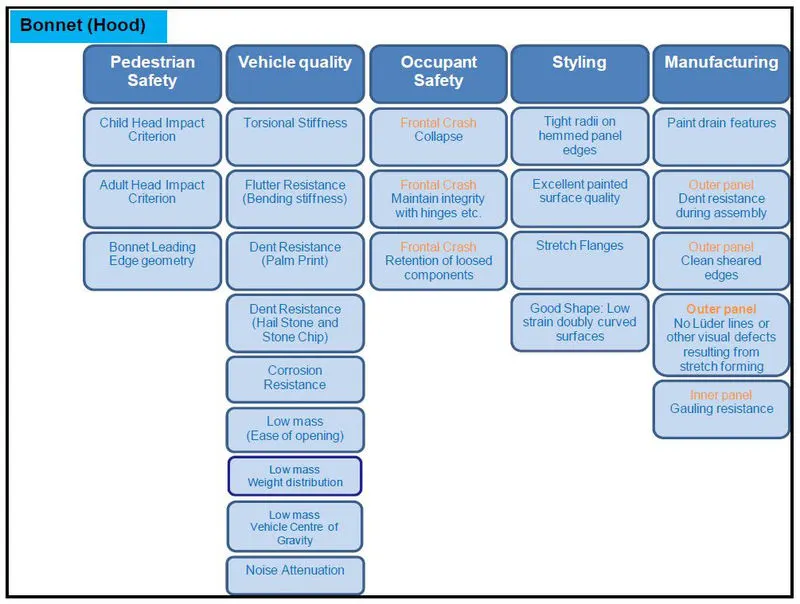
HOOD DESIGN CONSIDERATIONS:
HOOD DESIGN SPECIFICATIONS:
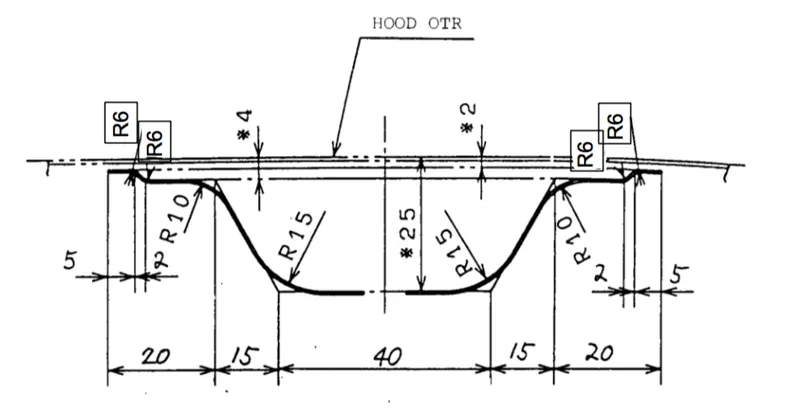
Master sketch:
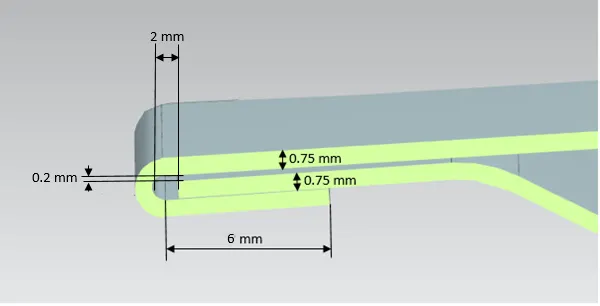
Hemming Data:
Relief rear section:
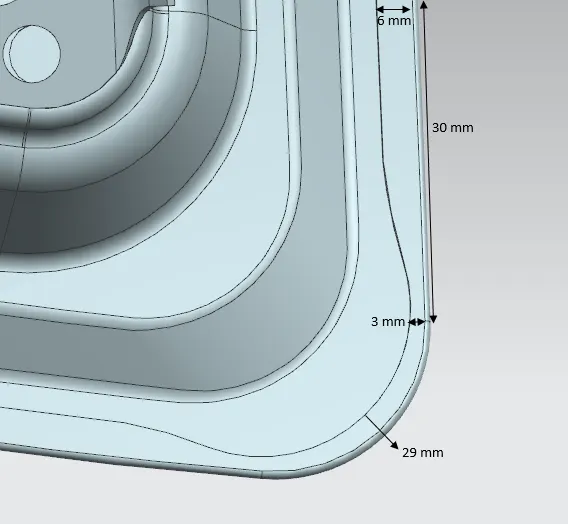
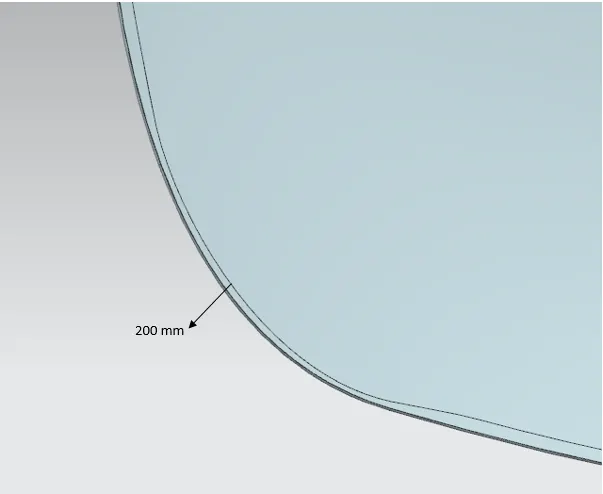
Front relief:
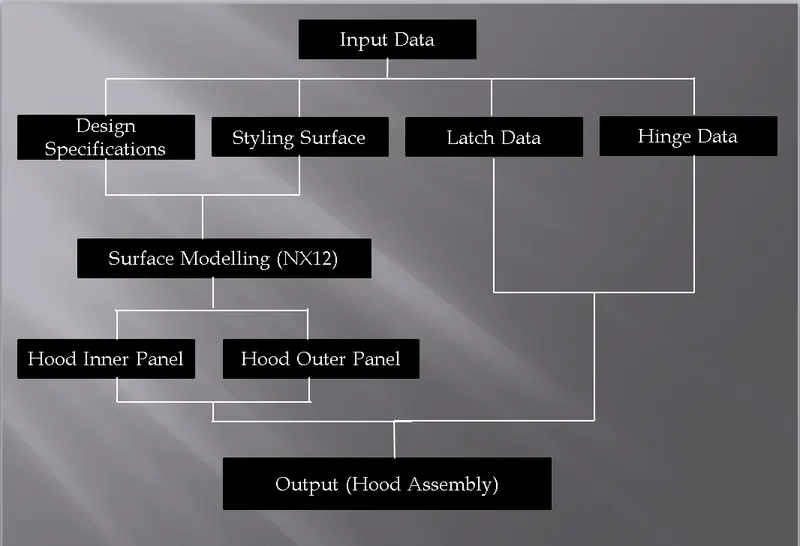
DESIGN METHODOLOGY:
OUTPUT:
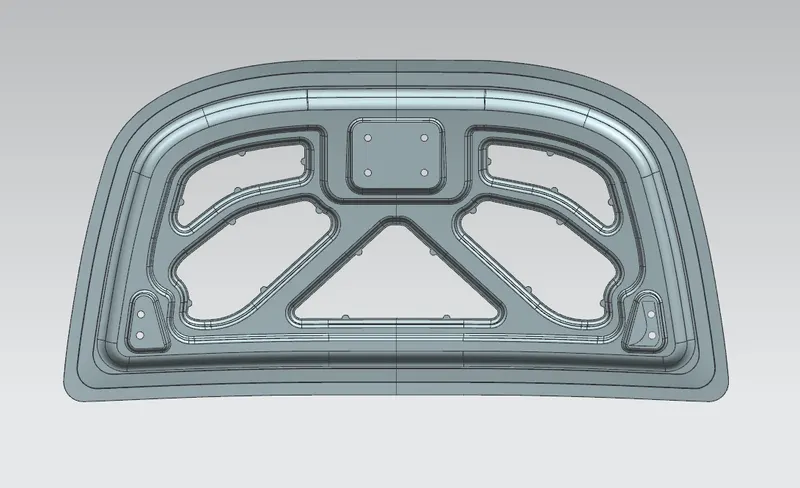
Hood Inner Panel:
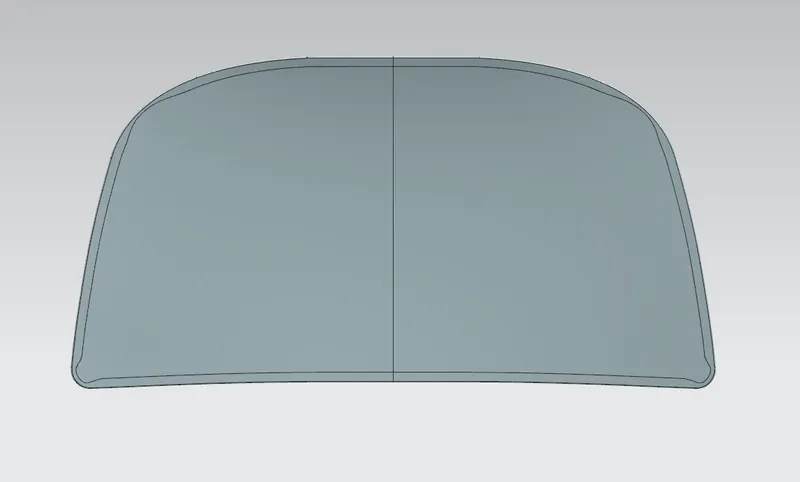
Hood Outer Panel:
Hood Assembly Isometric View:
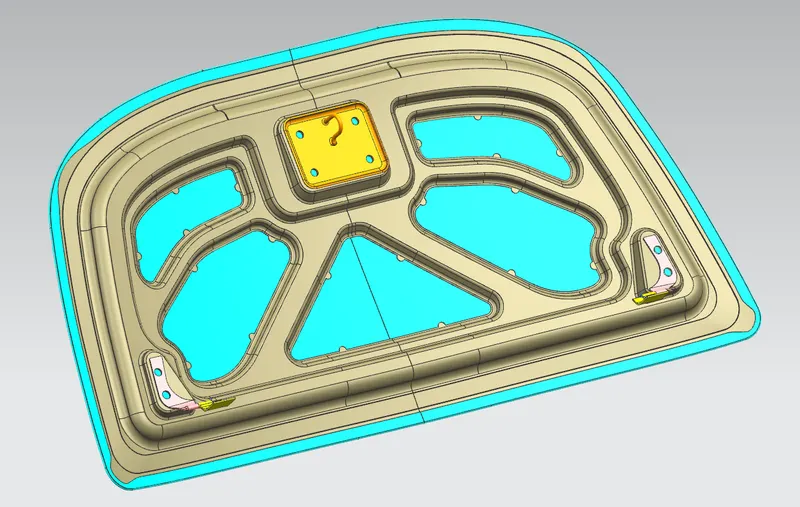
Hood Assembly Front View:
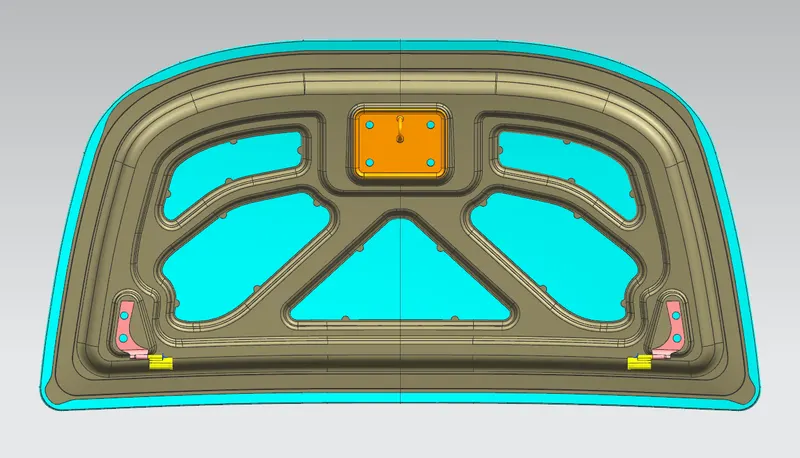
Hood Assembly Left Side View:
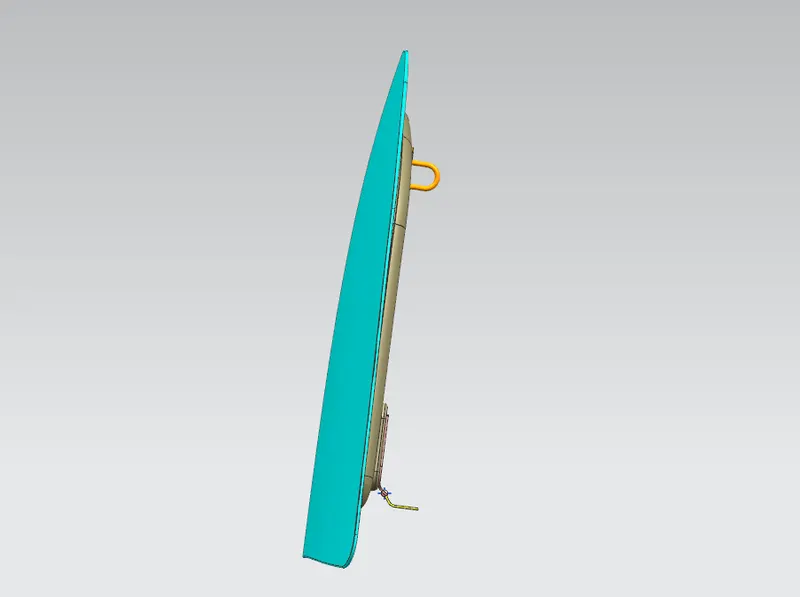
Hood Assembly Top View:
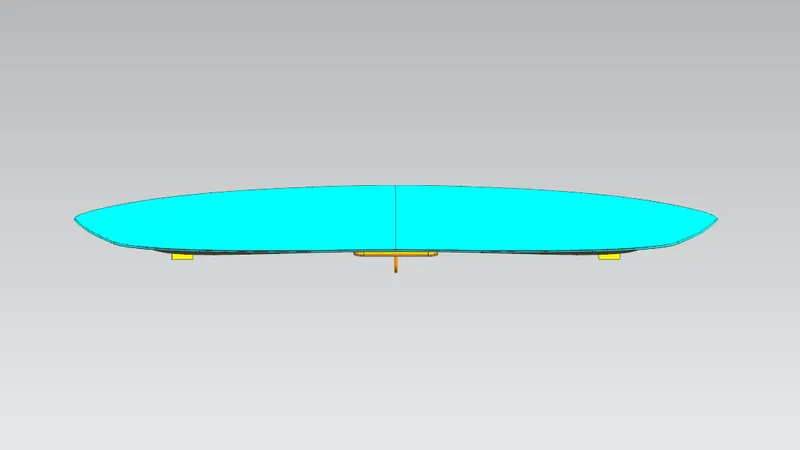
Hood Assembly Bottom View:
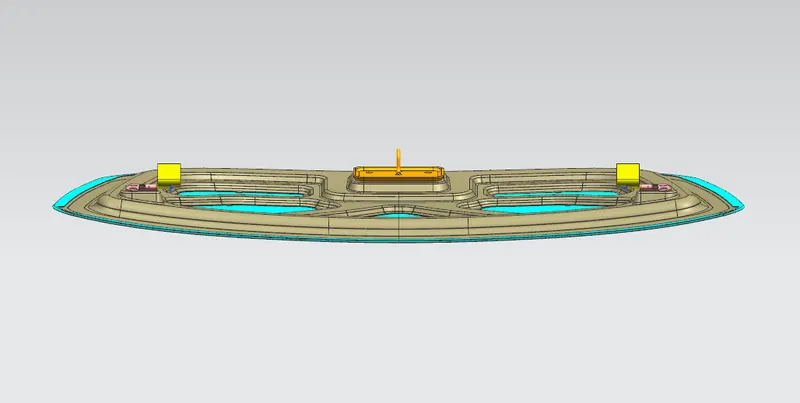
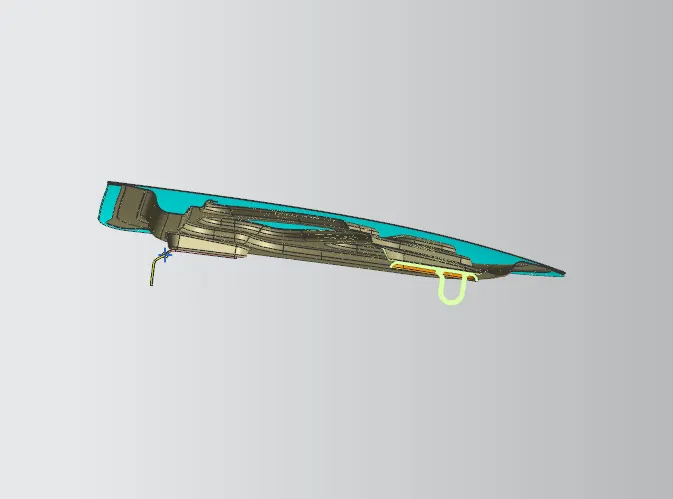
Hood Assembly Section View:
PADESTRIAN DAMAGE DEMOSTRATION AND SAFETY REQIREMENTS:
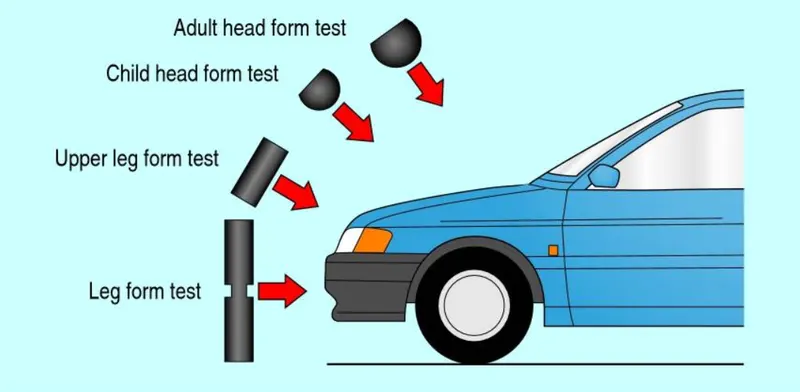
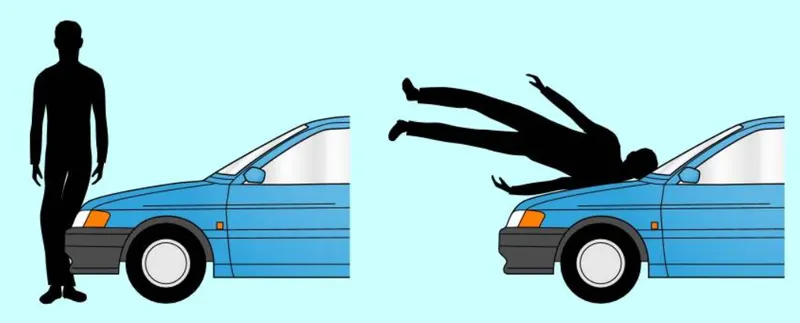
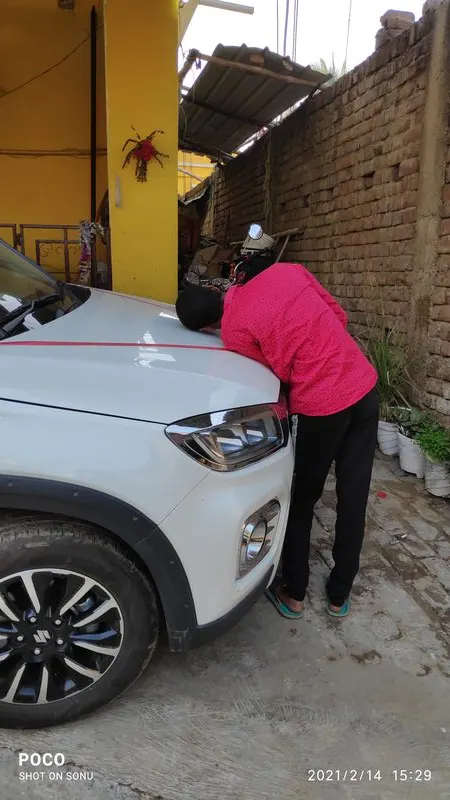
Above figures demonstrate the crash situations with padestrians. Padestrian safety is the most important concern while designing the hood. We can see the frontal Impact causing the head of the padestrian to strike directly on the upper panel of hood. If the structure is rigid, it will absorb less forces. So we give proper embosses to the inner panel and maintain proper gap between outer panel and inner panel to maximise the empty area so that the outer panel can easily deform and absorb the shock of impact. This will ensure padestrian safety and better overall NCAP rating.
SHOCK FLOW DEMONSTRATION:
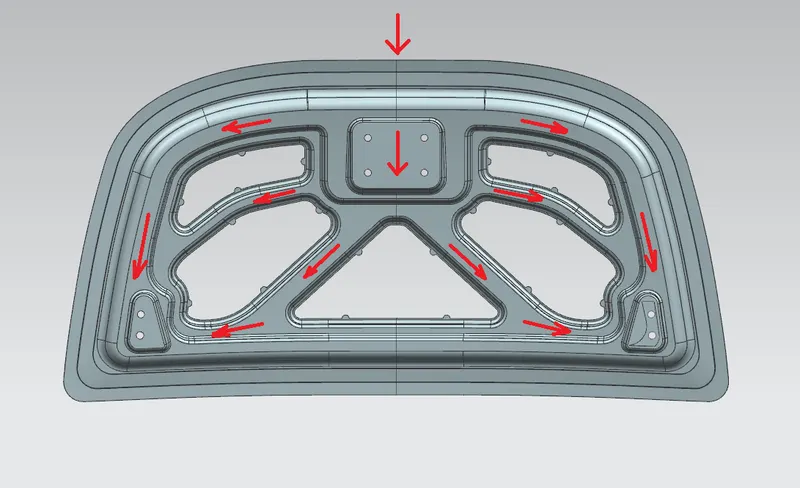
Apart from padestrian safety, the hood's structural integrity and passengers' safety is also important. So, the hood should be designed in such a way the the forces of the impact should flow away from the driver as well passengers. We can see in this image how forces are diverting from front to the side portions of the inner panel, this will further flow through the outer chassis of the wehicle and minimum damage to the passengers will be ensured.
LATCH TRAJACTORY:
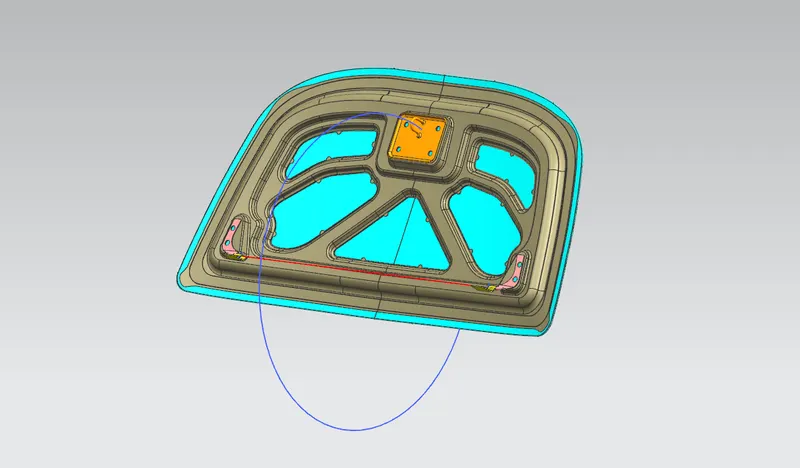
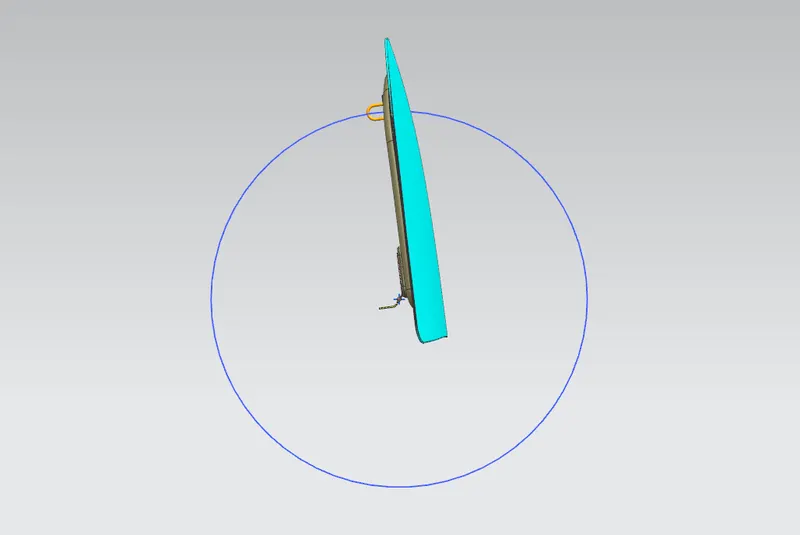
To ensure proper opening and closing of hood, this one design consideration is followed for all automobile hood design. One circle is drawn taking the midpoint of the hinge axis as centre of circle. We fix the hinges first so that the hinge axis is automatically fixed. Now Latch striker is placed in such a way the it will always be perpendicular to the circle. After this the emboss can be made taking the latch data as reference and proper positioning of the latch is done.
MASTIC SEALANT APPLICATION REGION:
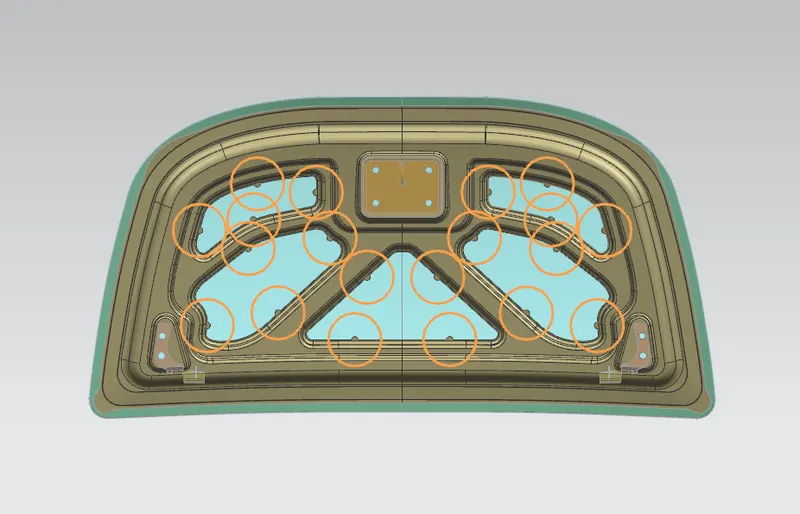
Mastic sealant is applied to join outer panel to the inner panel. Proper cutout areas to the inner panel sheet is made and sealant is applied on it. The spreading area of the sealant is shown in the above image with orange circles. Generally the sealant spread 80mm diametrically.
DRAFT ANALYSIS:
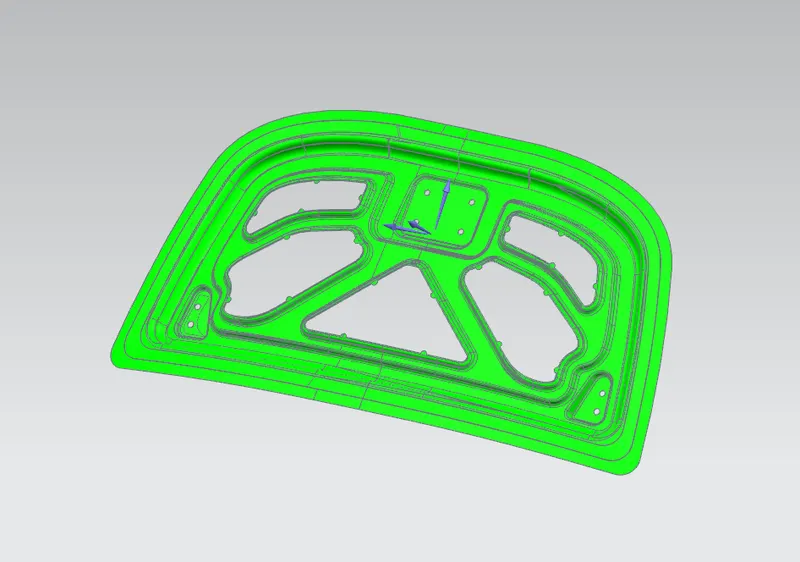
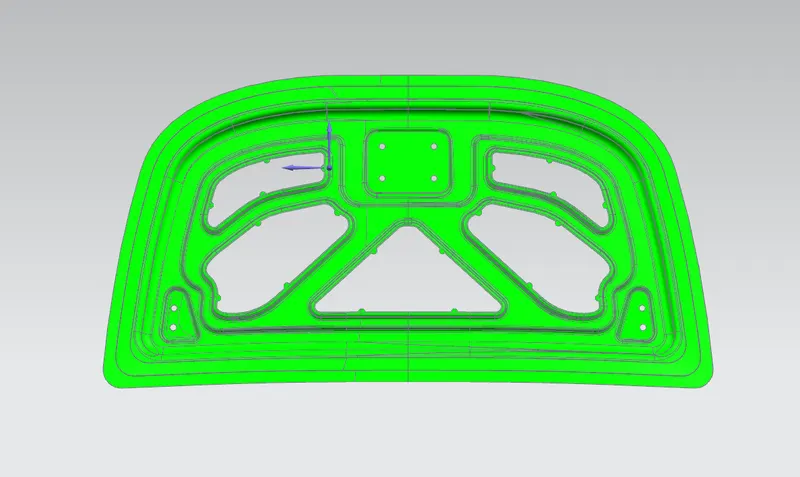
Draft analysis shows the deep drawing ability of a part in the software itself. The areas in green indicate that the part can be drawn out from the die after punching process successfully. Any negative draft will be shown in yellow, blue and red colour.
In deep drawing the sheet (Blank) is place between the die (at bottom) and blank holder (at top), then the punch tool presses the blank into the die on which the desired output shape cavity is made. The sheet is then drawn out from the die and desired output shape is obtained. Our design successfully passes throgh this analysis and is ready to be manufacured.
CONCLUSION:
Our Hood is designed on the design requirements set by Industry standards and safety parameters set by NCAP. It has sound structure and passes the manufacturing requirement. We can conclude that it is ready to be a part of an automobile.