Hood design-Week 2
Aim: To design Hood assembly by using provided Skin , Hinge, and Striker Data.
=> Input:
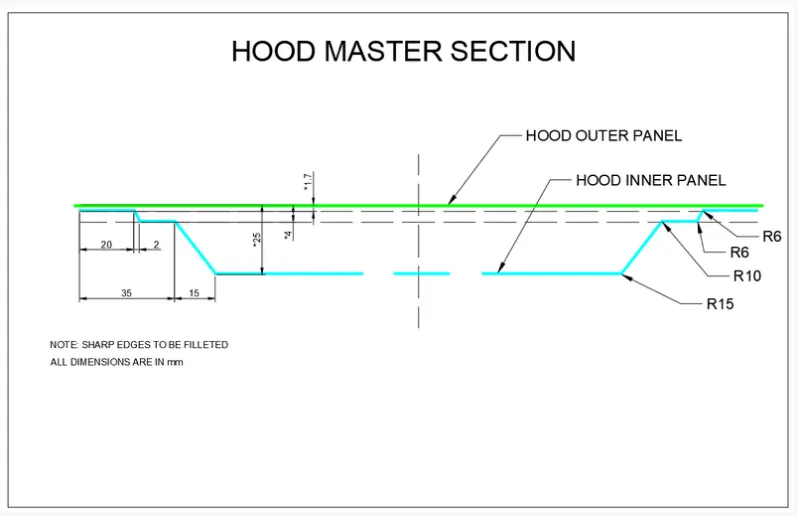
Hood Master Section:
Master Section is used to Design Hood Inner Panel. It also helped to make sure to maintain the tool direction and correct draft to make the Panel Drawable without any complications.
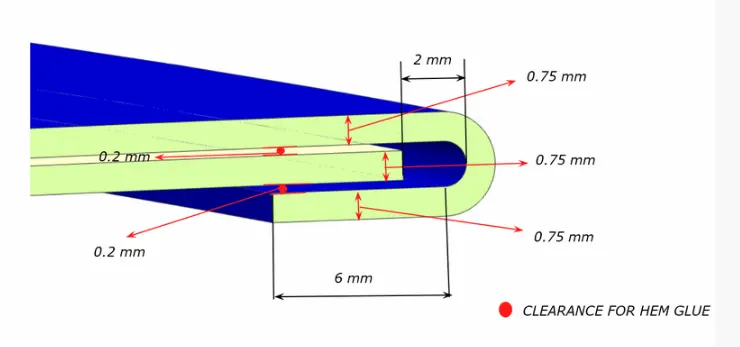
Hemming Data:
This helps to ensure proper joining of Outer panel with Inner Panel with some clearance for Hem Glue.
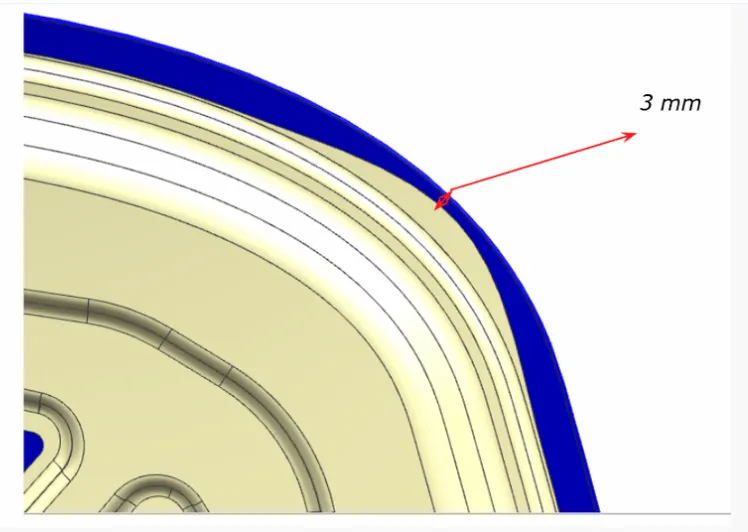
Relief Data:
Relief data helps to ensure propper Hemming at corners.
Front Relief
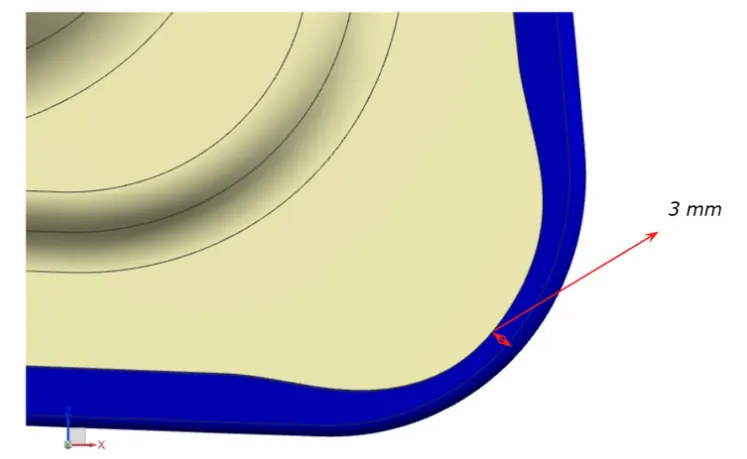
Rear Relief
Thickness Requirement:
Outer Panel: 0.75MM
Inner Panel: 0.75MM
Reinforcement : 1.5MM
=> Output:
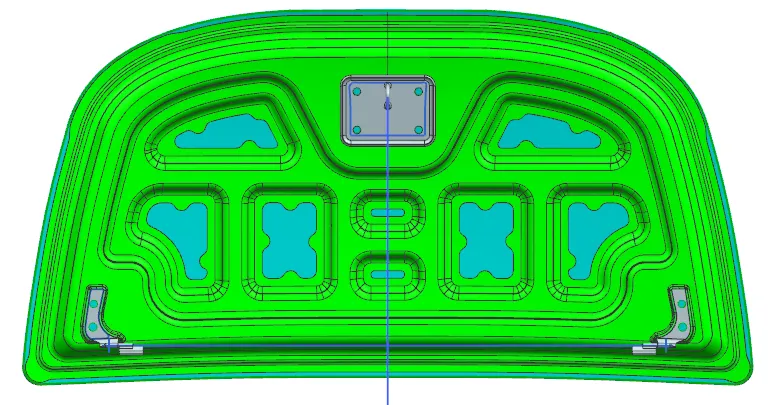
Hood:
Hood is one of the Assembly/Component of a car which is used to Cover the Engine Compartment. It also helps to ensure safety of Pedestrians during accidents and to avoid burns from Engine to owners, Pedestrians Etc. If designed Properly it also help to divert the impact of collision in accidents.
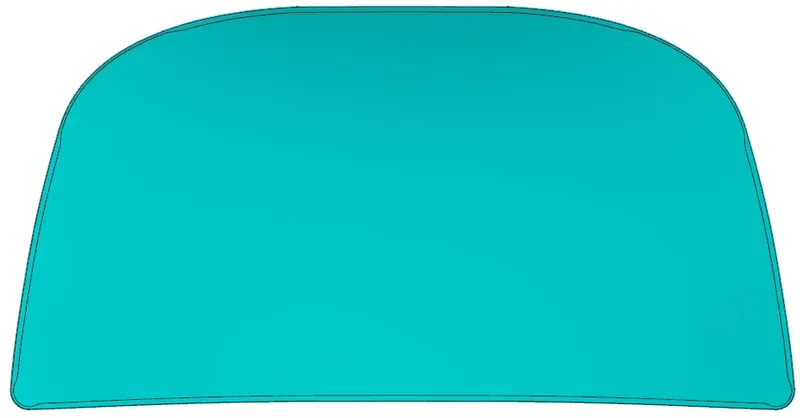
Hood Outer Panel:
Hood Outer Panel is the panel which we see infront the cars over engine compartment, which is Skin Panel which is designed to make sure it covers the Engine compartment and make the car look beautiful.
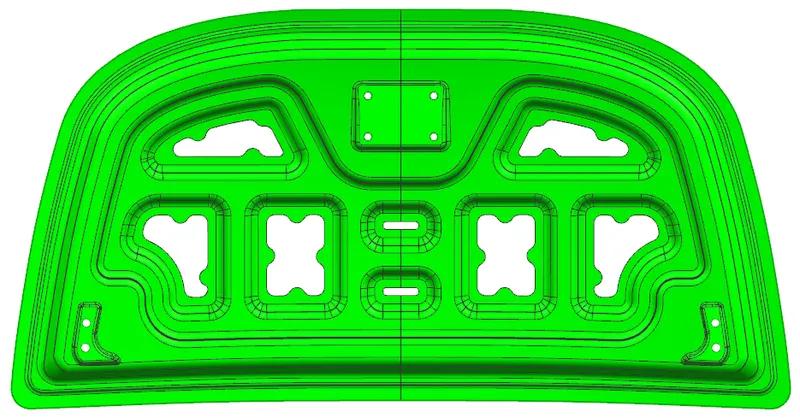
Hood Inner Panel:
it is a kind of a Reinforcement for Hood outer panel which helps to provide strength to outer panel and car if it meets with any accident.
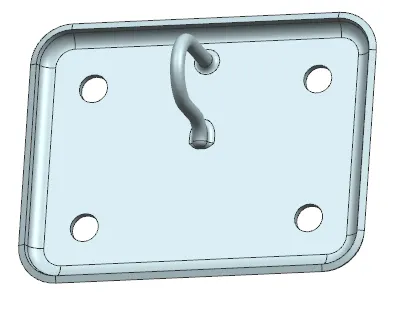
Striker:
it is a Child part which helps to make the Hood is locked in it's position and will only be opened/unloacked when the driver wants.
Hinge:
It is a Child part which help to swing open the Hood when require.
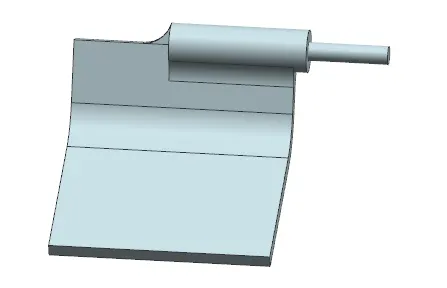
Hinge Engine Compartment
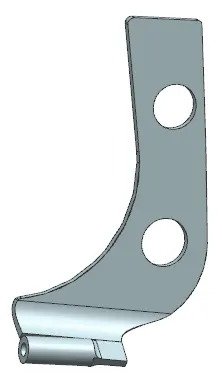
Hood Hinge
Hinge and Striker Reinforcements:
it is used to provide extra strength to inner panel, to make sure it does not fail during mounting of Striker and Hinges.
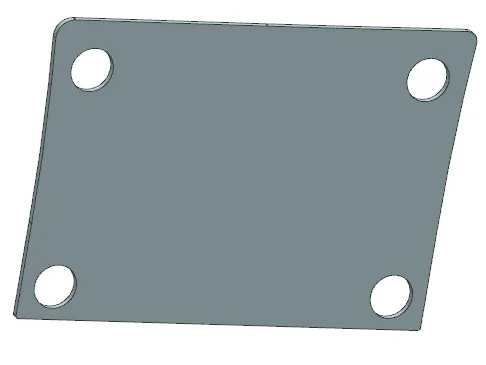
Striker Reinforcement
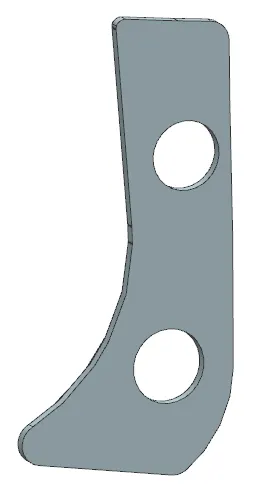
Hinge Reinforcement
=> Hood Design Considerations:
Few design Considerations need to take care while designing a hood assembly to make perfet desing.
Shown below are Design Considerations:
1) Pedestrian Head Impact Zone
2) Hood Head zone For Striker
3) Mastic Seal points
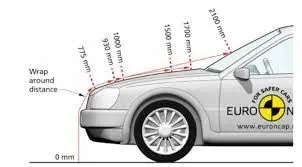
=> Pedestrian Head Impact Zone:
It is Zone which is defined for Impact for various age group people with various height.
Child Head Impact Zone lies between 1000 WAD to 1500 WAD
Adult HeadImpact Zone lies between 1500 WAD to 2100 WAD
WAD=Wrap Around Distance
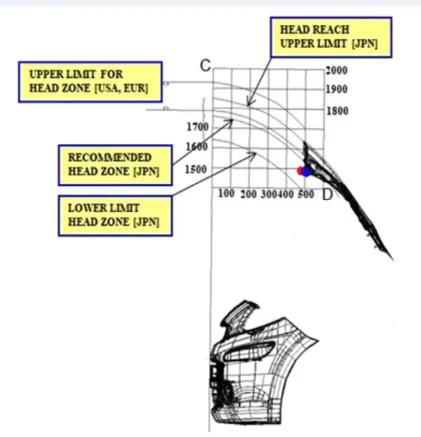
=> Hood Head Zone For Striker:
it is Zone which helps designer to desing the Stay rod for Hood opening as per the Customer height.
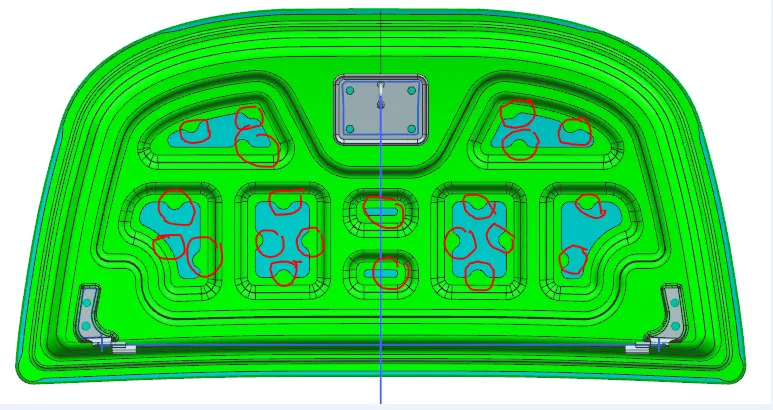
=> Mastic Seal Points:
Mastic Seal points are the location which are designed in hood to ensure Best NVH and avoid heat transfer to the Hood outer panel.
Mastic Seal:
it is a stiffner which is glued between hood outer panel and inner panel to avoid noises, vibrations and Engine Heat transfer to the outer panel, for passenger safety and comfort.
Latch Trajectory:
it is a Trajectory which will be followed by the latch for better locking, if the trajectory will nnot be okay the Hood will not be locked properly and can get opened or might make noises .
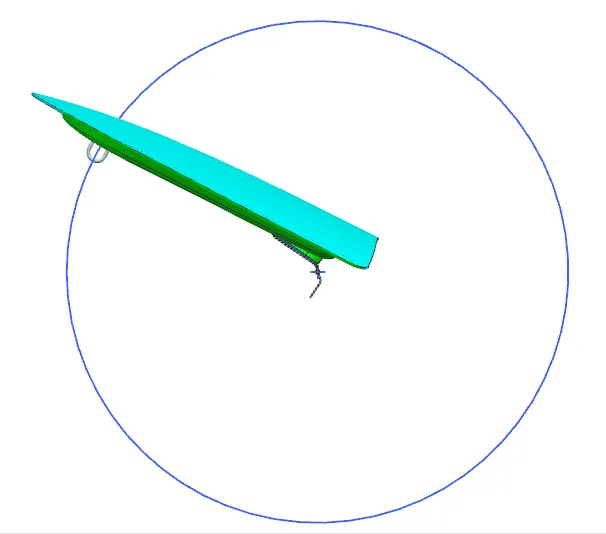
Latch Trajectory:
To deifne a good Trajectory one must draw a circle using axis of hinges as a centre point. The Latch maust be perpendicluar to the point where circle and a line from it centre meets.
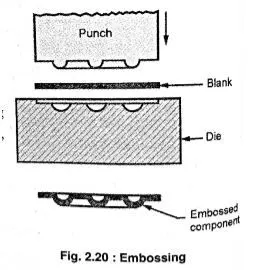
Emboss:
It is sheet metal process in which material gets pushed or stretched in way to make an impression or shape as a 3D by adding height to it.
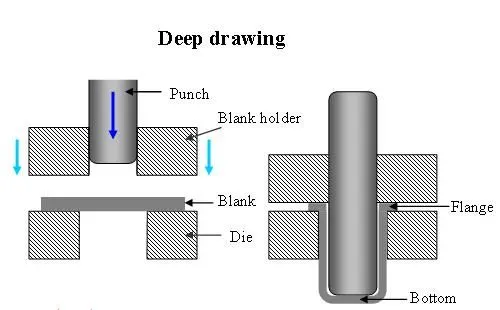
Deep Drawing:
Draw is a sheet metal process which help to make flat sheet into a cup like shape components. And when the height of the Cup is more than it's radius, in this condition the process is known as deep draw.
Hemming:
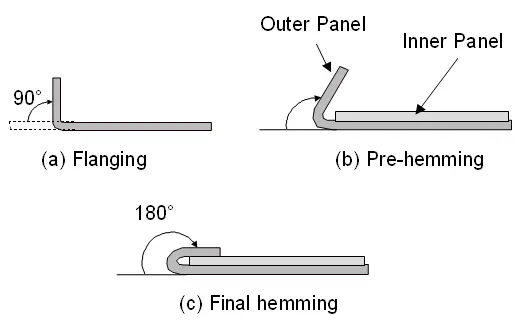
it is a process of joining two metals without using welding. generally Hemming is used where we don't wnat sharp corners and to avoid the welding impressions which makes the component look ugly.