Hood design-Week 2
Hood design-Week 2
Aim:-
Design Hood Outer Panel, Inner Panel, and the necessary reinforcements by following the Master Section mentioned with the Design parameters.
Introduction:-
This project will make you understand the hood of a car, explain some sheet metal operations that are commonly used in the design and take you through the step-by-step procedure of designing hood components like its inner panel, outer panel, reinforcement, and setting the trajectory of striker.
Hood –
The hood (North American English) or bonnet (Commonwealth English) is the hinged cover over the engine of motor vehicles. Hoods can open to allow access to the engine compartment or trunk on the rear engine and some mid-engine vehicles for maintenance and repair.
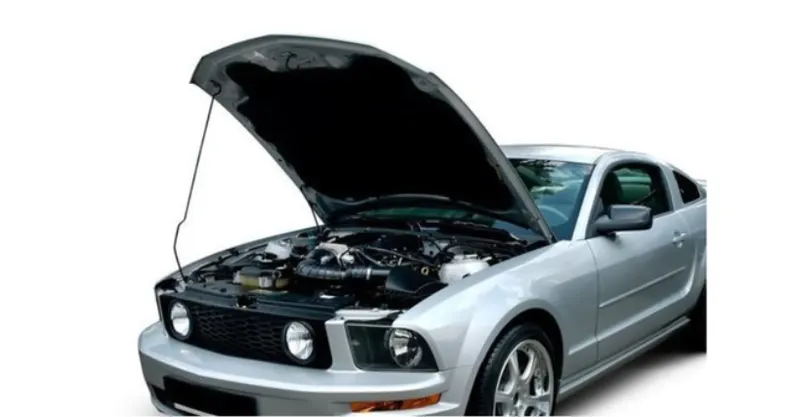
On front engine cars the hood may be hinged at either the front or the rear edge or in earlier models it may be split into two sections one on each side, each hinged along the center line. The Hood is typically made out of the same material as the rest of the bodywork. This may include steel, aluminum, fiberglass, or carbon fiber. However, some after-care market companies produce replacements for steel hoods in fiberglass or carbon fiber to make the vehicle lighter.
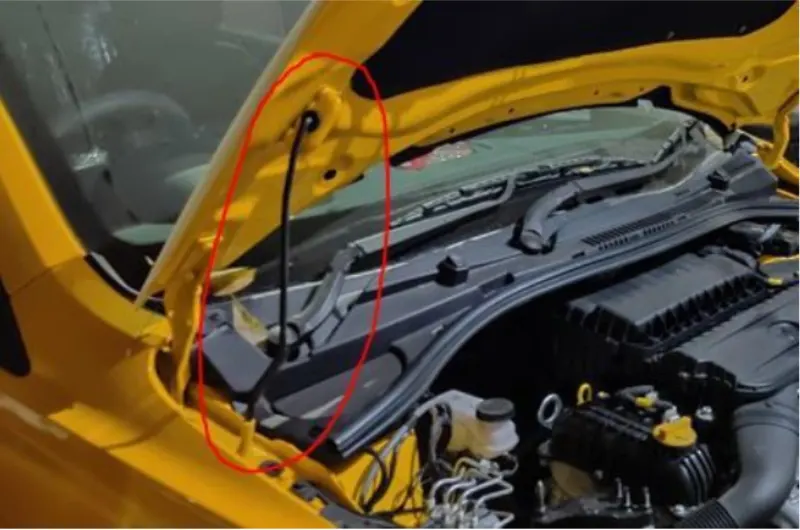
The Hood is typically supported by rods or some fixture so that it stays in a position and a person can lean onto it hassle free and work. These includes
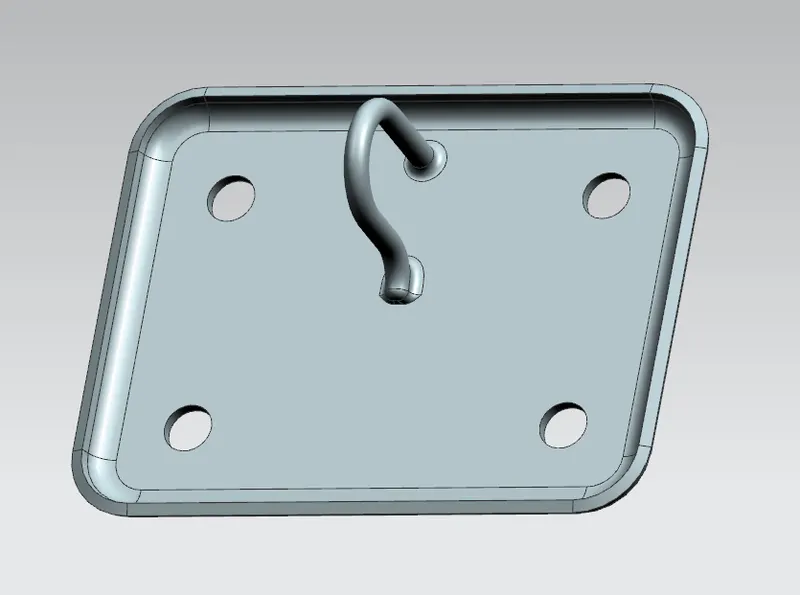
Support rod: A hood rod is designed to hold your hood propped open whenever you need to do some work in your car's engine bay. When used it must be firmly secured to ensure that it provides a stable hold on the hood. Meanwhile when not in use it must be kept stable in place and must not move around. The hood rod clip is the part assigned with that function. This clip clamps onto the rod and ensures that it is firm in its place when not In use. It keeps the rod from moving around under the hood and from causing trouble.
Materials-
Hoods are typically made of the same material as the rest of the bodywork. This may include steel, aluminum, fiberglass, or carbon fiber. However, some aftermarket companies produce replacements for steel hoods in fiberglass or carbon fiber to make the vehicle lighter.
Before we dive into the design, let us understand the rules and regulation standards for designing the hood.
- A perfect hood design means it should have a great impact distribution angled outside the car.
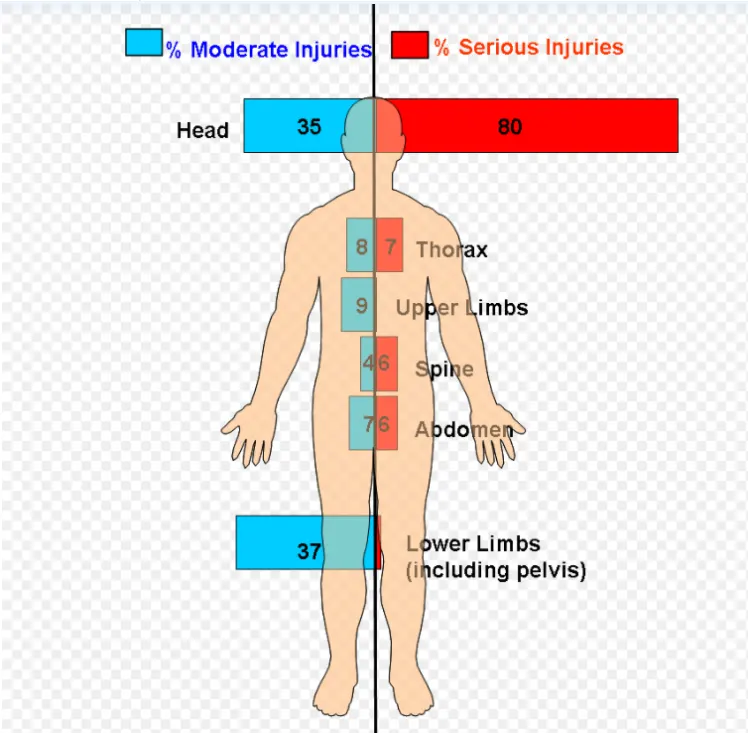
- In Japan and Europe, regulations have come into effect that places a limit on the severity of pedestrian head injury when struck by a motor vehicle. This is leading to more advanced hood designs, as evidenced by multicore hood inner panel designs.
- European Enhanced Vehicle-Safety Committee (EEVC), European New Car Assessment Program (euro NCAP)
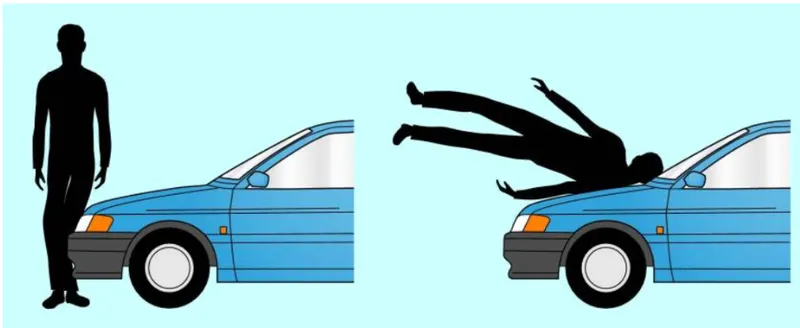
Pedestrian -Vehicle Collision
- India, however, ranks 1 in the number of road accident deaths across the 199 countries reported in the World Road Statistics, 2018 followed by China and the US. As per the WHO Global Report on Road Safety 2018, India accounts for almost 11% of the accident-related deaths in the World.
- Road transport remains the most favored mode of transport for both freight and passenger movement in India. The fast-growing population and exceptional rate of motorization coupled with the ever-growing urbanization have made people vulnerable to frequent road accidents resulting in fatalities, injuries/disabilities.
- the sequence of injuries and events in pedestrian collision images are mentioned below.
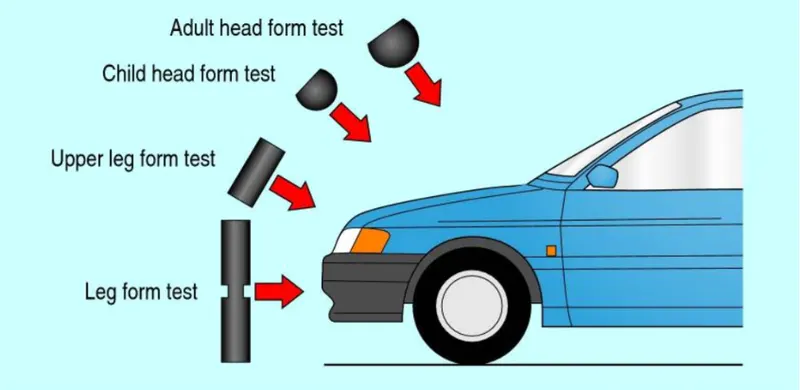
Design specifications for the automotive hood component
Master section data was already provided by the support instructors of the course
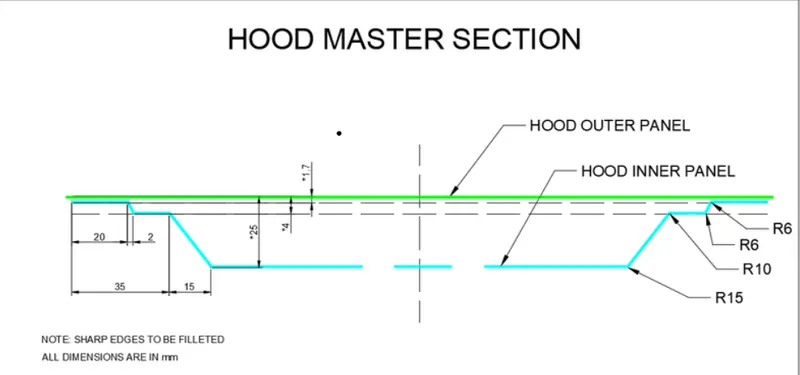
Hood Thickness Information-
- Outer Panel Thickness = 0.75mm
- Inner Panel Thickness = 0.75mm
- Reinforcement Thickness = 1.5mm
The process involved in designing a hood as a sheet metal operation is
- Blanking
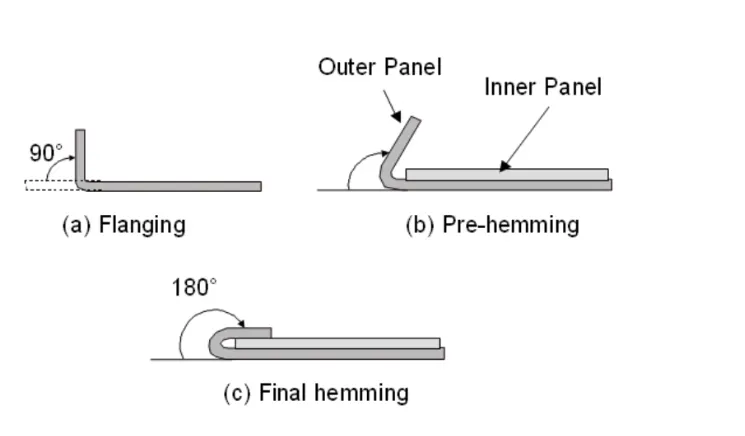
- hemming
- Punch cutting or piercing
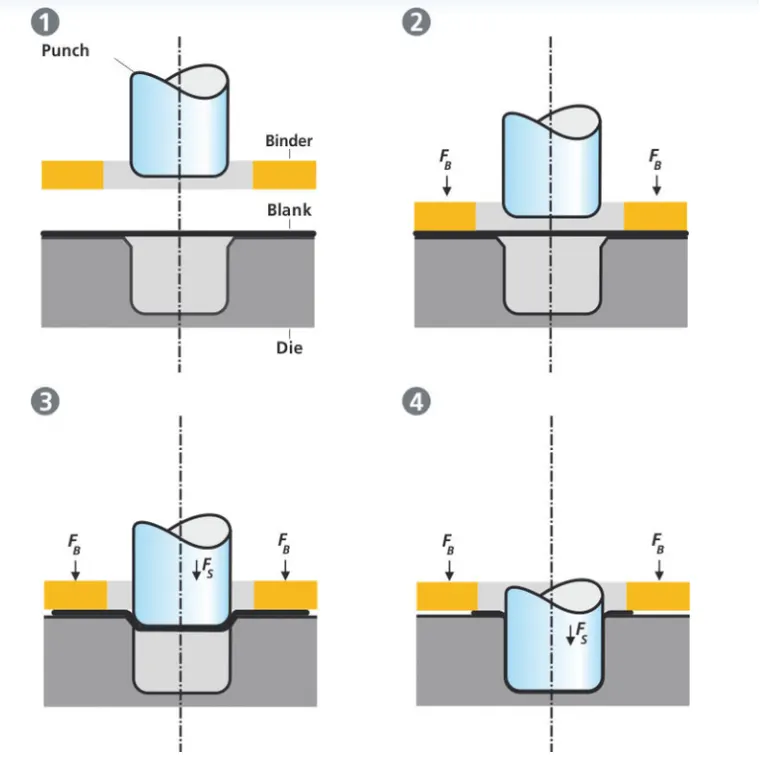
- Deep drawing
- Embossing
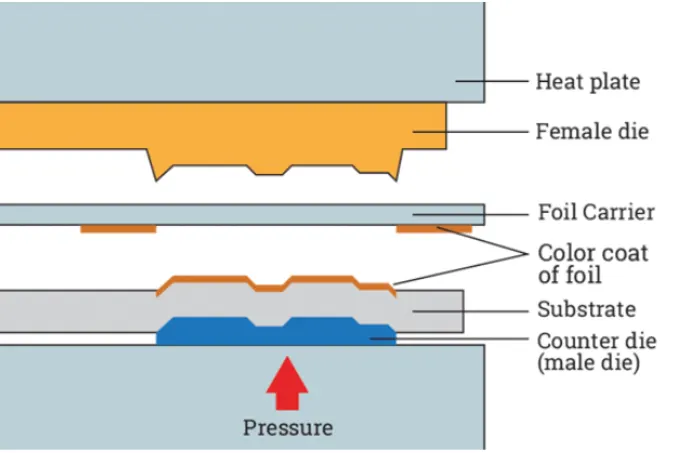
Hemming: Hemming is a forming operation in which the edges of the sheet are folded or folded over another part in order to achieve a tight fit. Normally hemming operations are used to connect parts together to improve the appearance of a part and reinforce part edges.
Deep Drawing: - Deep drawing is a sheet metal forming process in which a sheet metal blank is radially drawn into a forming die by the mechanical action of a punch. It is thus a shape transformation process with material retention. The process is considered deep drawing when the depth of the drawn part exceeds its diameter.
Embossing:
Sheet metal embossing is a stamping process for producing raised or sunken designs or relief in sheet metal. This process can be made by means of matched male and female roller dies or by passing a sheet or a strip of metal between rolls of the desired pattern.
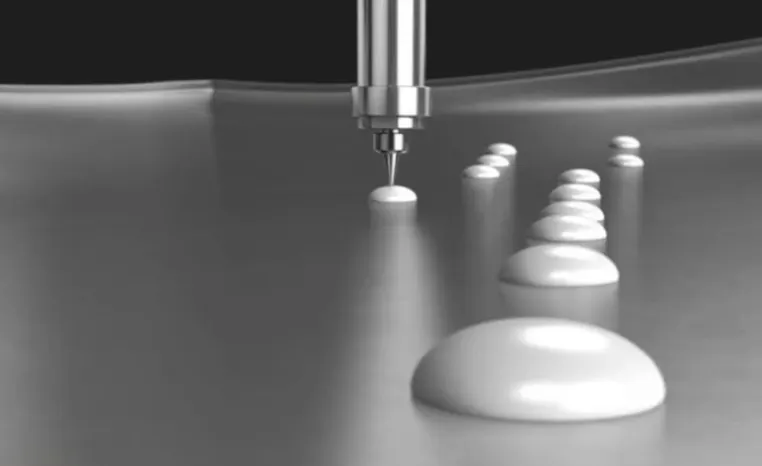
Mastic Points:-
These are the spots where the inner panel and the outer panel of hood are joined or can say sealed together using mastic glue. To fix the outer panel, if a process like bolting, riveting, or welding is used it will lose all its aesthetics. So mastic sealant is used which is an elastic compound and acts like rubber. It is placed between both panels.
Parts of a Hood/Bonnet:
- Hood outer panel
- Hood inner panel
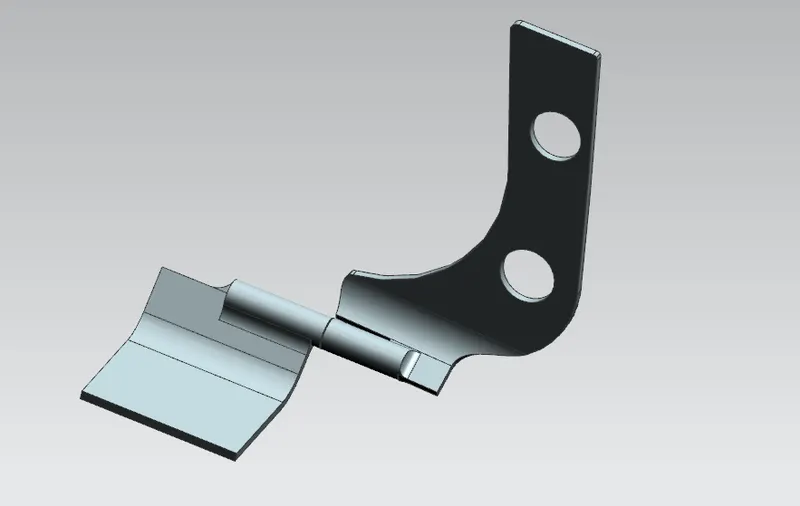
- Hinge assembly
- Latch and striker
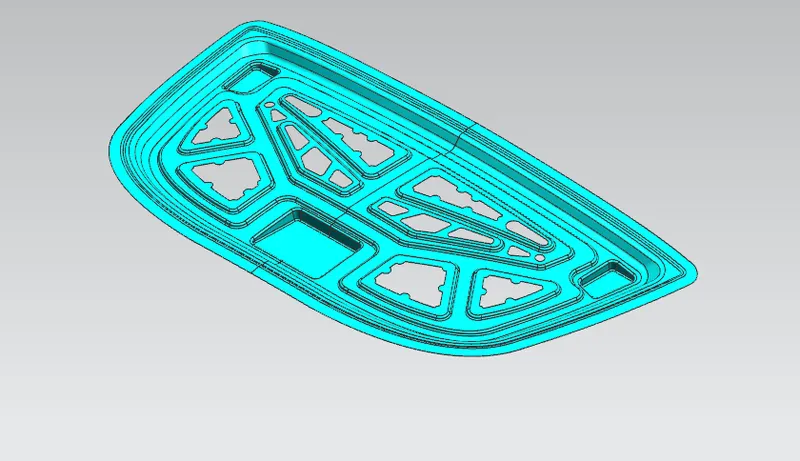
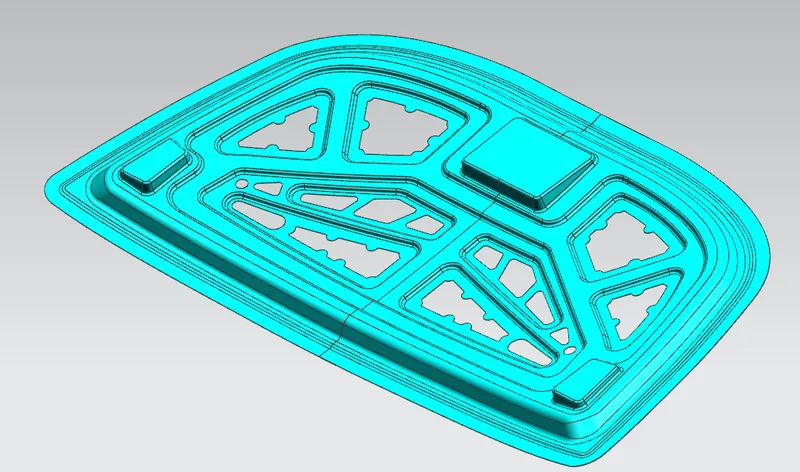
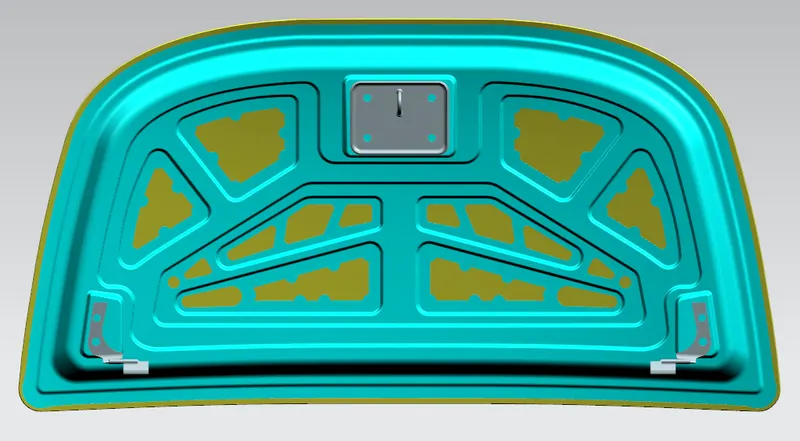
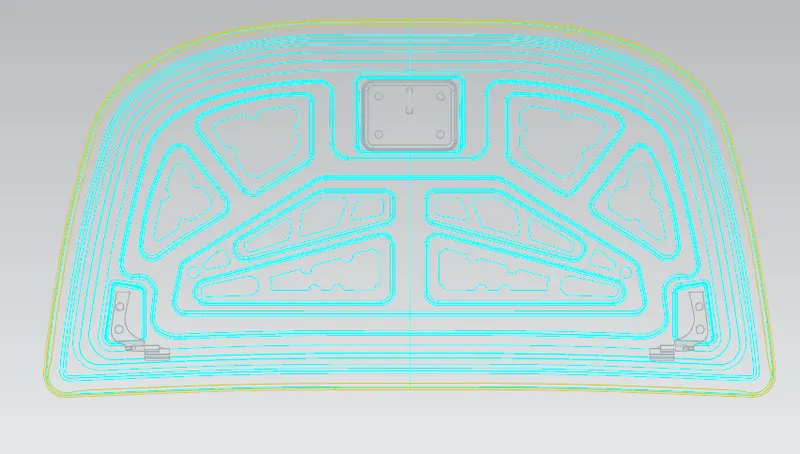
The design approach is carried out in a most effective way and step by step procedure is explained. The master sketch of the panel was already provided on the basis of which the inner panel is created here.
Design of hood
- Inner panel design
- Outer panel design
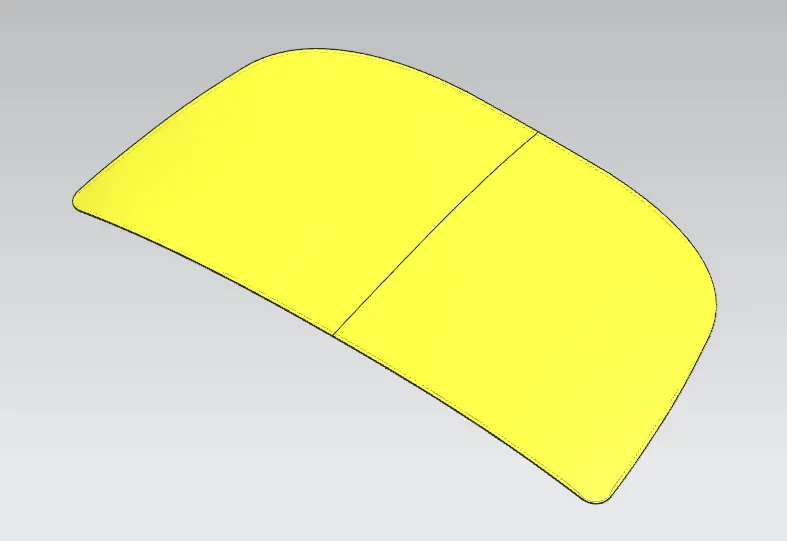
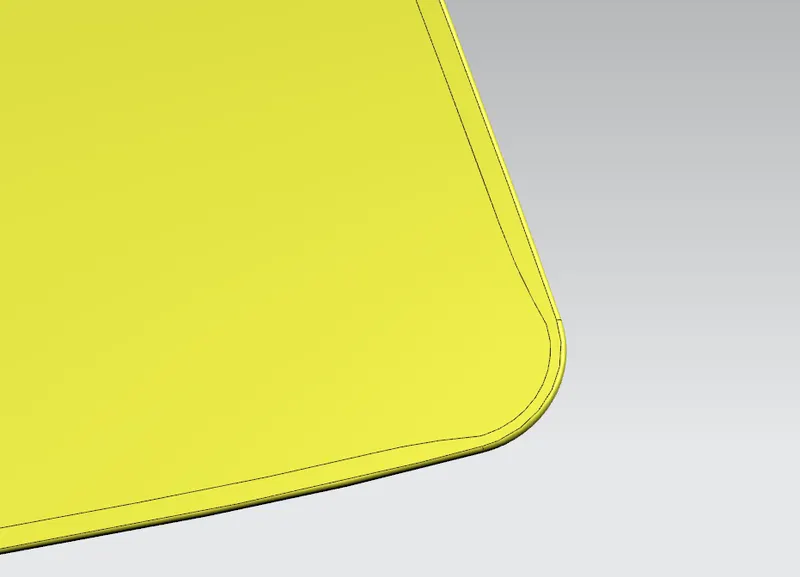
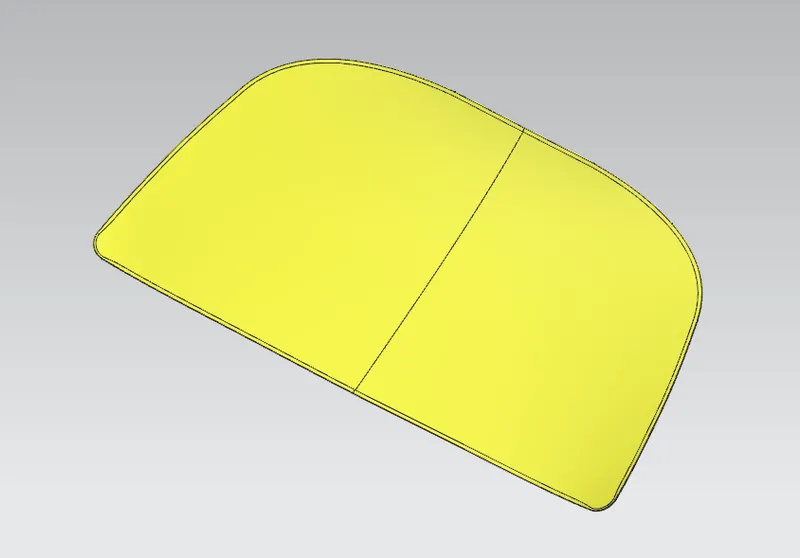
- Hinge assembly
- Latch and striker
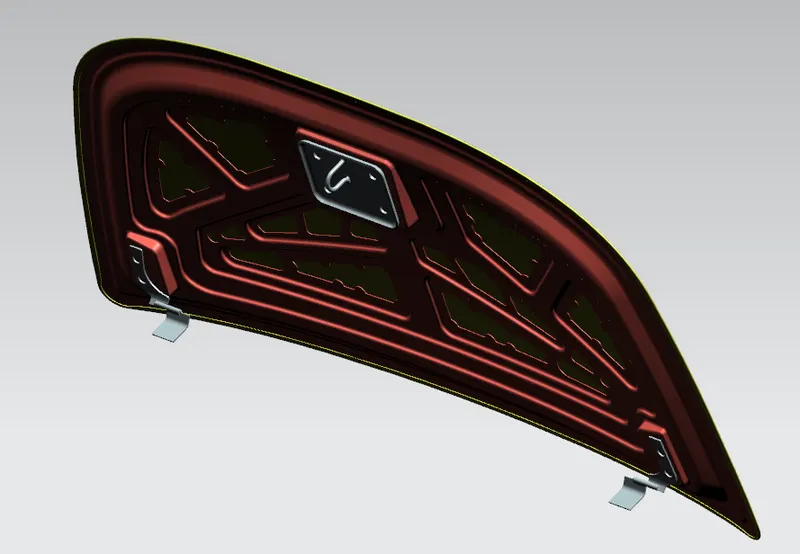
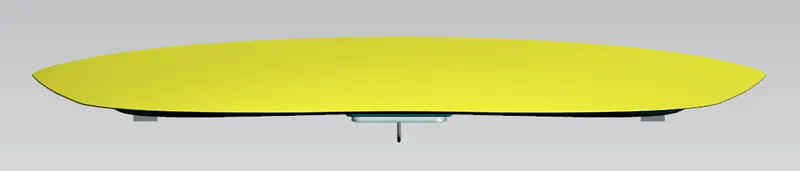
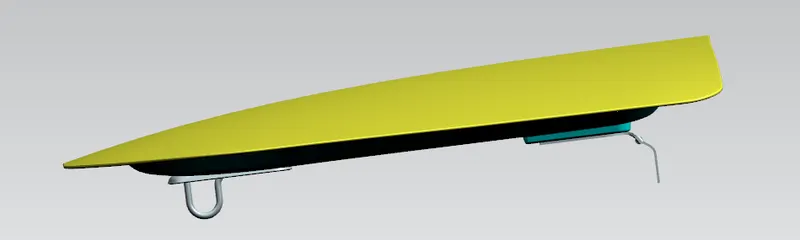
Assembly of hood-
Conclusion:-
Therefore, we have designed a hood that falls under the rules and regulations of the manufacturer's standards.
THANKU