Hood design-Week 2
HOOD DESIGN using NX
INTRODUCTION -
In this report we are going to study about Hood Outer Panel, Hood Inner Panel, Hinges , Striker in NX-12. Using the CAD we are going to design and develop the model with in safety conisderation.
Hood -
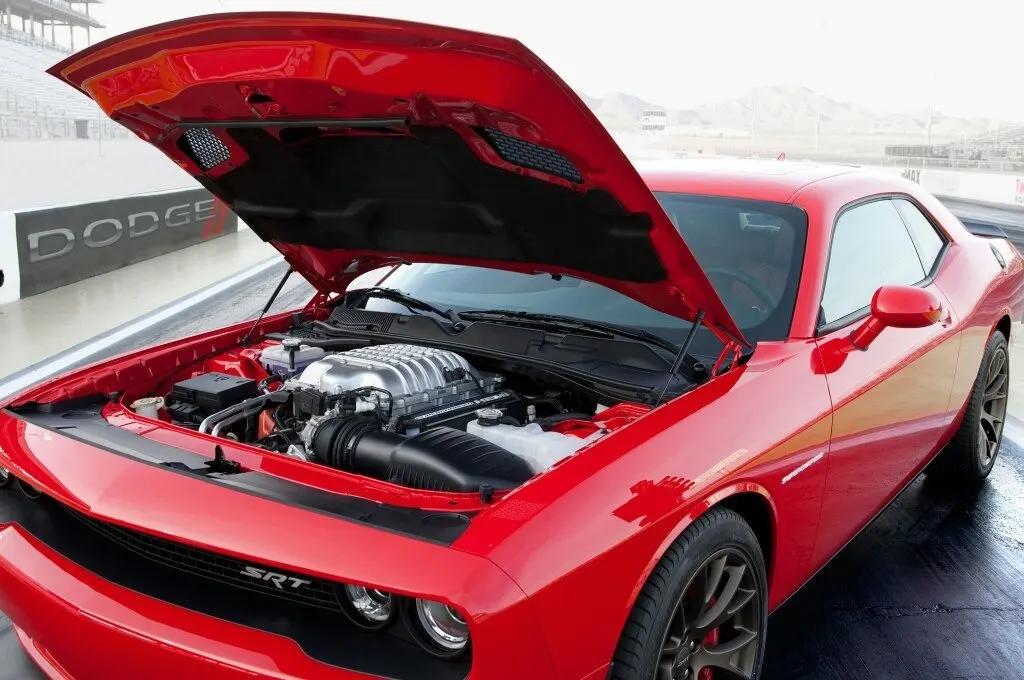
The hood or bonnet is an opening body panel that covers the engine in a front-engine vehicle. Its purpose is to provide access to the engine for repair and maintenance such as maintenance of power train, drive belts, fluid levels and lamp units. The hood is also considered as the another type of the door which consist of inner panel and outer panel. The inner panel provides strength to the hood, while the outer panel is an aesthetic metal cover which encloses the inner panel and visible outside.
Design requirements and Important regulations
head impact criteria for pedestrian safety :
The WHO reported most number of pedestrian lose their lives on 22% of all road accidents. Most pedestrian deaths occurs due to traumatic brain injury, resulting from the hard impact of the human head against the vehicle's stiff hood or windshield. Therefore, how to design a pedestrian-friendly vehicle and propose a new hood structure is a matter of urgency for minimizing pedestrian head injuries.
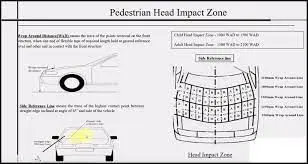
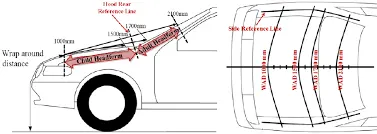
The EURO NCAP safety assessment program includes a test protocol for pedestrian protection. The protocol covers lower leg, upper leg, and head impact test as A, B, C and D in below figure. The figure also shows the schematic explanation of wrap around distance.
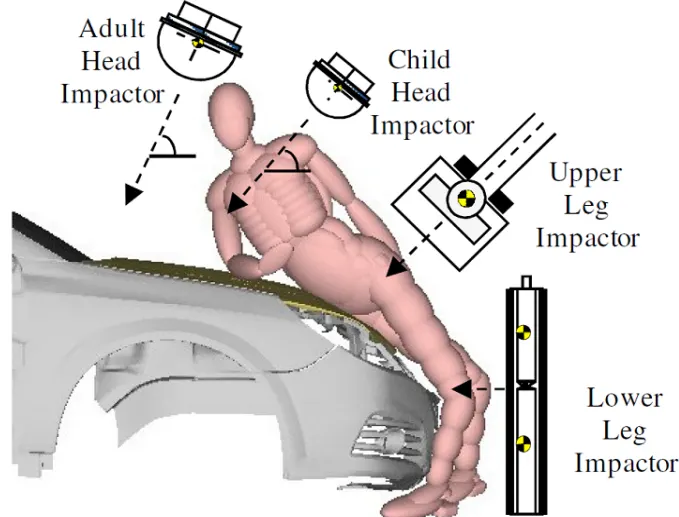
The head impact test assessment results mainly depend on the hood structure, whereas the leg impact tests results are highly influenced by components adjacent to the hood. Because the focus of these communications is on the hood design concept, the results presented in this study are limited to the head impact test results.
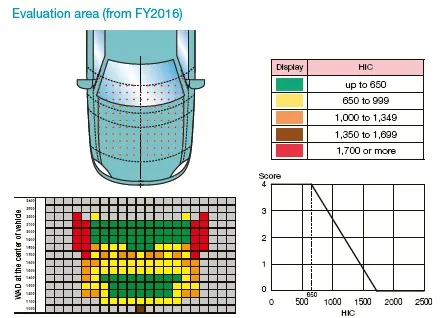
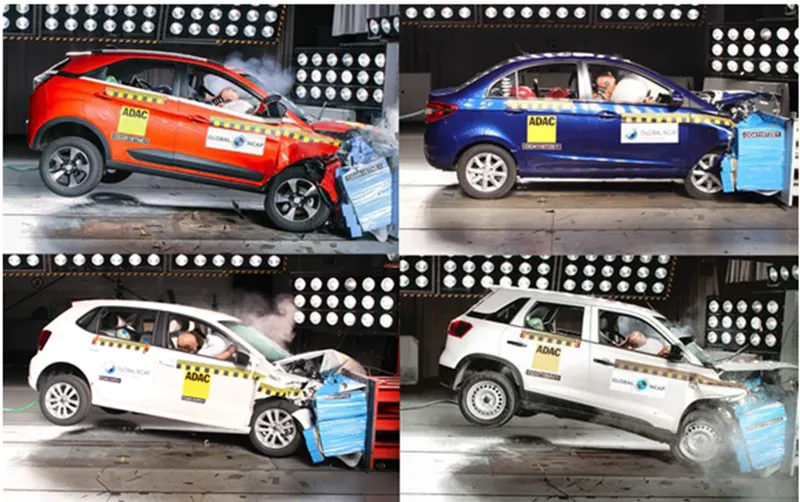
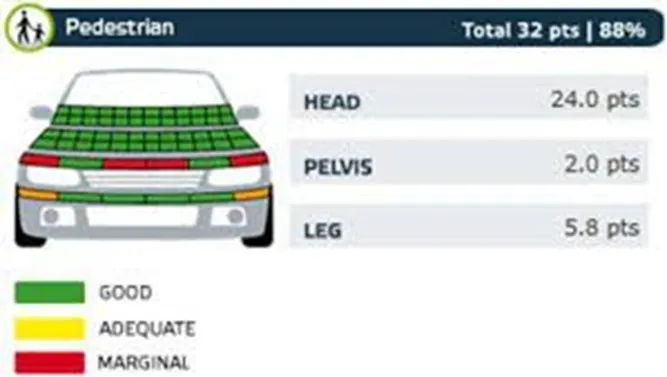
After an assessment test, the sample results are given as
Support Rod
The impact received by the head impactors is measured and then evaluated using head injury criterion (HIC). The green zones that are shown in the graph are having less impact on pedestrian head than the red zones.
Static stiffness :
Global car body stiffness is an important design attribute in vehicle design. Therefore, accurate characterization of this stiffness is needed.
Also, the force distribution while collision of front of car should and affect the passengers in the cabin. The design is in the way that the force is distributed towards the hinge points.
Head zone for lock striker :
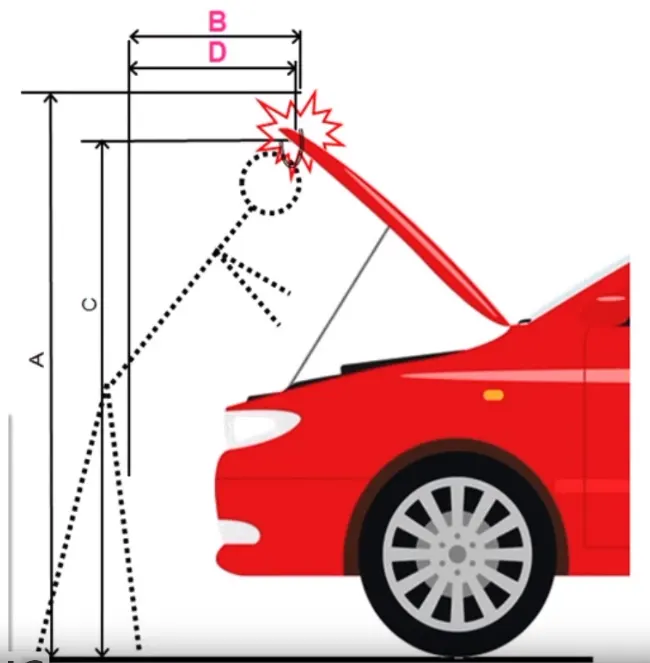
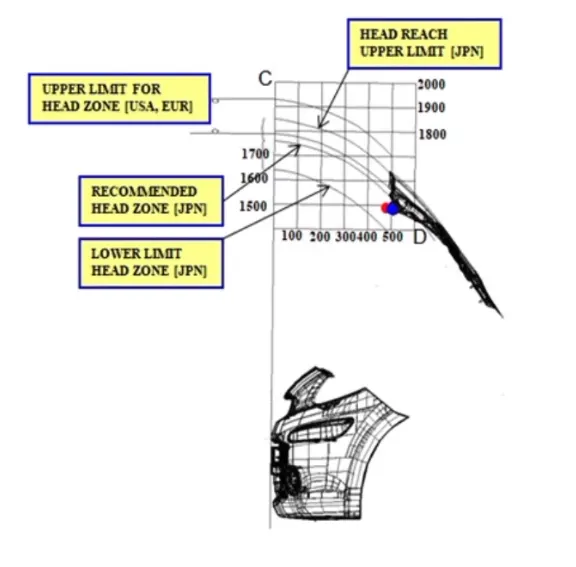
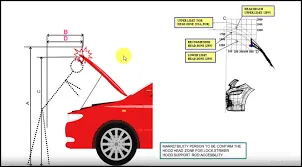
The opening of the hood should follow the circular trajectory, which circle is drawn from the mid-point of the line drawn between the both the hinge axis. In the opening condition of the hood, the head should touch the customer, means we have to design opening angle of the hood such that it does not interfere with the average height of the person in that particular region. The average height of the height of the person is varied from country to country.
Occupant safety :
Frontal crash collapse, maintain integrity with hinges and retention of loosed components, these are the three main considerations comes under occupant safety.
The design requirement of the car hood should also require to focus on the occupant safety as well. When a collision occurs, the force acts on the front side of the car is projected on mainly the hood. The force applied on the hood should not dissipate to the cabin, it required to force to be dissipated towards the vehicle frame. So the design of the hood is made in that way such that forces applied on it should be dissipated to the frame.
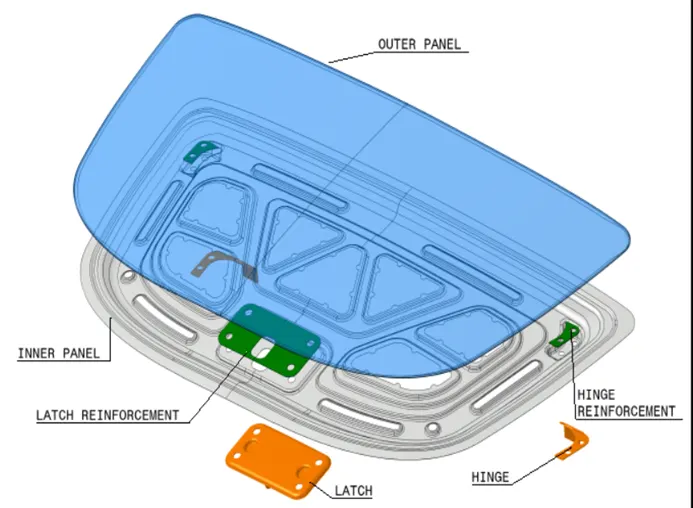
Components of the hood assembly
The components are to be assembled are shown
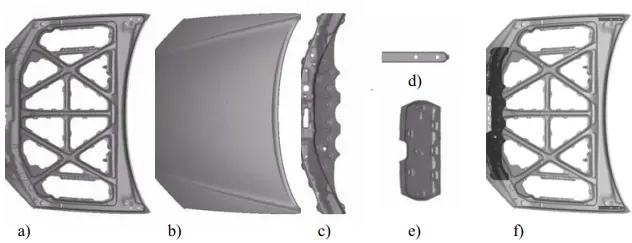
- hood inner
- hood outer
- main reinforcement
- hood hinge reinforcement
- latch reinforcement
- assembly without the outer panel
Vehicle hood reinforcement structures are provided to reduce impact in collisions.
Functional requirements
functional requirements normally associated with closures such as passenger safety, air tightness, low cycle fatigue strength etc.
The design of the hood should meet the following functionalities :-
- Pedestrian safety - Child impact criterion, adult impact criterion and bonnet leading edge geometry.
- Vehicle quality - torsional stiffness, flutter resistance (bending stiffness), dent resistance, corrosion resistance, low mass, low mass weight distribution, low mass vehicle center of gravity and noise attenuation.
- Occupant safety - Frontal crash collapse, maintain integrity with hinges and retention of loosed components.
- Styling - Tight radii on hemmed panel edges, excellent painted surface quality, stretch flanges and good shape (low strain doubly curved surfaces)
- Manufacturing - Paint drain features, Dent resistance of outer panel during assembly, clean sheared edges of outer panel, no visual defects on the outer panel resulting from stretch forming and gauling resistance of inner panel
Hood balancer and its functions
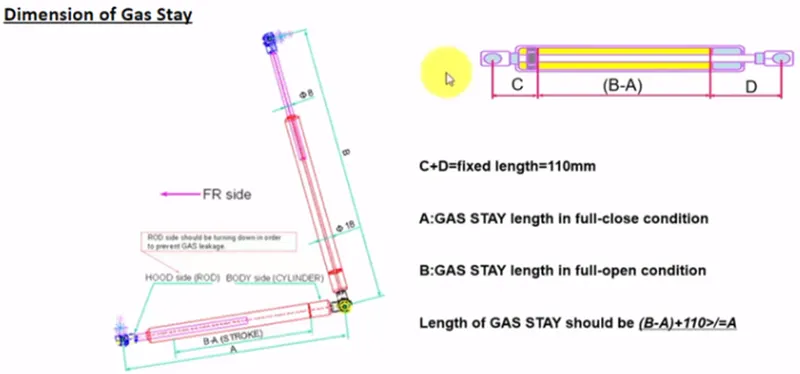
The hood balancer of the car is the rod or gas stay which supports the hood in its opening position.
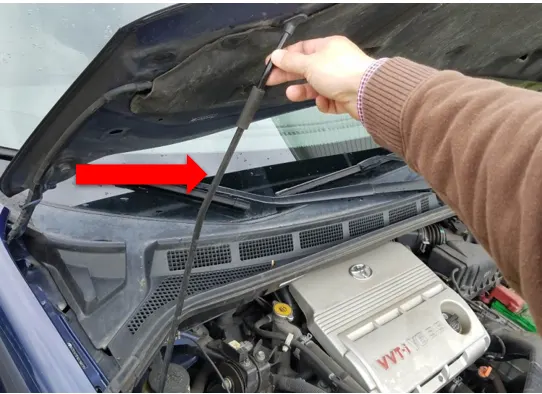
The above picture showing the image of the rod. The rod is not required to be strength, it should be given some curvature which improve the strength of the rod. As well as the maximum curvature should not exceed the 35 mm to reduce the bending of the rod.
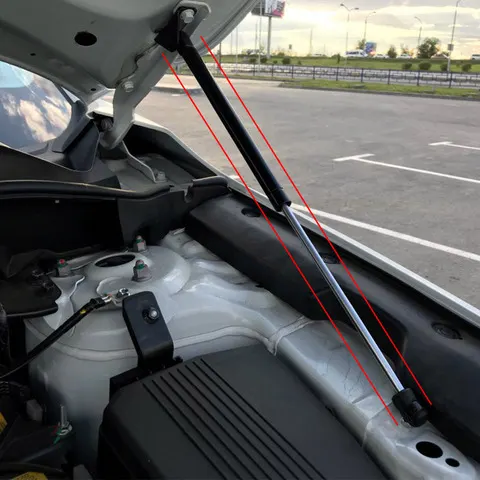
The above picture shows the gas stay, It has a gas spring consist of a precision rod attached to a piston, moving within a sealed cylinder containing pressurized nitrogen gas and oil.
Hood hinge and its functions
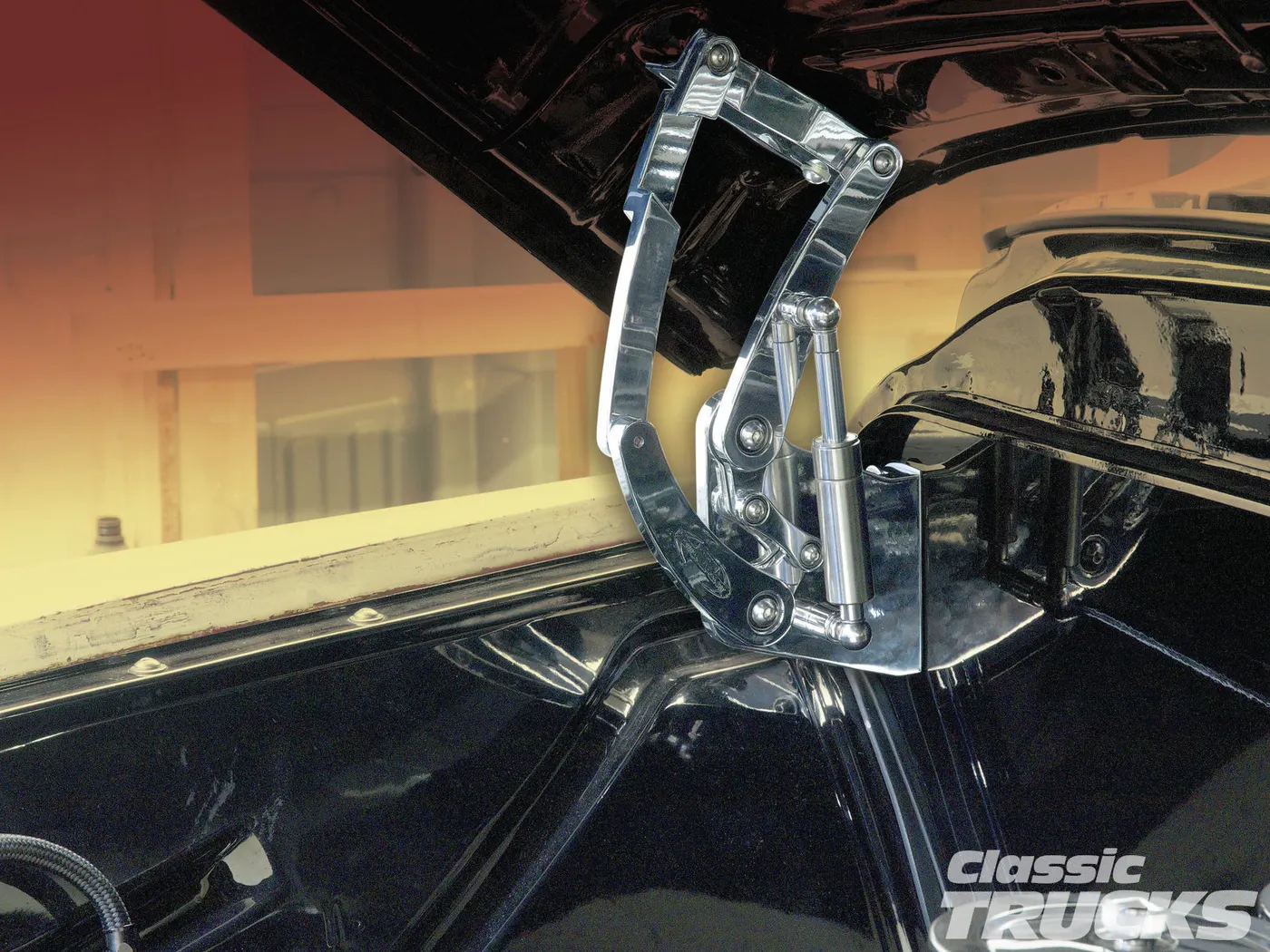
The hinge serves as a pivoting point for car hood panel which accommodate the opening and closing of it. Hinges are different types. The one end of the hinge is attached directly to the engine compartment of with the help of the flange and other side is attached to the inner panel of the hood. Two hinges are used on both ends of the hood, which their axeses are colinear.
Hood lacth and striker
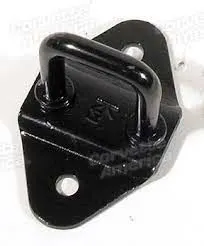
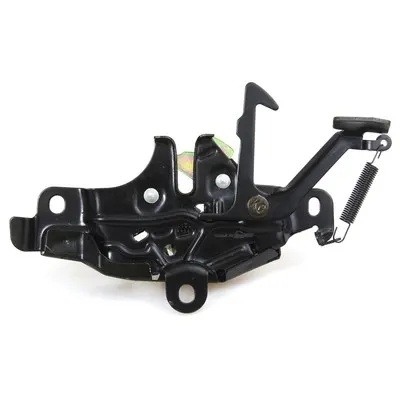
The latch and striker are the attachments which are used in the hood assembly to lock the hood in the closed postion. The below picture shows the striker and latch. The striker is attached to the hood panel whereas the latch is mounted on the front side of the engine compartment. The latch mechanism holds the striker in closed postion.
GAP and FLUSHNESS requirements
The gap, gap parallel (equal distance between two gaps over a distance) and flush are the terminologies involved in automotive industry which influences the customer appeal. The gap and flush measurements of side closure are shown in the below picture.
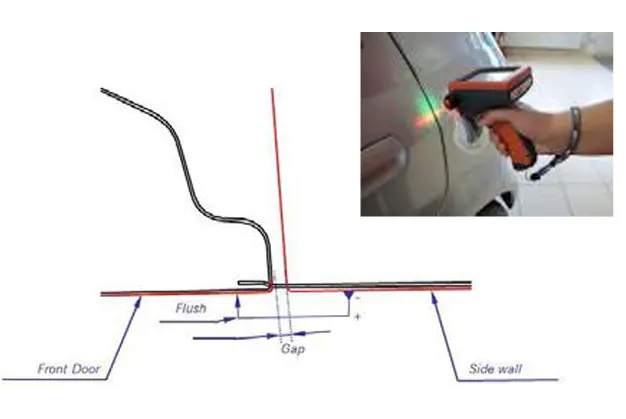
The gaps and flushes are given to the hood of the car with fender and sidewall by adjusting the hinge and striker during assembly.
In case of an automotive design, gap and leveling between the adjacent parts, known as gap and flushness, respectively, can be cited as examples of aesthetic dimensional requirements that influence customer's perception of quality.
Manufacturing operations
Forming operations (Deep drawing) :
It is sheet metal forming process, in which a sheet meatl blank is slightly clamped along it perimeter by a blank holder and radially drawn into a forming die by the mechanical action of a punch.
If the depth of the cup is more than half of its diameter, the process is termed as deep drawing.
The deep drawing is used to manufacture a product with seamless, complex shapes. This is tool related manufacturing process where the meatal is stretched or extended between two tool havles to create prospective shape.
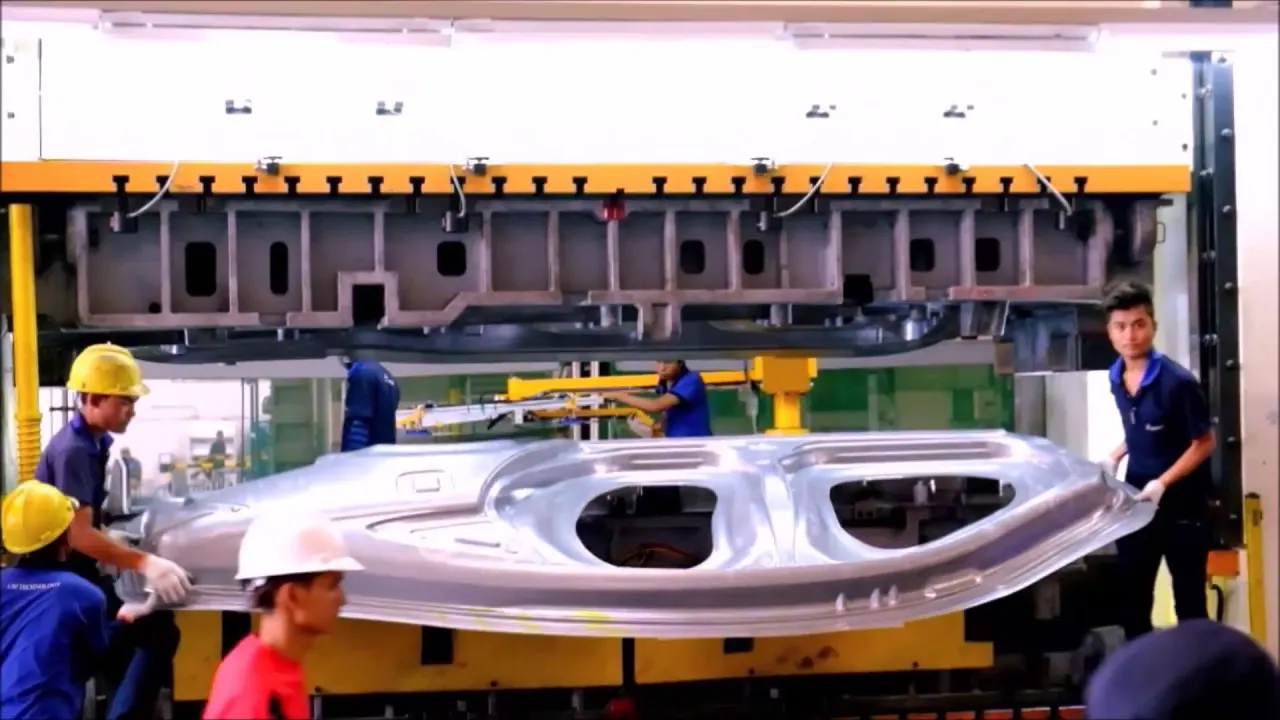
The figure shows the deep drawed panel.
Embossing :
Embossing is the process of creating the raised portion in the sheet metal. Usually, the emboss is created by stamping process for producing raised or shrunken designs or relief in sheet metal.
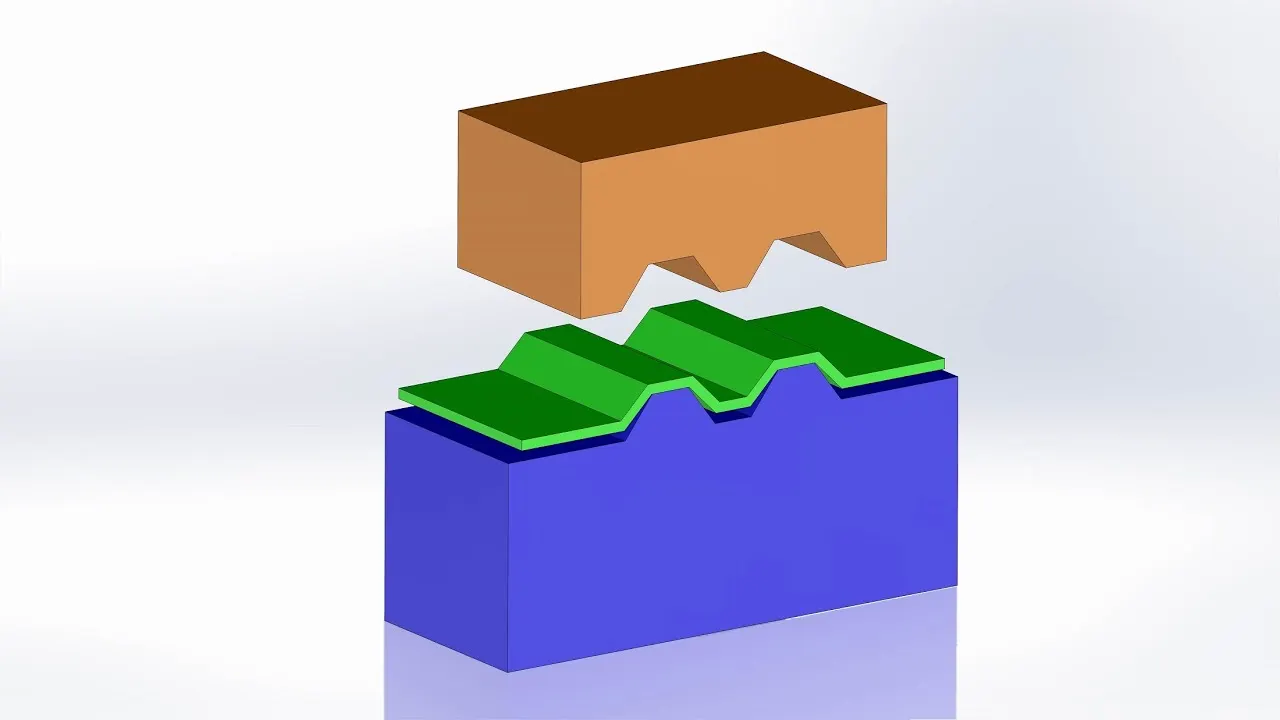
Blanking and piercing :
Blaking and piercing are the shearing processes in which a punch and die are used to produce parts from coil or sheet stock. The blaking produces the outside features of the component, while piercing produces internal holes or shapes.
Joining operations (Hemming) :
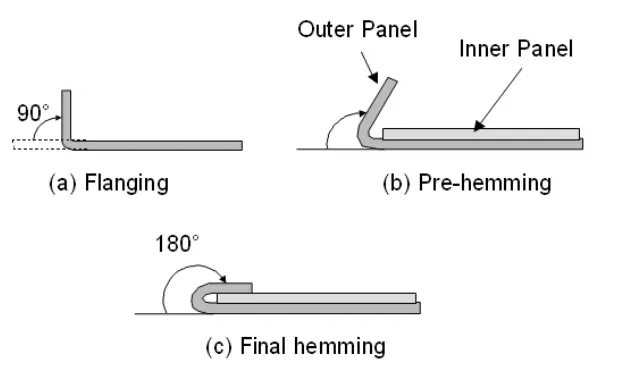
In automobile industry, the panels which are visible outside are joined with the inner panels or supports with the help of the hemming process. Hemming is comes into for outer panels because thermal joining processes leave the residual marks which are acceptable on the aesthetic surfaces.
Hemming is the technology used in the automotive industry to join inner and outer closure panels together. It is the process of bending/folding the flange of the outer panel over the inner one. The accuracy of the operation affects significantly the appearance of the car's outer surfaces, and is therefore a critical factor in the final quality of a finished vehicle.
Hemming is performed in order to achieve a better final geometry in the vehicle's part and add resistance and rigidity to the part. Also, to allow a safe handling of the part.
Types of hemming processes -
- Press hemming : Hemming presses are widely used in automotive manufacturing for hemming of sheet metal body components. The process uses traditional hydraulically operated stamping presses to hem closure parts and being the last forming process in stamping.
- Table-top hemming : Table top technology is based on an automatic system, which includes a set of electromechanical elements that make up the hemming machine. The system is valid both for steel and aluminum parts.
- Robot (roller hemming) : The robotized hemming systems use a standard industrial robot integrated with a roller hemming head, offering a very flexible solution. This roller hemming head consists of a body, some guides and a number of rolls that are designed according to the geometry of the part in each case. It is in principle a more simple and economic system than table-top hemming, offering a higher degree of flexibility. The roller hemming technology is valid both for parts made in steel and aluminum.
DATA:
Inner hood has been designed by following the master data:-
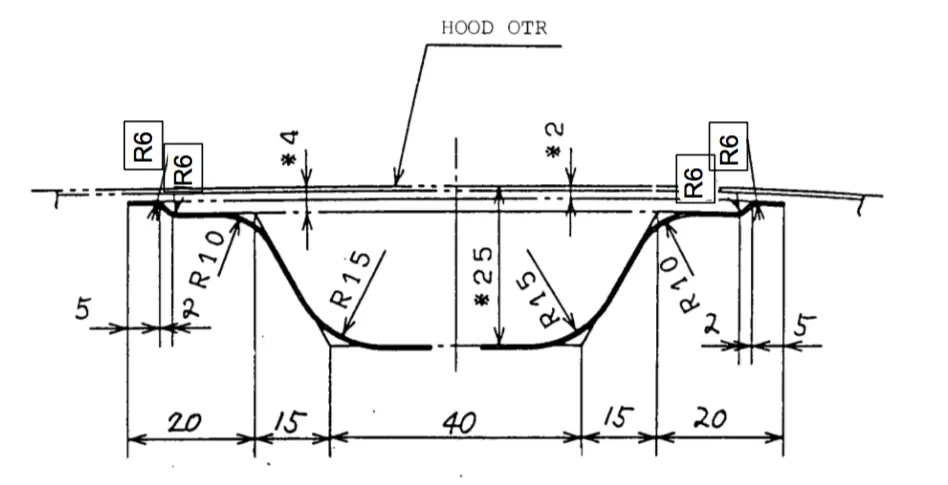
Hood thickness:-
- Outer panel thickness:- 0.75mm
- Inner panel thickness:- 0.75mm
- Reinforcement thickness:- 1.5mm
DESIGN:-
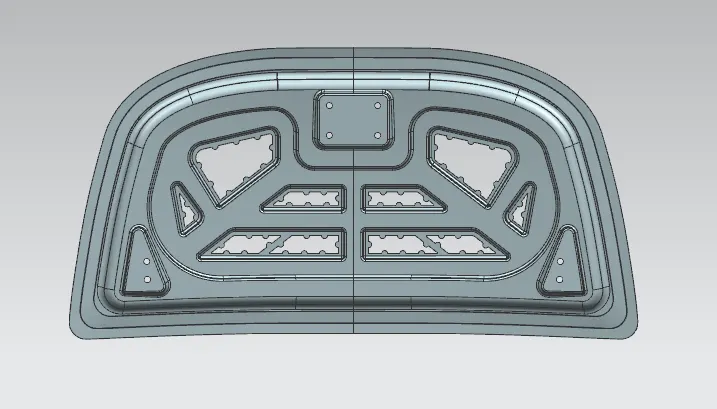
Inner panel:
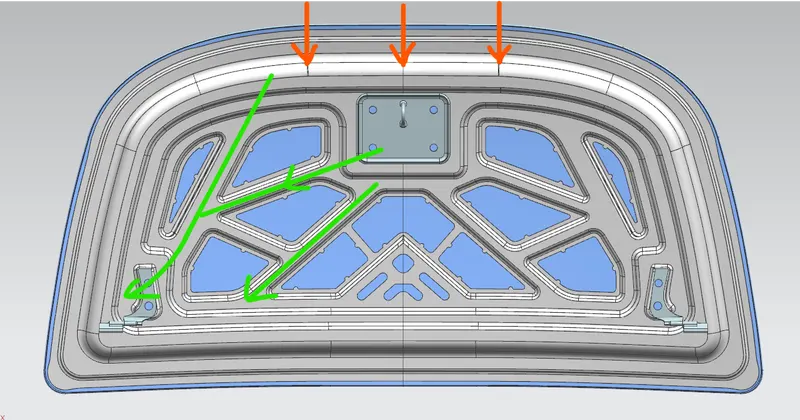
The inner panel supports the outer panel. it consists of embosses & holes. Embosses provide stiffness as well as it dissipates energy towards reinforcement.
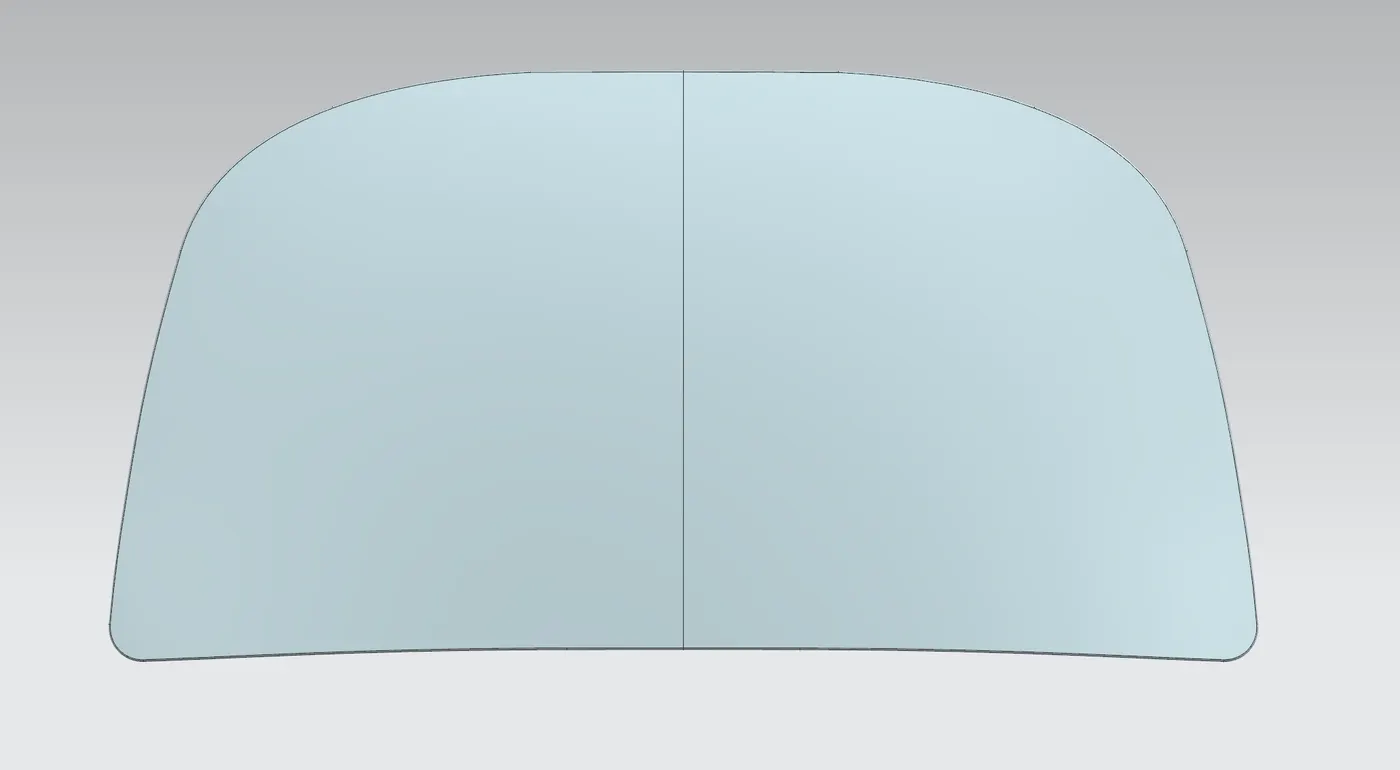
Outer panel:-
Outer panel is nothing but a outside cover for engine and its a used to make a car looks good.
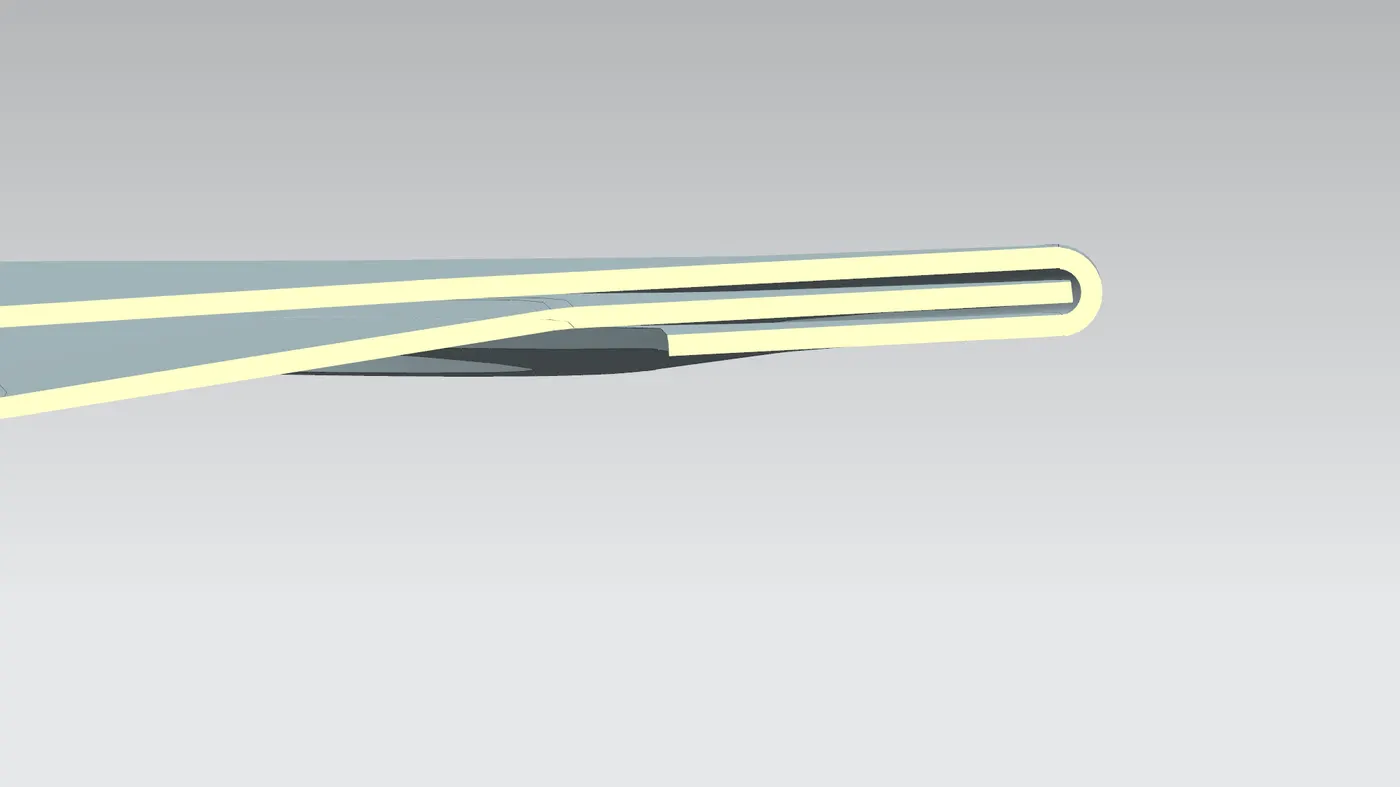
Hemming:-
- The outer panel & Inner panel can't join by any welding process if we did it will leave a spot on the outer panel and it will spoil the look of a car. so, to join inner and outer closure panels together we use the Hemming process.
- It is the process of bending/folding the flange of the outer panel over the inner one.
- The flange of the outer panel is bent over the inner panel in progressive steps by means of the roller hemming head.
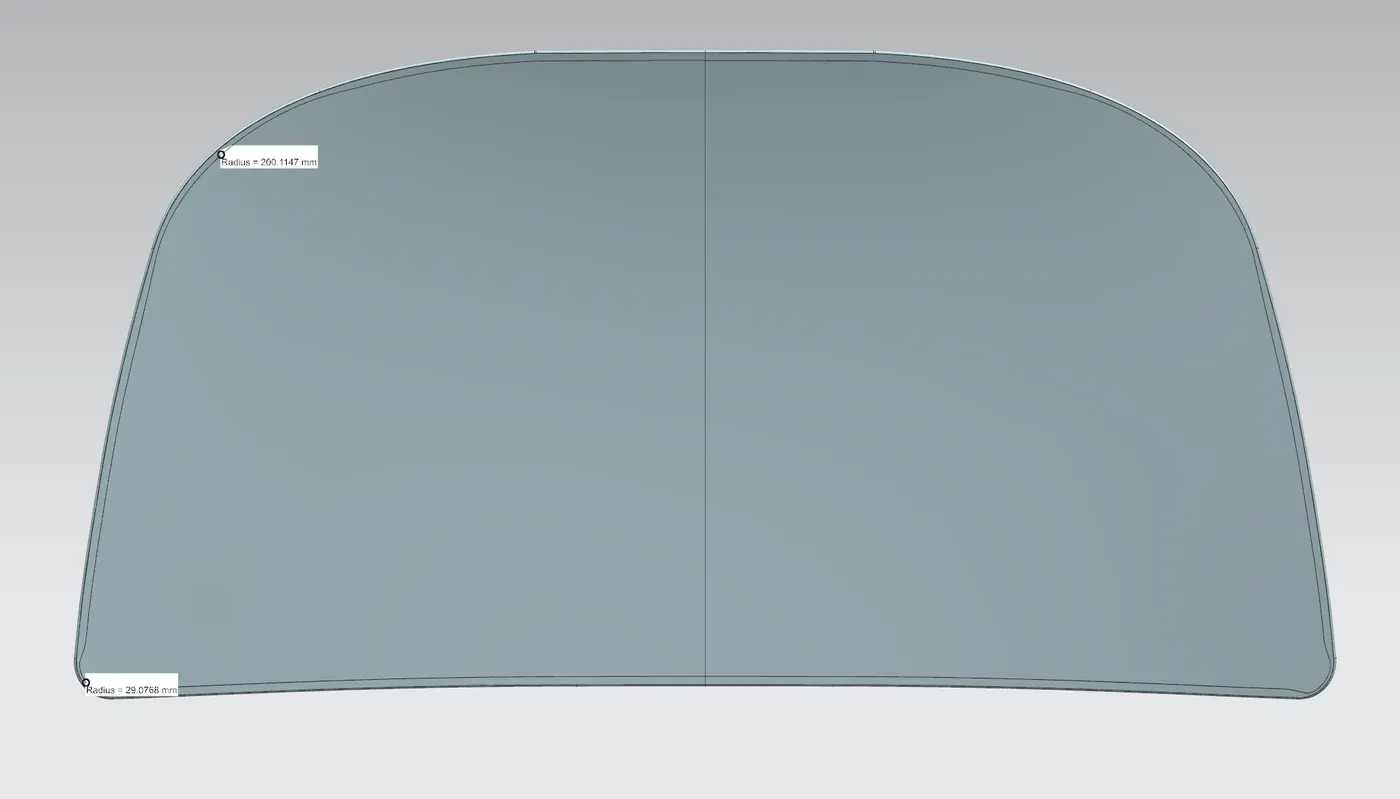
Corner Relief:-
There are many types of Hemming process but in Hoods Roller hemming is used. In this process the roller will be rolling over the edges of the Outer panel to close it with the inner
panel. These roller will be rolling over 2-3 time for perfect closing. so, the certain force is being used by rollers to all the corners but there are some areas where the roller cannot tighten the part properly so thats why we give some relief to the corners.
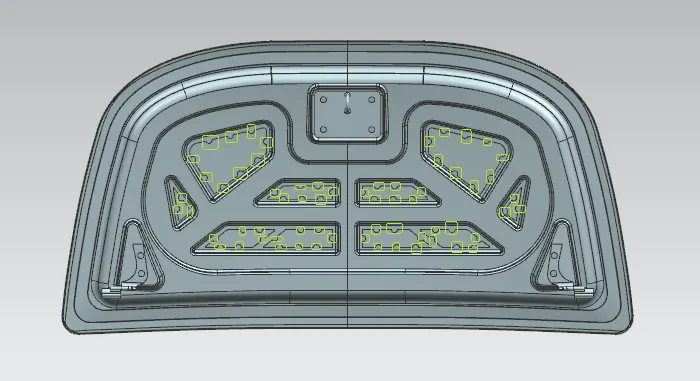
Mastic sealant:-
The Mastic sealant or mastic points is a elastic compound that behaves like a rubber. it is applied between Hood's outer panel and inner panel. it have an influence area of about 80mm.
Reinforcements:-
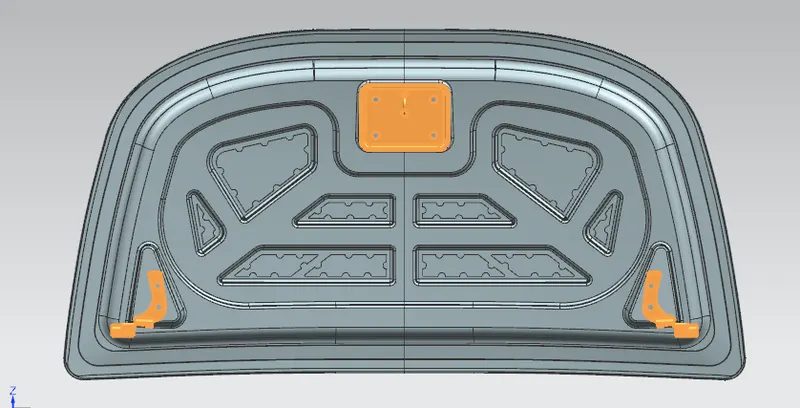
Reinforcements are used to provide more strength to the assembly.
1. Latch & striker
2. Hinge
LATCH & STRIKER:-
Latch & striker is used for locking the hood with the car. it's usually placed on the space provided on the inner panel.
HINGE:-
Hinges are used to connect the hood & cowl panel of an automobile. it enable the opening & closing operation of the hood. the hinge should be made strong enough to to handle the weight of the hood and also to handle the force action on it during the collision.
Position of Hinge & Striker:-
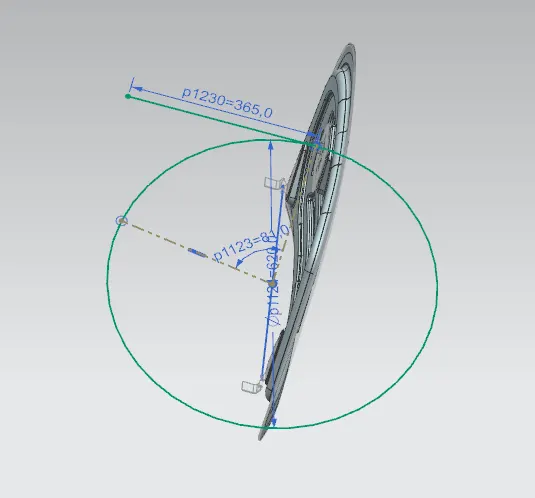
The hinges should be usually placed on both sides of the hood in such a way that the strike fits exactly into the hole provided.
To ensure this the followning conditions are follow:-
1. Both the hinges should be on the same axis.
2. The centre of the striker's circular trajectory should be always perpendicular to the hinge axis.
EMBOSS:-
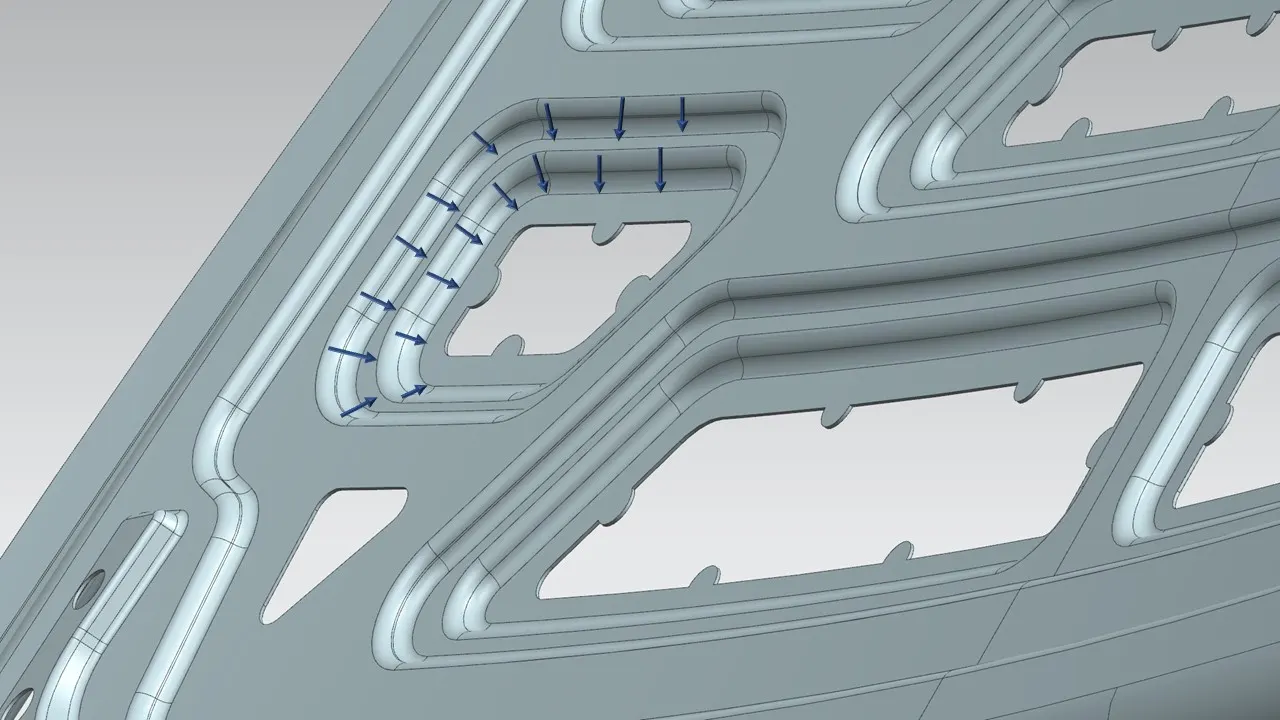
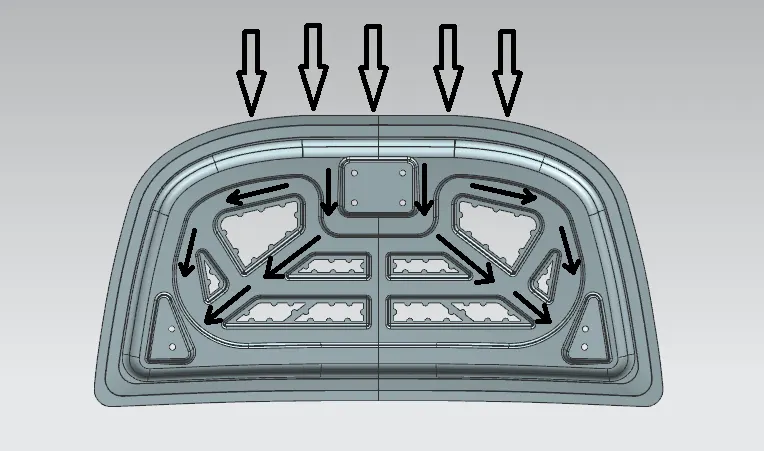
Embosses are the projections made on sheet metal using deep drawing techniques. the operation is carried out the mostly for the purpose of stiffening flat surface and design in the inner panel. the major function of embossing is to dissipate the force acting on the hood during the collision of the car toward the hinges as early as possible. this helps to reduce the impact of the force on the passenger sitting inside.
SHOCK FLOW:-
Embosses were designed to dissipates the force outdie the structure and toward the hinges.
DRAFT ANALYSIS:-
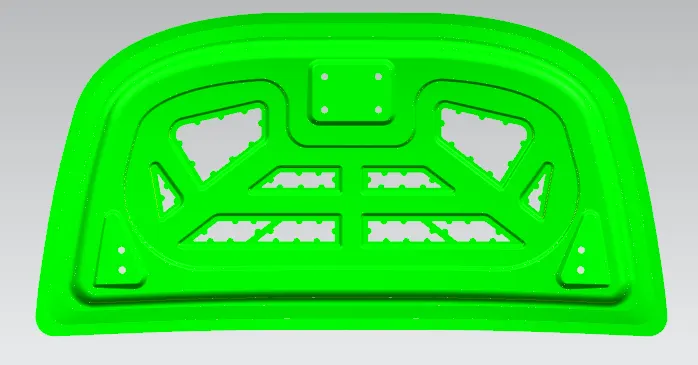
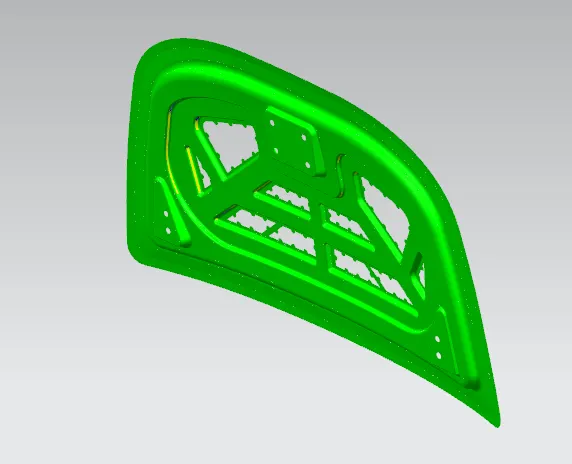
Once the design was ready, the inner panel of the hood was anaylzed for manufacturability. here draft analysis shows that all parts are clearing when core is removed from cavity.
CONCLUSION:-
ALL the parts of the hood are designed based on the required conditions & given dimensions. With the completion of hood design & analyzing for successful manufacturability. we can conclude that the hood can be utilized for the vehicle.
Also, considering the safety of occupants & pedestrians the hood has been designed under the EuroNCAP safety regulations.