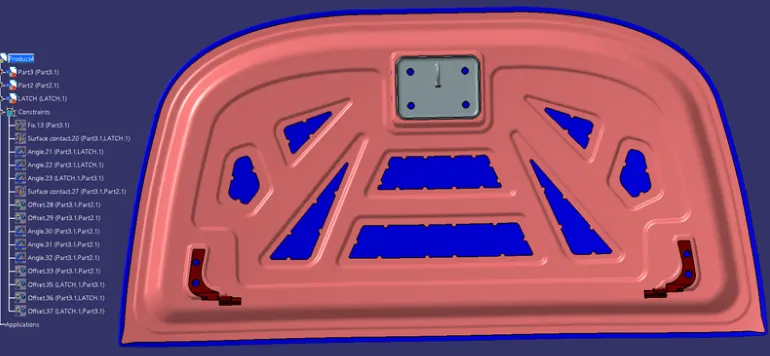
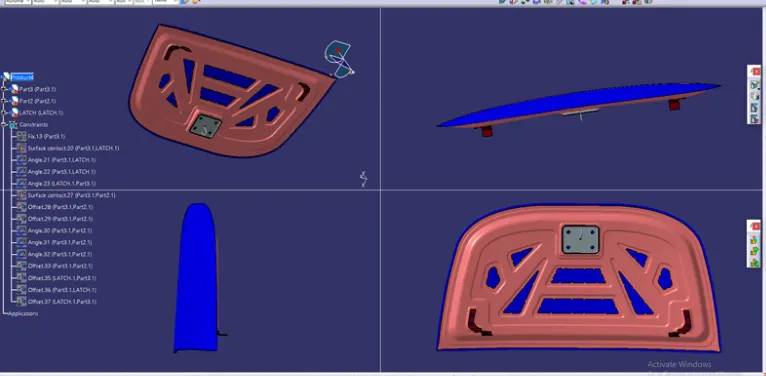
Hood design-Week 2
HOOD DESIGN
Aim: - To Design and assemble the Car Hood/Car Bonnet Inner panel
Here we are going to understand What Is the Hood/Bonnet? What are the Materials Used to manufacture the Hood? What are the design considerations?
About Hood/Bonnet
The hood or bonnet is the hinged cover over the engine of motor vehicles that allows access to the engine compartment, or trunk for maintenance and repair.
On front-mounted engine cars, the hood may be hinged at either the front or the rear edge, or in earlier models, it may be split into two sections, one on each side, each hinged along the
centreline. A further variant combines the bonnet and wheel arches into one section and allows the entire front bodywork to tilt forwards around a pivot near the front of the vehicle.
Materials Used
Hoods are typically made of the same material as the rest of the bodywork. This may include steel. aluminium fiberglass, or carbon fibre. However, some aftermarket companies produce
replacements for steel hoods in fiberglass or carbon fibre to make the vehicle lighter. Before we dive into the design, let us understand the rules and regulation standards for designing the hood.
- A perfect hood design means it should have a great impact distribution angled outside the car.
- In Japan and Europe, regulations have come into effect that places a limit on the severity of pedestrian head injury when struck by a motor vehicle. This is leading to more advanced hood designs, as evidenced by multicore hood inner panel designs.
- European Enhanced Vehicle-Safety Committee (EEVC), European New Car Assessment Program (euro NCAP)
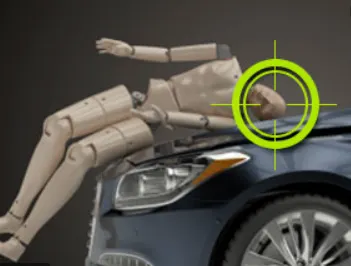
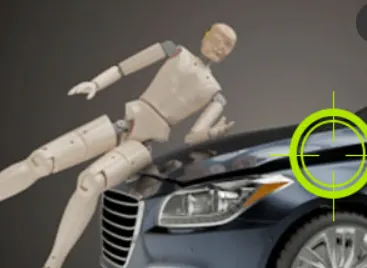
Head clearance zone is the clearance such that when the hood is in the fully open condition it does not hurt the head of the person that is standing next to the hood. This is controlled by the opening angle of the hood. The opening angle of the hood is decided for the region the car is manufactured. Some regions may have people with an average height of 5.5 ft and another region may have people with an average height of 6 ft. so deciding the right opening angle for the hood is an important criterion.
A hood stay is a device that is used to keep the hood in an open position. there are two types of hood stays 1) Support Rod 2) Gas Stay
Support Rod
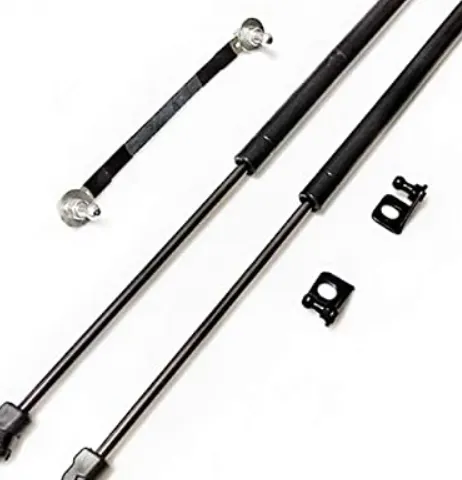
The support rod is usually inside the engine compartment, when we open the hood and keep it in open condition, one end of the support rod attaches to the hood and supports it. this support rod has to be fixed manually onto the hood. The design of the support rod is not linear but it should have some bends to increase the rigidity and strength of the rod. the support rod should be mounted such that it does not collide with other parts, also the support rod should be mounted on the opposite side of the battery to avoid
Gas Stay
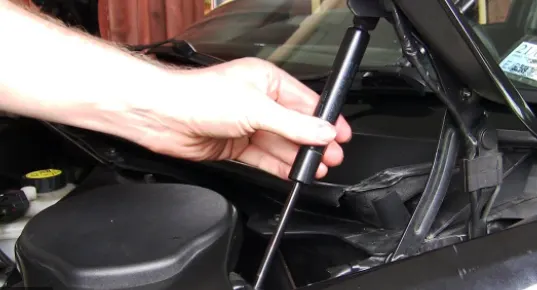
A gas stay is used to open the hood, keep it in an opened state and then closing the hood. This is an automatic process, that is the gas stay uses an actuator to open and close the hood. one side of the gas stay is mounted on the body side and the other side is mounted on the hood. gas stays for the front hood are mainly used in high end performance cars.
Components of the Hood/Bonnet
Outer panel:
The outer panel is actually called the skin of the vehicle which is designed by the styling team to get a good look for a vehicle by covering the inner panel and engine parts of the car. This part should not be welded to the inner panel but using the sealant and mastic points makes contact between the inner and outer panel which acts as a bond between both and makes the hood stiff.
Inner panel:
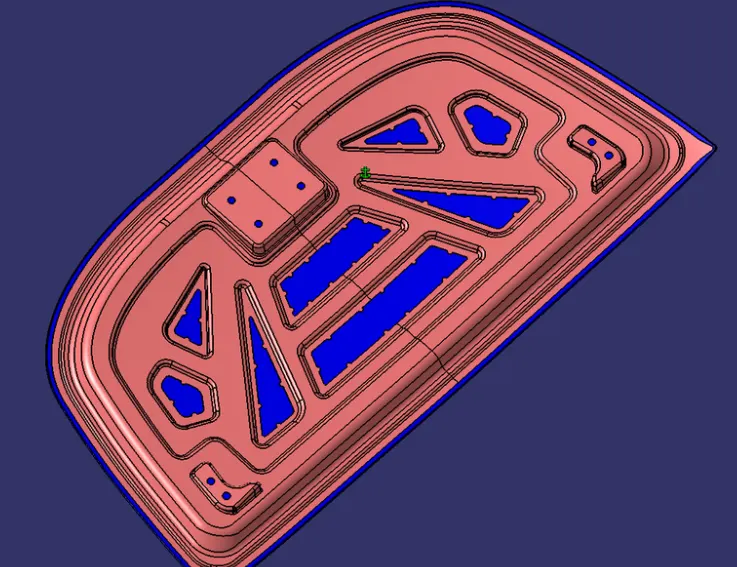
The main part of the hood which gives support to the outer panel of the car and with its embossing shapes dissipates the force in different directions when the vehicle takes crashes to not to injure the men in the car.
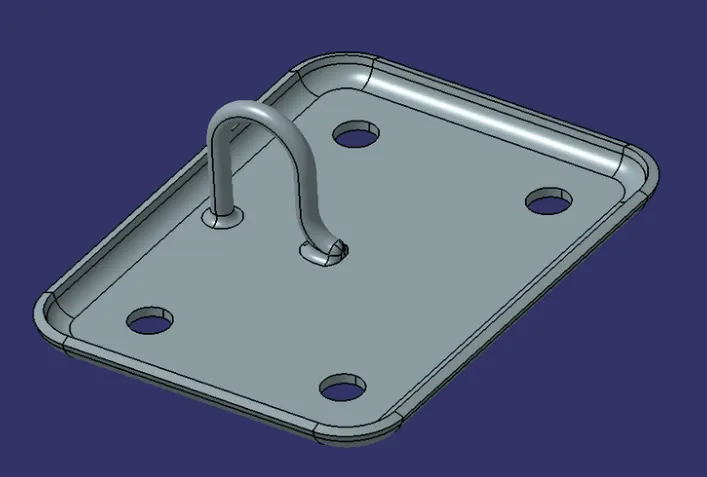
Latch/striker
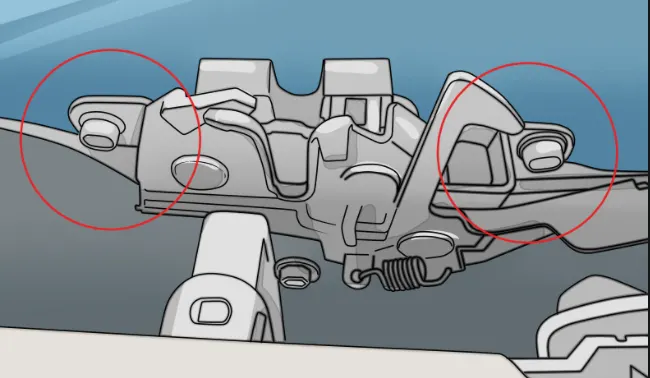
It is a part that helps in locking the hood with the striker which is mounted on the engine block when it is not in use. It plays a major role in opening and closing hood for maintenance of car engine and gives a tight locking position not to create undisturbed noises when the vehicle is running.
Hinges:
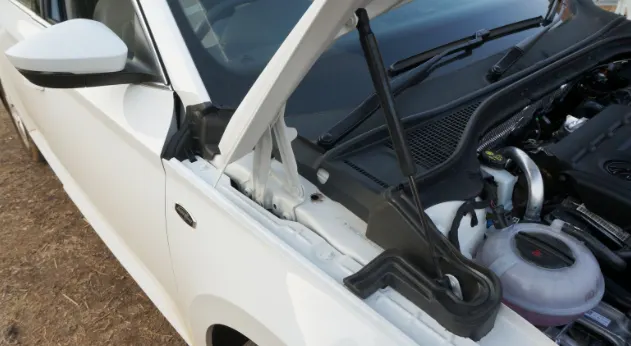
The hinge consists of two parts- hinge at the inner panel and hinge at the engine compartment. This coupling allows the hood to open and close, as well as makes contact between the engine block to the hood. It also controls the lifting of the bonnet mitigates the consequences of a collision between a pedestrian and a vehicle.
designing hood
given input
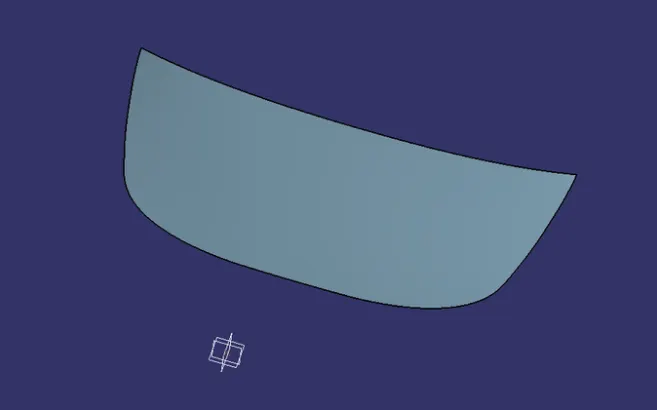
we will do work on half of the part and then symmetry for other side because both sides are same
for that splitting the given part
offsetting the split part 2mm
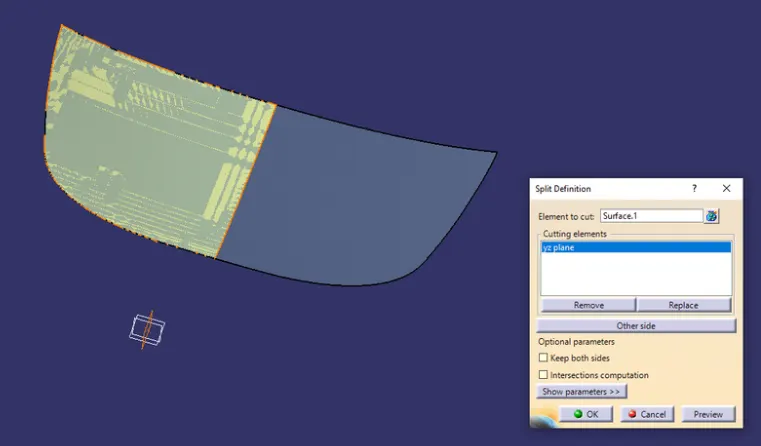
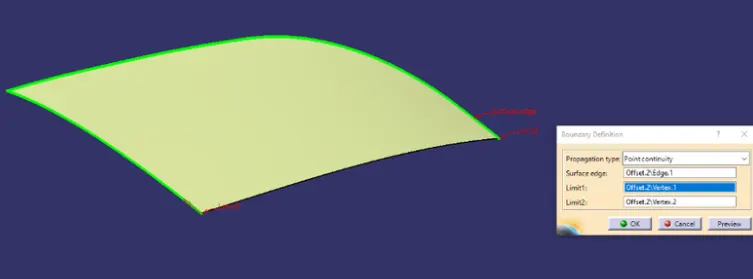
taking boundry to the offsetting part
taking parallel curve
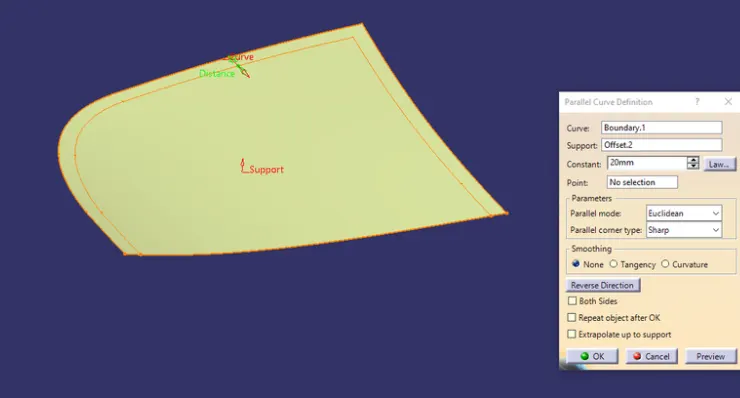
extruding parallel curve
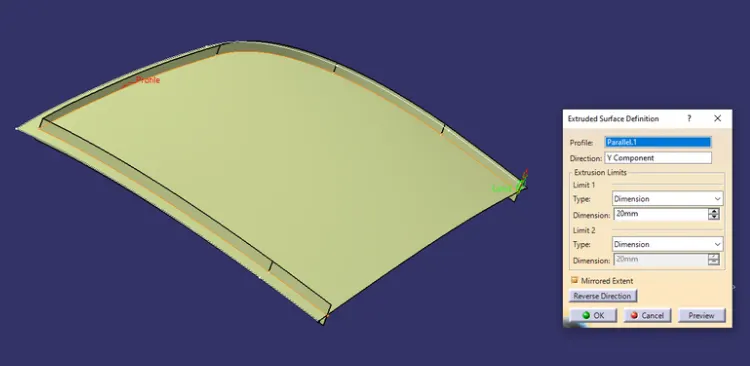
giving edge fillet for the sharpe edge
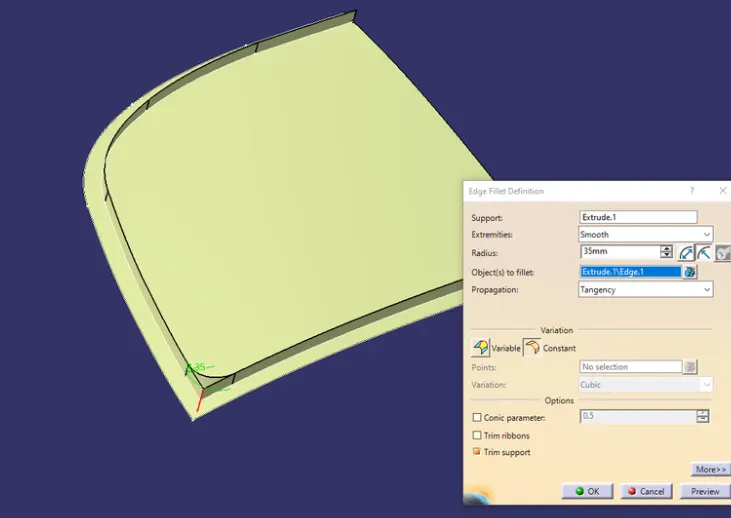
splitting the outside part
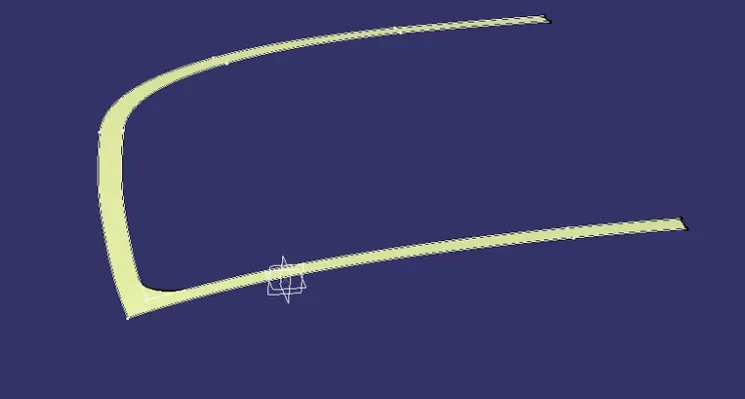
again offset base part 4mm
taking boundry, parallel curve 22mm,extrude, edge fillet 35mm, and split
and same for next part
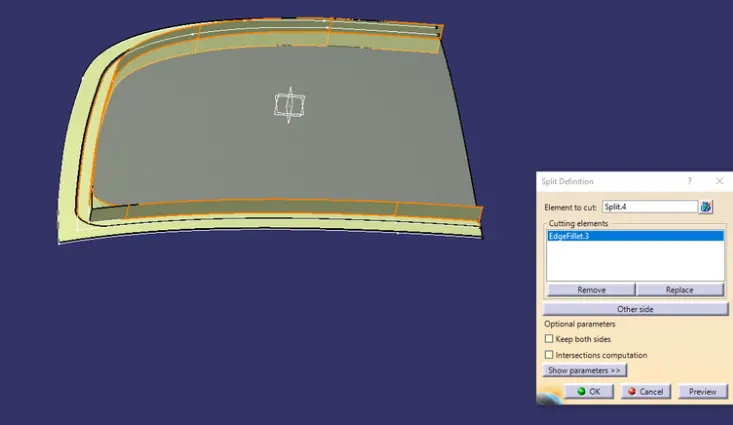
we get the output
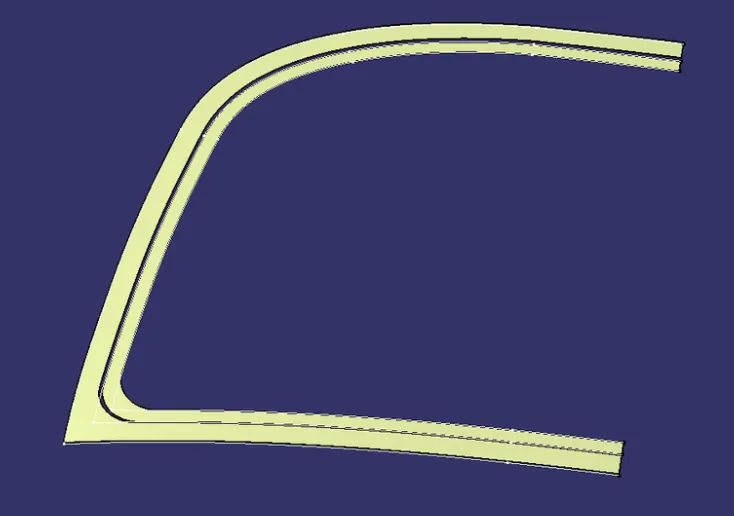
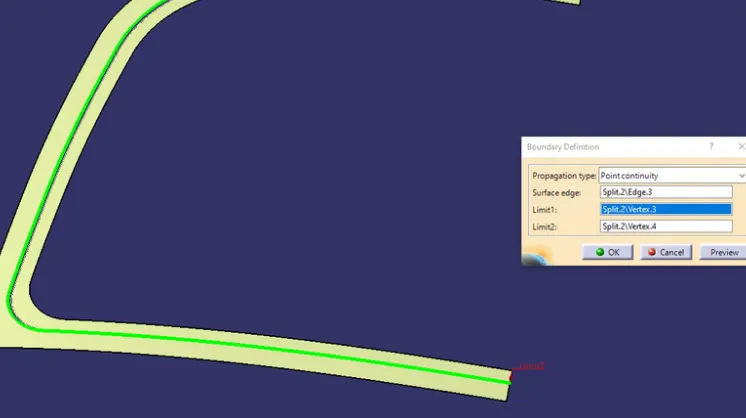
joining the space between the two parts by using multi section
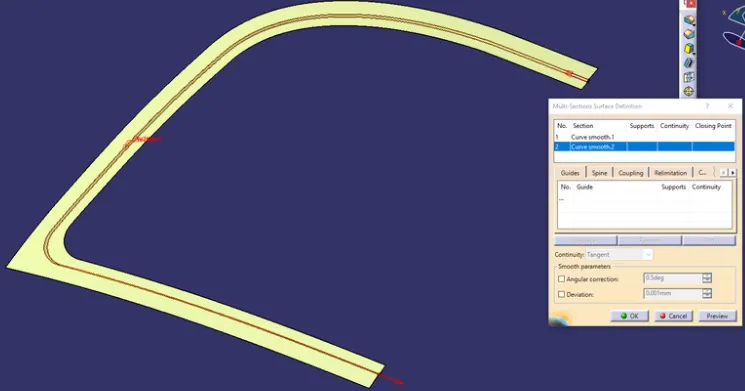
for that we have to take boundry for both edges and smoothcurve for boundry
then doing multisection
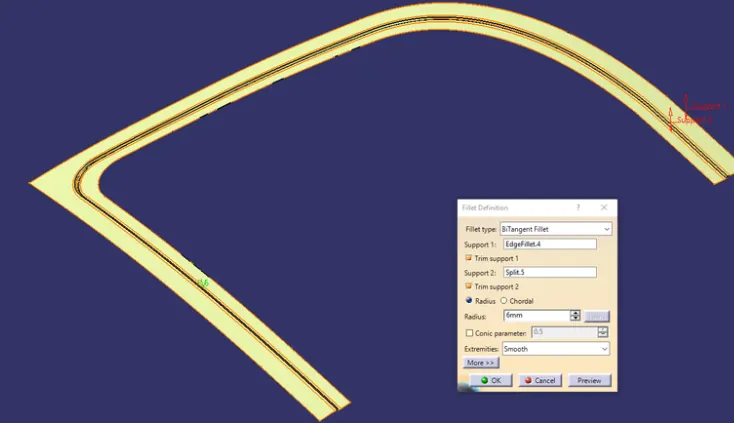
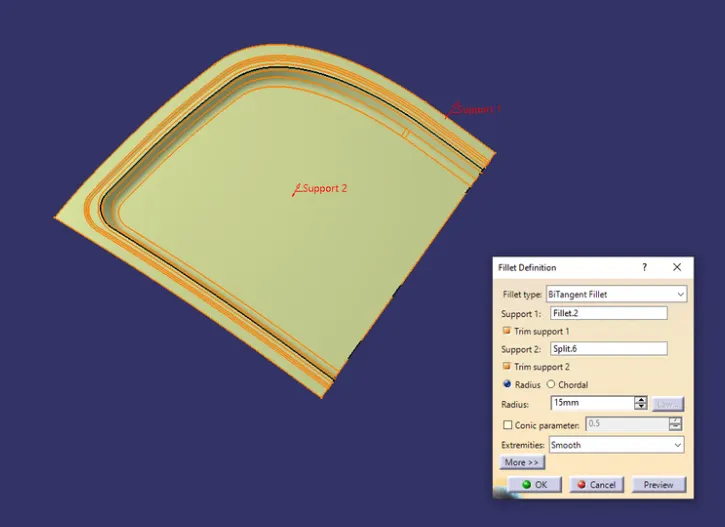
giving fillets for both edges
again offseting base part 25mm
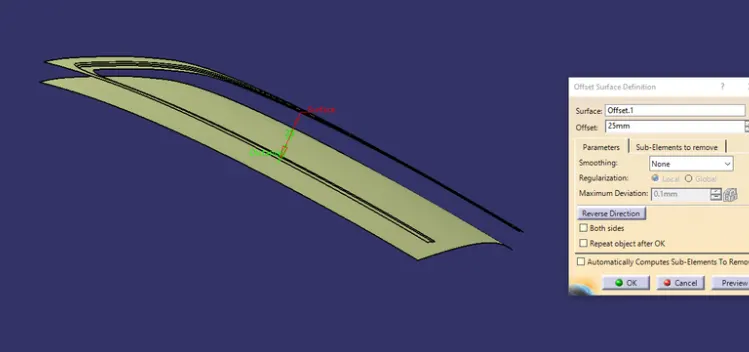
taking boundry, parallel curve 50mm, extruding parallel curve and giving edge fillet
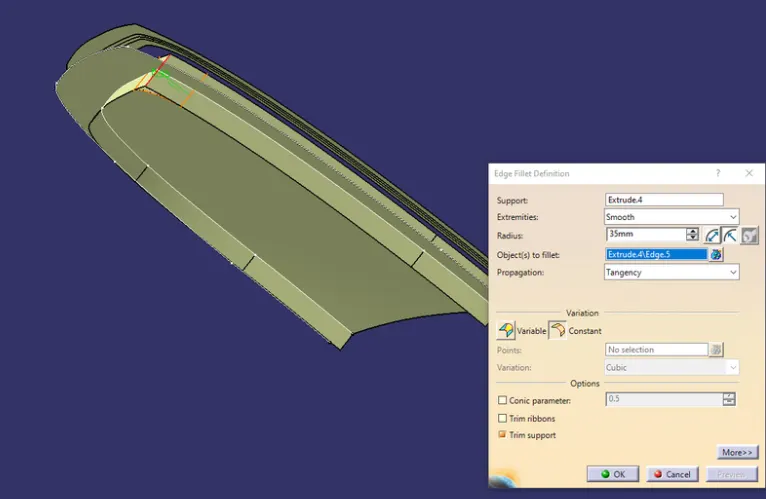
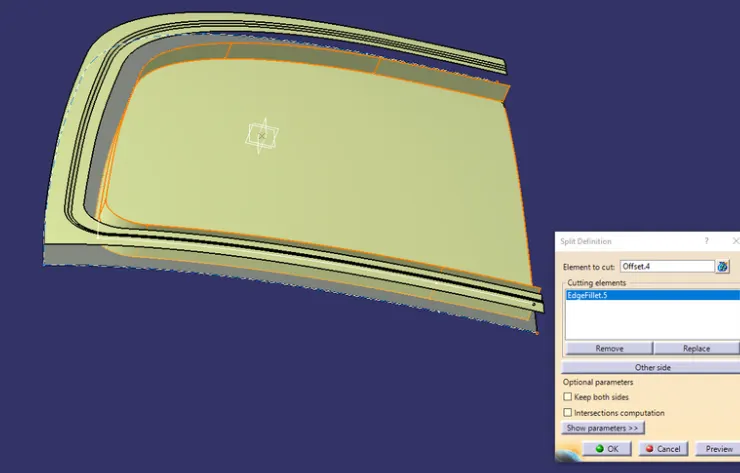
then spliting the part
again we need to join the gap by using multisection
for that we have to take boundry for both edges inside and smooth surve for boundries
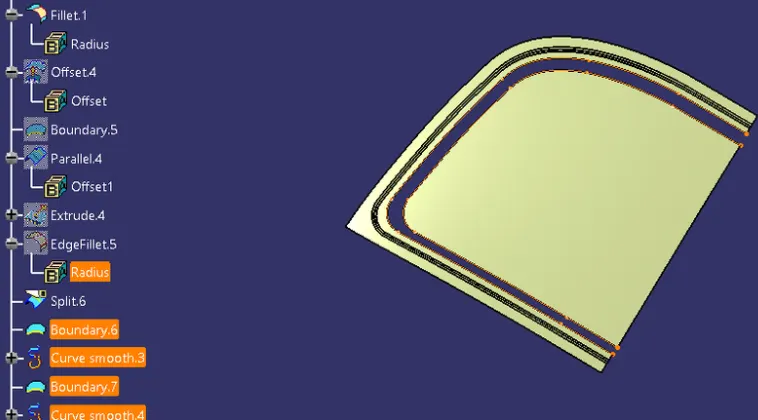
then go for multisection
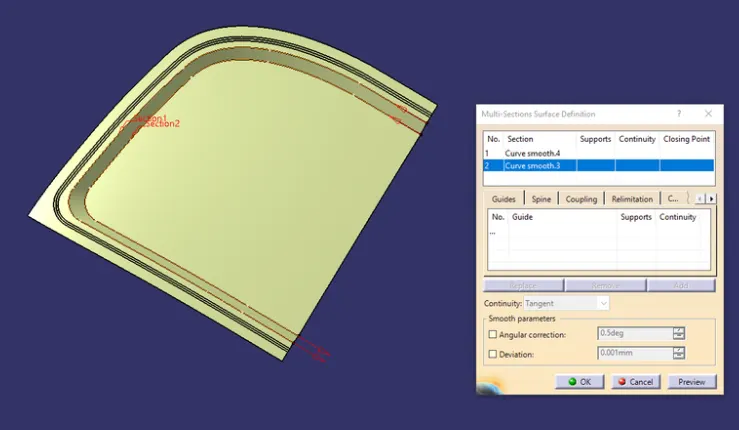
next fillets for the edges
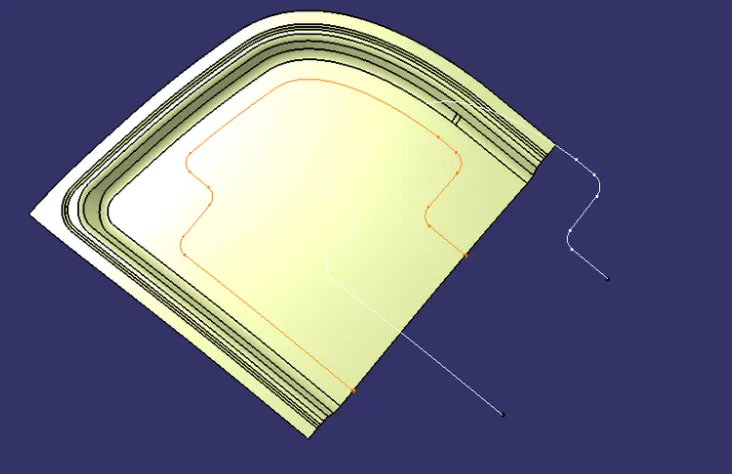
drawing sketch on zx plane and projecting on to the surface
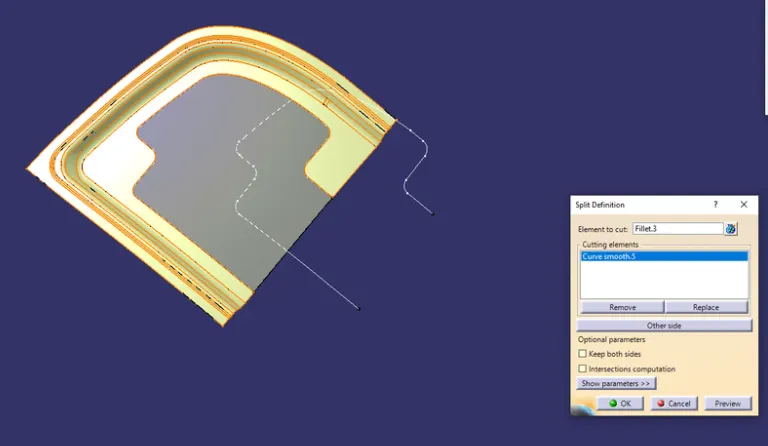
spliting the part
using sweep
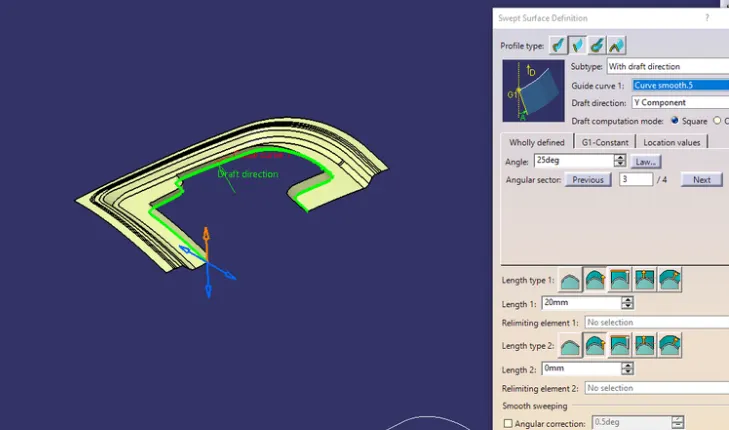
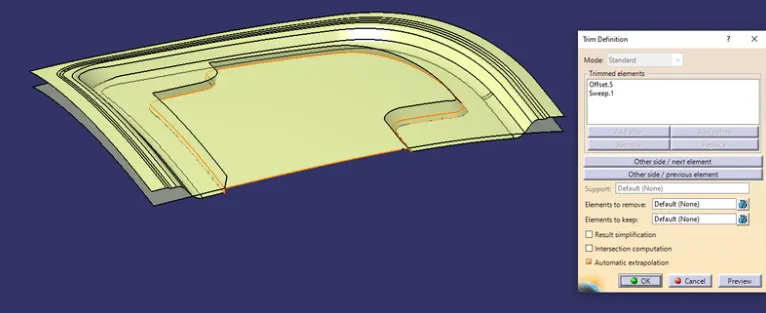
offseting base part 20mm and trimming the part
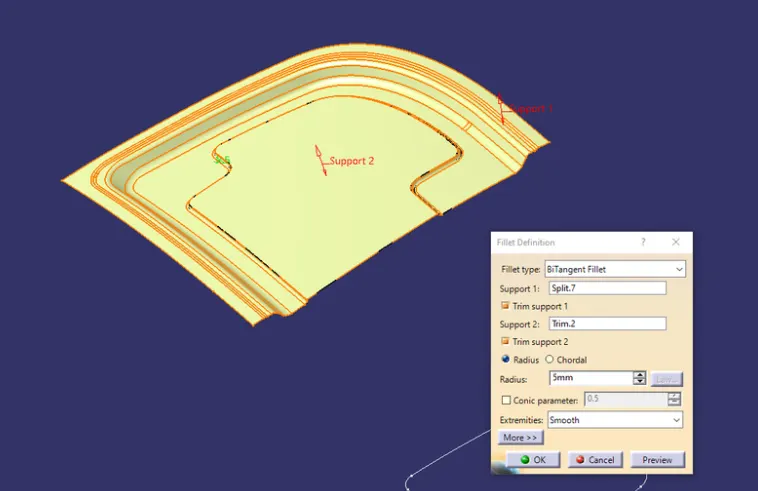
giving fillets for the edges
creating emboses
drawing sketches saperately and projecting on to the surface
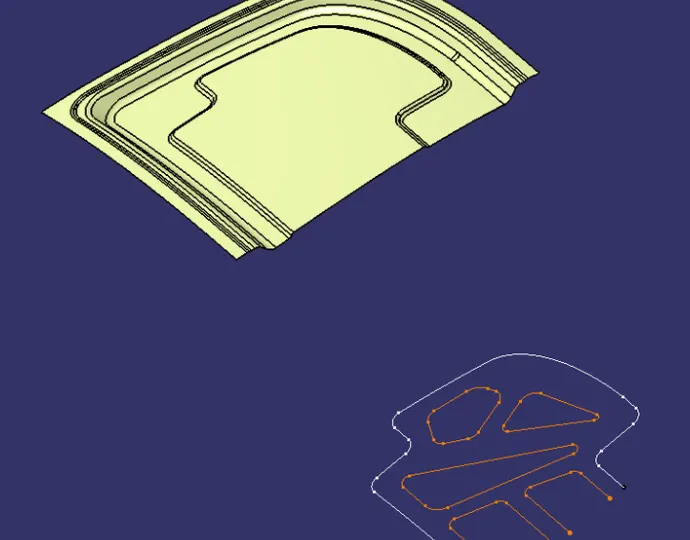
spliting each sketch
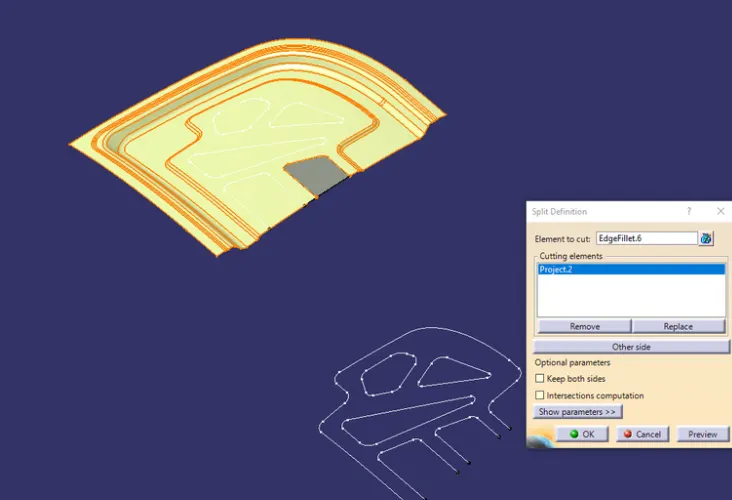
sweep the edege of the split part
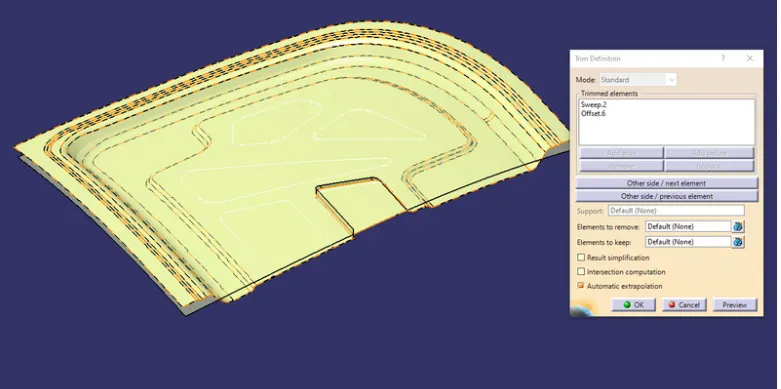
offseting base part 15mm and triming the part
same procedure for all the sketches
next fillets for all the edges
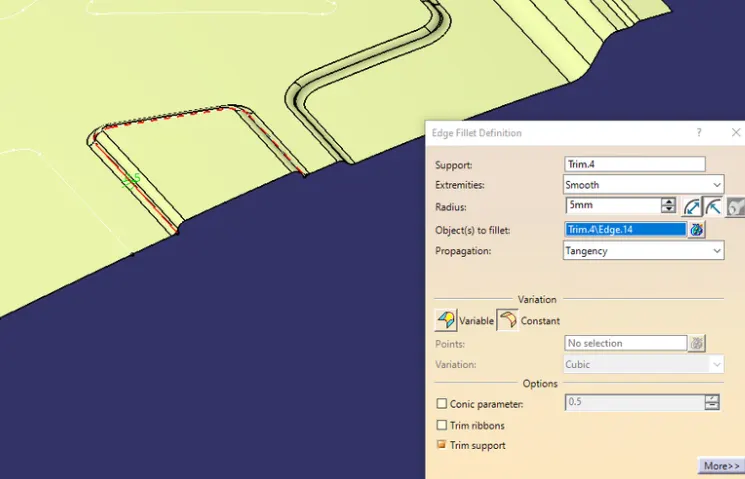
creating mastics
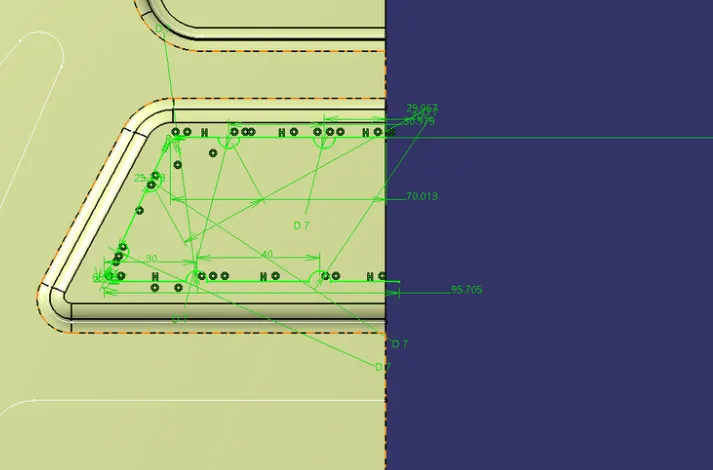
projecting all the sketches on to the surface saperately
then split each sketches saperately
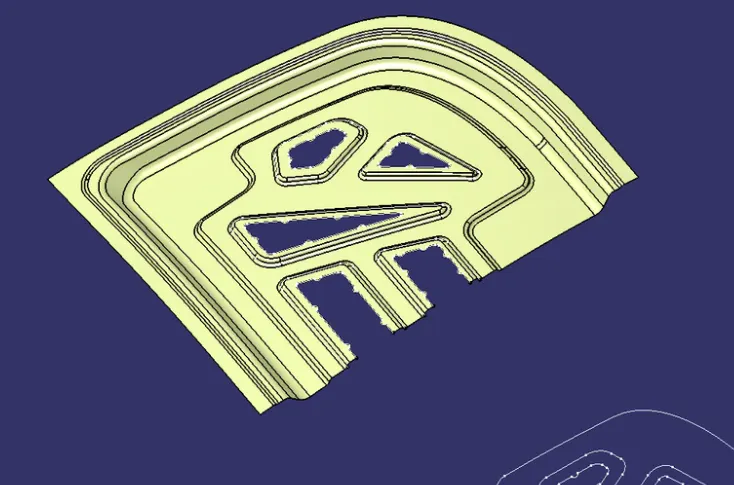
creating emboss for hinge
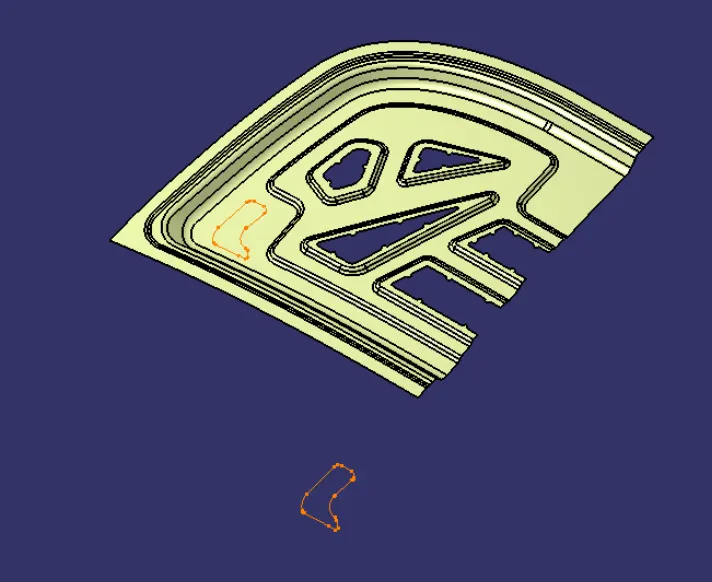
draw a sketch and project
split the part
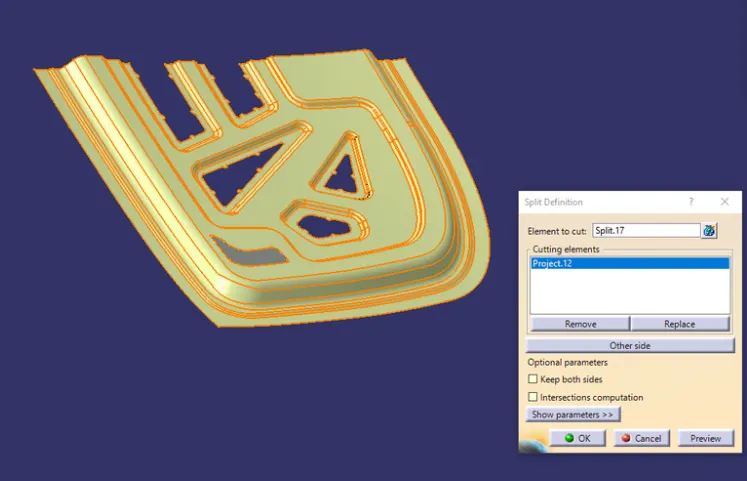
extruding the boundry and trim the part by using another extrude
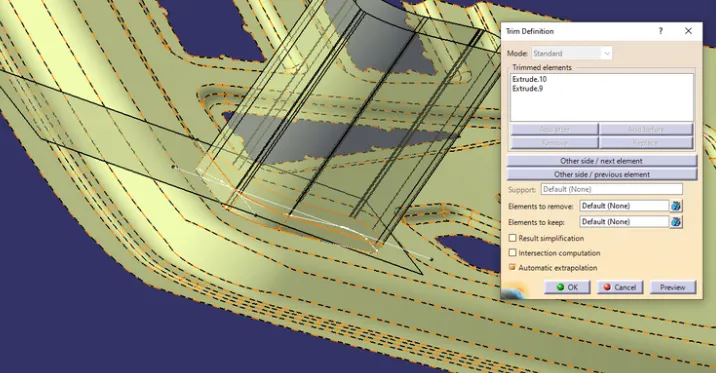
fillets for the edges
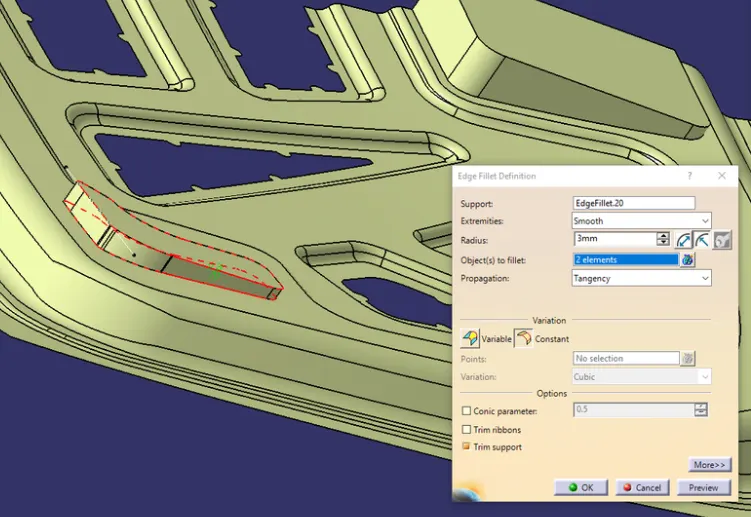
creating emboss for striker
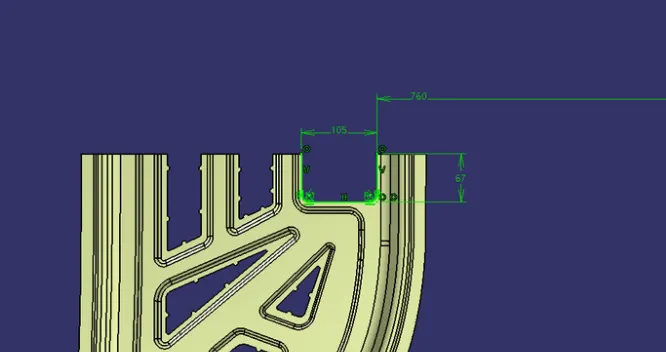
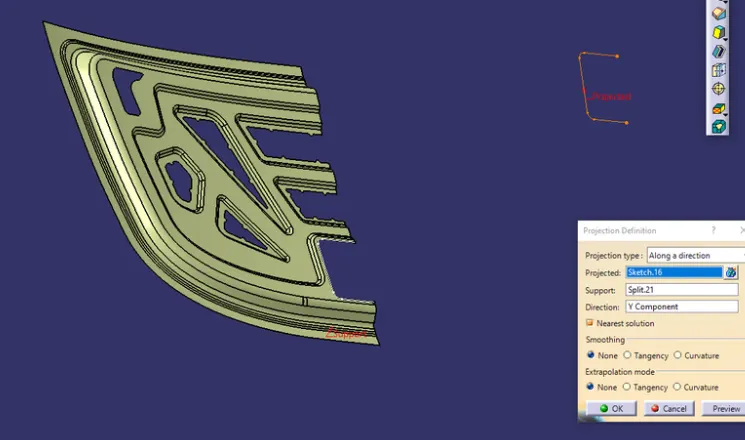
projecting on to the surface and split
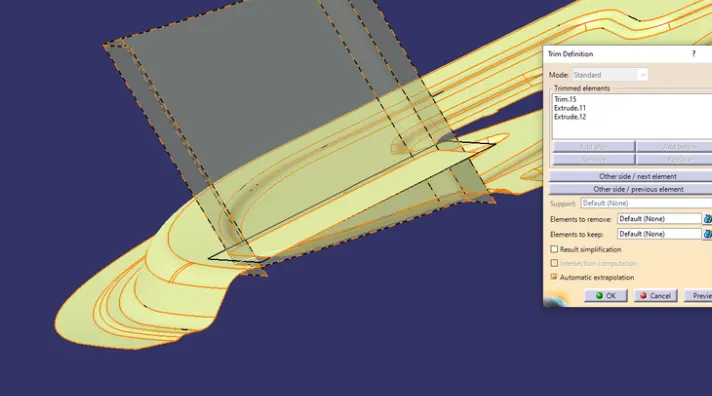
extruding the boundry and trim the parts
fillets for the edges
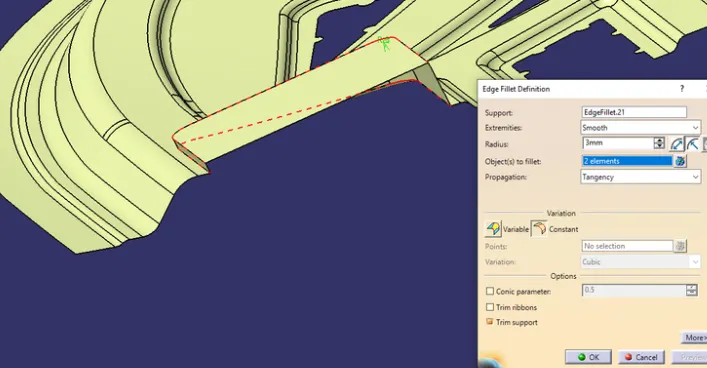
taking reference of the hinge create holes
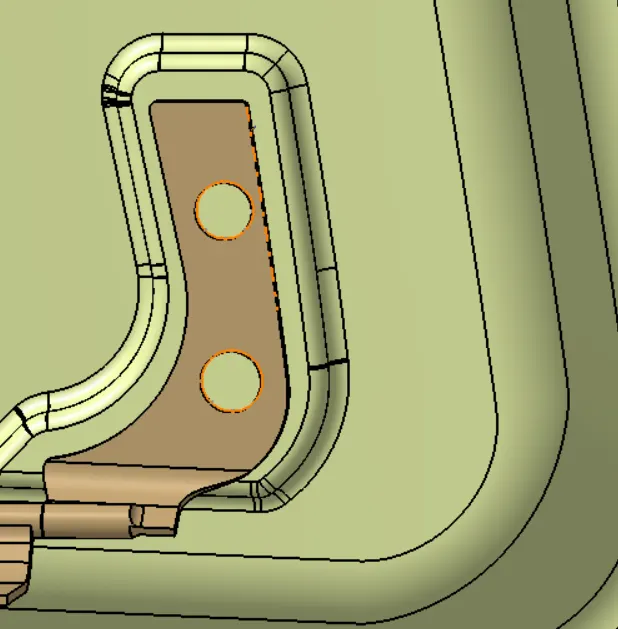
project and split saperately
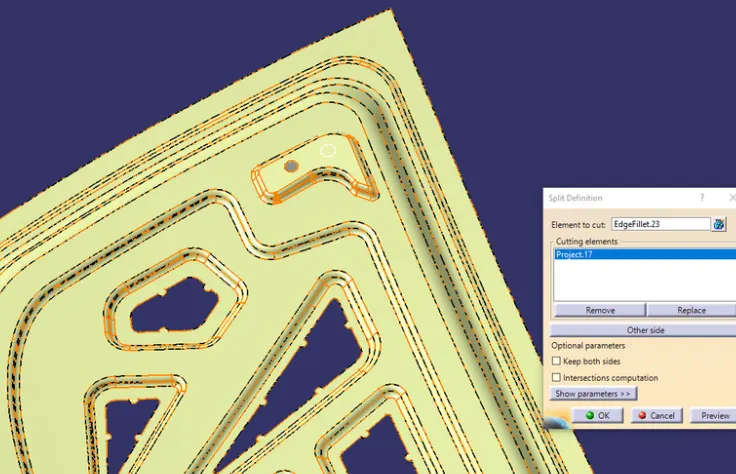
taking reference of latch and create holes
project and trim saperately
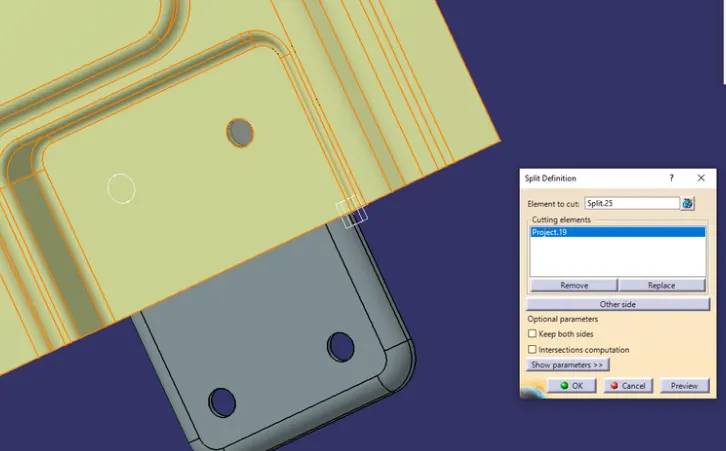
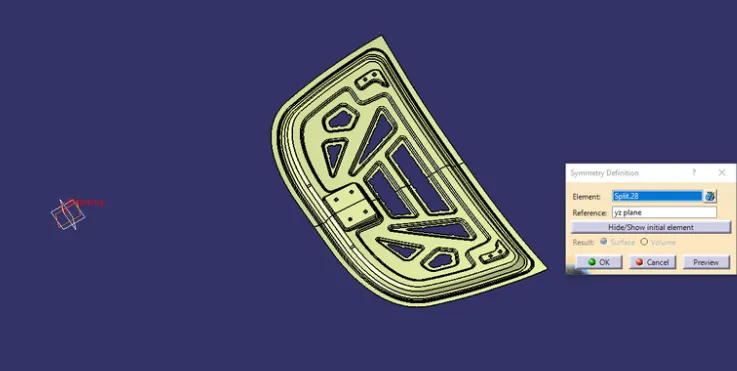
symmetry to the other side and join
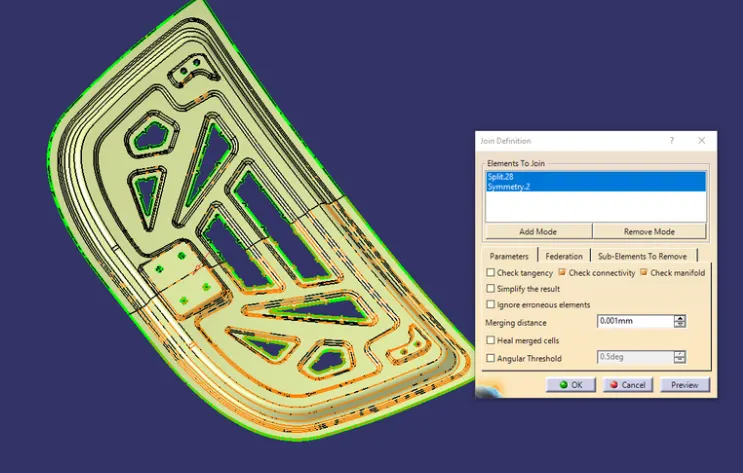
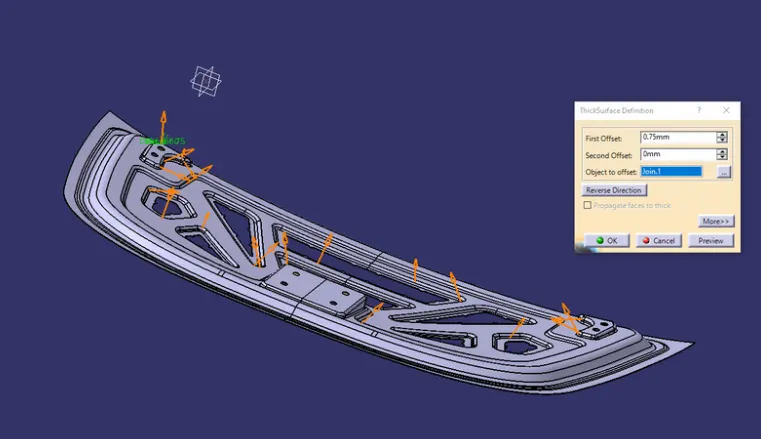
make thick surface
now work on styling surface
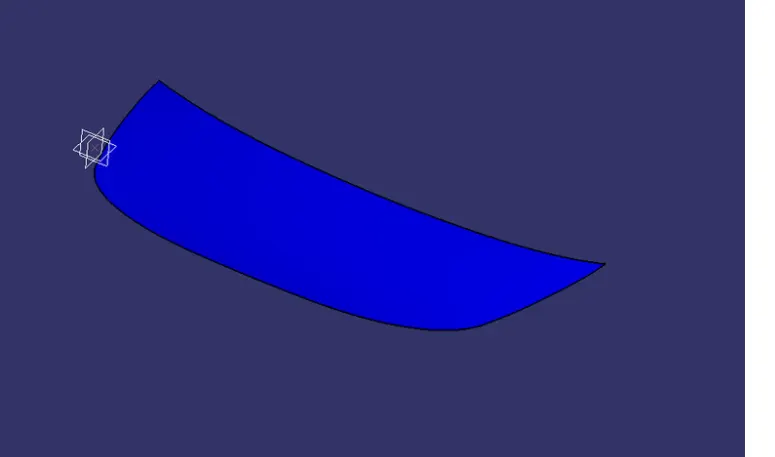
offset
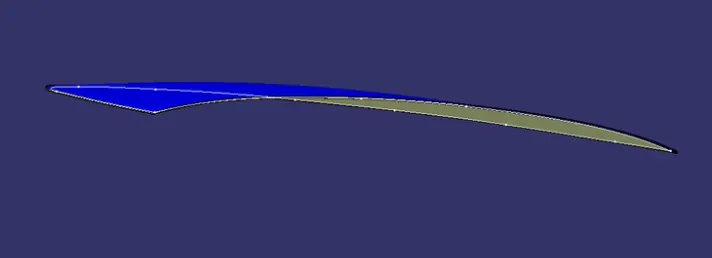
create boundry and parallel curve
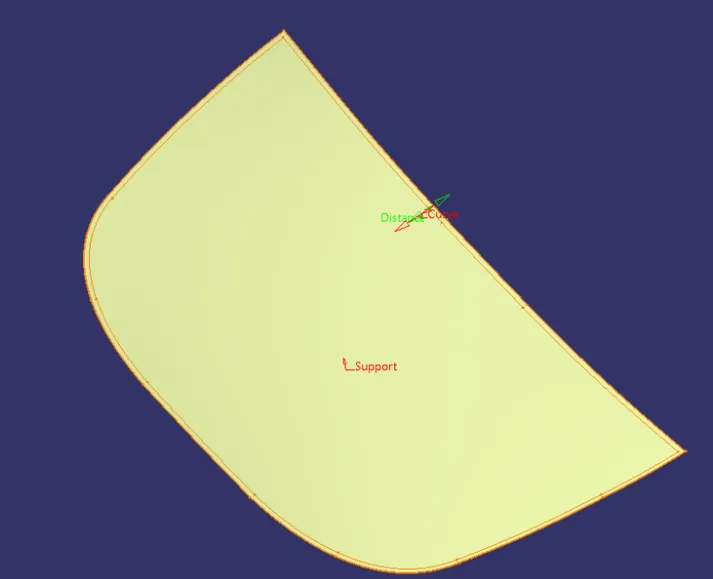
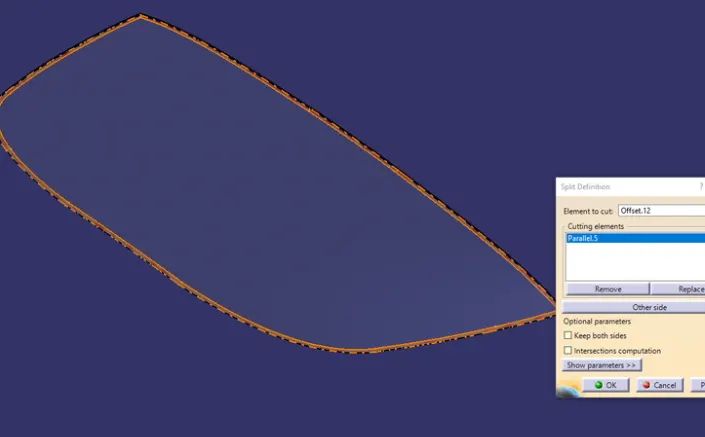
split the part
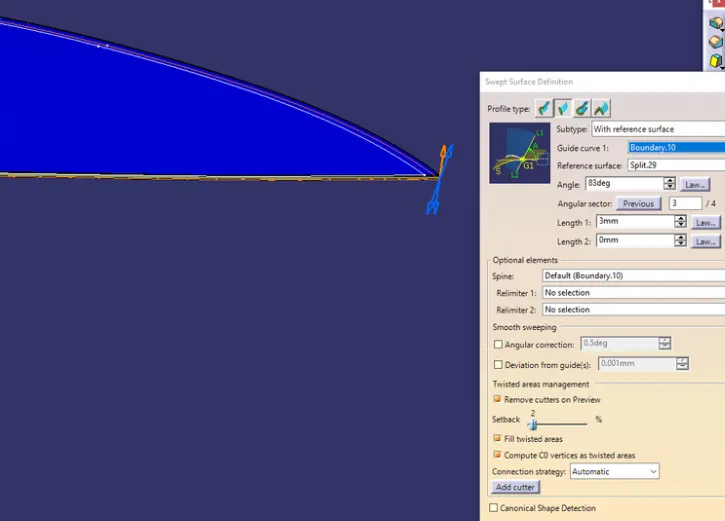
sweep the edge
trim extra part and give wdge fillet
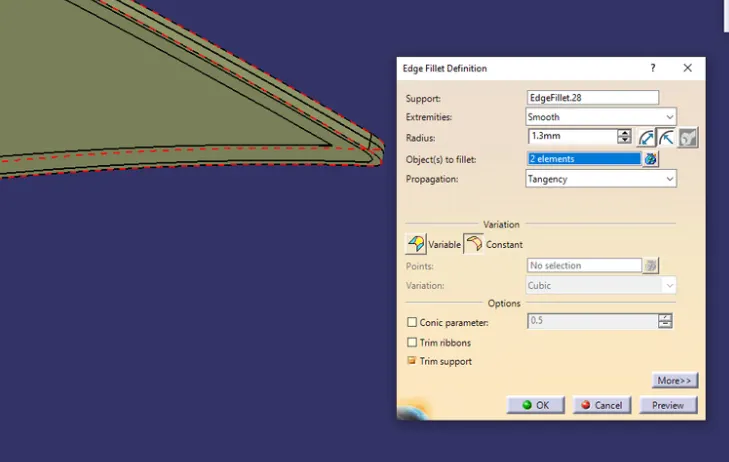
creating relief rear section
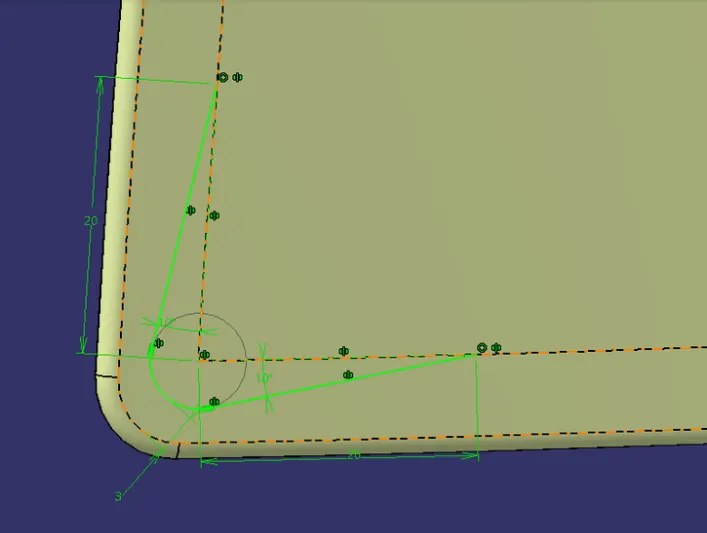
after projecting both sides split the part
creating thickness
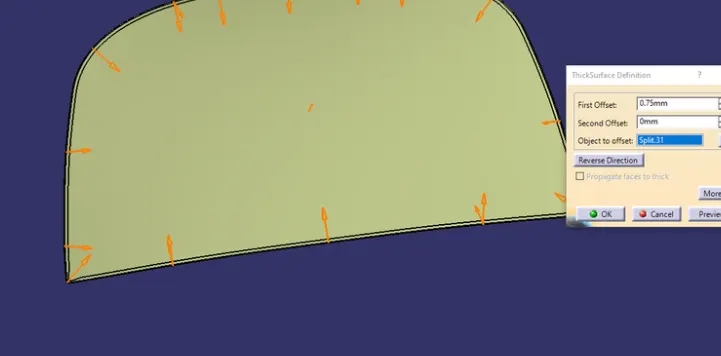
relief rear section
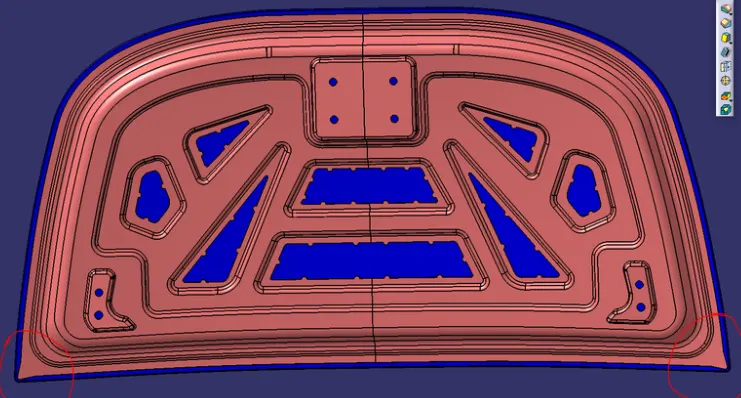
assembling hood, hinge, striker
fixing the main part
striker
fix all the degrees of freedom
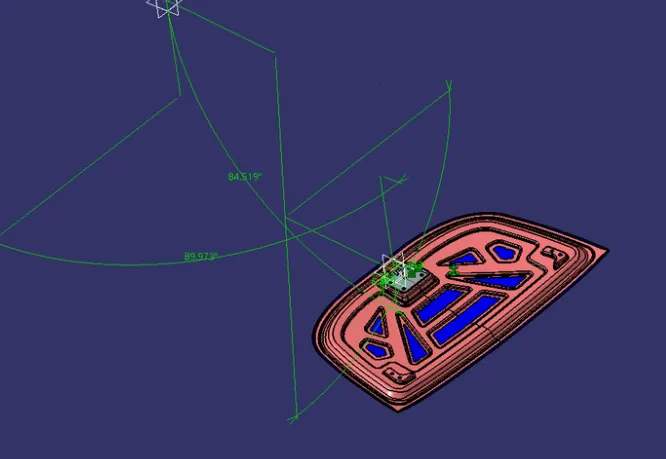
hinge
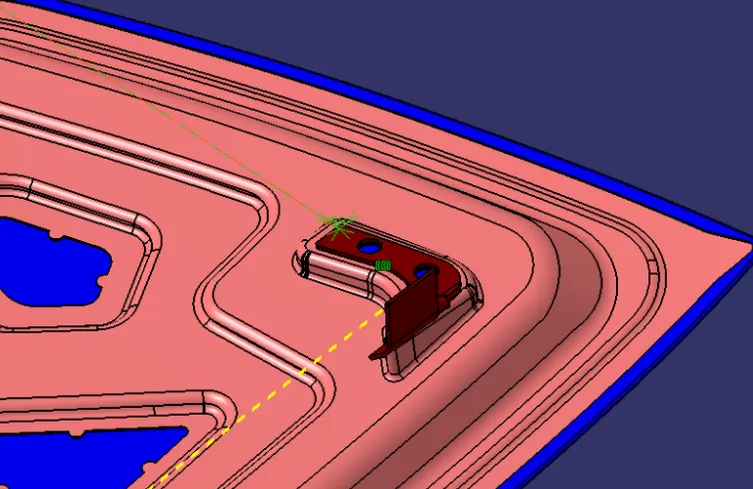
fix all degrees of freedom
mirror to other side
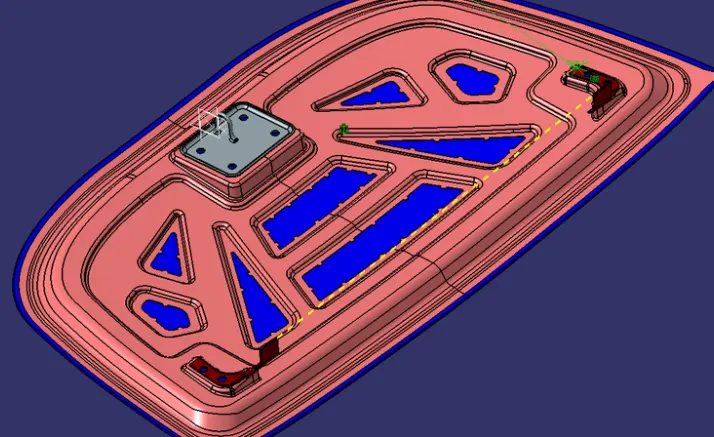
final froduct