Hood design-Week 2
hood design
Hood:- Hood or bonnet is a hinged cover situated over the engine compartment and provides access to the engine compartment for repairing work when needed.
functions of a hood in a vehicle are:-
- provides ease for air to flow through the vehicle
- gives safety measures to pedestrians and passengers
- gives aesthetic to the vehicle
- gives direct access to the engine
- it also provides the passage for air that is sent to the engine
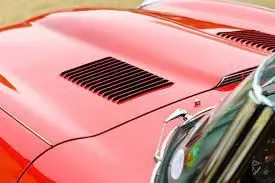
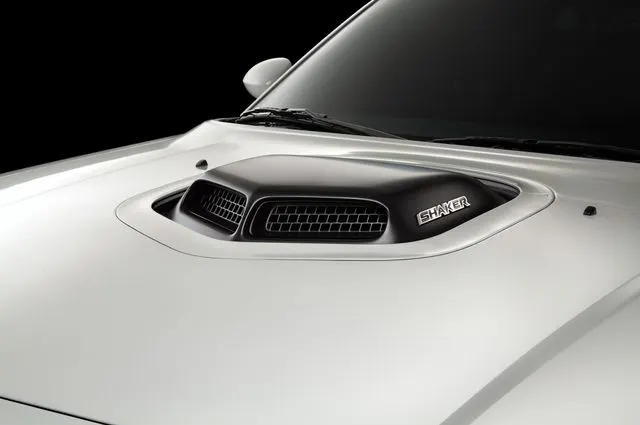
Master section of a hood:-
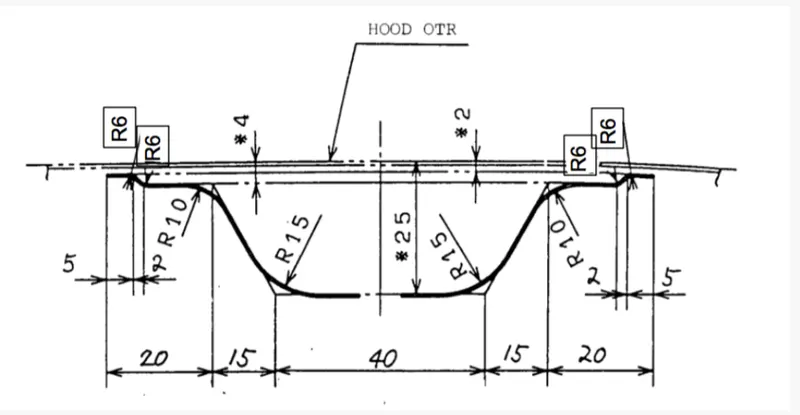
Thickness:-
- outer panel: 0.75
- inner panel: 0.75
Design outer panel of the hood:-
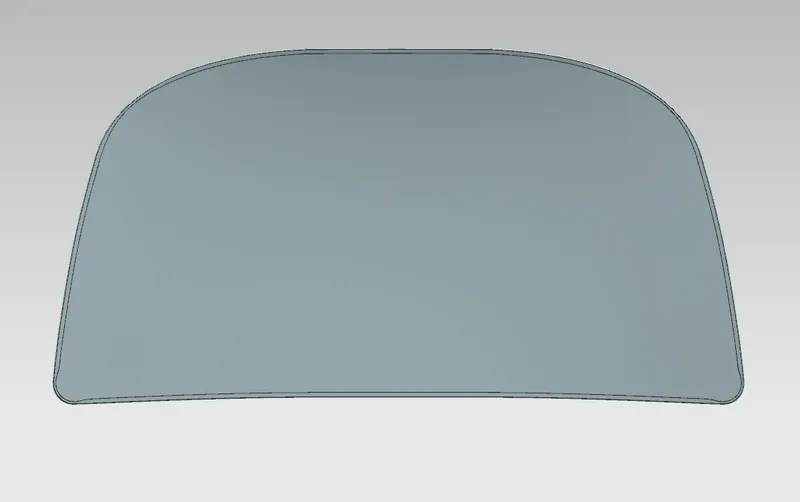
after finalizing the styling surface the hood design team then proceed to the next design processes:-
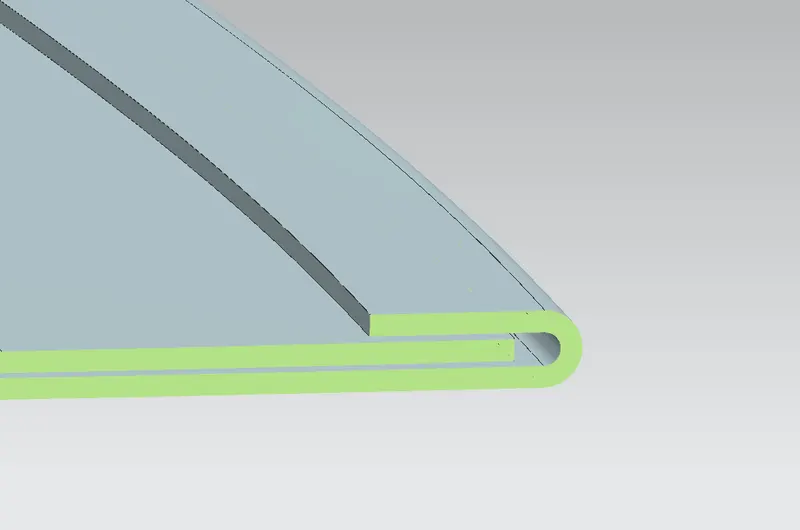
- Hemming: It is a modern sheet metal forming process for joining two metal sheets. in this process, a sheet is bent over another sheet of metal by 180 degree

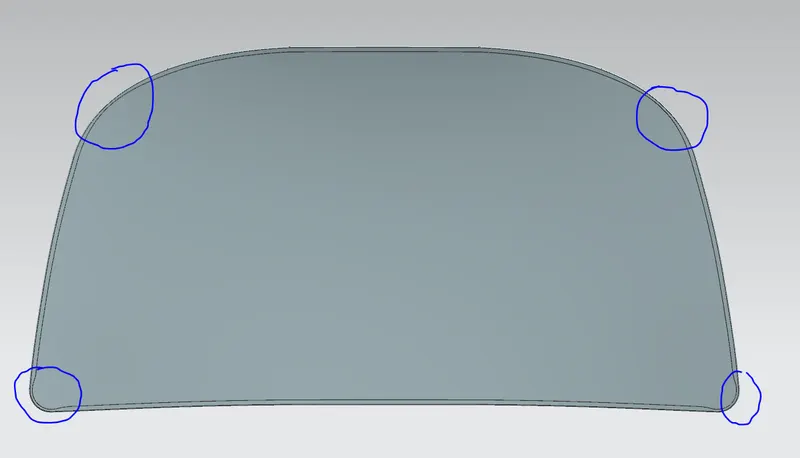
- Corner relief:-corner relief in the sheet metal design process depicts a remarkable factor to control stresses around the corners and also prevent deformation while unending operation.
Design of inner panel of the hood:-Inner panel sheet metal structure situated beneath the outer panel and provides structural strength to the hood.
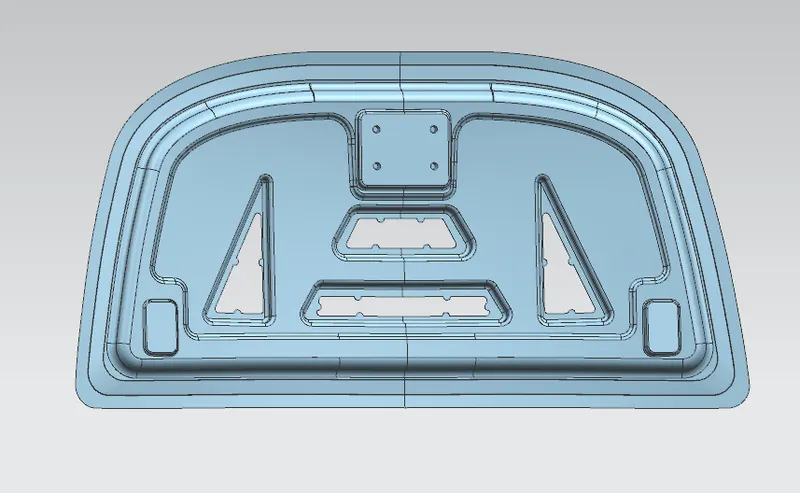
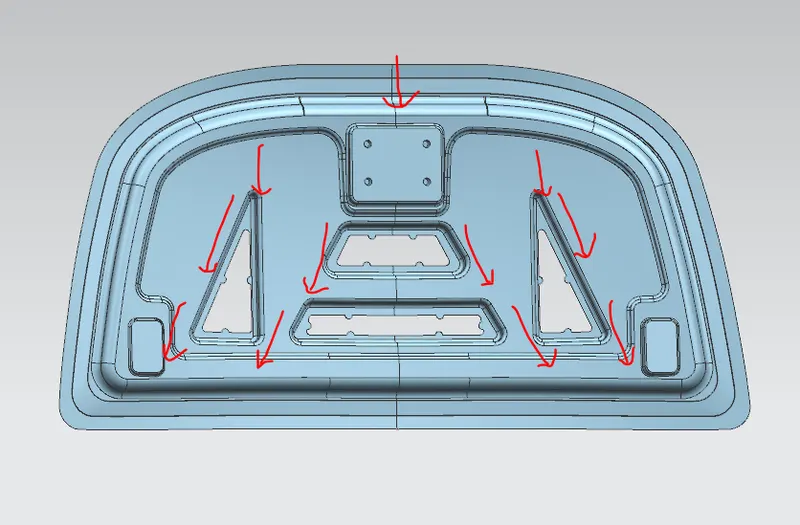
The inner panel has a distinctive cross-section with embossing on it. embosses are stamped on the inner panel in such a manner that if a vehicle collides with a rigid body the energy should dissipate sideways so that there are no fatalities.
The gap between the outer panel and inner panel generally fills with Mastic sealants that absorb vibrations and give a good NVH score to the vehicle during the motion of a vehicle.
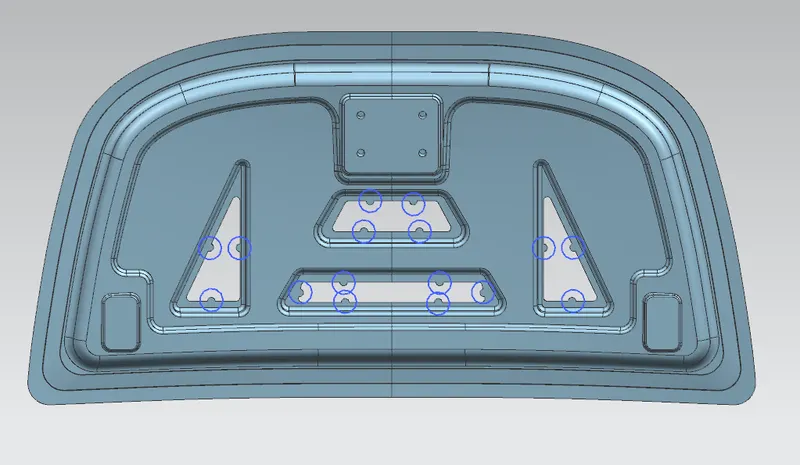
Positioning of striker and hinge assembly:-Striker is the part of a hood that is attached to the engine compartment when there is no need for it to be open so the correct position of the striker is always necessary so it can be attached to the body. Determining the correct position of a striker depends on an imaginary axis that passes through the hinges. after determining the hinge axis a circle is drawn on the midpoint of that axis on that circle a tangent line is also drawn so that the striker's axis should follow collinear relation with the tangential line so that the striker's axis always be perpendicular to the engine compartment. 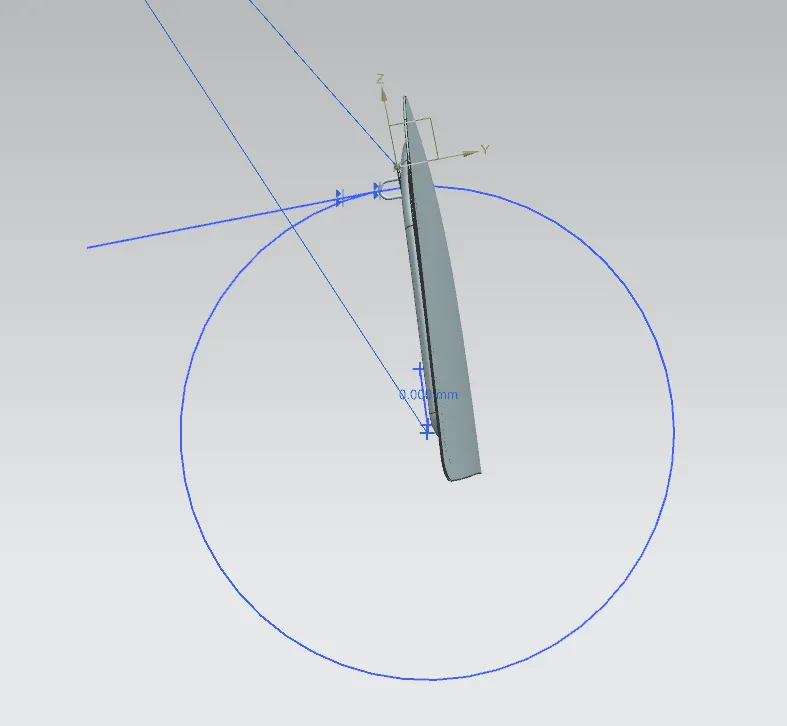
Safety consideration:- EURO- NCAP established safety standards for the hood.
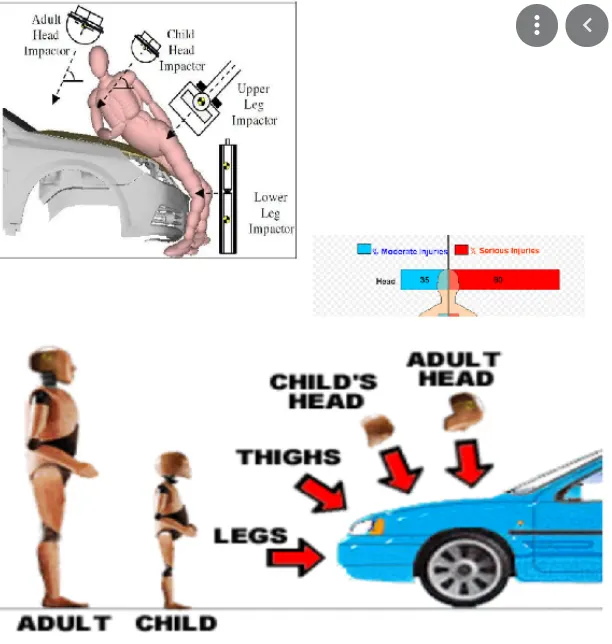
while designing hood, design engineers must consider pedestrian safety measures it can be achieved by inspecting head impact zones on the hood and according to that design, engineers put deformable brackets on impact zones so that injuries must be brought to the minimum.
before finalizing the hood design engineer simulate the design by putting mannequins and observe small details to overcome dangerous injuries.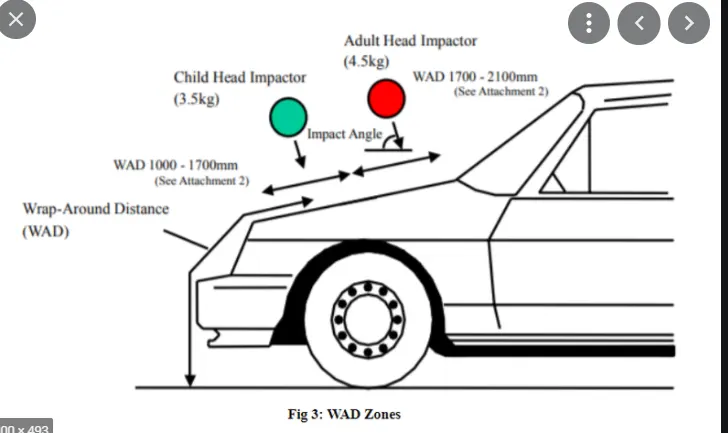
Conclusion:-
In this way, a hood is designed modeled, and simulated. there is always room for changing before finalizing the hood design by the OEM team.