Hood design-Week 2
Design of Front Hood using NX CAD.
Introduction
Designing of BIW of bonnet that satisfies the manufacturing requirements, functional requirements, and NCAP standards.
What is Bonnet/Front Hood
The hood or bonnet is the hinged cover over the engine of motor vehicles. Hoods can open to allow access to the engine compartment or trunk on rear-engine and some mid-engine vehicles) for maintenance and repair. The car’s hood consists of an inner and an outer panel. The inner panel provides strength, while the outer panel is just a metal cover. The underside of the hood is often covered with a sound-absorbing material. Some high-performance cars have ‘hood scoops’ which channel outside air directly to the air filter, which gives improved performance and efficiency.
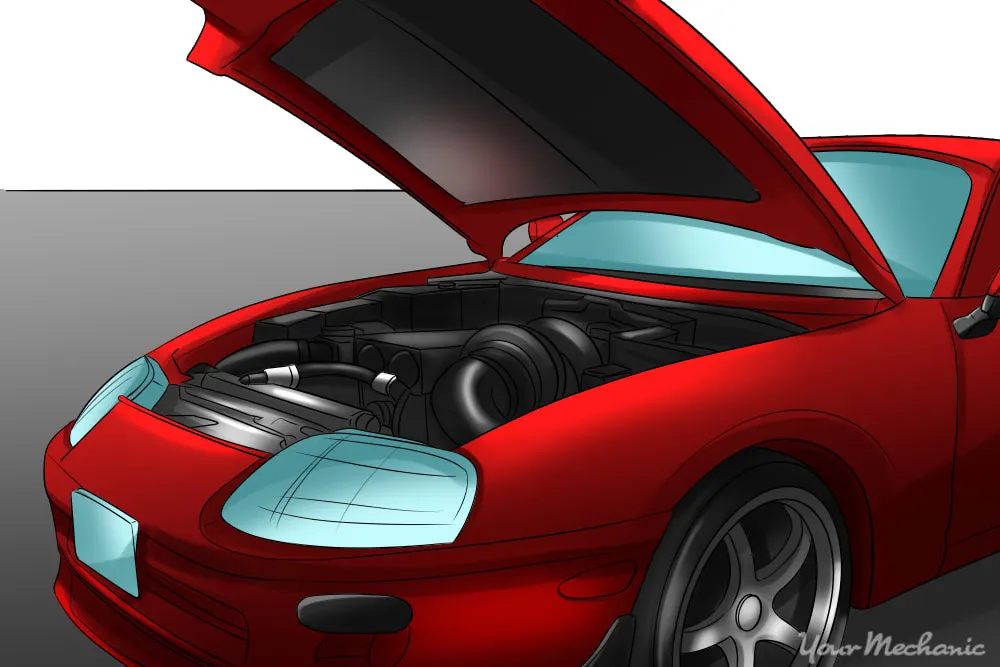
Components Of Hood
- Outer panel
- Inner panel
- Hinge assembly
- Striker Assembly
- Reinforcement
How Car Hood Manufactured?
The complete bonnet consists of an inner and an outer bonnet joined together by hemming and adhesives. Rubber-based glue is used in the flange joint as anti-flutter glue between the outer and inner bonnet and on points of the inner bonnet.
The manufacturing process comprises the following steps:
- Blanking,
- Stretch forming
- Trimming and punching
- Deburring
- Welding
- Grinding
- Painting
- Baking
- Polishing and waxing
- Coating
Parts Of Hood
The different parts of the Hood are the Inner panel, Outer Panel, Stay Road(Gas Stay/Manual Stay), Reinforcement, Latch, Hinge Assembly.
Inner Panel
The inner panel is used to support the outer panel. It has different reinforcement to strengthen the inner panel.
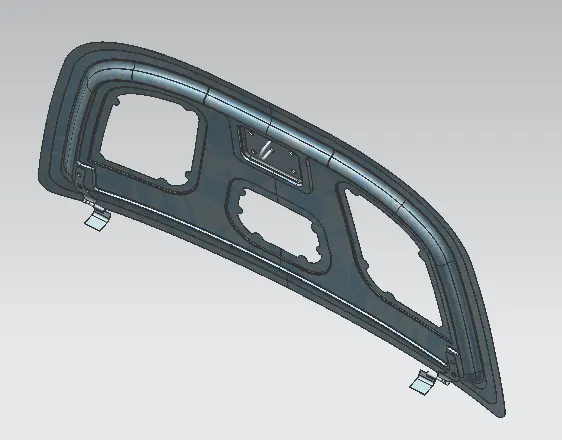
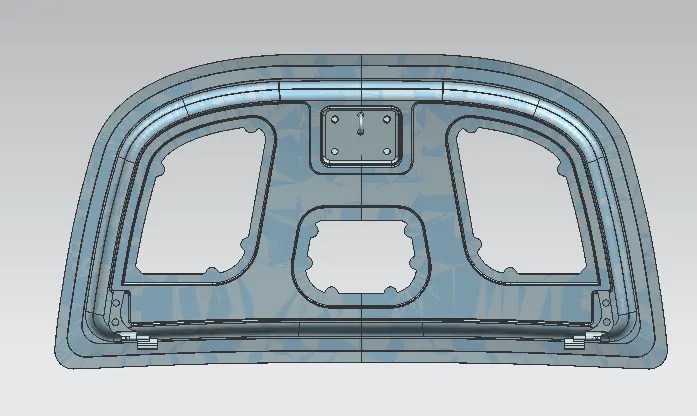
Outer Panel
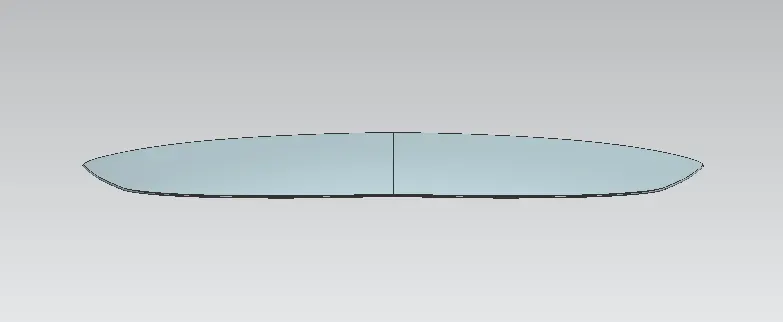
The outer panel is an outer cover of the hood which is used to cover the engine completely and stops entering the rainwater and other outside material entering into the engine chamber.
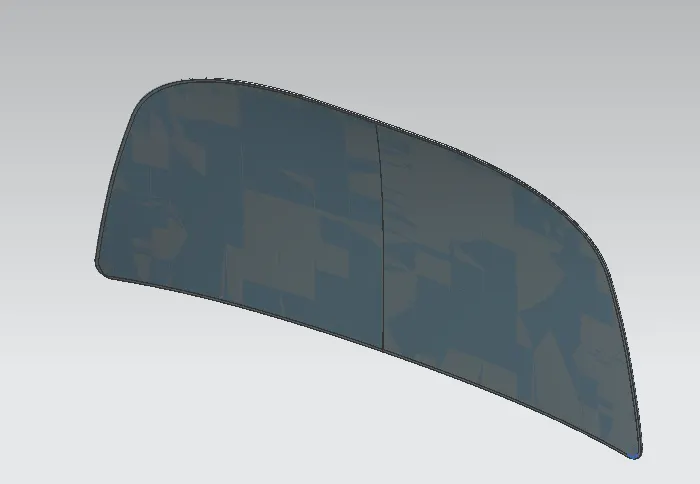
Stay Road
Stay road is used to hold the complete hood when the hood is in open condition. It is of two types.
1. Gas stay
2. Manual Stay
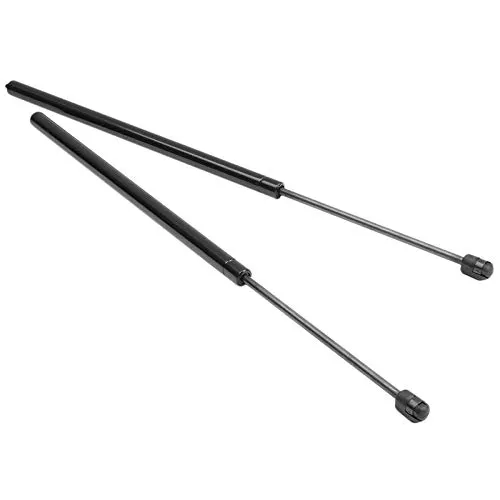
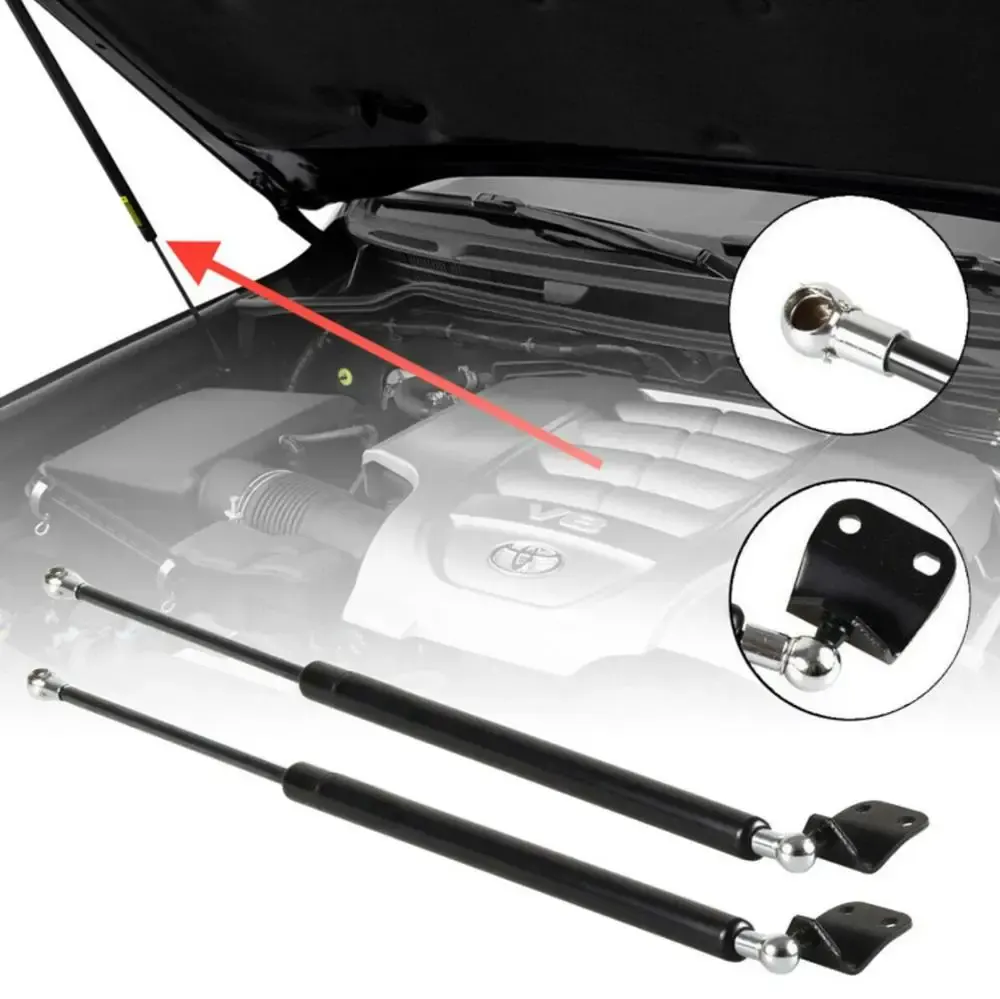
Gas Stay
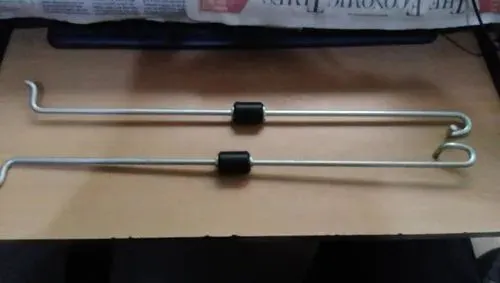
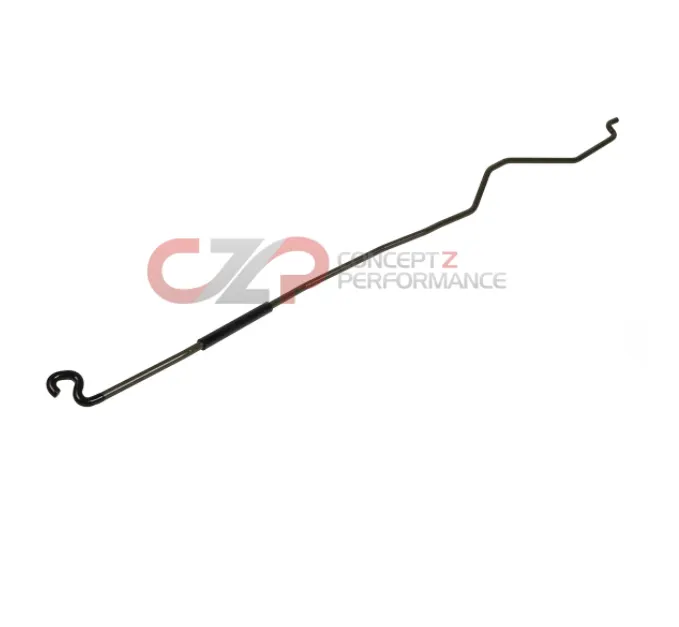
Gas stay is a part also known as hydraulic strut. It opens the hood automatically after unlocking and used less manpower. But in the case of manual stay, we have to put the rod in a position to hold the hood after lifting.
Manual stay
Striker
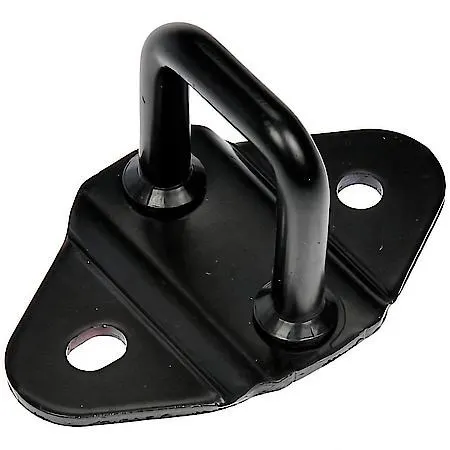
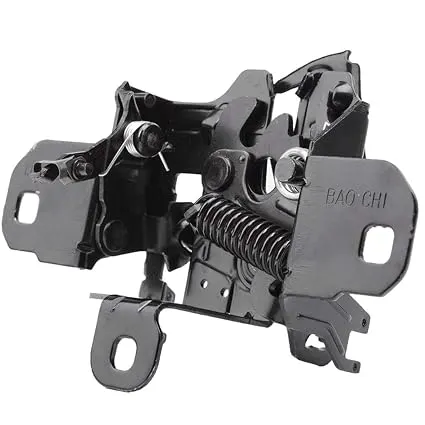
The hood striker is used to lock the bonnet/hood. The lock is present in the upper cross member of the car, which also called a hood lock.
Image of lock and striker
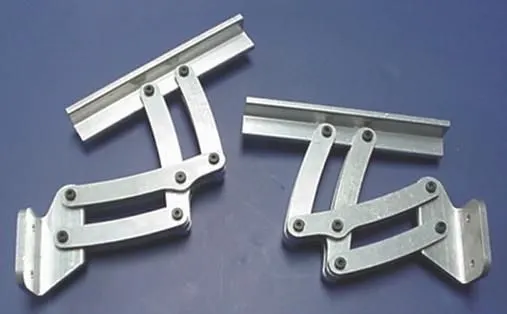
Hinge
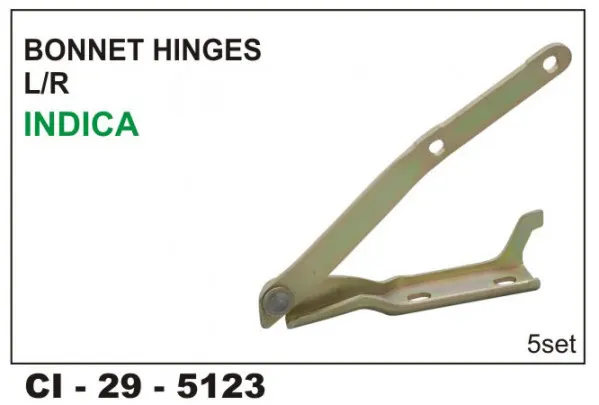
The hinge is used to hold the complete bonnet and helps in giving angular motion to the hood.
Design Methodology
For this model, we got the class A surface of the outer panel. We have developed the class A surface into a complete model with the help of the master section and basic engineering design principles.
Required Data.
Master Section
Relief rear section
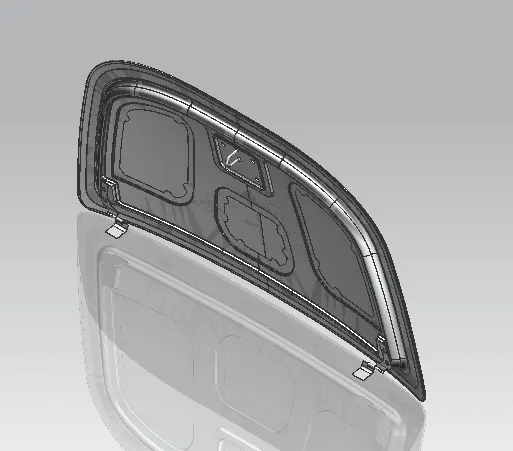
First of all, we will create the inner panel for the hood, which will consist of flange and emboss.
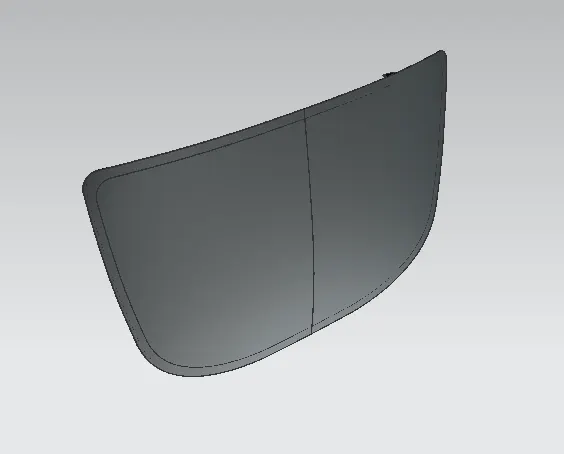
Next, we will prepare the outer panel of the model.
Then we will assemble the striker and the hinge assembly into it.
Manufacturing Process
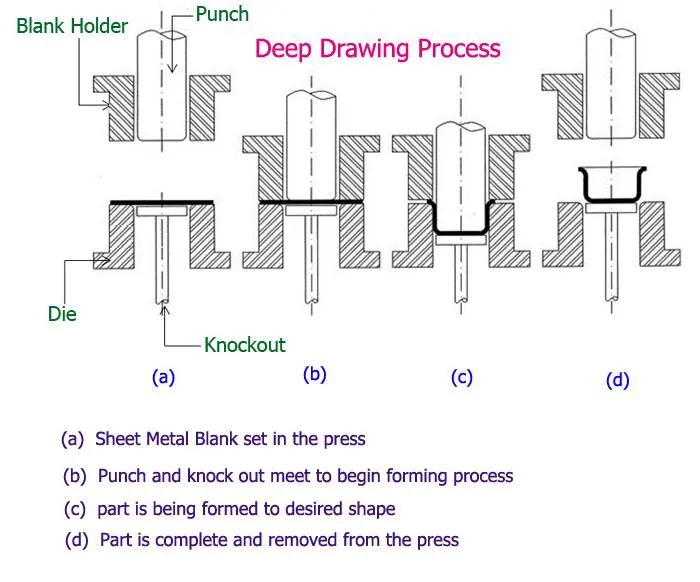
Deep drawing
This deep-drawn process is extremely popular amongst manufacturing companies for its high precision capabilities at large volumes. It involves the use of blanks that are manufactured into your specific toolset whilst offering maximum efficiency and cost-effectiveness as a result of the innovative process. Deep drawing is especially beneficial when producing high volumes, since unit cost decreases considerably as unit count increases. When considering the functionality of the end product, deep drawing poses still more advantages. Specifically, the technique is ideal for products that require significant strength and minimal weight.
Hemming
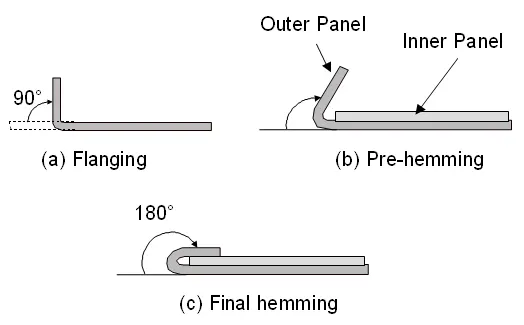
Hemming is a sheet metal forming process in which sheets are joined by bending it usually to 180°. Automotive body panels and automotive parts such as deck-lids, trunk-lids, doors, hoods and tailgates are formed by the hemming process.
Hems are commonly used to reinforce, hide imperfections and provide a generally safer edge to handle. When a design calls for a safe, even edge the added cost of material and processing of a hem is often preferable to other edge treating processes.
Result
Conclusion
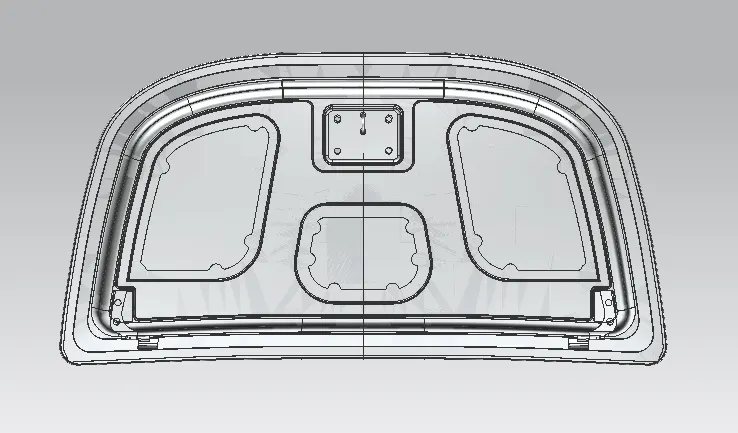
We have prepared the front hood of a car using the given data.
Here we have created the inner panel and the outer panel and also assembled the striker and the hinge into it.
I will thank Mr. Kashayp sir for assisting me to complete the project.