Hood design-Week 2
Hood Design- Challenge 1
1.0 Introduction to Hood and it's component:
- Hood: In automobiles, "hood" refers to the hinged cover at the front of a vehicle that covers the engine compartment. It's also commonly referred to as the "bonnet" in some regions, particularly in British English. The hood serves several purposes, including protecting the engine from dirt, debris, and weather elements, additionally providing access to the engine for maintenance and repairs. Additionally, the design of the hood can have an impact on the aerodynamics and aesthetics of the vehicle.
- Different Components of hood:
- Outer Panel: This is the visible exterior surface of the hood, which is often made of metal, such as steel or aluminum. It's designed to protect the engine compartment and contributing to the overall aesthetics of the vehicle.
- Inner Panel: The inner panel is located beneath the outer panel and provides structural support for the hood. It's usually made of a lighter material than the outer panel, such as aluminum or composite materials, to reduce weight.
- Hinges: Hinges are the mechanisms that allow the hood to pivot upward, providing access to the engine compartment. They are typically located near the front corners of the hood and are attached to the vehicle's body.
- Latches: Latches secure the hood in the closed position, preventing it from opening unexpectedly while the vehicle is in motion. They are usually located near the front of the hood and can be operated manually or electronically.
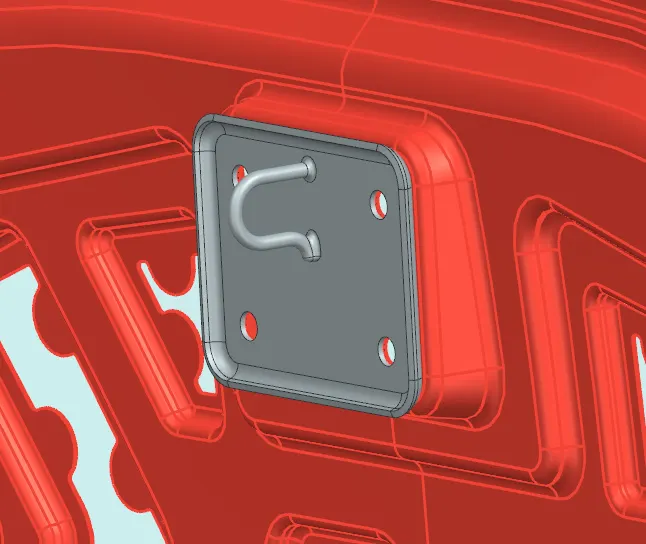
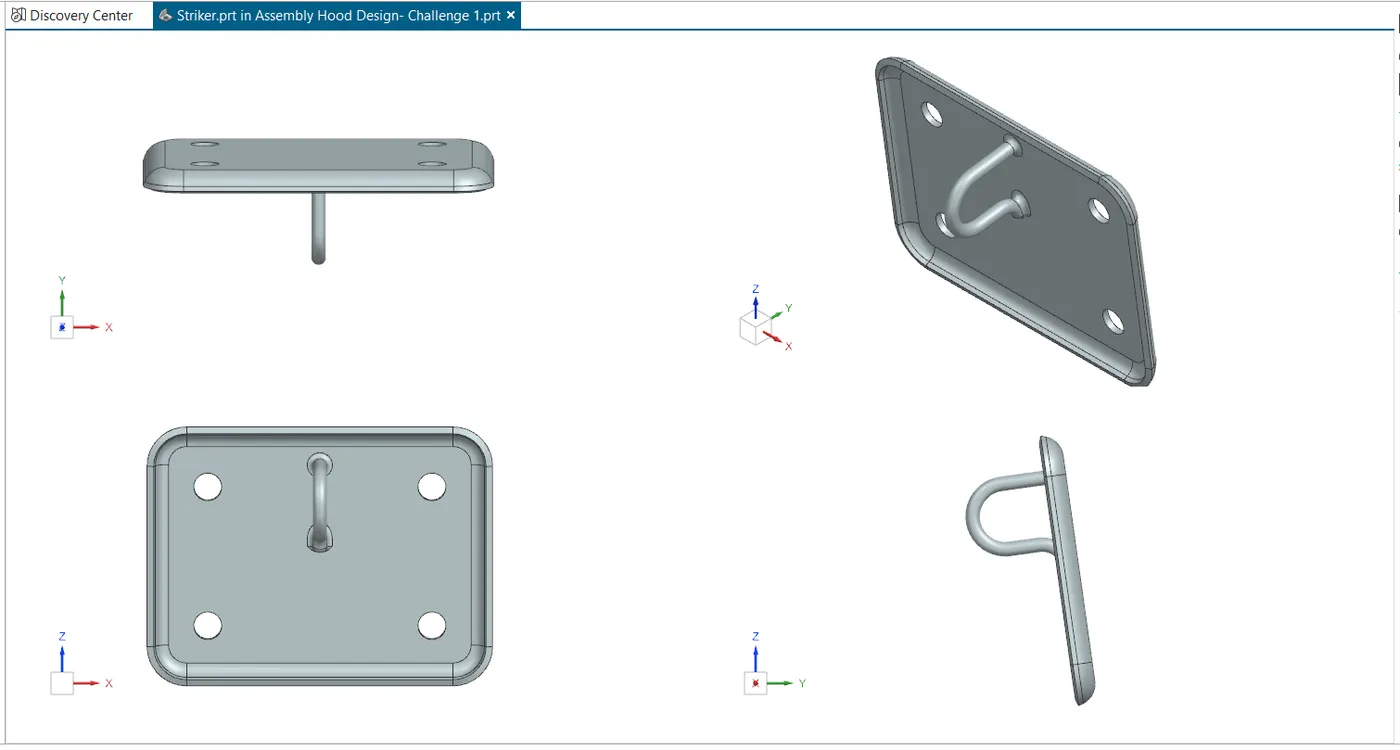
- Striker: The striker in an automobile hood refers to the component that latches onto the hood latch to secure the hood in the closed position. It is typically a metal hook or latch mechanism located on the underside of the hood. When the hood is closed, the striker engages with the hood latch mechanism, ensuring that the hood remains securely closed while the vehicle is in motion.
- Reinforcement: The reinforcements refer to structural enhancements designed to improve the hood's strength, rigidity, and safety in the event of a collision.
- Mastic: Mastic refers to a type of adhesive or sealant used in the manufacturing process.
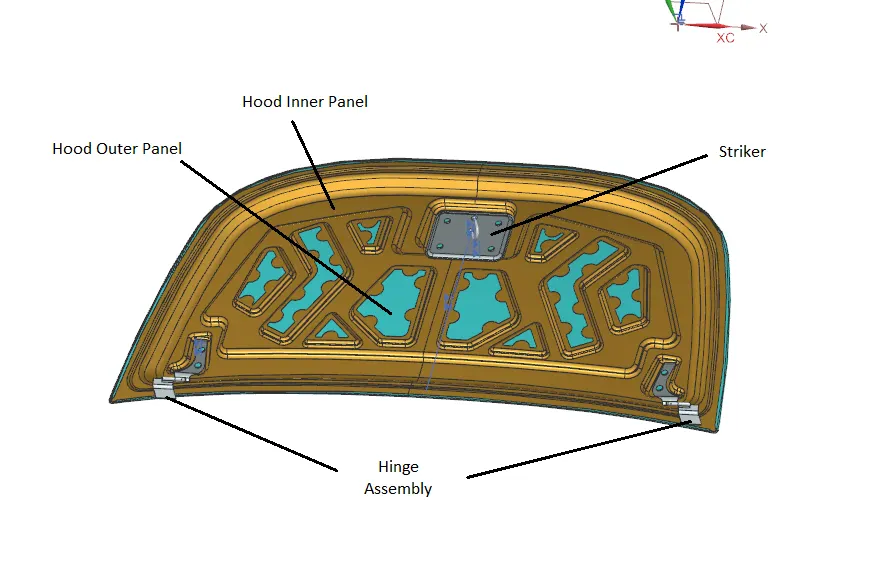
III. Explanation of Hood Components:
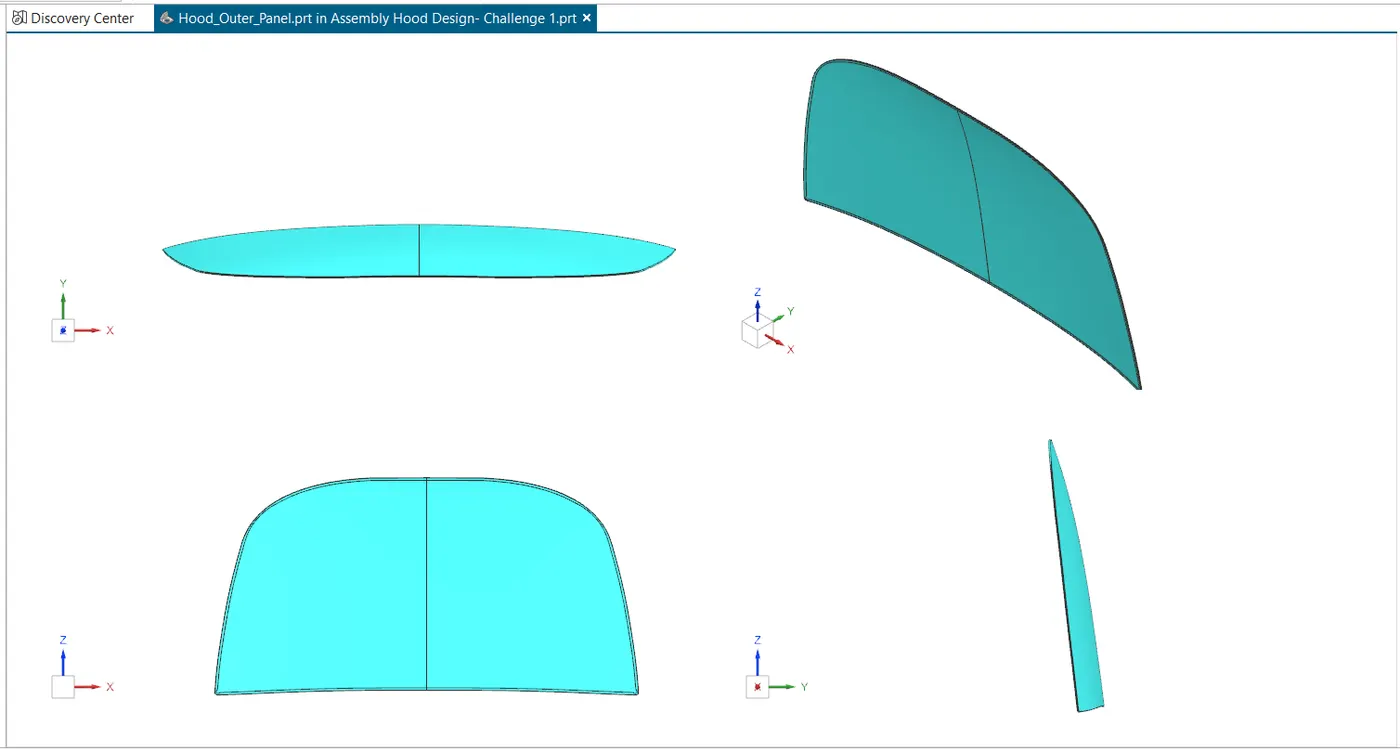
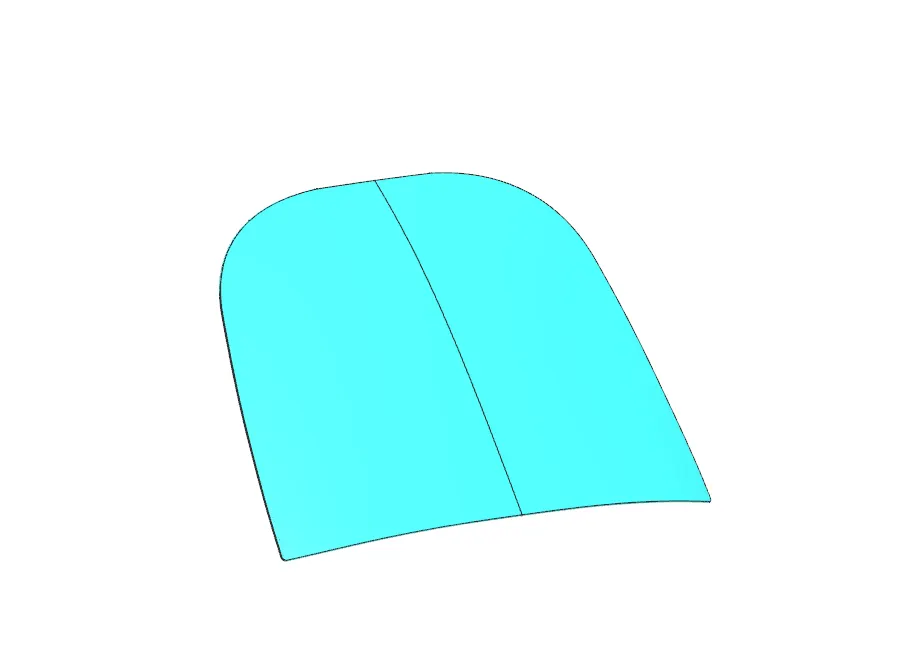
1. Outer Panel: The outer panel of the hood, also known as the bonnet skin, is the visible top part of the automobile's hood. It plays several important roles in the overall function and aesthetics of the vehicle:
- Aesthetics: The outer panel of the hood contributes to the overall appearance and design of the car. Its shape and finish can impact the visual appeal of the vehicle.
- Protection: The outer panel shields the engine compartment from environmental factors such as rain, dust, dirt, and debris. This helps protect the engine and other components from damage and wear.
- Aerodynamics: The design of the outer panel can affect the aerodynamics of the vehicle. A well-designed hood can help reduce drag and improve fuel efficiency and stability at higher speeds.
- Safety: In the event of a collision, the outer panel can help absorb and dissipate impact energy. Additionally, hoods are often designed with pedestrian safety in mind, incorporating features that reduce the risk of injury in a collision.
- Weight: The material and design of the outer panel can influence the overall weight of the hood. Manufacturers aim to balance weight reduction with strength and durability for better performance and fuel efficiency.
- Noise and Vibration Control: The outer panel can work in conjunction with other hood components, such as insulation or mastic, to reduce engine noise and vibrations for a quieter cabin experience.
By considering the given thickness of 0.75mm, the outer panel has been designed.
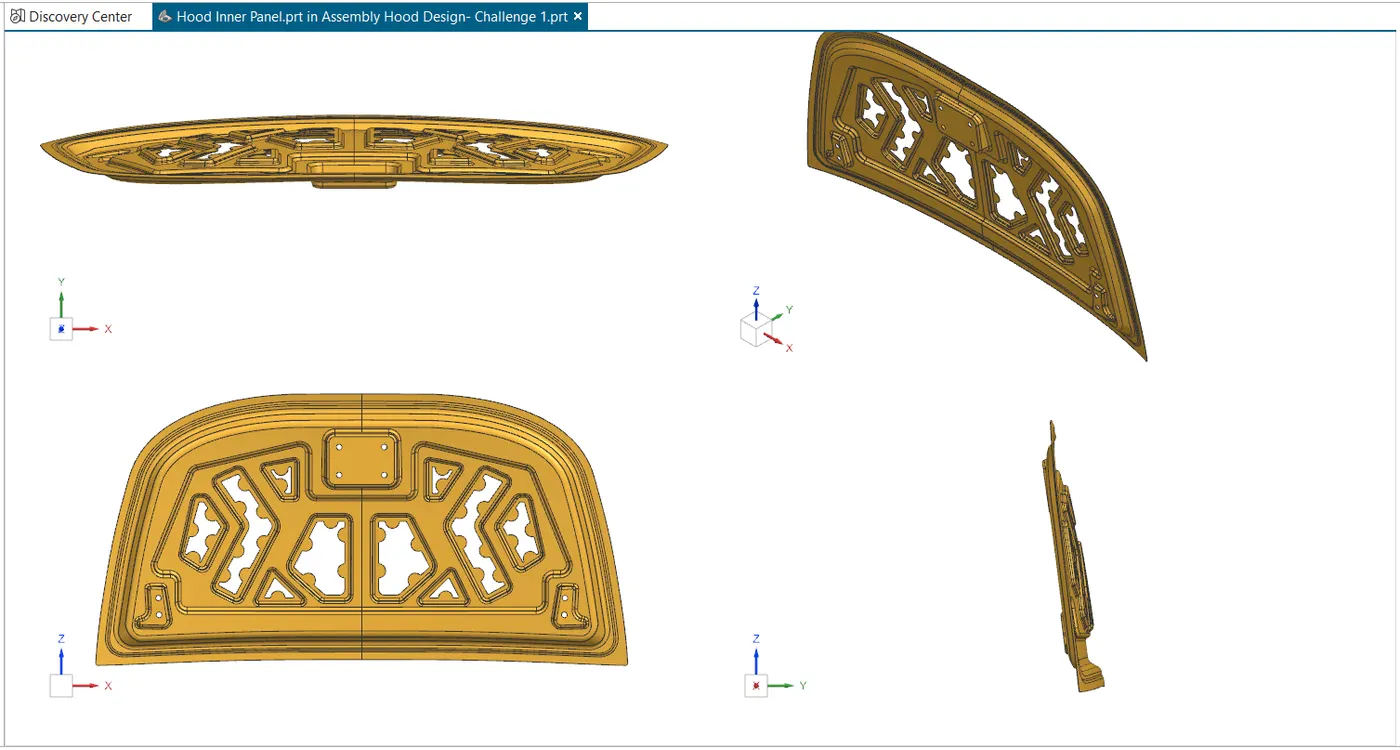
2. Inner Panel: The inner panel of the hood, also known as the hood frame or reinforcement, is the structural part located on the underside of the automobile's hood. It is typically not visible from the outside and is an essential component of the hood for several reasons:
- Structural Support: The inner panel provides structural integrity and support to the outer panel, helping to maintain its shape and prevent warping or bending over time.
- Safety: The inner panel plays a crucial role in enhancing the safety of the vehicle. It can be designed with features that help absorb and distribute impact energy in the event of a collision, protecting both the passengers and pedestrians.
- Vibration Dampening: By adding stiffness to the hood, the inner panel helps dampen vibrations from the engine and other sources, contributing to a quieter and more comfortable cabin experience.
- Weight Management: The inner panel can be designed to optimize weight without compromising strength, which helps improve overall vehicle performance and fuel efficiency.
- Attachment Points: The inner panel often serves as a location for attaching various components, such as insulation, braces, and other reinforcements, as well as the hood's hinges and latch mechanisms.
- Crash Safety: The inner panel can incorporate crumple zones or other crash safety features that deform in a controlled manner upon impact, helping to manage collision forces and protect vehicle occupants.By considering the given thickness of 0.75mm, the inner panel has been designed.
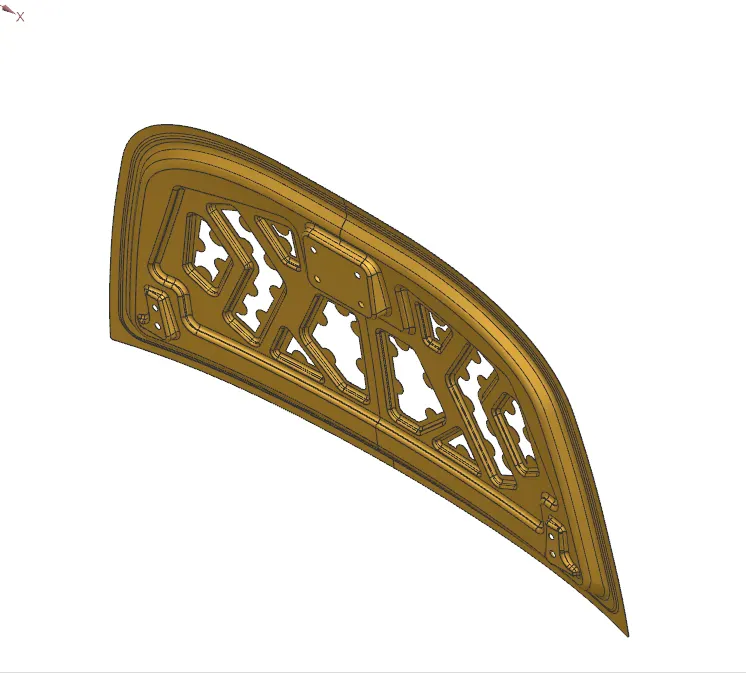
2.1 Draft Analysis of Hood Inner Panel: Draft analysis is a technique used in the design and manufacturing of molded or formed parts, like automotive hood inner panels, to assess the ease of removal from a mold or die. The draft analysis helps identify potential issues during the manufacturing process, ensuring smooth production and high-quality parts.
What is Draft?
The draft is a slight angle added to the vertical walls of a part to facilitate its easy removal from a mold or die. In sheet metal forming processes such as deep drawing, the draft is incorporated to allow the part to be released cleanly from the die without sticking or getting damaged.
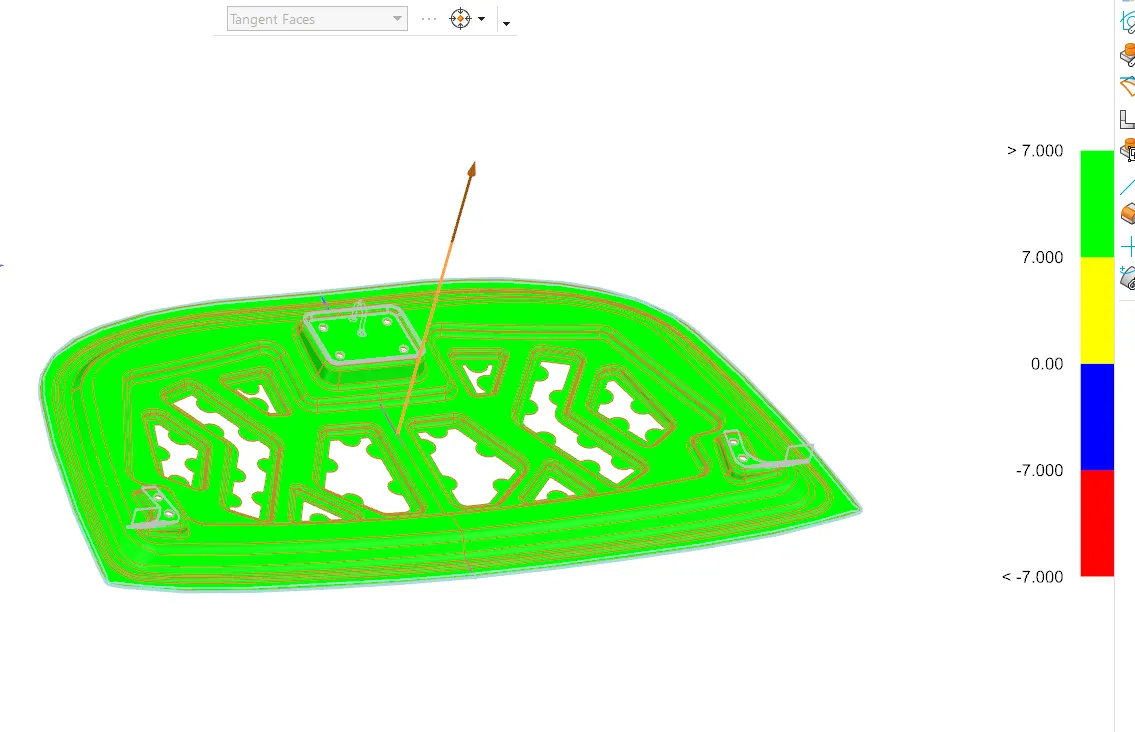
In the above figure of Draft Analysis of hood inner panel, Orange highlighted line is the Tooling axis. moinimum draft angle considered as 7 degrees. Green colour shows the draft value is more or equal to 7 degree.
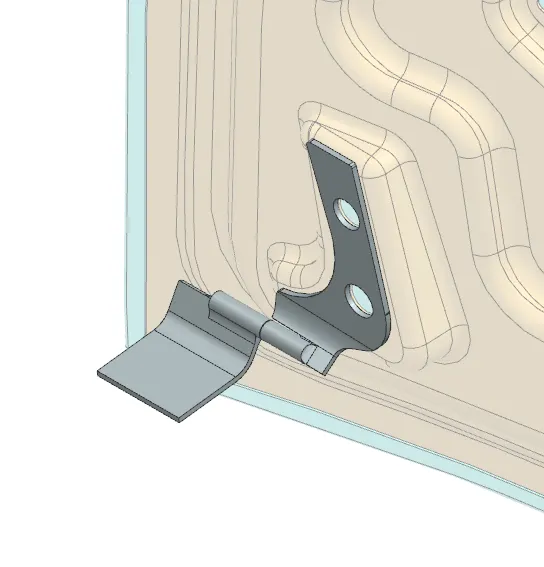
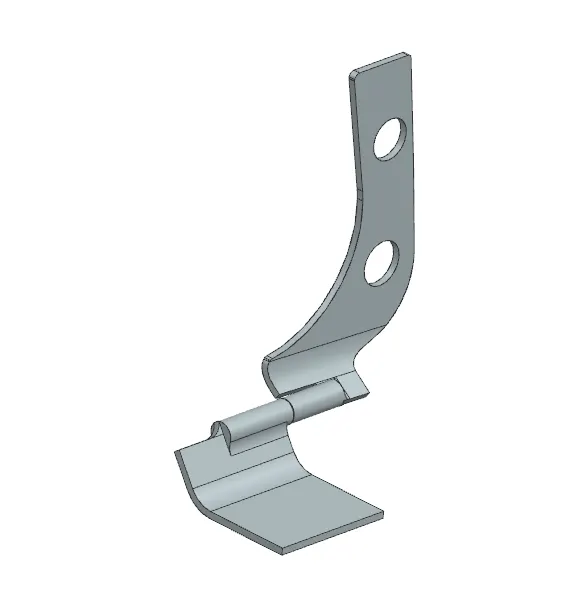
3. Hinge Assembly: The hinge assembly of the hood is a crucial component of the automobile's design and function. It allows the hood to open and close smoothly and securely while ensuring proper alignment and safety. Here's why the hinge assembly is important:
- Ease of Access: The hinge assembly allows the hood to be easily opened and closed, providing access to the engine compartment for maintenance, repair, and inspection.
- Support and Stability: The hinge assembly supports the hood in its open position, preventing it from falling or moving unexpectedly. This stability is essential for the safety of anyone working under the hood.
- Alignment and Fit: The hinge assembly ensures that the hood remains properly aligned with the rest of the vehicle's body when closed. Proper alignment is important for maintaining the vehicle's aesthetics and aerodynamics, as well as preventing water and debris from entering the engine compartment.
- Safety Features: In the event of a collision, the hinge assembly can be designed to detach or break away in a controlled manner. This helps reduce the risk of injury to pedestrians and other road users by allowing the hood to deform or detach safely.
- Durability: The hinge assembly is designed to withstand repeated opening and closing of the hood over the life of the vehicle. It must be durable and resistant to wear and tear to maintain its functionality.
- Security: The hinge assembly works in conjunction with the hood latch to securely hold the hood in the closed position while the vehicle is in motion. This prevents the hood from accidentally opening, which could be dangerous while driving.
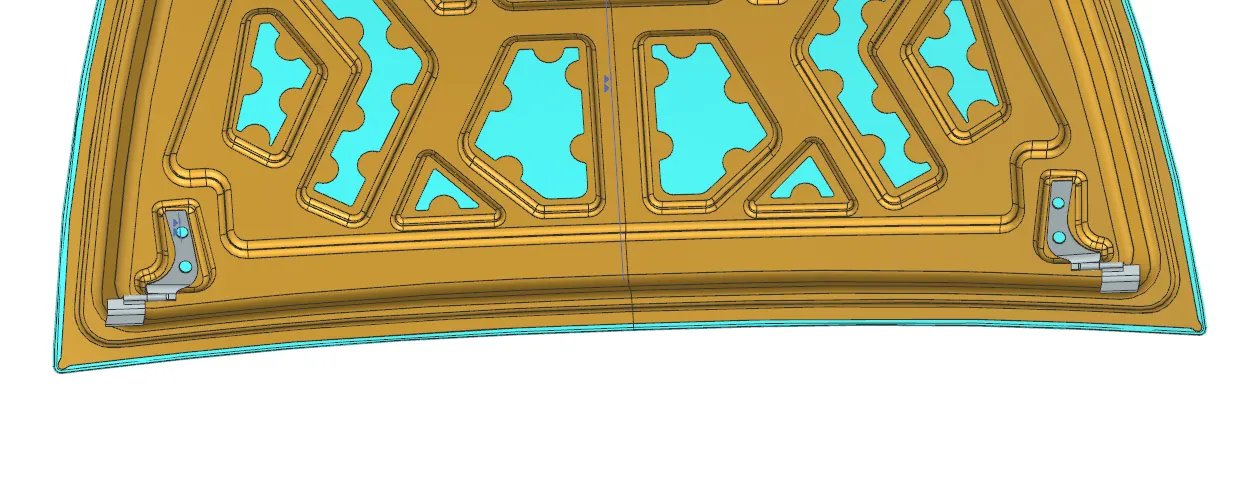
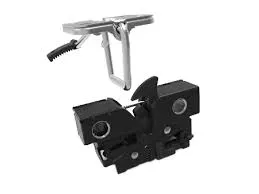
4. Striker and Latch Assembly: The striker and latch assembly in the hood (bonnet) of a vehicle is a critical mechanism that ensures the hood remains securely closed while providing easy access to the engine compartment when needed. Here's why the striker and latch are important:
- Secure Closure: The latch mechanism securely holds the hood closed while the vehicle is in motion, preventing it from accidentally opening. This is crucial for driver and passenger safety, as an open hood could obstruct the driver's view or detach and cause an accident.
- Safety: The striker and latch assembly must be designed to release the hood quickly and efficiently in the event of an accident to allow emergency responders access to the engine compartment if needed.
- Ease of Use: A well-designed latch mechanism provides a smooth and reliable way to open and close the hood. It should be easy to operate with one hand and provide clear feedback when the hood is fully closed.
- Alignment and Fit: The striker and latch help maintain proper alignment and fit of the hood with the rest of the vehicle's body. Proper alignment is important for maintaining the vehicle's aesthetics, aerodynamics, and protection against water and debris.
- Durability: The striker and latch assembly must be durable and resistant to wear and tear from repeated use. High-quality materials and construction help ensure long-term reliability.
- Anti-Theft Protection: Some latch mechanisms are designed with anti-theft features to prevent unauthorized access to the engine compartment, adding a layer of security to the vehicle.
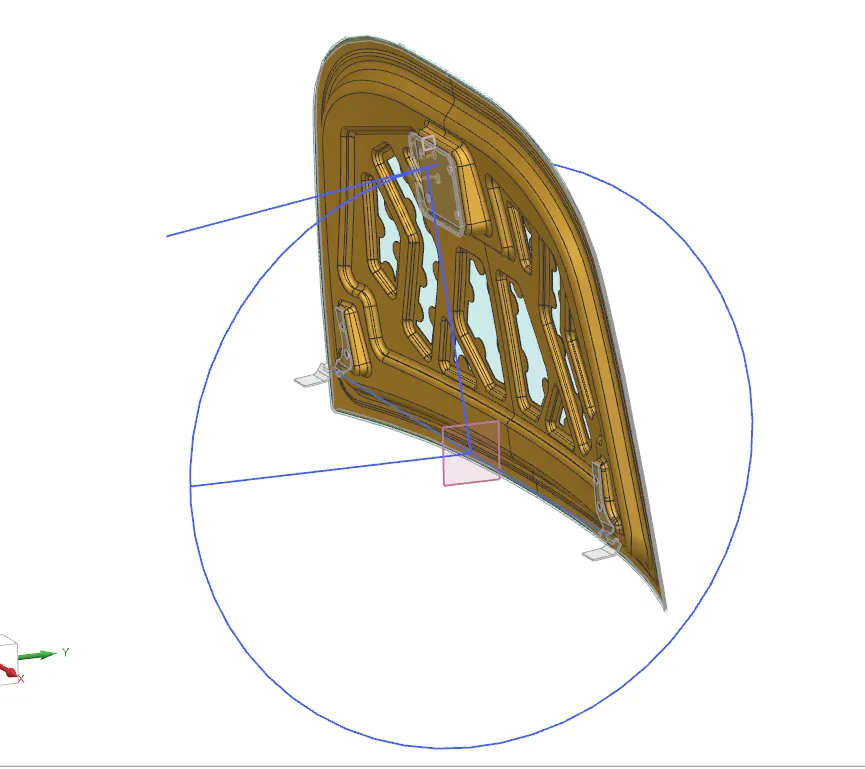
4.1 Striker Trajectory:
- For the placement of the striker, initially, the hinge is attached/assembled to the inner panel at the hinge mount.
- The center points are extracted on both the hinges and through those points, a line is created along the axis of the two hinges.
- A perpendicular datum plane is inserted at the midpoint of that line.
- A circle is created at the midpoint of that line and the reference line is created within the circle with a particular angle and another line is created tangent at the intersection point of the circle and reference line.
- After that based on the required striker position the circle diameter and the line angle have been changed. Also, another line has been created parallel to the striker hook from the striking point of the striker.
- Then apply constraint to both lines and striker to the inner panel through striker reinforcement using the assembly constraints.
5. Mastic: Mastic in the hood of a vehicle is a type of adhesive or sealant that plays a vital role in the overall function and performance of the hood. Its importance includes the following aspects:
- Noise and Vibration Dampening: Mastic can help absorb and dampen vibrations and noise from the engine. This can improve the overall driving experience by making the cabin quieter and more comfortable.
- Sealing and Insulation: Mastic acts as a sealant to fill gaps and seams in the hood, preventing water, dust, and debris from entering the engine compartment. This helps protect engine components and maintain engine performance.
- Bonding and Reinforcement: Mastic can be used to bond the hood's outer and inner panels together, providing additional structural strength and rigidity to the hood. This can improve safety by enhancing impact resistance and deformation behavior in the event of a collision.
- Corrosion Protection: Mastic can help protect metal surfaces from corrosion by sealing out moisture and contaminants. This can extend the life of the hood and the vehicle as a whole.
- Weight Management: By providing efficient sealing and bonding, mastic can help optimize the weight of the hood by allowing for the use of lighter materials without sacrificing strength or safety.
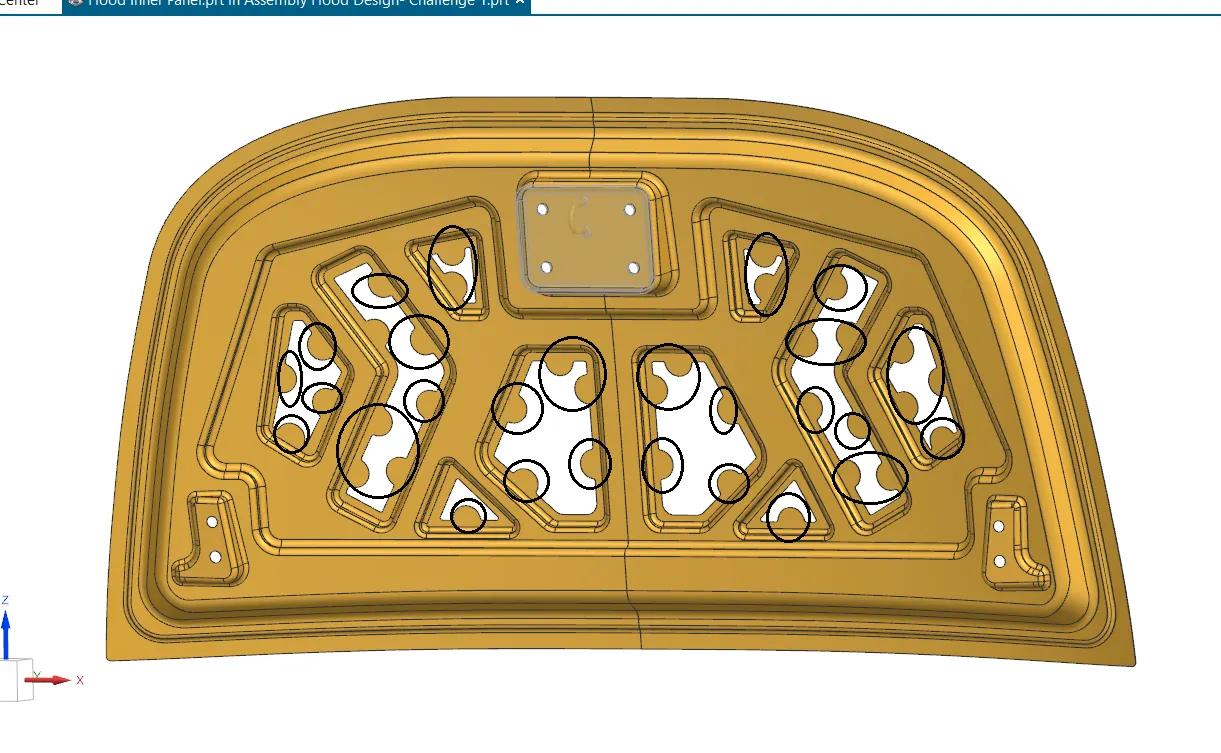
in the above figure, highlighted region are the position of mastics.
6. Emboss: Embossing is a process used in the manufacturing of automobile hoods to create raised or indented patterns on the metal surface. This process can serve multiple purposes, including improving structural strength, reducing weight, and adding aesthetic appeal. Here's an overview of the embossing process in the manufacturing of a hood:
- Design and Pattern Selection: The embossing process begins with the design of the hood, where engineers decide where and how to emboss the metal. The pattern is chosen based on the desired aesthetic look, as well as functional requirements such as stiffness and weight reduction.
- Sheet Metal Preparation: The hood is typically made from a sheet of metal, such as steel or aluminum. This sheet metal is cut to the desired size and shape for the hood.
- Pressing or Stamping: The sheet metal is placed in a stamping press with dies that have the desired embossing pattern. The press applies high pressure to the metal, forming the raised or indented patterns in the sheet.
- Quality Control and Inspection: Once the sheet metal has been embossed, it goes through a quality control process to ensure that the patterns are consistent and meet design specifications. Any defects or imperfections are addressed at this stage.
- Other Manufacturing Steps: After the embossing process, the hood may undergo additional manufacturing steps such as trimming, drilling, welding, or bonding with other components (e.g., inner panel) to complete the hood assembly.
- Finishing: The hood is then finished with processes such as cleaning, painting, and coating to achieve the desired appearance and protection against corrosion.
The embossing process is important for several reasons:
- Structural Integrity: Embossing can improve the structural strength and rigidity of the hood by creating reinforcing patterns in the metal.
- Weight Reduction: By using embossing to add strength and stiffness, manufacturers can use thinner and lighter sheets of metal, reducing the overall weight of the hood.
- Aesthetic Appeal: Embossing can create visually appealing patterns on the hood, enhancing the vehicle's overall design and appearance.
- Functional Enhancements: Embossing can be used to create channels for drainage, routing of cables or hoses, and other functional features within the hood.
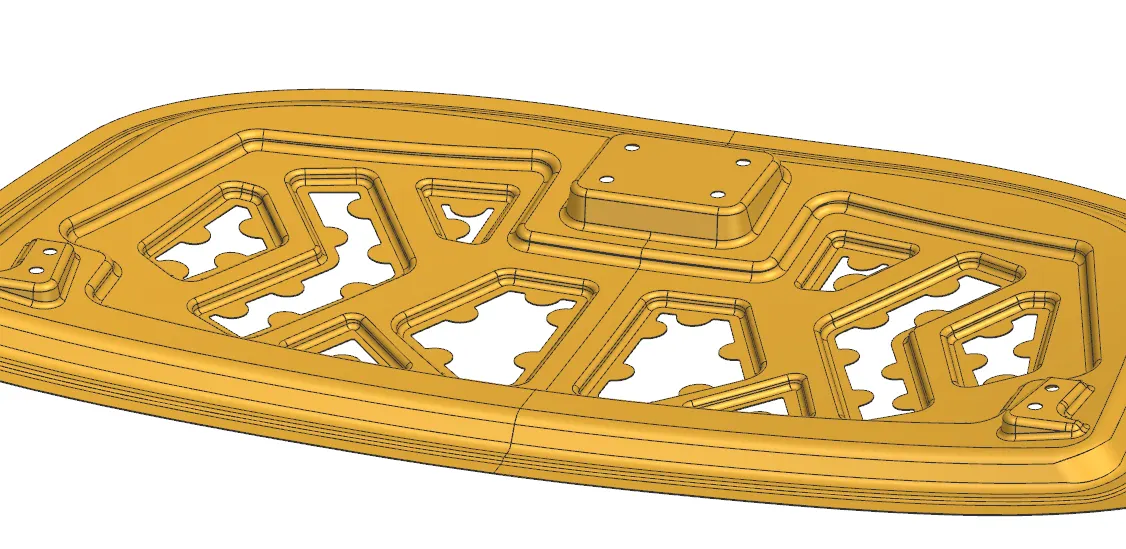
In the avove figure, different emboss patterns are created.
2.0 Manufacturing Processes:
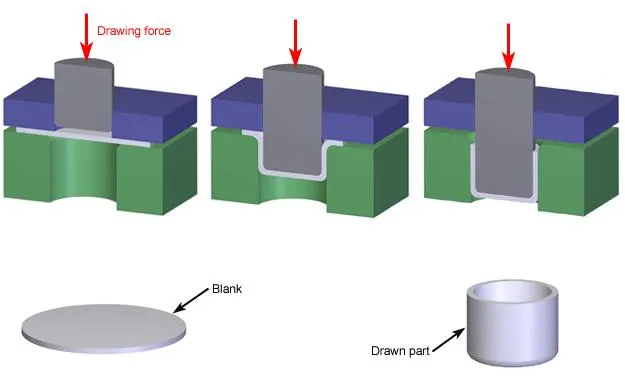
I. Deep Drawing: Deep drawing is a manufacturing process used to form complex shapes from flat sheets of metal. It is commonly employed in the production of automotive parts, including hoods, as well as other components such as fenders and doors. The process involves reshaping a flat sheet of metal into a three-dimensional shape by drawing the metal into a die cavity. Here is an overview of the deep drawing process and its importance in the manufacturing of hoods:
- Material Preparation: A flat sheet of metal, known as a blank, is prepared for the deep drawing process. Common materials include steel, aluminum, and other metals used in automotive manufacturing.
- Die and Punch Setup: The deep drawing process uses a die and a punch. The die cavity is designed to match the desired shape of the final part, while the punch applies pressure to the metal to form it into the desired shape.
- Clamping: The blank is placed over the die and securely clamped in place to prevent it from slipping during the process.
- Drawing: The punch is driven downward, applying pressure to the metal and drawing it into the die cavity. The metal is gradually stretched and reshaped to fit the contours of the die.
- Release and Trimming: Once the part has been formed, the punch is retracted, and the newly shaped part is removed from the die. Excess material around the edges may be trimmed to achieve the final desired shape and size.
- Quality Control: The formed part is inspected for quality and dimensional accuracy. Any imperfections or defects may be addressed through reworking or rejection of the part.
- Further Processing: After deep drawing, the part may undergo additional manufacturing processes such as annealing, heat treatment, finishing, or assembly with other components.
Importance in Hood Manufacturing:
- Complex Shapes: Deep drawing allows manufacturers to produce hoods with complex, smooth shapes and contours that are difficult to achieve with other methods.
- Strength and Durability: The deep drawing process can enhance the strength and rigidity of the hood by providing uniform thickness and structural integrity.
- Weight Reduction: Deep drawing enables the use of lightweight materials and optimized designs, contributing to weight reduction and improved fuel efficiency.
- Cost-Effective Production: Deep drawing is a relatively efficient and cost-effective method for producing large quantities of uniform parts, which is beneficial in mass production environments.
- Design Flexibility: The process offers flexibility in design, allowing for the creation of various shapes, channels, and features as needed for functionality and aesthetics.
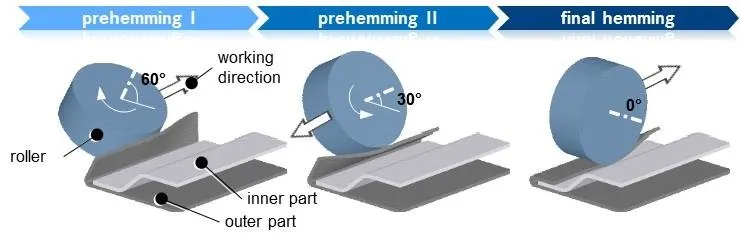
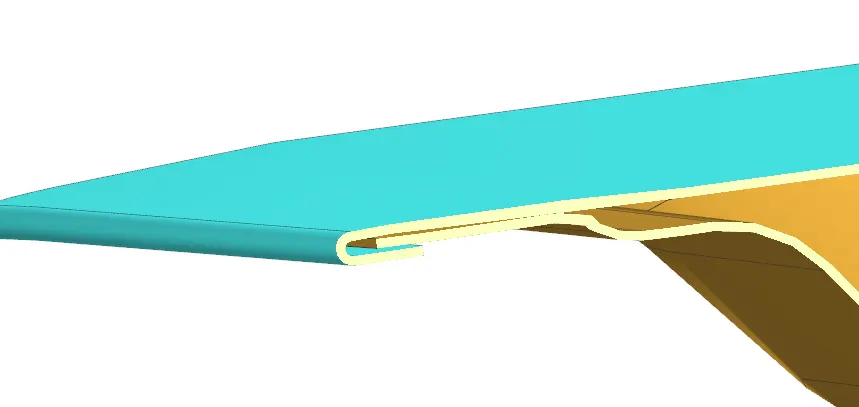
II. Hemming: Hemming is a manufacturing process used in the production of automobile hoods and other sheet metal parts. It involves folding the edge of a metal sheet over itself to create a smooth, rounded edge. The hemming process is important for several reasons, including improving the aesthetics, safety, and functionality of the hood. Here's an overview of the hemming process and its importance in hood manufacturing:
- Material Preparation: The sheet metal that will be hemmed is cut to the desired size and shape for the hood or other parts.
- Pre-Bending: In some cases, the edge of the metal sheet may be pre-bent to facilitate the hemming process.
- Hemming Tool Setup: The metal sheet is placed on a hemming tool or machine that can fold the edge of the sheet over itself.
- Folding the Edge: The hemming tool bends the edge of the metal sheet to form a fold. This fold may be a single fold or a more complex roll hem, depending on the design requirements.
- Pressing the Hem: The hemming tool applies pressure to the folded edge to ensure a tight, smooth, and uniform hem.
- Quality Control: The hemmed part is inspected for quality and dimensional accuracy. The hem should be consistent and free of defects.
- Finishing: The hemmed part may undergo additional finishing processes, such as painting or coating, to achieve the desired appearance and protection against corrosion.
Importance in Hood Manufacturing:
- Aesthetics: Hemming creates a smooth, rounded edge on the hood, enhancing its visual appeal and contributing to the overall design of the vehicle.
- Safety: A hemmed edge reduces the risk of sharp edges, which can be dangerous to assembly workers, service technicians, and customers. It also contributes to pedestrian safety in the event of a collision.
- Structural Integrity: Hemming can improve the strength and rigidity of the hood edge, providing better resistance to deformation and impact.
- Sealing and Fit: A hemmed edge can help provide a better seal between the hood and the vehicle body, reducing the risk of water, dirt, and debris entering the engine compartment.
- Weight Management: Hemming can optimize the weight of the hood by allowing for the use of thinner metal while maintaining strength and durability.
- Assembly and Attachment: The hemmed edge can provide a suitable surface for attaching other components, such as seals or weatherstripping, and can improve the fit and finish of the hood.
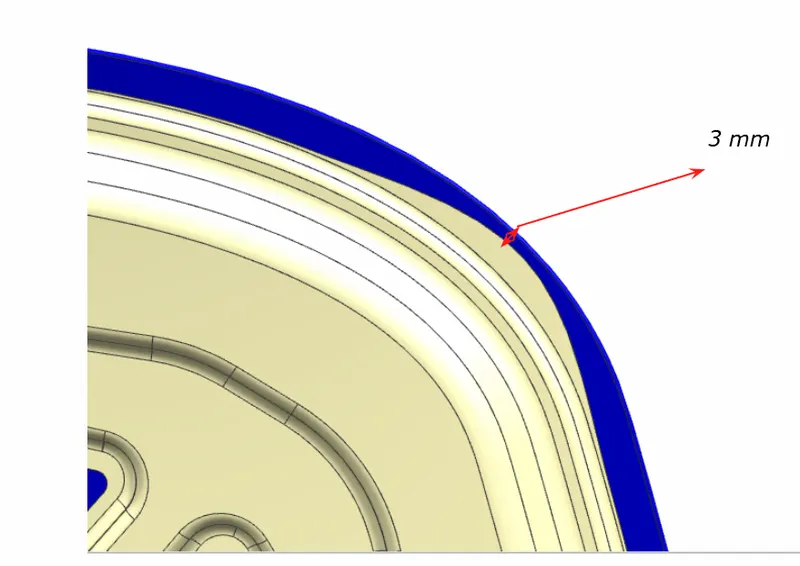
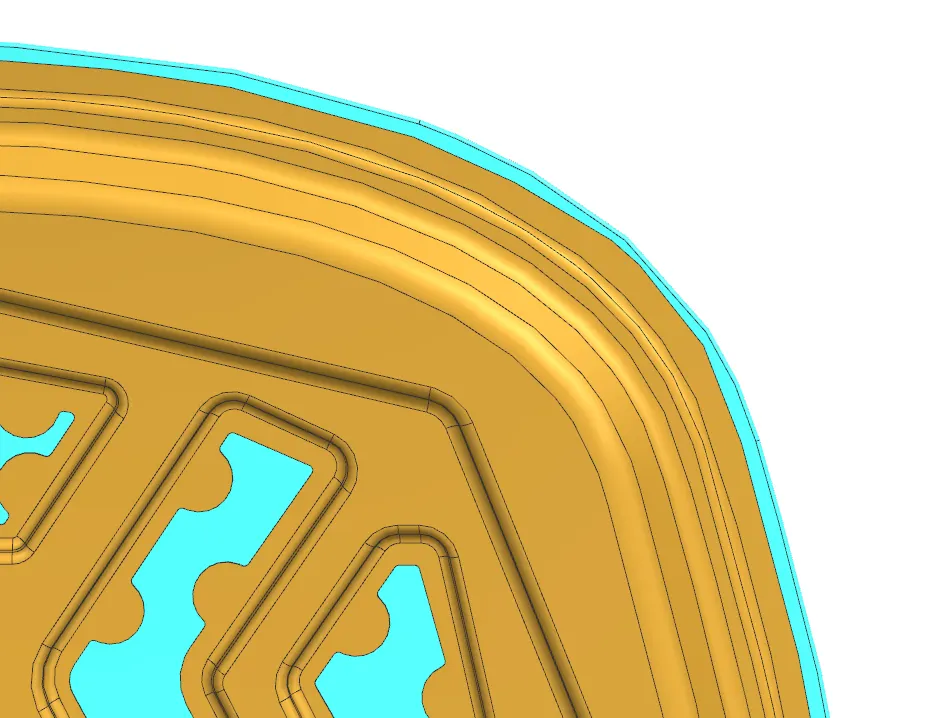
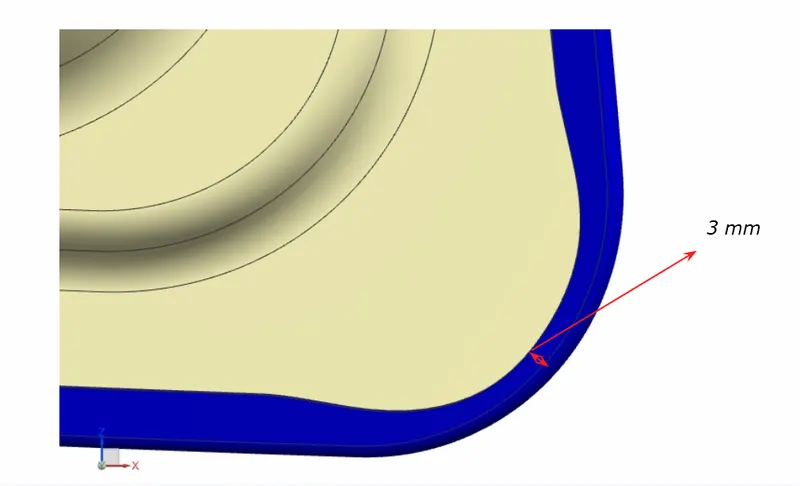
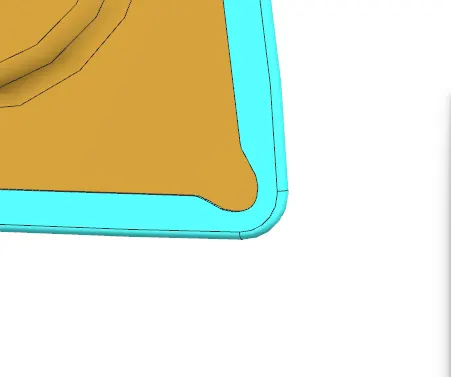
A cutout with minimum 3 mm gap is created to avoid stress concentration at corners due to bending.
Note: Since the file sizes are quite big, so I am sharing google drive link and in attached file below there's only assembly and its step file.
https://drive.google.com/file/d/182-65ZHr06nL_hW3ZZSGwJPFeoRk-iKn/view?usp=sharing