Hood design-Week 2
https://drive.google.com/file/d/1OStxD_09-ZMuj-Axozr3zWm2EvC3ixaL/view?usp=sharing
NX_HOOD_DESIGN_AND_ASSEMBLY
Aim:
To design a car hood by using standards and placing Hinge, Stricker and its reinforcement using Siemens NX
Hood:
Hood is also known as the bonnet. The purpose of the Hood is to cover the inside part of the body, protect from the impact of the incoming subject, and access the engine compartment.
it has major components are Outer panel and Inner panel. The outer panel is used as the outer shell of the Hood. It is used for the styling component and aerodynamic purposes. The inner panel is used to give strength to the outer panel. It is also used to assemble the reinforcement on the inner panel.
it can open to allow access to the engine compartment on the front engine for maintenance and repair. It consists of support rods or gas stays to hold the hood while it is opened.

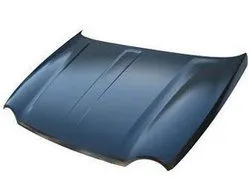
Hood and it's component:
- Outer Panel
- Inner Panel
- Latch and Striker
- Hinge Assembly
- Hood Stay
- Reinforcements
Outer Panel:
The outer panel is covering the inner panel and engine compartment and other Objects. It is also used for aerodynamic purposes (In sports cars). It is coming from the styling department in a neutral file and is used to create an inner panel.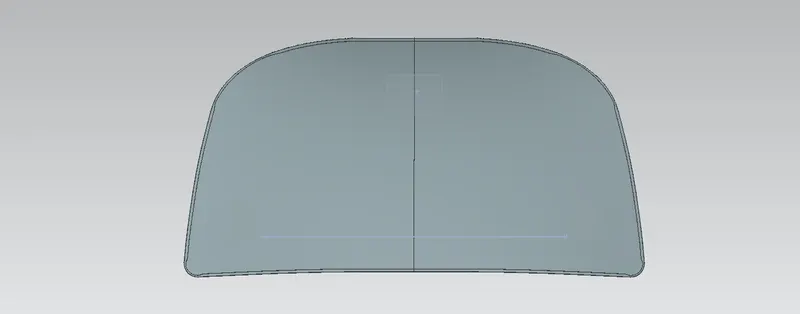
Inner Panel:
It is used to strengthen the outer panel and assembling the reinforcement of Latch and Stricker, hinge on the inner panel. The inner panel is closer to the engine compartment. The hinge is mounted on the inner panel for open and closed. Inner panels carry the reinforcement of components.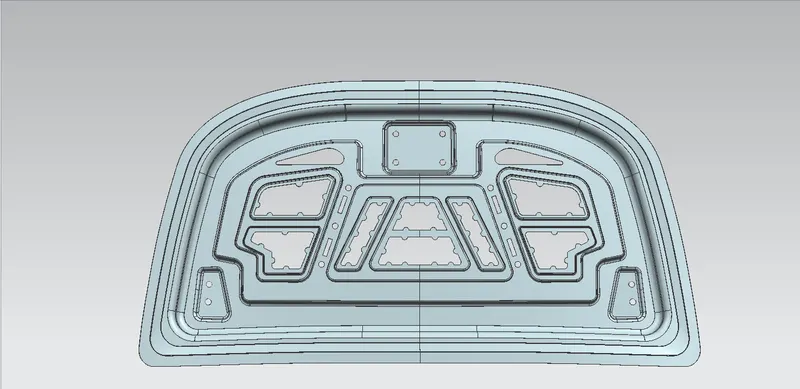
Latch and Striker:
It is used for locking purposes. The striker is mounted on the hood. When a striker strikes on the latch then the latch and striker are locked by a locking mechanism.
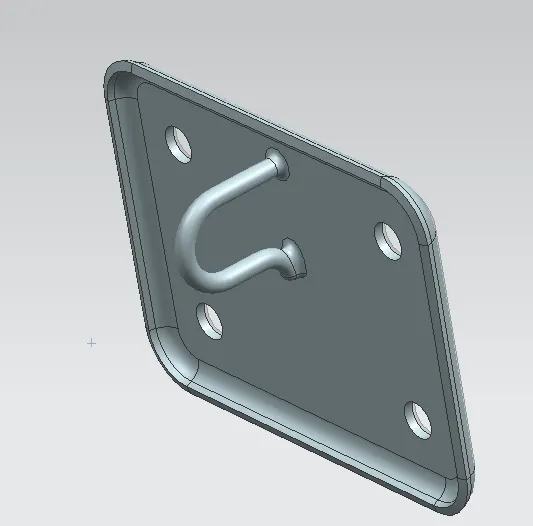
Hinge Assembly:
It is used to pivot the hood on an axis to open and close the hood. The hinge is mounted on the hood and then attached to the engine bay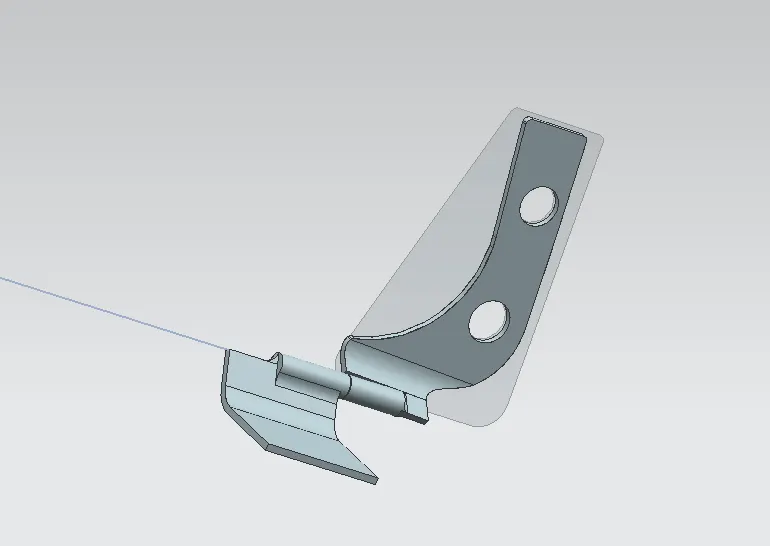
Hood stay:
It is used to holding the hood in the open position. When an opening hood it needs to stay in one position. Hood stays carry a load of hood and components in the open position.
Types:
- Support Rod:
It is cheaper and easily available in the market. It is used for the low dead weight of the hood.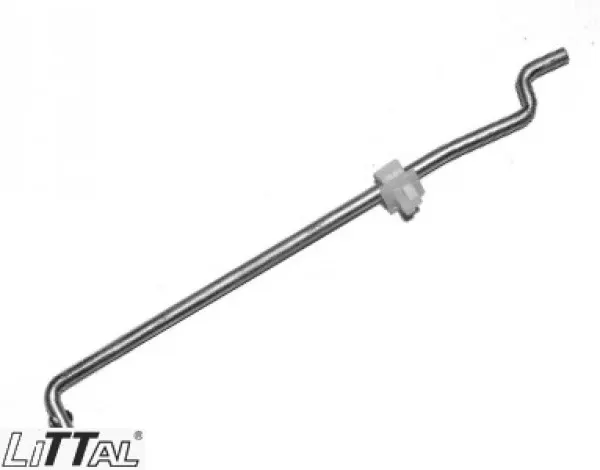
- Gas Stay:
It is costly and expensive. It is only used in sports cars and the heavy dead weight of the hood.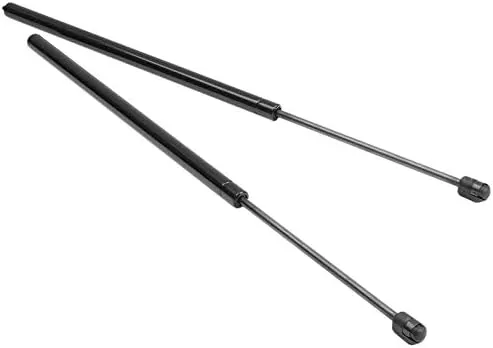
Reinforcement:
On mounting hinge and striker on inner panel. Some removing material and its weakening the inner panel. So reinforcement is used to mounting a hinge and striker and strengthening the inner panel.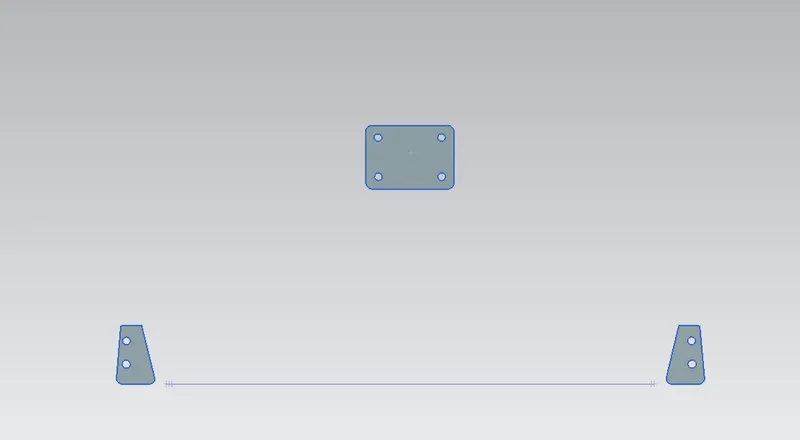
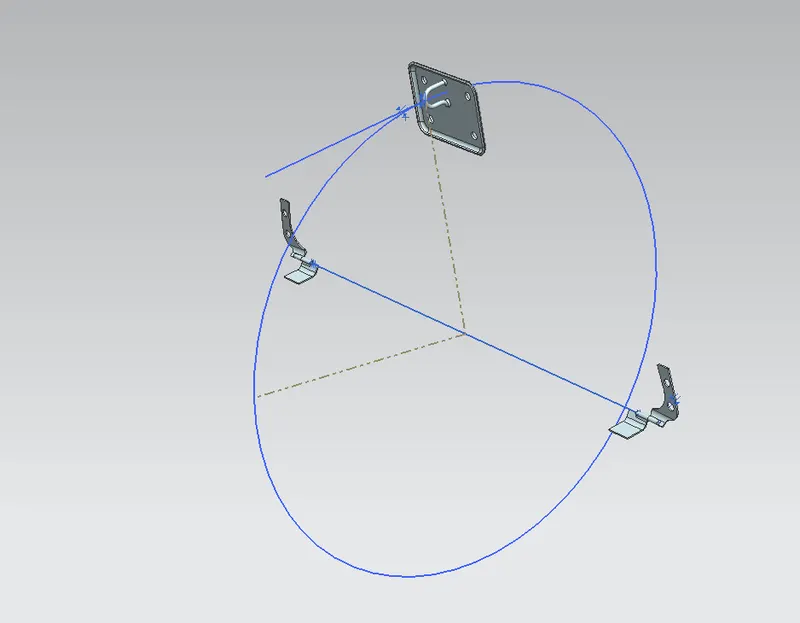
Latch trajectory:
the latch trajectory is the path on which the striker will follow when the hood is open/ closed while pivoting on the hinge axis. The latch traject is taken as a circle with the hinge axis as the center of the circle. The striker is placed such that it is tangent to the circle.
Mastic Sealants:
Mastic sealant is a type of liquid sealant that cures in an elastic state, thus making it flexible while holding the bond of the surfaces that have attached. (https://youtu.be/4q0b43kfwhU)
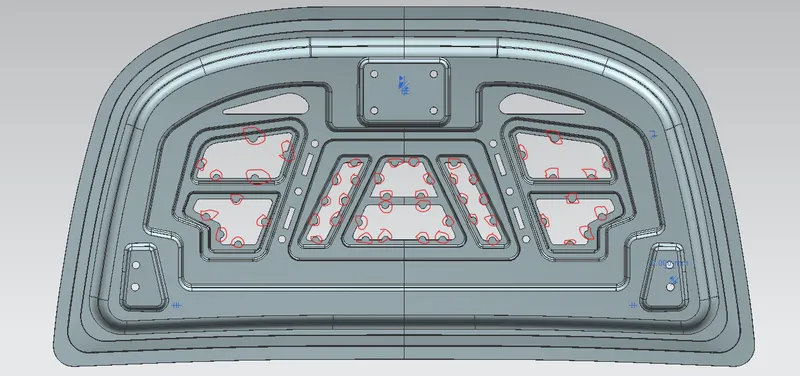
Mastic sealant is used to fill the gap between the inner panel and outer panel. Mastic sealant is 80mm diameter range of effect which holds and joins the outer panel and inner panel having a 5mm gap.
Emboss:
It is a metal stamping process for producing raised or sunken designs or reliefs bypassing metal sheets or strips between rolls of the desired pattern. The process enables repeated production without variation and does not change the metal’s wall thicknesses.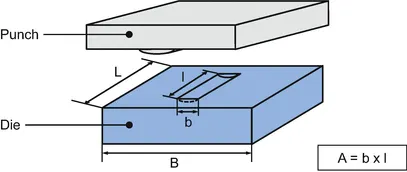
Technically, when a design is pressed into the metal, as opposed to raised designs being created in the metal, it is called an impressed design and not an embossed one. These two are, however, crafted in the same manner with one having raised designs and the other having recessed designs. The difference is in the placement of the male and female dies when these sheets are crafted.
When these sheets are being marked, the top part of the die is the one that is stationary while the bottom part is the one that moves. Together with heat, when the bottom part presses into the top part with the metal sheet in between, the metal is smoothed out while being stamped at the same time. This leaves behind a smooth ironed-out design on the metal.
Hemming Process:
Hemming is used in the automotive industry to join two sheet metal panels by bending the flange of the outer panel over the inner one. In the roller hemming process, a robot guides a small roller across the flange to fold a sheet onto itself or another sheet. The process is oriented to low-volume automotive applications, providing a distinct advantage in manufacturing closures and subassemblies with developed flanges.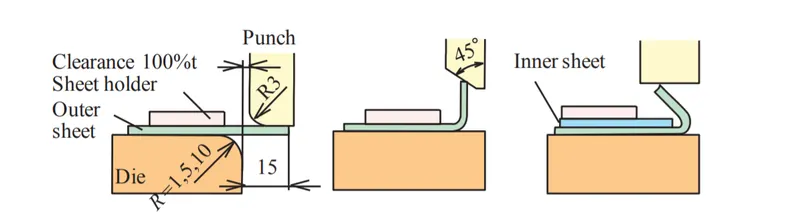
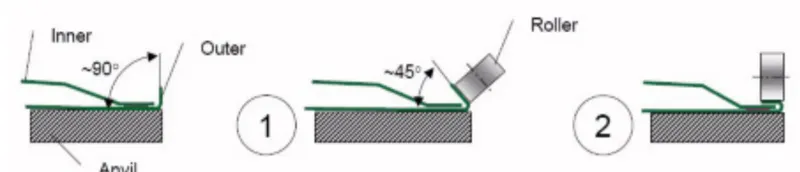
Hemming Type:
1. Opened Hem
2. Rolled Hem
3. Tear Drop Hem
4. Closed Hem
Deep Drawing:
The deep drawing process is a sheet metal forming operations in and with minimum wastage of material. Deep drawing is a special sheet metal forming process by which a large number of body parts are formed in aerospace, automobile, and cooking utensil manufacturing industries.
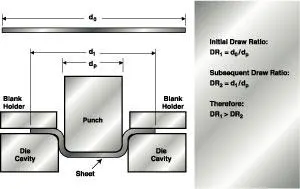
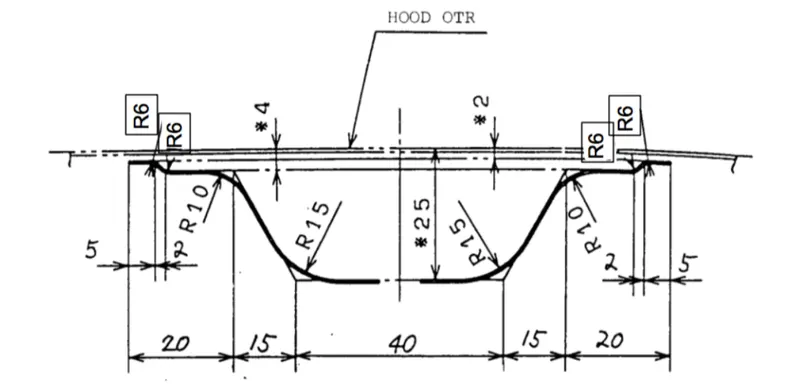
Design Parameter Followed in Design:
Inner Panel:
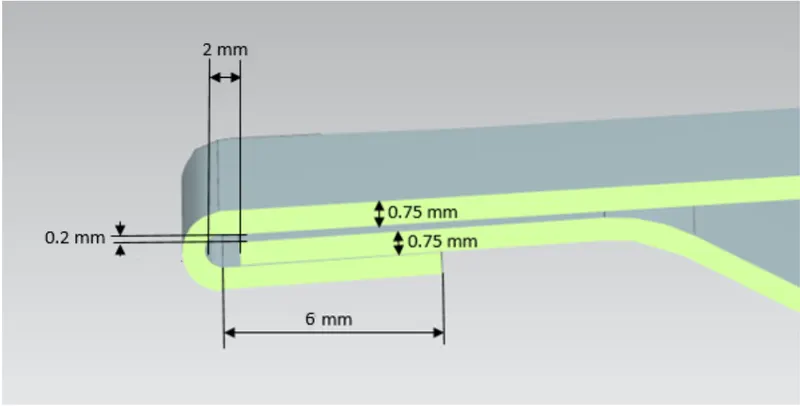
Hemming Data:
Front Relief: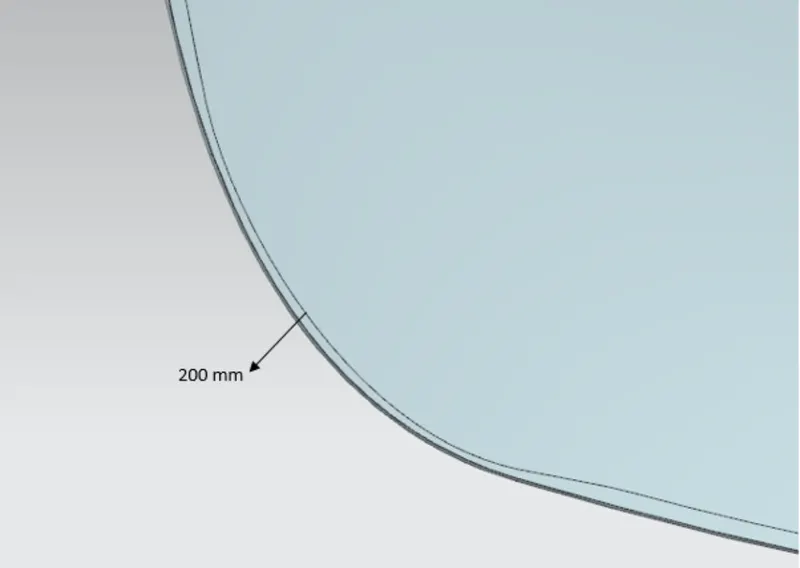
Rear Side Relief:
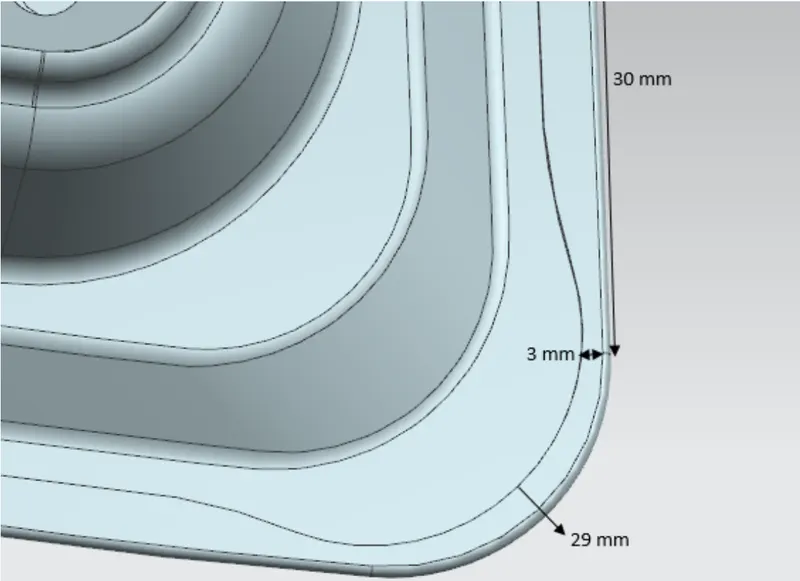
Hood Thickness Information
- Outer Panel Thickness = 0.75mm
- Inner Panel Thickness = 0.75mm
- Reinforcement Thickness = 1.5mm
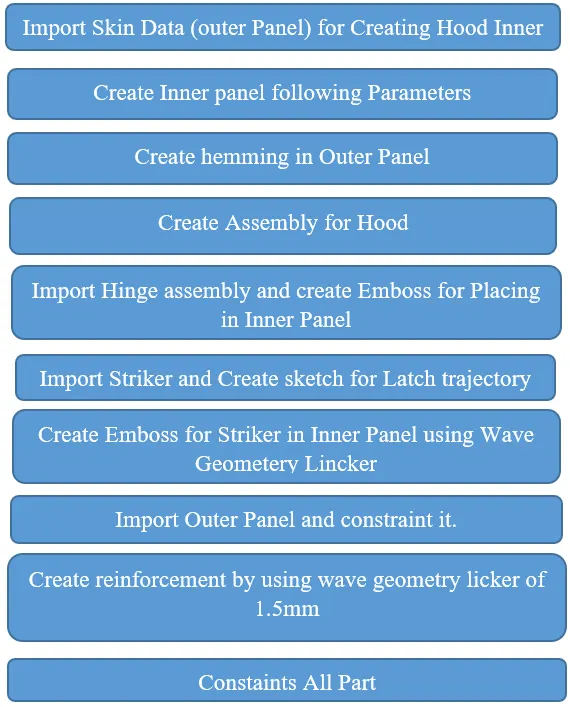
Design Methodology:
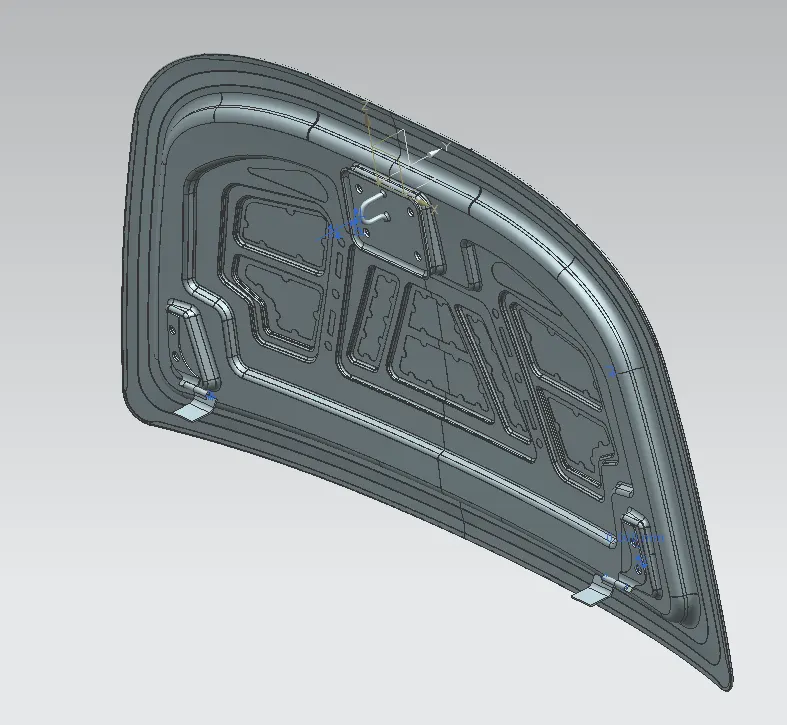
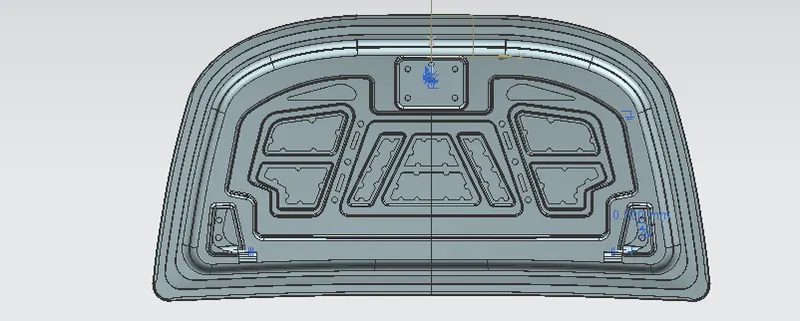
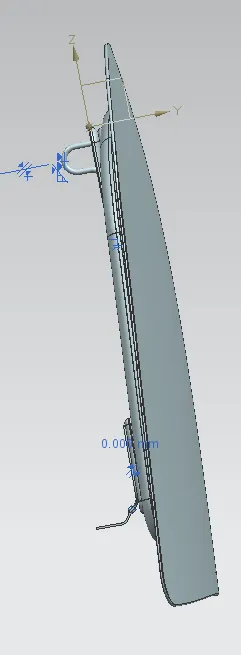
Views:
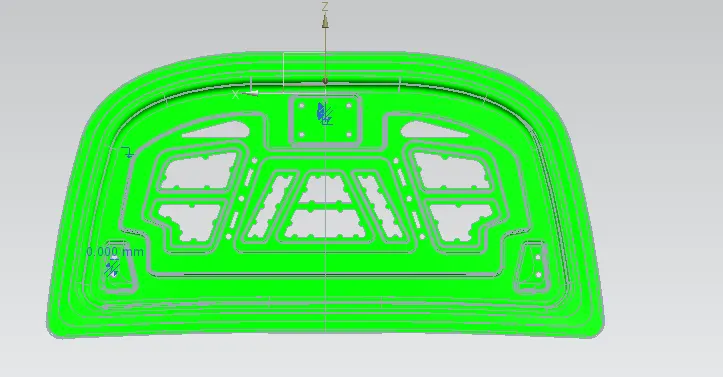
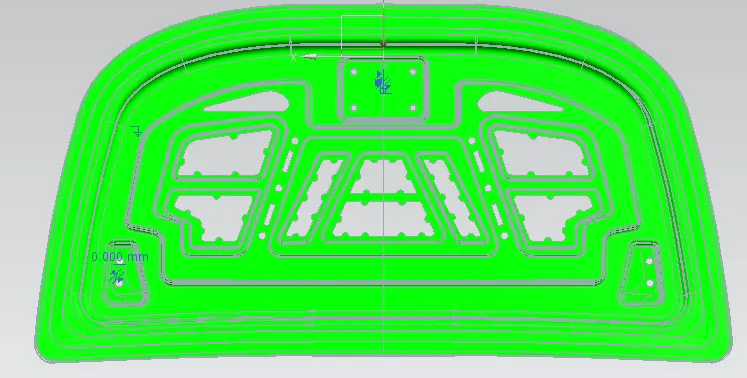
Draft analysis:
Conclusion:
Hood is created following parameters in Siemens NX.