Hood design-Week 2
Aim: To design the hood outer panel, inner panel as per the given necessary design considerations.
Following criteria to be considered:
- Positioning of Hinge axis w.r.t striker location and Latch Trajectory
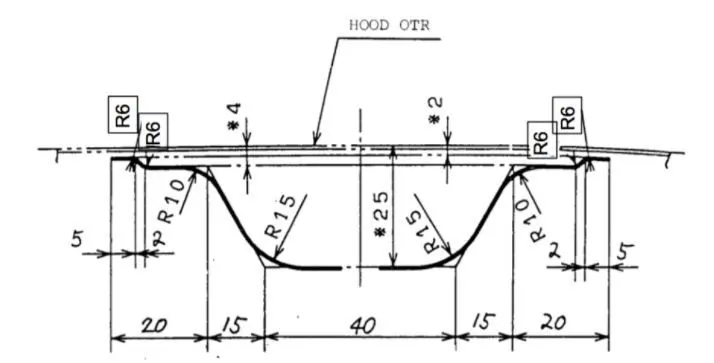
- Providing the Emboss definitions
- Mastic data and Necessary Reinforcements to increase the strength of the hood
Given Data:
Hood Thickness Information
- Outer Panel Thickness = 0.75 mm
- Inner Panel Thickness = 0.75 mm
- Reinforcement Thickness = 1.5 mm
Introduction: A car hood, also referred to as a bonnet in some other countries, is the hinged cover that rests over the engine of a front-engine vehicle. Its purpose is to provide access to the engine for repair and maintenance. A car hood is meant to protect the performance parts of your vehicle, including the engine, while also providing easy access for repairs and maintenance. A concealed geometry (Latch) with supporting rod is typically used to hold down the hood.
Design Considerations:
1. Head injury Criteria: Head injuries are a major cause of fatalities in pedestrian-car accidents. The HIC (Head Injury Criterion) value, a measure of the fatality risk of a head injury, is calculated from the acceleration of the head’s center of gravity (henceforth, head center) resulting from a head impact. The pedestrian’s head does not impact the hood at a direction normal to the hood’s surface. The direction of motion of the head center may change extremely rapidly upon impact, and normal acceleration may also significantly contribute to the resultant acceleration of the head center. Therefore, pedestrian head protection studies should consider how normal acceleration contributes to the resultant acceleration of the head center. Often Finite Elements (FE) study analysis of head impactor model is used to investigate the extent of pedestrian injury risk and how it can be minimized through the selection of appropriate design of car hood structure enhancing its performance.
Generally the value of HIC should be between –
Value Rating
= or < 1000 Green
1000 ~ 1350 Orange
= or > 1350 Red
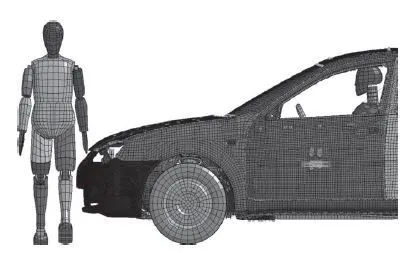
Fig 1.1 CAE Model used for minimise the HIC
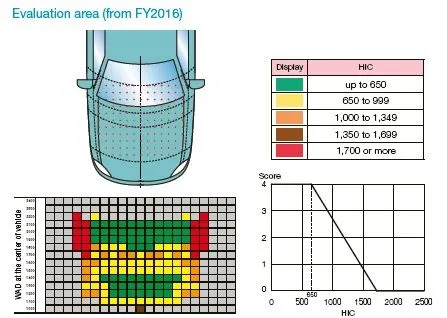
Fig 1.2 Head Injury Criterion zones
2. Latch Trajectory: For the hood to open and close without any difficulty, The Perpendicular drawn from the hinge axis should coincide with the striker’s axis.
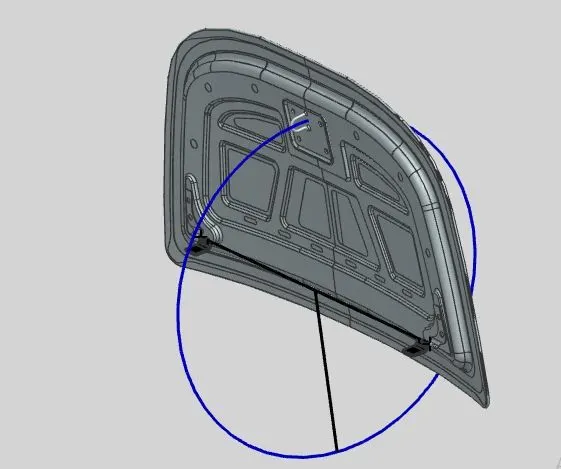
Fig 2.1 Latch Trajectory for opening and closing the hood
3. Mastic data and Emboss Definitions: The Mastic sealant is an elastic compound that behaves like a rubber. The Mastic points are defined on the hood inner panel. The mastic has an influence area of 80 mm
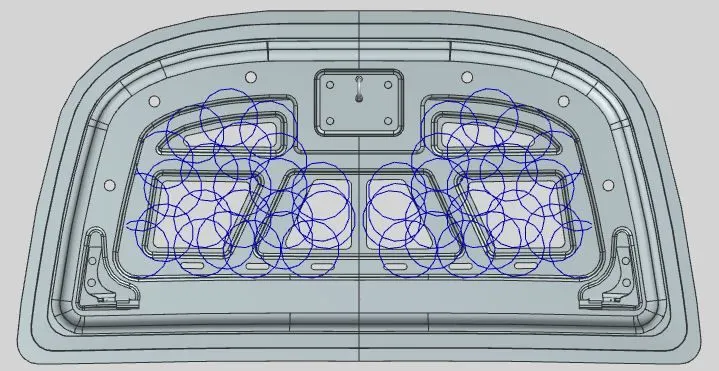
Fig 3.1 Mastic sealant provided on the hood inner panel
Embosses are generally created to strengthen the component and to provide strength to the inner pannel so as to distribute the forces produced during the impact away from the path of embossing so that the threat for the passenger inside is minimised.
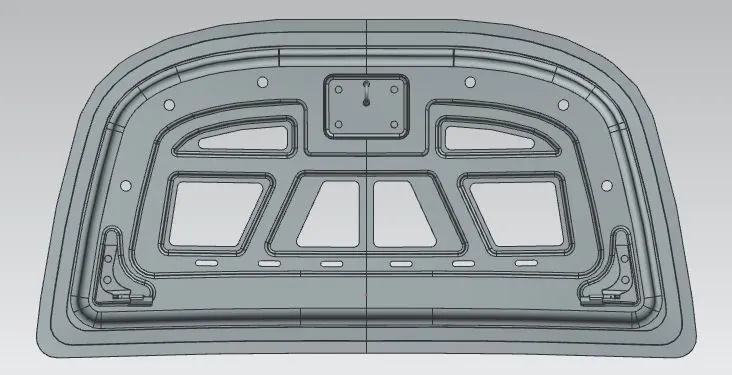
Fig 3.2 Embosses provided
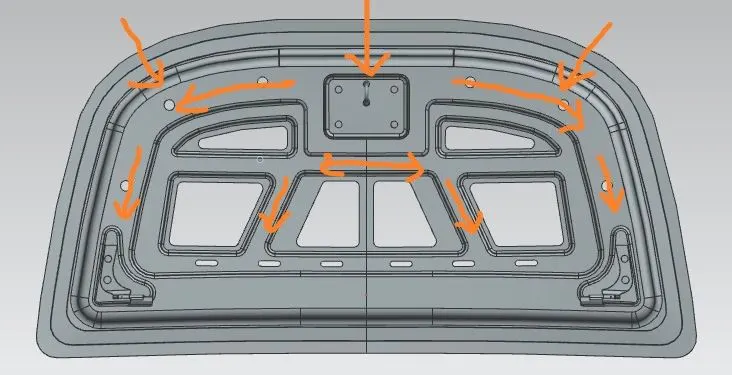
Fig 3.3 Shock flow
4. Front relief, Rear relief and Hemming: Hemming is the process of joining both the outer and inner panel together. Generally corner relief are given to the hood outer panels to reduce the weight or can also serve as purpose for ease of manufacturing.
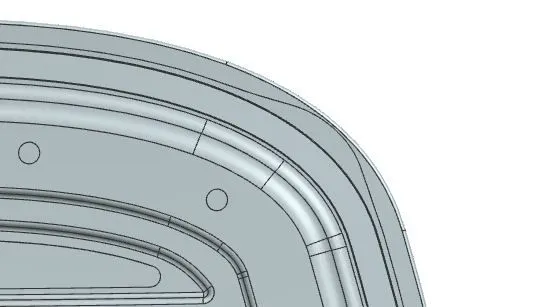
Fig 4.1 Front relief
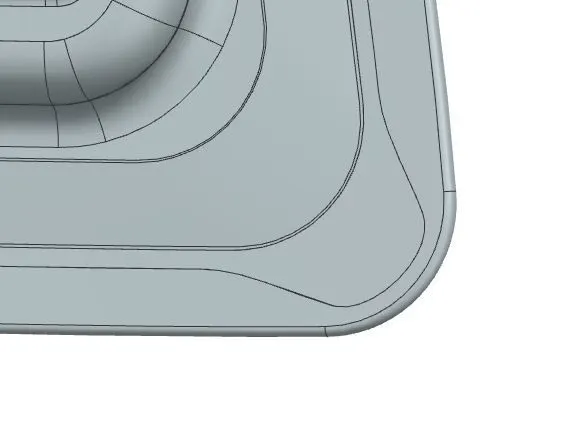
Fig 4.2 Rear relief
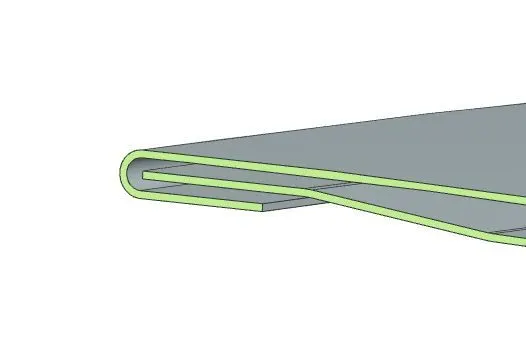
Fig 4.3 Hemming
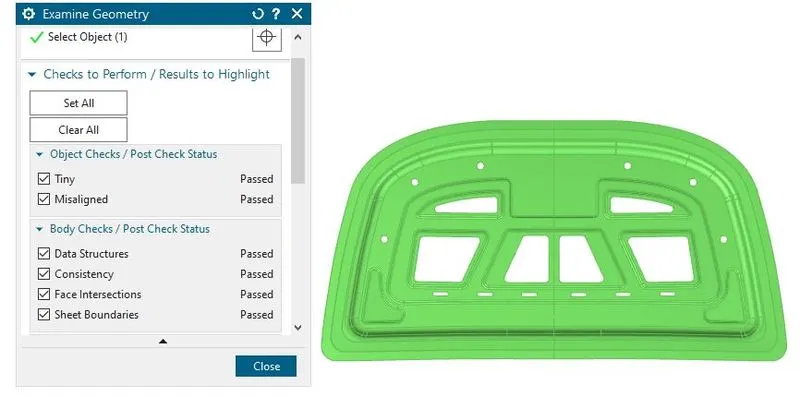
Fig 4.4 Examined geometry
5. Deep drawing process: The deep drawing process is a forming process which occurs under a combination of tensile and compressive conditions. A flat sheet metal blank is formed into a hollow body open on one side or a hollow body is formed into a hollow body with a smaller cross-section.
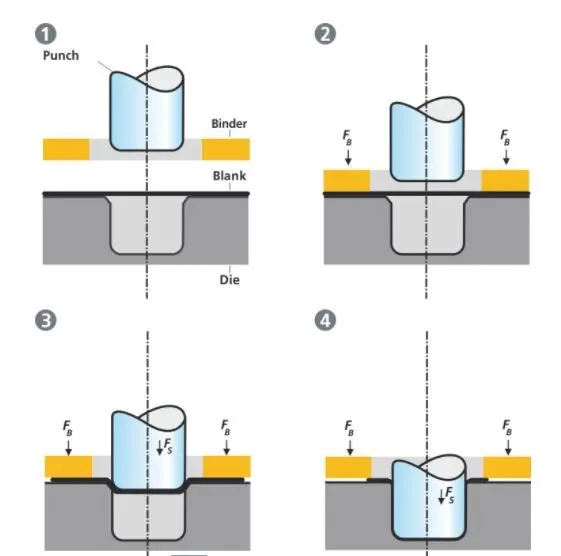
Fig 5.1 Illustration of deep drawing process
The rigid tools consist of a punch, die and binder. In deep drawing, the plate holder closes after the metal sheet blank has been inserted. Next the sheet is clamped between the die and the binder. This process slows down the flow of the sheet while it is being drawn and thereby prevents wrinkles from forming under the binder. The punch stretches the sheet over the die radius and forms it in the die. The amount of punch force necessary for forming is thereby continually increased up to the lower dead center of the punch.
Whereas in pure deep drawing there is no reduction of sheet metal thickness, forming is achieved in stretch forming purely as a result of a decrease in sheet metal thickness. Stretch forming is extensively used for the forming of only slightly curved parts with low depth of draw (e.g. roofs, doors).
6. Conclusion: Finally the Hood was designed as per the given requirements and can be used further for analysing and manufacturing.
7. References:
[1]. https://www.researchgate.net//pedestrain head injury criteria, 2011
[2]. https://en.wikipedia.org/wiki/Hood_ (car)
[3]. https://www.edmunds.com/car-safety/protecting-pedestrians-through-vehicle- design