Hood design-Week 2
HOOD DESIGN
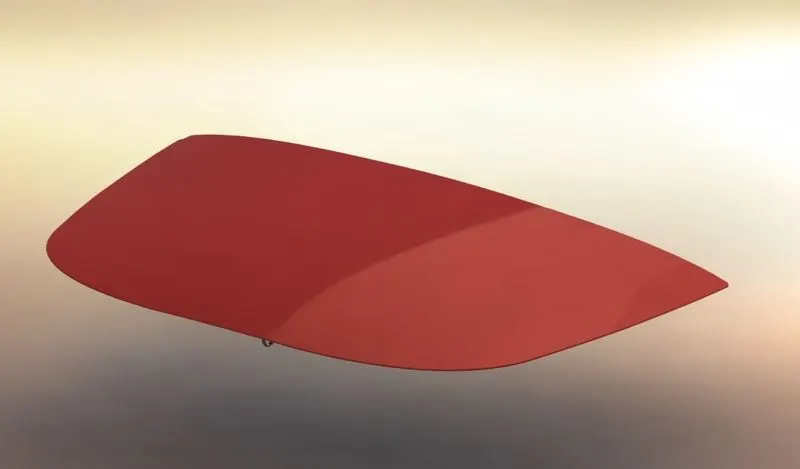
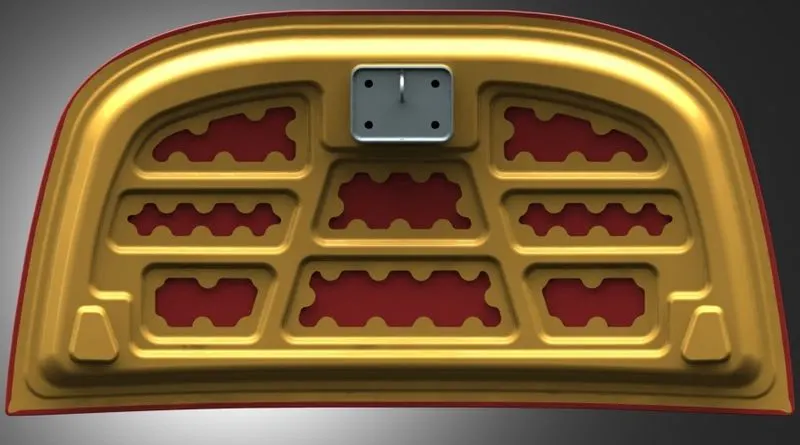
HOOD:
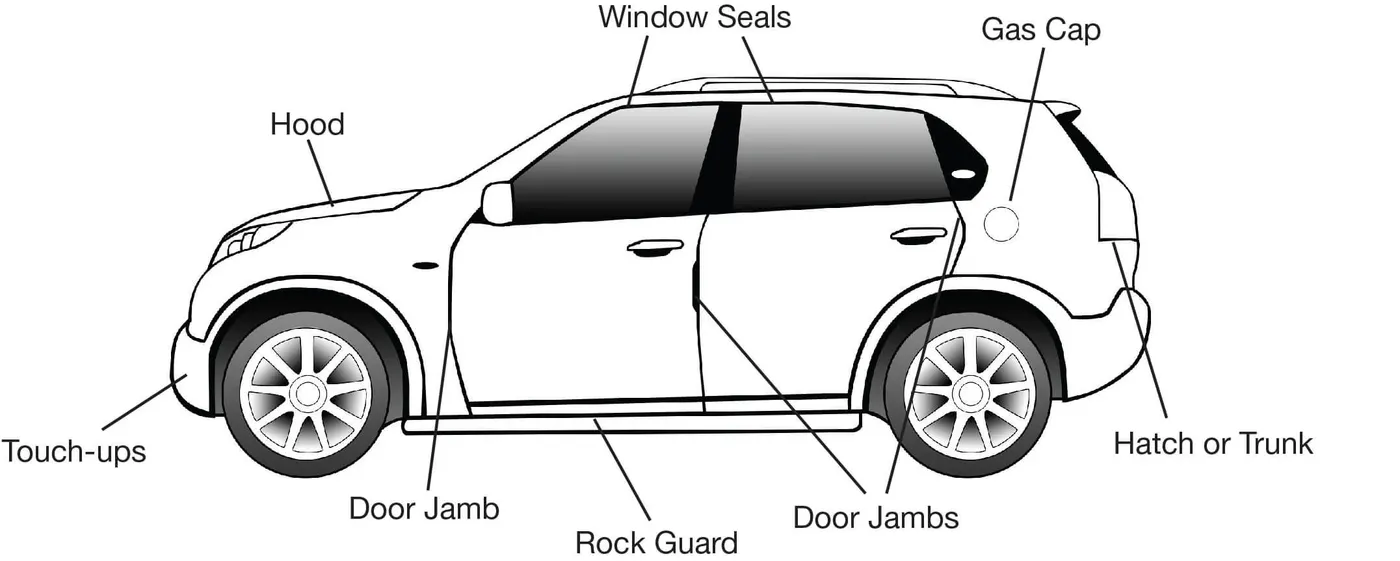
A hood, also known as a bonnet, is a removable cover that is installed over the engine compartment of a motor vehicle. The hood is designed to protect the engine and its components from external elements such as dust, debris, and rain, while also providing access to the engine compartment for maintenance and repairs.
The hood is usually made of sheet metal and is attached to the vehicle's body by a hinge assembly that allows it to be opened and closed easily. The hinge assembly typically consists of two hinge brackets and a hinge pin that connects the hood to the vehicle's body.
The hood may also have a latch mechanism that secures the hood in place when closed, preventing it from opening while driving. The latch mechanism usually consists of a latch striker, latch release cable, and a latch handle that allows the driver to release the hood and open it when needed.
Hoods can vary in design and shape depending on the vehicle's make and model. Some hoods may feature decorative elements such as an emblem or a raised bulge that provides clearance for the engine components. Others may have ventilation louvers or scoops that allow air to flow through the engine compartment and help dissipate heat.
HOOD COMPONENTS :
Outer Panel: The outer panel is the visible part of the hood that faces the exterior of the vehicle. It is typically made of sheet metal and is designed to withstand impact and other external forces. The outer panel is the primary visual element of the hood and plays a significant role in the vehicle's aesthetic appeal.
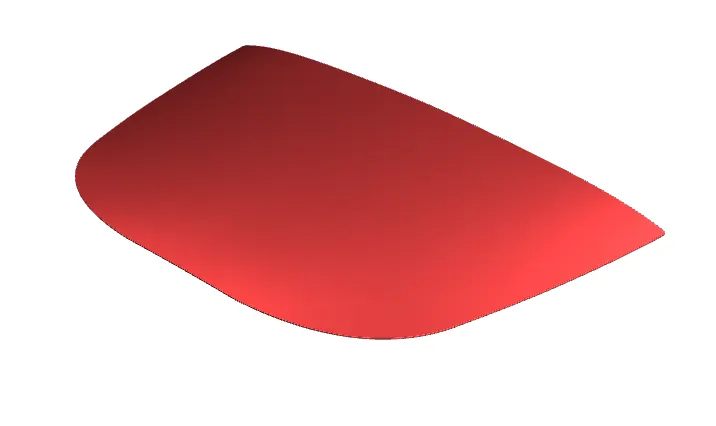
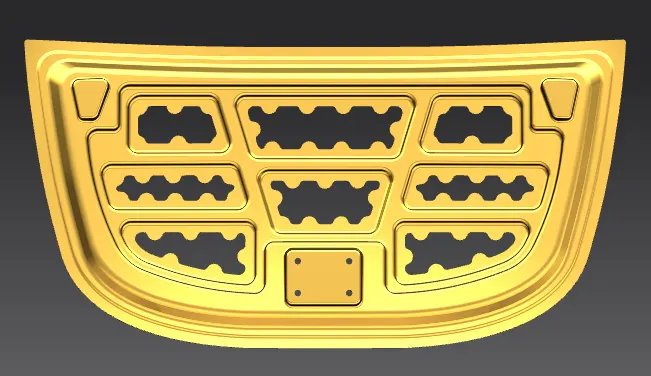
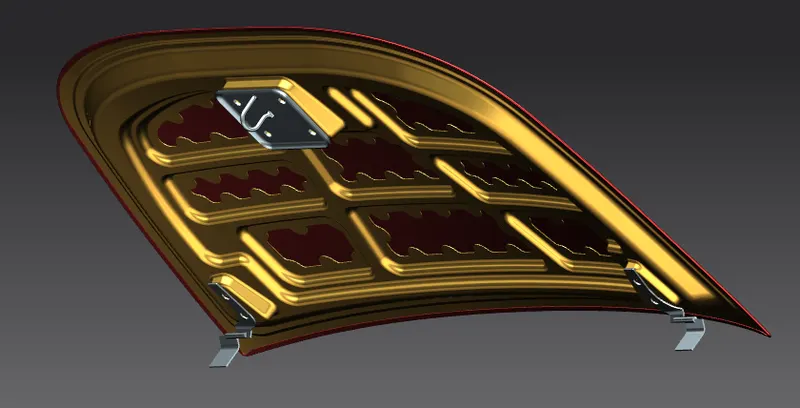
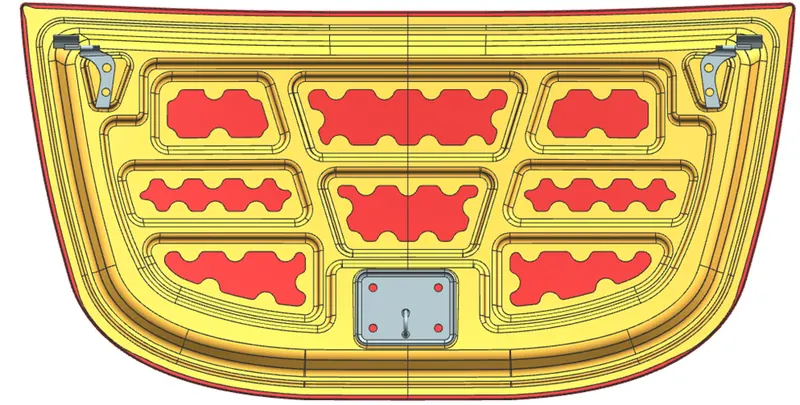
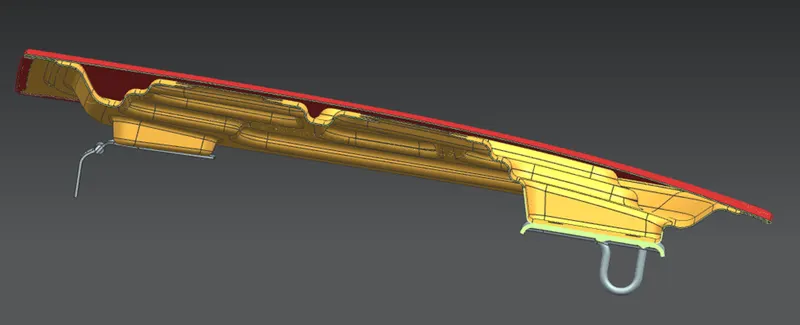
Inner panel: The inner panel is the structural component of the hood that provides strength and rigidity. It is usually made of stamped steel and is designed to support the outer panel and the latch mechanism. The inner panel is an essential component that helps distribute loads and maintain the hood's shape.
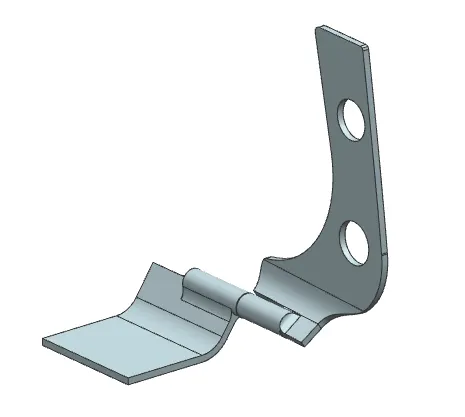
Hinge assembly: The hinge assembly is an important component of the hood or bonnet that connects it to the vehicle's body. The hinge assembly is responsible for allowing the hood to be opened and closed smoothly and securely. The hinge assembly typically consists of two hinge brackets and a hinge pin. The hinge brackets are usually made of steel or aluminum and are attached to the hood and the vehicle's body. One hinge bracket is attached to the hood, while the other hinge bracket is attached to the vehicle's body. The hinge brackets are designed to support the weight of the hood and allow it to pivot smoothly when opening and closing.
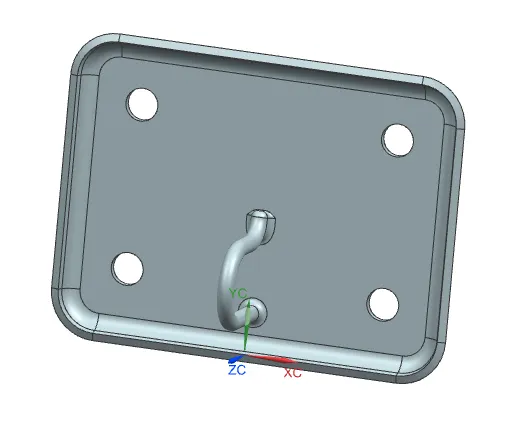
Stricker: The striker is a component of the hood latch mechanism that secures the hood to the vehicle's body when it is closed. The striker is usually mounted to the vehicle's body and engages with the hood latch to keep the hood closed and prevent it from opening while driving. The striker typically consists of a metal bracket that is attached to the vehicle's body and a metal pin or hook that extends from the bracket and engages with the hood latch. The hood latch mechanism is usually located on the underside of the hood and includes a latch pin or hook that engages with the striker when the hood is closed.
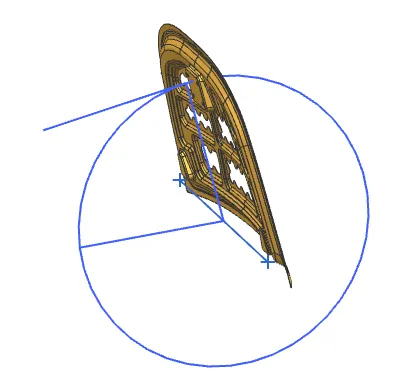
Latch Trajectory: The latch mechanism is responsible for securing the hood in place and allowing it to be opened and closed. The latch trajectory is an important parameter in hood design, as it determines the force required to open and close the hood. The latch trajectory is the path that the latch mechanism follows when the hood is opened and closed. The trajectory must be carefully designed to ensure that the hood opens smoothly and closes securely.
Mastic Data: Mastic is a type of adhesive that is used to bond the hood's outer panel and inner panel. The mastic data is a set of parameters that determine the type and amount of mastic used in the hood's construction. The mastic data includes factors such as the type of mastic used, the thickness of the mastic layer, and the location of the mastic application.
Emboss Definitions: Embossing is a process used to create raised patterns or designs on the hood's outer panel. Emboss definitions refer to the specific designs or patterns used in the hood's embossing process. Embossing can be used to add visual interest to the hood and enhance its aesthetic appeal.
PROCESS USED IN MANUFACTURING HOOD:
The manufacturing process for hoods typically involves several stages, including deep-drawing, hemming, and assembly. Deep-drawing is a process used to form the hood's outer panel from a sheet of metal. The metal sheet is clamped in place and then pressed into a die using a hydraulic press. Hemming is a process used to create a folded edge along the hood's perimeter. The edge is folded over the inner panel and then crimped in place using a hemming tool. Assembly involves attaching the hood's components, including the hinge assembly, latch mechanism, and insulation.
Deep Drawing:
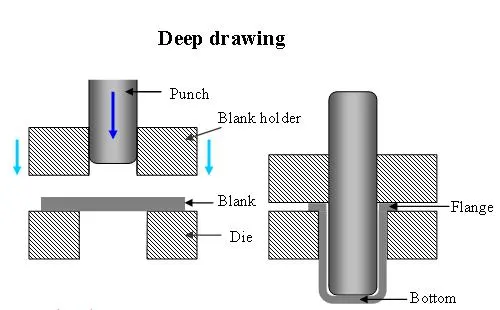
Deep drawing is a metal forming process used to create complex three-dimensional shapes from sheet metal. In this process, a metal sheet is clamped in place and then pressed into a die using a hydraulic press. The die consists of a punch and a die cavity, which are used to create the desired shape. The metal sheet is drawn into the die cavity and formed into the desired shape by the action of the punch. Deep drawing can be used to produce a wide range of shapes, including cylindrical, conical, and complex shapes.
Hemming:
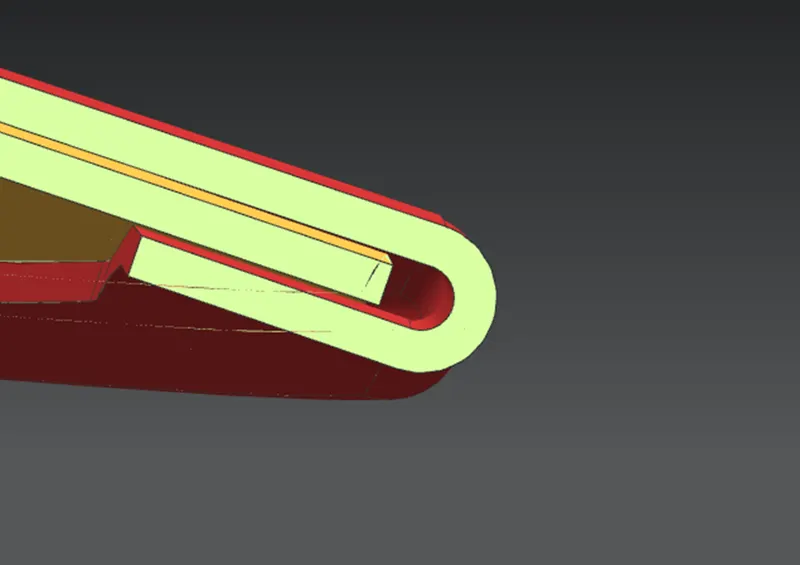
Hemming is a metal forming process used to create a folded edge along the perimeter of a metal component. In the case of hoods for automobiles, hemming is used to create a folded edge along the hood's perimeter that is then crimped in place using a hemming tool. The hemming process provides additional strength and rigidity to the hood, as well as a finished edge that is free of sharp edges or burrs. Hemming can be done using a variety of techniques, including roll hemming, compression hemming, and seam hemming.
HOOD ASSEMBLY
Hemming Data:
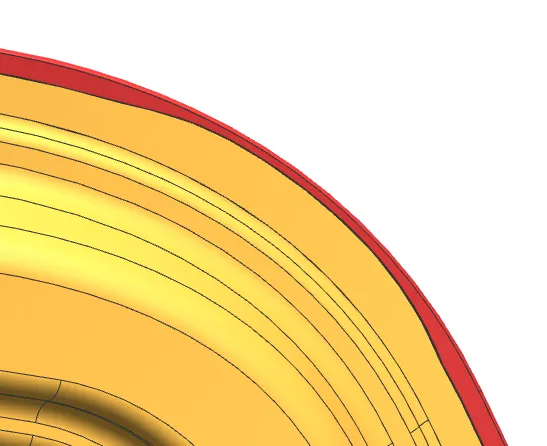
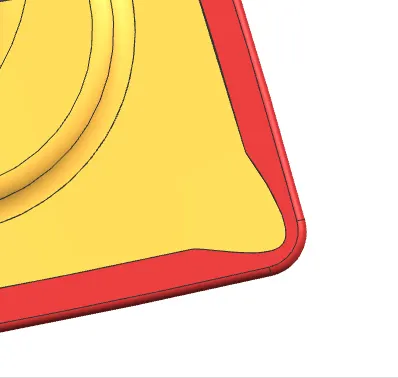
Rear and Front Relief:
CONCLUSION:
The hood is an essential component of a vehicle's body that serves both functional and aesthetic purposes. Hood design involves several components, parameters, and manufacturing processes that must be carefully considered to ensure the hood's performance and appearance meet the requirements of the vehicle and its users.
Thus, In this the Hood Design using Siemens NX application is done successfully by help of Surface, curves and other commands.