Hood design-Week 2
HOOD DESIGN
Hood
Hood is also called as a bonnet which is used for to cover the main parts like engine, battery and all other parts which is basically in front of car driver.
Material of hood is basically used now a days steel and aluminium. The car’s hood consists of an inner panel, Stricker, Hinges and an outer panel. The inner panel provides strength, while the outer panel is just a metal cover. The underside of the hood is often covered with a sound-absorbing material.
Parts of Hood
Hood Outer Panel
We get the outer panel skin surface from style department with proper aesthetic look, gap etc. The shape of the Outer panel is made aerodynamic in order to minimize the air effect. Shape of Outer panel is referred as a base to design a inner panel.
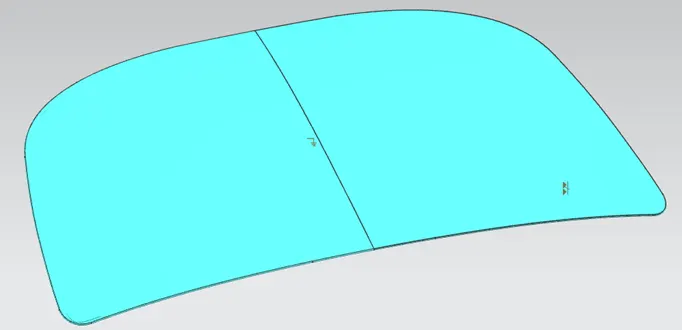
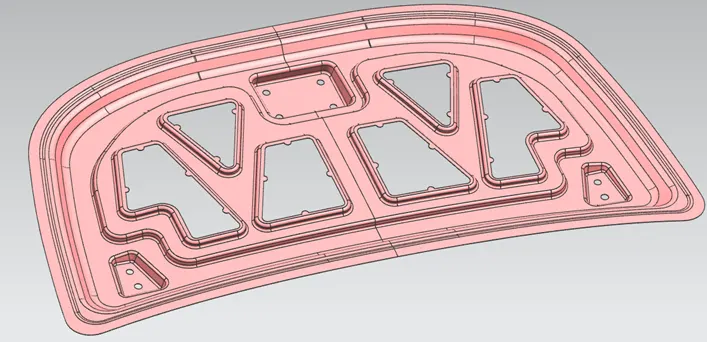
Hood Inner Panel
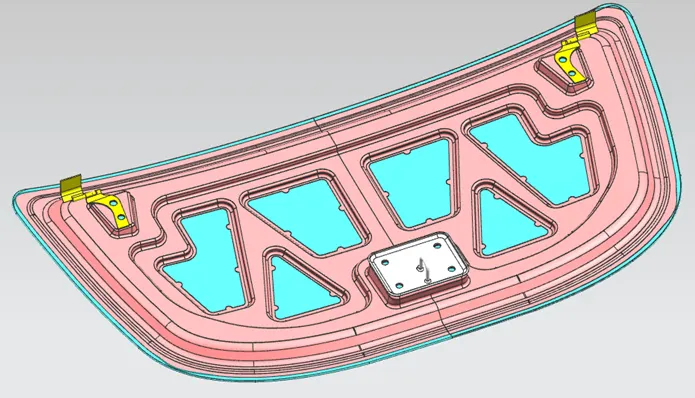
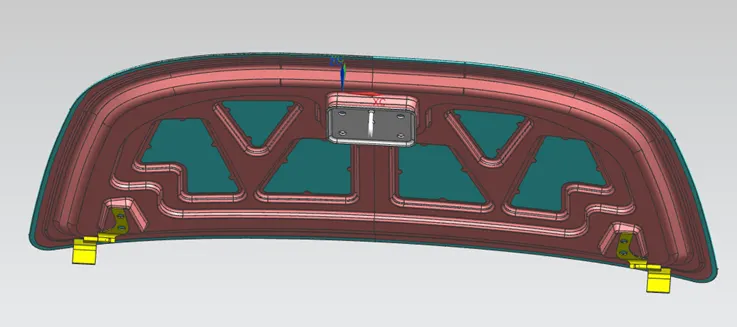
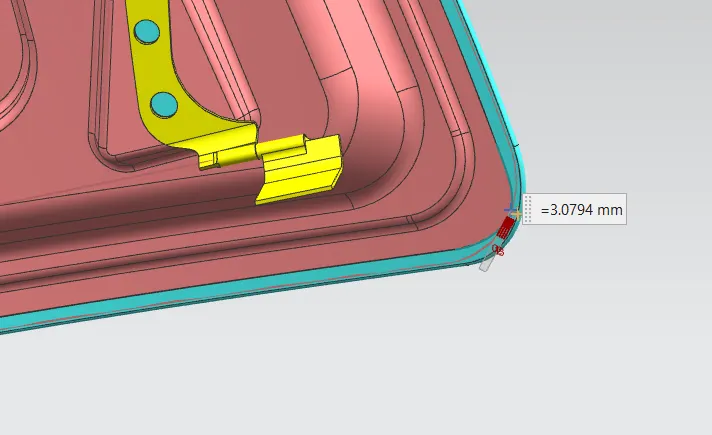
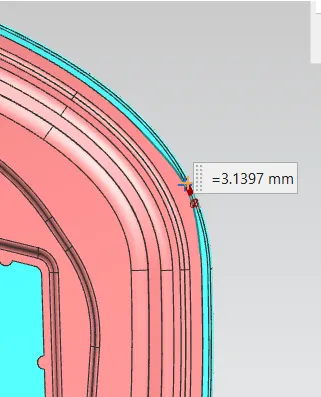
Hood Inner panel is main functional part in hood design. It gives structural support and strength to the outer panel of Hood. The outer and inner panels of the Hood are typically attached together using a hemming operation at the edges.
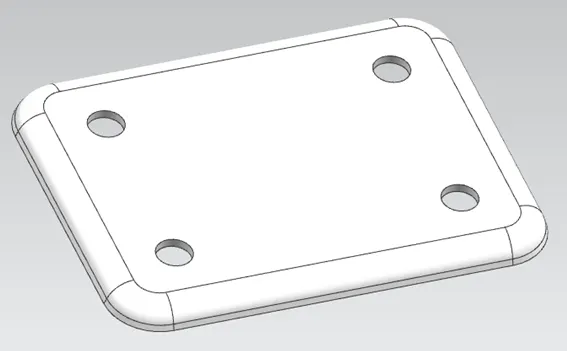
Latch & Sticker
This system is the attachment of hood assembly and vehicle body. The hood latch system must be able to catch the striker of the hood upon closing and instantaneously, as well as automatically, lock. Once in the locked state, it must remain locked and only unlock upon the operator’s control.
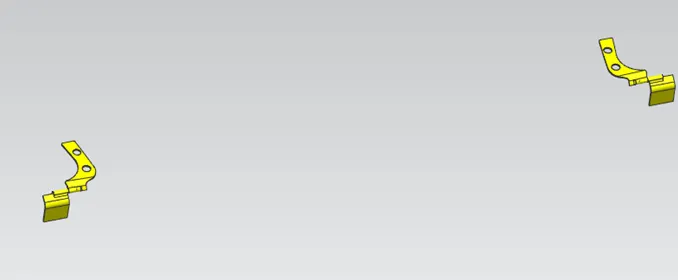
Hinges.
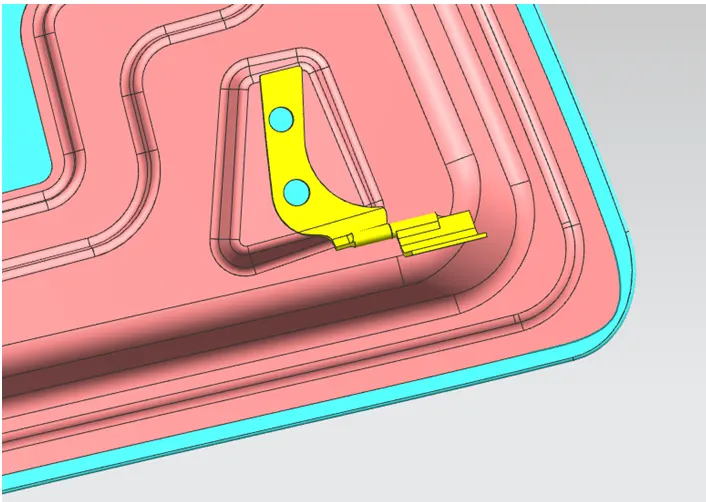
The hinges are used to guide and hold the hood when open & close. Hinge assembly consists of two parts one is connected to the hood inner panel and second is connected to the vehicle body.
Design methodology & Process to be manufacturing of Hood.
Hemming
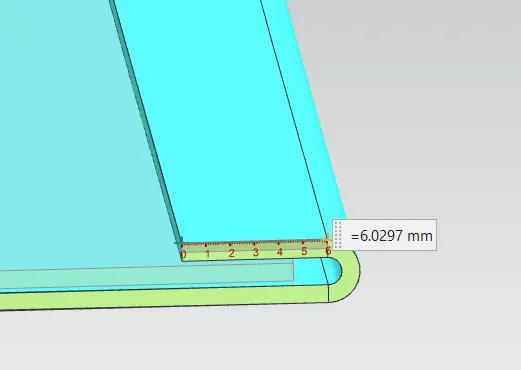
Hemming is used to fit the parts together. It can be done by the edges of one part is to be folded over the other part to fix within it. This operation is done by using the roller.
In Hood, the outer panel is subjected to the hemming operation which means that the outer panel edges is folded and roll it back to the underneath of the inner panel.
Reinforcement
The Striker and Hinges are attached at the lower side of the inner panel. It it can be done by directly then more stress can act at the particular area in the inner panel, it may cause deformation of the inner panel at that particular region. So that the reinforcement comes in and placed between the striker and the hood, hinge and the hood. It can able to reduce to deformation and strengthening the inner panel at that particular region.
Mastic Point
Mastic sealants used between the outer and inner panel. mastic sealants are the rubber like elasic compound which connects the outer and inner panels of car hood at specified points. Mastic sealants are used in the region between the inner and outer panel because other joining process like welding or riveting are not good for car aesthetic design.
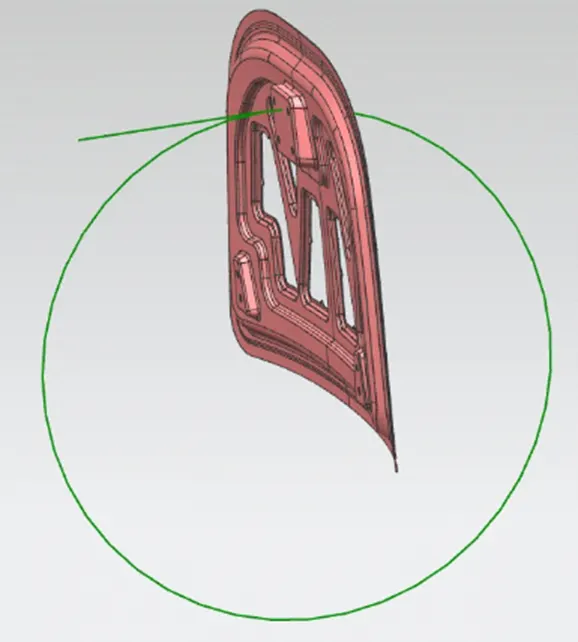
Trajectory circle
Circle is drawn from the hinge axis center so we can finalize the position of latch striker. For proper mating, the tip of the striker should be tangential to the latch trajectory. the position of latch striker follows the path of this circle.
Emboss.
In Hood design, the inner panel of the hood has more embosses to improving the strengthening of the panel. Based on the design structure, the embosses are created or we can say projected on the inner panel sheet metal.
Wrap Around Distance
The height, weight and age of the pedestrian all play a role in the kinematics of the event and in his ability to survive. Most fatalities for the younger population are related to brain damage caused by head impact on the bonnet. For older people additional risks include rupture of arteries in the lower limbs and pelvis from bumper and bonnet leading edges.Impact frequency and seriousness of injury has been studied for many years, resulting in rating systems and improved design.
Wrap Around Distance (WAD) :- It is the geometrically traced distance from the contact point with the Ground Reference Plane, vertically below the front face of the bumper, to any point on the vehicle front structure.
Child Head Impact Zone :- 1000 WAD to 1500 WAD
Adult Head Impact Zone :- 1000 WAD to 1500 WAD
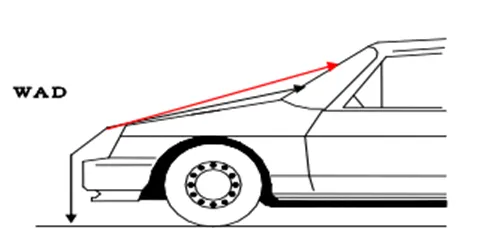
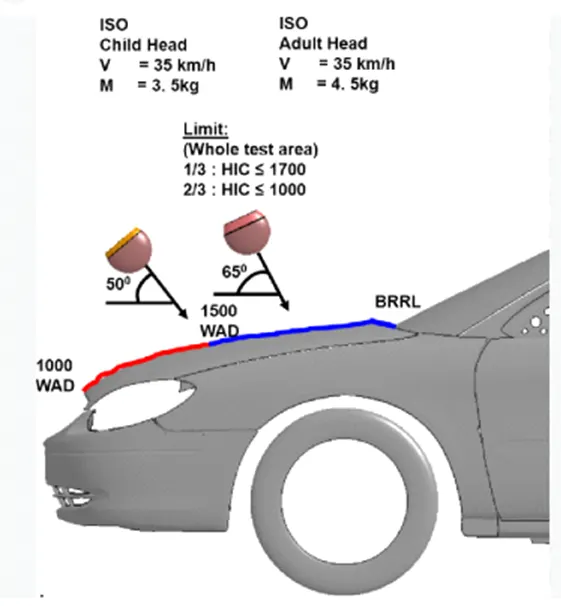
Given
Data to be used
Hood thickness information.
- Outer Panel Thickness-0.75
- Outer Panel Thickness-0.75
- Reinforcement Thickness-1.5
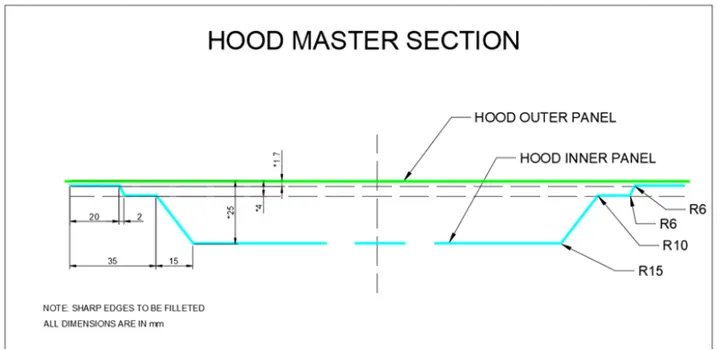
MASTER SECTION
Types of Support
There are two types of hood support
- Gas stay
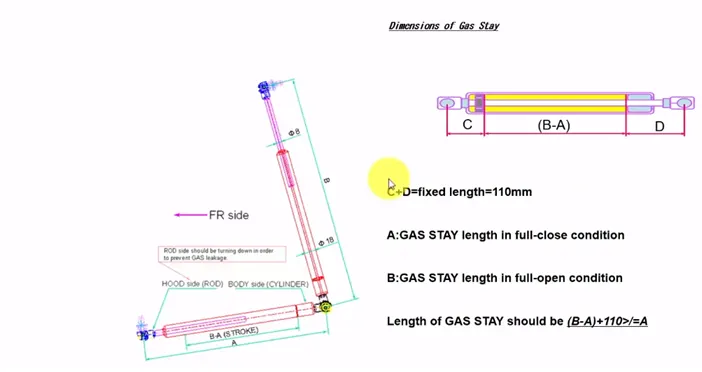
Gas Stay Gas stay is the device for supporting the engine hood of a motor vehicle in its open position using an actuator activated by gas. This is mainly used when the car hood is heavy.
- Support rod
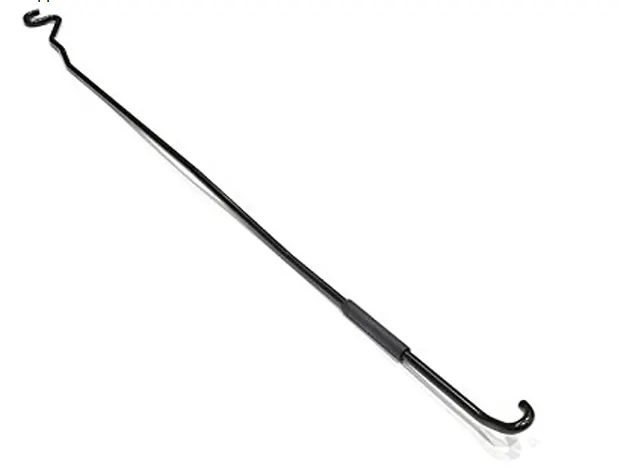
A support rod is a device for supporting the engine hood of a car in its open position using a rod. This is mainly used where the car bonnet weight is negligible. We have to lift the hood ourselves and place the support provided either in the hood or the engine component.
Conclusion
Thus, the hood is designed considering passenger and pedestrian safety as per the master section is successfully complete.