Hood design-Week 2
HOOD DESIGN
Introduction:
What is Hood?
- The car’s hood consists of an inner and an outer panel. The inner panel provides strength, while the outer panel is just a metal cover. The underside of the hood is often covered with a sound-absorbing material
- Hood are typically made out of steel or aluminum, although aftermarket manufacturers may manufacture hoods out of fiberglass, carbon fiber, or dry carbon.
- The hood or bonnet is the hinged cover over the engine of motor vehicles that allows access to the engine compartment for maintenance and repair. On passenger cars, a hood may be held down by a concealed latch.
- Some high performance cars have ‘hood scoops’ which channel outside air directly to the air filter, which gives improved performance and efficiency.
- It is hinged thin sheet which covers and protects the main parts of car like engine. Its main function is to direct access to the engine, bettry and other crucial parts of the cars for repair and maintenance and to protect these parts from direct sunlight and dust. It also gives good looks and help to design car aerodynamically stable.
- Regulations have come into effect in recent years that place a limit on the severity of pedestrian head injury when struck by a motor vehicle. This is leading to more advanced hood designs.
- The hood release is a small lever, which is usually mounted under the dash. It is connected to the hood latch by a cable. The hood latch has a safety feature, which requires a second latch to be released before the hood will open. This is to prevent accidental opening while driving.
Data:
Inner hood has been designed by following the master Section data:
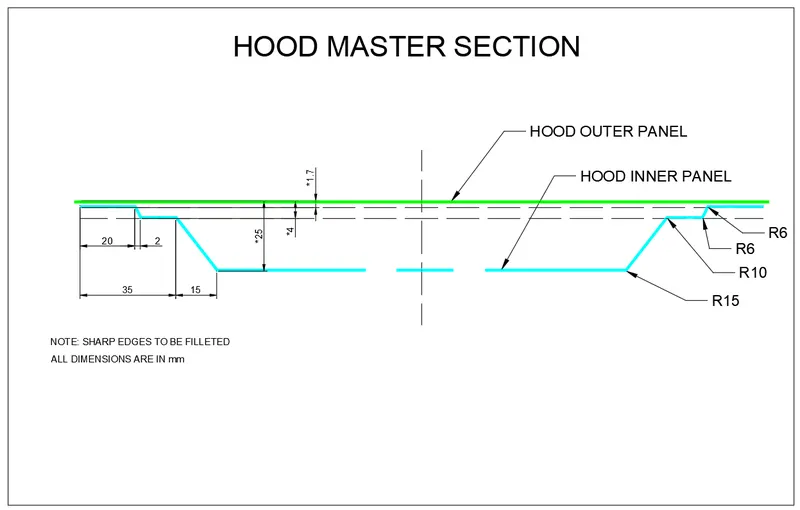
Hood thickness:
- Outer panel thickness:- 0.75mm
- Inner panel thickness:- 0.75mm
- Reinforcement thickness:- 1.5mm
Hood is main component of a car at the front portion. It is used to decorate the car & add luxurious look. The shape of the bonnet is made aerodynamic in order to minimize the air effect.
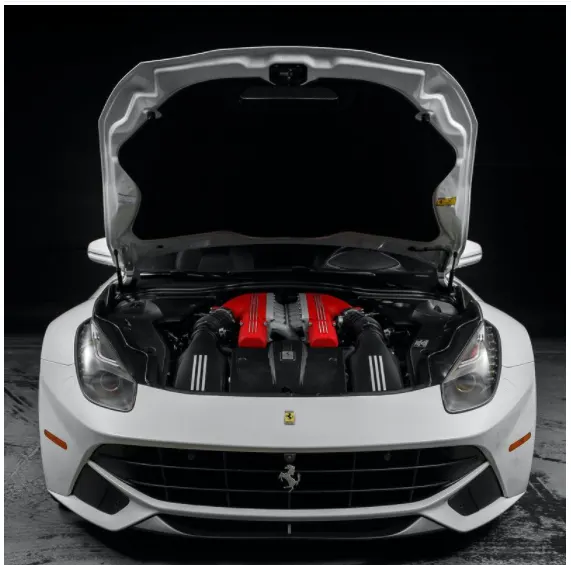
Hood design consideration:
The hood of a car is considered as the frontal BIW enclosure component. Bonnets are designed to reduce air resistance as the air flows around the car. Apart from this, bonnets are also designed to meet several other requirements. They serve a great deal of purpose in protecting the passengers inside the car & the pedestrians in the event of an accident. It also acts as the cover for the engine.
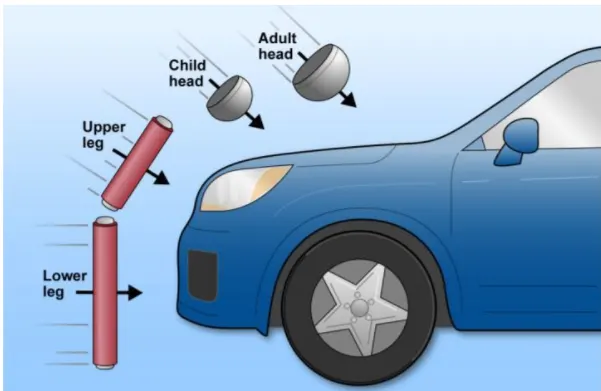
- The European New Car Assessment Programme (Euro NCAP) is a European car safety performance assessment program which has developed test specifications & rating systems for assessing pedestrian injuries during impacts with the front of vehicles such test include a series of tests using impacts designed to bio-mimic a collision at speed of 40 km/h.
- They describe a situation in which a pedestrian is situated laterally & a car first hits one of his legs. Test are conducted on the leg, upper leg & most importantly the head, as head trauma is most commonly responsible for casualties.
- So to avoid severe injuries to the head, the high impact area for adults & children are subjected to less thickness. Also no reinforcement should be provided in that area as during head collision, the hood will absrob the head impact energy leading to collapse of the hood & thus protecting severe head injury.
- Another important criteria for the hood design is the protection of the occupants inside the car during front collision. The design of the hood should be in a such a way that the during the collision, the force should travel in the upward direction through the embosses & directed towards the body of car. Thus protecting the occupants inside.
Following parts are using in hood assembly for this report,
- Hood outer panel
- Hood inner panel
- Hinge assembly
- Striker assembly
Hood thickness-
Outer panel thickness= 0.75 mm
Inner panel thickness= 0.75 mm
Reinforcement thickness= 1.5 mm
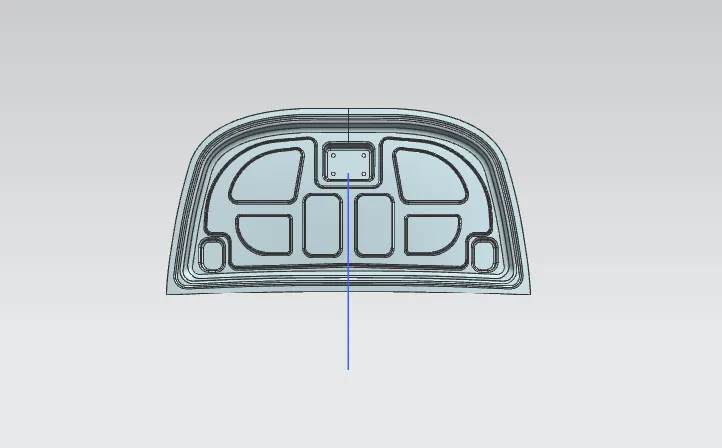
Inner Panel
- In the inner panel only we can research & implement the safety of pedestrians & as well as the driver. In this panel only we can attach the reinforcement, embossed, mastic points etc.
- It is an object of the present invention to provide a hood inner panel capable of reduction of a reaction force of the hood inner panel even if a level of deformation of a hood of a vehicle increases, & ensuring a sufficient energy absorption capacity.
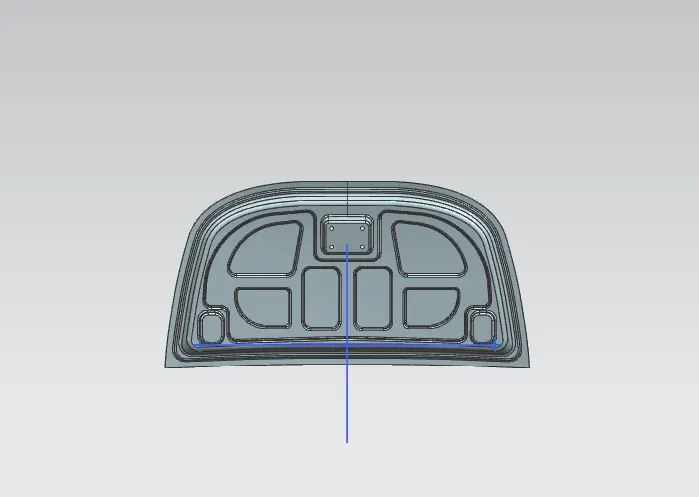
Outer Panel
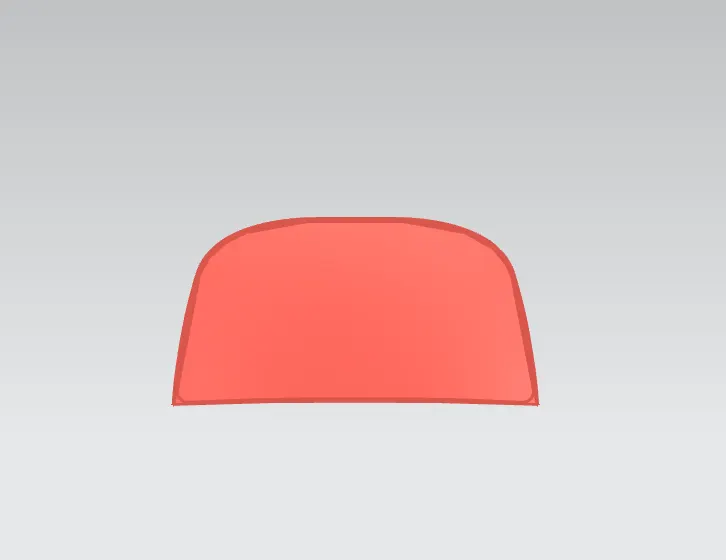
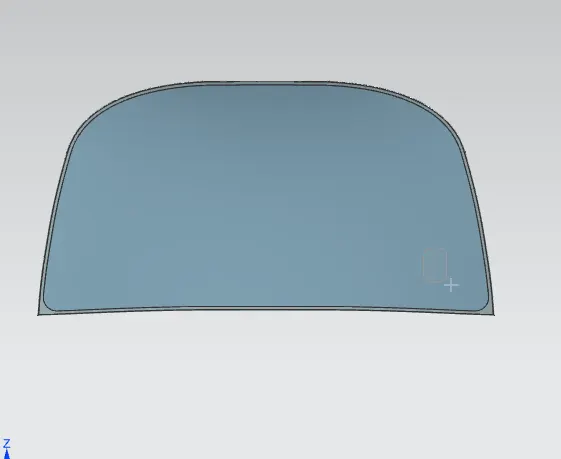
We can also call it as cover of inner panel. It is the part, which gives luxurious look to the hood or bonnet. Outer & inner panel can not join by any welding process like spot welding or rivet, which spoil the outer look of a car. The outer panel is generally extracted model from the prototype design.
Hinge Assembly
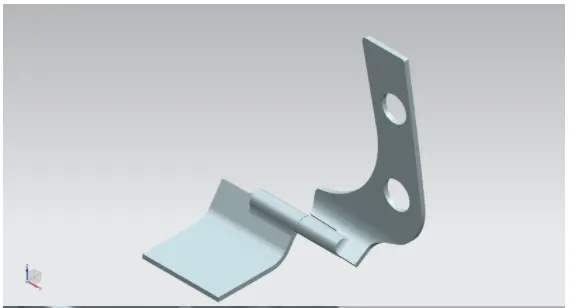
Hinge is a component that fixes the hood to the fenders of the car. The latch must be fixed perpendicular to the hinge axis so that the hood opens or closes properly.
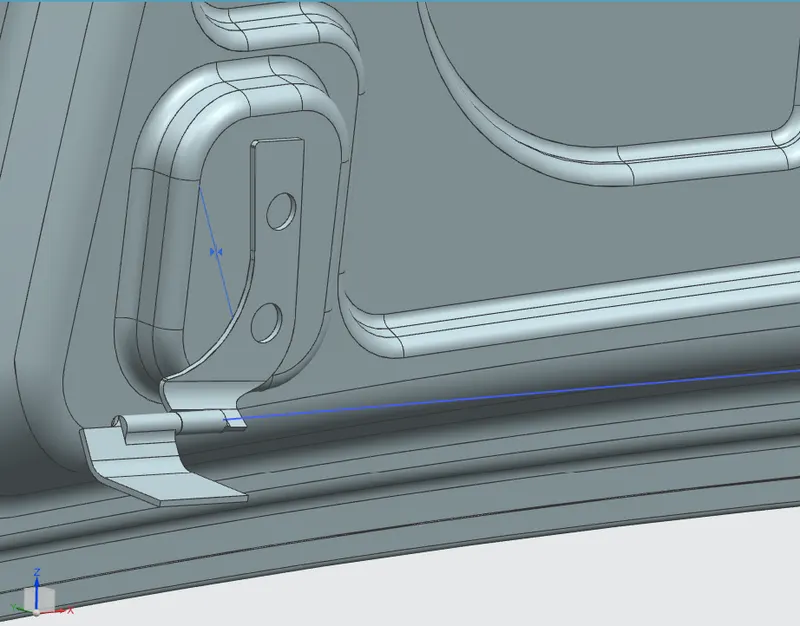
Striker Panel
Latch & striker is used for locking the hood with the car. It is usually placed on the space provided on the inner panel.
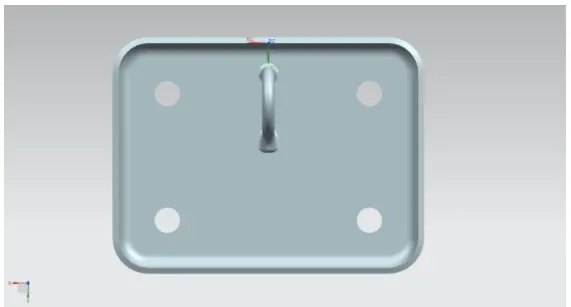
Hemming:
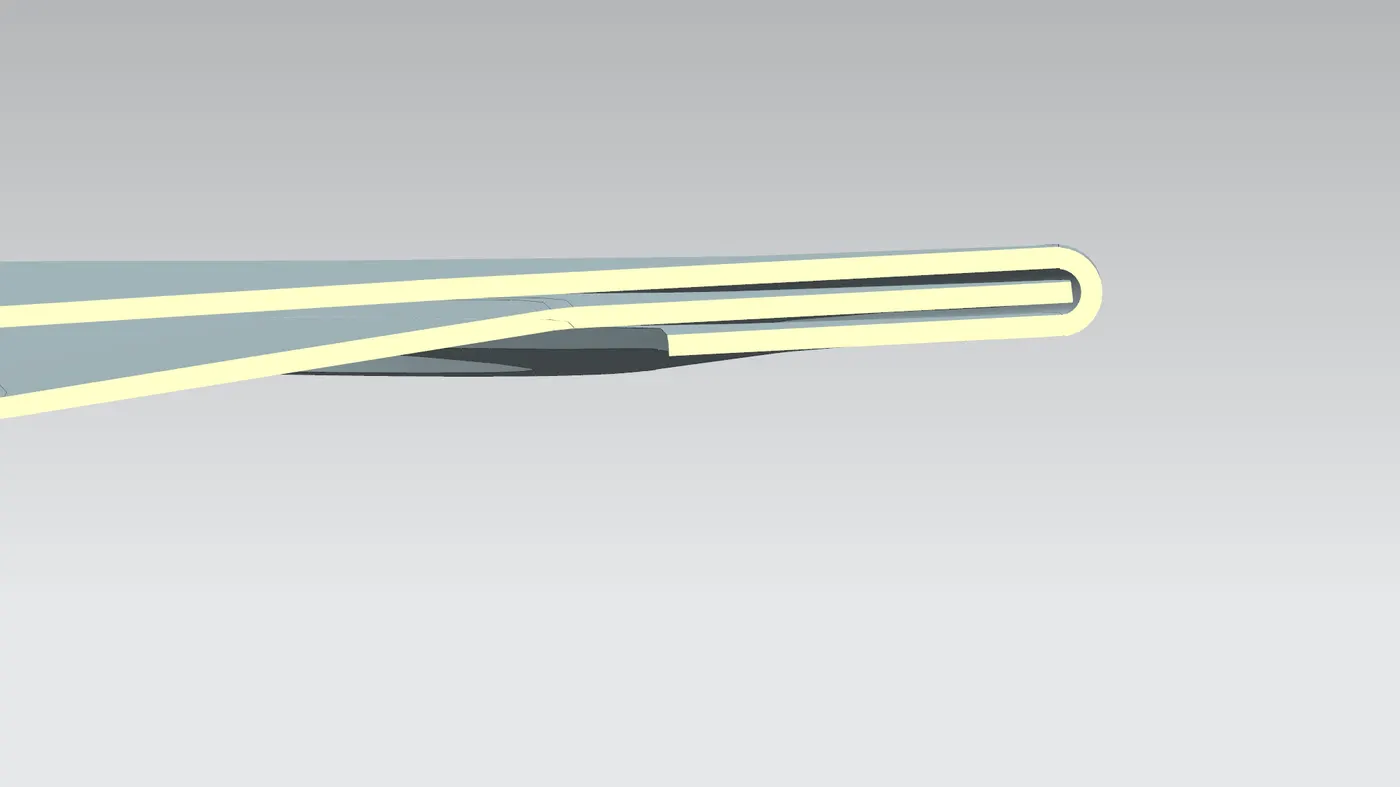
- The outer panel & Inner panel can't join by any welding process if we did it will leave a spot on the outer panel and it will spoil the look of a car. so, to join inner and outer closure panels together we use the Hemming process.
- It is the process of bending/folding the flange of the outer panel over the inner one.
- The flange of the outer panel is bent over the inner panel in progressive steps by means of the roller hemming head.
Corner Relief:
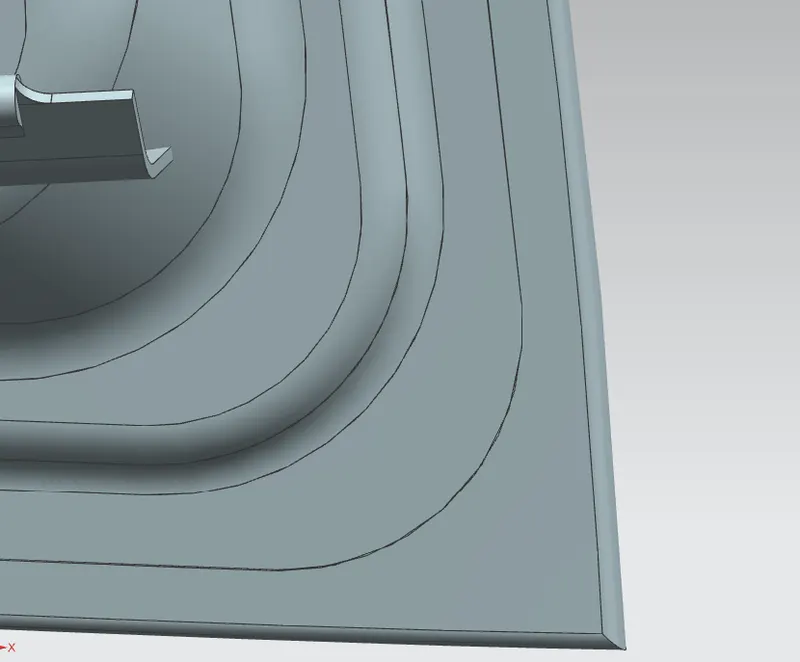
There are many types of Hemming process but in Hoods Roller hemming is used. In this process the roller will be rolling over the edges of the Outer panel to close it with the inner
panel. These roller will be rolling over 2-3 time for perfect closing. so, the certain force is being used by rollers to all the corners but there are some areas where the roller cannot tighten the part properly so thats why we give some relief to the corners.
Reinforcements:
Reinforcements are used to provide more strength to the assembly.
1. Latch & striker
2. Hinge
Latch & Striker:
Latch & striker is used for locking the hood with the car. it's usually placed on the space provided on the inner panel.
Hinge:
Hinges are used to connect the hood & cowl panel of an automobile. it enable the opening & closing operation of the hood. the hinge should be made strong enough to to handle the weight of the hood and also to handle the force action on it during the collision.
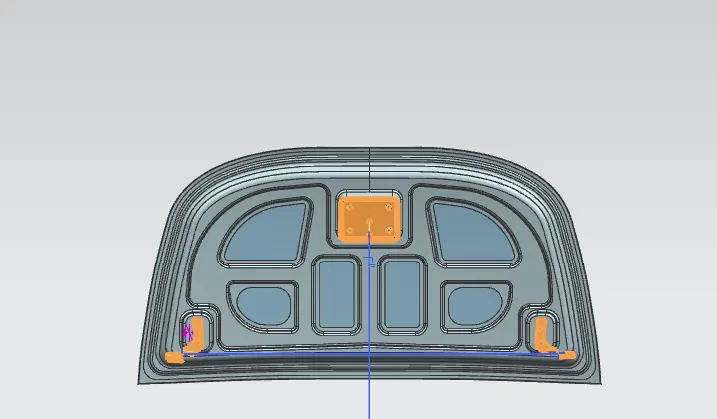
Position of Hinge & Striker:
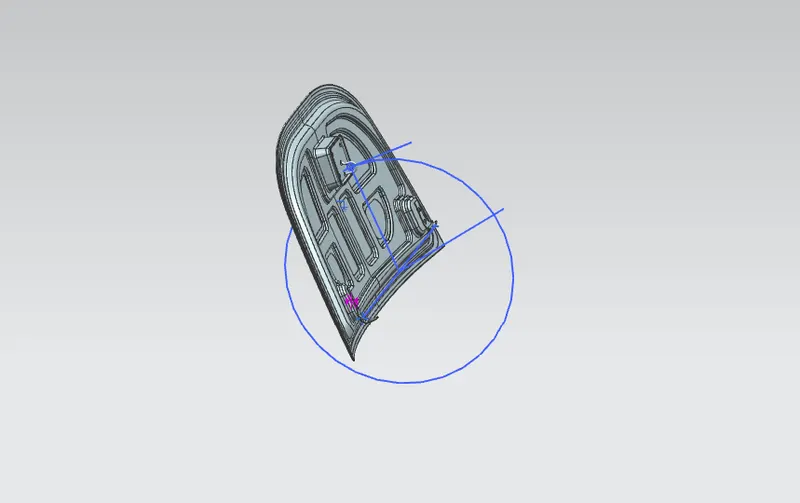
The hinges should be usually placed on both sides of the hood in such a way that the strike fits exactly into the hole provided.
To ensure this the followning conditions are follow:-
1. Both the hinges should be on the same axis.
2. The centre of the striker's circular trajectory should be always perpendicular to the hinge axis.
Conclusion:
ALL the parts of the hood are designed based on the required conditions & given dimensions. With the completion of hood design & analyzing for successful manufacturability. we can conclude that the hood can be utilized for the vehicle.Also, considering the safety of occupants & pedestrians the hood has been designed under the EuroNCAP safety regulations.