Hood design-Week 2
HOOD PANEL:
Hood is the part which covers the face of the car body , and it covers the engine components and battery. It is the most important and preventive part of the car body. the surface and strucrure of the hood acts a major role in piercing the car into the wind. there components of the hood assemlby are as follows:
- Support rod/ Stay
- Hinges
- Latch Stricker
Support Rod/ Hydraulic Stay:
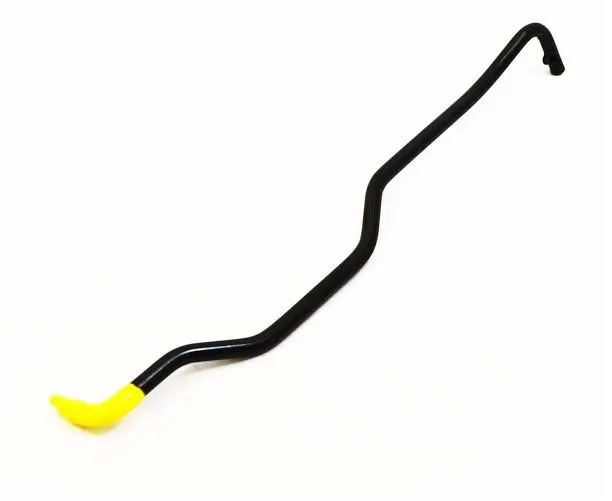
It is the supporting component to keep the hood in open position, without hanging it in hands for long time while we mechanical operations. Generally supporting rod holds the hood after opened, It having some geometrical constarints in designing , it should have some curvatures or zig-zag structures to aviod breakage due to flexural load .It must be given minimum 15mm curvature,becasue hood itself has some weight 8-11 kg, so it must withstand that much wt. so support rod was not designed in straight line component. it having some locking stricker to hold its positions.
The support rod must be placed opposite to the battery location. the opening angle of the hood varies to regions based on normal human heights . so we have consider for which region car we designing the hood.
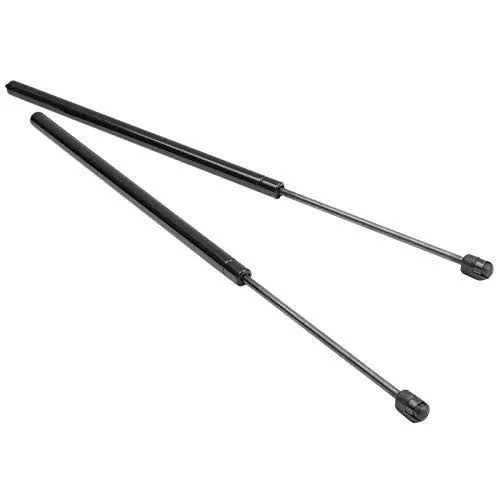
In hydraulic stay we dont need fully open the hood to its maximum angle , it having hydraulic mechanisms so we just have to lift it to sufficent height thats all. It will be mounted on bot sides of the hood adajcent to the hinge assembly.
Hinge:
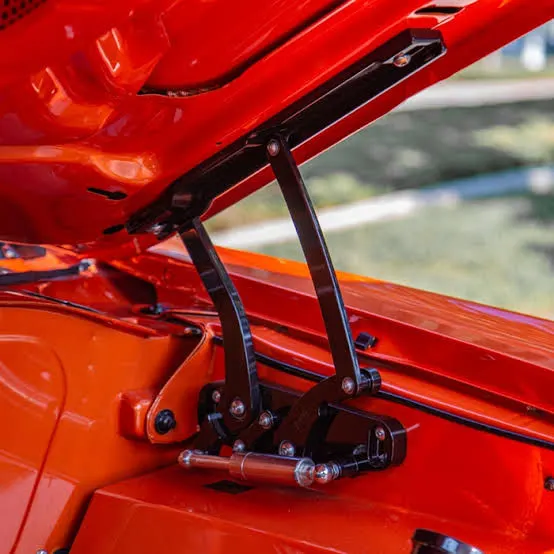
Hinge is the part helps the movement of the hood . it is mounted on the hinge emboss . One end is mounted on the car and another end is mounted on the hood using bolts.
Latch Stricker :
The Latch trajectory is the used as locking mechanism to lock the hood. so that it cannot vibrate or make noise on offroad driving.
DESIGN COMPONENTS:
In hood design we have to design the inner pannel according to the master sketch datas, we have to give the required constraints. The main concept we have to handle in this design is to the safety of the passenger and the pedestarin.
For the passenger safety we are providing the emboss with two layers and make the hit actional force to diverge the hinge regions rather than to get direct hit on the passenger side. And the cutout regions we provide also for reduce the directions of the hitting force.
For the pedestrian safety we making the head impact regions with the cutouts in the inner pannel. so that the impact can be minimum. it varies with adult and child impact zones. we make sure that the angle of 45 deg. from the surface of hood to the ground.
the hood inner and outer pannel are connected using hemming process with the hem glue on the outer edges. but the inner edges are make into contact by the mastic glue , for that we have to provide mastic data region on the secondary emboss regions . the mastic glue has the capability of expanding to the temperature. so we have to provide a minimum gap tolerances of 5mm betweem the inner(mastic data region) and outer pannel .
And then we connecting the outer edges using the hemming process it is machined by rollers to make run on the sheets accordingly to get the blend , we have to give certain corner relief for the hemming to avoid stress breakage and complete hemming to be done without material loss.
The hood are manufactured by the stamping process with tool and die, in the pressshop. we use the tool and die to get the exact shape we required.