Hood design-Week 2
HOOD DESIGN:
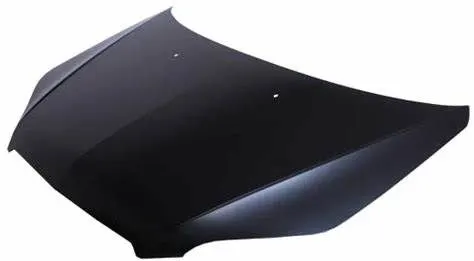
Hood is the door it will cover the engine of the vehicle. Hood can open to allow access to the engine component which to repair and maintance. Car hood typically consistes of steel and aluminium. Hoods are also used to release heat into the air, which can be a problem if not properly vented. The hood has a few different parts. The front edge of the hood is called the leading edge. The rear edge of the hood is called the trailing edge. Hood is the considered another type of door in the vehicle consists of outer panel and inner panel of hood. The inner panel provides strength while outer panel function of metal cover. The hood has critical component which will prevent from the front crash and also pedestrian safety.
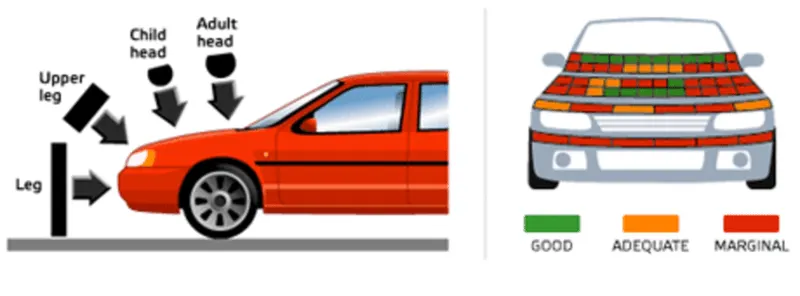
For Hood Design Considered points
- Opening Angle of Hood
- NCAP Crash Test Ratings For Strength
- Wrap Around Distance (WAD) for Pedestrian Safety
- NVH (Noise, Vibration, Harshness) For Consumer/Customer/User/Buyer
WRAP AROUND DISTANCE:
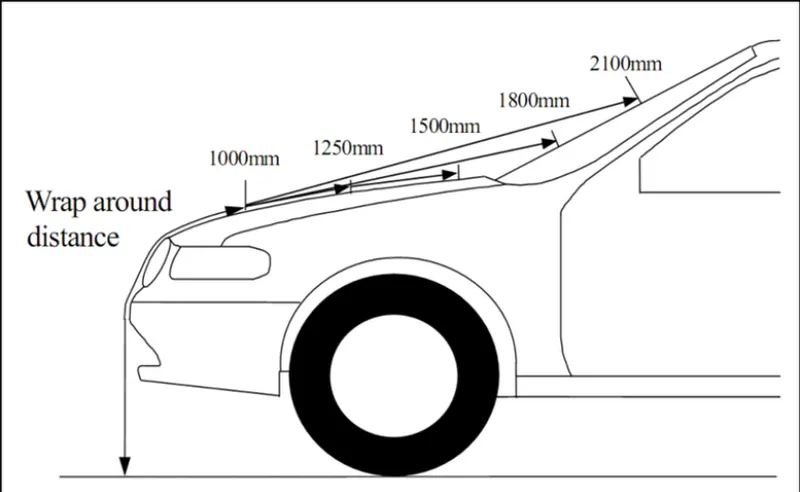
Wrap around distance means the trace the point received on the front structure. When one end of flexible table is required length held at ground referance level and other end is contact is contact with the front structure.
TYPES OF HOOD STAY:
- Support rod
- Gas stay
SUPPORT ROD:
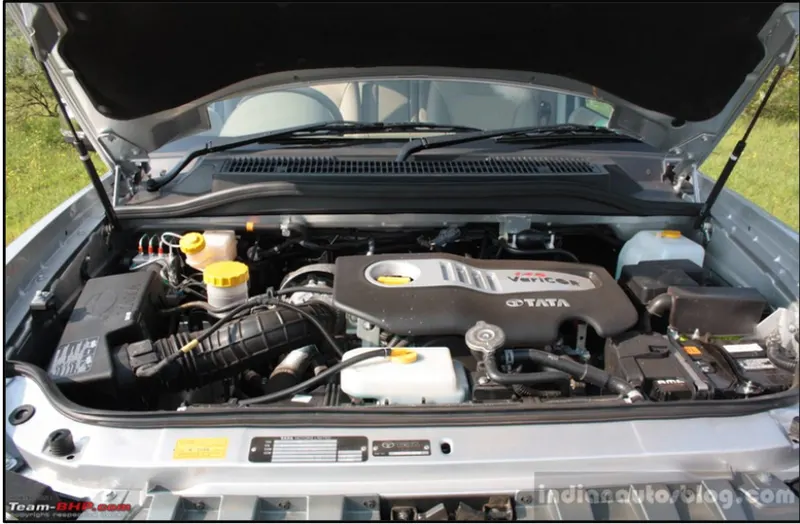
- Support Rod can be mounted with grommet side on the engine compartment of Body and rod locking hole on hood or vice versa.
- Grommet and the clip of the rod are standard parts.
- Support rod is used to increase the support force, automatic buffering, stable and reliable, strong load-bearing capacity, safe use, not easy to fall, avoid hot hands, support the engine more easily, and balance the force without shaking.
GAS STAY:
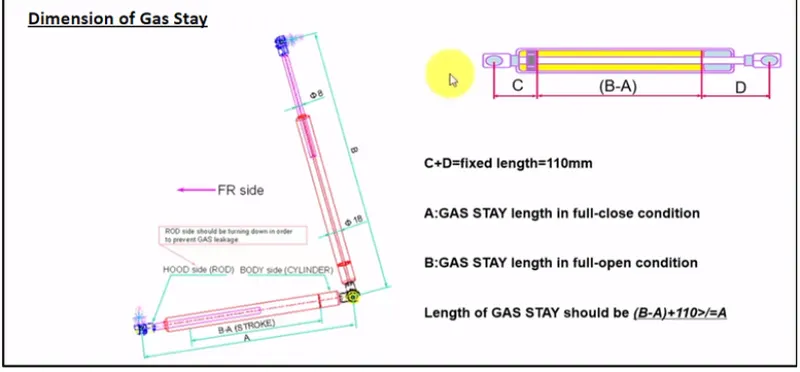
Spring stays are designed to be used on upward lifting doors, once you have opened the door slightly the spring will push the door to the fully open position, Euro fit stock various size springs depending on the door size requirements. This is mostly used for where the car bonnet weight is heavy.Struts contain nitrogen gas under pressure and some oil to damp movement and to lubricate the seals
MANUFACTURING METHOD:
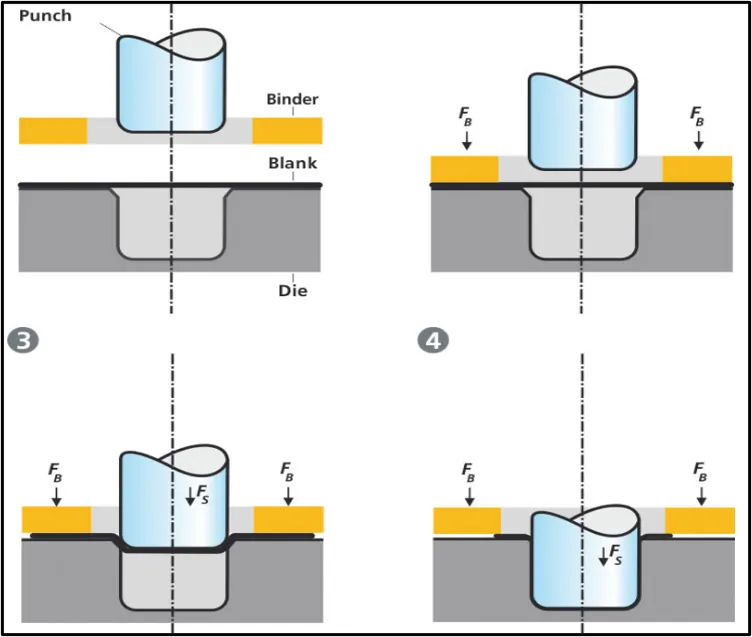
Deep drawing is one of the most widely used processes in Hood manufacturing. Apart from its use in many other sectors, it is applied in the automotive industry for the manufacturing of car body parts.
The deep drawing process is a forming process which occurs under a combination of tensile and compressive conditions. A flat sheet metal blank is formed into a hollow body open on one side or a hollow body is formed into a hollow body with a smaller cross-section.
Deep drawing processes are divided into three types:
- Deep drawing with tools
- Deep drawing with active means
- Deep drawing with active energy
COMPONENTS OF HOOD DESIGN:
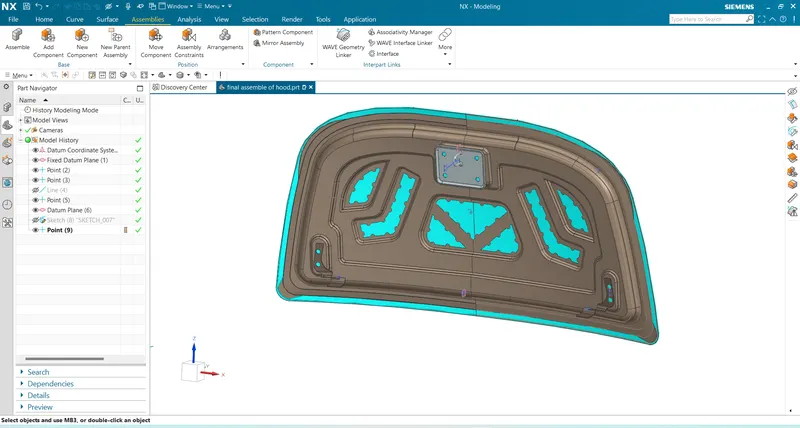
- Outer panel
- inner panel
- striker
- Hinge assemble
DESIGN PROCEDURE:
- Design the emboss of inner panel
- Mastic data
- Reinforcement of hinge
- Tracjector of the latch & striker
- Hemming the outer panel
- Relief size
- Reinforcement of striker
EMBOSSES:
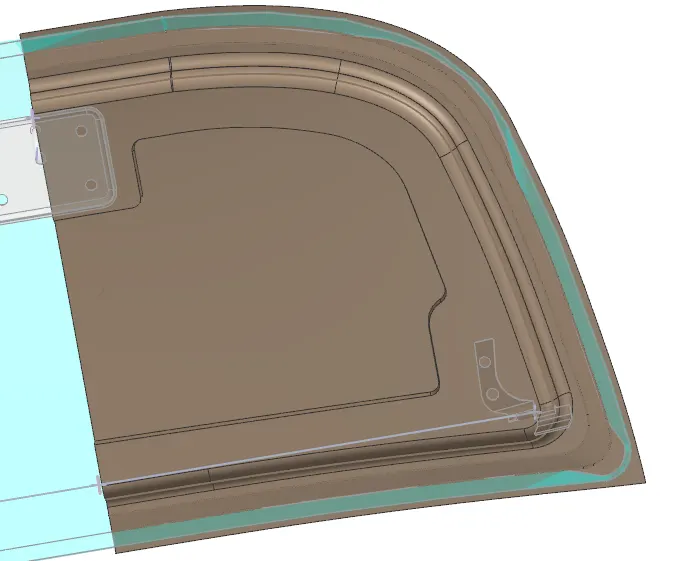
Embosses has been given to create extra strength in inner panel and embosses design needs to be inspired by force dissipation phenomena like here I have made embosses in a way if any object hit from front most of the force will get dissipated by its design towards the upper left & right corner so that less force reach at occupants end.
MASTIC DATA:
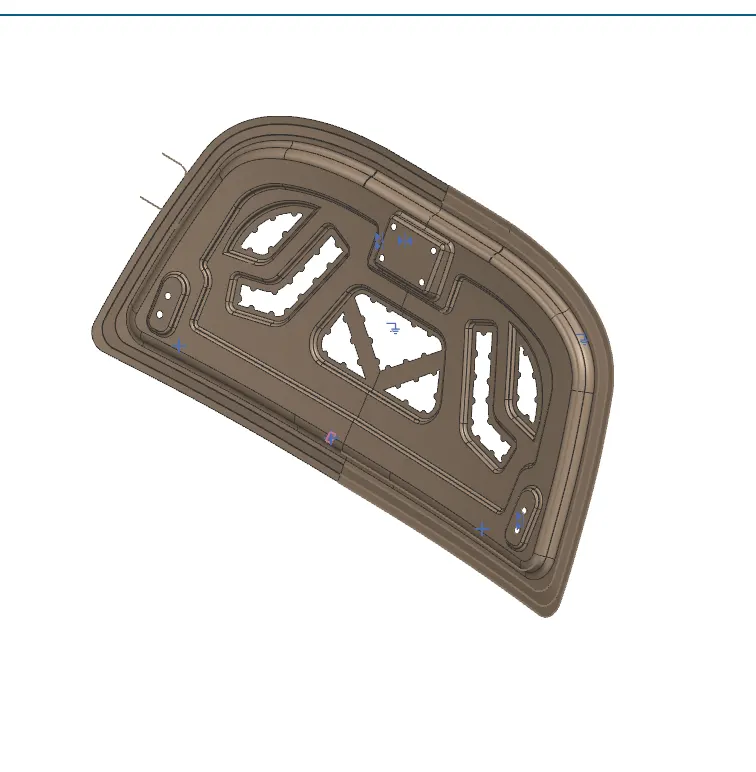
It is basically an NVH topic mastics are point / surfaces given on embosses for applying mastic sealant to join outer and inner panel and also give good value of NVH.
So mastic sealants are joining material used to join inner and Outer panel and at the same time reduces the NVH value.
One spot of mastic sealant provides strength locally at around 80 mm so we need to put these mastic points in such a way that it covers the most of the hood region except reinforcement area of latch and hinge because that alone provide good NVH so no worries there.
Here I have spotted points where I have applied mastic data when mastic sealant will be applied and while undergoing hot bath it gets hardened & make the joint strong.
designing inner panel one must take care of spaces to provide on panel for latch and hinge.
REINFORCEMENT OF HINGE:
Hinge is a mechanical bearing that connects two solid objects typically allowing only a limited angle of rotation between them it has one degree of freedom. So here hinge is providing rotation to hood about it’s own axis and also keep it connected to the fender portion.
So while creating space for hinge we need to provide emboss there, because of emboss and hole its strength got affected so to compensate that we provide hinge reinforcement.
Hinge reinforcement has thickness around 1 to 1.5 mm to provide reinforcement to hinge embossed region.
LATCH TRAJECTORY
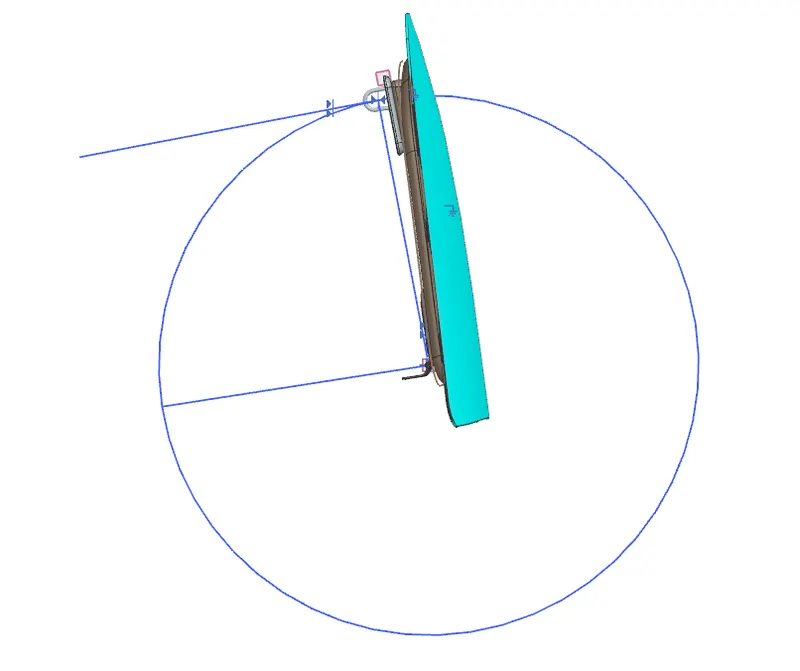
The latch trajectory shows the path of the striker when the hood is opened and closed on a vehicle.
The radius of the circular trajectory is determined by the set standard based on the average height of a person. The radius is measured from the hinge axis up-to the latch.
HEMMING:
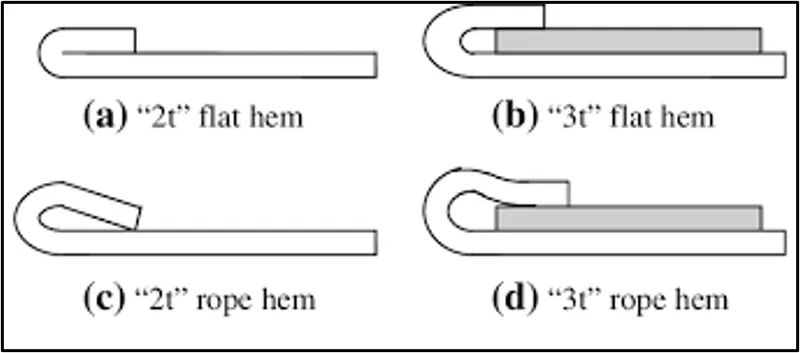
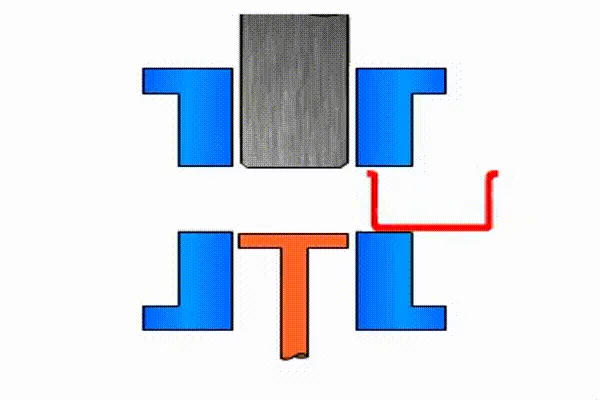
Hemming is a sheet metal forming process in which sheets are joined by bending it usually to 180°. Automotive body panels and automotive parts such as deck-lids, trunk-lids, doors, hoods and tailgates are formed by hemming process.Normally hemming operations are used to connect parts together, to improve the appearance of a part and to reinforce part edges.
CORNER RELIEF:
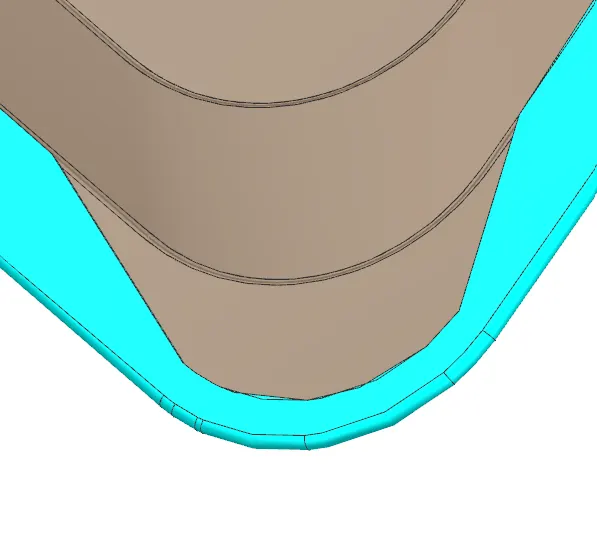
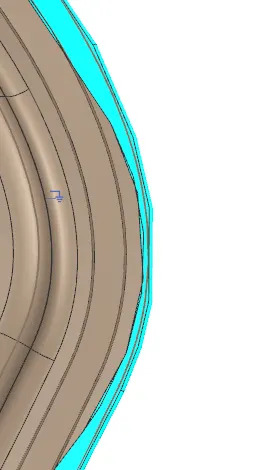
Relief is provided onto the part or component in order to remove any stresses developed in a particular area i.e sharp corners that takes place during the hemming process is carried out. Thus corners are rounded or chamfered. Relief of 3 mm from sheet metal for Roll hemming process.
REINFORCEMENT OF STRIKER:
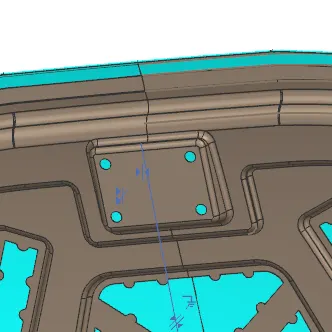
The door striker plates are installed in the door jambs, and precisely aligned with the door latches so that the latches catch onto the striker plate when the doors are closed. The door striker plate is made of hardened steel to resist wear as it is subjected to constant contact with the door latch.
The hood latch system begins inside the compartment of the car, hood release handle located onthe driver's side. The hood release handle attaches to a cable which then routes through the dashboard towards the front of the vehicle.
CONCLUSION
This hood was designed in Siemens NX Student Version software with given and required design guidelines for hood design and manufacturing.