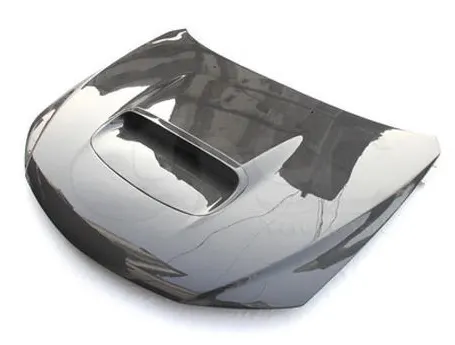
Hoods are typically made out of the same material as the rest of the body work. This may include steel, aluminum, fiberglass or carbon fiber. However, some aftermarket companies produce replacements for steel hoods in fiberglass or carbon fiber to make the vehicle lighter.
HOOD
HOOD Components:
1. Hood Outer Panel: It is the outer panel of the car's hood which is responsible for asthetic of the car and also plays an important role in aerodynamics of the car.
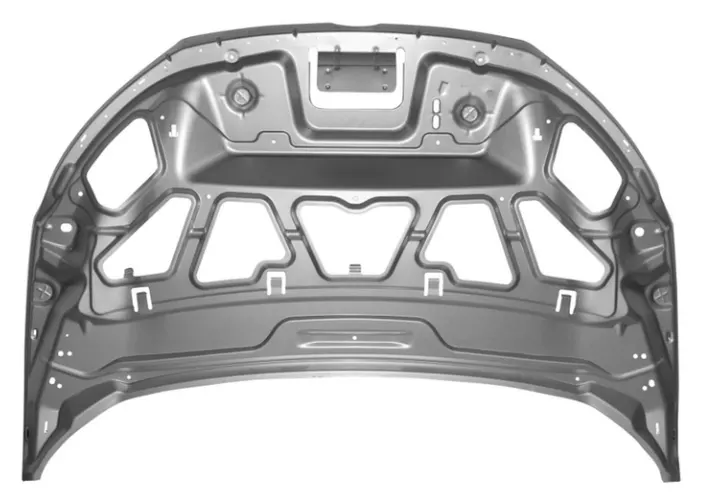
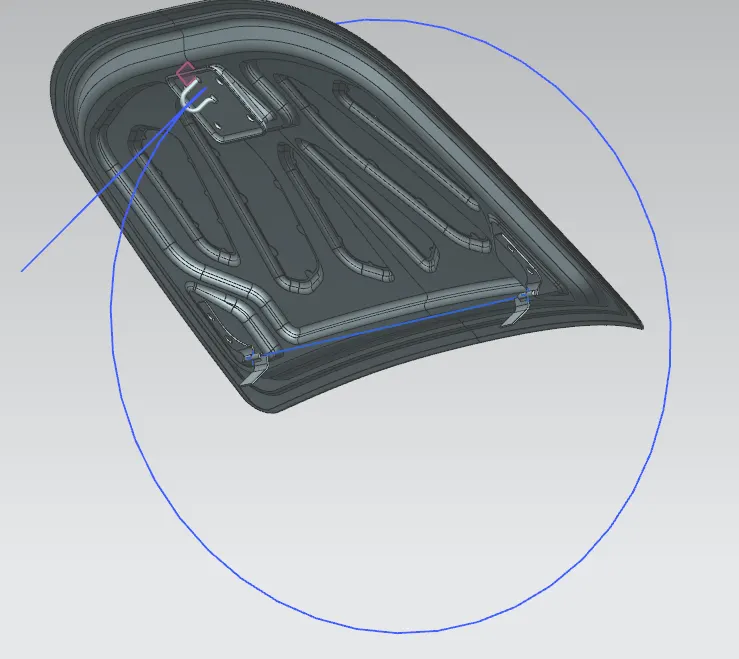
2. Hood Inner Panel : It is the Inner panel of the car's hood which provide strength to the outer panel of the car and also striker and hinges are mounted on this panel.
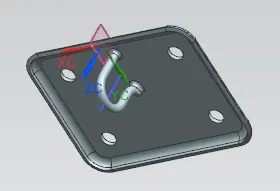
3. Striker : Striker is use to locking the car's hood to the bottom frame of the car.
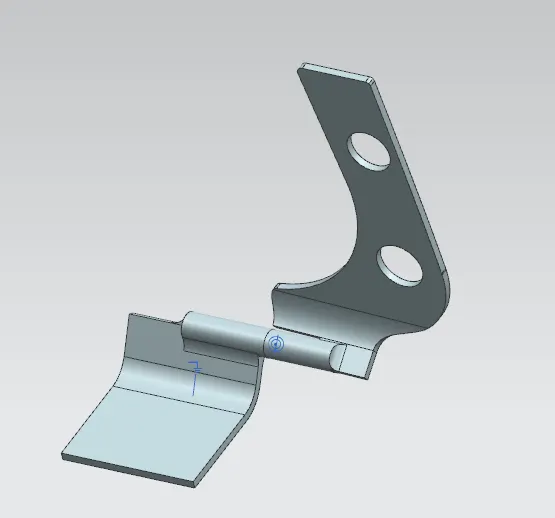
4. Hinges : Hinges are on which hood is pivoted .
5. Stiffner Pad : Stiffner pad are hard foams which are use to dampen the vibration between Inner panel and outer panel.
it doesn't have any fixed shape it will take the shape of the sourrindings where it is going to place.
Latch Trajactory: it is the path which striker follows when hood is open or close.
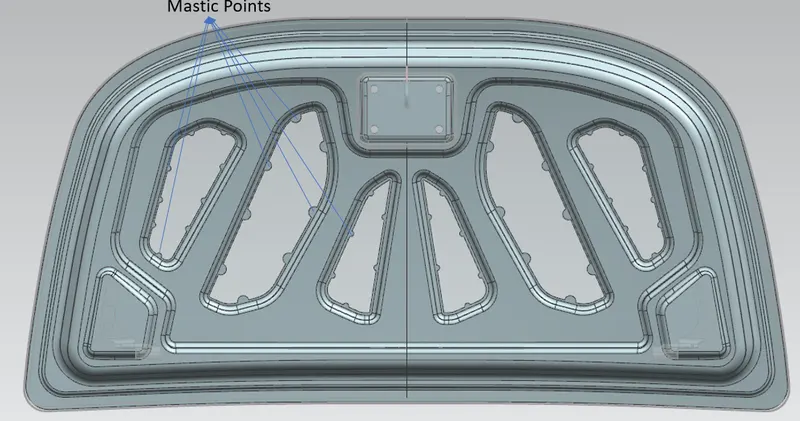
Mastic: It is a sealent which is used for sealing gaps and joints in places where it will need to resist some movement.
In automobile hood design, designers leaves a space on the inner panel of hood for mastic to apply which are called mastic point.It also increase Strength Locally by about diameter 160mm . It is like Rubber material. it also plays an important role in reducing NVH level.
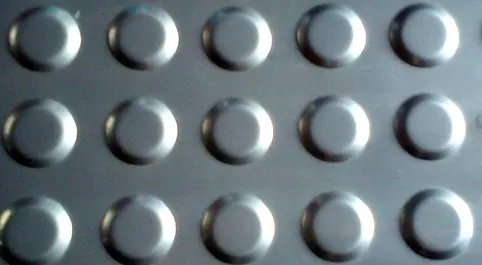
Emboss: It is the stamping process of making an impression on the sheetmetal.
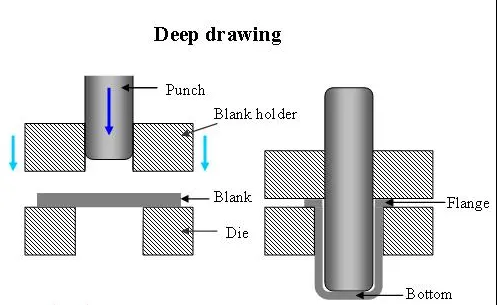
Deep Drawing: It is a forming process in which a sheet metal blank is radially drawn into a forming die by the punch.
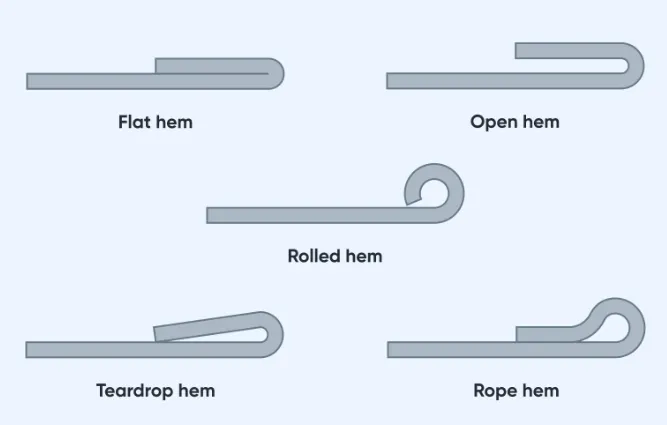
Hemming: It is the process in which edge of the sheet metal is rolled over or onto itself.
Design Consideration:
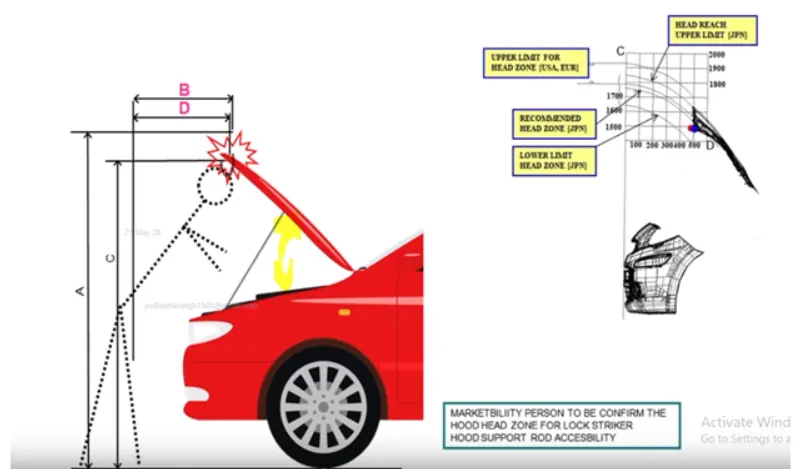
1. Opening angle of the hood: Angle is depend on the region to region. It is controlled by support rod or gas stay. Hood angle is important for design considration as if it is less there is chache of hitting the striker on the head of person and cause injury, so Hood angle plays an important role while designing the hood.
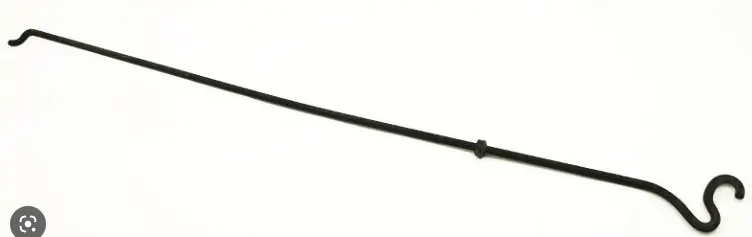
Support Rod: support rod is used to support the hood while it is in open condition.Its placement is inside the engine compartment. Support rod has to be fixed manually onto the hood .
Design of support rod is not straight but it should have some bends to increase the strength of the support rod . The support rod is mounted inside of the hood and mountede in such a way that it should no colide with other parts, also the support rod should be mounted on opposite of battery to avoid inteference while maintance work is going on the battery side .
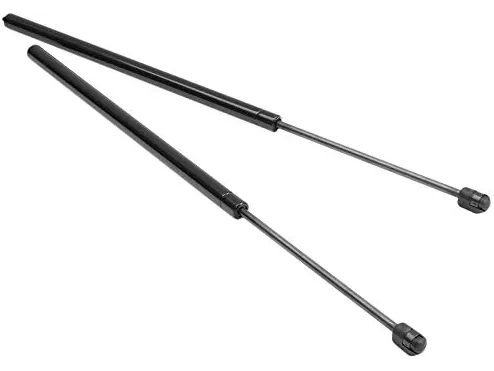
Gas stay: its function is similar to the support rod , but it is used when the hood is very heavy and cannot lift by the person manually and additional braket is used when we use gas stay.
2. NVH: During Motion theere should not be any noise coimg from any of the parts. for that we uses Stiffener pads,grommets apply mastic sealents between two parts.
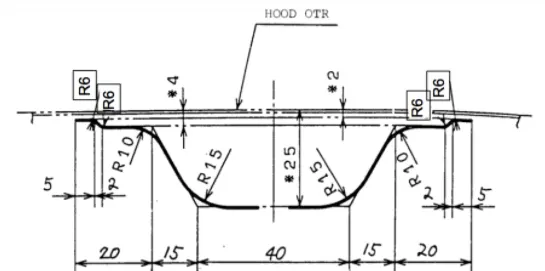
3.Master Section: It is the predefined sketch which is adaptable in different condition. it is different for different regions.
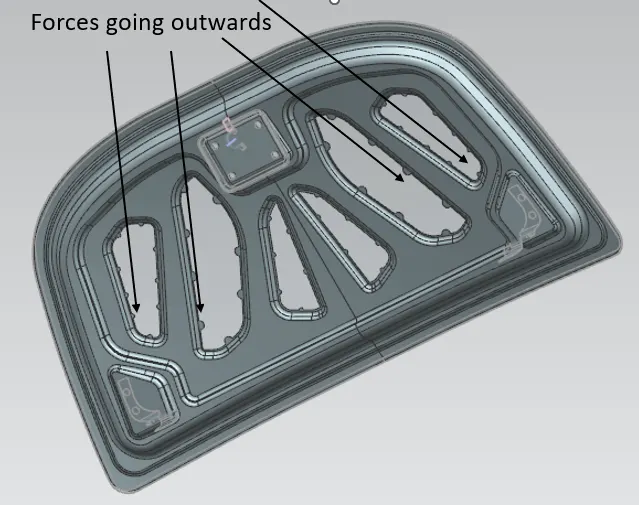
5. Dissipation of force outside of the vehicle towards hinge. it comes under safety of the passenger inside the vehicle.
6.Pedestrian Head Impact Zone: Most pedestrian accidents occur within city areas where speeds are moderate. The head, the lower body and the legs are amongst the most frequently injured body regions.
Wrap Around the Distance
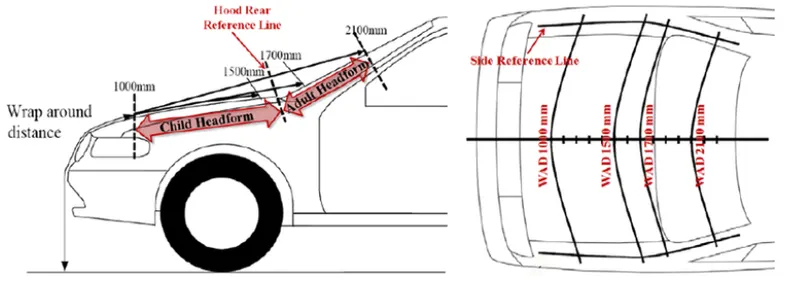
When the car Crash's on a Pedestrian, the Whole body wrap around the Front shape of Car and the Head impacts the bonnet/Hood or windshield.The distance at which the head impacts on the end point of car hood from the ground is known as Wrap around distance.
During the Head impact test on the bases of WAD, the car frontal Area divided into two-zone,
1)Child Impact Zone:- The Impact Zone is between 1000mm to 1500 mm WAD
2)Adult impact zone:- The Impact Zone is between 1500mm to 2100 mm WAD