Hood design-Week 2
Hood Design
Hood is a hinged cover infront of the vehicle. It can be opened and closed for maintanence of the engine or other accesories. Hood is generally made of two components those are inner panel and outer panel. It also has two additional components two hinges and one striker. The hood is manufactured using sheet metal of steel or aluminium. Hood is a very important component of a car's Body in White. It is designed in such a way that it is very light weight, it has channels to transfer the impact energy generated in a crash, also to dissipate heat.
Hood Assembly
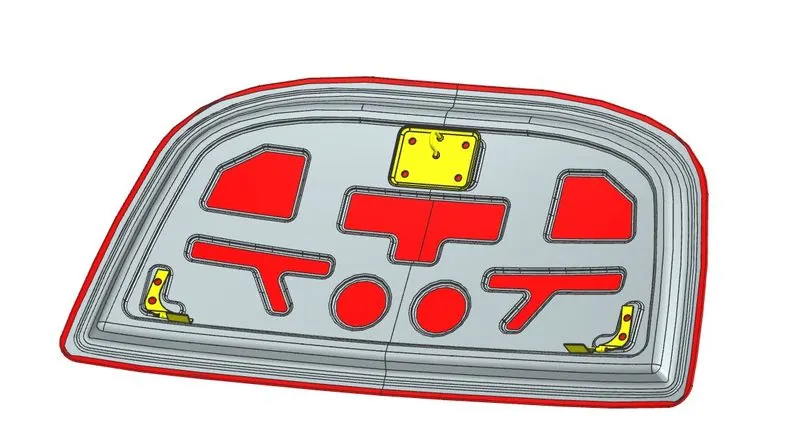
Inner Panel
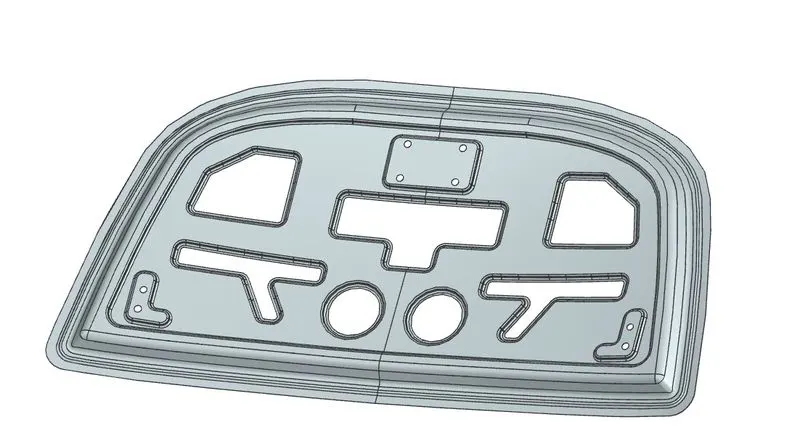
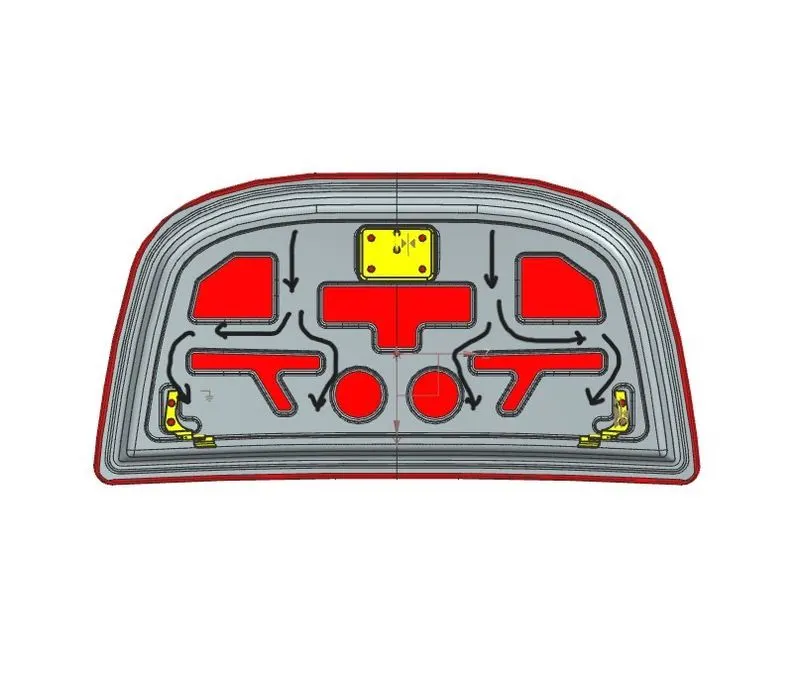
It is the inside part of the hood assembly. It has various channels and embosses to dissipate the frontal crash energy outside of the passenger cabin. The embosses are also given to make the inner panel light weight and also to reduce cross sections in certain areas of the hood where chances of pedestrian collision arw high. The hinges and Striker are also attached with this section.
Outer Panel
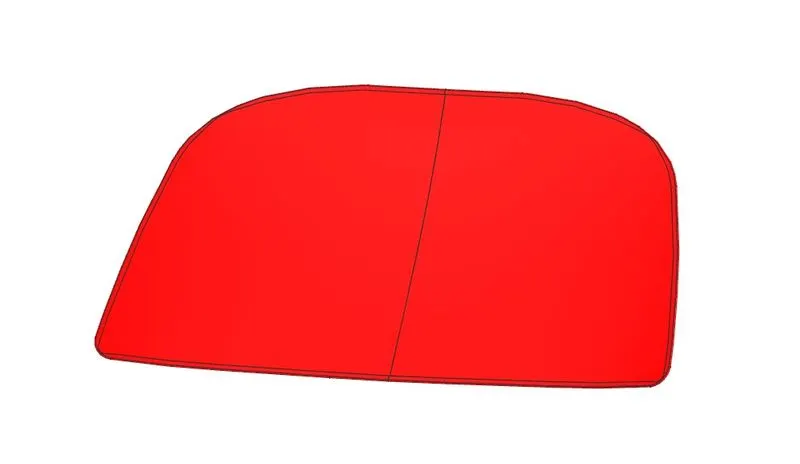
Outer panel is outer most part of the hood assembly. It is mainly designed considering the cars asthetics. It is joined with inner panel using a process called hemming, and by also using adhesive in certain points called mastic point.
Hinge
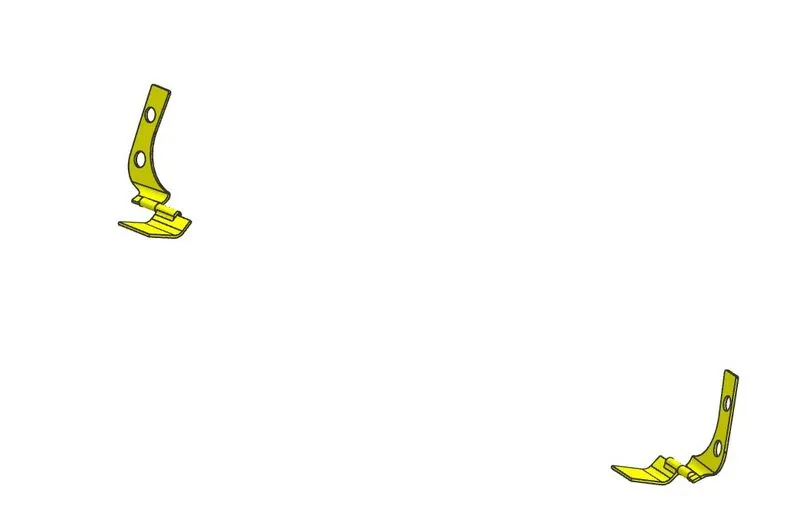
Hinges are a coupling device attached with the hood and the vehicle frame to give a rotational motion to the hood.
Striker
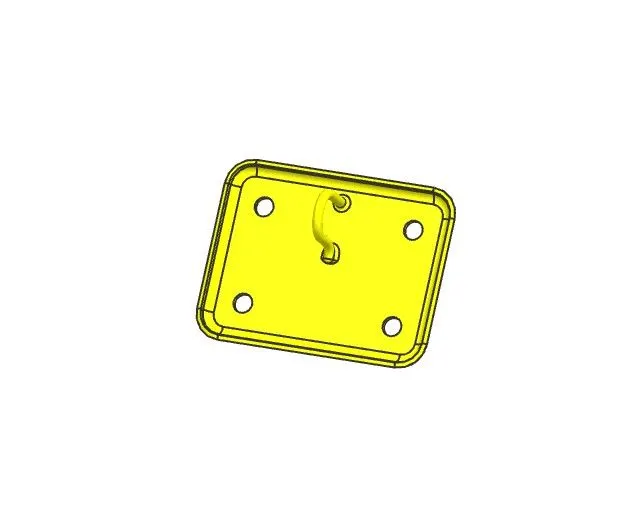
It is a locking mechanism used to close to hood. It is a U shaped clip mounted on a plate, that plate is attached with hood inner panel. The engine compartment has a latch which holds the U shaped clip when its being closed.
Master Section
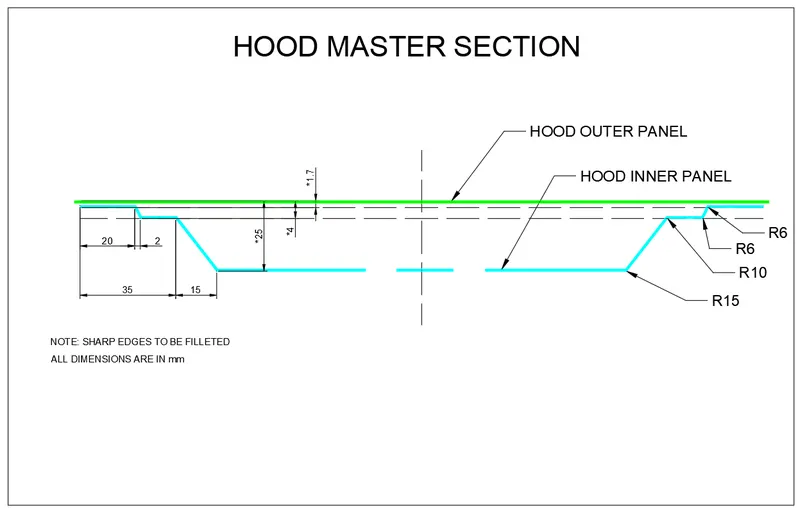
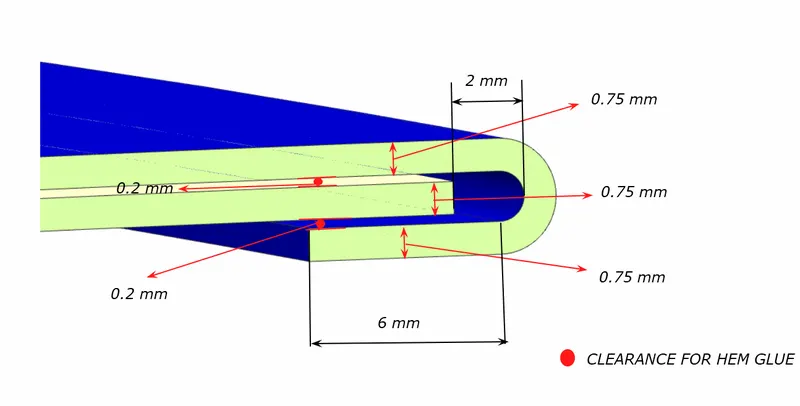
We design the hood assembly following the master section. We have a class a surface of the outer panel given by the styling team. First we take offsets at different length following the drawing then trim at nesscary points. We finally sew all the surfaces together and make the final hood inner panel. We give fillets to all the sharp corners of the Inner panel. After the hemming process we thicken our surfaces by the required dimension to make it a solid body.
Design Consideration
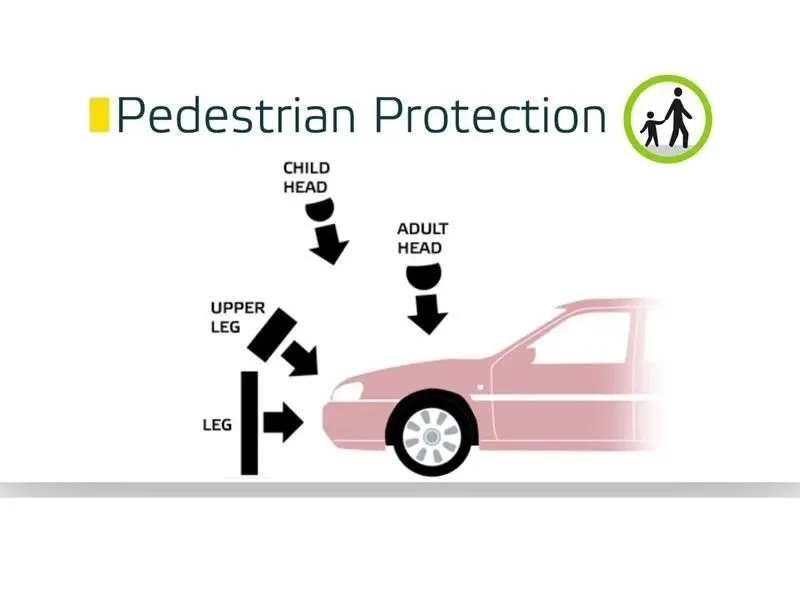
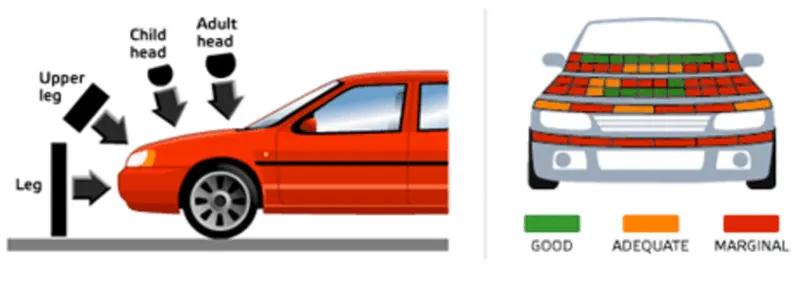
The hood is not only designed to cover the engine and its accesories. It also has very important role in passenger and pedestrian safety. We have discussed about passenger safety early in this report. Now lets discuss about pedestrian safety. In a situation of an accident, when a car hits a pedestrian on road, chances are that his or her body will hit certain areas of the hood. To minimise the chances of injury we have locate those spots and we have to give minimum material possible to those areas. We make this by giving embosses and cut outs in the inner panel. Automobile companies generally follows the standards given by International agencies, like Global NCAP or Euro NCAP.
Force distribution
Hemming
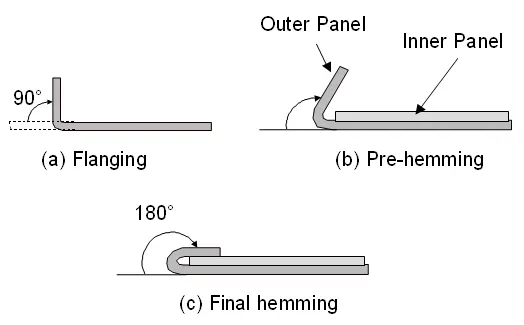
Hemming is a sheet metal forming process in which sheets are joined by bending it to 180°. Automotive body panels and automotive parts such as doors, hoods and tailgates are formed by hemming process. In this process, usually a sheet is bent with the help of inner sheet in three different stages. A roller is then applied all over the hemming proces. There are mailnly two ways we can do hemming - 1. Conventional die hemming 2. Roll hemming using hemming rollers. In certain points between the Inner and Outer panel we use adhesives to keep the joining more firm, those points are called mastic points.
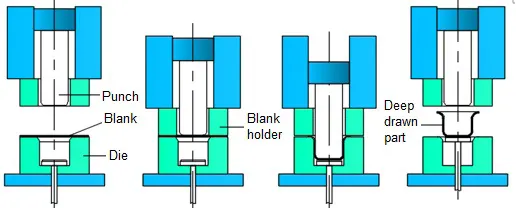
Deep drawing
Deep drawing is a metal forming process using metal sheets. Apart from its use in many other sectors, it has huge applications in the automotive industry for the manufacturing of car body parts. The process is called "deep" drawing when the depth of the drawn part exceeds its diameter. This operation is done using a punch and die. The punch is the desired shape of the base of the part, once drawn. The die cavity matches the punch and is a little wider to allow for its passage, as well as clearance. The sheet metal work piece, called a blank, is placed over the die opening. A blankholder, that surrounds the punch, applies pressure to the entire surface of the blank, holding the sheet metal work flat against the die. The punch travels towards the blank. After contacting the work, the punch forces the sheet metal into the die cavity, forming its shape.
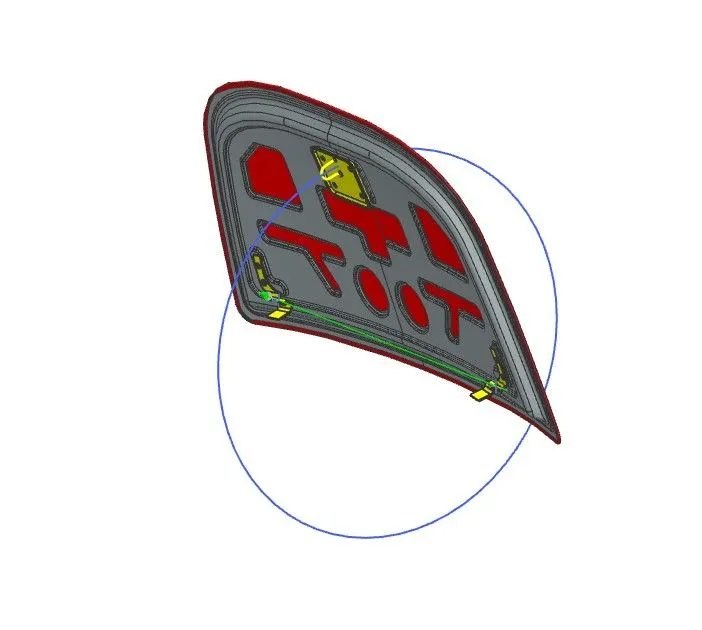
Latch opening trajectory
The Latch/Strikers rotating trajectory should lie on the axis of the hinges. Then it will have a proper rotational motion to open or close the hood.
Draft Analysis
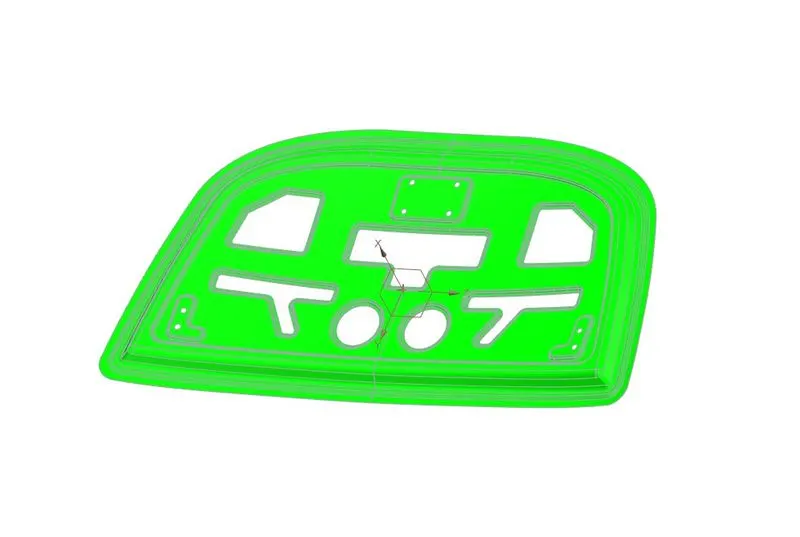
A minimum 7 degree draft is to be provided to the sheet metals for easy extraction from the dies. Here after draft analysis in the body is showing green, which means the design is correct.