Fender Design - Wheel Arch Challenge
Introduction:
A fender is the curved portion of the car’s body that sits over and houses the wheels. The purpose of a fender is pretty simple. Its purpose is to keep mud, rocks, and other road debris from being thrown around by the tires. In other words, the fender is a housing for the wheels that keeps road debris contained. If there was nothing covering the wheels, all kinds of debris would be kicked up by the rotating tires.
The fender not only protects your car from sustaining damage from road debris but it prevents this debris from being thrown up at other vehicles on the road. This is why vehicles with large, oversized tires are often required by law to install fender flares.
Types of Fender?
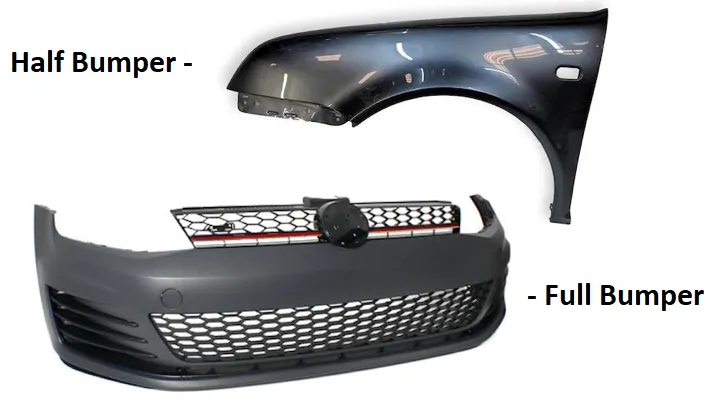
1) Full Bumper Type
2) Half Bumper Type
Aim: To decide whether the given design passes the European standards or not.
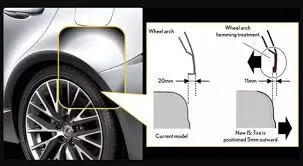
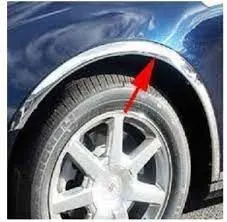
The wheel arc is an integrated part of a fender assembly. It is a semi-circular part which is positioned above the wheel of a vehicle. In some countries, it is also called as an inner fender.
A Fender is the part of a car, truck or motorcycle that surrounds the wheel well. The primary function of a Fender is to prevent dirt and debris from being thrown into the air by the tire.
FENDER WHEEL ARCH REGULATIONS:
Japan wheel arch regulations:
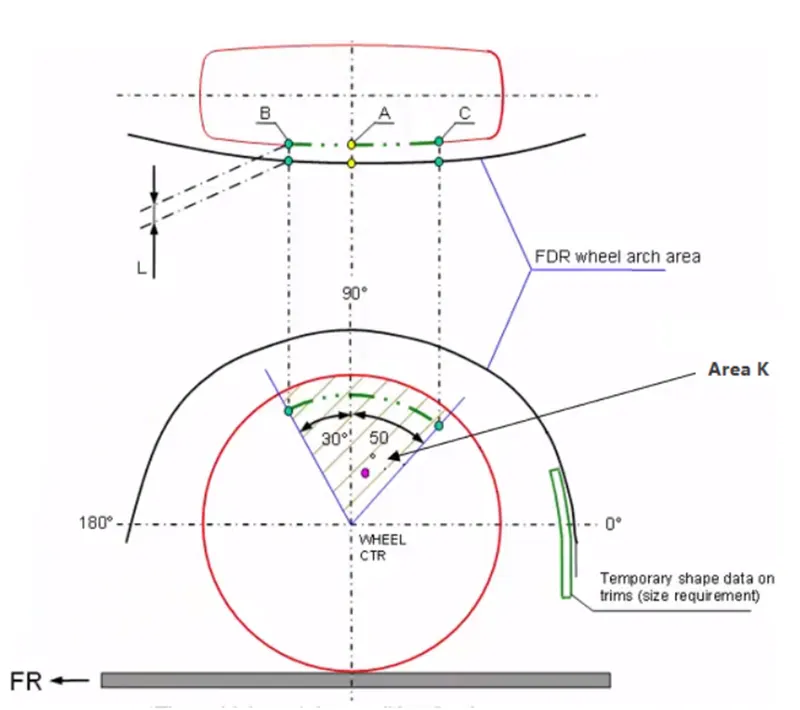
- The clearance ‘L’ for tire, hub, cap and fender is to be measured within area K and create clearance check chart to validate
- The value of L should be greater than 5mm at all positions
- Wheel guard requirement: The value of ‘a’ should be more than 5mm at line 30° forward and 50° rearwards from the central vertical axis of the wheel
European wheel arch regulations:
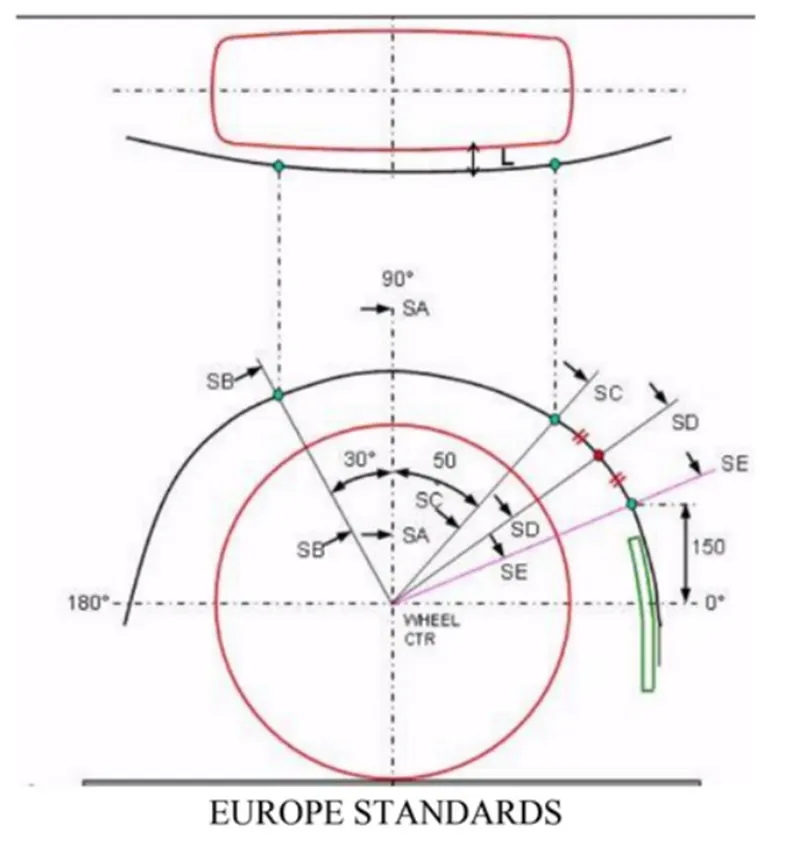
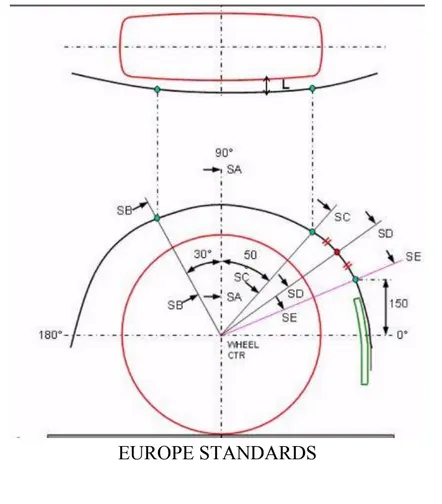
- The Clearance ‘L’ should be measured at sections SA-SA, SB-SB, SC-SC, SD-SD and SE-SE and create clearance check chart to validate.
- At all the five sections the value of L should be greater than 10mm to satisfy the European Regulations
- Wheel guard requirement: The value of ‘a’ should be more than 5mm at line 30° forward and 50° rearwards from the central vertical axis of the wheel.
US Wheel arch regulations:
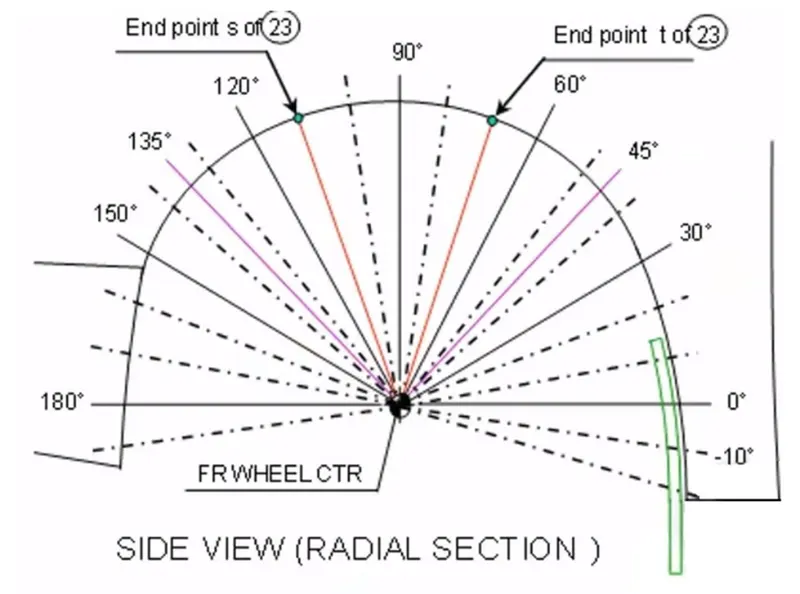
- Clearance ‘L’ is to be checked at all positions from -100° to 100° and create clearance check chart to validate.
- The value of L should be greater than 5mm to satisfy the regulations.
- Wheel guard requirement: The value of ‘a’ should be more than 5mm at line 30° forward and 50° rearwards from the central vertical axis of the wheel.
Conditions to meet the European Regulations Requirement:
- The clearance value (L) should be greater than 10mm at all the five sections such as SA-SA, SB-SB, SC-SC, SD-SD and SE-SE to satisfy the European Regulations Requirement.
- The wheel guard requirement value of ‘a’ should be greater than 5mm at a line of 30 degree forward and 50-degree rearward from the central vertical axis of axis of wheel.
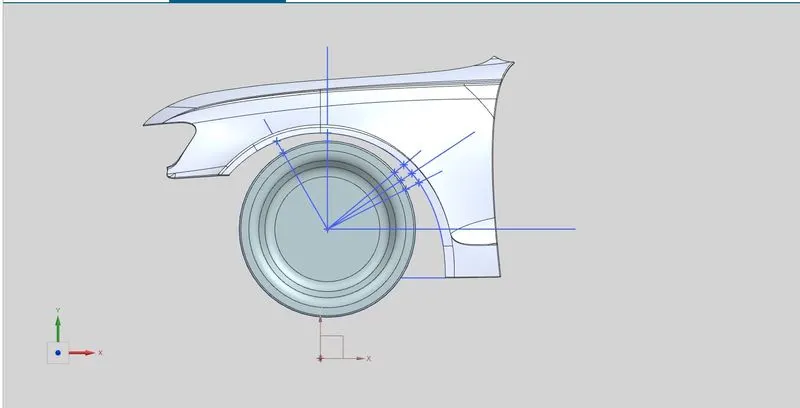
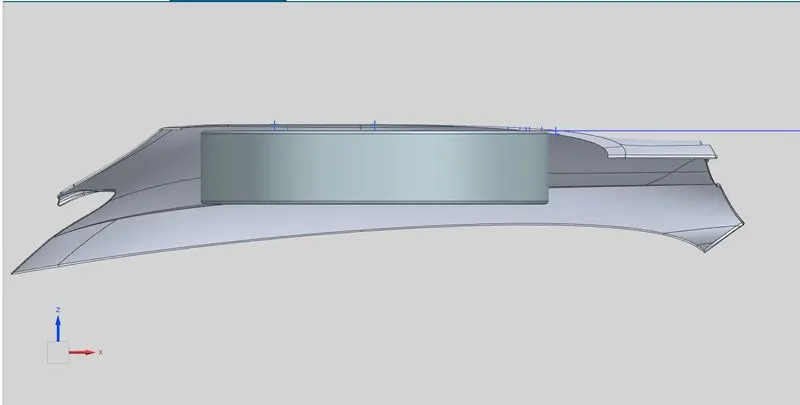
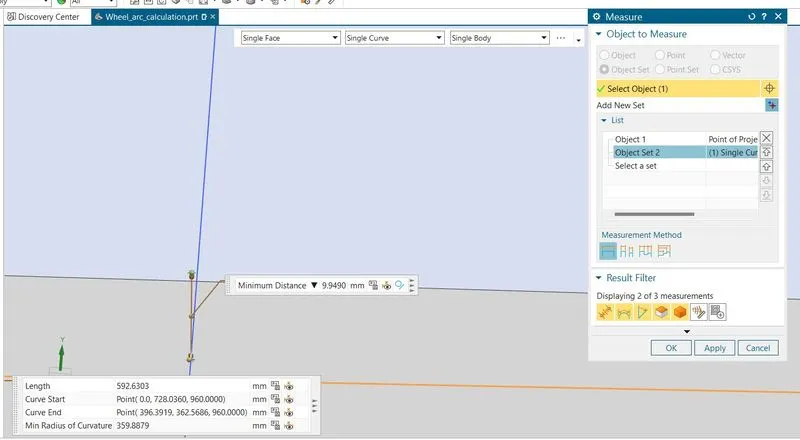
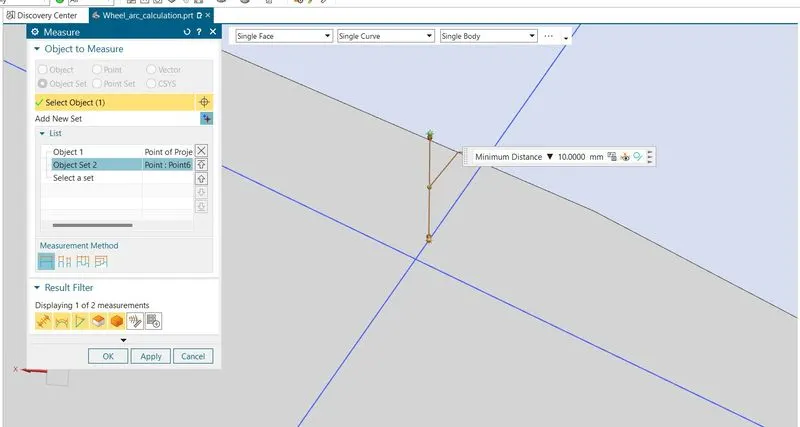
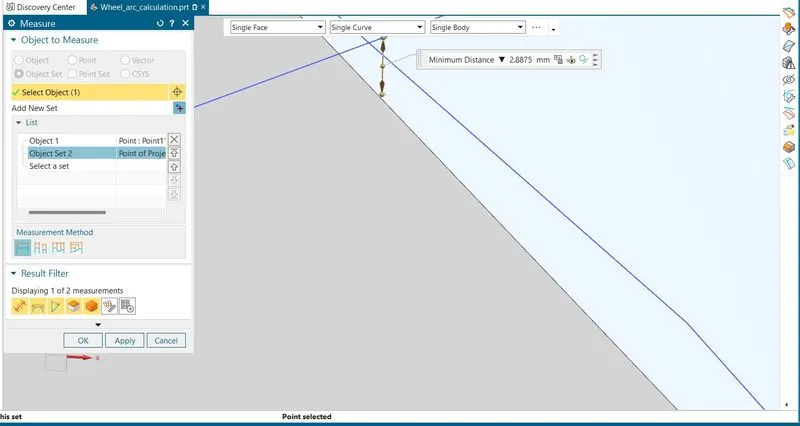
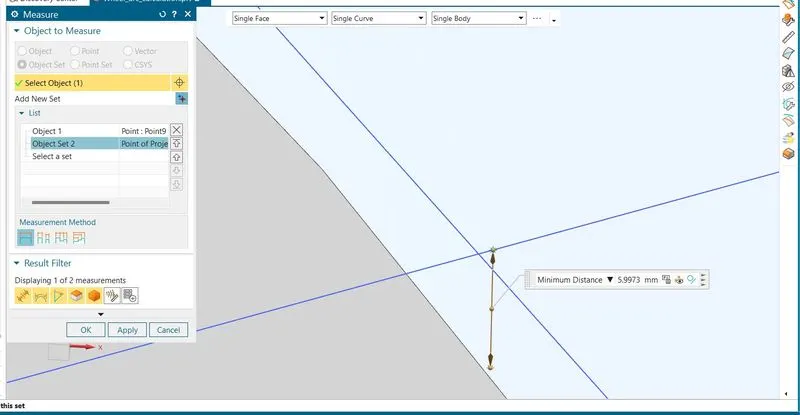
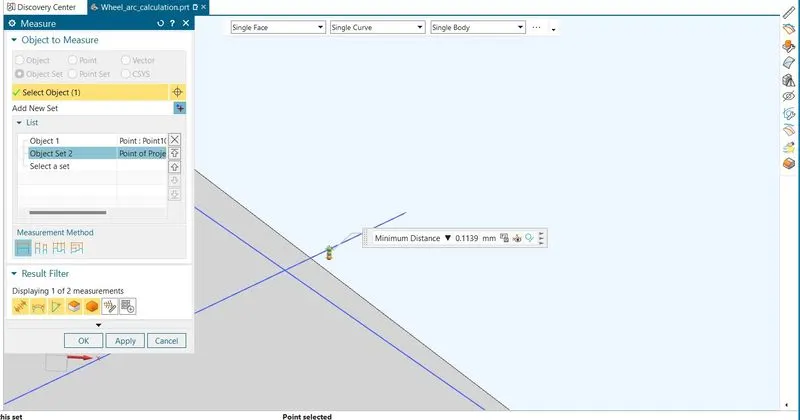
from this we get the results as
SB = 10mm (pass)
SA = 9.94 (fail)
SC = 0.1139 (wheel outside of fender)(fail)
SD = 2.8875 (wheel outside of fender)(fail)
SE = 5.9973 (wheel outside of fender)(fail)
CONCLUSION
Therefore this fender fails the required standard and the standard can be obtained from this fender by altering the curvature by the styling team