Fender Design Challenge
REPORT ON FRONT FENDER DESIGN
OBJECTIVES
To design front fender according to master-section provided by using input fender profile.
WHAT IS FENDER?
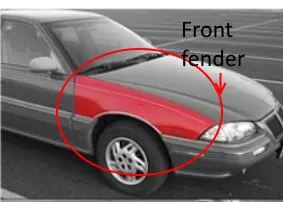
Fender is the part of an automobile, motorcycle or other vehicle body that frames a wheel well or the fender underside.
Its primary purpose is to prevent sand, mud, rocks, liquids, and other road spray from being thrown into the air by the rotating tire. Fenders are typically rigid and can be damaged by contact with the road surface.
The fender not only protects your car from sustaining damage from road debris but it prevents this debris from being thrown up at other vehicles on the road.
Depending on the making of the car, fenders may be made from fiberglass, steel, or other materials.
TYPES OF FENDER
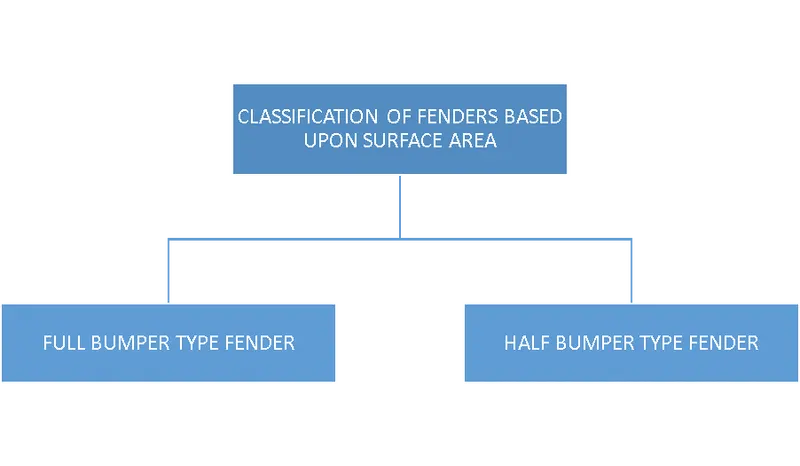
1 Full Bumper type Fender
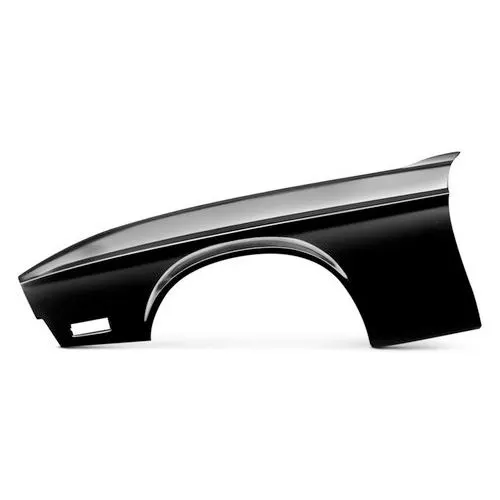
They are used in old design of automobiles. Its production consumes more material compared to Half bumper type which will increase its overall weight with reduced performance as well as more maintenance.
2 Half Bumper type Fender
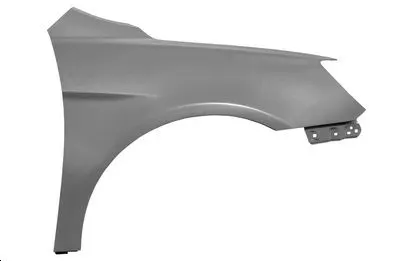
They are mostly preferred in modern design of automobiles. It is observed that one full bumper type is equal to two half bumper type fender in terms of material consumption and blank size. This gives half bumper type fender advantage about lesser weight with increased performance as well as lower maintenance cost compared to full bumper type fender.
MANUFACTURING PROCESSES USED FOR FENDER DESIGN
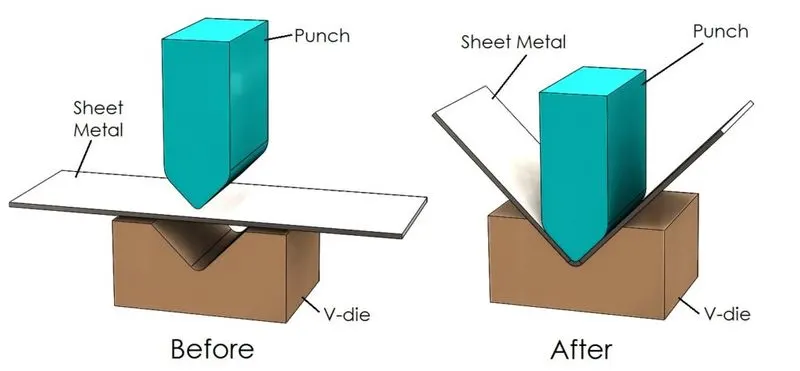
Bending: Bending is generally used to produce simple curved surfaces rather than complex ones. A mechanically operated press drives a punch against sheet metal, forcing it into a simple die with enough pressure to produce a permanent change in the metal's shape. The amount of pressure is important. If not enough pressure is applied, the metal can simply spring back into its original shape. If too much is applied, it can break.
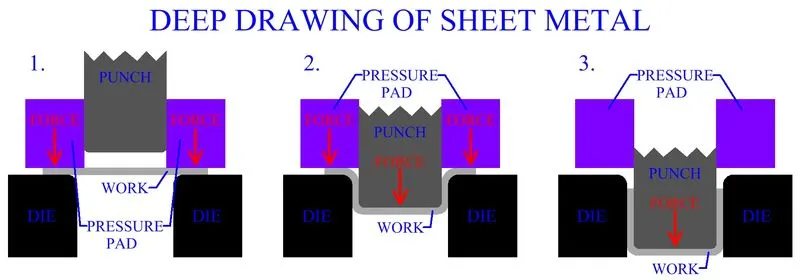
Drawing: In drawing, the sheet metal is forced against a die that has been cut into the three-dimensional, often curved shape that the sheet metal is to take on. In effect, the die is used as a mold for the metal. This technique can produce relatively complex shapes. Once again, pressure is applied to the work piece using a hydraulically or mechanically operated punch. This method is commonly used to make auto body parts and fuel tanks.
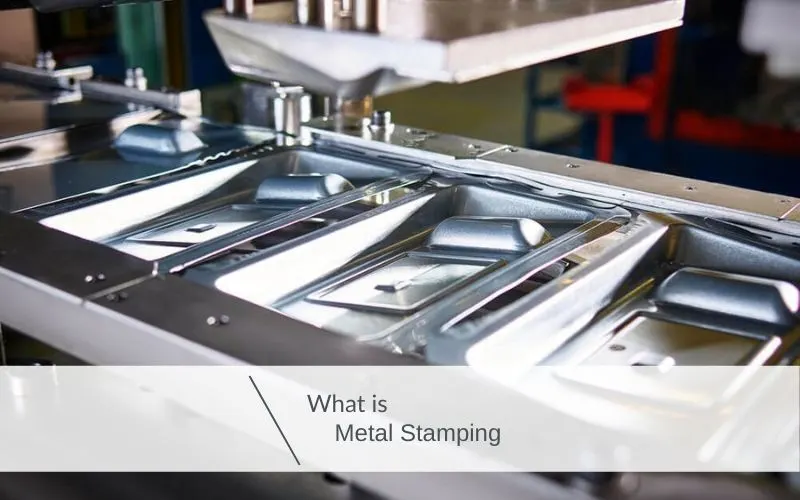
Stamping: In stamping, a device called a stamping press is used with a series of dies to cut and form metal into various shapes. This is commonly used to make auto parts such as hubcaps and FENDERS.
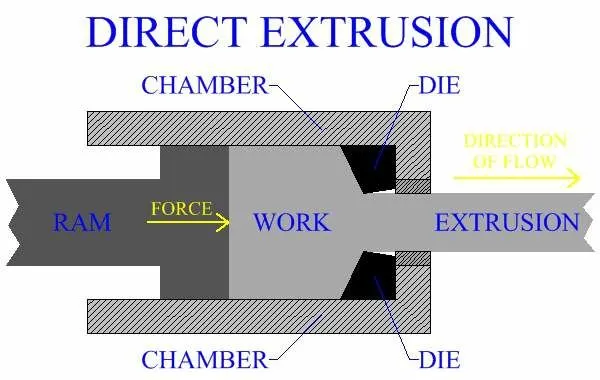
Extrusion: Extrusion can be used to produce long metal objects, such as rods and tubes. The metal work piece is forced into a die with a hole in the opposite end. The metal is extruded through the hole to form the shape. Extrusion can be used to manufacture important parts of a car's drive train or the anchors that hold seatbelts in place.
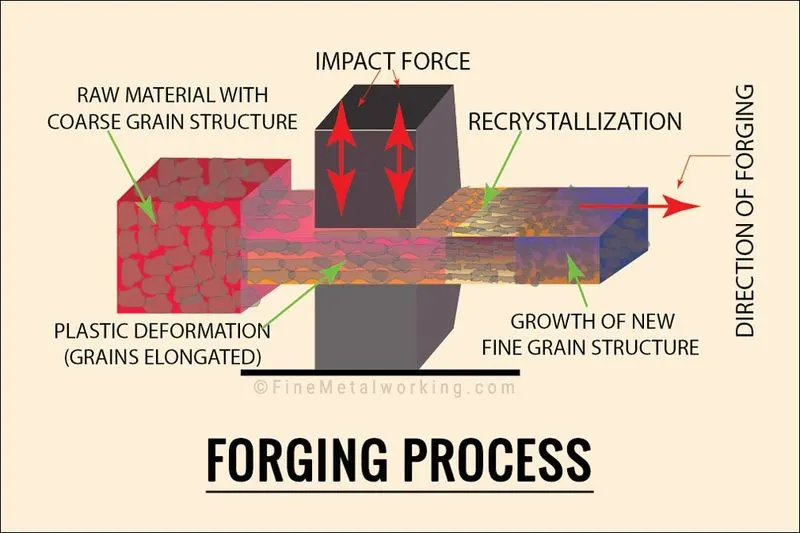
Forging: The forging process uses a hammer or press that is essentially a mechanized version of the hammers used by ancient blacksmiths. The metal is hammered against a surface that serves as an anvil. It can be hammered repeatedly so as to form complex shapes. This can be used as an alternative to the drawing process.
DIFFERENT MOUNTING AREAS OF FENDER
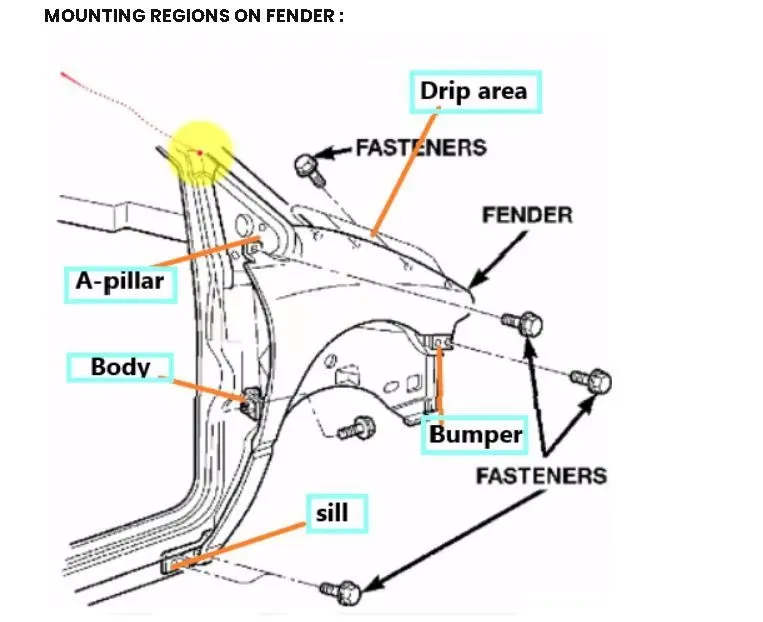
- Drip area: It is the area through which fender is attached to engine housing with fasteners.
- A-pillar: It is the structure that connects the side of the body of the car with the roof of the car and to which the windshield is attached.
- Body: It is the main supporting structure of a vehicle, to which all other components are attached.
- Sill: It is the part of a car frame at the bottom of the doors.
- Bumper: It is a structure attached to or integrated with the front and rear ends of a motor vehicle, to absorb impact in a minor collision, ideally minimizing repair costs.
MASTERSECTION FOR FENDER DESIGN
DESIGN CONSIDERATION FOR DIFFERENT MOUNTING AREAS
- Drip area:
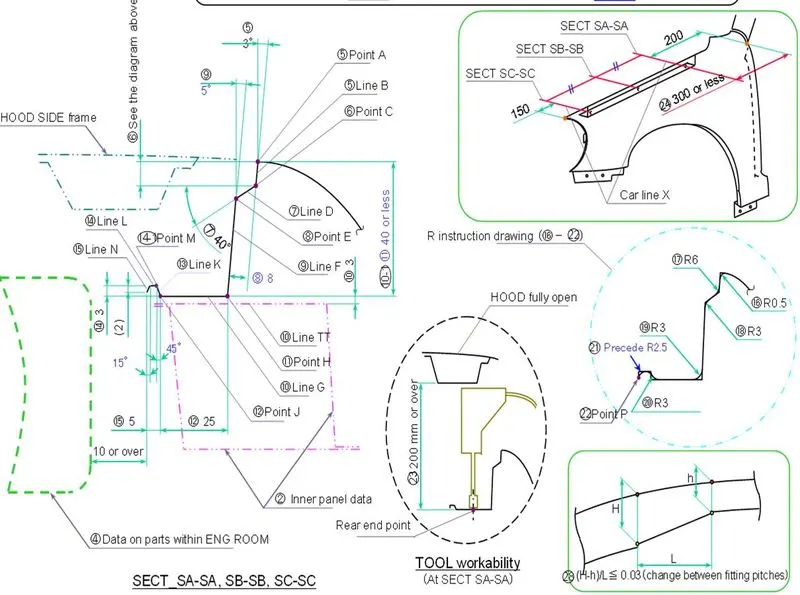
200 mm clearance required for cowl mounting area from back side of front fender.
Also, 150 mm clearance is required for head lamp housing unit from front side of front fender.
There is restriction on length of drip area which is 40 mm and some L-shaped bracket will be connected with it.
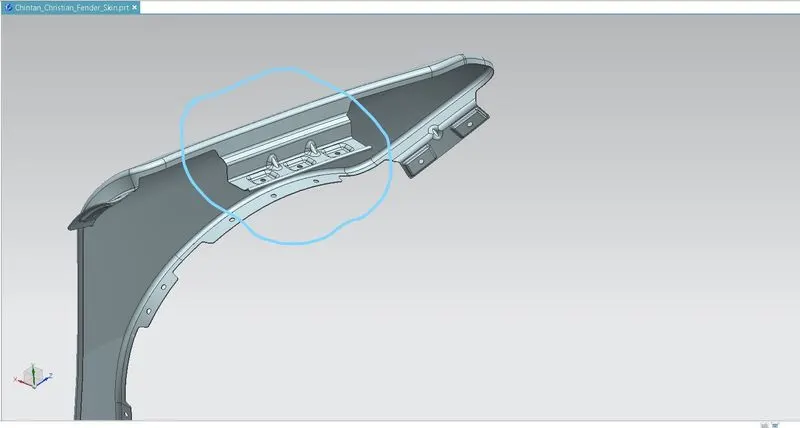
Here for 2 darts are used for strengthening purpose of this drip area.
- A-pillar:
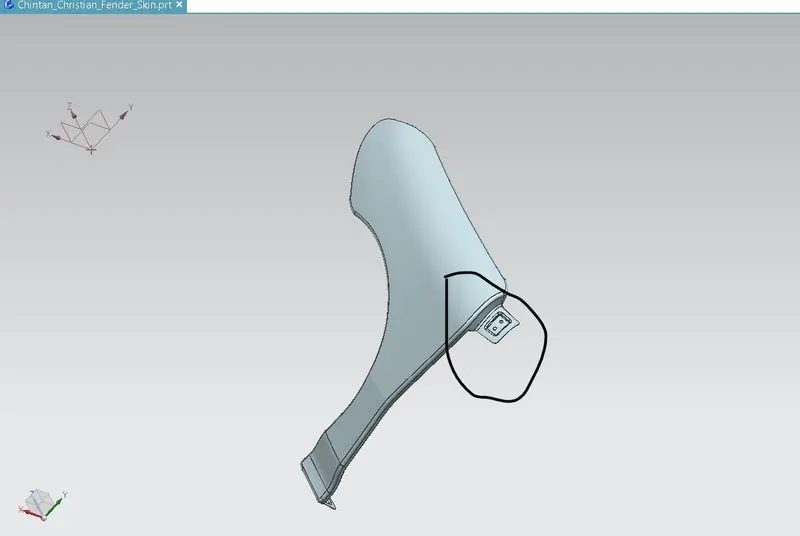
A law extension is used and an emboss with 5 mm diameter hole is made for mounting with A-pillar.
- Sill:
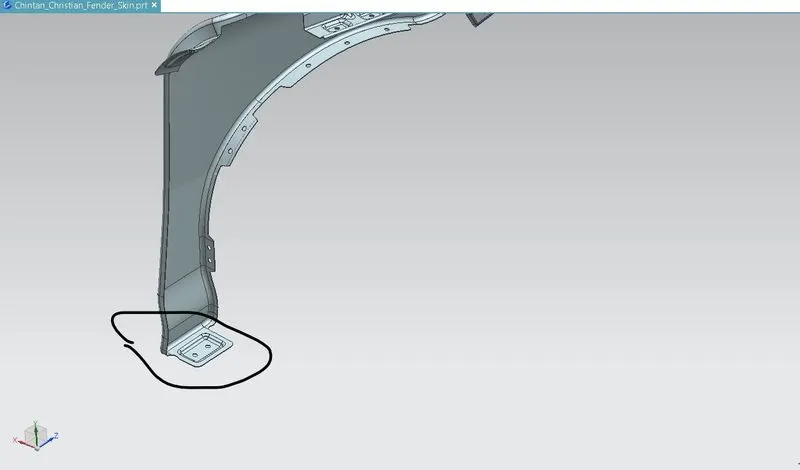
A horizontal law extension is used and a single emboss with two 5 mm diameter holes are created.
- Bumper:
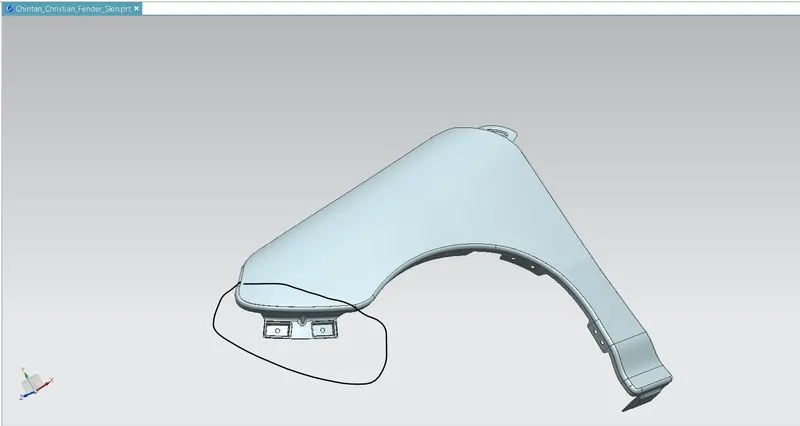
For Bumper side, two emboss on law extension is created and a dart is created in center of these two emboss.
DIFFERENT VIEWS OF DESIGNED FENDER
FRONT VIEW
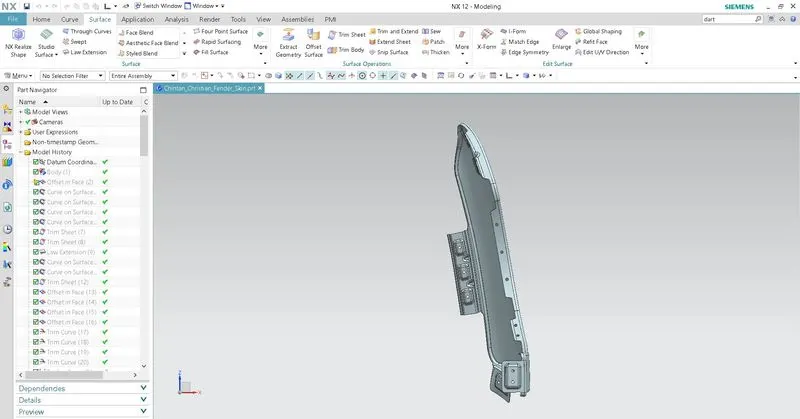
RIGHT VIEW
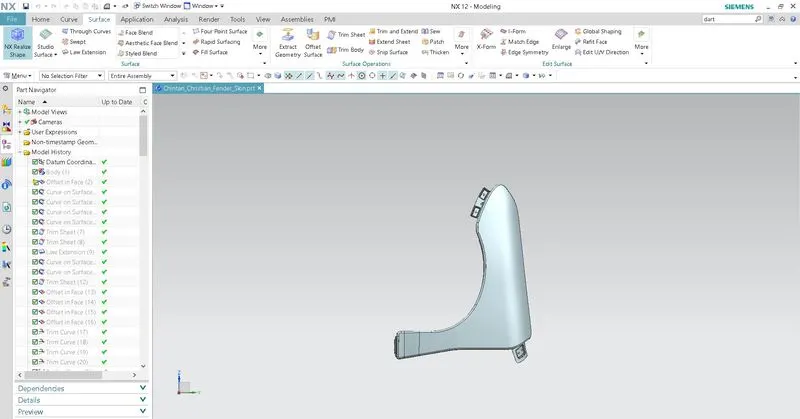
TOP VIEW
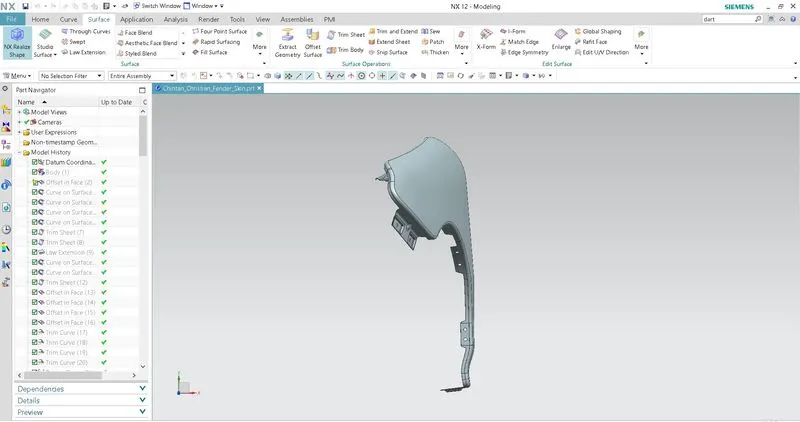
ISOMETRIC VIEW
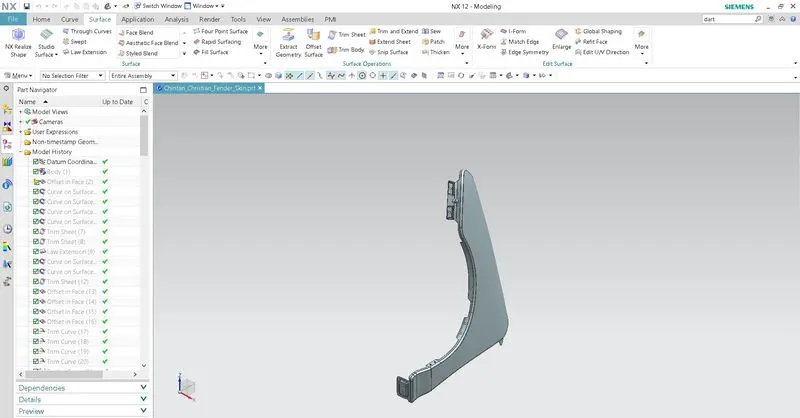
CONCLUSION
From this challenge, I have learned about fender design with different mountings on it according to industry guidelines.
LINK