Fender Design Challenge
FRONT FENDER DESIGN
FRONT FENDER
Fender is the American English term for the part of an automobile, motorcycle or other vehicle body that frames a wheel well, In British English, the fender is called the wing (this may refer to either the front or rear fenders. Its primary purpose is to prevent sand, mud, rocks, liquids, and other roads spray from being thrown into the air by the rotating tire. Fenders are typically rigid and can be damaged by contact with the road surface. Sticky materials, such as mud, may adhere to the smooth outer tire surface, while smooth loose objects, such as stones, can become temporarily embedded in the tread grooves as the tire rolls over the ground. These materials can be ejected from the surface of the tire at high velocity as the tire imparts kinetic energy to the attached objects. For a vehicle moving forward, the top of the tire is rotating upward and forward and can throw objects into the air at other vehicles or pedestrians in front of the vehicle.

IMPORTANCE OF FENDER
Car Fenders are an important component in the body of your car. car fenders are the complex sheet of metal covering the front and the rear wheels of your car. Fenders on a car are panels that extend from the front bumper to the car's doors. Car fenders not just add style to your car but also act as a protective shield for the body of the car. The metal surgeon helps you in getting your car accessorized with the best metallic car fenders in town. We offer a variety of fender flares for cars, trucks, and SUVs which are designed to give a specific look.
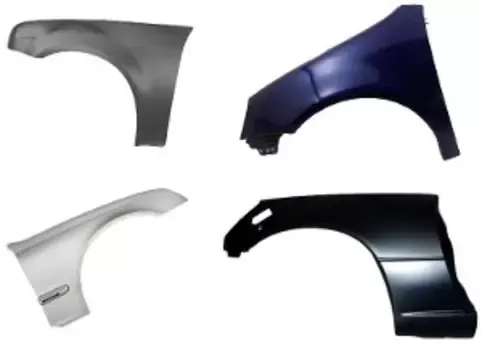
Types of FENDERS
They are two types of Fenders
- Half Bumper Type
- Full Bumper type
Mostly Automotive industries prefer Half bumper only why because the full bumper type is huge and involves lots of wastage. and if we slightly increase the blank size for the half bumper type, two fenders can be produced at the same time. Also, plastic can be cooperated into this type thus reducing the steel material, making it lighter and increasing the performance of the car.
FULL BUMPER TYPE FENDER.
The full fender type is the standard sort of fender where more material use is observed. This sort is utilized in the old designs of
vehicles where it manufactures the general weight and suitably lessens execution. The upkeep is besides modestly more because of more surface
HALF BUMPER TYPE FENDER
Half fender type is a forefront design where less material use is seen, so capability increments by decreasing the indisputable size and giving more presentation. The assistance in like way unassumingly low stood apart from the full guard type.
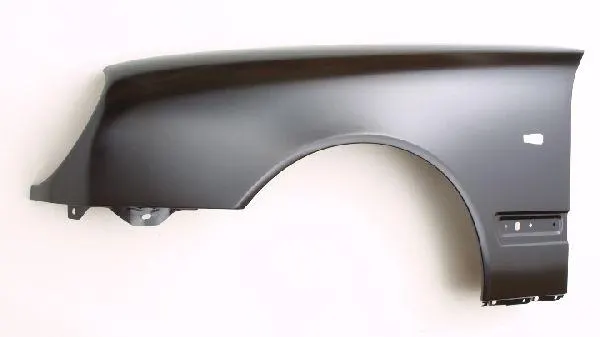
USES OF FENDER
- Car fenders limit the exposure of your car’s body and engine to external elements that are harmful.
- Fender flares are attached to ensure that both the body and engine have minimal contact with corrosive elements.
- Car fenders provide safety to the driver and the passengers at the time of accidents or collisions.
- They are manufactured in a way to provide bend during front and side collisions.
- Car fenders are designed to avoid wind resistance and make your car more aerodynamic.
- Car fenders enhance the overall look of your car.
- Fender flares are available in distinctive designs in the market.
MATERIAL USED IN FENDER DESIGN
We can find modern fenders made from steel, aluminium, thermoplastic, and fibreglass. Steel is the most rigid and abrasion-resistant material used in making fenders. They offer the best protection from large debris and are less likely to dent. Aluminium offers the strength of metal without the heaviness of steel.
Manufacturing Process:
A vehicle Fender monitor is made by an interaction called reaction injection moulding (RIM), which basically includes making a one-of-a-kind polyurethane compound and bringing it into an immense fender. RIM is a methodology that screens unrefined materials and lessens costs. It resembles injection moulding beside thermosetting polymers are used, which requires a reestablishing reaction to occur inside the shape. Normal things made through RIM join vehicle monitors, air spoilers, and fenders.
Reaction Injection Molding (RIM):
Reaction Injection Molding is a low squeezing factor, the low-temperature measure used to frame various sorts of plastic parts. This procedure is conventionally used for clinical, mechanical, and auto ventures. Reaction Injection Molding (RIM) is habitually utilized for the moulding of strong, lightweight parts that are easily painted. The unbendable materials used by Design Octaves go with a UL94V-0
rating for instability. The RIM moulding material utilized by Design Octaves is a two-section structure that includes polyol and isocyanate liquids that are mixed at a high squeezing factor and a while later metered into the shut gadget at a low squeezing factor. The material then develops to fill the mechanical assembly and is shot out in around 5 minutes.
Procedure:
- The RIM procedure begins with polymer liquids (polyol and isocyanate) set aside in tanks that are over the long haul managed by high-pressure present-day siphons.
- The polymers are reused from the limit tanks to a multi-stream mix head and back to the limit tanks in a consistent circle.
- The reaction injection moulding (RIM) measure utilizes low-consistency liquid polymers.
- These polymers expand and thicken through a variety of manufactured reactions.
- After the polymers have been imbued into the warmed structure they finally cement.
- Through the RIM design measure, unrefined materials and moulding techniques can be picked and modified, passing on the ideal weight, strength, thickness, and hardness characteristics that you are searching for.
- The result is polyurethane abandons significantly lighter weight and more erratic designs than those made by regular injection moulding
MASTER SKETCH
FRONT FENDER DESIGN
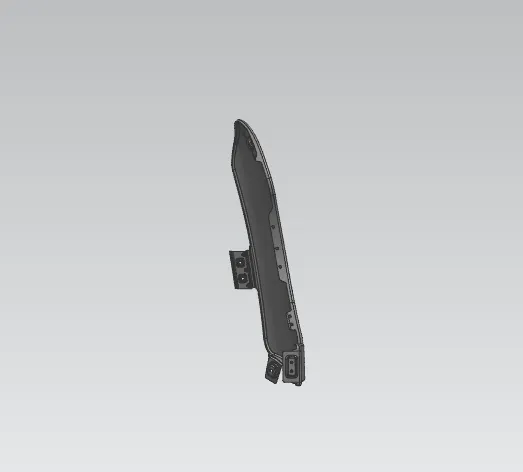
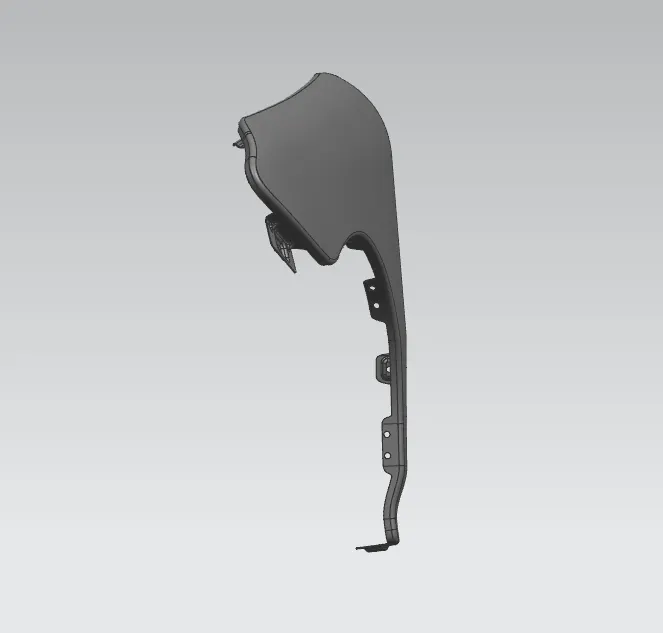
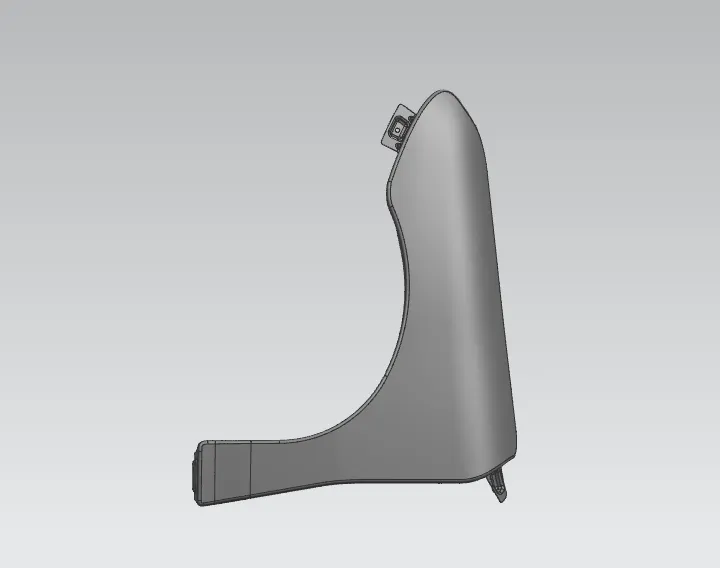
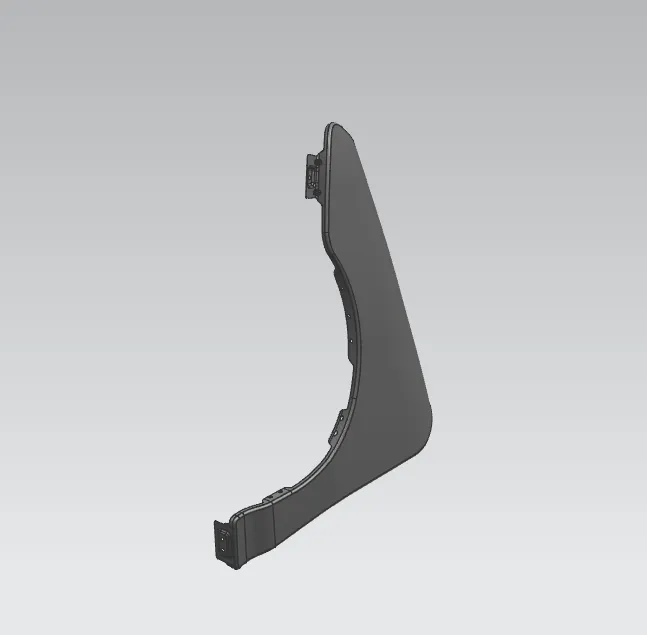
In the given Master section to create the Drip Area and For the Sill mount, Bumper Mount and A-Pillar mount we have to design according to the Engineering standard.
- Drip Area
- Sill mount
- Bumper mount
- A pillar mount
- splash mount
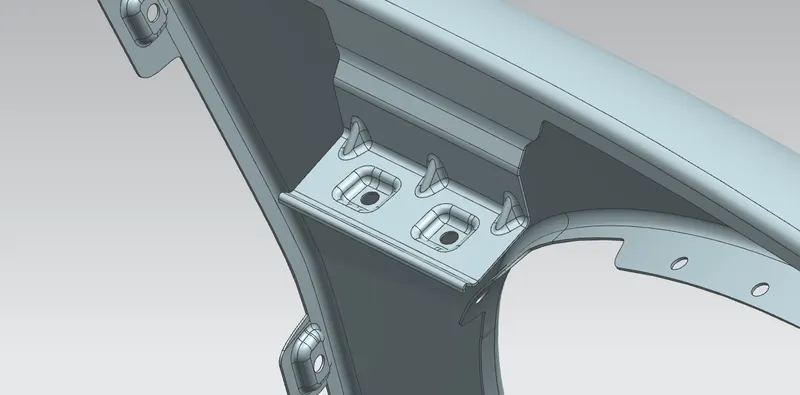
- DRIP AREA:
Primarily, the fundamental design of a fender incorporates developing the spilling area as it is a huge mounting region and requires certain characteristics that should qualify a fender design. Accepting it isn't true to form design, the spilling area would be recognizable from the opening between the hood and the fender. The overabundance mountings are covered by various parts.
2. SILL MOUNT:
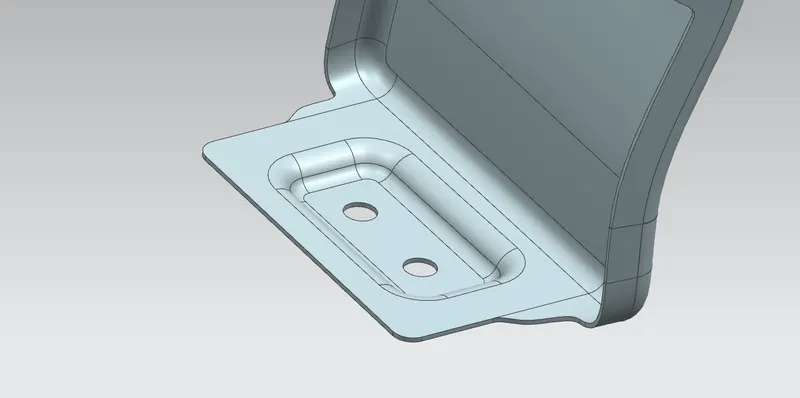
An auto vehicle is essentially outfitted with wide openings for obliging doorways at the different sides of its body. Since the vehicle body encounters various kinds of distantly decided forces, for instance, vertical bends and longitudinal turns which act around the rotation of the vehicle body, a fundamental is that those sections of the vehicle body which include the entrance openings, especially the lower isolates, be outfitted with sufficient rigidity. This fundamental is generally met by using side edges which are only arranged at a lower right and a lower left piece of a vehicle body to connect the longitudinal method of the vehicle body. The side edges top in as working off people to ensure the vehicle body's inflexible idea around the doorway openings.
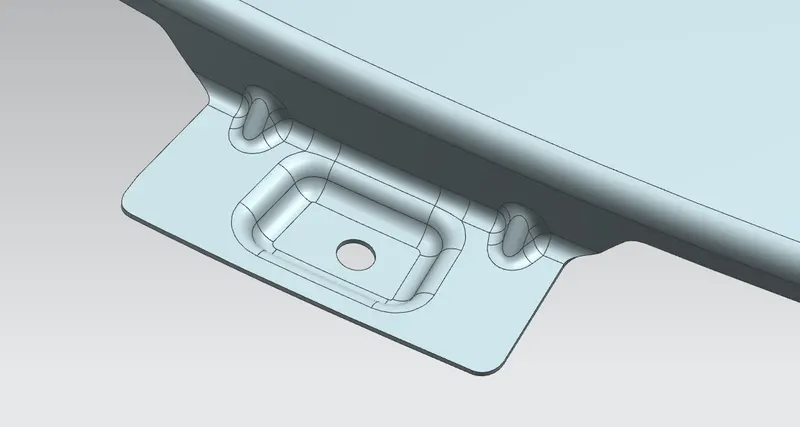
3. BUMPER MOUNT
A guard is a construction appended to or incorporated with the front and backsides of a car, to ingest sway in a minor impact, in a perfect world limiting fix costs. Along these lines, the guard mounting area includes the excess piece of the fender that covers the sprinkle locale in that of a half fender type. Guards are progressively being designed to alleviate injury to people on foot struck via vehicles, for example, using guard covers made of adaptable materials. Front guards, particularly, have been brought down and made of gentler materials, like froths and crushable plastics, to diminish the seriousness of the effect on legs.
4. A-PILLAR MOUNT
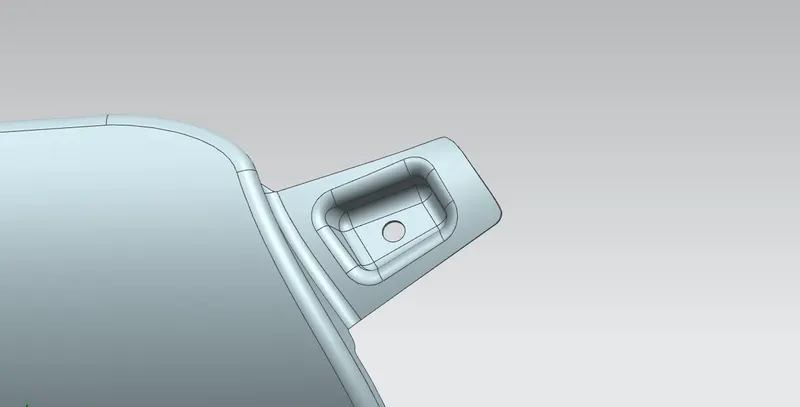
Pillars are vertical support on a vehicle. They have arranged around all the glass on a vehicle. They are critical for holding the glass set up and adding basic uprightness to a vehicle, primarily the housetop. The "A" pillar holds the windshield set up. "B" pillars head after the primary entrance. They by and large offer a critical fundamental framework for a vehicle's roof. As a general rule, they are bound to the body edge and wrapped directly into the housetop. Dependent on the design, there may be different pieces joined to expand the reliability of the roof. They are moreover responsible for where an entrance's snare interfaces with the body. "C" pillars hold a vehicle's back window set up.
5. SPLASH MOUNT
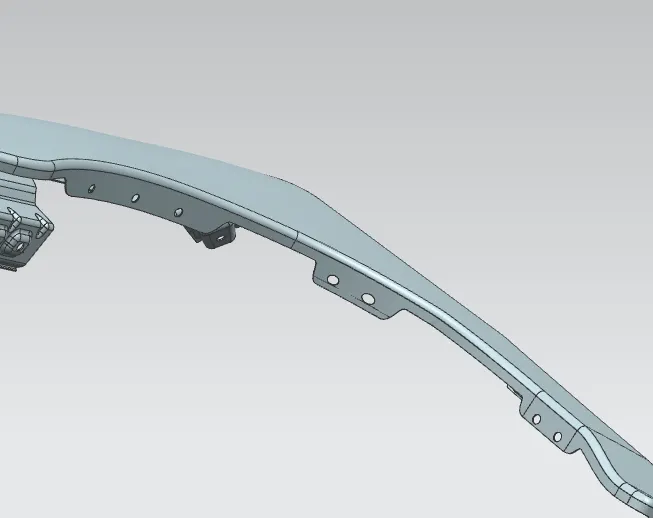
To stop all the debris going into the engine room and various sections like suspension joints and so on, a sprinkle defender mounting part is being set. The sprinkle mounting area requires just to hold the sprinkle defender mounting the openings/openings being given in the design. For certain automobiles, notwithstanding the fender, fender skirts, and guards are submitted in solicitation to give better protection. The design isn't exceptionally connected with sprinkle mounting. Just to offer openings to the hooks set up.
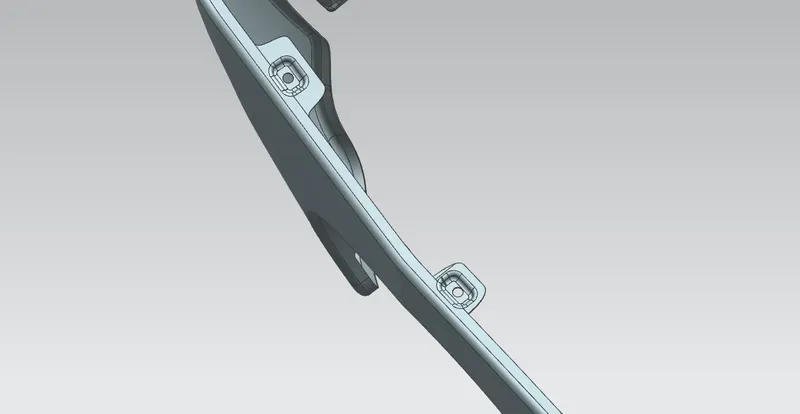
MOUNTINGS FOR DOOR HINGES
FRONT VIEW
TOP VIEW
SIDE VIEW
ISOMETRIC VIEW
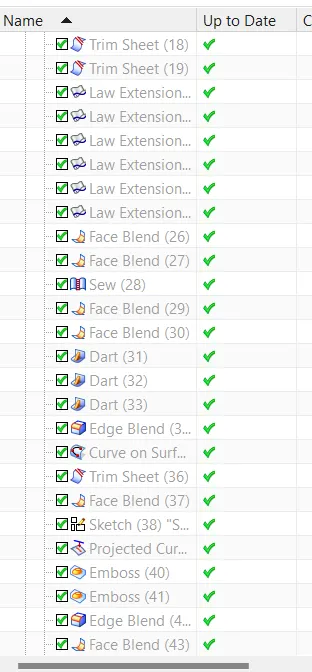
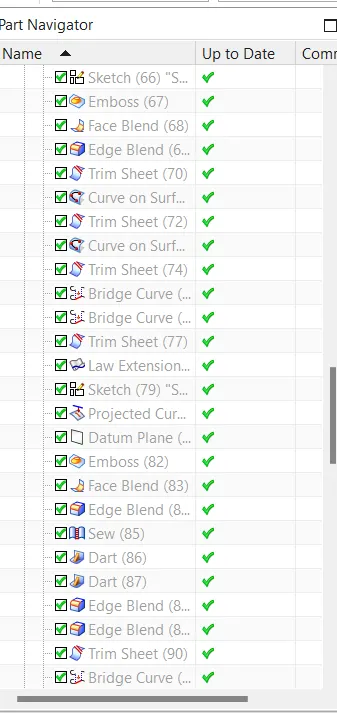
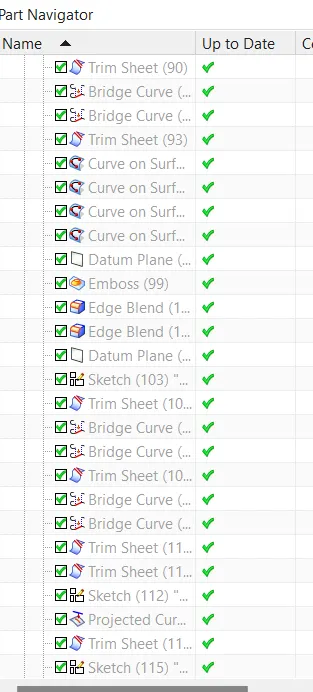
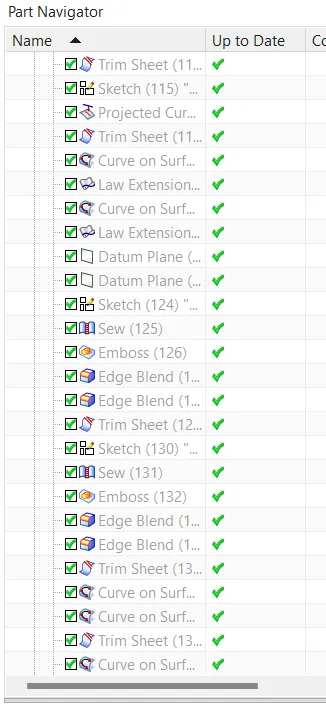
FEATURE TREE


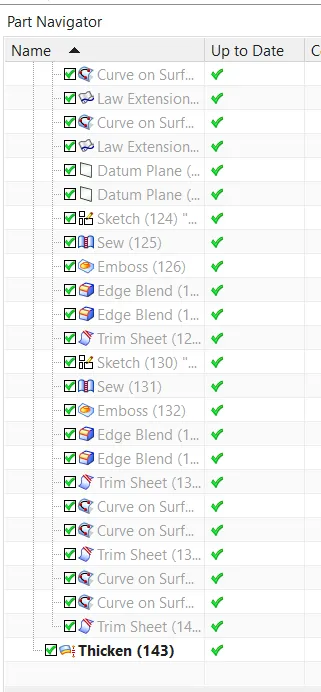
CONCLUSION: Design of drip area, sill area, A-pillar mount, splash mount and door mount for car fender with the reference to the master sketch is successfully completed.