Fender Design Challenge
Fender_Harish Patil
Objective: To design the car front fender with the help of using skin data shared by the support team and make it ready for manufacturing.
Introduction:
Fender:
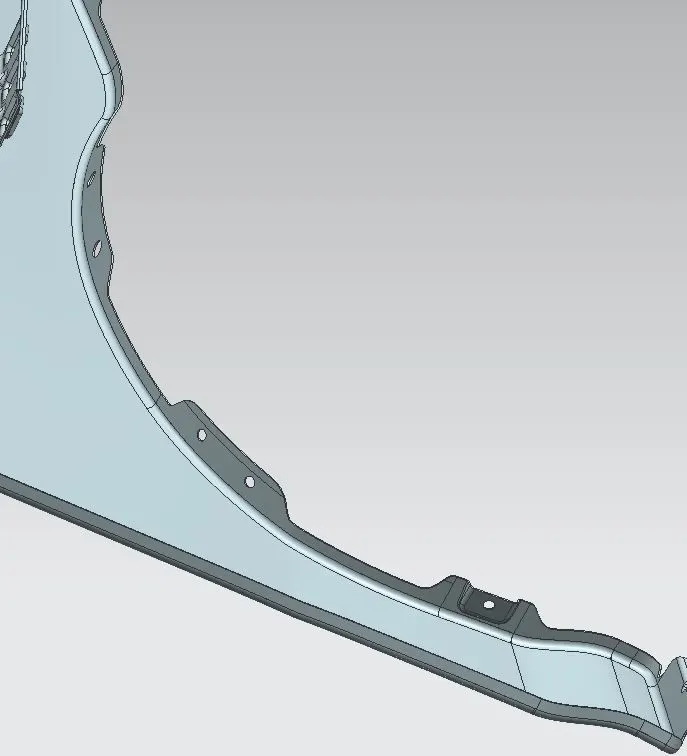
Fender is the American English term for the part of an automobile, motorcycle, or other vehicle body that frames a wheel well. Actually, it is a part that is in contact with the different parts of the vehicle like the A-pillar, sill, etc. typically fenders are rigid and house the wheels, inner body parts both at the front and back sides of the vehicle.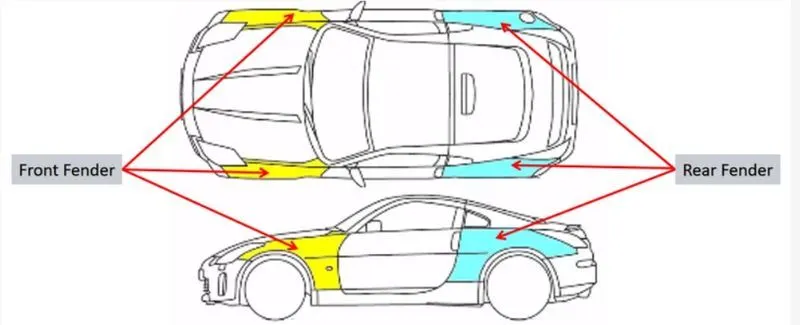
This fender plays a major role in pedestrian safety while a car is in motion. When it is in motion the wheel carryover the small stones, mud particle and throw away which may harm the pedestrians. So while designing these considerations are to be taken into account.
- Front Fenders or Front Quarter Panels:
Front fender panels are located on the sides of each front wheel. These panels typically cover the sides of the headlights to the hinge of the driver and passenger doors on the A-pillar. A car front fender runs vertically from the hood to the wheel well.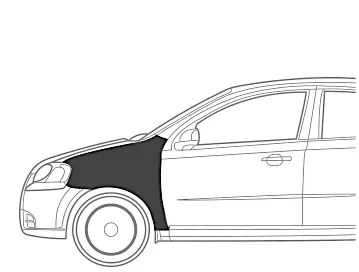
- Rear Fenders or Rear Quarter Panels:
Rear fender panels are located on the sides of each rear wheel. They extend from the edge of the rear doors on the C-pillar all the way towards the edge of the taillights. Rear fenders also usually feature a fuel hole with a gas cap. These features can be found on either the driver or passenger rear panels, depending on the year and model of the vehicle.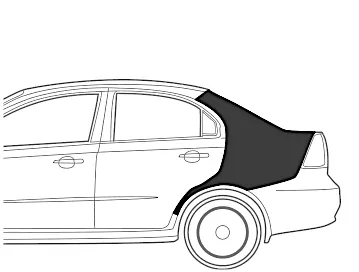
There are two different types of fenders
- Full bumper type:These are the fenders that cover the entire wheel of a vehicle and mainly it is used in earlier manufacturing as shown in the figure below.


- Half bumper type: This fender is also the same as the above but with slight modifications by putting the cost and weight into considerations is changes were implemented and made the fender aesthetically good as shown in the figure below.


The purpose of the fender is to put the car aesthetically good by covering the engine compartment and also to prevent the debris such as small stones, mud particles from being thrown outwards the vehicle while it is in motion, which may cause damage to the beside vehicles and also pedestrians
Mounting points on a fender:
- Drip Area Mounting
- Bumper Mounting
- Sill mounting
- A-Pillar Mounting
- Wheel Arc/Splash Cover Mounting
Drip Area: It is the most important mount of fender which is attached to the car body and near the engine compartment. This is designed by following the considerations such as the distance between the fender and engine room, clearance length between the hood, and the base area of the drip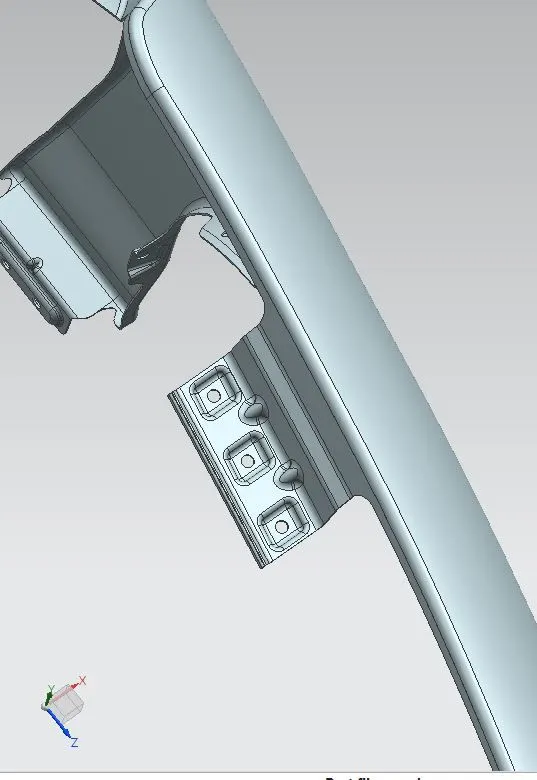
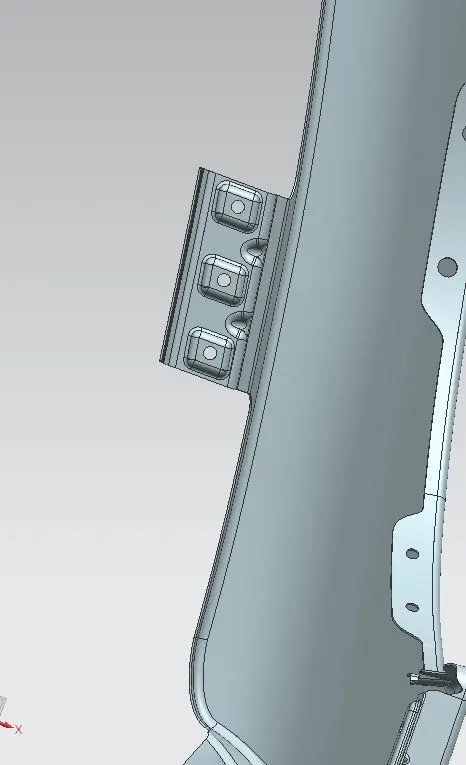
Bumper Area: This mounting will fix with the car bumper. This is designed by consulting the bumper design team to share the model of assembly techniques. 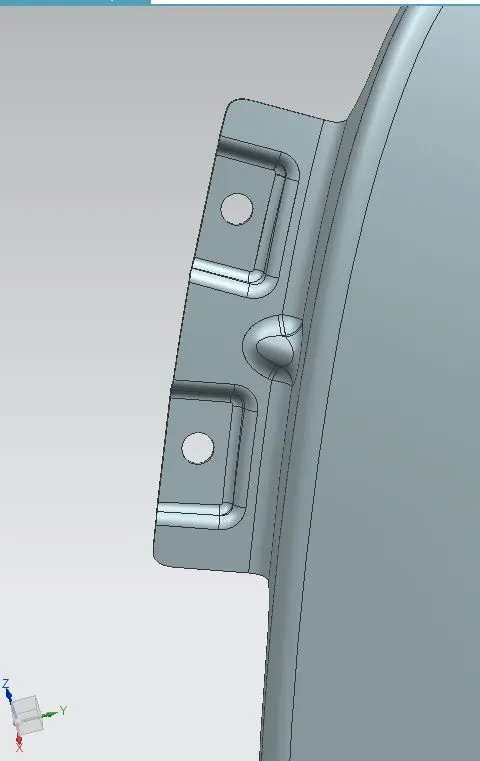
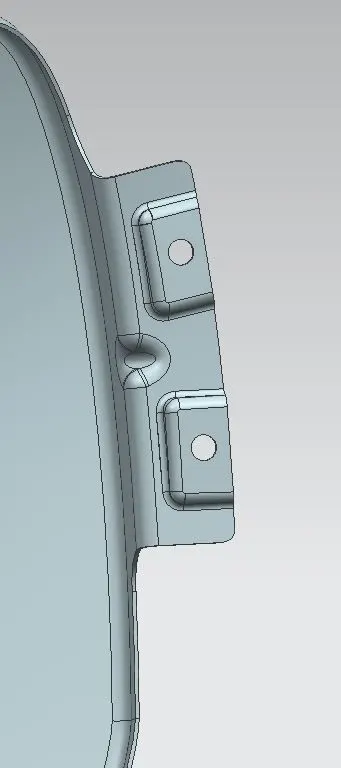
Sill Area: The mounting area at the panel(metal plate) directly below the bottom of the door supporting the floor and may be used to combine floor and body
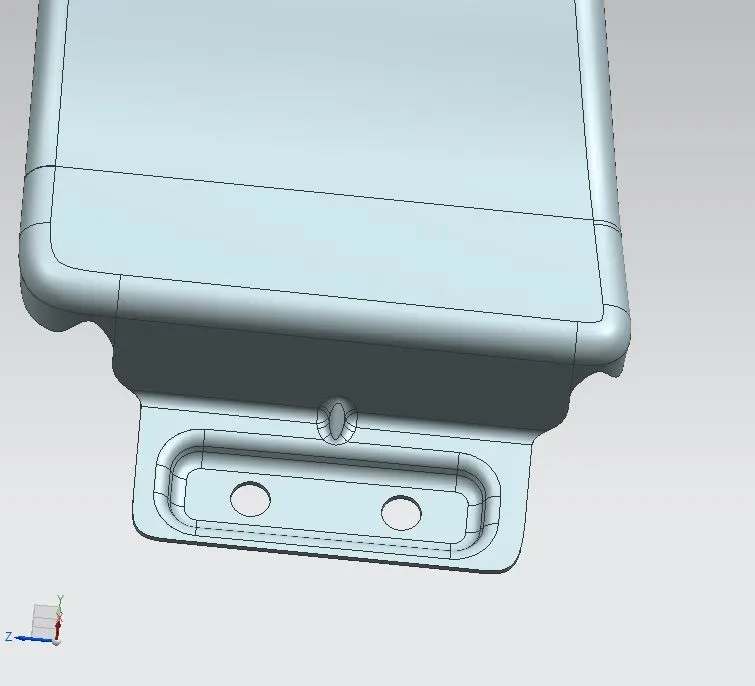
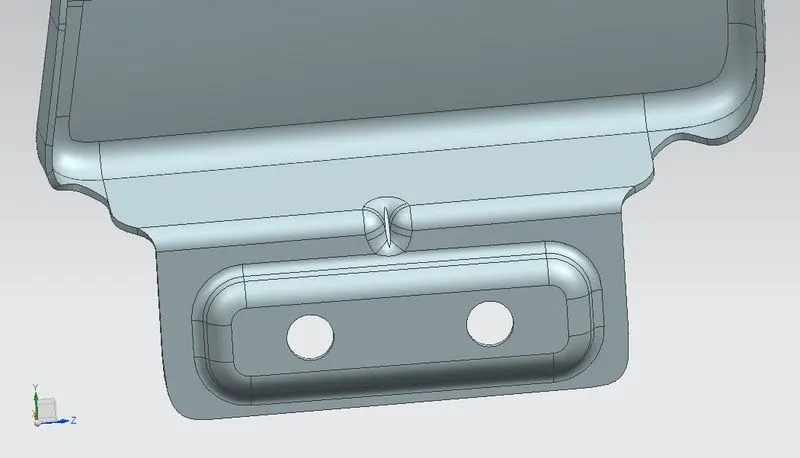
A-Pillar Area: There are three main types of pillar when referring to the design of a car - A, B, C.
- A pillars on your car hold either side of the front windscreen in place. They are the ones you see as you look straight at the car from the front.
- B pillars start where the driver and passenger-side windows end as you look backward along the length of the car.
- C pillars hold the sides of your car's rear window in place.
- Some cars also have a D pillar, such as estate cars for example. D pillars hold the sides of the rear window of the car in place and can also sometimes serve as a housing for the rear lights like indicators, brakes and alike
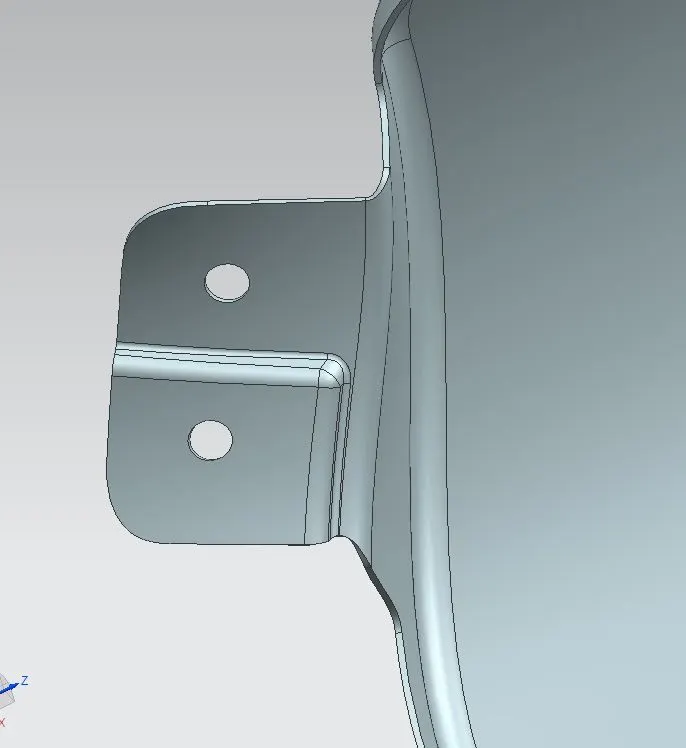
Here there is a mounting area in fender with the A-Pillar of the body of car as follows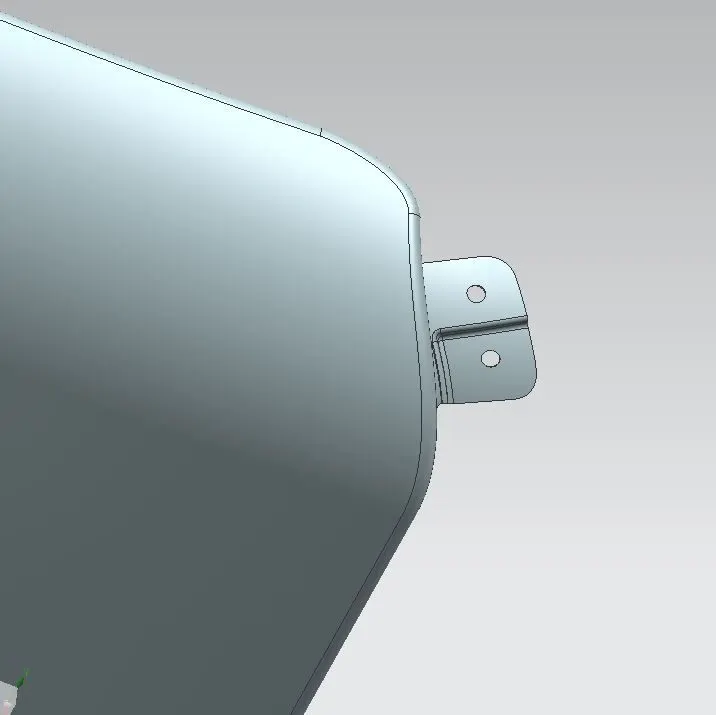
Baffle Area: In this mounting area Plastic baffle will fix to clean the wheels.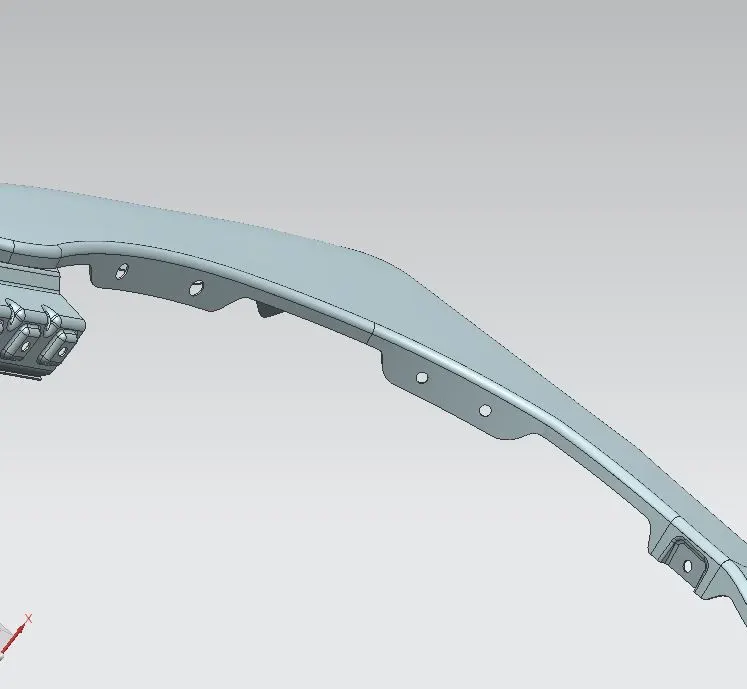
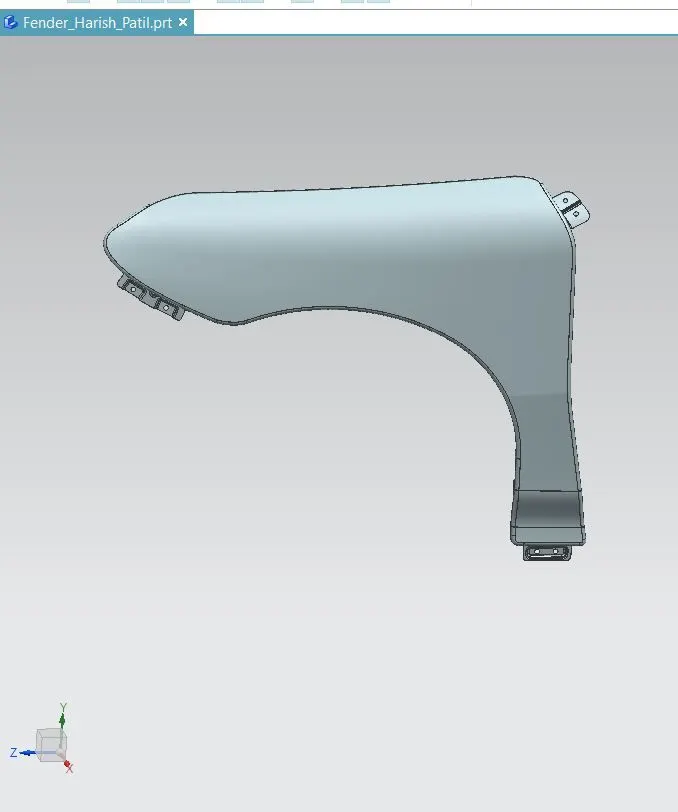
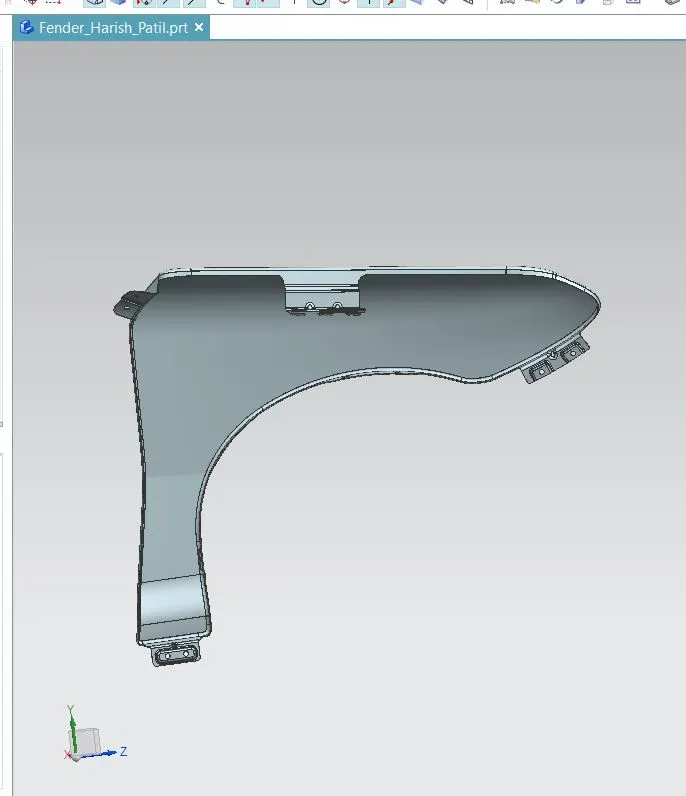
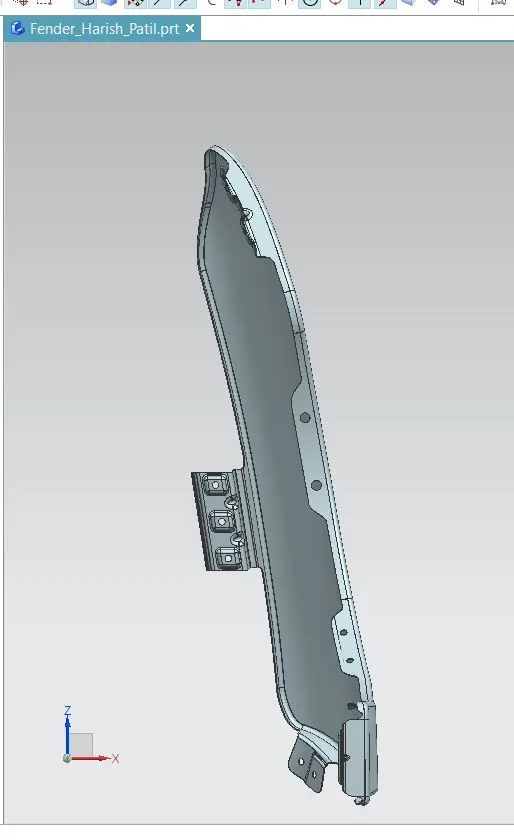
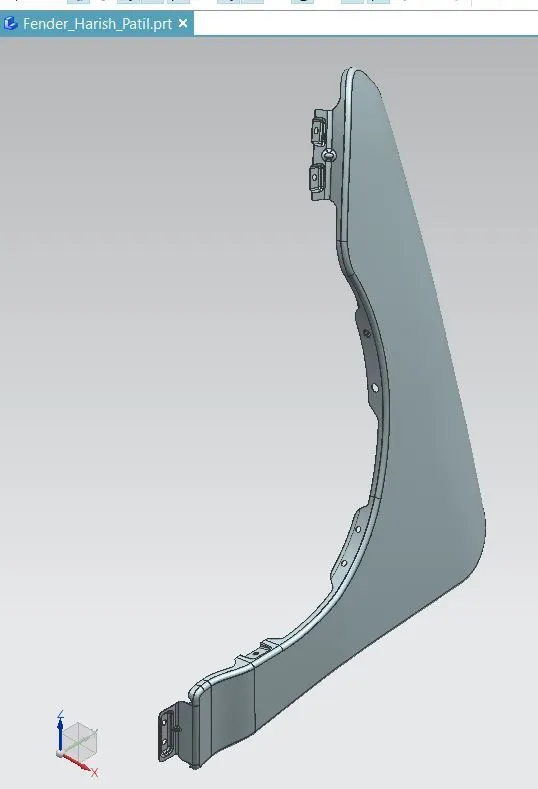
Finder Images: