Fender Design
Fender :
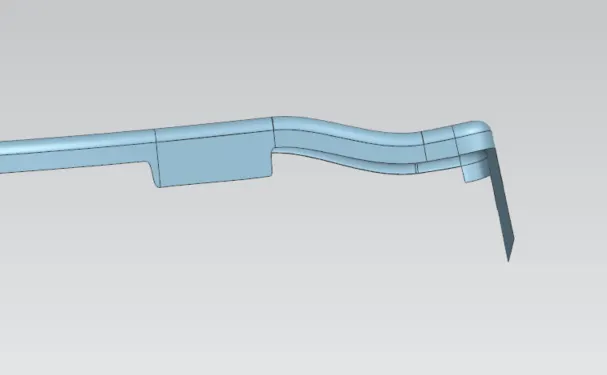
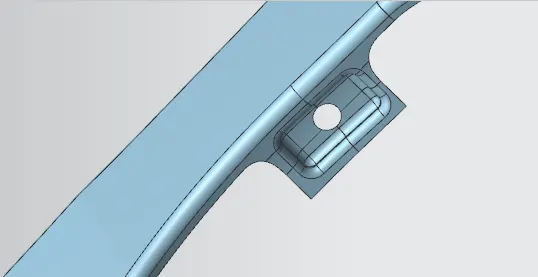
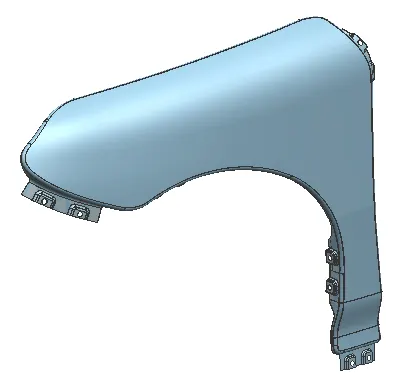
Fender pertains to the section of the car's body surrounding the wheel well. Constructed typically from metal or plastic, fenders serve multiple functions: safeguarding the vehicle's body and internal mechanisms from road debris like rocks and mud, contributing to the vehicle's aesthetic appeal through various designs, potentially mitigating damage in the event of a collision, and ensuring compliance with safety regulations by preventing debris from being propelled by the wheels. In essence, fenders play a vital role in both protecting the vehicle and augmenting its visual allure.
Types of Fender:
1. Full Bumper Type:
· Description: Full bumper types span the entire width of the vehicle's front or rear.
· Functionality: They absorb collision impact, providing comprehensive protection for the vehicle's body and components.
· Appearance: Full bumpers create a seamless and uniform look for the vehicle's front and rear.
2. Half Bumper Type:
· Description: Half bumper types cover only a portion of the vehicle's front or rear, typically at the center.
· Functionality: While offering some protection, they may not provide as much coverage or impact absorption as full bumpers.
· Appearance: Half bumpers are chosen for their sportier or minimalist appearance, offering a different aesthetic compared to full bumpers.
Mountings
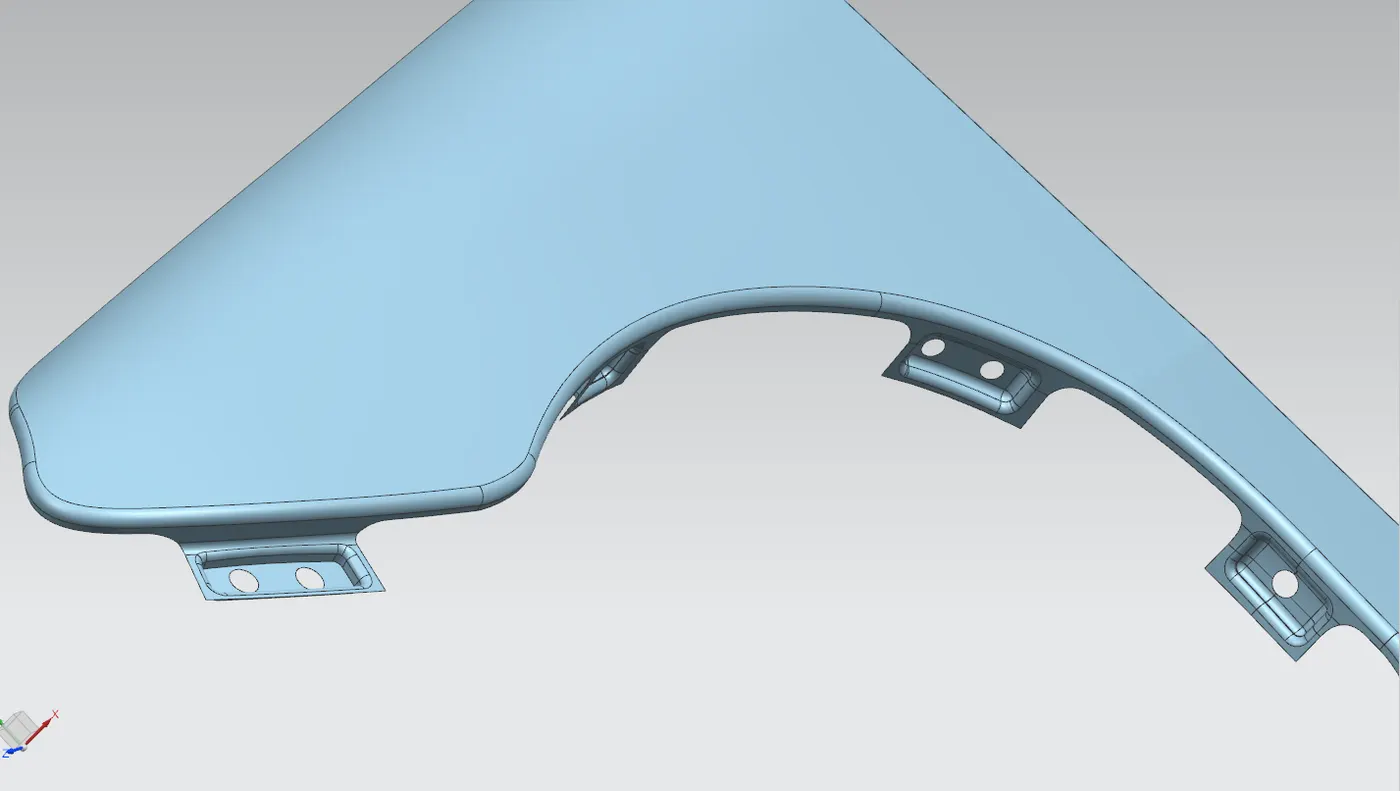
1. Bumper Mounting:
- Description: Bumpers are affixed to the front and rear ends of vehicles.
- Functionality: They absorb impact during collisions, shielding the vehicle's body and occupants.
- Installation: Bumpers are secured to the vehicle's frame or body structure using brackets and bolts.
2. Drip Mounting:
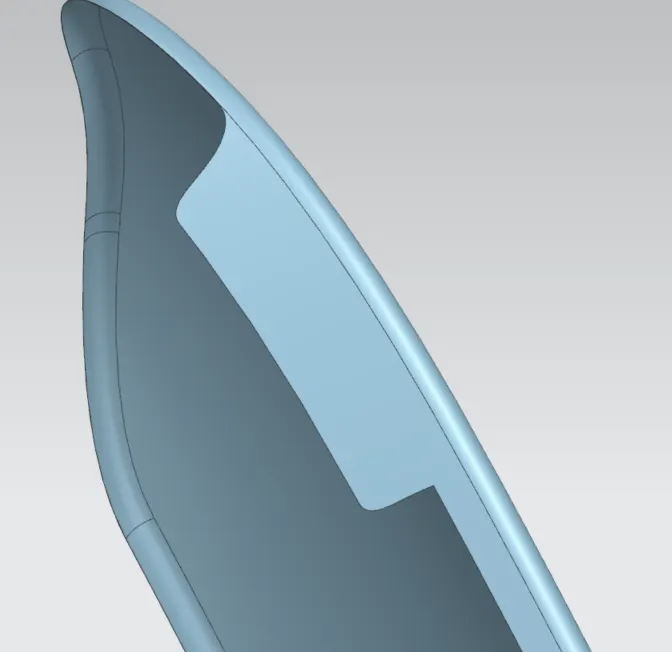
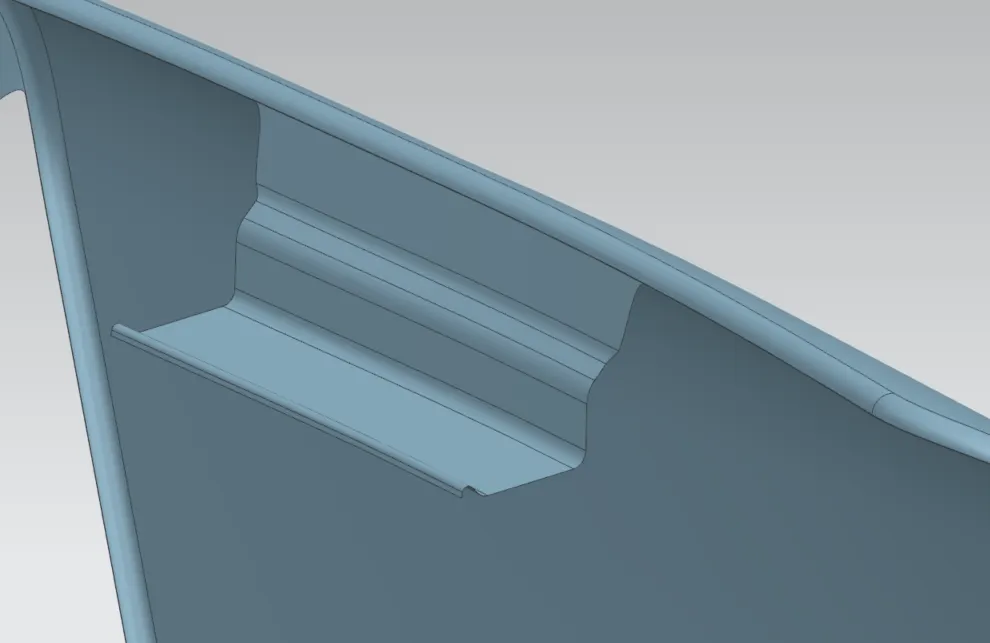
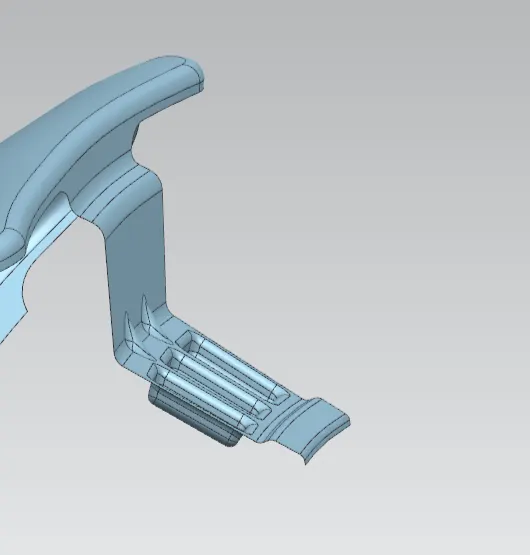
- Description: Drips are positioned along door or window edges to divert water away from the vehicle's interior.
- Functionality: They prevent water ingress during rain or car washing.
- Installation: Drips are typically integrated into the door or window frame during vehicle assembly.
3. A-Pillar Mounting:
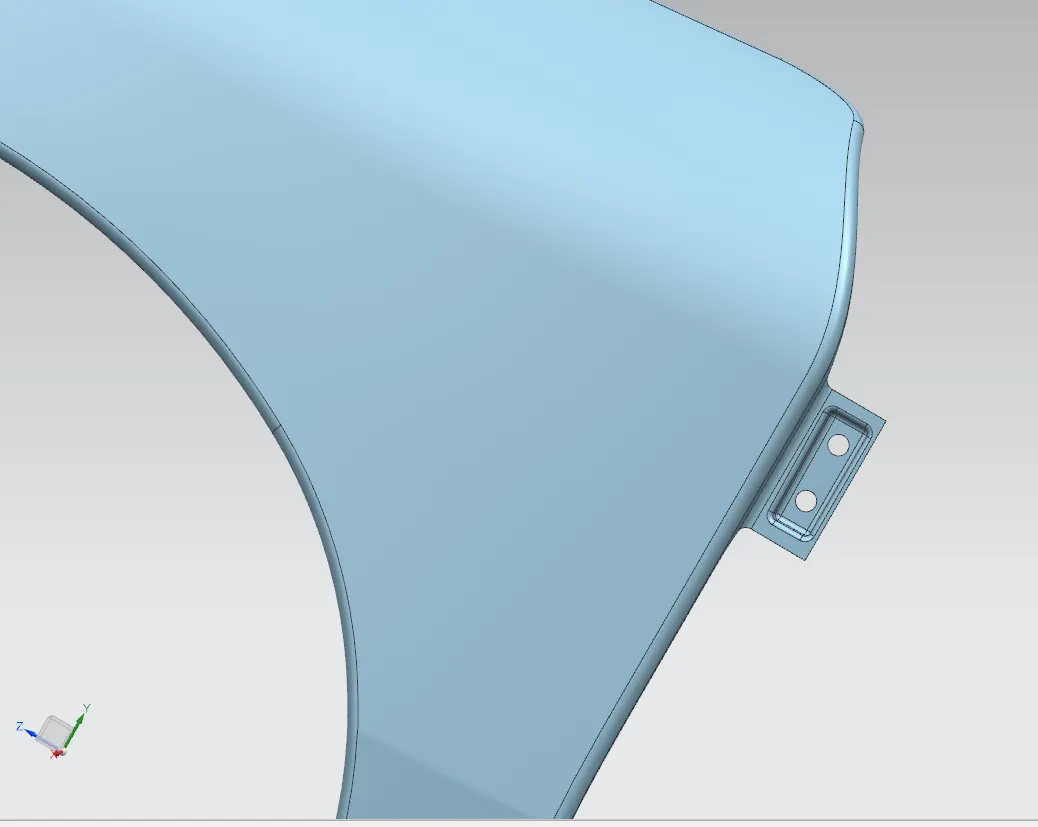
- Description: The A-pillar on each side of the windshield offers structural support.
- Functionality: It supports the vehicle's roof and enhances overall rigidity.
- Installation: The A-pillar is usually welded or bolted to the vehicle's body structure during manufacturing.
4. Sill Mounting:
- Description: Sills run horizontally along the vehicle's bottom edge.
- Functionality: They provide structural reinforcement and may serve as entry or exit points.
- Installation: Sills are integrated into the vehicle's body structure during manufacturing and may incorporate additional materials for reinforcement.
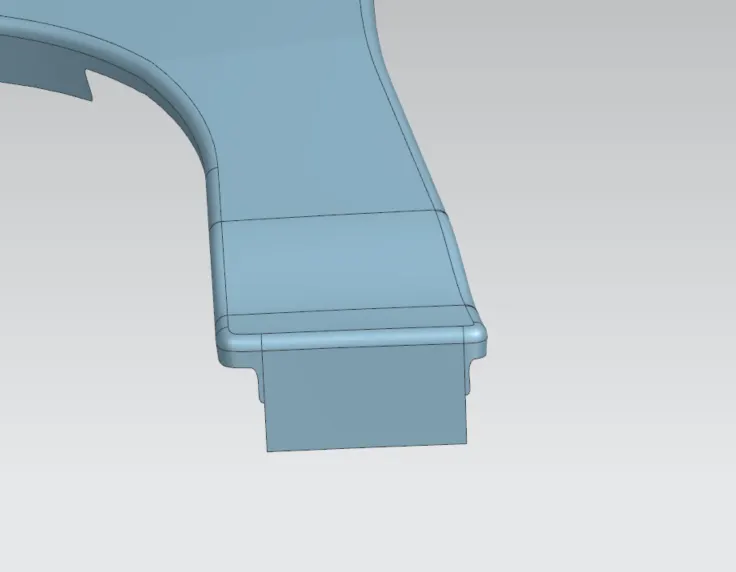
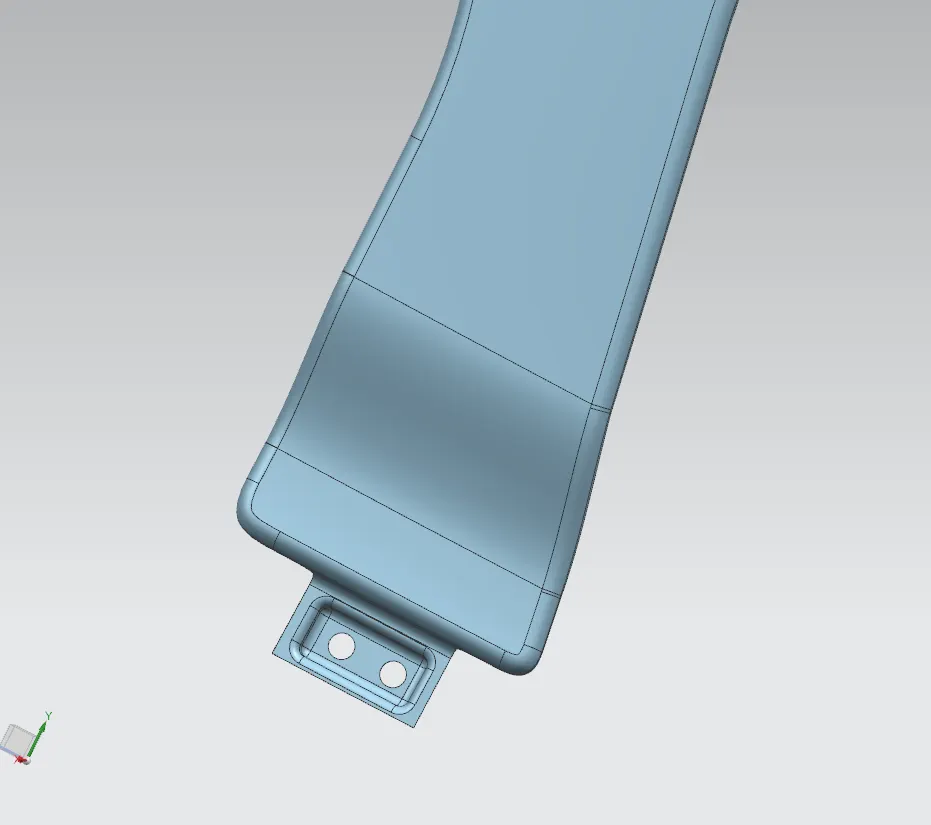
5. Cowl Mounting:
- Description: The cowl, situated at the base of the windshield where it meets the hood, seals off the engine compartment.
- Functionality: It prevents water and debris from entering the engine compartment.
- Installation: The cowl is typically attached to the vehicle's body structure through welding or bolting during assembly.