Fender Design
AIM: To design a front fender with its attachment features .
What is a Fender ?
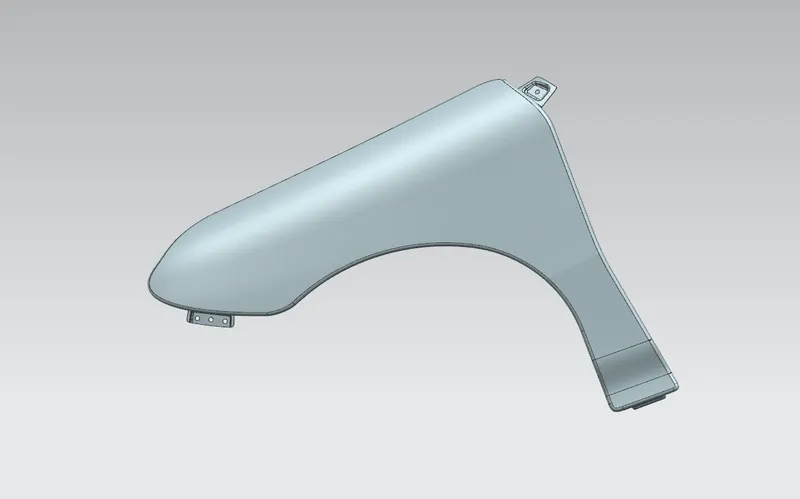
Fender is the American English term for the part of an automobile, motorcycle or other vehicle body that frames a wheel well (the fender underside). Its primary purpose is to prevent sand, mud, rocks, liquids, and other road spray from being thrown into the air by the rotating tire.
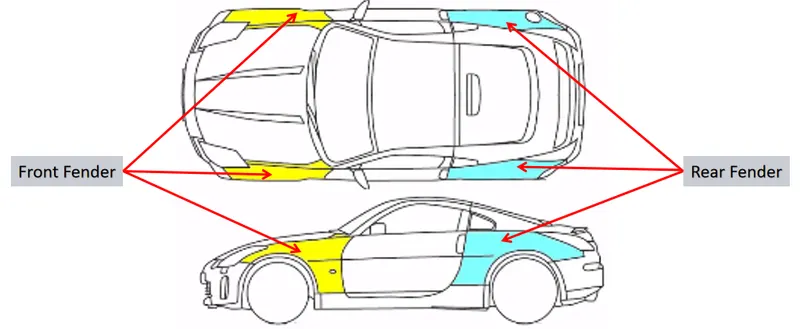
Types of Fenders in a vehicle :
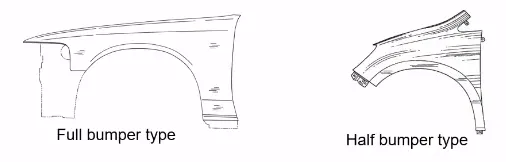
FULL BUMPER TYPE: These types of fenders were used in earlier models of vehicles. They contribute to the major increment of the steel weight by just covering the front headlights with respect to the bumper region. The problem associated with this kind of fender is there is a lot of wastage in the blank and every inch of a material is a cost to the industry.
To reduce the wastage of material and to increase the production rate , majority of OEM are using half bumper type fenders.
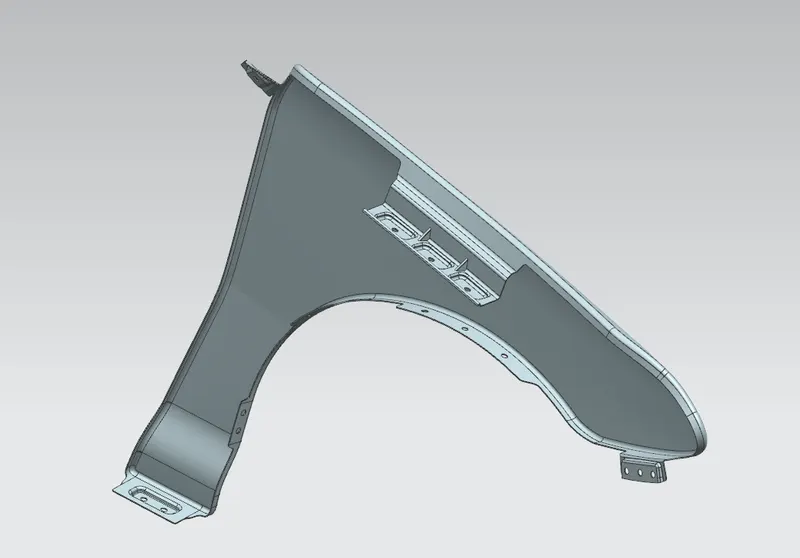
mountings in a Fender :
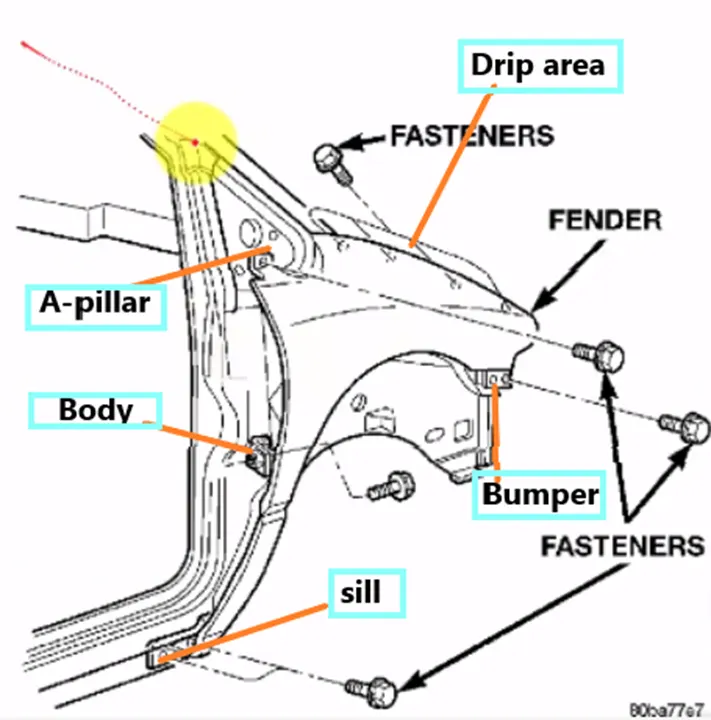
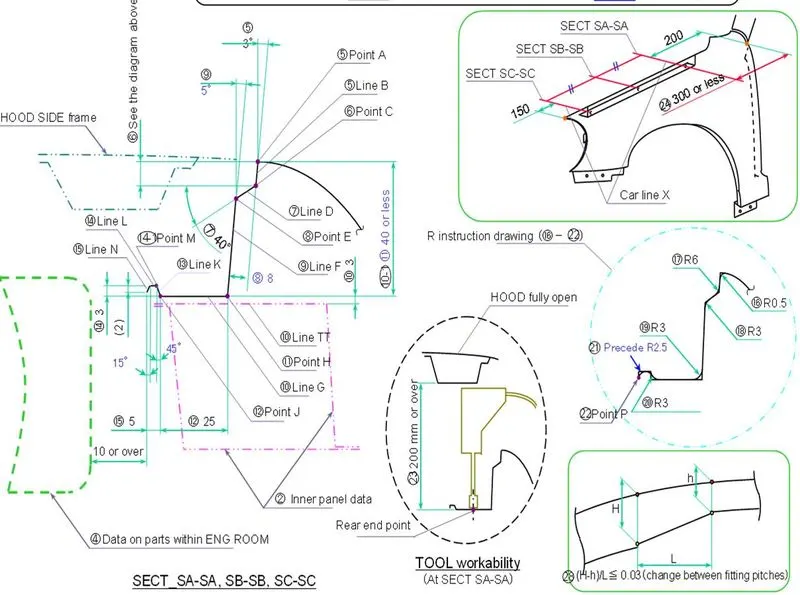
Drip Area :
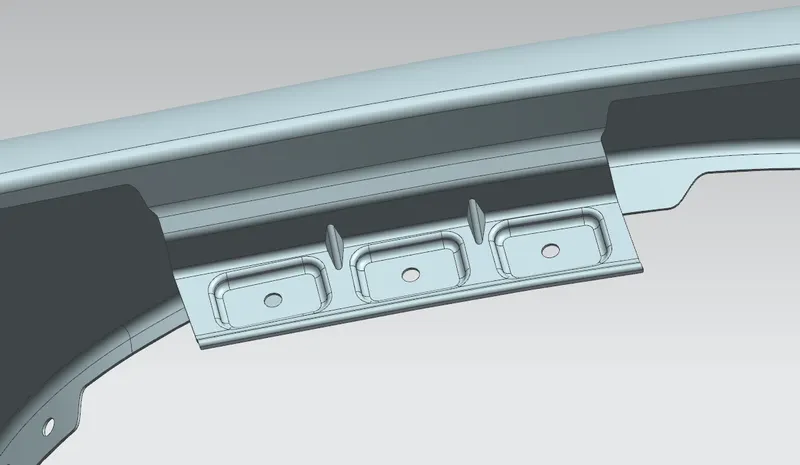
it is the critical mounting area located inside the engine component. Designed according to the master section provided and
optimal opening angle is maintained to make it look well assembled from outside.
A-pillar area :
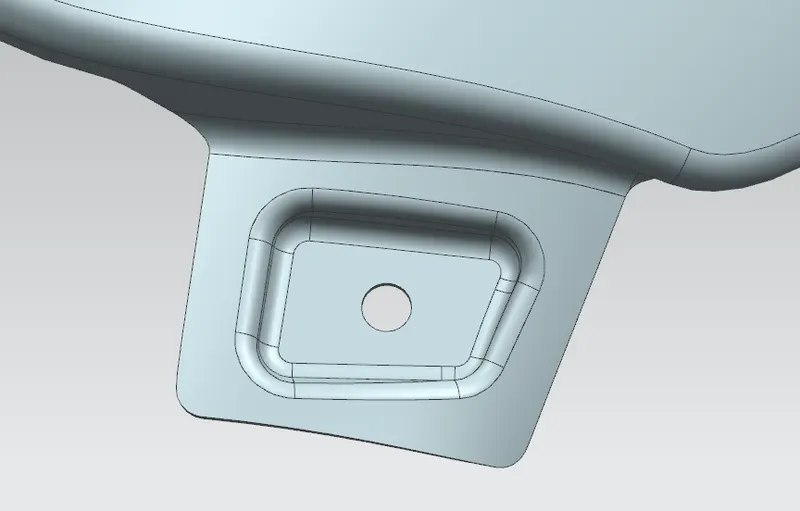
It is located at the top area of the fender used to be mounted with the top hoop area.
Bumper mounting area :
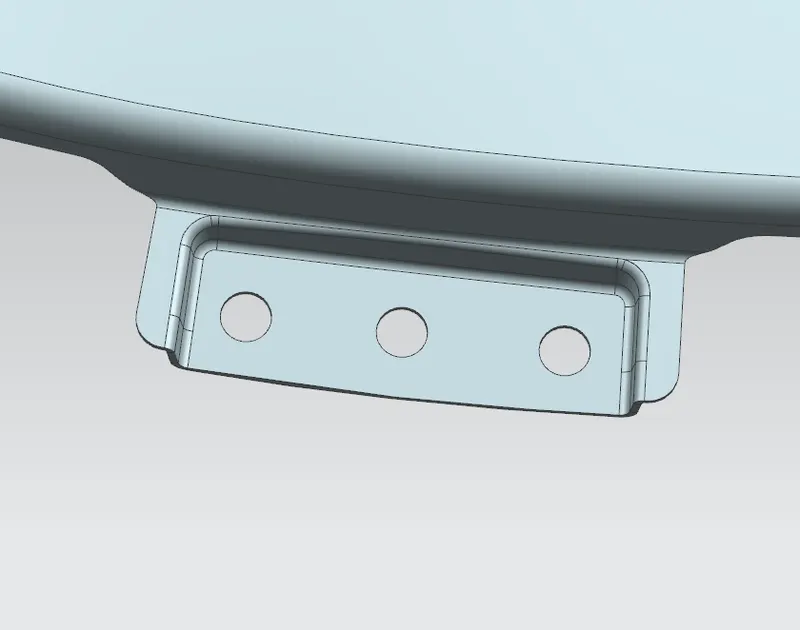
In half bumper fenders the bumper is connected with the bumper mounting area of the fender.
Sill Area :
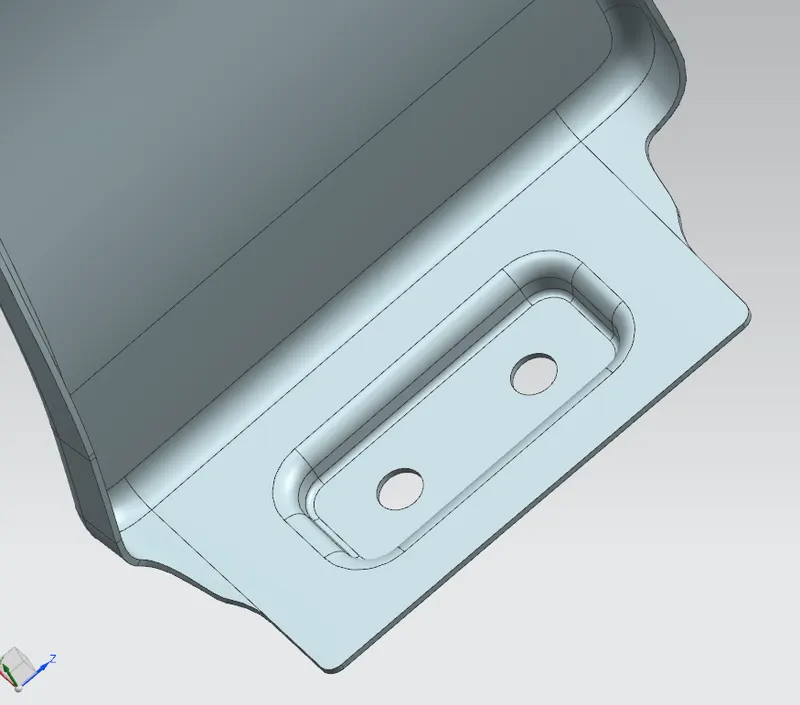
It is located at the bottom area of the fender.
Baffle mounting :
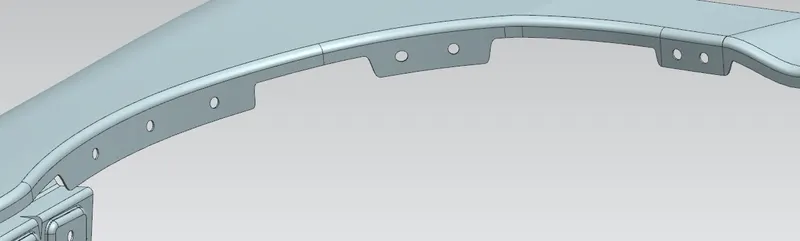
it is located at the wheel arch of the fender.
manufacturing process of car fender :
The manufacturing process of car fenders typically involves several steps, including:
- Design: The first step in the process is the design of the fender, which is typically done using computer-aided design (CAD) software. The design will include the shape, size, and other specifications of the fender.
- Mold-making: Once the design is finalized, a mold is created. This is usually done using CNC machines or other automated manufacturing equipment. The mold is made from a durable material such as steel or aluminum, and it is designed to create the shape of the fender.
- Material preparation: The material for the fender is typically a sheet of metal, such as steel or aluminum. The sheet is cut to the appropriate size and shape using a cutting machine.
- Forming: The next step is forming the sheet metal into the shape of the fender. This is done using a press or stamping machine, which applies pressure to the metal and shapes it according to the design of the mold.
- Trimming and finishing: Once the fender is formed, it is removed from the mold and trimmed to remove any excess metal. It is then finished, which may include sanding, polishing, or painting.
- Quality control: Finally, the fender undergoes a series of quality control checks to ensure that it meets the necessary specifications and standards. This may include visual inspections, measurements, and functional tests.
design parameters for a vehicle fender :
The design parameters for a car fender depend on various factors, including the type of vehicle, the intended use, and the manufacturing process. Here are some common design parameters for car fenders:
- Material: Car fenders can be made from a variety of materials, including steel, aluminum, plastic, or composite materials. The material chosen will affect the fender's weight, durability, and cost.
- Size and shape: The size and shape of a car fender depend on the vehicle's size and design. The fender must be large enough to cover the tire and provide adequate protection from road debris and other hazards.
- Wheel clearance: The fender must provide enough clearance for the wheel to rotate freely and prevent rubbing against the fender.
- Mounting points: The fender must be securely mounted to the vehicle's body to prevent it from shifting or coming loose.
- Aerodynamics: The shape of the fender can affect the vehicle's aerodynamics and fuel efficiency. Car manufacturers may design fenders with aerodynamic features to reduce drag and improve fuel economy.
- Impact resistance: The fender must be able to withstand impacts from road hazards, such as rocks, debris, or collisions with other vehicles.
- Aesthetic considerations: The design of the fender must also consider the vehicle's overall aesthetic, and it may be designed to complement the vehicle's style or to create a particular look or feel.
These are some of the key design parameters for a car fender, but other factors may also be considered depending on the specific needs of the vehicle and the manufacturer's design goals.