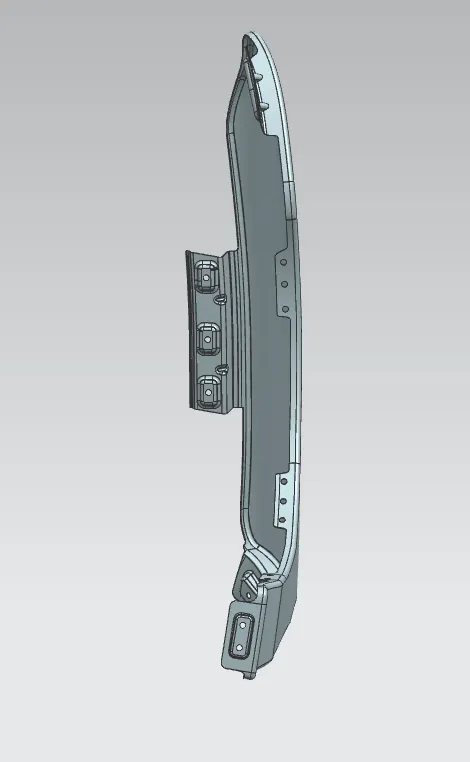
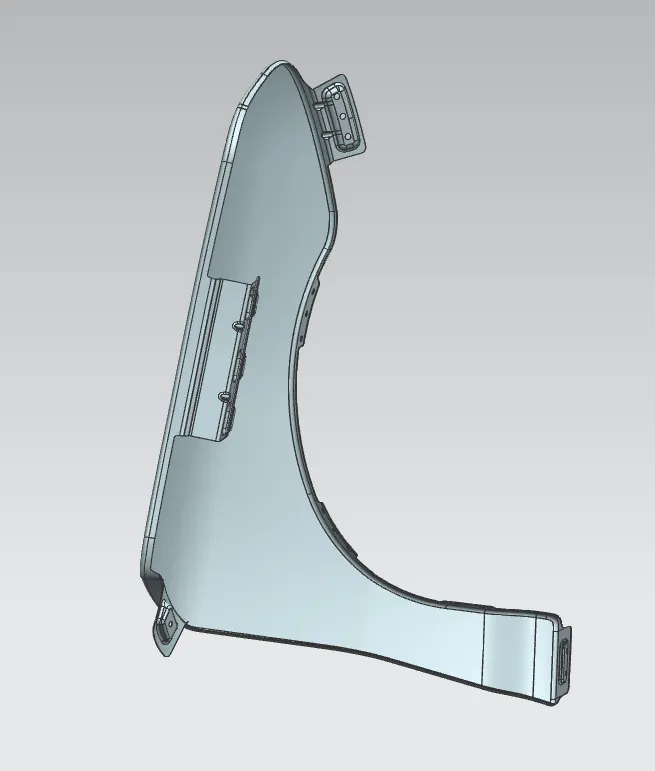
Fender Design
Introduction Of car fender
The fender is a crucial component of a car' body design , serving as a protective covering for the wheels and tries. It is typically a curved metal panel that is strategically positioned over each wheel , extending from the front to the rear of the vehicle .Fender not only enhance the aesthetics of a car ,but they also serve important functional purposes, such as shielding the wheels from debris , improving aerodynamics and enhancing safety by preventing splashing and spray in wet condition. The design of car fender has evolved over the year to accommodate different styles, sizes of wheels , and safety regulations making them an essential element in modern autotive design.

Fender Design
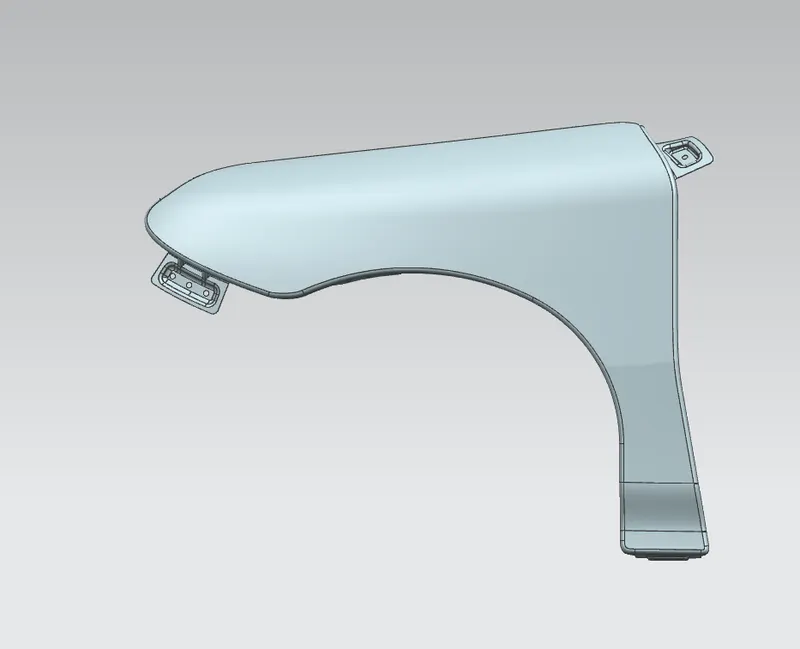
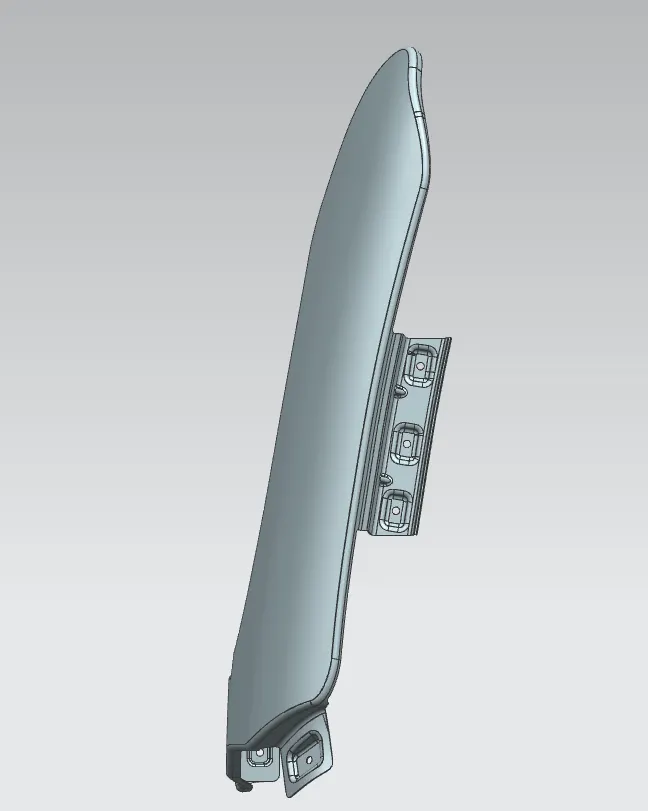
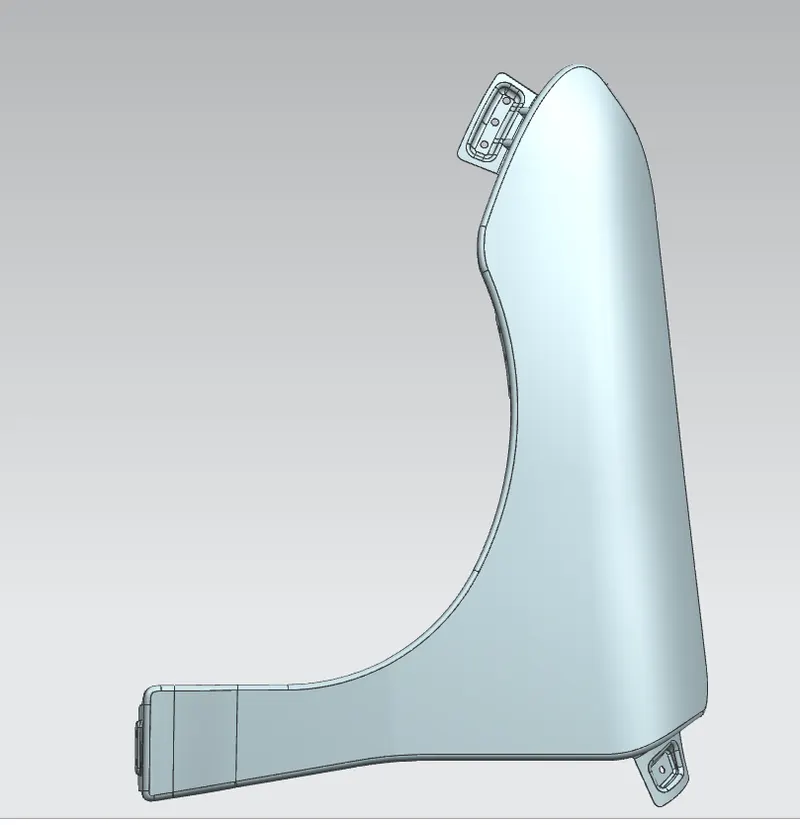
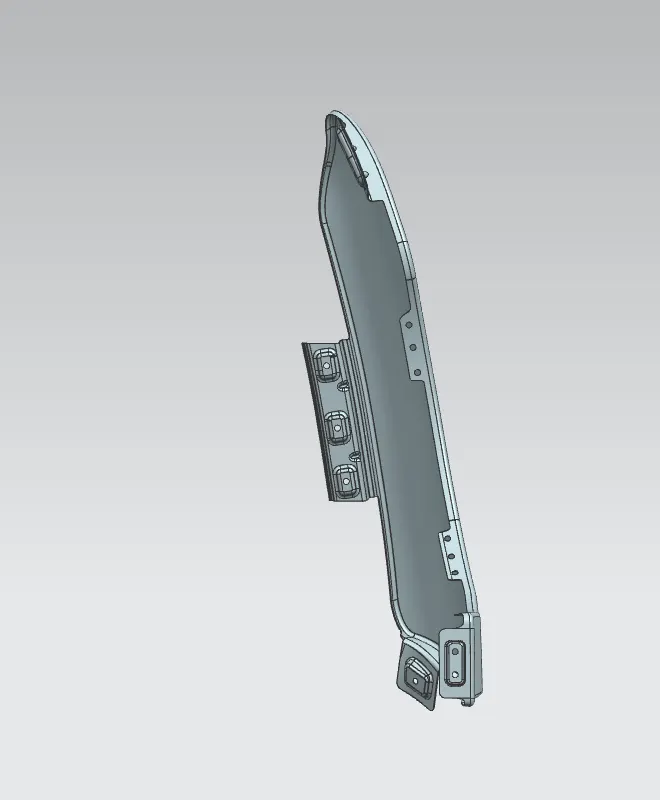
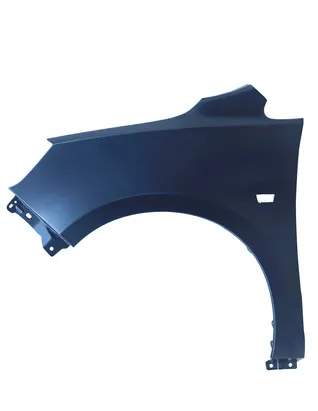
Car fender design refers to the fenders, which are curved metal panels that cover and product the wheels and tires of a car .The fender design is an important aspects of the overall look and functionality of a car.
In terms of aesthetics, car fenders can be designed in a variety of way to match the style of the car . Some fenders are designed to be sleek and sporty while oyjer may have more of a classic or vintage look.The design of the fenders can also be influenced by the size and shape of the wheels as well as the overall body shape of the car.
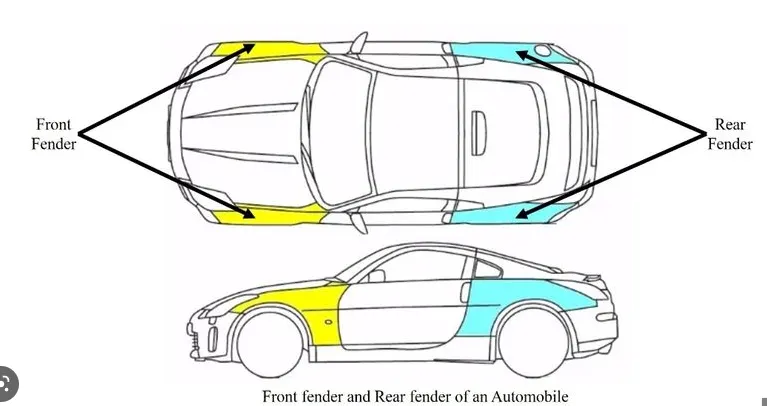
Fender design can also be influenced by safety regulation and requlation and requirements, such as the need for adequate clearance between the tire and the fender to prevent rubbing or damage while the car is in motion
Overall , car fender design is an important aspect of the overall dsign and functionality of a car and can greatly impact its performance, safety and aesthetics
Mounts of fender
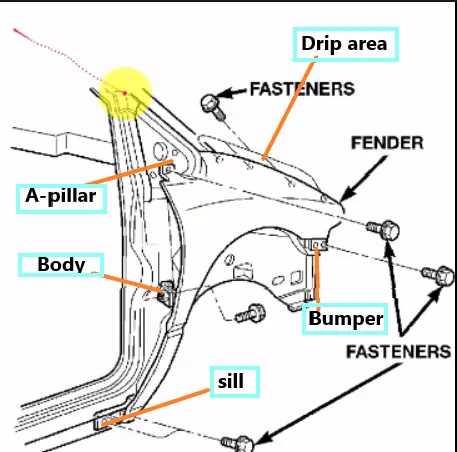
A Pillar: The A pillar is a vertical structural support that is located on either side of the windshild.It helps to suport the support the roof of the car and provides mounting points for the fender.
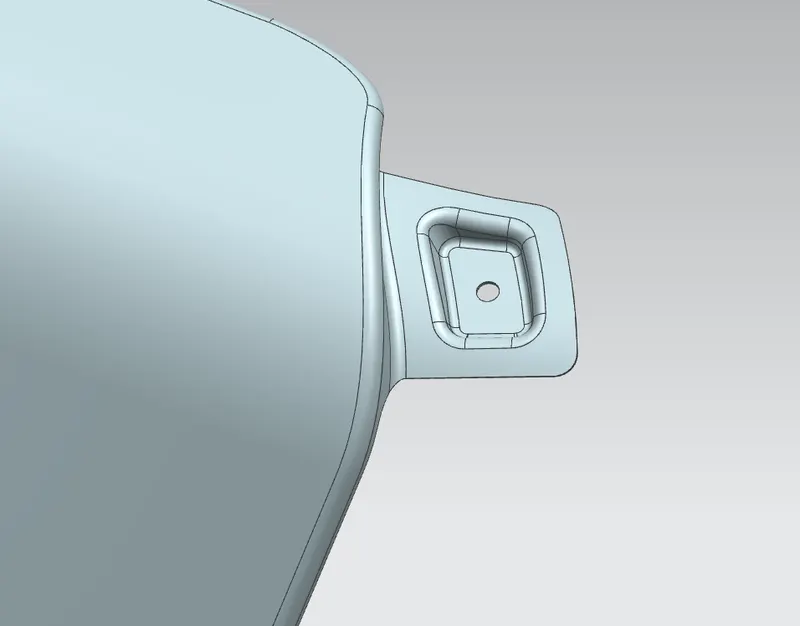
Bumper: the bumper is a horizontal beam or bar that is located at the front and rear of a car .It is designef to absorb and distribute impact forces in the event of a collision , helping to protect the car's occupants and reducing damage to the vehicle and bumper provides mounting points for the fender.
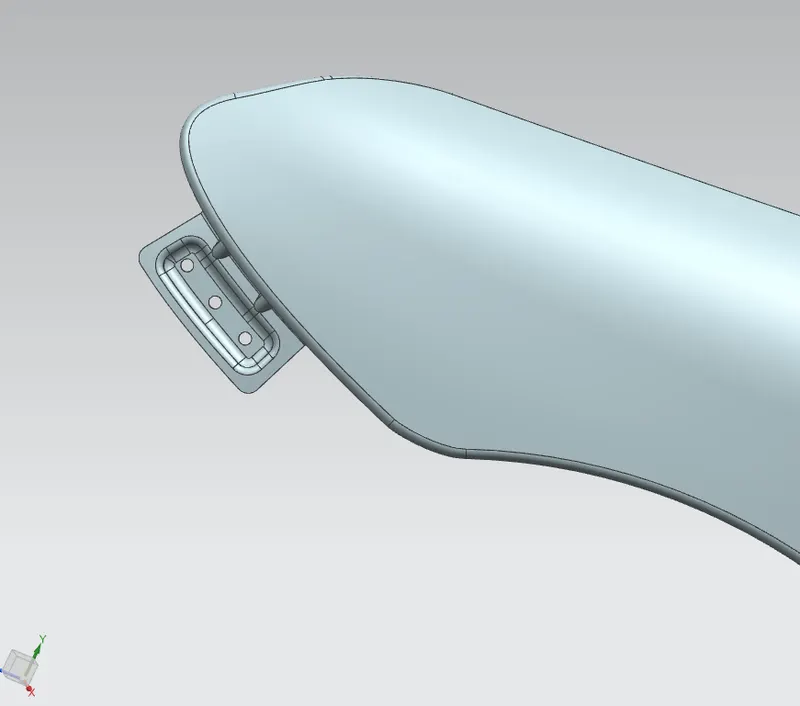
Sill: The sill is the horizontal panel that runs along the bottom of a car's body, between the front and rear wheel arches .It provides structural support for the car and hrlps to protect the underside of the car from damage and it provides mounting points for the fenders .
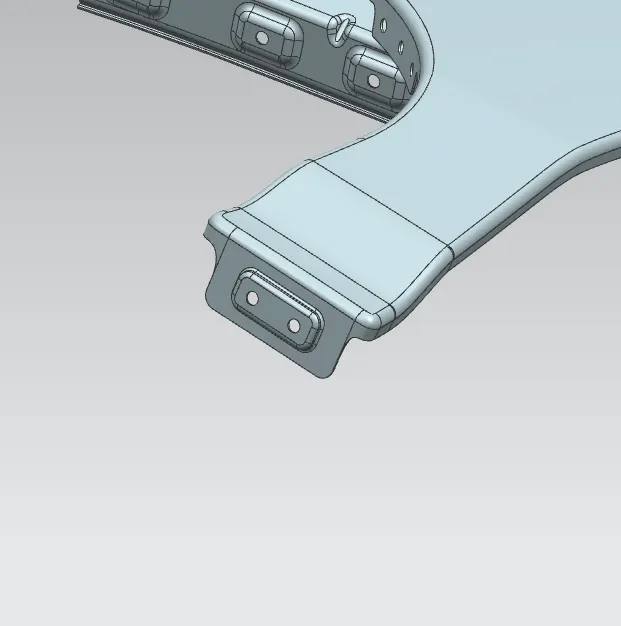
Cowl: The cowl is the area at the base of the windshield where the hood of the car meets the body .it is designed to channel rainwater away from the windshild and prevent it from entering the car's interiors and provides mounting points for the fenders
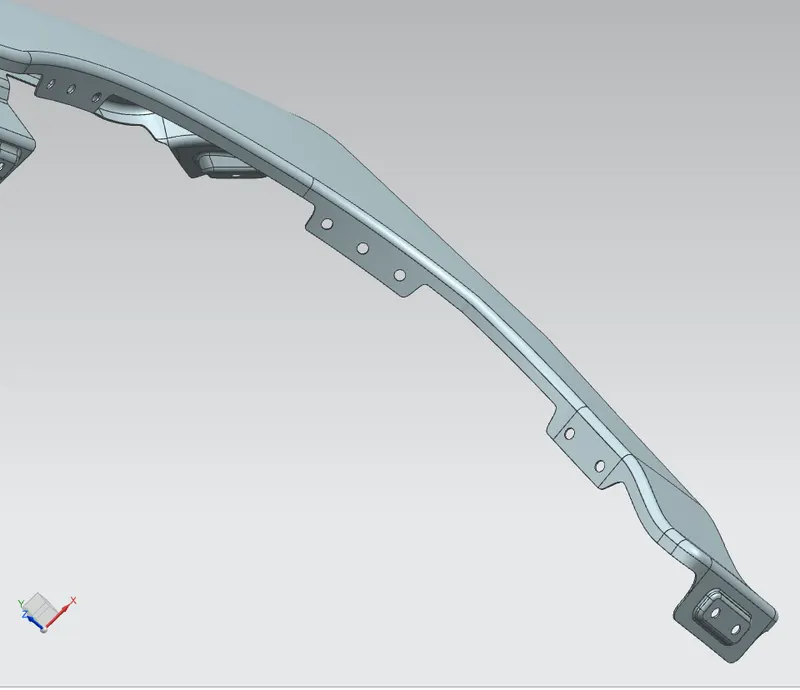
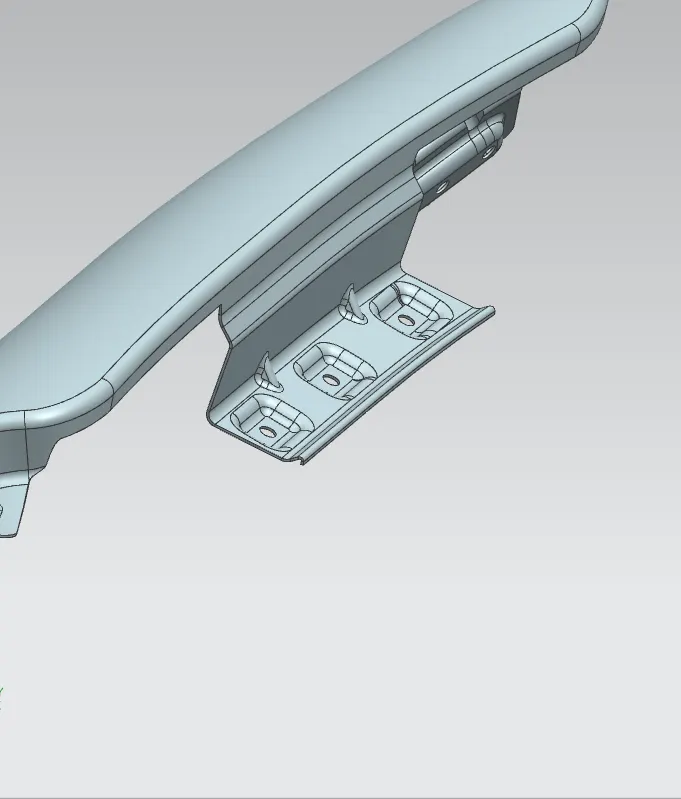
Drip: The Drip is a small angled extension located at the bottom of the fender that helps to mouting the fender to the engine area
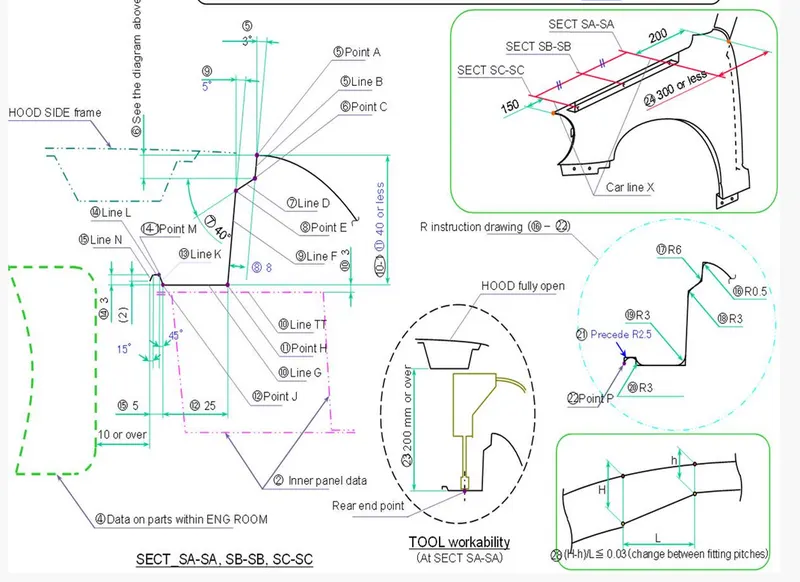
Design Parameters of fender
The design parameters of a fender can very depending on the specfic requirements of the vehicle, but here are some of the most common Parameters that are considered during the design process:
Wheel Size :The size of the wheels and tires used on the vehicle will determine the size and shape of the fender need to provide adequate clearance and protection
Suspension: The suspension systen of the vehicle will also impact the design of the fender, as it needs to accommodate the suspension movement without intering with the tire
Vehicle style : The style and shape of the vehicle will also influence the design of the fender as it needs to blend in with the overall aestheic of the car.
Aerodynamics : The shape and design of the fender can impact the aerodtnamics of the vehicle, with more streamlined designs helping to reduce drag and improve fuel efficiency.
Safety :The fender also plays a role in protecting the vehicle and its occupants in the event of a collision. the design must take into account factors such as impact resistance, energy absorption. and pedestrian safety.
Manfacturing Process of fender
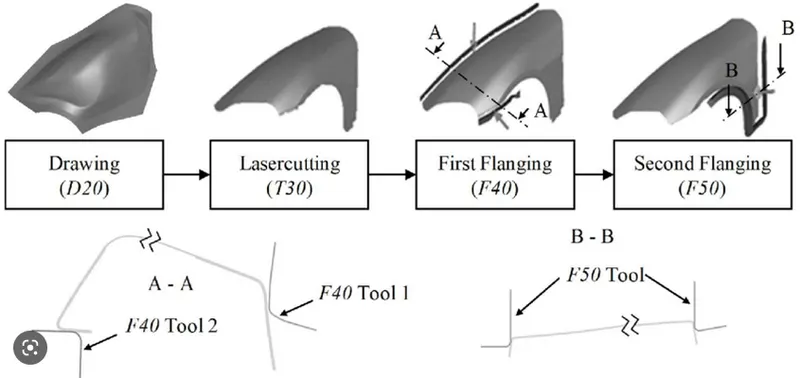
Sheet Metal Cutting : The manufacturing process begins with cutting a sheet of metal, such as steel or aluminum, into the desired size and shape of the fender.This can be done using a variety of cutting tools such as laser cutters , plasma cutter or mechanical shears.
Forming: Once the metal sheet is cut it is then formed into the shape of the fender using a stamping press.This involves using a die set to press the metal sheet into the desired shape, typically using multiple presses and dies to create complex cureves and contours.
Trimming and finishing : after the metal sheet is formed into the shapes of the fender it is then trimmed to remove any excess material and smooth out the edges.The fender is then finished with any necessary coating or finishes, such as paint ,primer, or a rust inhibitor
Mounting : Finally the fender is mounted onto the car body using bolts or screws,typically with a rubber gasket orsealing material to prvent water and debris from enteering the car bodt and engine section
Output: