Car Fender Design
Fender Design
Objective: Design a front fender from the given skin data and the master section provided with Drip mounting, A-pillar, Sill, Bumper, and Baffle Mounts.
What is a Fender in a car?
A fender is the covering over the Wheels of the Vehicle, also known as a mud-guard commonly. The Fender protects against the splash of mud and other road debris that could get chipped while the wheels drive over them.
The Fender is mainly of two types,
- Full Bumper
- Half Bumper
Full Bumper
In the present time, this type is not much used in the industry, because it requires more material, and adds more weight to the vehicle. As it is a large area, only one fender is achieved from one sheet metal, other parts become scrap and couldn't be used.
Half Bumper
This type is used in the present cars because it requires less material and is very compact in size. Also, exerts very less scrap compared to the full bumper type.
Designing of mounting areas of the fender:
- Drip area
- Bumper Mounting area
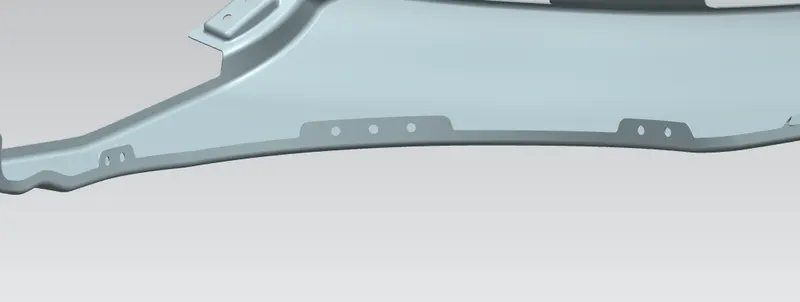
- Sill Mounting area
- Baffle Mounting area
- Body Mounting area
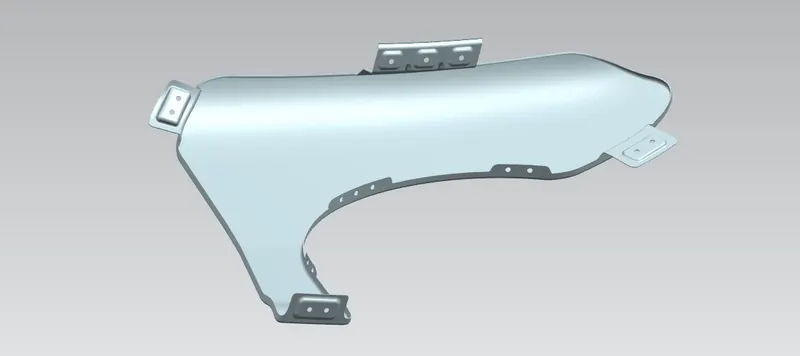
Drip Area
The area through which the fender is attached to the engine compartment using the fasteners. While designing, it is a must to consider the necessary design parameter for the drip area such as 200 mm clearance from the back side of the fender for the cowl mounting area and 150 mm clearance from the front for the headlamp housing unit.
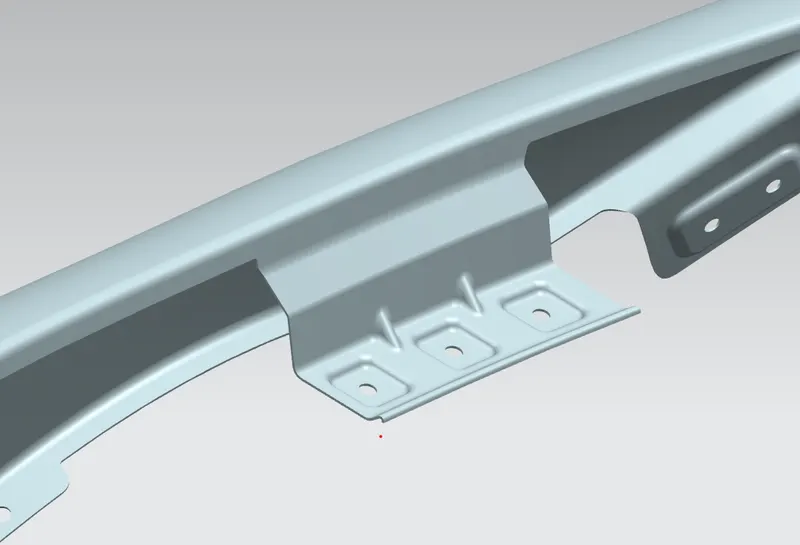
Pillar Area
The Piller is provided on both sides of the front windshield which is the reason the windshield is in place.
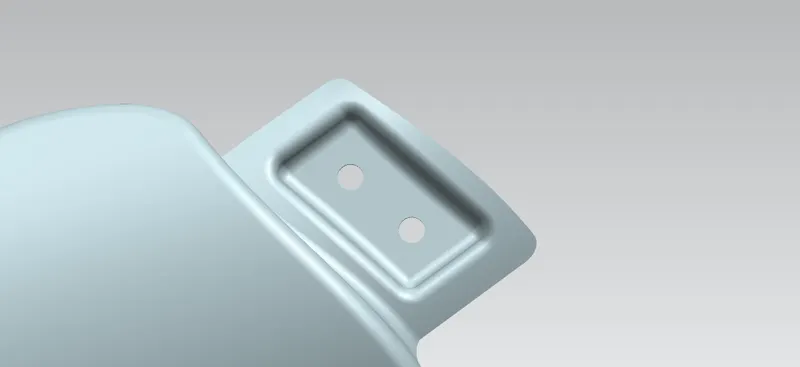
Bumper Mounting Area
In this mounting, the fender connects with the bumper. It must be very rigid. To make it more rigid.
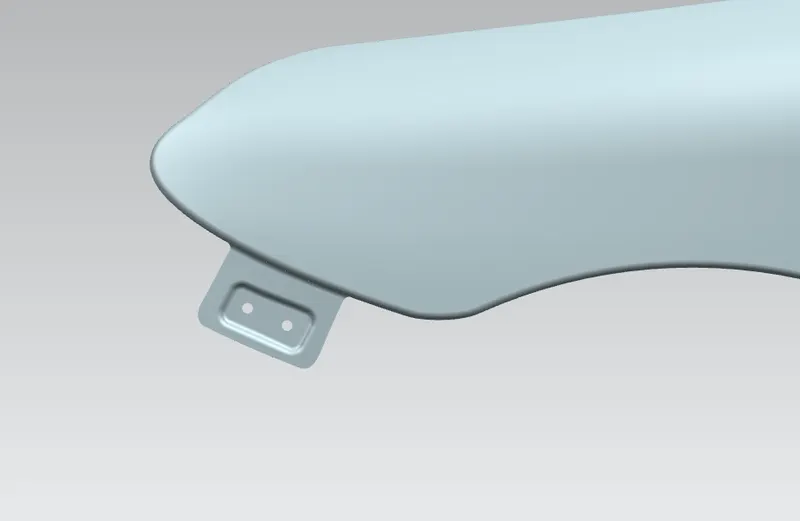
Sill Mount Area
This area is the bottom part of the fender, in the below figure marked with the yellow line.
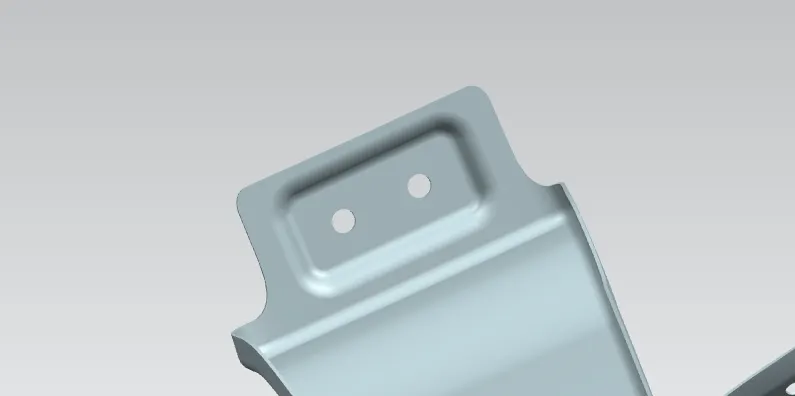
Baffle Mount Area
Design Considerations while designing Front Fender.
- Ensure that the Flat surface on the emboss
- 5-10 mm Head clearance.
- Min. 5 mm distance between the blends
- 3+ mm edge Blend
- Following the Master section where ever provided.