Design of backdoor
BACK DOOR DESIGN
To create back door design with given skin data using NX CAD by consudering all the design requirements.
BACK DOOR :
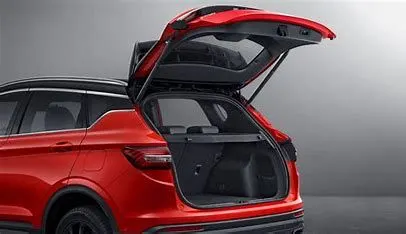
Backdoor are one of the type of door of the vehicle which are located next to the passanger seat which provides access to the luggage compartment. In the most of the cars, these back door are operated with the help of gas stay which in turn reduces the effort required to lift the door.
A door which is located at the rear side of a car which gives access for the boot space to store luggage, spare wheel etc.These doors can be operated manually or electric powered. In most of the luxury cars door is electrically operated.
TYPES OF BACK DOOR :
- Top Mounted Door
- Side mounted Door
- Bottom Door
PROCESS USED FOR MANFUCTURING THE BACK DOOR :
1.Deep drawing
It is one of Sheet metal forming process and Widely used Sheet metal forming process.
It is classified into three types depands on load application.
1. Deep drawing using tools.
2. Deep drawing using active media.
3. Deep drawing by means od active energy.
Deep drawing method using tool is mostly used in sheet metal forming.
Deep drawing process
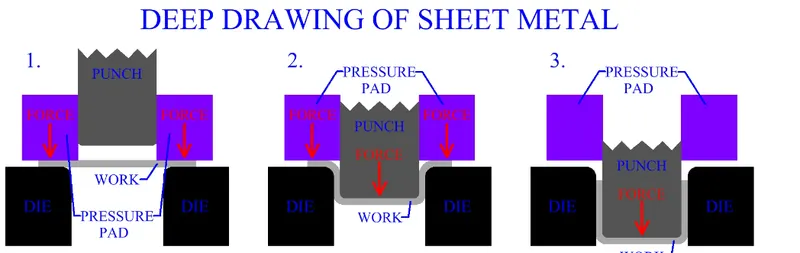
Deep drawing of sheet metal is performed with a punch and die. The punch is the desired shape of the base of the part, once drawn.
The die cavity matches the punch and is a little wider to allow for its passage, as well as clearance.
This setup is similar to sheet metal cutting operations. As in cutting, clearance is the lateral distance between the die edge and the punch edge.
The sheet metal work piece, called a blank, is placed over the die opening. A blankholder, that surrounds the punch, applies pressure to the entire surface of the blank, (except the area under the punch), holding the sheet metal work flat against the die. The punch travels towards the blank. After contacting the work, the punch forces the sheet metal into the die cavity, forming its shape.
2.Embossing
Sheet metal embossing is a stamping process for producing raised or sunken designs or relief in sheet metal. This process can be made by means of matched male and female roller dies, or by passing sheet or a strip of metal between rolls of the desired pattern. It is often combined with foil stamping to create a shiny, 3D effect.
Embossing process
The metal sheet embossing operation is commonly accomplished with a combination of heat and pressure on the sheet metal, depending on what type of embossing is required.
Metal sheet is drawn through the male and female roller dies, producing a pattern or design on the metal sheet. Depending on the roller dies used, different patterns can be produced on the metal sheet.
3.Hemming
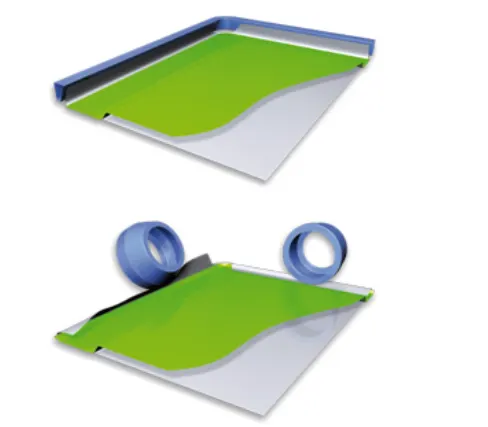
Hemming is a forming operation in which the edges of the sheet are folded or folded over another part in order to achieve a tight fit. Normally hemming operations are used to connect parts together, to improve the appearance of a part and to reinforce part edges.
In car part production, hemming is used in assembly as a secondary operation after deep drawing, trimming and flanging operations to join two sheet metal parts (outer and inner) together. Typical parts for this type of assembly are hoods, doors, trunk lids and fenders.
There are various types of hemming operations:
- Conventional die hemming: In conventional die hemming, the flange is folded over the entire length with a hemming tool.
- Roll hemming: In roll hemming, the hemming roller is guided by an industrial robot to form the flange.
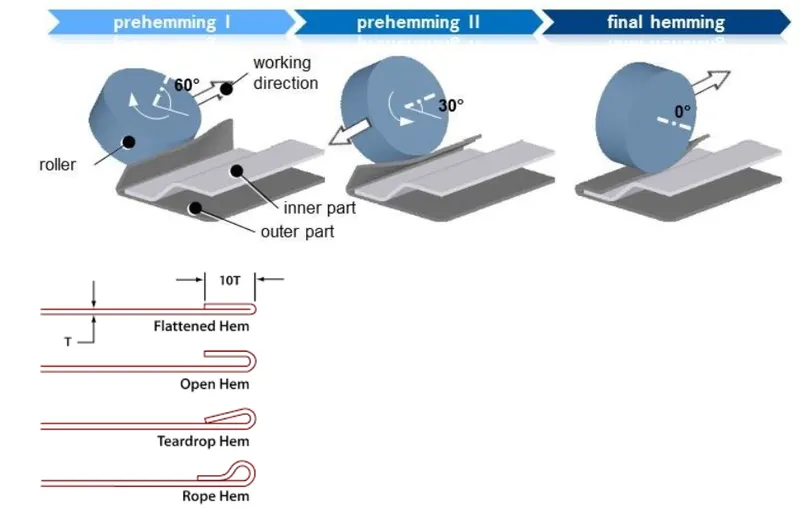
Open Hem: A Hem has a full round feature and a return flange. In open hem bend angle is equal to 180 degrees.
Tear drop Hem: In tear drop hem the bend angle is greater than 180 degrees.
Closed Hem: Hems without any inside radius are called as closed hem. Closed hems are not recommended if the hem geometry is to be painted or if the material used is SST or Aluminium.
COMPONENTS IN BACK DOOR :
1.Outer panel lower
2.Outer panel upper
3.Inner panel
4.Hinge reinforcement
5.Gas stay reinforcement
6.Wiper reinforcement
7.Stricker reinforcement
DESIGN OF BACK DOOR
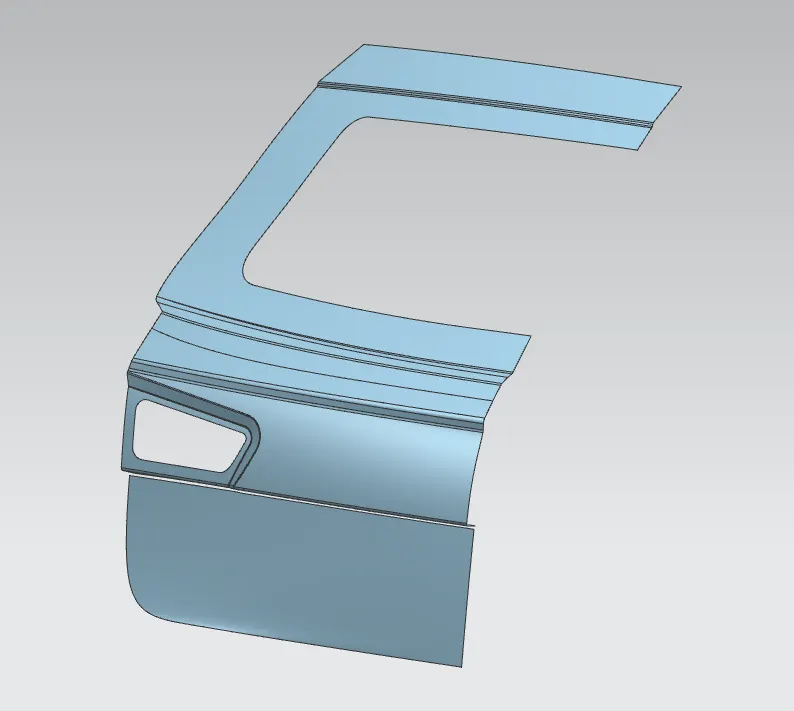
Given skin data
STEP 1 : Repairing skin data :
- To check the quality of the given skin data sew all the surfaces. Some of the surface are not joint properly in the sew,that surfaces are replaced by new surface by using bridge surface and threough curve mesh.
- Flange was missing in outer lower panel, Which was created by extending boundary in outer lower panel.
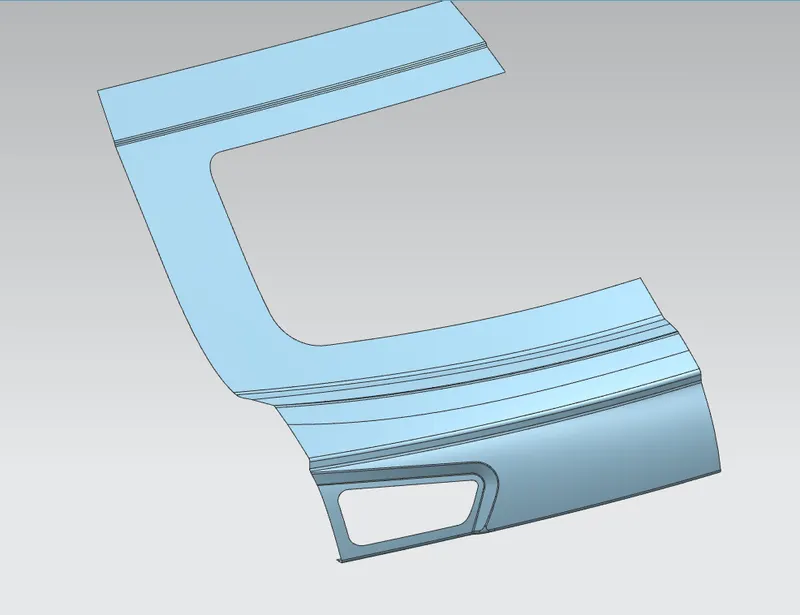
Outer panel upper data
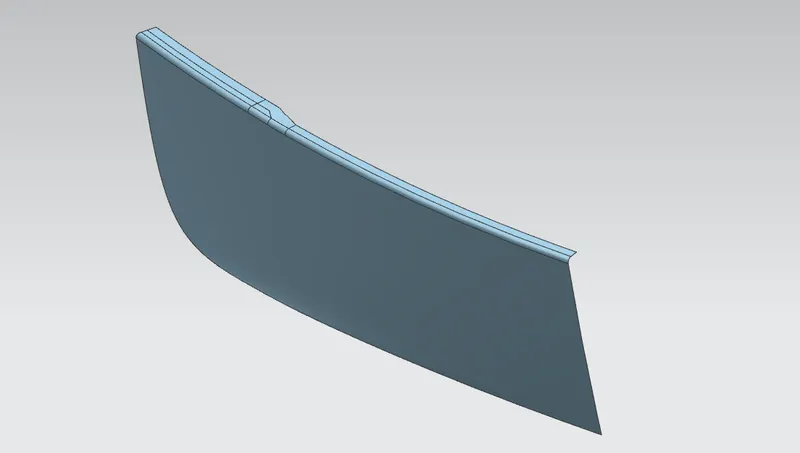
Outer panel lower Skin data
STEP 2 : Outer panel upper
- To design outer panel upper we have to desing hemming flange.
- To create hemming flange, I have offsetted the skin data to 2.65mm (0.75*2 + 0.2*2) and offsetted surface trimed to 8mm from outer boundary.
- Now a swept surface created between skin surface and flange surface and thicken command is used to thicken the part.
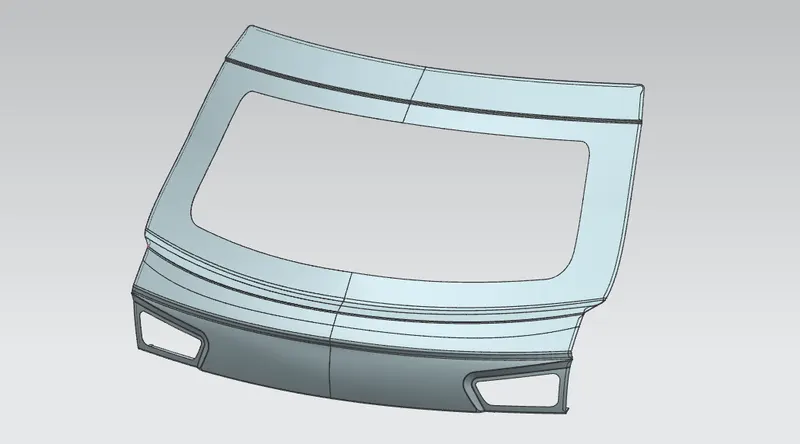
Outer panel upper
STEP 3 : Outer panel lower
- To design outer panel lower we have to design hemming flange.
- To create hemming flange, I have offsetted the skin data to 2.65mm (0.75*2 + 0.2*2) and offsetted surface trimed to 8mm from outer boundary.
- Now a swept surface created between skin surface and flange surface and thicken command is used to thicken the part.
- Required hemming relief has been given.
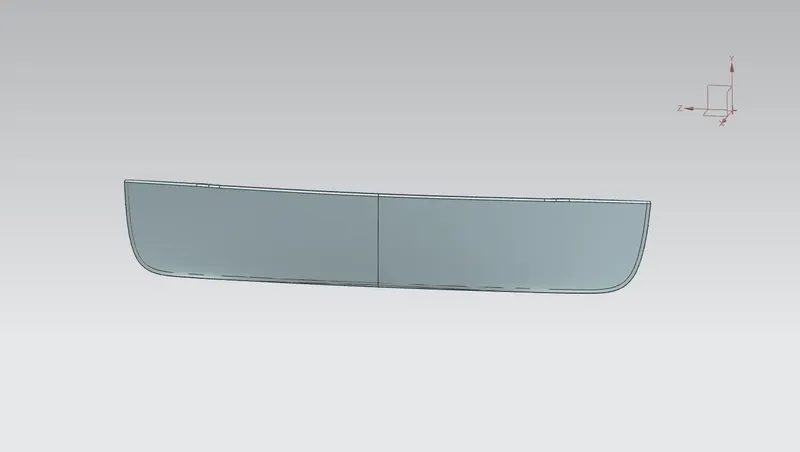
Outer panel lower
STEP 4 : Inner panel
- First stage of creating inner panel, important is sealing flange. Width of sealing flange is 30mm.
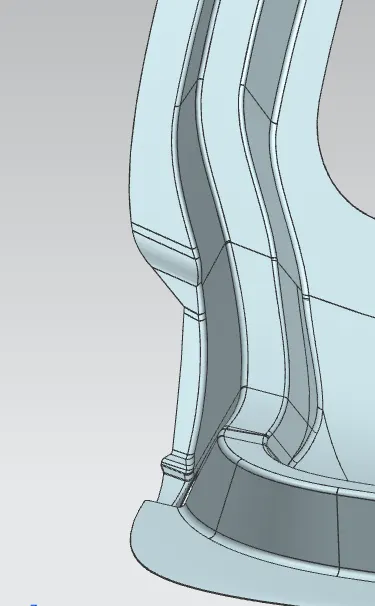
Sealing Flange
- Rear wind sheild area taken from skin data. So rear visibility will not be affected.
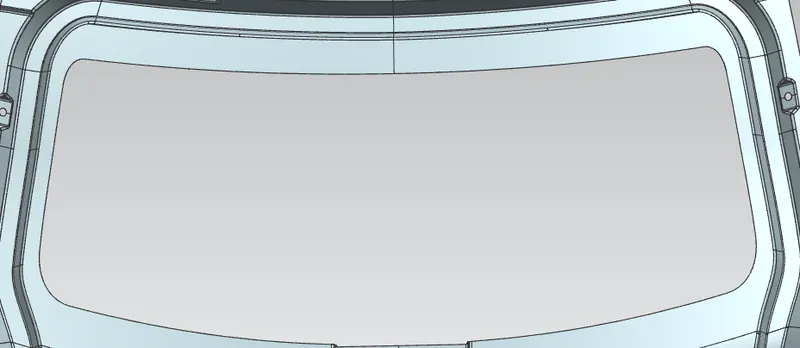
- Creation emboss is important for crash test to reduce the impact. Here I have created the emboss in V shape amd embosses for mounting areas of hinge, hatch, wiper and stricker.
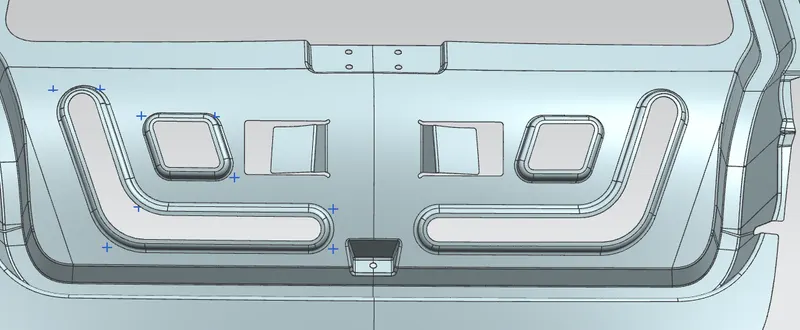
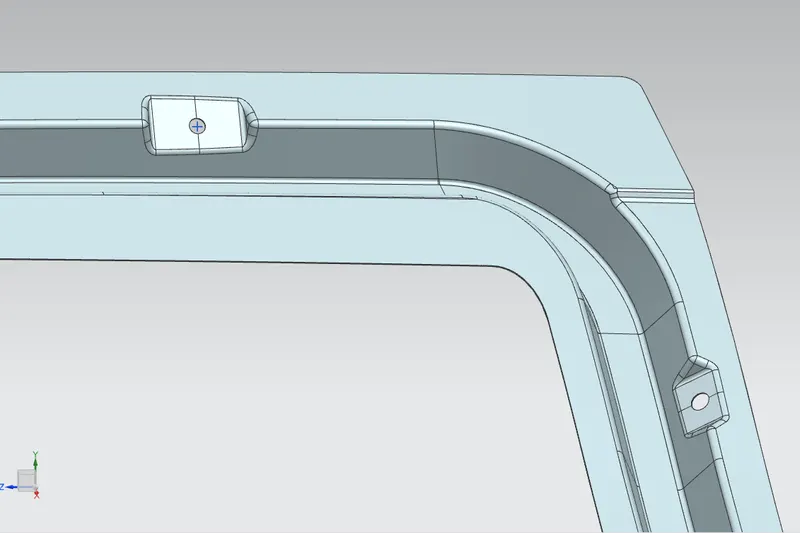
Embosses
Finally part has thicken to 0.75 mm in upper direction.
STEP 5 : REINFORCEMENTS
Reinforcements are created to add strength to back door in attachment areas like Hinge,gas stay, wiper and stricker.
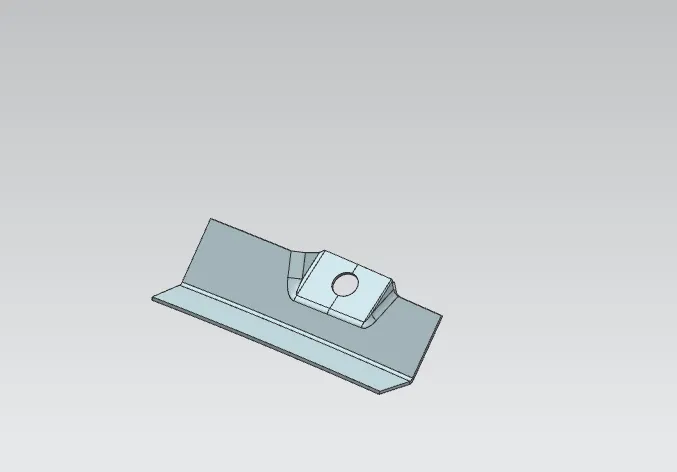
Gas stay reinforcement
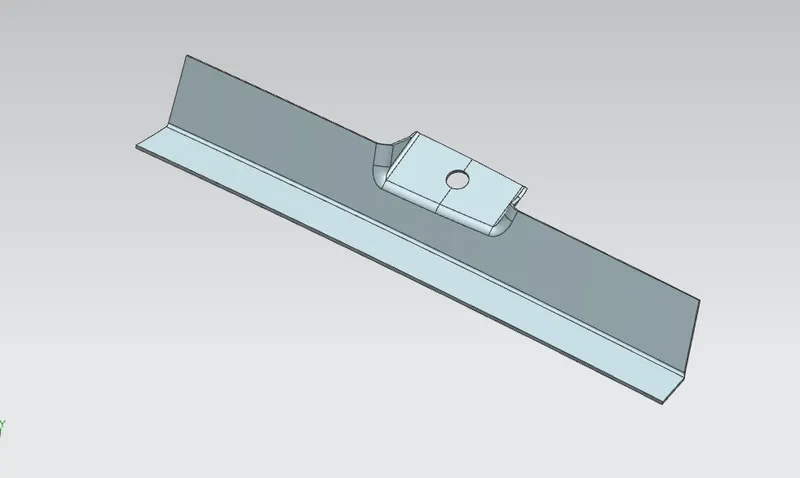
Hinge reinforcement
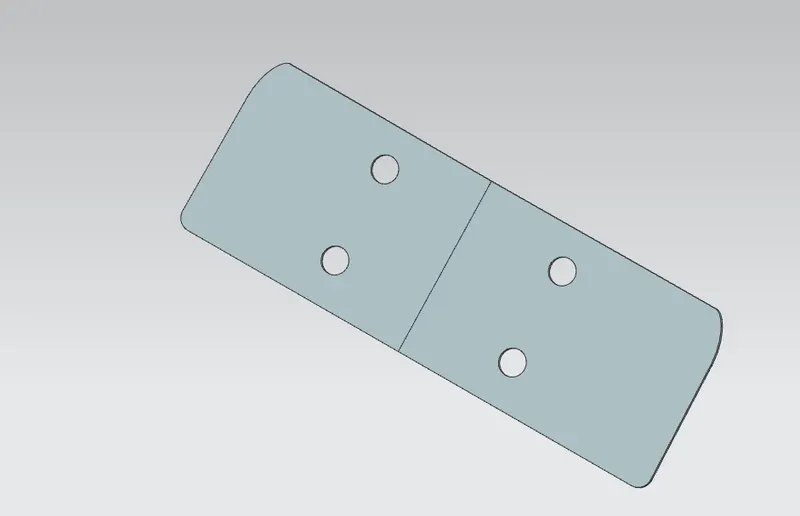
Wiper reinforcement
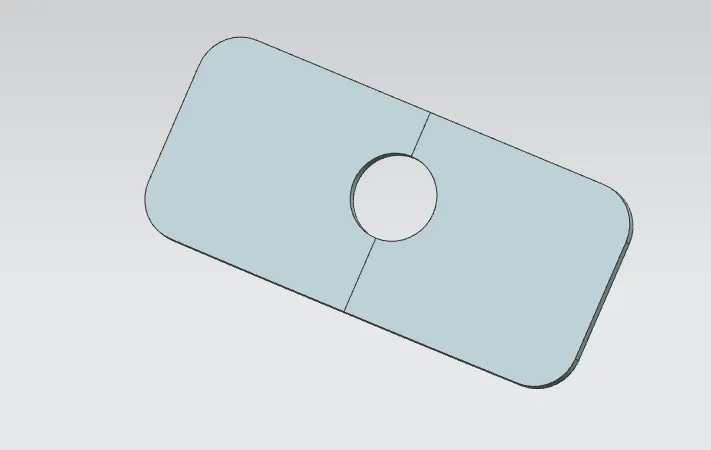
Stricker reinforcement
CONCLUSION :
Back door is designed by using NX CAD by considering all the design requirements and functional requirements.