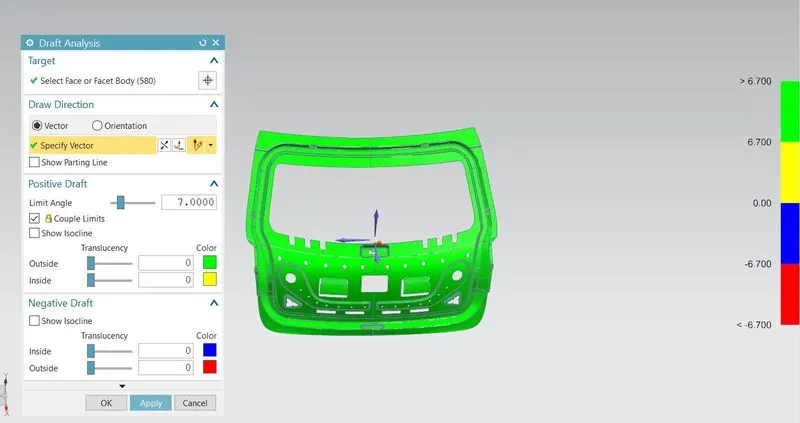
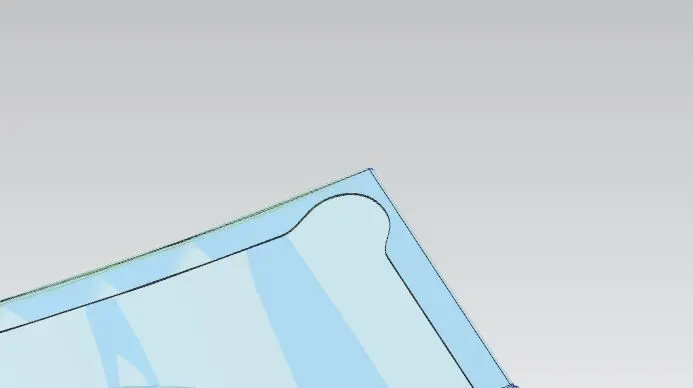
Design of backdoor
OBJECTIVES
To design the backdoor of the car make the inner panel for the back door and also design the necessary reinforcements.
INTRODUCTION
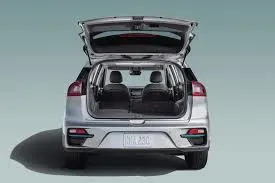
The trunk (North American english) or boot ( British English) of a car is the vehicle's main storage of cargo compartment, often a hatch at the rear of the vehicle. It is also called a tailgate. These doors can be operated manually or electric powered. In most of the luxury cars door is electrically operated. It involves a very major role during rear crash cases. So our design must be obey crash requirments.
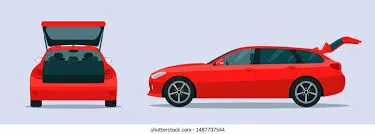
Types of the backdoor
Top-Mounted:
This type of back doors is used in a station wagon, pickup truck and some of the sport utility vehicles. Todays modern cars are used top mounted tailgating system which are both powered and also gas stay supported. These top mounted tailgates provide greater rear visiblity compared to side mounted or bar doors which have canter pillars in it.
Side Mounted Doors :
As the name signifies side-mounted doors are the one which is used in the van type MPVs, SUVs, pickup truck vehicles. These side-mounted doors or bar doors are a lot easier compared to top-mounted doors. These doors are generally smaller in size and can be easily accessed.
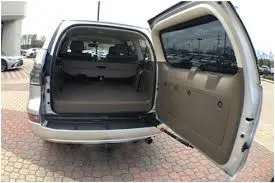
Types of mechanisms for Rear Door :
Gas Stays:
Gas stay types backdoor/liftgate/tailgate is an ideal and most commonly used tailgate mechanism from lowerr segment car to luxury car segment. The ideal components of tailgates consists of a hinge,door,gas stay and some rubber beadings of door.Gas stay is basically a gas spring that relies on elastic deformation of a compressed gas which is enclosed in a cylinder. It is used to reduce required effort while opening the backdoor. Although all the cars dont come with gas stays, it may be required in case of heavy backdoor.
Powered lift system:
Powered lid system is another sophisticated way of trunk/liftgate opening mechanism which is to automatically open and close of the trunk/liftgate and release of the latch by the touch of a button.\

Components to create:
- Outer Upper Panel.
- Outer Lower Panel.
- Inner Panel.
- Gas stay Reinforcement LH and RH.
- Hinge reinforcement LH and RH.
- Striker Reinforcement.
- Wiper Reinforcement.
Inner Panel
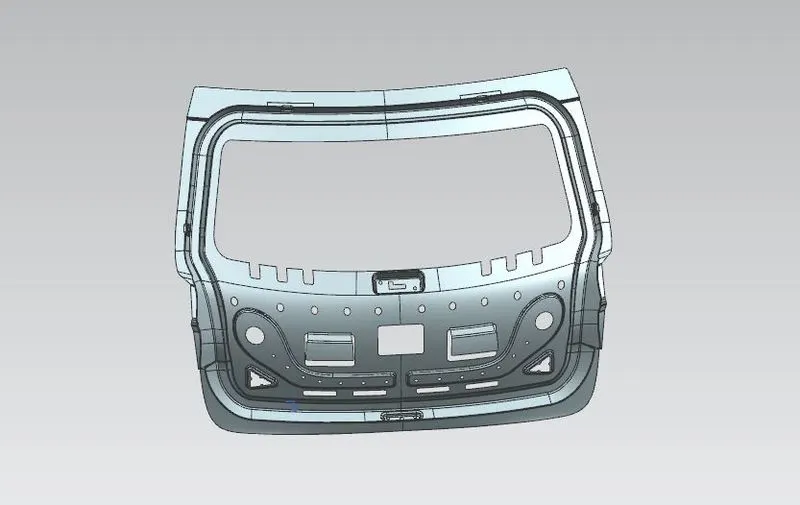
The inner panel, as the name suggests, is the inner part of the door. It is where most of the reinforcements and components are mounted. It is manufactured either by casting(aluminium) or sheet metal stamping (steel). Thickness of inner panel is 0.75mm.
Outer Panel
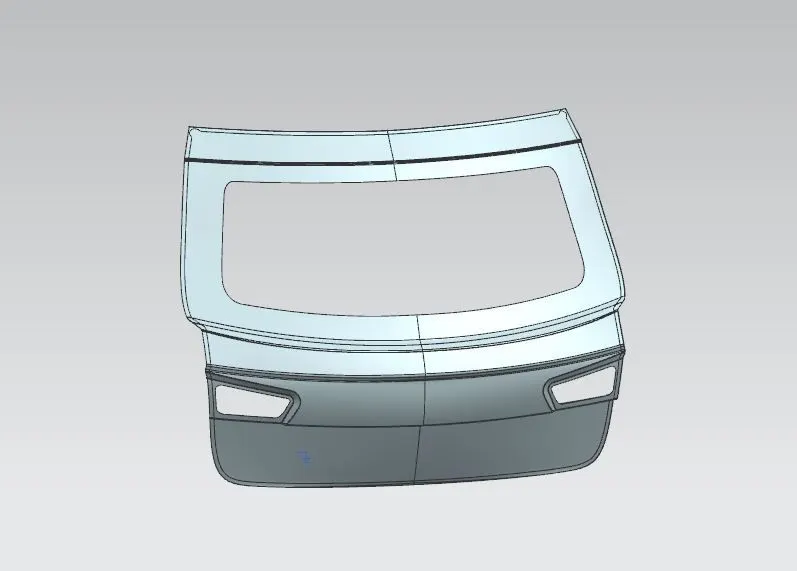
As the name suggests, it is the outer part of the rear door and it is most responsible for aesthetics of the vehicle. Outer and inner panels are connected by mastic sealents in center and by hemming process at edges. The outer door handle and in some cases, the number plate may also be installed on the outer panel of the back door, we have considered a two part of outer panel for our design, outer upper panel and outer lower panel. Outer panel is manufactured by stamping sheet metal. Thickness of outer panel is 0.75mm.
REINFORCEMENTS
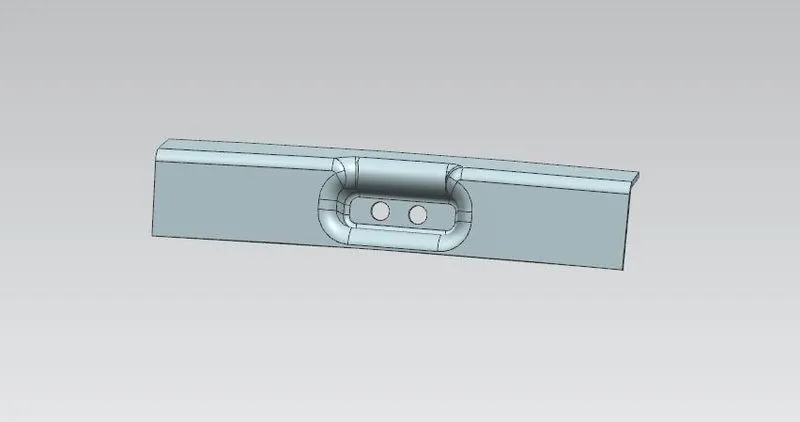
Reinforcement are provided to provide support and add extra material to sheet metal part to increase strength near components installation region and minimize the impact of collisions. we have considered following reinforcements during our design. The reinforcement may be manufactured by stamping sheet metal. Thickness of all reinforcement is 1.5mm.
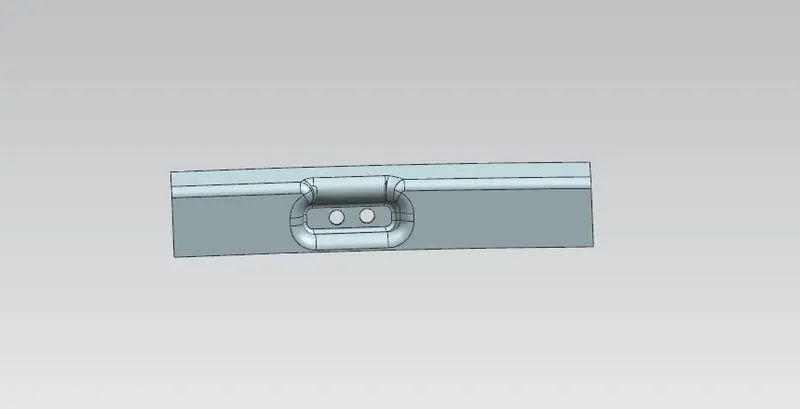
HINGE REINFORCEMENTS LH & RH
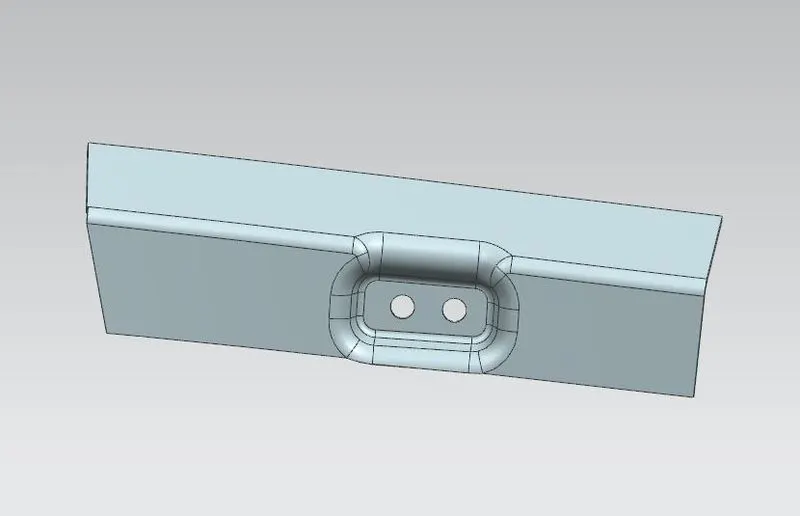
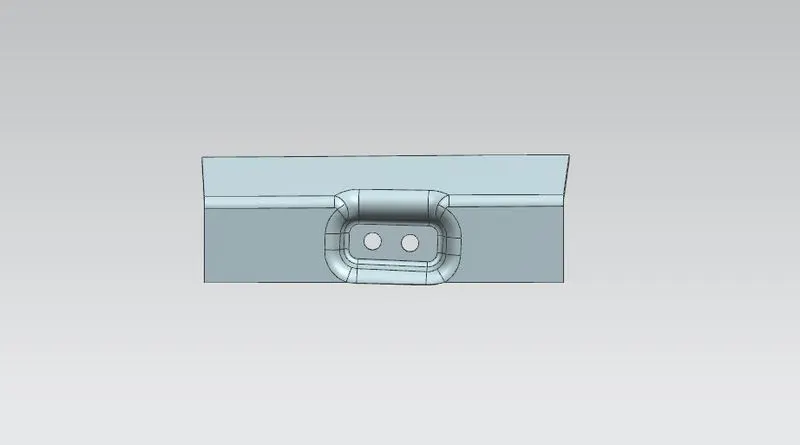
GAS STAY REINFORCEMENTS LH & RH
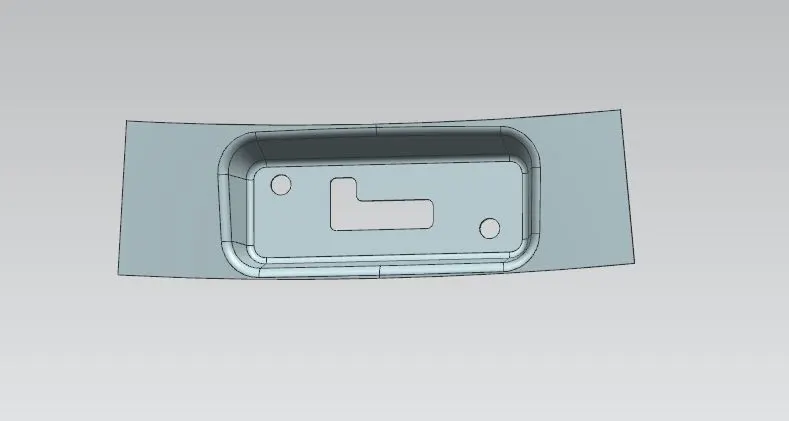
WIPER MOTOR REINFORCEMENTS
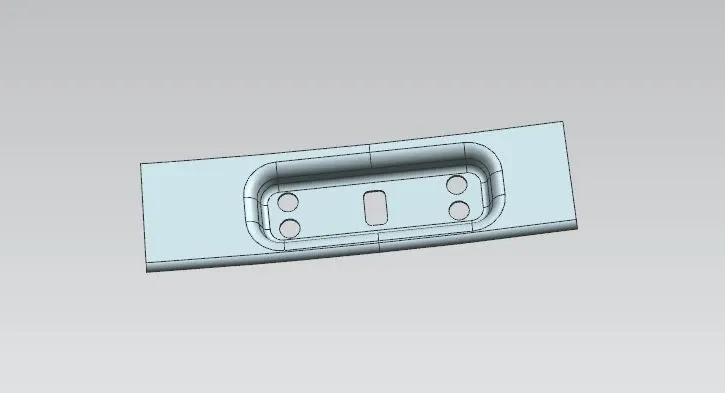
LATCH & STRIKER REINFORCEMENT
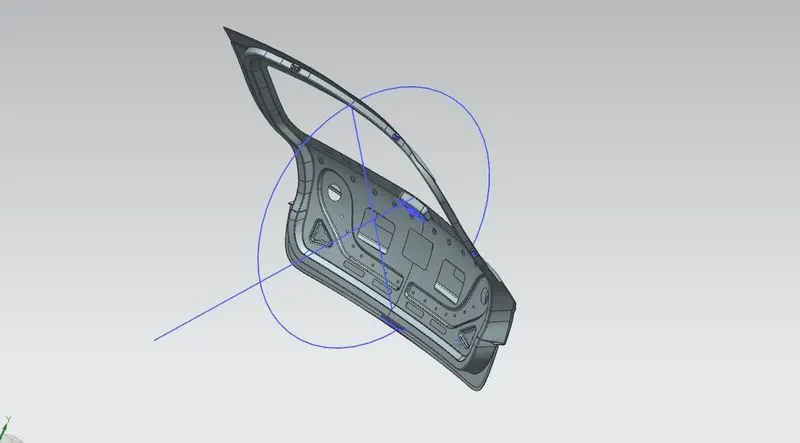
TRAJECTORY CIRCLE
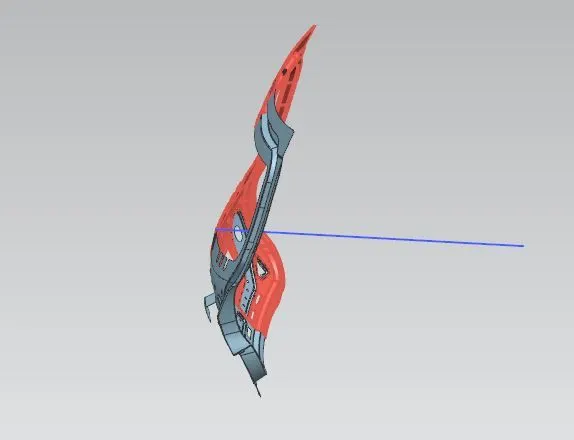
TOOLING DIRECTION
Different Sheetmetal processes used for manufacturing the Back Door
Deep Drawing:
The metal deep drawing process is an effective method of manufacturing of cups, cans and other similar deep drawing products. The deep drawings having two main categories.
- First- stage drawing: The blank shape of metal is placed on the die and contact with the punch. When the metal specimen is flat piece of sheet metal used in forming and finish the product. Initially the punch moves in downward direction. The outer rim of blank is subjected to pure radial drawing (drawing toward in vertical axes) between die and blank metal. The metal become a bend and sliding over die and also stretched between die and punch. The metal in vicinity of punch head and contact with it bend and slide over radii and stretch over punch head.
- Redrawing: The components drawn from first stage again it is redrawn convert into more depth to form a cup shape in the die and punch. The second stage of drawing is called as redrawing.
Embossing:
Embossing is a metal forming process for producing raised or sunken designs or relief in sheet materials by means of matched male and female roller dies, theoretically with no change in metal thickness or by-passing sheet or a strip of metal between rolls of the desired pattern. Metal sheet is drawn through the male and female roller dies producing a pattern or design on the metal sheet. Depending on the roller dies used, different patterns can be produced on the metal sheet.
Materials commonly used in the metal embossing process include:
- Aluminum alloys
- Steel alloys
- Zinc
- Copper
- Galvanized steel
- Brass
- Cold rolled steel
Hemming:
Hemming is a forming operation in which the edges of the sheet are folded or folded over another part in order to achieve a tight fit. Normally hemming operations are used to connect parts together, to improve the appearance of a part and to reinforce part edges.
In car part production, hemming is used in assembly as a secondary operation after deep drawing, trimming and flanging operations to join two sheet metal parts (outer and inner) together. Typical parts for this type of assembly are hoods, doors, trunk lids and fenders.
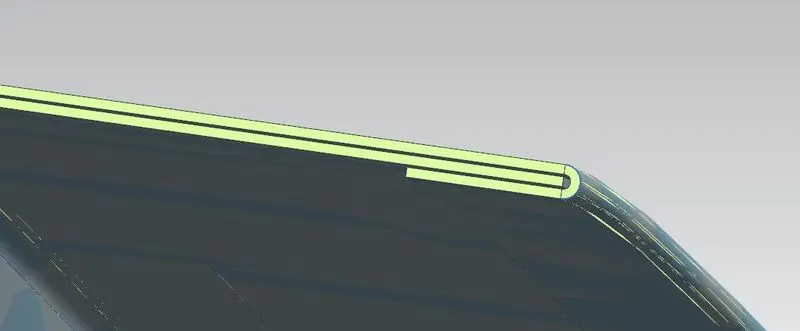
There are various types of hemming operations:
- Conventional die hemming: In conventional die hemming, the flange is folded over the entire length with a hemming tool.
- Roll hemming: In roll hemming, the hemming roller is guided by an industrial robot to form the flange.
- Open Hem: A Hem has a full round feature and a return flange. In open hem bend angle is equal to 180 degree
- Tear drop Hem: In tear drop hem the bend angle is greater than 180 degrees.
- Closed Hem: Hems without any inside radius are called as closed hem. Closed hems are not recommended if the hem geometry is to be painted or if the material used is SST or Aluminium.