Design of backdoor
BACKDOOR DESIGN using UG-NX
In this report the flow of information will be as follows:-
1. What is Backdoor?
2. Design
3. Analysis
4. Conclusion
BACKDOOR (HATCHBACK)
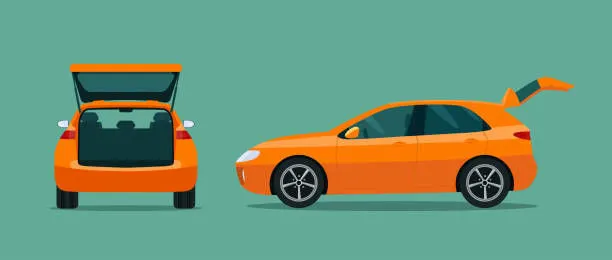
- The hatchback is a small and compact car where boot area is enclosed with the rare seats, because of its compact size you can drive easily in traffic and takes less space to park. Examples - Hyundai Eon, i20 - Tata Tiago.
- A hatchback is smaller than an SUV or minivan, but larger than a sedan. The main difference between a hatchback and a sedan is the extended trunk. Instead of the back sloping downwards, the back area is lifted, providing extra space for cargo.
- Typically, the hatchback has a top-hinged trunk with rear seats that fold down for even more cargo space.
As a result, hatchbacks are usually marketed as small family cars or executive cars. - Since the interior space can be made to prioritize passengers or cargo, they are a popular and practical choice for those who need both. From small city hatchbacks to large luxury models, there is a wide variety of hatchbacks available to you.
DESIGN
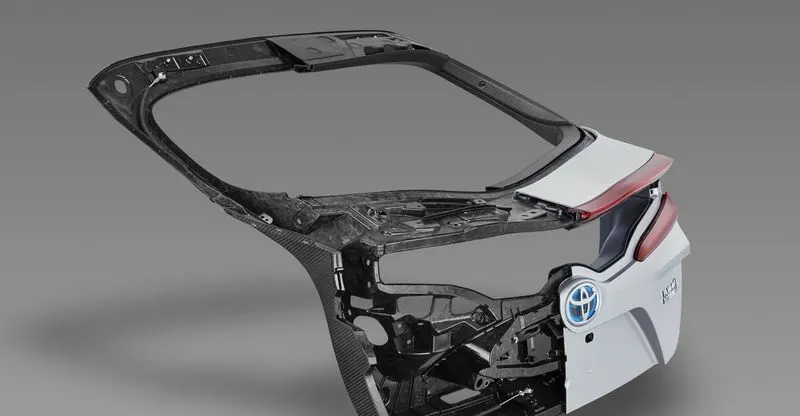
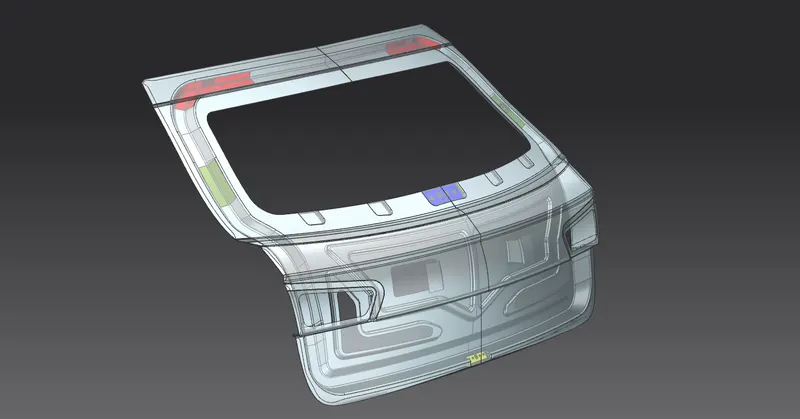
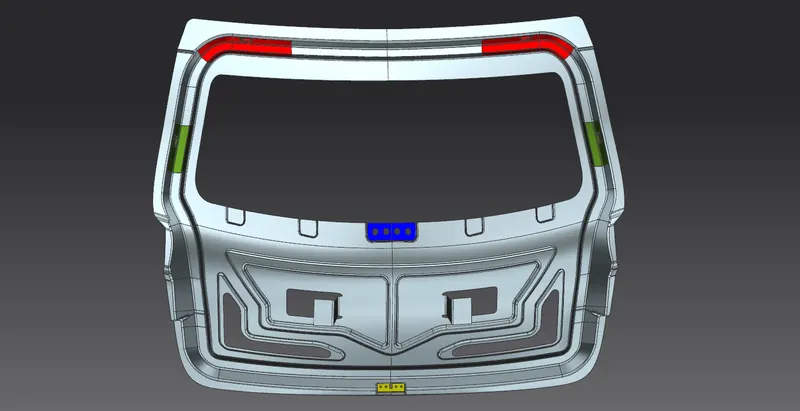
Parts of the Backdoor Assembly:
- Outer Panel
- Inner Panel
- Hinge reinforcement
- Gas stay reinforcement
- Wiper reinforcement
- Latch & Stricker reinforcement
THICKNESS:-
1. PANELS: 0.75mm
2. REINFORCEMENTS: 1.5mm
OUTER PANEL
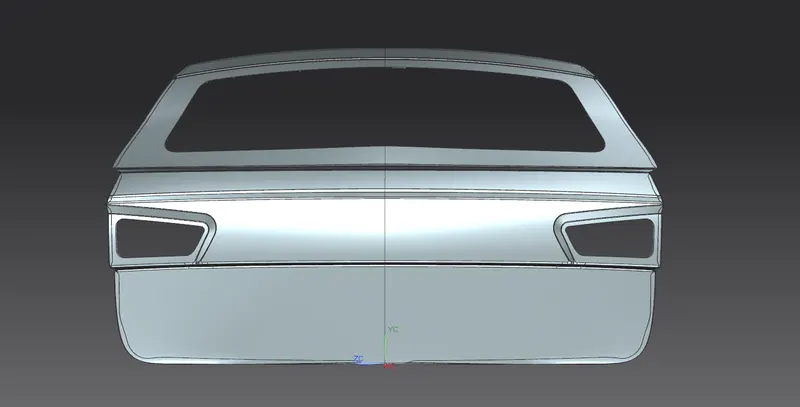
- The outer panel is the styling part of the backdoor and it is developed in a different way of structures to attractive to the customers.
- The outer panel is the outermost sheet metal of the roof in which there are aerodynamics cut-outs or back glass for see-through cut-outs or tail-light cut-outs etc. And there can be some fixtures or carriages to carry larger objects or cycles.
INNER PANEL
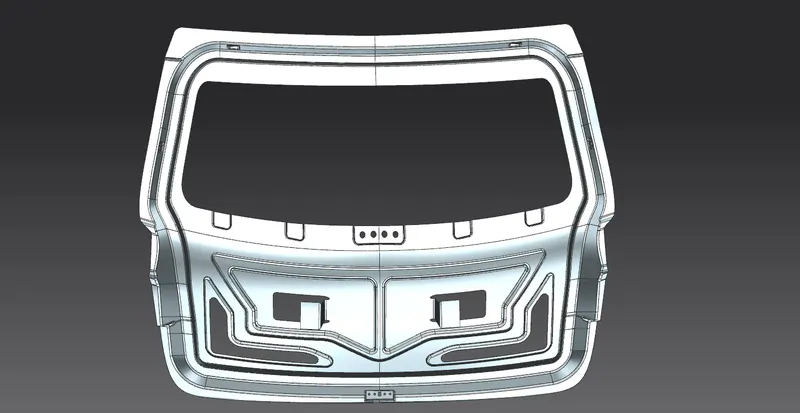
- The inner panel provides the structure to support the outer panel and reinforcement.
- Both the panels are fixed to each other by mastic material or spot welds, but care is taken so that the welds are not seen the external surface.
- And the inner panel for it to act as a good reinforcement it needs to dispense the stress outwards.
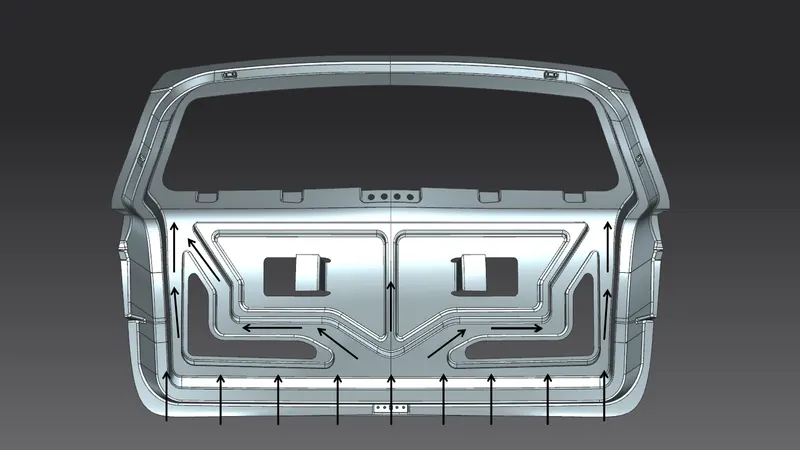
hence, in the design, the embossing is designed to move the force out form the centre.
HEMMING
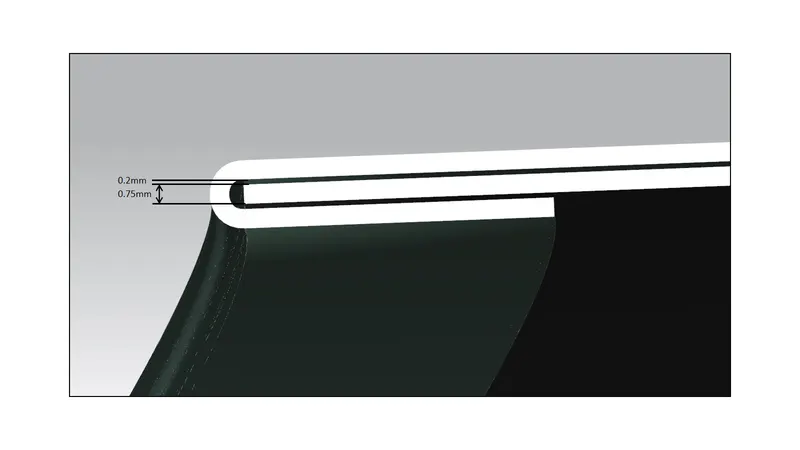
- He outer panel & Inner panel can't join by any welding process if we did it will leave a spot on the outer panel and it will spoil the look of a car. so, to join inner and outer closure panels together we use the Hemming process.
- It is the process of bending/folding the flange of the outer panel over the inner one.
- The flange of the outer panel is bent over the inner panel in progressive steps by means of the roller hemming head.
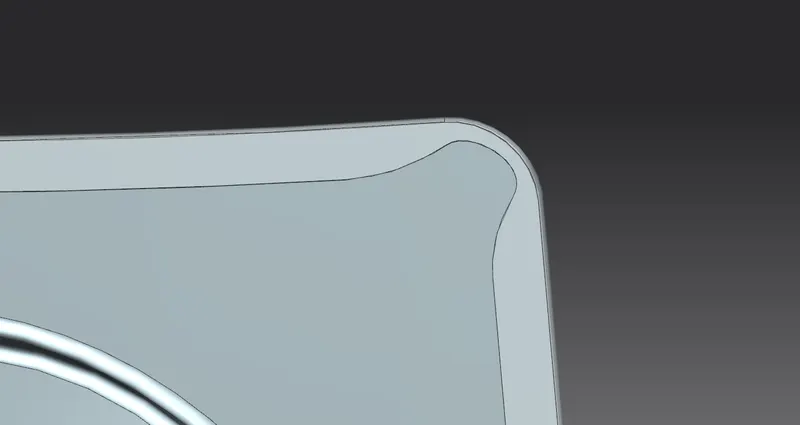
CORNER RELIEF
- There are many types of Hemming process but in BACKDOOR, Roller hemming is used. In this process, the roller will be rolling over the edges of the Outer panel to close it with the inner panel.
- These rollers will be rolling over 2-3 time for perfect closing. so, the certain force is being used by rollers to all the corners but there are some areas where the roller cannot tighten the part properly so that's why we give some relief to the corners.
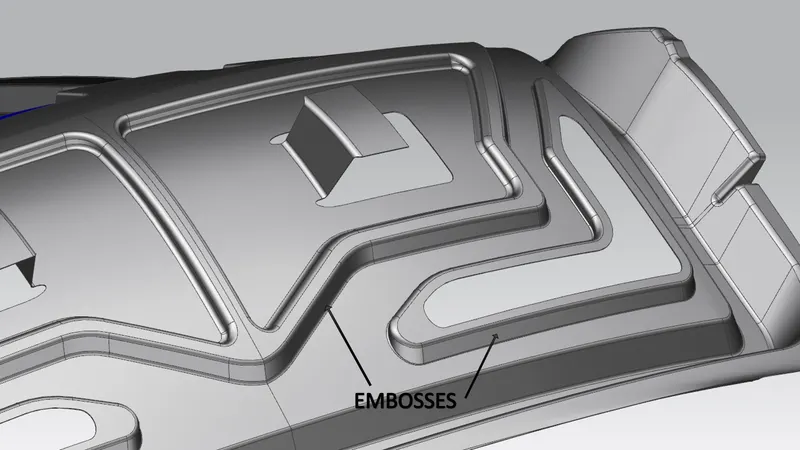
EMBOSSES
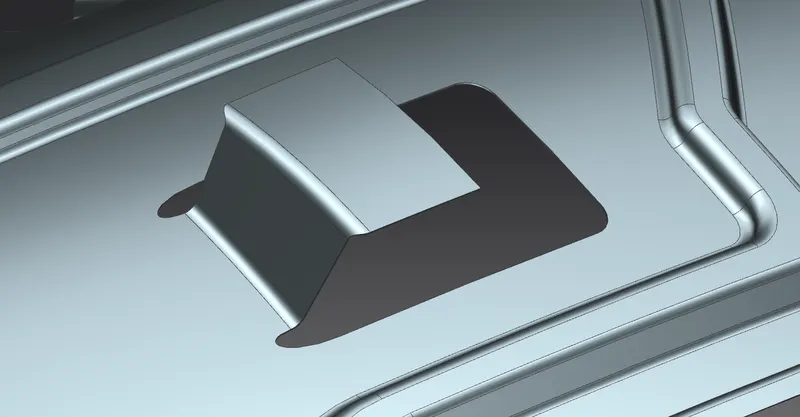
- To reduce the weight of the panel, some material ae removed and embosses are created to give stiffness to the panel. Sheet metal embossing is a stamping process for producing raised or sunken designs or relief in sheet metal. In this project the embosses are created to divide the force toward the hinge joints during a collision.
- Embosses are the projections made on sheet metal using deep drawing techniques. the operation is carried out the most for the purpose of stiffening flat surface and design in the inner panel.
- The major function of embossing is to dissipate the force acting on the hood during the collision of the car toward the hinges as early as possible. this helps to reduce the impact of the force on the passenger sitting inside.
SHOCK FLOW
Embosses was designed to dissipate the force outside the structure and toward the hinges.
MASTIC SEALANT
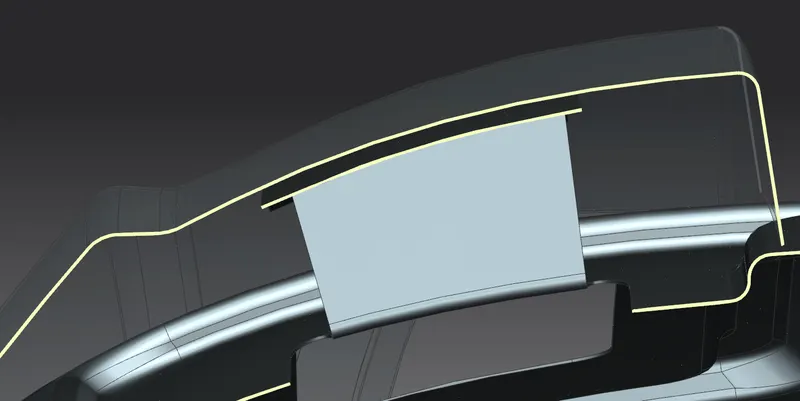
The Mastic sealant or mastic points is an elastic compound that behaves like rubber. it is applied between the outer panel and the inner panel. it has an influence area of about 80mm.
REINFORCEMENT
Reinforcement provided strategic places where components are fixed or additional strength is needed, they usually range from 1mm to 1.5mm.
- HINGE REINFORCEMENT
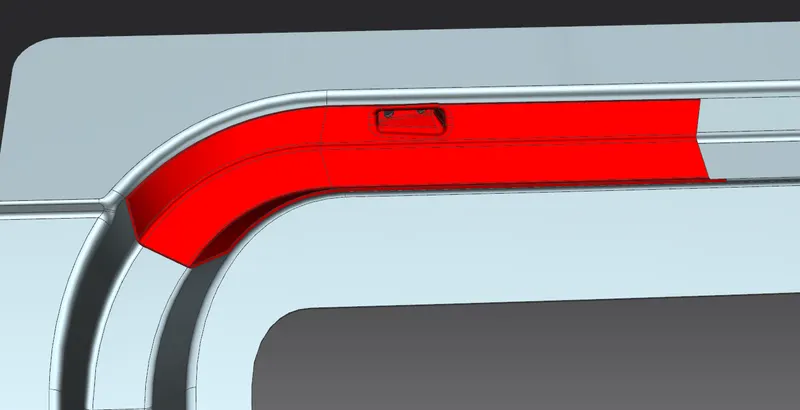
- The hinge reinforcement is positioned in accordance with the hinge position and the latch & striker. it must be strong enough to uphold the weight of the door.
- Hinge support the weight of the whole backdoor. and hence, the reinforcement is provided here too. Hinge embossed is designed in such a way that the hinges should operate freely.
- WIPER MOUNT REINFORCEMENT
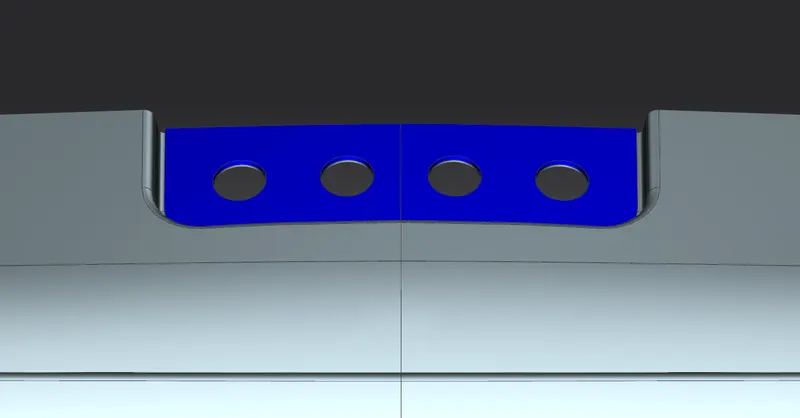
- Wiper motor mount is situated on the bottom edge of the windshield glass cut-out. these mounts are basically embossing which are created to hold the wiper motor.
- GAS STAY REINFORCEMENT
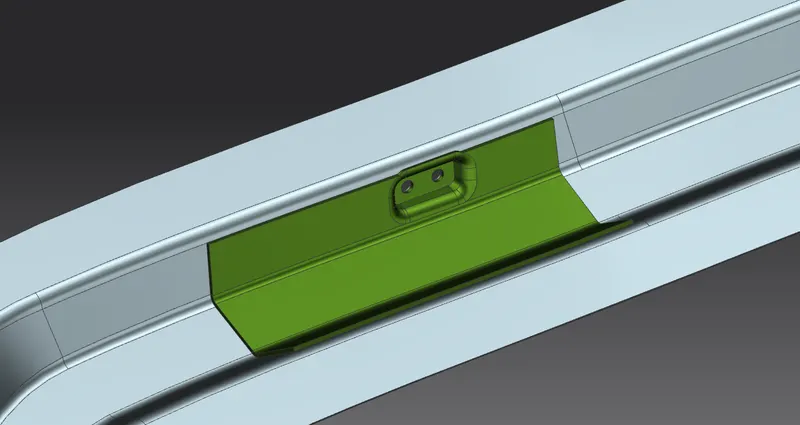
- The gas stay emboss is placed connecting to the ceiling flange and hem flange. In this process the emboss surface be flat because the fast stay should be placed perfectly on the embossing.
- To strengthen the emboss made for the gas stay, reinforcement is placed to securely fix the attachment like gas stay to the inner panel.
- LATCH & STRIKER REINFORCEMENT
- For locking the backdoor latch & striker mechanism is placed. The mechanism is placed under the bottom of the backdoor and the axis of the latch should be perfectly aligned with the axis of the hinge.
- This mechanism is an important part of the backdoor. so, another reinforcement is placed to strengthen the made for it.
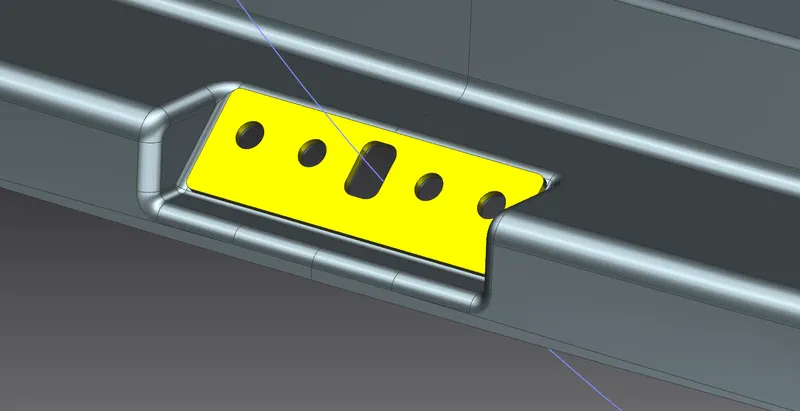
Position of Hinge & Striker
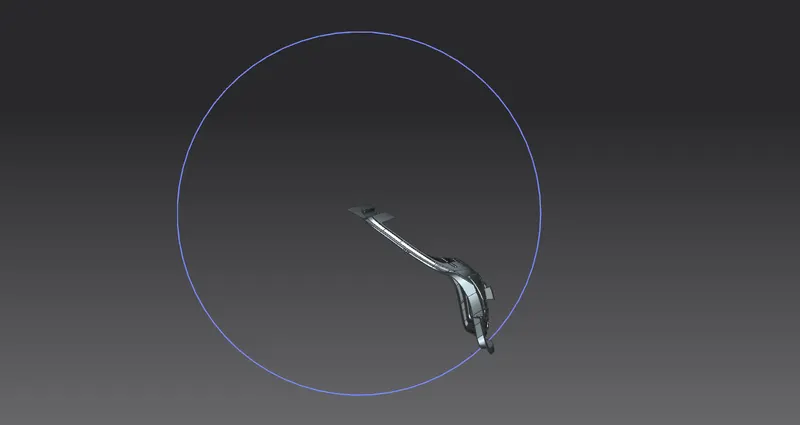
The hinges should be usually placed on both sides of the BACKDOOR in such a way that the strike fits exactly into the hole provided.
To ensure this the following conditions are followed:-
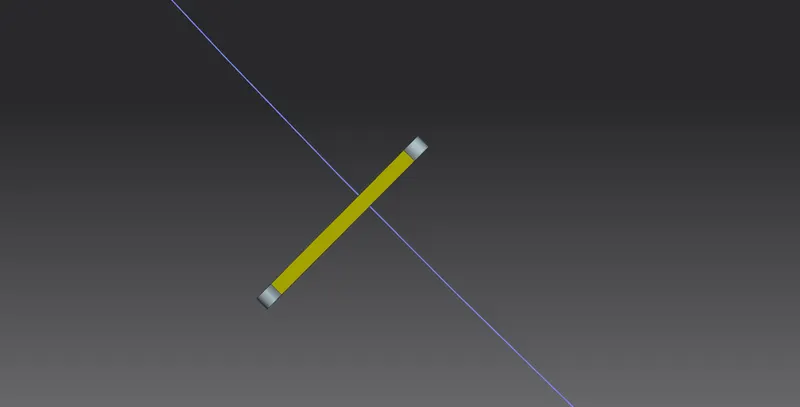
1. Both the hinges should be on the same axis.
2. The centre of the striker's circular trajectory should be always perpendicular to the hinge axis.
ASSEMBLY
DRAFT ANALYSIS
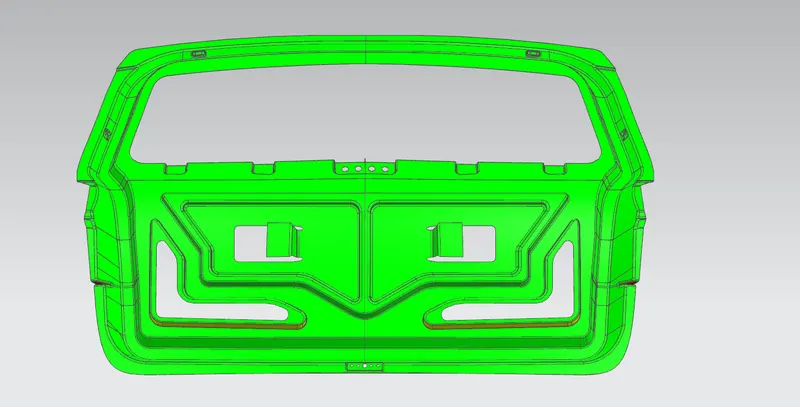
Once the design was ready, the inner panel of the BACKDOOR was analyzed for manufacturability. here draft analysis shows that all parts are clearing when the core is removed from the cavity.
CONCLUSION
ALL the parts of the BACKDOOR are designed based on the required conditions & given dimensions. With the completion of BACKDOOR design & analyzing for successful manufacturability. we can conclude that the BACKDOOR can be utilized for the vehicle.
Also, considering the safety of occupants & pedestrians the BACKDOOR has been designed under the EuroNCAP safety regulations.