Design of backdoor
Project Intention
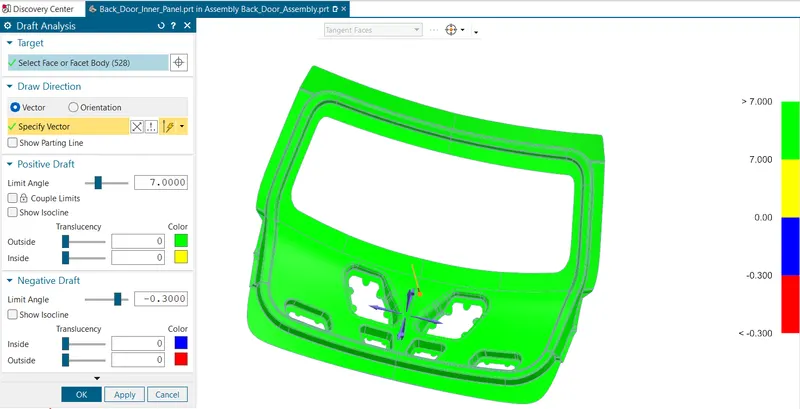
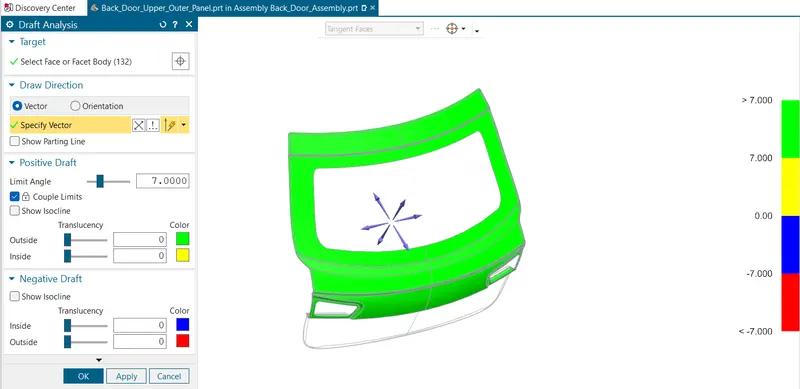
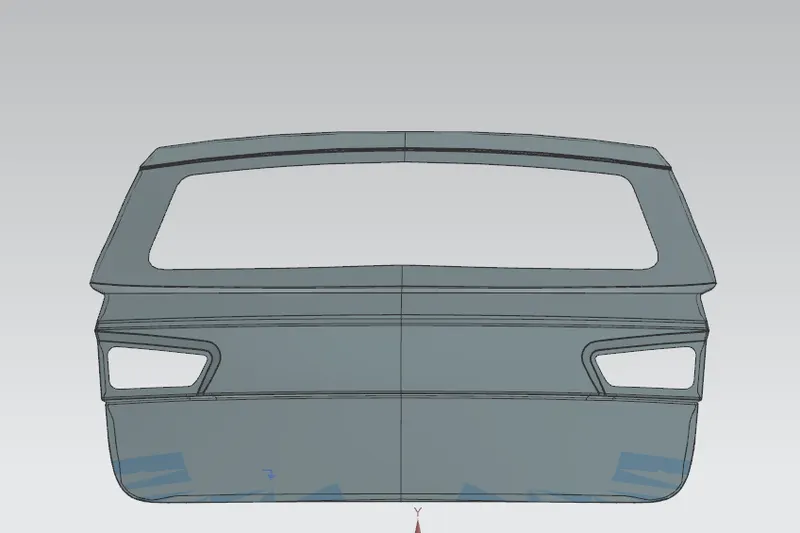
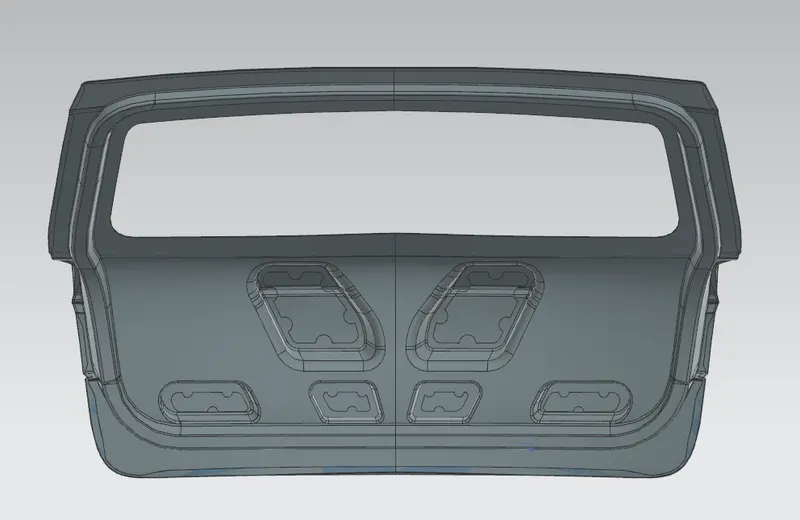
Design the Back Door of the Car Using the provided styling surface to come up with a back door design, use appropriate design methodologies, and provide the necessary reinforcements and embossed. Perform Draft Analysis along the tooling direction
What is Back Door?
The back door is the tailgate of a car. This is used to access the rear part of a car. It helps to load the luggage in the car's rear area.
Components of Back Door
- Inner Panel
- Outer Panel
- Hing Reinforcement
- Latch and Stricker Reinforcement
- Gas stays Reinforcement
- Wiper motor Reinforcement
Design Consideration
- Force Distribution
- Corner Relief
- Hemming
Force Distribution :
When the car hit the rear end, the force that acted should react outside. The Y emboss which is helps to move the force to the outer end.
Corner Relief:
Relief helps to control sheet metal material behavior and to prevent unwanted deformation during unbend operations.
Hemming :
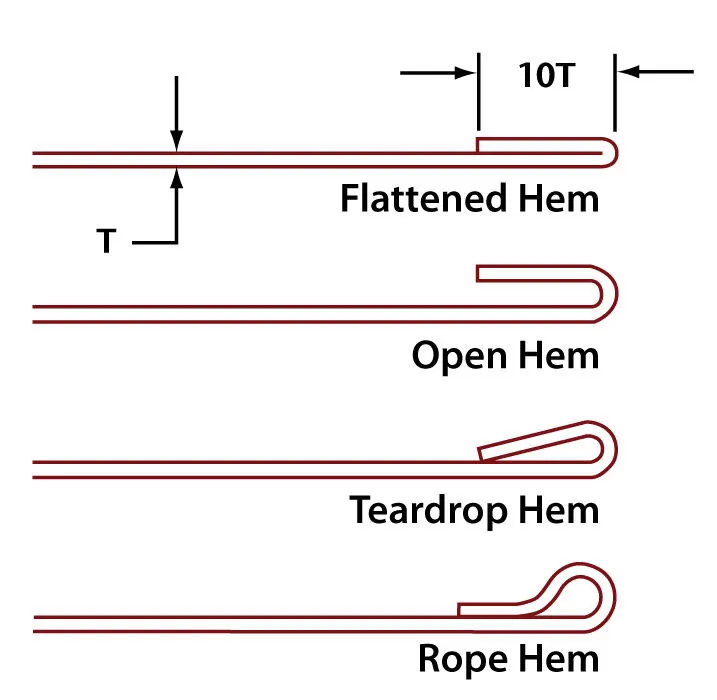
Hemming and seaming are similar metalworking processes in which a sheet metal edge is rolled over onto itself. Hemming is the process in which the edge is rolled flush to itself, while a seam joins the edges of two materials.
Sheet Metal Stamping
Stamping is called pressing and involves placing flat sheet metal, in either coil or blank form, into a stamping press. A tool and die surface in the press form the metal into the desired shape. Punching, blanking, bending, coining, embossing, and flanging are all stamping techniques used to shape the metal.
Before the material can be formed, stamping professionals must design the tooling via CAD/CAM engineering technology. These designs must be as precise as possible to ensure each punch and bend maintains proper clearance and, therefore, optimal part quality. A single tool 3D model can contain hundreds of parts, so the design process is often quite complex and time-consuming.
Types of Metal Stamp
Draft Analysis