Design of backdoor
BACK DOOR
INTRODUCTION
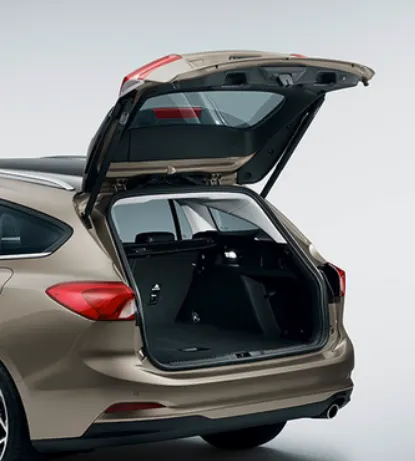
Backdoor are one of the type of door of the vehicle which are located next to the passanger seat which provides access to the luggage compartment. In the most of the cars, these back door are operated with the help of gas stay which in turn reduces the effort required to lift the door.
The trunk (North american english) or boot (British english) of a car is the vehicle's main storage or cargo compartment, often a hatch at the rear of the vehicle. It is also called a tailgate.
In Indian english the storage area is known as a dickey (also spelled dicky or diggy), and in South east asia as a compartment.
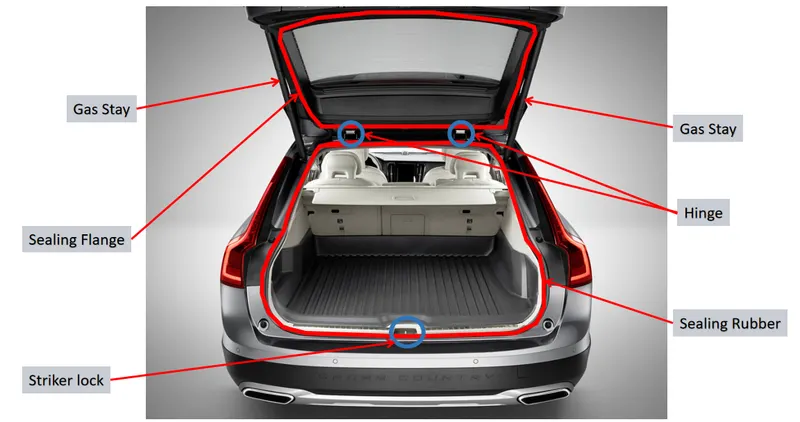
MAJOR PARTS:-
- BACKDOOR OUTER PANEL UPPER
- BACKDOOR OUTER PANEL LOWER
- BACKDOOR INNER PANEL
- HINGE AND GAS STAY REINFORCEMENTS
- LATCH AND STRICKER REINFORCEMENT EMBOSS AND WIPER MOTOR REINFORCEMENT EMBOSS.
DESIGN CONSIDERATIONS
- Rear visibility criteria
- luggage volume
- functional requirement of hinge and gas stay
- crash analysis
- rear crash regulations
- dent test
- bent test
- torsion test
- gap and flushness requirement.
DESIGN OF BACK DOOR
OUTER PANEL
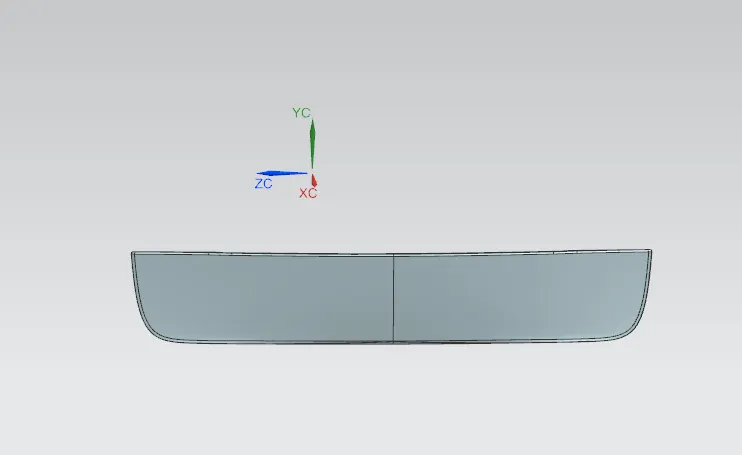
Outerpanel of a backdoor is divided into two,
- outer panel upper
- outer panel lower.
Design of back door is derived from the A class surface given.
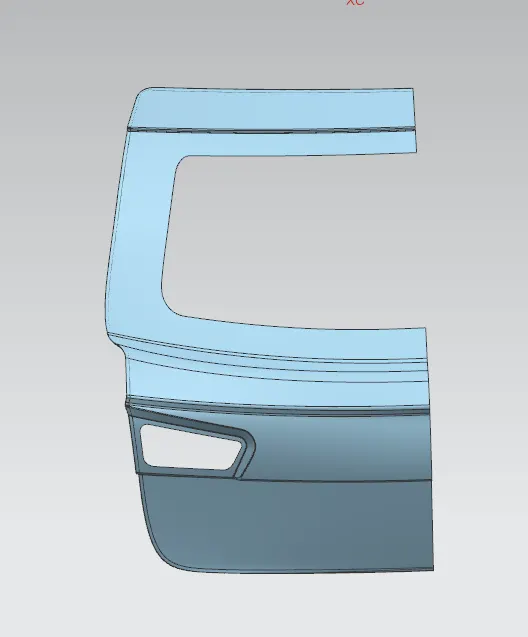
first solve all the irregularities of the given surface
Thickness provided is 0.75mm.
Hemmings are provided and also the corner reliefs.
OUTER UPPER:-
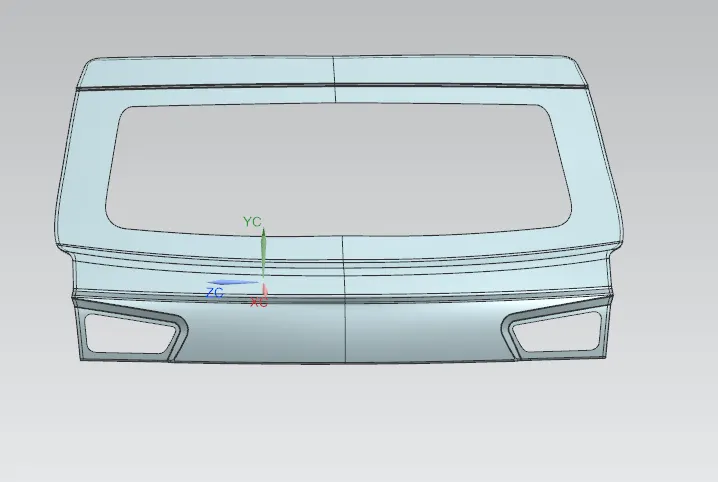
OUTER LOWER:-
INNER PANEL
TOOLING DIRECTION:-
Before designing the part tooling direction is required for deep drawing purpose and also need to check and fix the surface irregularities is needed.
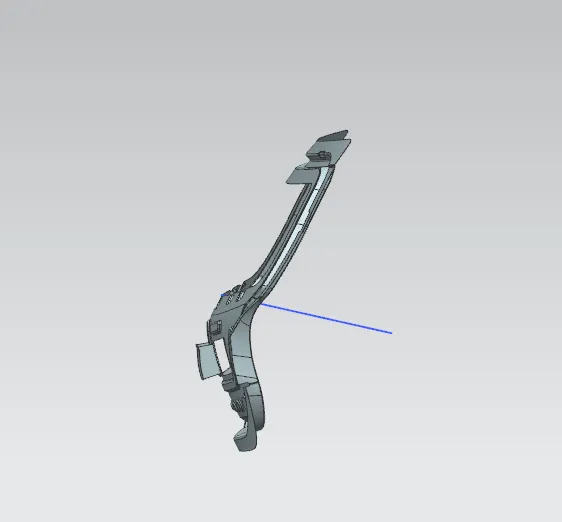
After creating the tooling direction the first step is to create the sealing flange which is created from the given outer surface.
Then using multiple techniques and flange operations the inner surface is createdhaving a thickness of 0.75mm.
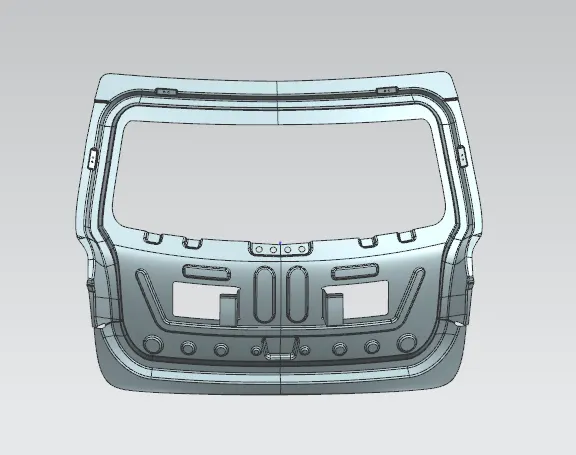
it have different embosess and reinforcements.
MASTIC SEALANT are provided to fix the both inner and outer panel having gap of 4-5mm.
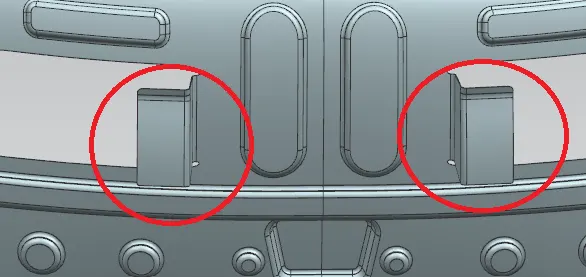
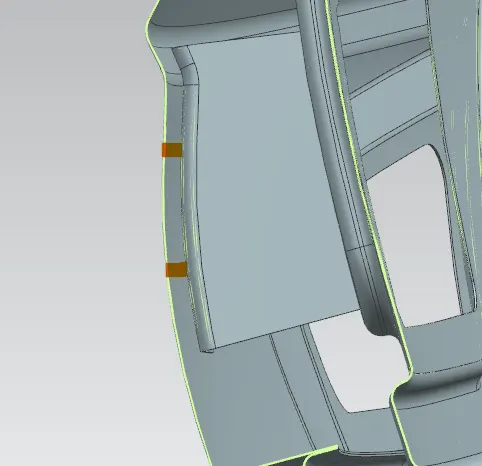
EMBOSESS
HINGE EMBOSS:-
It is for assembling the hinges.
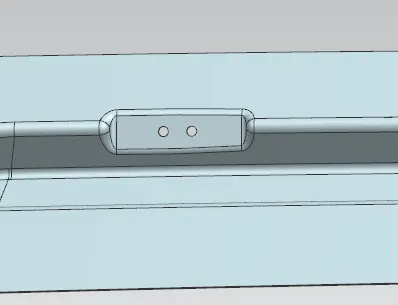
GAS STAY EMBOSS:-
it is for assembling the gast stay which connects with the back door.
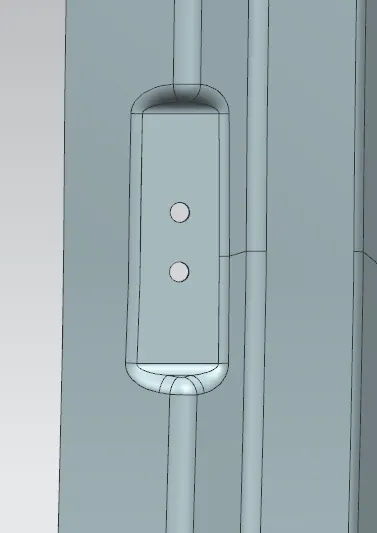
VIPER MOTOR EMBOSS:-
It is to assemble viper motor on it
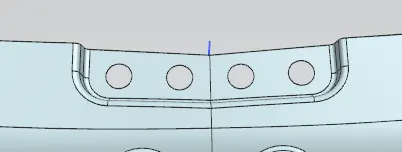
LATCH AND STRIKER EMBOSS:-
It is to attach the striker on it.
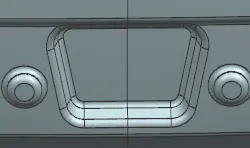
attaching latch and striker always follow a trajectory ie,
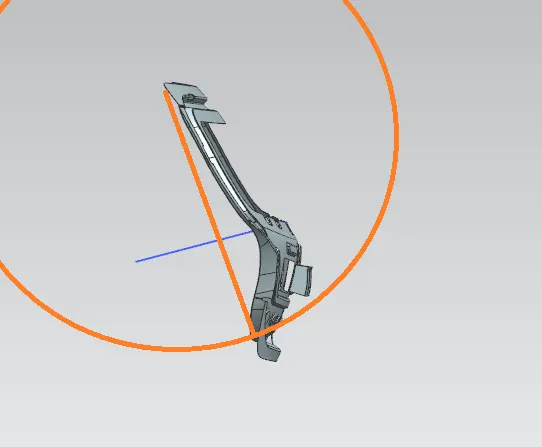
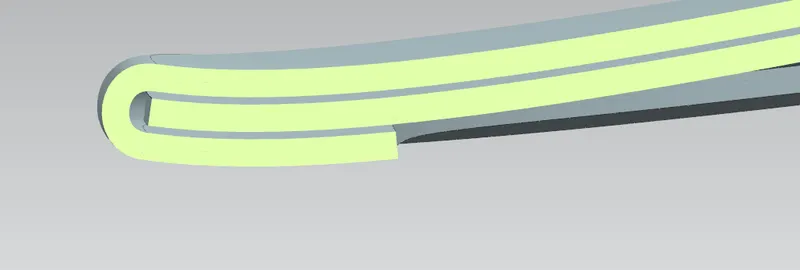
HEMMING
Hemming is the process in which the edge is rolled flush to itself.
swept is used to create hemming flange.
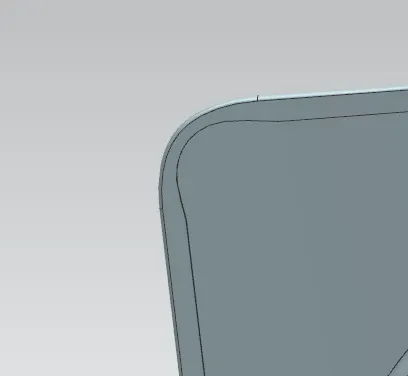
CORNER RELIEF
During the hemming process the corner reliefs are given to control sheetmetal behaviour and unwanted deformations during certain operations.
REINFORCEMENTS
Reinforcements are added to compensate weak portions
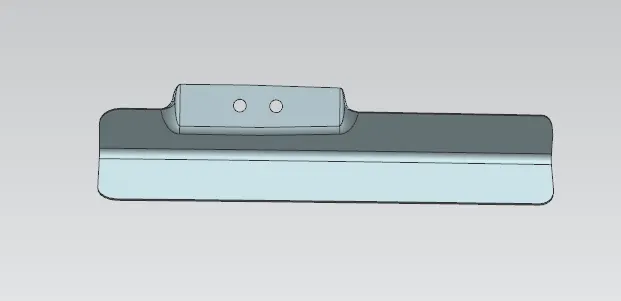
HINGE REINFORCEMENT:-
Hinge helps the opening and closing of the back door
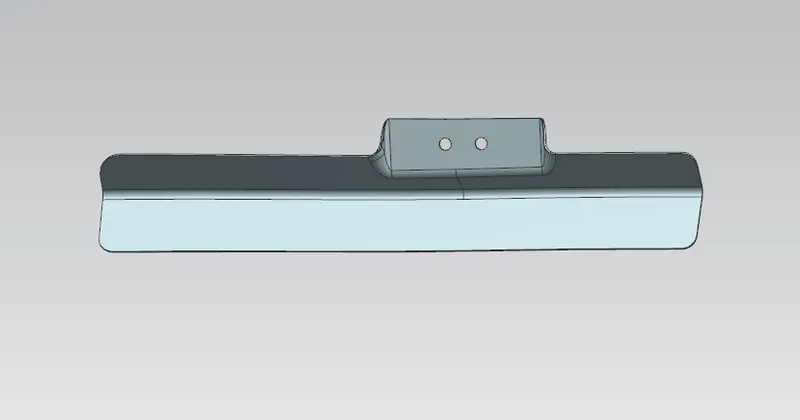
GAS STAY REINFORCEMENT:-
Gas stays are the supporters which makes the opening and closing easy but also provide holding the back door
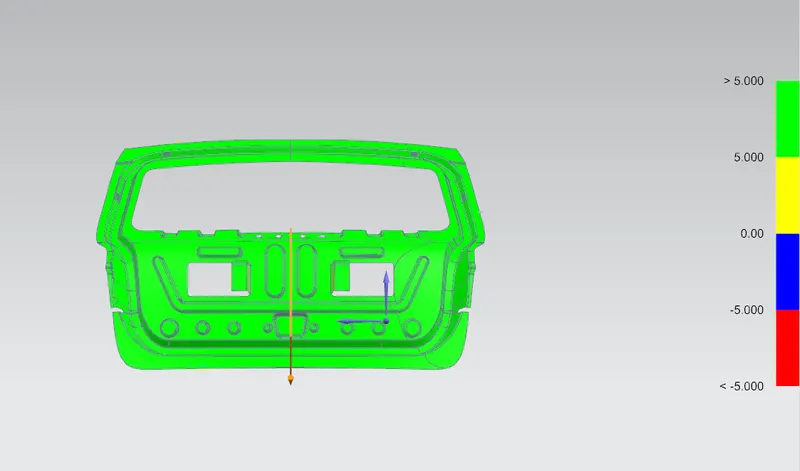
DRAFT ANALYSIS
Draft analysis will be performed according to the tooling direction.
Draft anlysis checks the part given is good for manufacturing or not.
color ranges are given to the part to understand the surface irregularities and deviations.
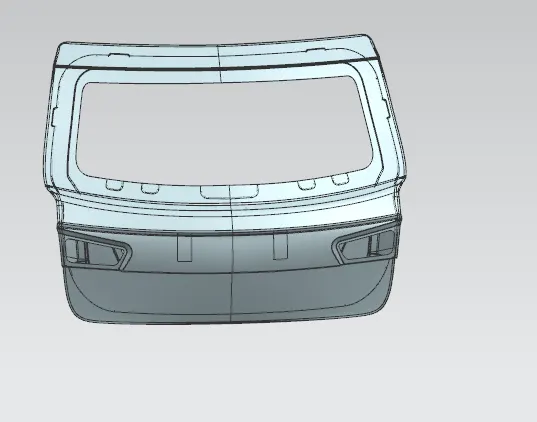
DESIGN RESULT
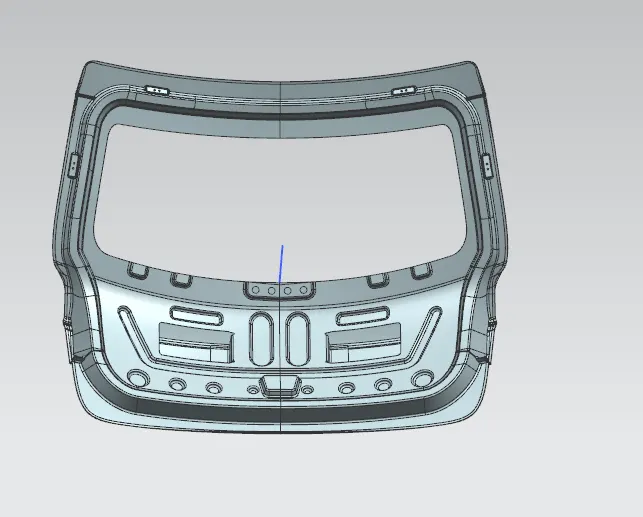
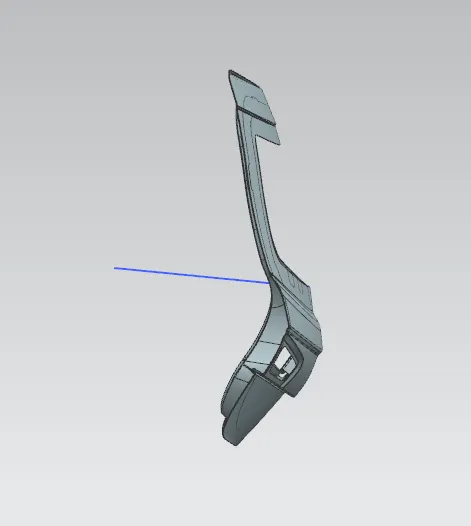
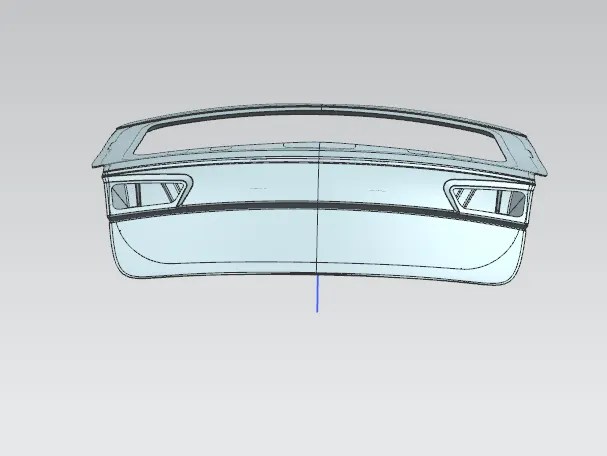
CONCLUSION
Back door is desgnied from the given A class surface under design rules and regulations.Hence the design is good for manufacturing and also the deep drawing requirements were satisfied.