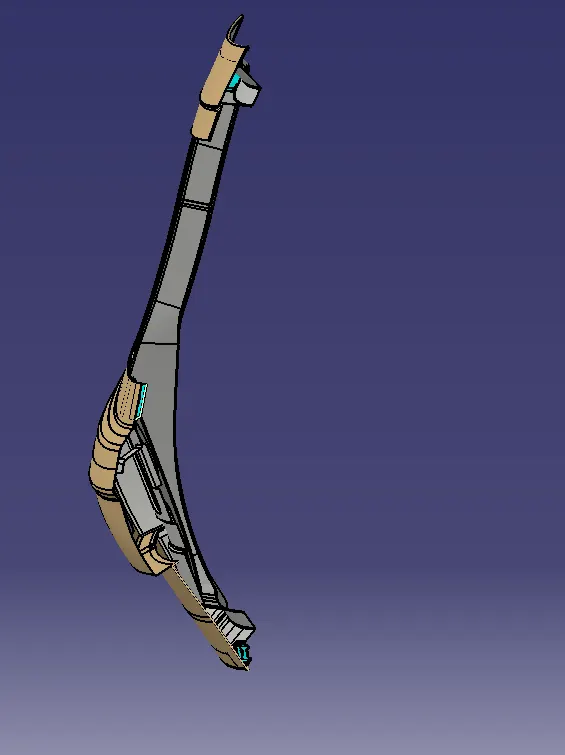
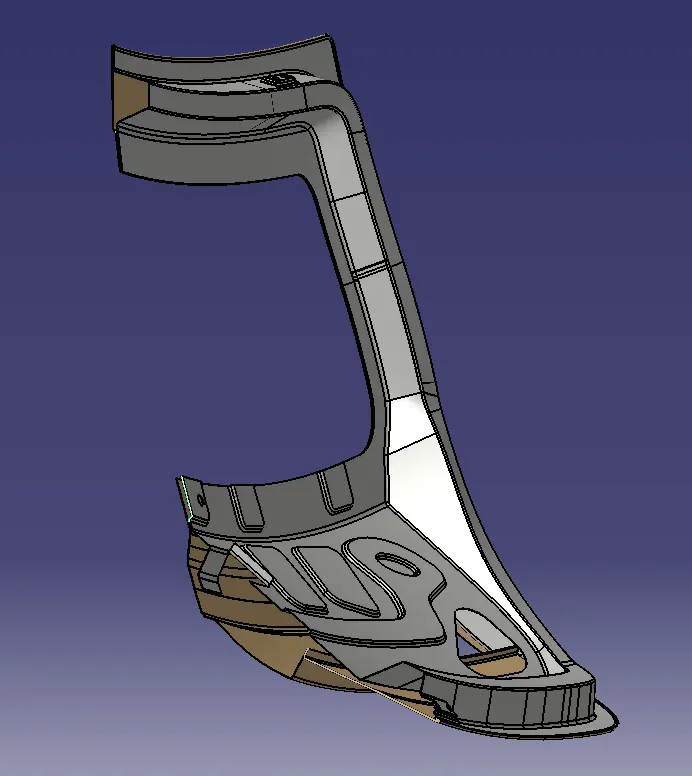
Design of backdoor
Design and Assembly of Back Door:
Backdoor of a car also called as tailgate. It is used to sustain the rear car crash. It is generally made up of Steel/Aluminum. It used to load and unload goods in a car.
It contains the assembles of rear wiper motor, rear wind shield, Tail lamps, latch and striker mechanism, hinge assembly.
Main Parts used in back door assembly:
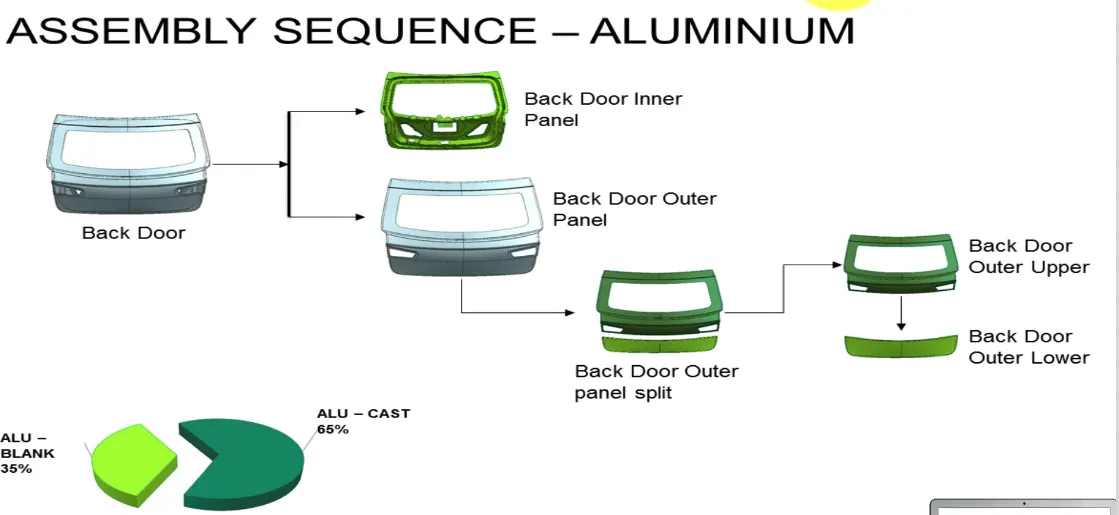
- Inner Pannel
- Outer panel upper
- Outer panel Lower
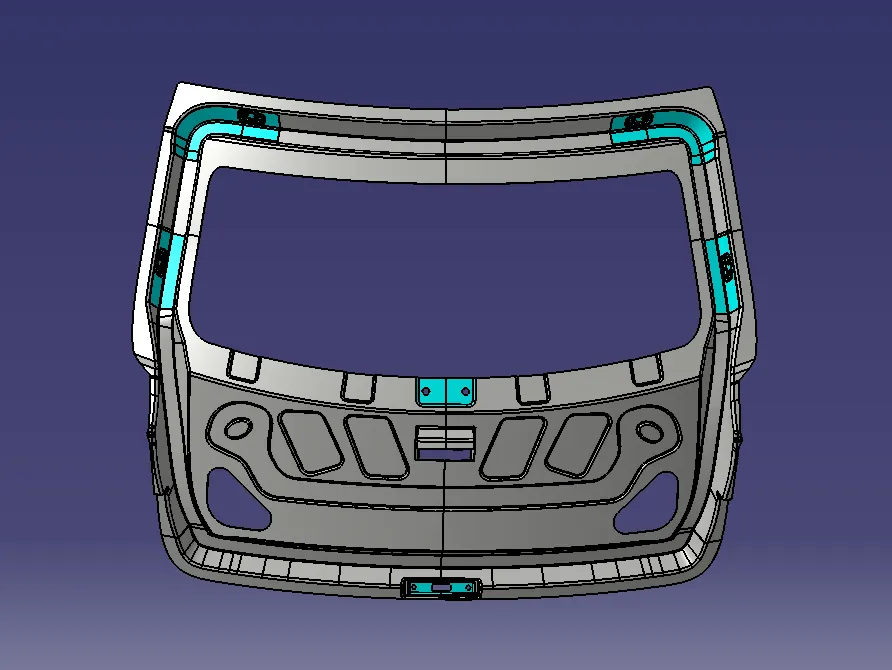
Reinforcements used in back door
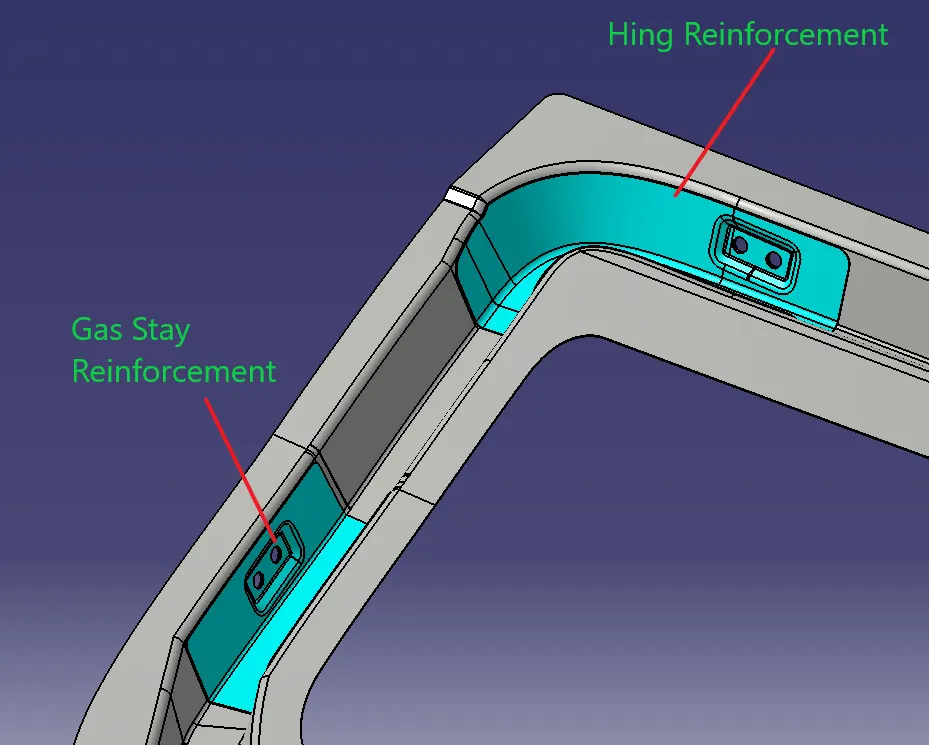
- Hinge Reinforcement
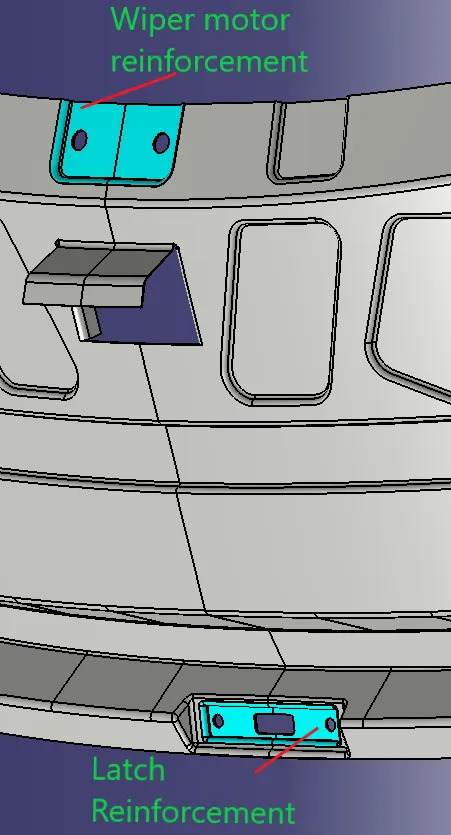
- Latch Reinforcement
- Gas stay Reinforcement
- Wiper motor Reinforcement
Assembly sequence
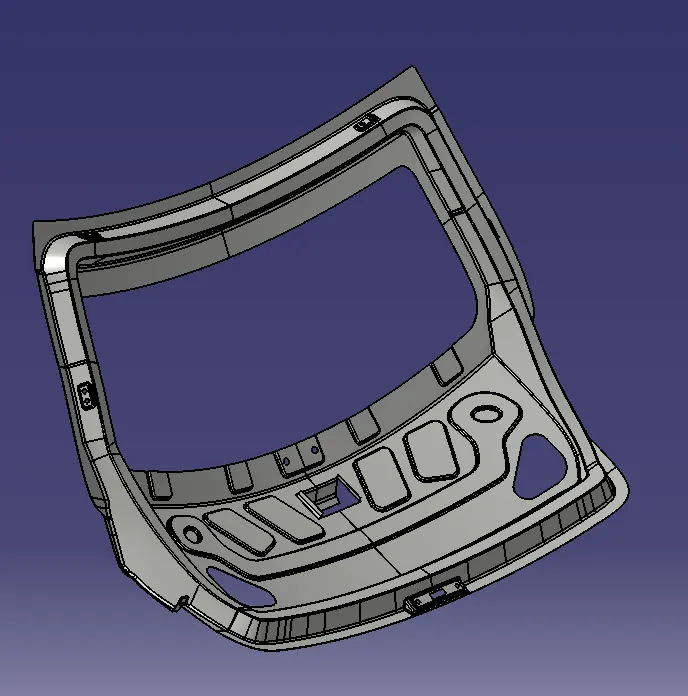
Design of Inner Panel
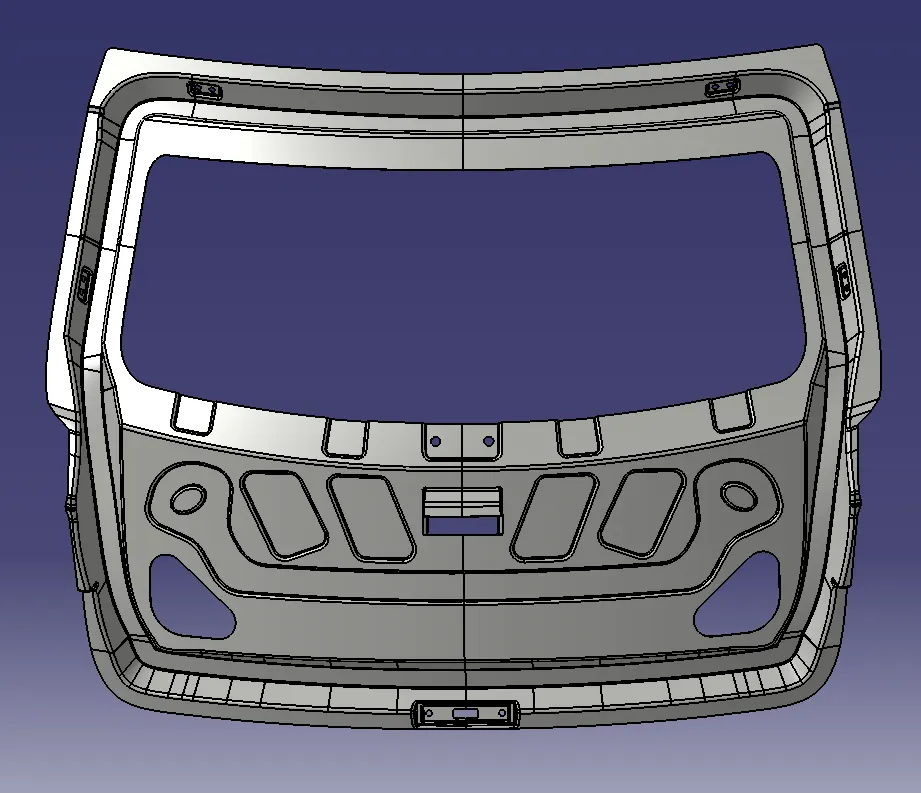
It is the most important part in the back door. While designing inner panel we have to make the following considerations.
- Positing of Latch and striker mechanism
- Visibility
- Making Y or v shaped emboss to distribute the load equally
- Gas stay and Hinge positionin
Embosses are used to increase the strength of a sheet metal an increase the load baring capacity.
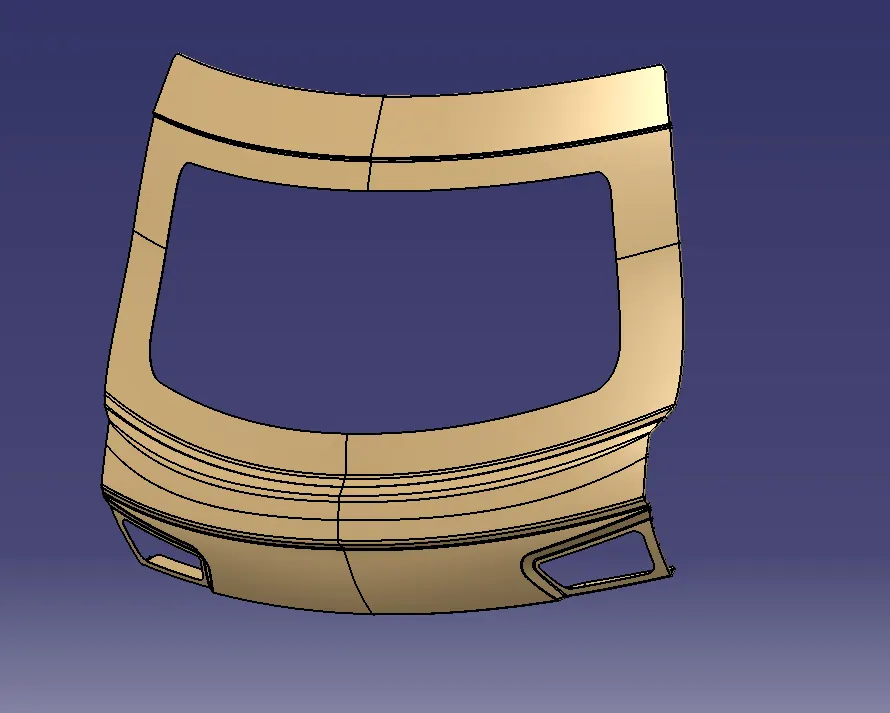
Outer panel
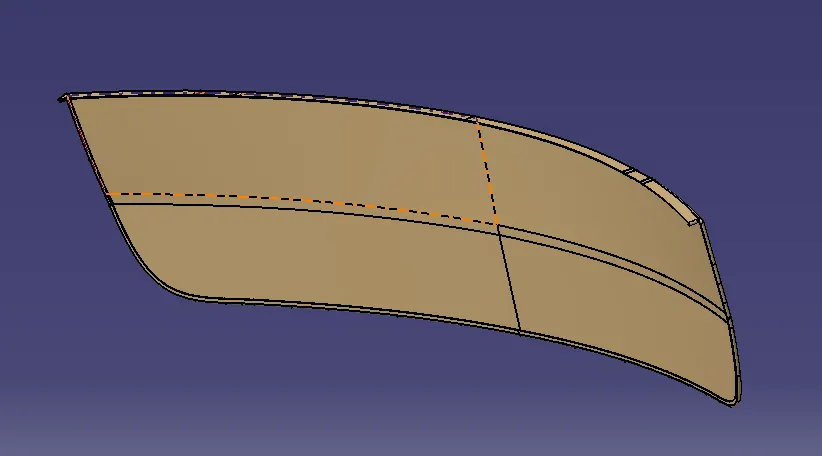
Generally outer panel is divided into 2 parts the upper panel and lower panel. these are used as cover to the inner panel and these are the parts which we see from outside.
Inner Panel Upper
Inner Panel Lower
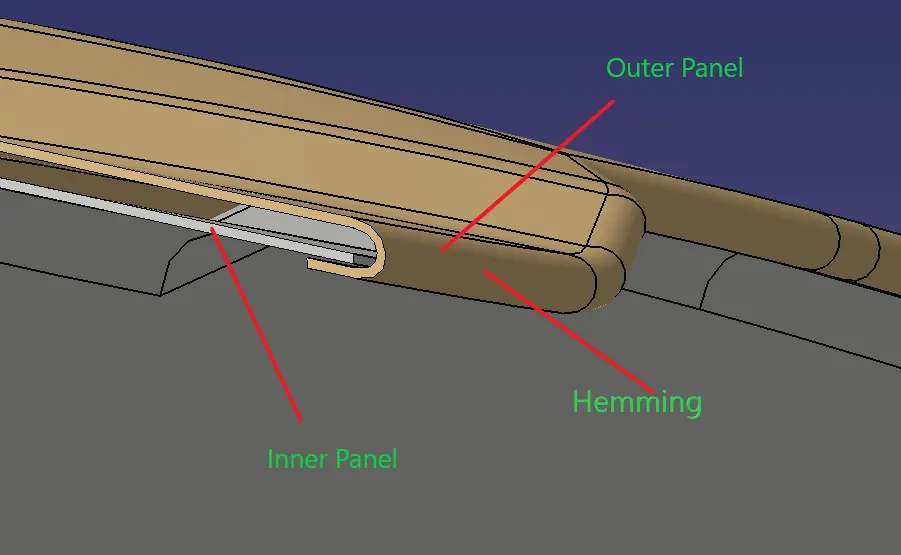
Hemming: It is used to hold (join) the inner panel with outer panel. Hemming is made by rolling and wraping the sheet metal.
Reinfircements: Reinforcements are used to increse the strength of the sheet metal where the holes are made.
Rotation angle of Latch and Striker mechanism
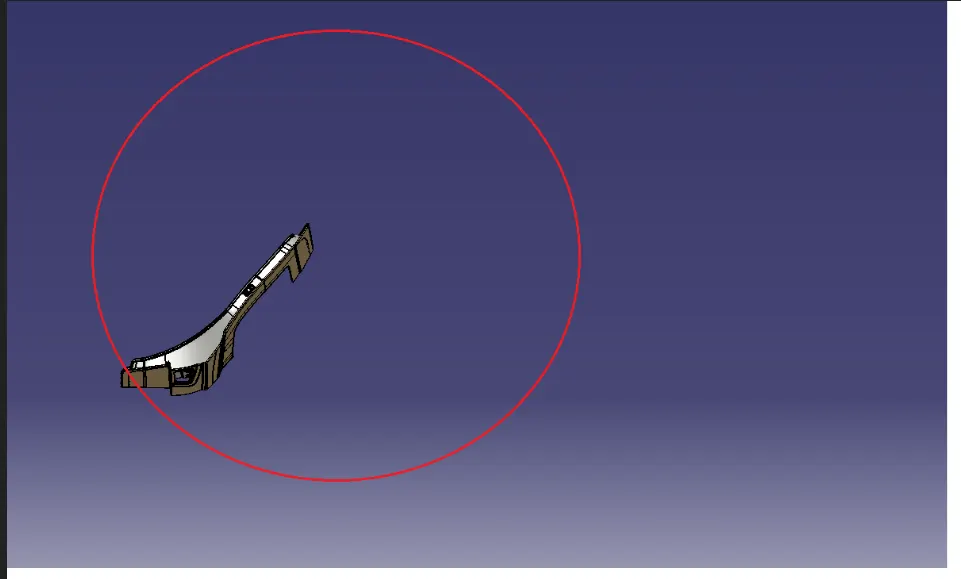
The rotation angle is the line of action of the Hinge. It is measured from the hine reinforcment plane.
Manufacturing Process for sheet Metal
- Shearing Operation
- Blanking & Fine Blanking Operation
- Punching Operation
- Piercing Operation
- Perforating Operation
- Slotting Operation
- Notching Operation
- Bending Operation
Sheet Metal Cutting Operations
Simply put, cutting operations cause the sheet metal to be stressed beyond its ultimate strength therefore breaking its structure and separating into different parts.
Shearing Operation
Shearing is the process of separating the sheet metal into two or more pieces, normally by cutting along a line. Commonly used to cut into rectangular shapes but can produce other shaped parts.
Blanking & Fine Blanking Operation
Blanking is the process of cutting out a predefined shape from the sheet metal; the part that is punched out is known as the blank and is the required product, the metal left behind is waste. Fine blanking is similar but provides more accuracy, with smooth edges and no distortion by applying clamping force and using small and close tolerances.
Punching Operation
Punching is the same process as blanking, but the required product is the metal left behind, rather than the part that is punched out. It uses the same punching press and punch and die operation, it is just the opposing desired product.
Piercing Operation
Piercing is the process of cutting small, cylindrical holes in the sheet metal whilst removing very little quantity of material. This is done by using a bullet shaped punch during the punch and die operation.
Perforating Operation
Perforation is a similar process to piercing, but the holes are not usually round in shape. Perforating commonly consists of more than one hole that has been punched in a pattern.
Slotting Operation
Slotting is the process of cutting rectangular holes onto sheet metal, sometimes unfinished.
Notching Operation
Notching is the process where shapes are cut from the edges of the sheet metal; removing and trimming and creating notches at the edge.
Sheet Metal Forming Operations
Forming operations cause stress below the sheet metal’s ultimate strength, resulting in distortion.
Bending Operation
Bending is the process of transforming the straight sheet metal into a curved form. There are a number of different types of bending such as:
- Channel Bending
- Offset Bending
- Edge Bending
- U-Bending
- V-Bending
Load analysis tests made on back door
- Bend Test
- Torsion
- Abuse cases
- Dent test
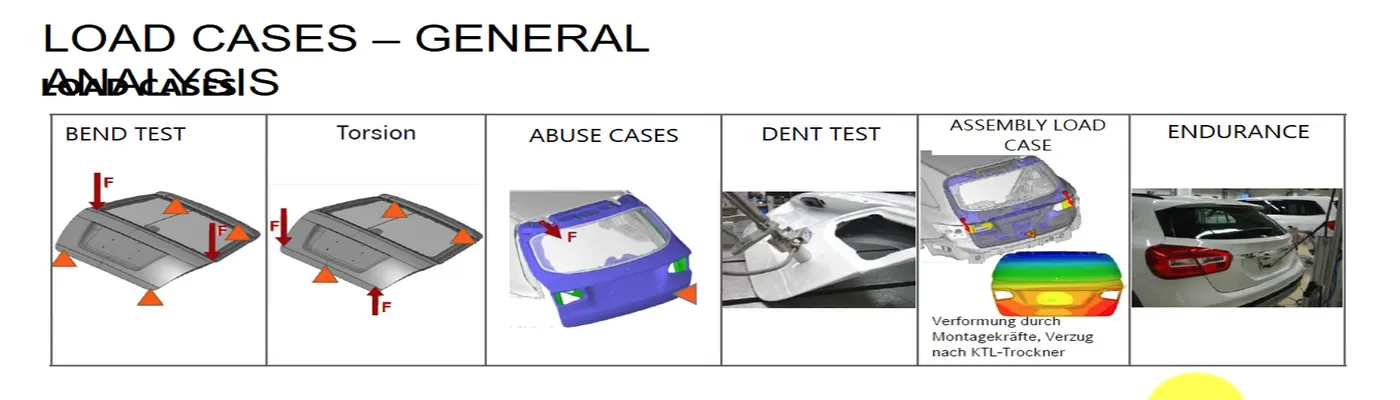
Here are the results after making the load analysis tests
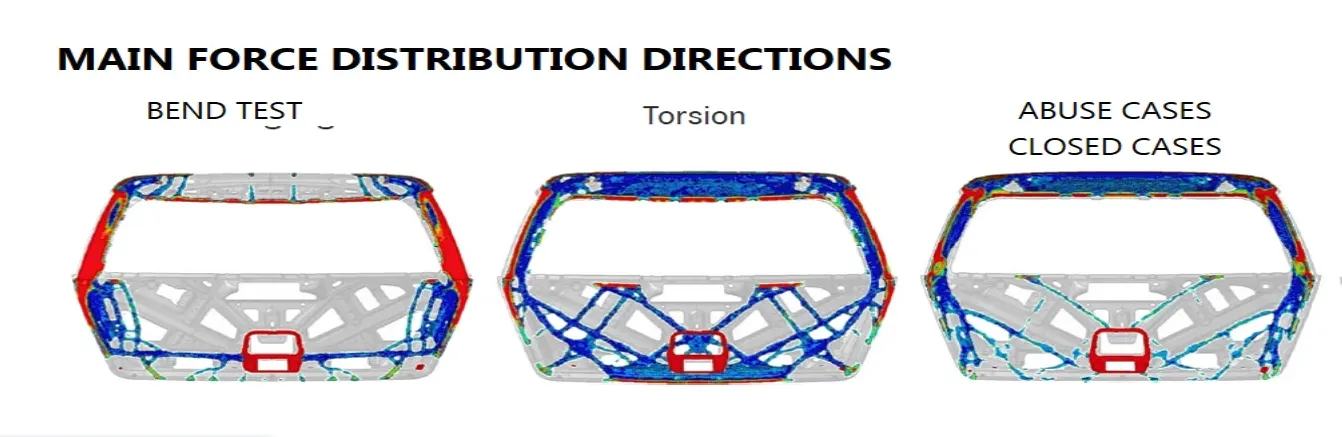
After making the above analysis it is clear that the load is distributing in the y or v direction and makes the door to sustain the crahes.
Assembly
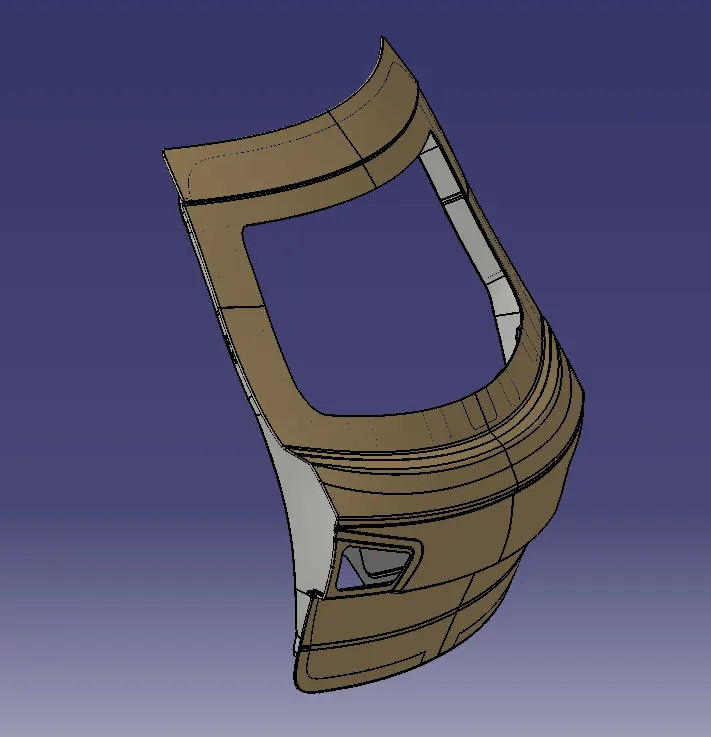
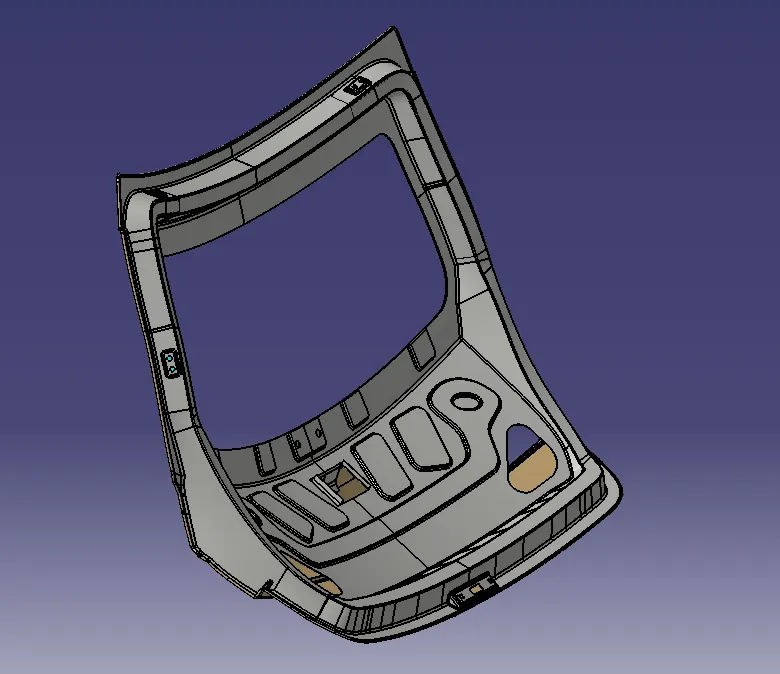
Sectional View