Design of backdoor
Design of Car Backdoor
Objective:
- To develop the backdoor design of the car by following the design constraints and the parameters.
- Use the provided styling surface to come up with a backdoor design, use appropriate design methodologies, and provide the necessary reinforcements and embosses.
Introduction:
- Back Door or Tail Gate is one of the BIW Component in a Car. For some cars it gives access to the boot space where the luggage and other goods can be kept. In case of some big cars there is a seating arrangement in place of boot space for which back door becomes the entry gate.
- Some doors needs to be lifted and closed manually while few cars have the facility to operate the door by a remote or by electrical or sensor means.
- Some doors are mounted on the vertical flange and are known as side mounted doors while others mostly mounted on horizontal flange are knows as top mounted doors.
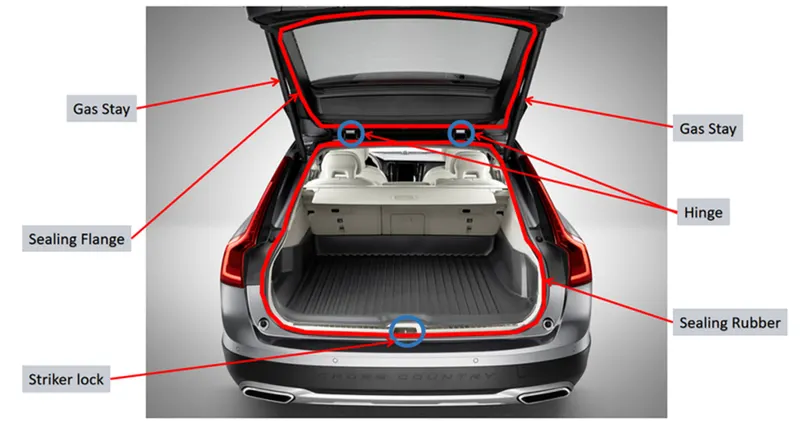
- Just like hood of a car the backdoor also have an inner panel. It has hinges for opening and closing of the door. To facilitate the opening of the tail gate and keeping it in open position there are gas stays attached to the tail gate on both the sides whose one side is attached to the back door and other to the car body.
- Hood and front windshield are completely separate communities but in case of a back door. The rear windshield is housed in the back door itself. As it have windshield so it needs wiper too for the same purpose as front windshield. So there is an arrangement for wiper motor as well.
- Back door also facilitates the fixing of tail lamps and the license plate over it as well in most cases.
- Apart from that for closing of back door there is a latch and striker arrangement. The trajectory of this moment of striker also needs to be defined in designing so that a proper lock can be achieved.
Design Considerations for Backdoor:
- Rear Visibility
- Boot space and accessibility
- Fit and clearance
- Support structures like hinge and gas stays
- Mounts for wiper motor and tail lamps
Types of Manufacturing Processes:
- Deep Drawing
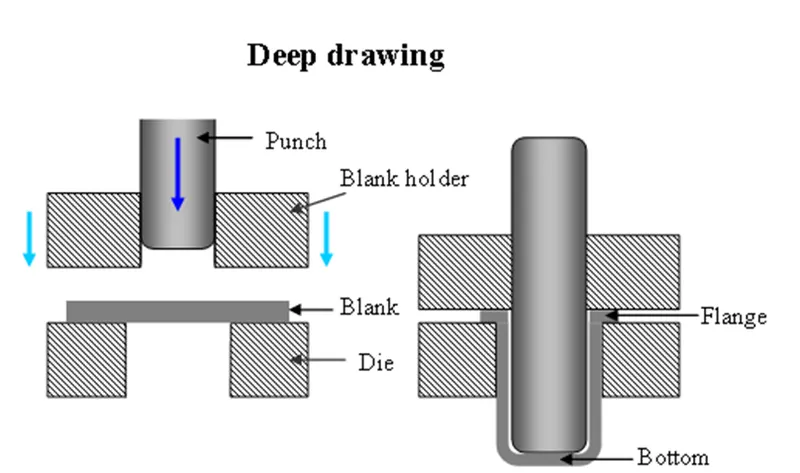
It is a sheet metal forming process in which a sheet metal blank is radially drawn into a forming die by the mechanical action of a punch. It is thus a shape transformation process with material retention. The process is considered "deep" drawing when the depth of the drawn part exceeds its diameter. This is achieved by redrawing the part through a series of dies. The flange region experiences a radial drawing stress and a tangential compressive stress due to the material retention property. These compressive stresses result in flange wrinkles. Wrinkles can be prevented by using a blank holder, the function of which is to facilitate controlled material flow into the die radius.
- Roller Hemming
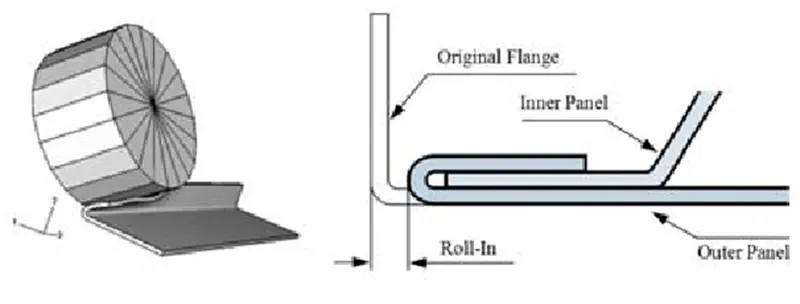
In roller hemming process, a robot guides a small roller across the flange to fold a sheet onto itself or onto another sheet. The process is oriented to low volume automotive applications, providing a distinct advantage in manufacturing closures and subassemblies with developed flanges.
- Embossing
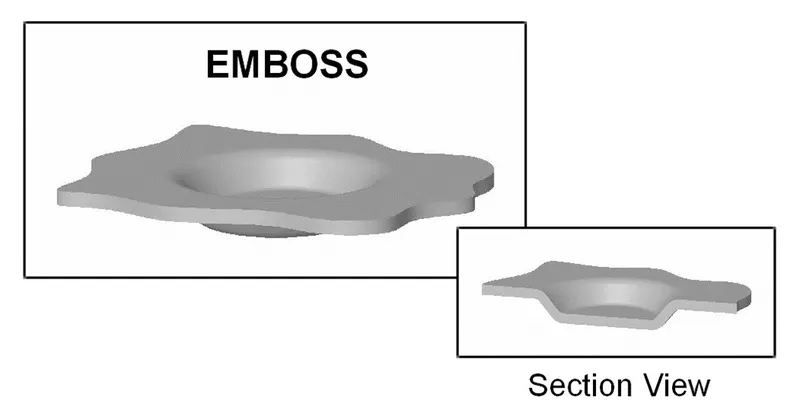
Sheet metal embossing is a stamping process for producing raised or sunken designs or relief in sheet metal. This process can be made by means of matched male and female roller dies, or by passing sheet or a strip of metal between rolls of the desired pattern.
- Blanking
Blanking is a metal production process, during which a metal workpiece is removed from the primary metal strip or sheet when it is punched. The material that is removed is the new metal workpiece or blank.
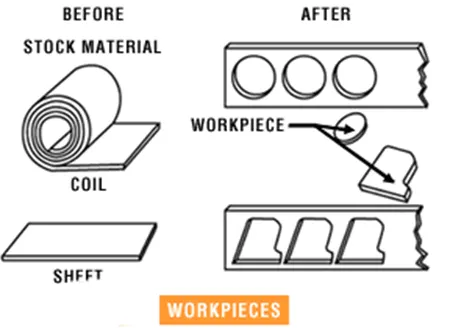
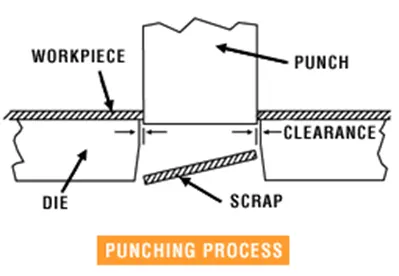
- Punching
Punching is a machining process that involves the removal of scrap metal from a sheet of raw metal. It requires the use of a punch press to compress a tool through a sheet of raw metal. While punching is typically performed using sheet metal, it supports other materials like paper, plastic and various fibers.
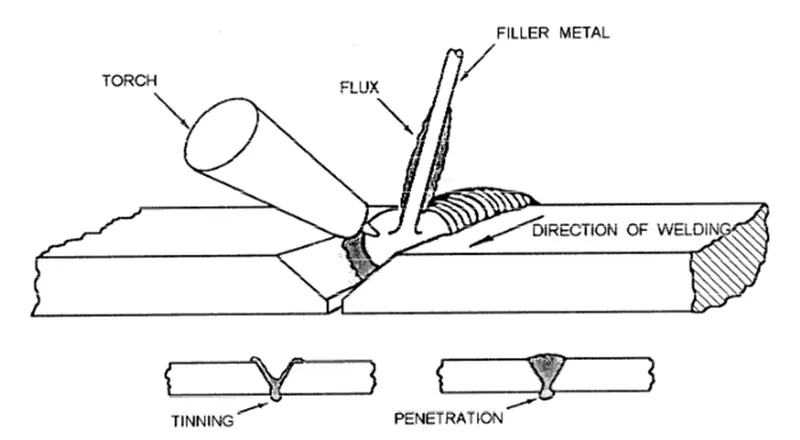
- Brazing
In a brazing operation, you apply heat broadly to the base metals. The filler metal is then brought into contact with the heated parts. It is melted instantly by the heat in the base metals and drawn by capillary action completely through the joint. This is how a brazed joint is made.
Components of Backdoor Assembly:
- Backdoor outer panel upper
- Backdoor outer panel lower
- Backdoor inner panel
- Hinge reinforcement
- Gas stay reinforcement
- Wiper motor reinforcement
- Striker reinforcement
Design Methodology:
Backdoor outer panel
The outer panel is the styling surface of the backdoor. Other components of the backdoor are designed with reference to the outer panel. It acts as the outer cover and deals with the aesthetics of the car.
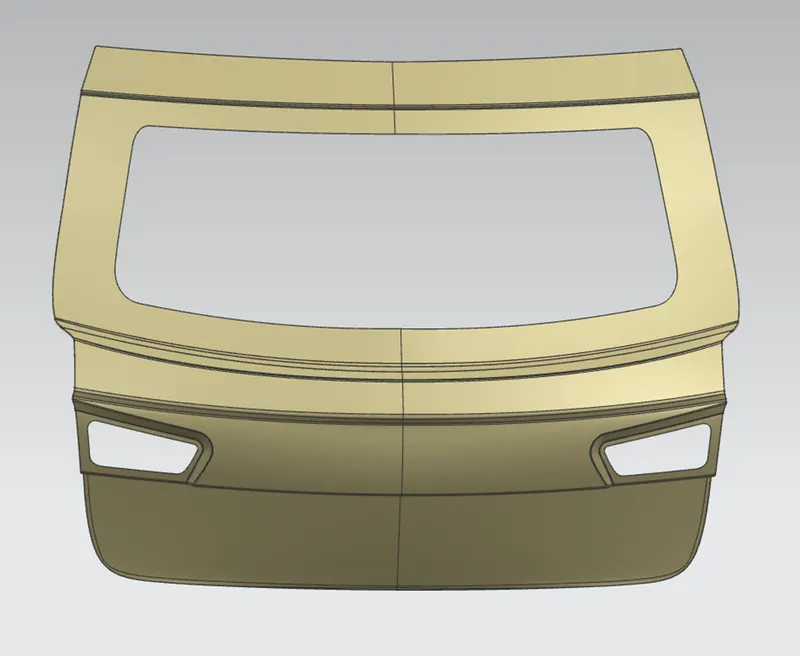
It has two parts.
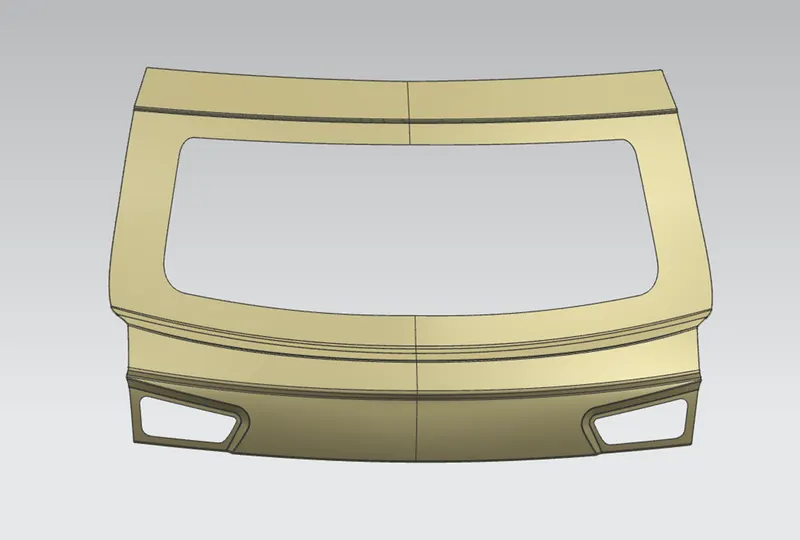
- Outer upper panel
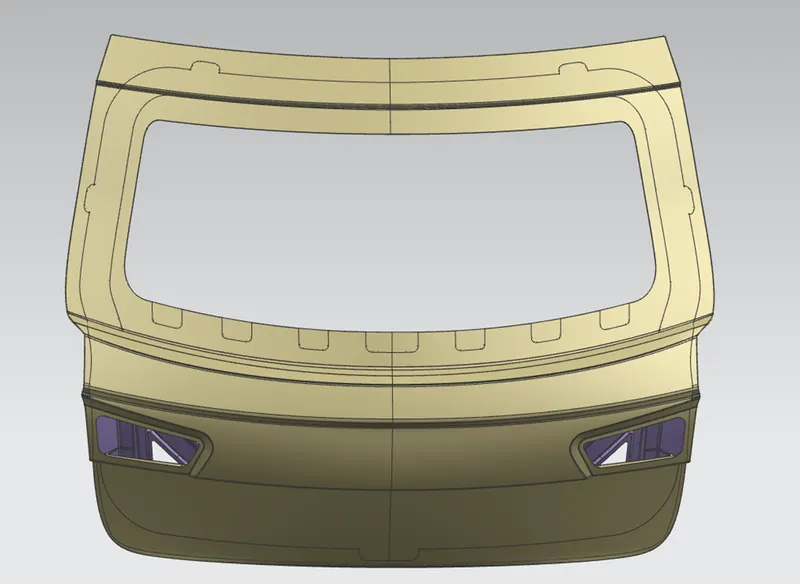
The outer panel is extracted from the styling surface. The panel is altered for the required design with the surface tool of NX CAD. The thickness is 0.75 mm. Hemming is provided with corner relief.
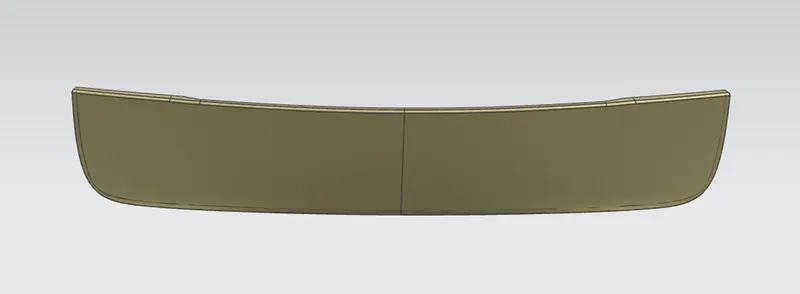
- Outer lower panel
The outer panel is extracted from the styling surface. The panel is altered for the required design with the surface tool of NX CAD. The thickness is 0.75 mm. Hemming is provided with corner relief.
Tooling Direction
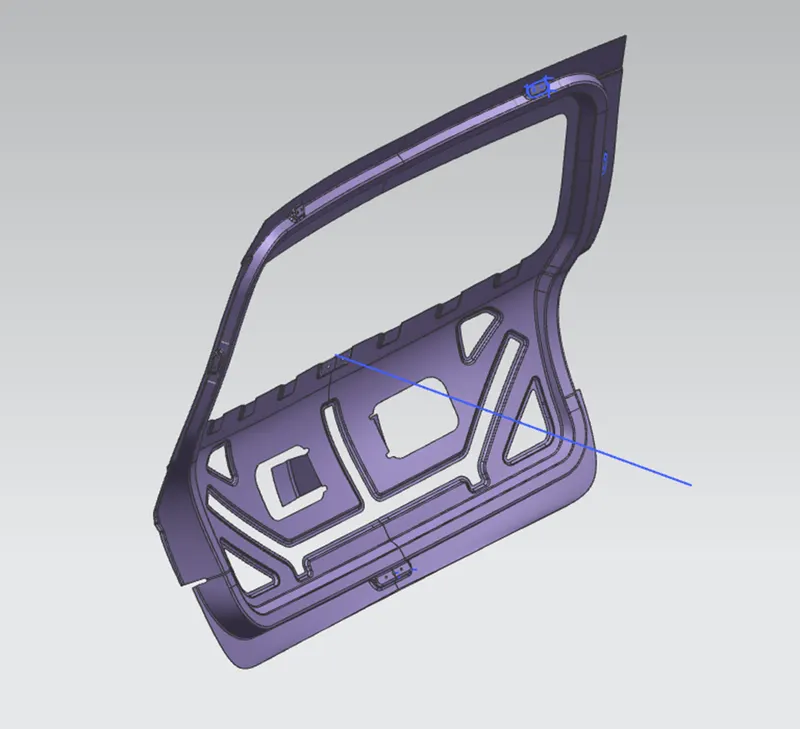
- Before starting to design the inner panel of the backdoor the tooling direction for deep drawing purpose should be created.
- After this the styling surface needs to be checked for any irregularities.
- The backdoor is designed using top-down approach.
Backdoor inner panel
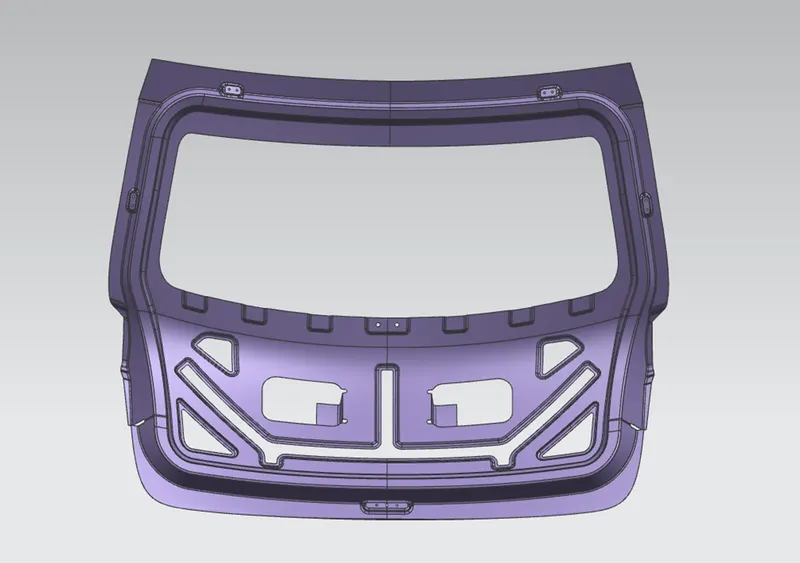
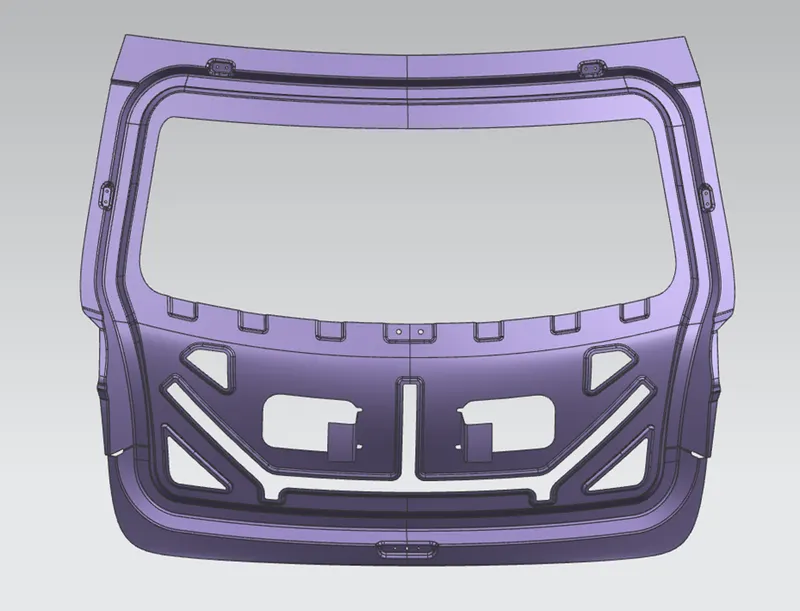
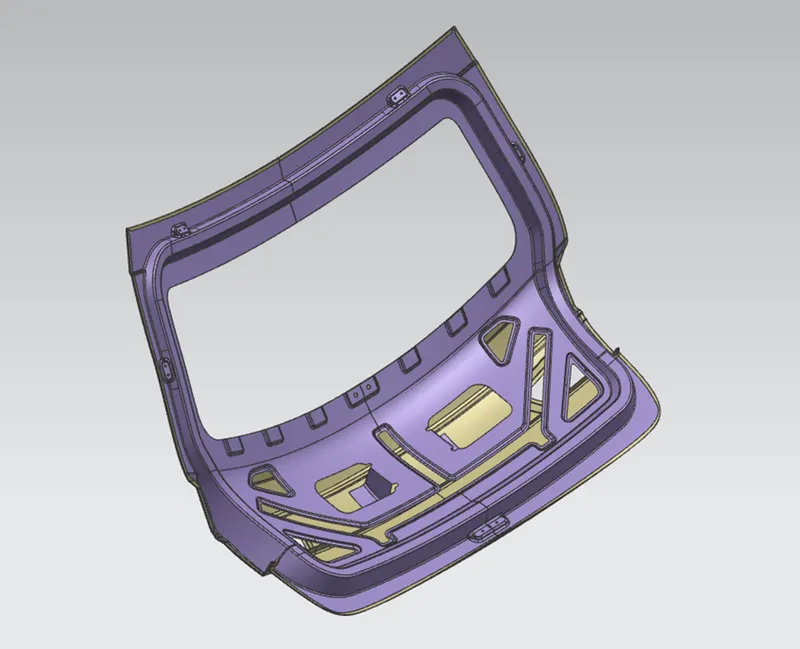
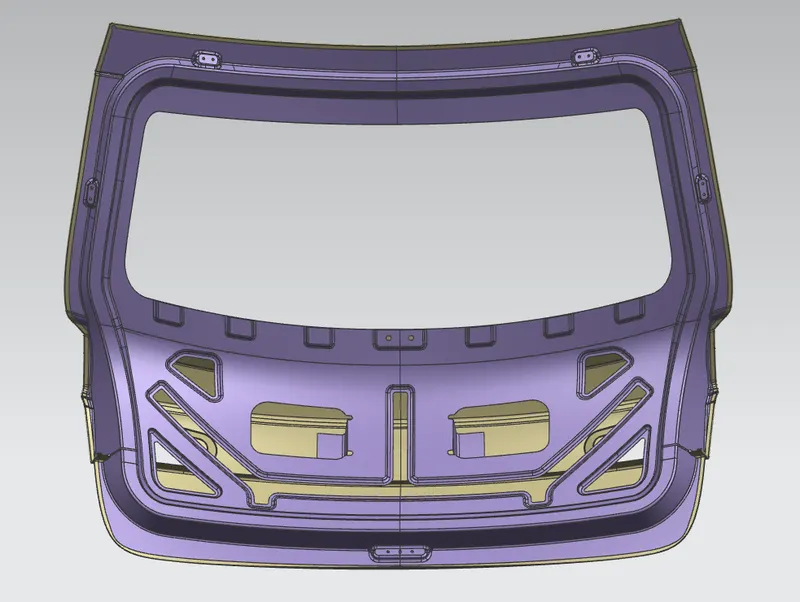
The inner panel is extracted from the styling surface. The panel is altered for the required design with the surface tool in NX CAD. The thickness here is 0.75 mm.
The embosses are created in V or Y – shaped such that the vehicle undergoes the crash then the force is distributed over it which reduces the damage transferred to the tank space.
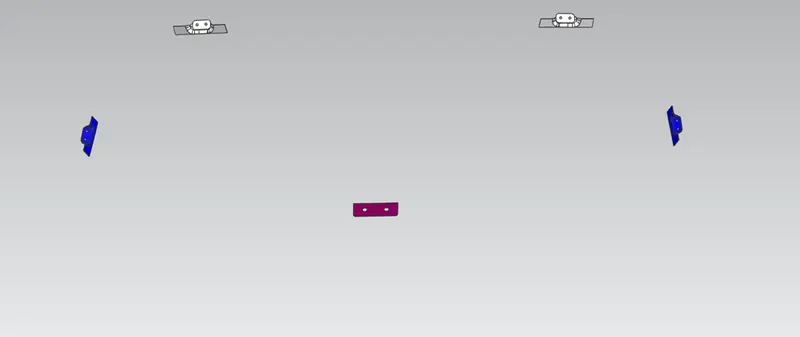
Hinge, Gas Stay and Wiper Motor Reinforcement:
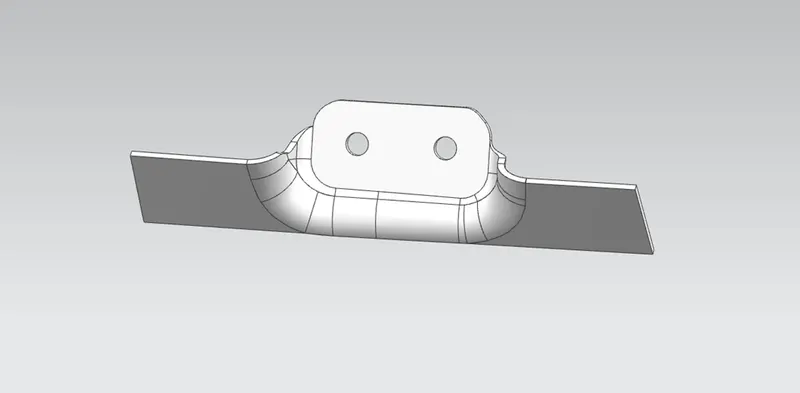
Hinge enables the opening and closing of the backdoor. One end is fixed on the back door and other end to the roof. Hinges can be placed outside or inside the backdoor. The hinge reinforcement are added to compensate for the weak region due to acting load over it.
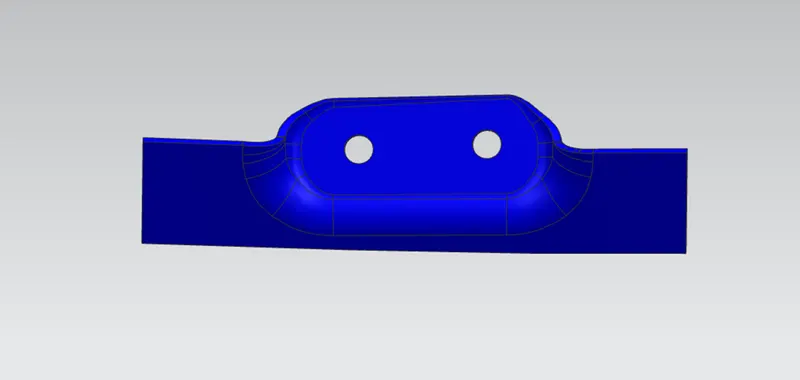
Gas stay is a devise for supporting the back door in its open position. Gas stay requires no manpower and is engaged into support position automatically as the backdoor opens. One end is fixed with the backdoor and other end is fixed with the body side or on the back door stationary area.
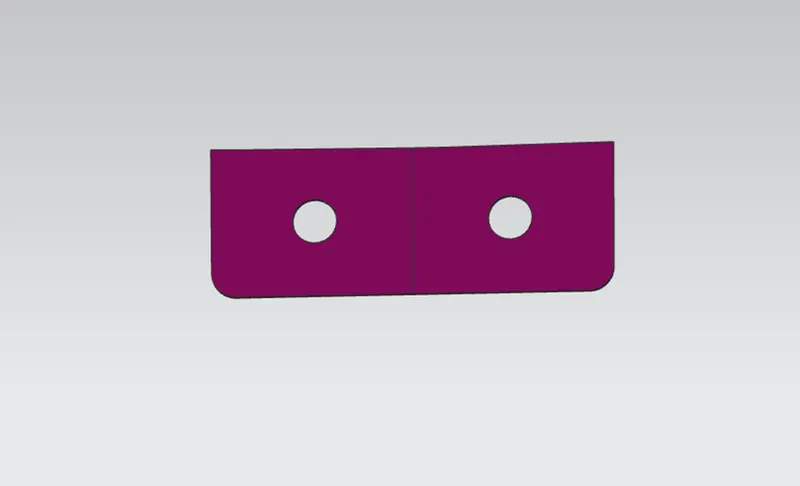
Wiper motor reinforcement is created to mount wiper motor on it.
Latch and Striker Reinforcement:
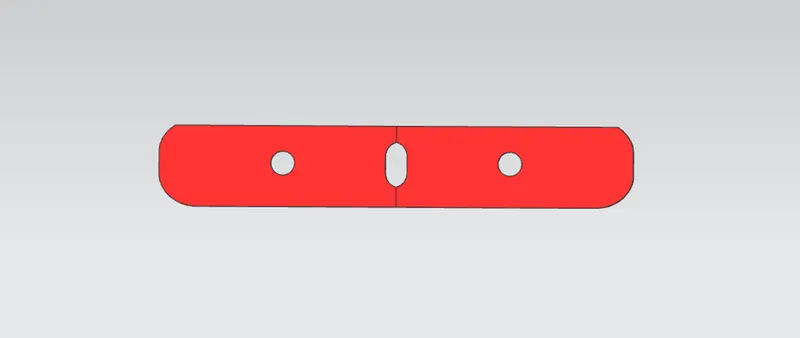
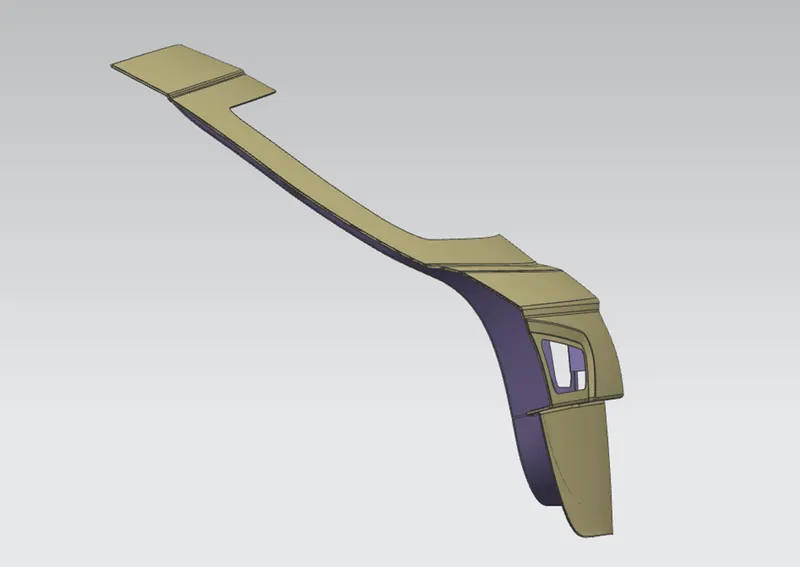
The latch and striker reinforcement was created by drawing a trajectory that follows the opening and closing of the backdoor with respect to the hinge axis.
Hemming:
Hemming and Seaming are the two similar metalworking processes in which a sheet metal edge is rolled over onto itself. Hemming is the process in which the edge is rolled flush to itself.
The outer panel was designed as two separate parts named as outer panel upper and lower. After designing the outer panel the hemming was created by offsetting the surface with the help of face blend and swept surface. The two separate outer panels will be joined using blanking.
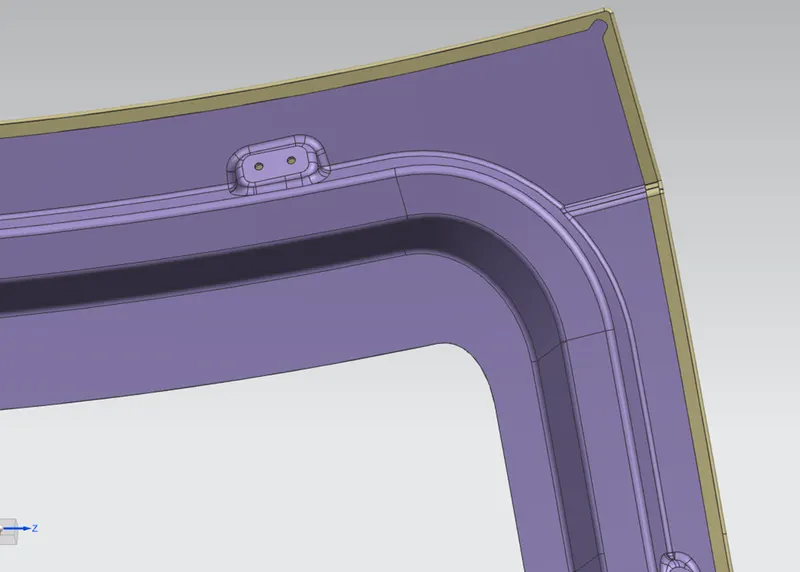
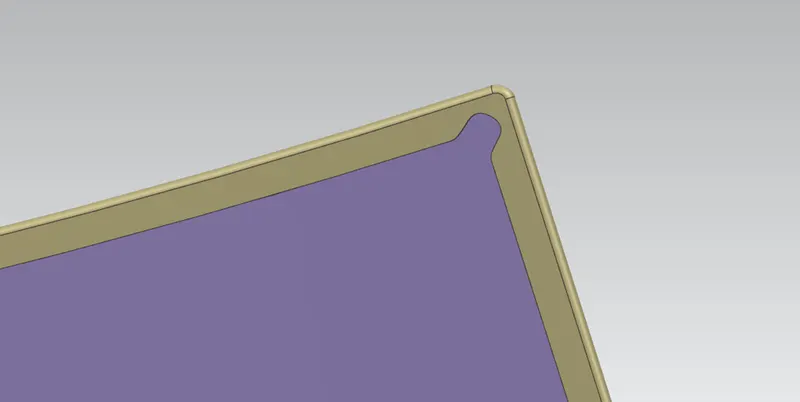
Hemming Relief: Hemming reliefs are cut-outs which are provided on the hemmed corner of the panel assembly which in turn to avoid same of the hemming defects such as wave like formed surface.
Draft Analysis of Inner Panel:
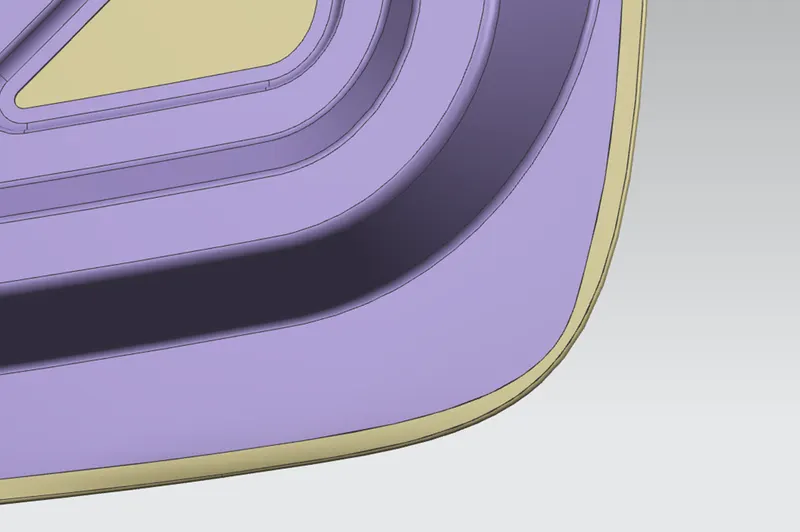
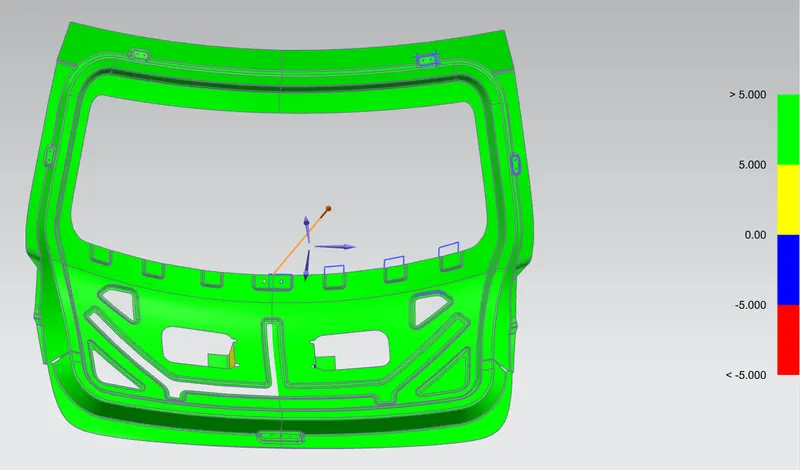
The draft is used for providing angles or tapers on product features such as walls, ribs, posts, and bosses that lie parallel to the direction of release from the mold eases part injection. Draft angles are designed in such a way that they will assist depart rejection. By doing so we have a reduced cycle time and improved productivity. Draft value for a particular part is mostly decided by the material used for making it. 3 degrees is a minimum for sheet metal when it's come to the draft angle.
Views of Backdoor:
Conclusion:
The backdoor design is completed by considering all relevant engineering concepts and also the parts as per the draft analysis using NX CAD.