Design of backdoor
DESIGN OF BACKDOOR
Objective :
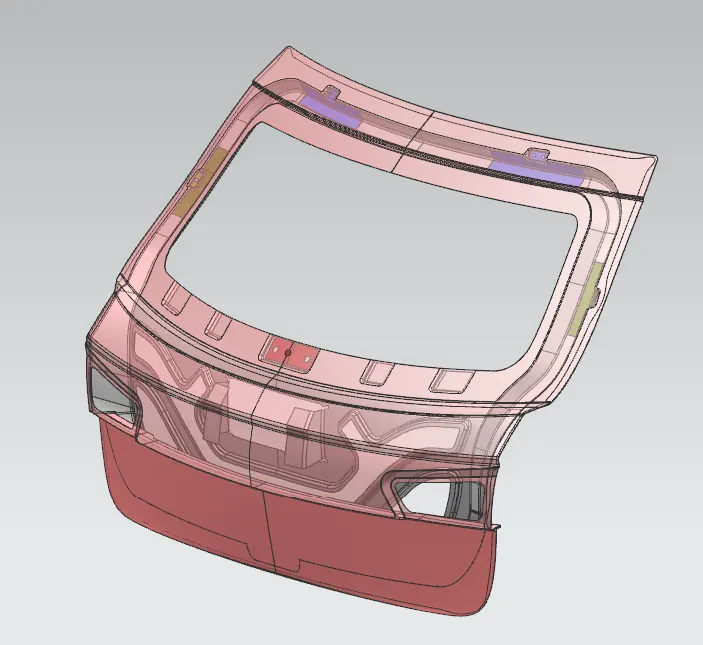
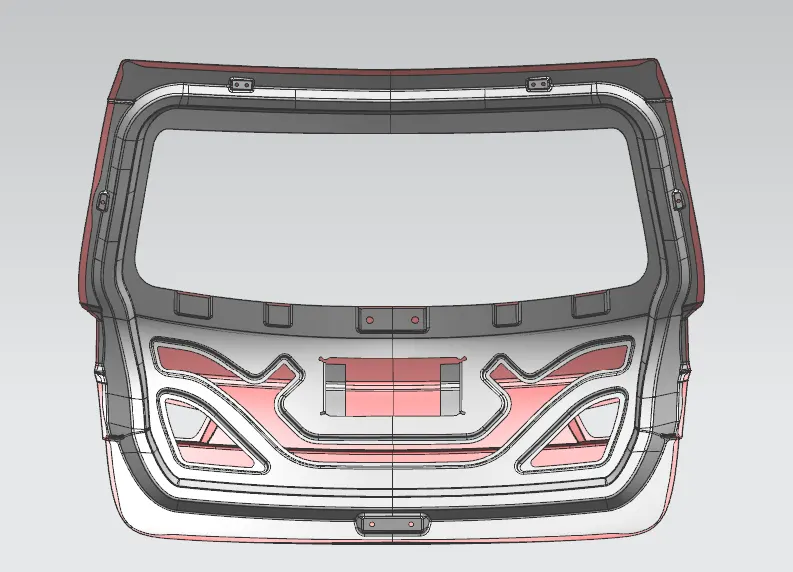
The main objective of the project is to create the back door assembly from the given Class A surface of the back door. The assembly consist of the back door outer panel upper, back door outer panel lower, inner panel, hinge reinforcement, wiper motor reinforcement, latch reinforcement and gas stay reinforcement.
To create the assembly of the inner panel and outer panel with all reinforcements, and to create the hemming between the inner panel and outer panel.
Theory :
Back Door -
The trunk or boot of a car is the vehicle's main storage or cargo compartment, often a hatch at the rear of the vehicle. It is called a tailgate. The storage area at the rear is known as a dickey or compartment.
The door or opening of a cargo area may be hinged at the top, side or bottom. If the door is hinged at the bottom, it is called as tailgate.
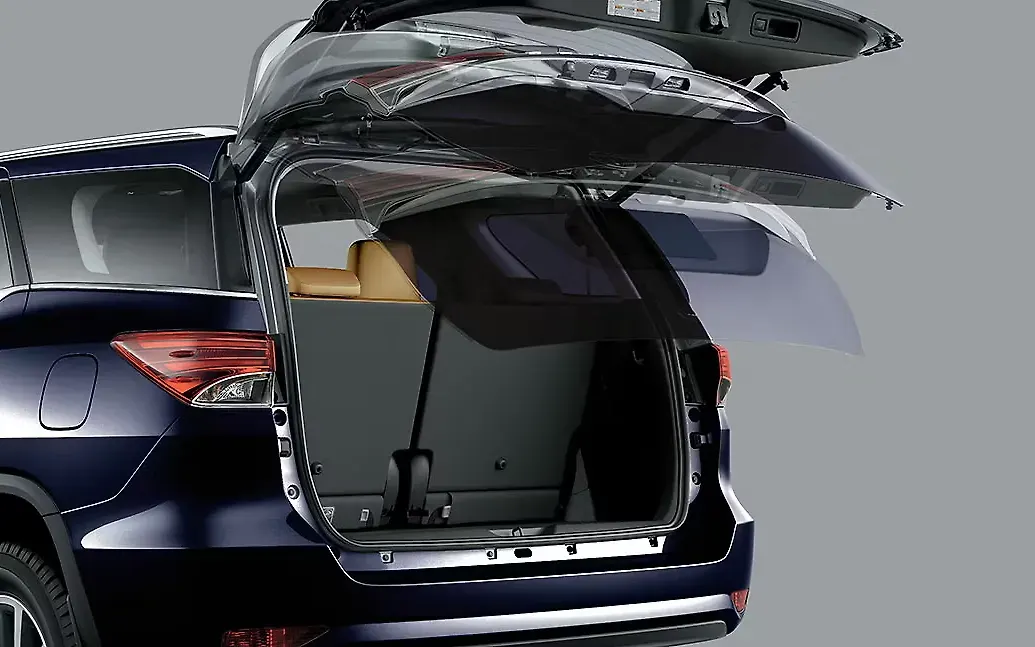
The hinge mounting for the doors is depends on the design of the car. It may be side mounted, top mounted, bottom mounted or split type.
Design requirements for the tail gate
- Light weight - High performance without weighing down applications
- Tough - High impact strength to satisfy the requirements
- Highly flowable - Suitable for efficient, one-piece ejection in deep drawing
- Stylish design - To look better than competitors
Components of tailgate
- Outer panel upper
- Outer panel lower
- Inner panel
- Hinge reinforcement
- Gas stay reinforcement
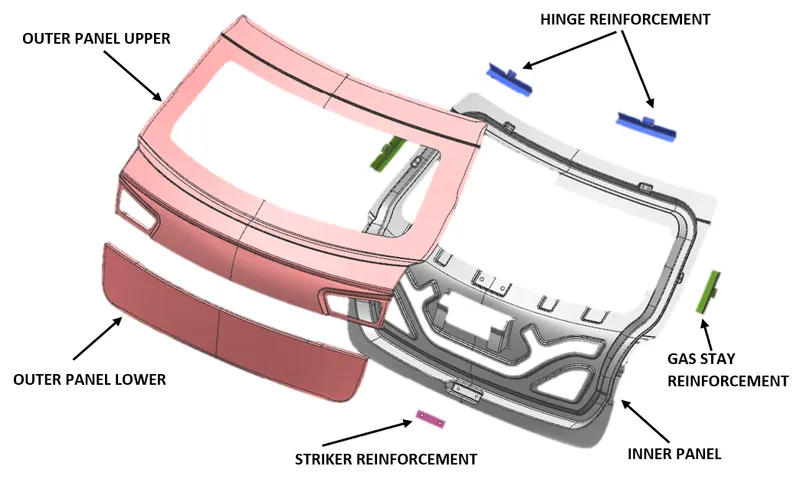
Functional requirements
- To provide maximum boot space
- Easily liftable either by gas stay or by powerlifter
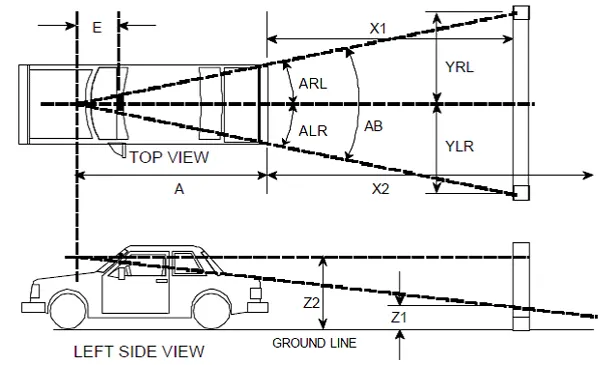
- To satisfy the visibility criteria
Rear visibility criteria and regulations
Rear crash regulation and requirement
Understanding how occupants are injured in the field is important. To do so, it is necessary to identify the risk and frequency of injury to occupants by seating location and crash type. It is important to note that about 70% of rear crash events occur at less than 15 mph, and rear crashes are the least likely to result in collision fatality. For example, most children who are fatally injured in a vehicle crash have been involved in frontal or side collisions.
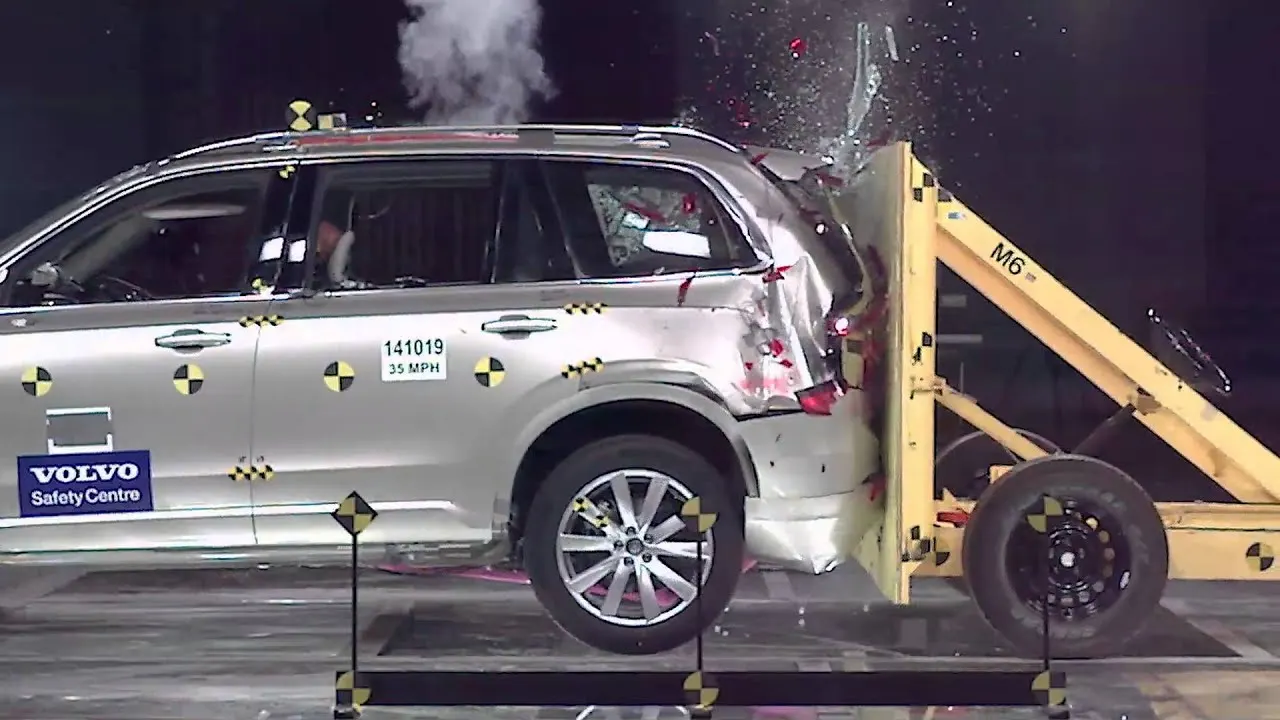
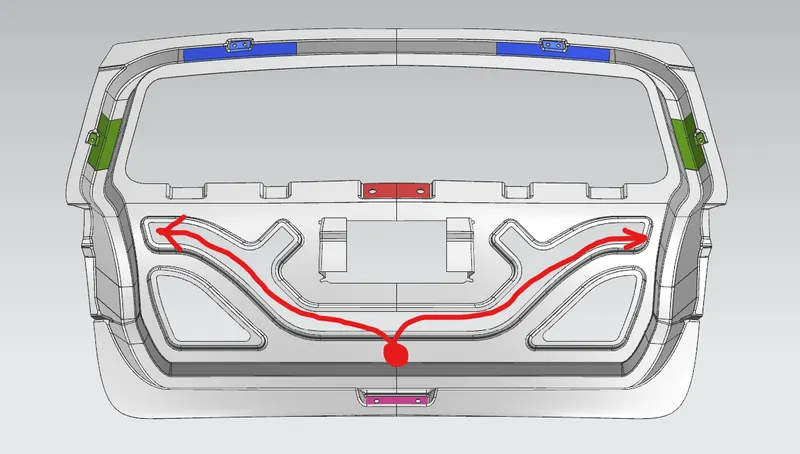
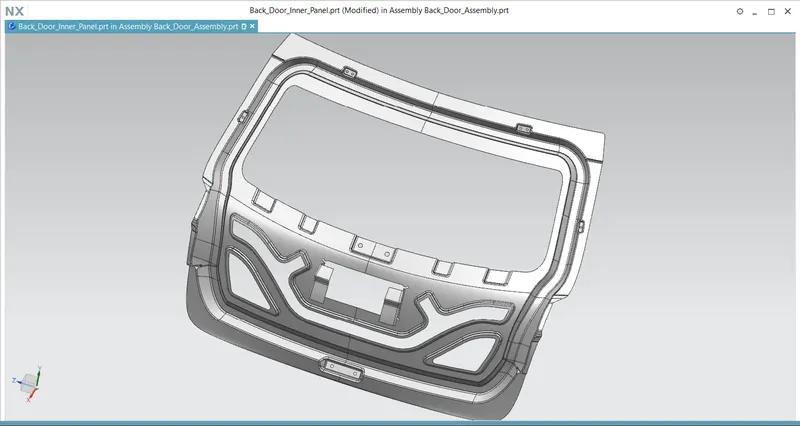
The design of the rear door inner panel in such a way that the force imparted on it should be directed to out of the vehicle. This would mainly be achieved by emboss design. The y type emboss is created to distribute the forces out of the vehicle.
Joining techniques
Hemming -
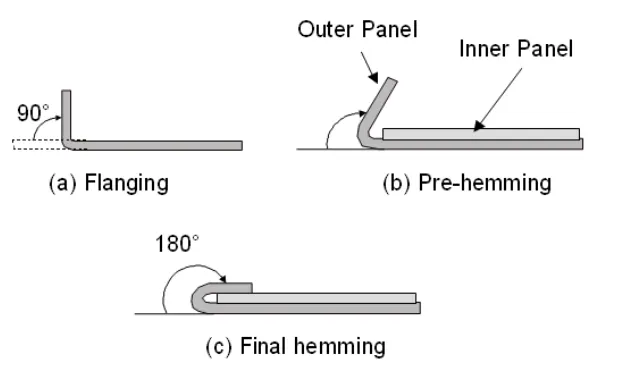
In automobile industry, the panels which are visible outside are joined with the inner panels or supports with the help of the hemming process. Hemming is comes into for outer panels because thermal joining processes leave the residual marks which are acceptable on the aesthetic surfaces.
Hemming is the technology used in the automotive industry to join inner and outer closure panels together. It is the process of bending/folding the flange of the outer panel over the inner one. The accuracy of the operation affects significantly the appearance of the car's outer surfaces, and is therefore a critical factor in the final quality of a finished vehicle.
Hemming is performed in order to achieve a better final geometry in the vehicle's part and add resistance and rigidity to the part. Also, to allow a safe handling of the part.
Spot welding -
The outer panel upper and the outer panel lower are both joined by the spot welding. The spot welding is made there because that area is not visible from the outer.
gap and flushness requirements
The gap, gap parallel (equal distance between two gaps over a distance) and flush are the terminologies involved in automotive industry which influences the customer appeal. The gap and flush measurements of side closure are shown in the below picture.
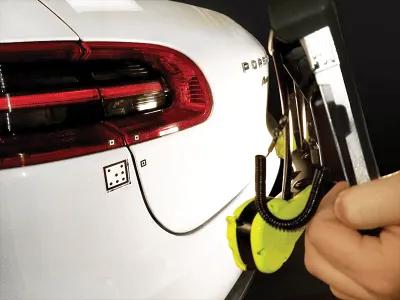
The gaps and flushes are given to the hood of the car with fender and sidewall by adjusting the hinge and striker during assembly.
In case of an automotive design, gap and leveling between the adjacent parts, known as gap and flushness, respectively, can be cited as examples of aesthetic dimensional requirements that influence customer's perception of quality
Hinge
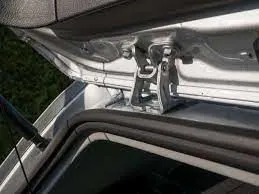
The hinge serves as a pivoting point for car door inner panel, which accommodate the opening and closing of it. Hinges are different types. The one end of the hinge is attached directly to the roof of the car with the help of the flange, and the other side is attached to the inner panel of the tail gate. Two hinges are used on both ends of the hood, which their axeses are collinear.
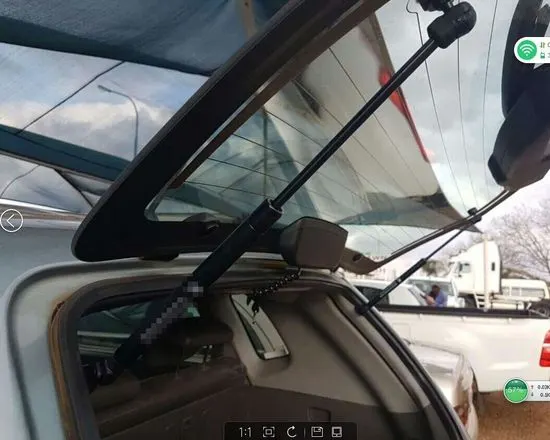
Gas stay or powerlifter
The gas stay supports the rear door of the vehicle in the open position.
It has a gas spring consist of a precision rod attached to a piston, moving within a sealed cylinder containing pressurized nitrogen gas and oil.
Manufacturing process
Forming operations (Deep drawing) :
It is a sheet metal forming process, in which a sheet metal blank is slightly clamped along it perimeter by a blank holder and radially drawn into a forming die by the mechanical action of a punch.
If the depth of the cup is more than half of its diameter, the process is termed as deep drawing.
The deep drawing is used to manufacture a product with seamless, complex shapes. This is a tool related manufacturing process where the metal is stretched or extended between two tool halves to create a prospective shape.
Procedure :
Inner panel -
Create the inner panel from reference with the given surface
Create the sealing flange using the offset surface and the law extension. Face blend the sharp edges
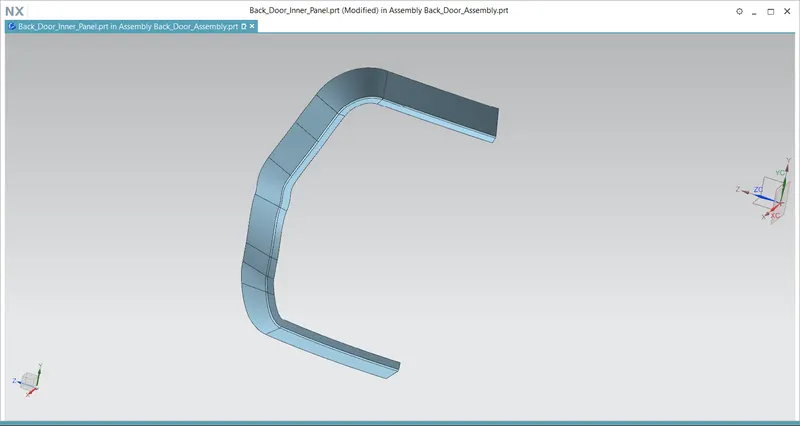
Join the sealing flange with the outer support and windshield area
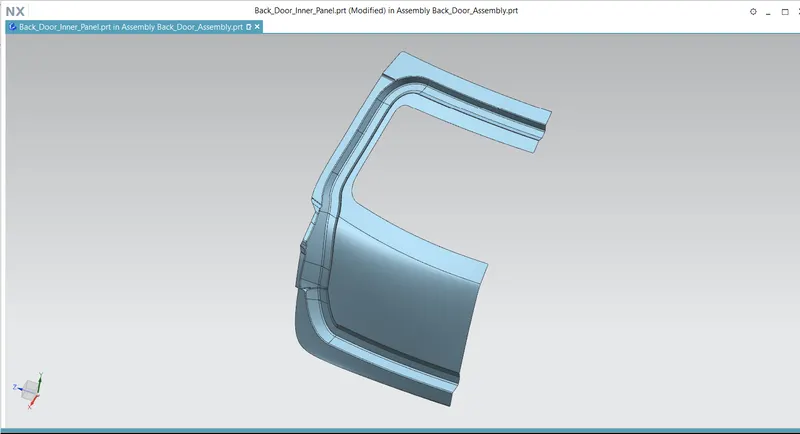
Create the embosses on the inner panel to improve the strength
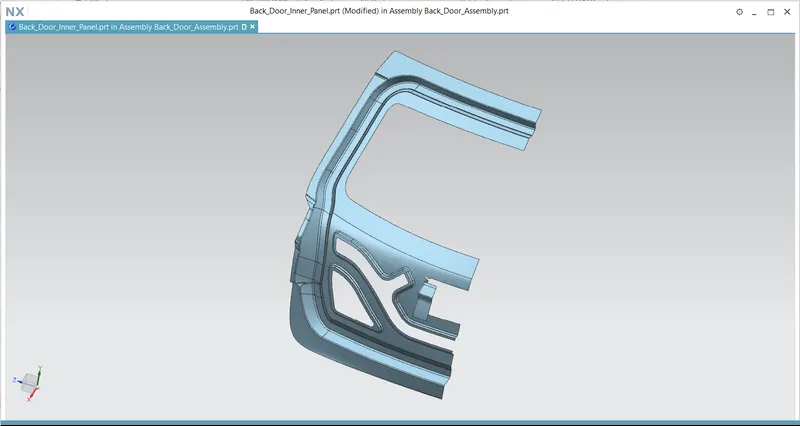
Create the areas for the support of the hinge and gas stay
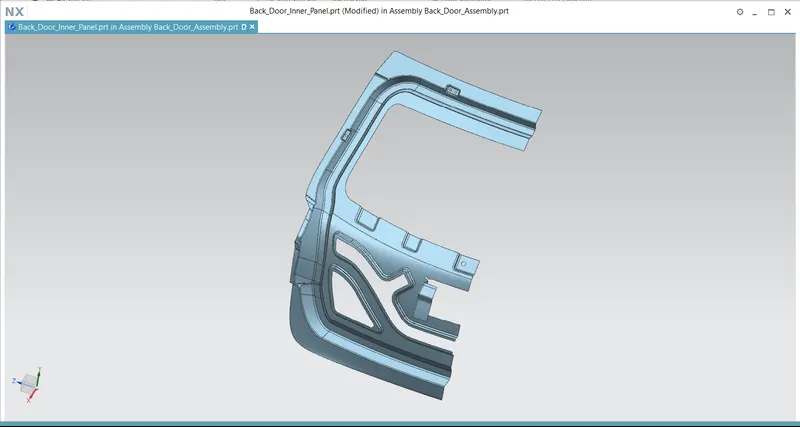
Finally, mirror the panel and sew together. Thicken the sheet and apply edge blend on the sharp areas
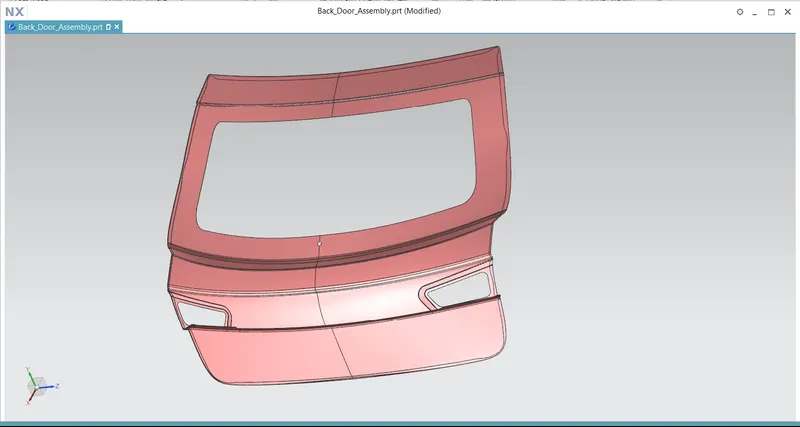
Outer panel -
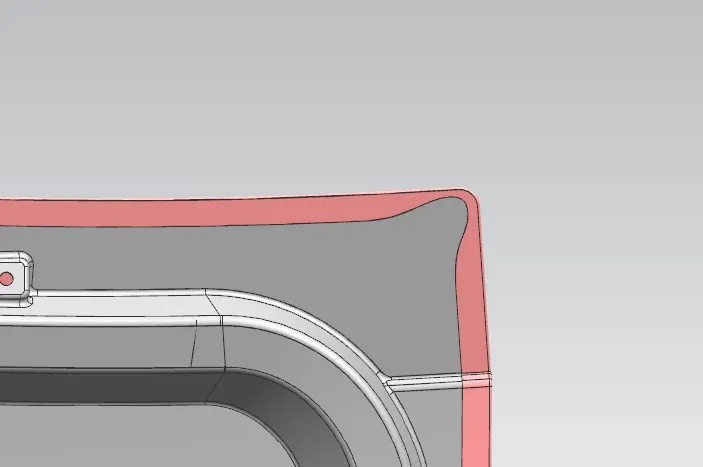
Create the hemming region for the outer panel upper and outer panel lower. Give the relief at the corners
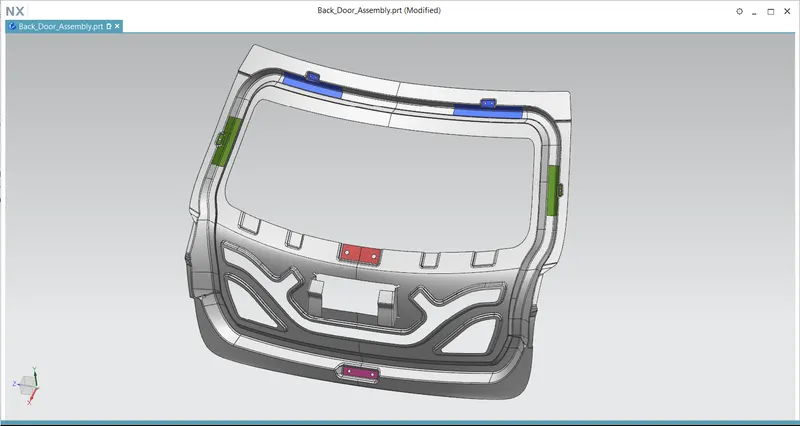
Reinforcements -
Create the hinge reinforcement, gas stay reinforcement and striker reinforcement from reference to the inner panel
Hemming -
Maintain the distance between the panels 0.2 mm
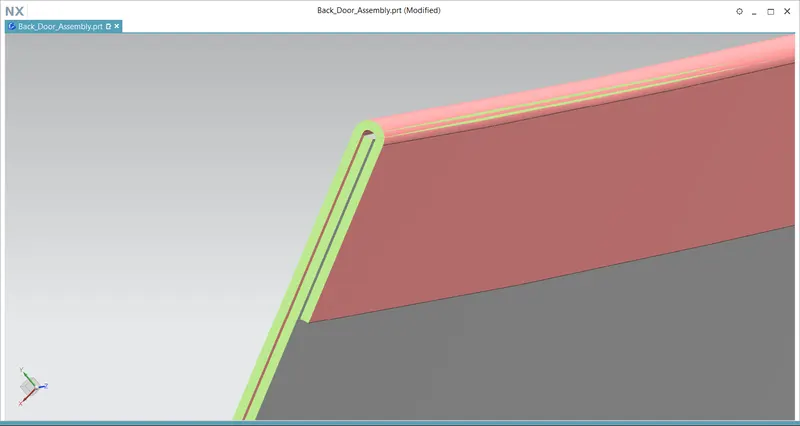
Provide the reliefs at the corners
Views :
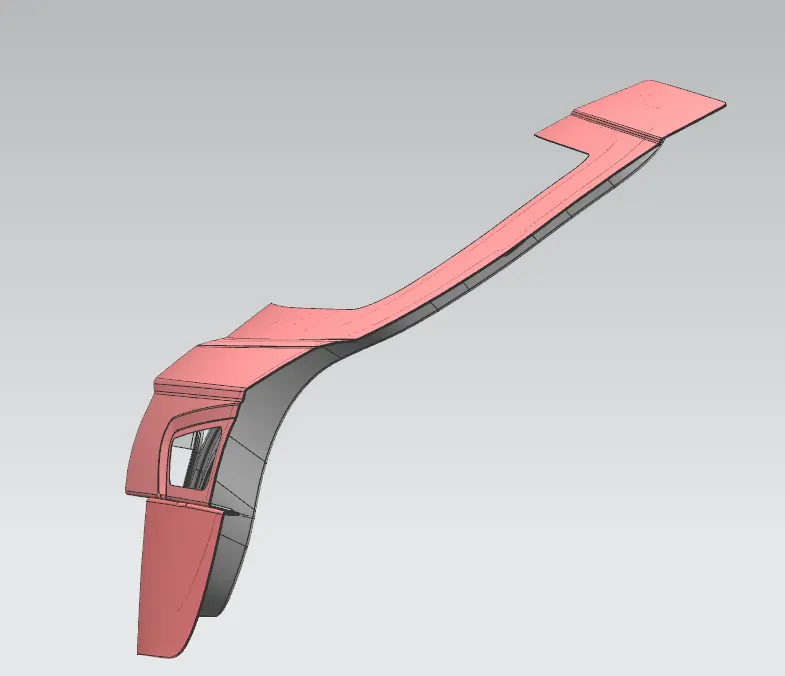
Conclusion :
The back door assembly from the given Class A surface of the back door is created. The assembly consist of the back door outer panel upper, back door outer panel lower, inner panel, hinge reinforcement, wiper motor reinforcement, latch reinforcement and gas stay reinforcement.
The assembly of the inner panel and outer panel with all reinforcements, and the hemming between the inner panel and outer panel, is done.