Design of backdoor
BACK DOOR:
Back door covers the rear portion of an automobile. It offers the accomadation of boot space of an automobile.It is attached to the roof or body of an automobile based on the type it may open upwards, downwards or by sideways by the hinge assembly mountings. In passenger automobiles it protects from the external conditions rear end.
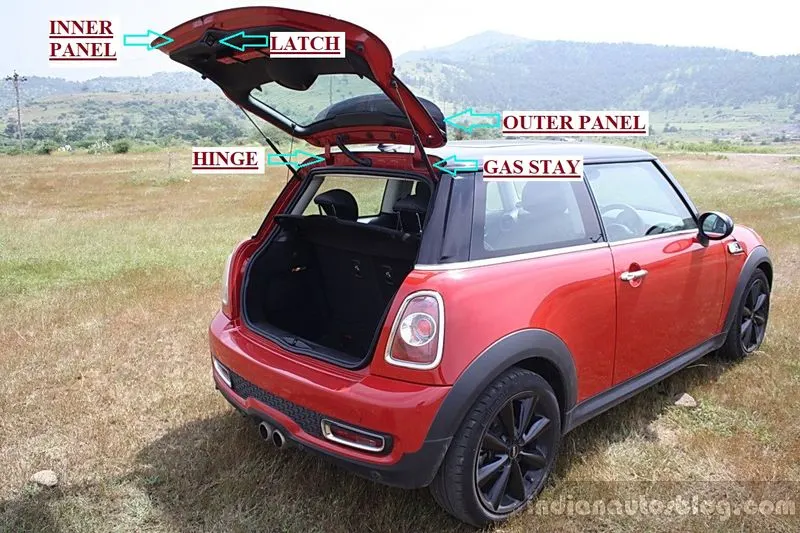
COMPONENTS OF BACK DOOR:
- Outer panel: It is the outermost part of the door which provides good aesthetics and aerodynamics.
- Inner Panel: It is palced below the Outer panel which acts as muscle to the outer panel and accomodates all the mountings of an assembly.
- Reinforcements: Most of the back door is manufactured using sheet metal so in order to provide strength at the mountings of an inner panel. Therfore reinforcements are attached to the inner panel mountings.
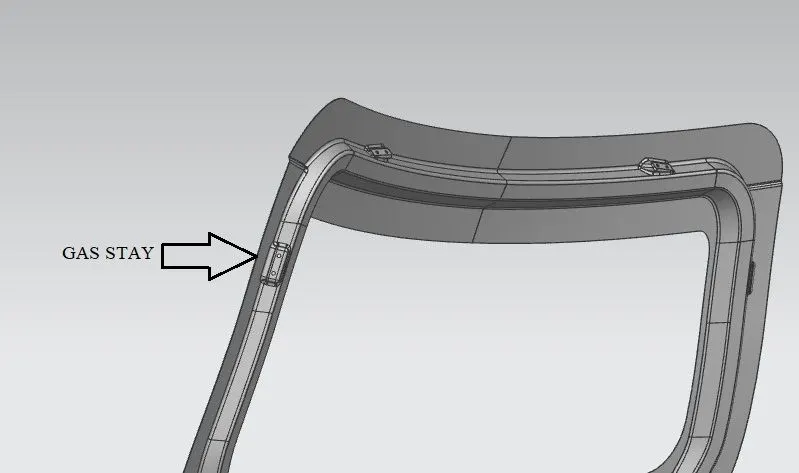
- Gas Stay: It is used to actuate the closing and opening of back door either manually or automated.
- Hinge Assembly: It provides the rotational degree of freedom to the door and it connects the back door and roof or body.
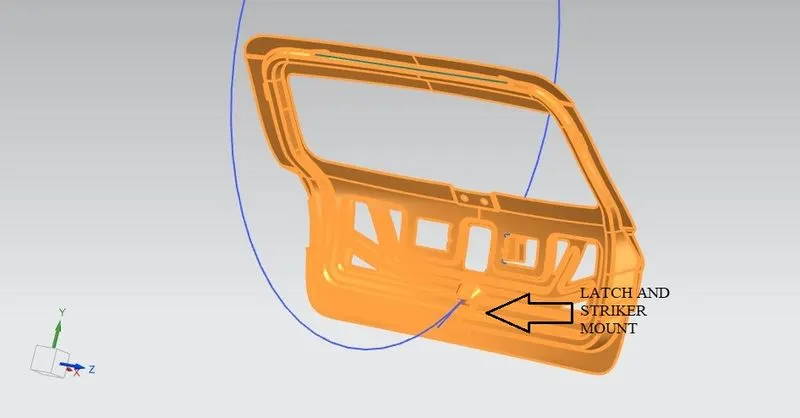
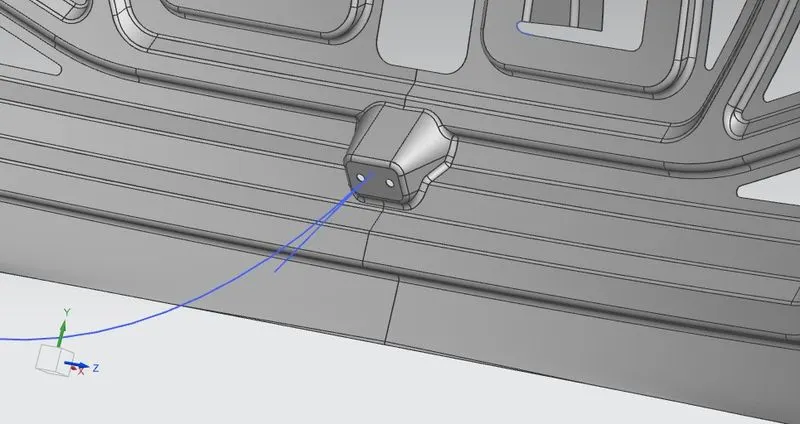
- Latch and Striker assembly: It provides locking mechanism to the back door.
MANUFACTURING METHOD FOR PRODUCTION OF BACK DOOR:
1)DEEP DRAWING:
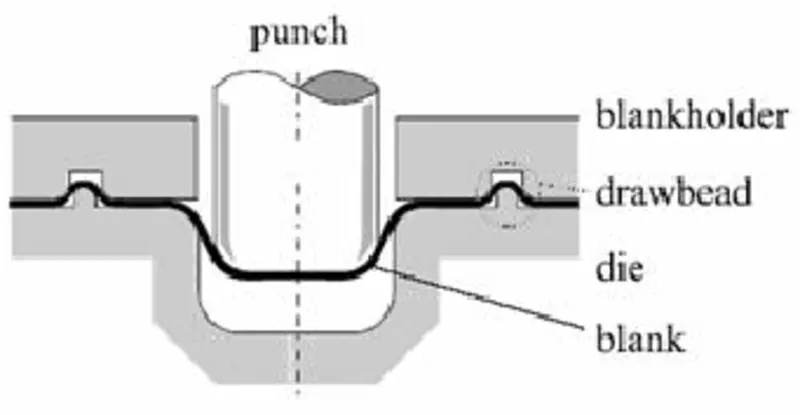
Deep drawing is a sheet metal forming technique in which a sheet metal blank is mechanically pulled radially into a forming die by the action of a punch. As a result, the process is a shape transformation with material retention. When the depth of the drawn part exceeds its diameter, the procedure is referred to as "deep drawing." This is accomplished by redrawing the part using a set of dies. Due to the material retention property, the flange region (sheet metal in the die shoulder area) experiences radial drawing stress and tangential compressive stress.
2)HEMMING:
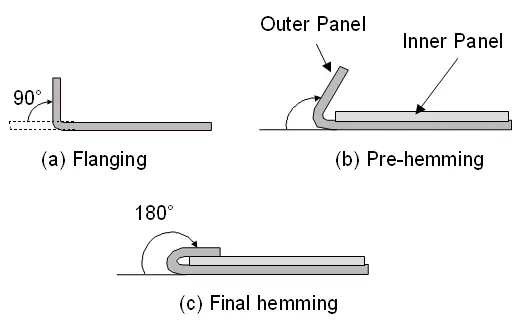
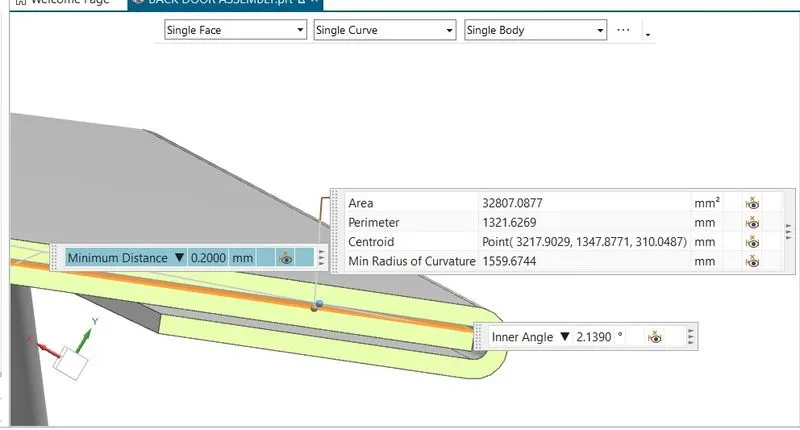
Hemming is a shaping technique that involves folding or folding over the edges of a sheet to obtain a snug fit. Hemming procedures are typically used to join parts, improve the look of a part, and reinforce part edges. In car part production, hemming is used in assembly as a secondary operation after deep drawing, trimming and flanging operations to join two sheet metal parts (outer and inner) together. Typical parts for this type of assembly are hoods, doors, trunk lids and fenders.
3) LANCING:
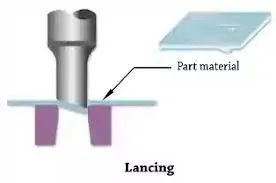
Lancing is a piercing operation in which the work piece is sheared and bent with one strike of the die. A key part of this process is
that there is not reduction of material, only a modification in its geometry. This operation is used to make tabs, vents etc.
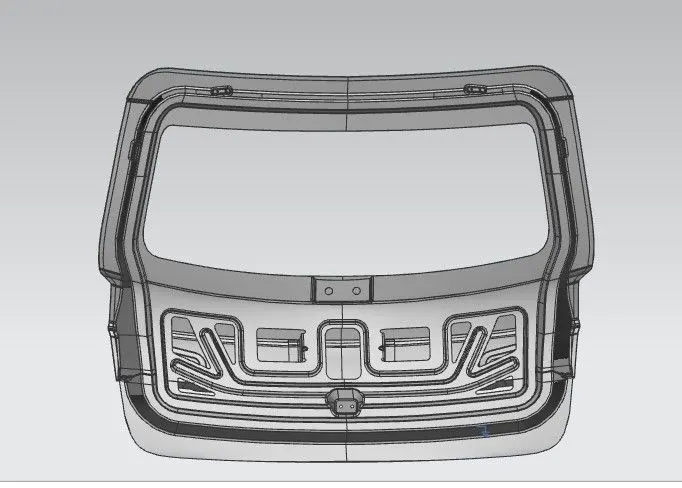
ASSEMBLY COMPONENTS OF BACK DOOR:
- OUTER PANEL UPPER
- OUTER PANEL LOWER
- INNER PANEL
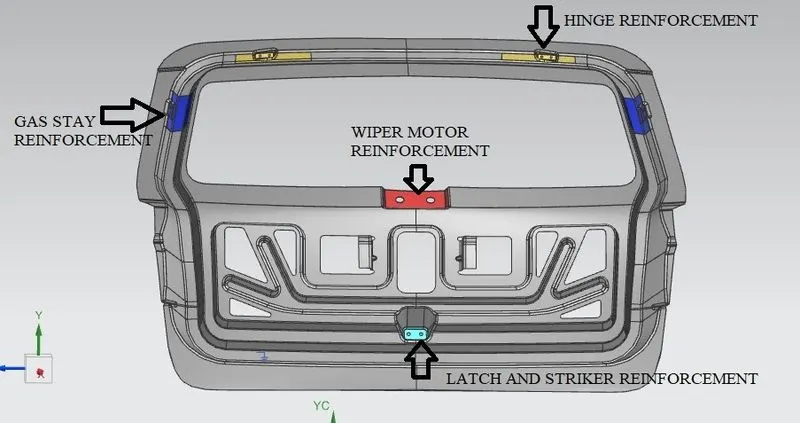
- HINGE REINFORCEMENTS
- GAS STAY REINFORCEMENTS
- WIPER MOTOR REINFORCEMENTS
- LATCH AND STRIKER REINFORCEMENTS
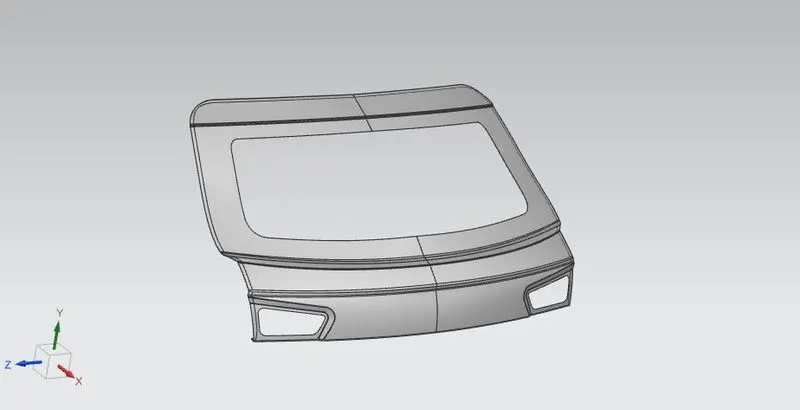
1)OUTER PANEL UPPER:
It is outer most skin of the back door at the upper part. It is designed based of class A surface.
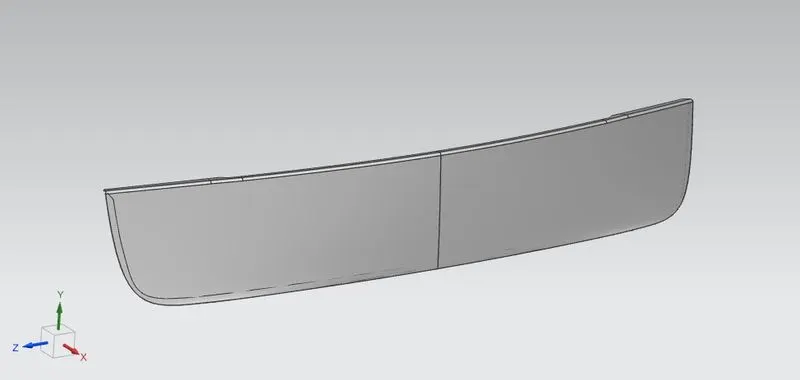
2) OUTER PANEL LOWER:
It is outer most skin of the back door at lower part. It is designed based on the class A surface.
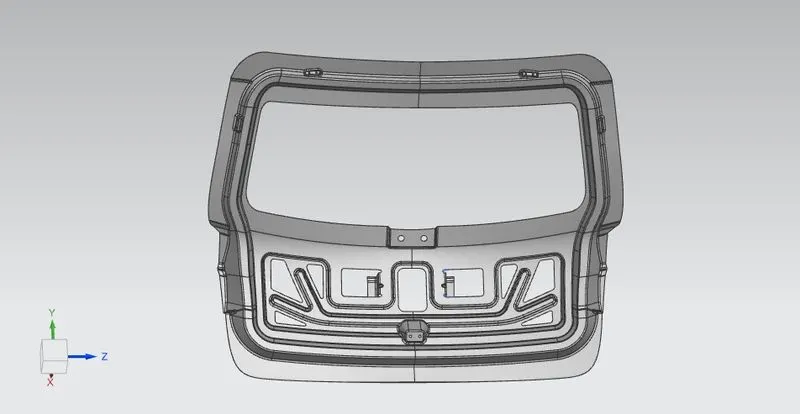
3) INNER PANEL:
It is the muscle of the back door, it accomodates all the mountings and also ribs which stiffens the assembly.
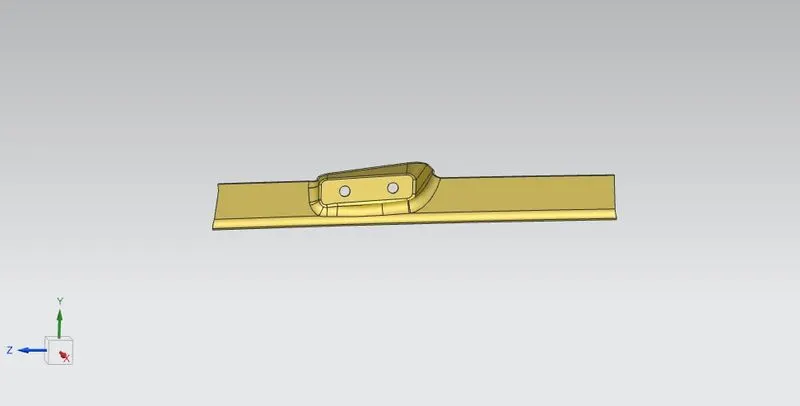
4) HINGE REINFORCEMENTS:
It provides extra strength at the hinge mountings on the inner panel.
5) GAS STAY REINFORCEMENTS:
It provides extra strength at the gas stay mountings on the inner panel.
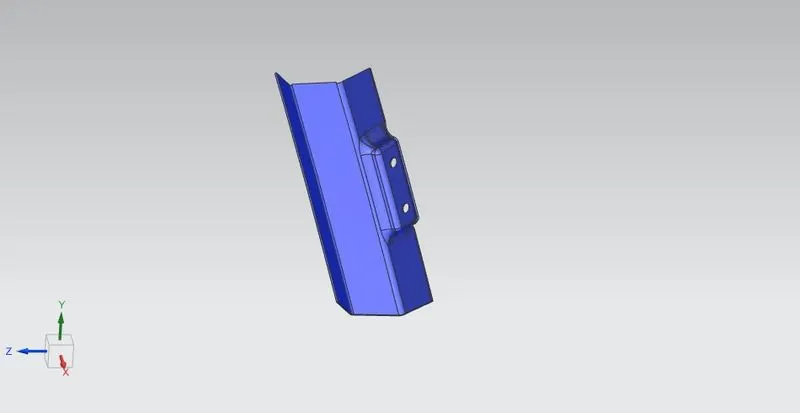
6) WIPER MOTOR REINFORCEMENTS:
It provides extra strength at the wiper motor mount on the inner panel.
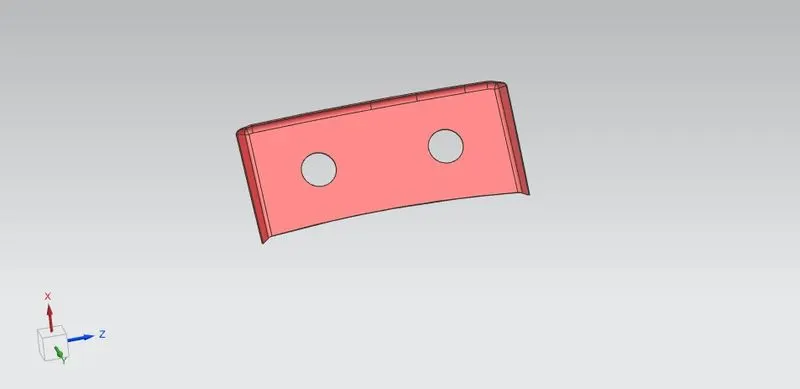
6) LATCH AND STRIKER REINFORCEMENTS:
It provides extra strength at the latch and striker mount on the inner panel.
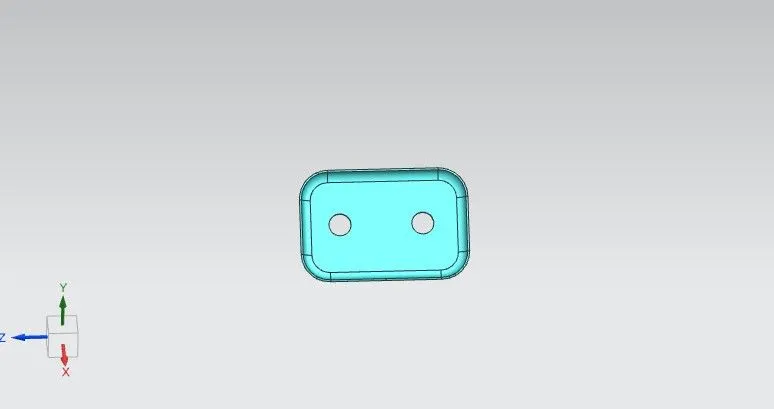
ASSEMBLY:
DESIGN CONSIDERATIONS OF BACK DOOR:
- Rear visibility criteria
- Rear Crash criteria
- Gas Stay mechanism
- Functional Requirements of hinge , latch and striker.
- Sealing of the passenger chamber.
- Mastic sealant consideration
- Manufacturing tolerances and allowances
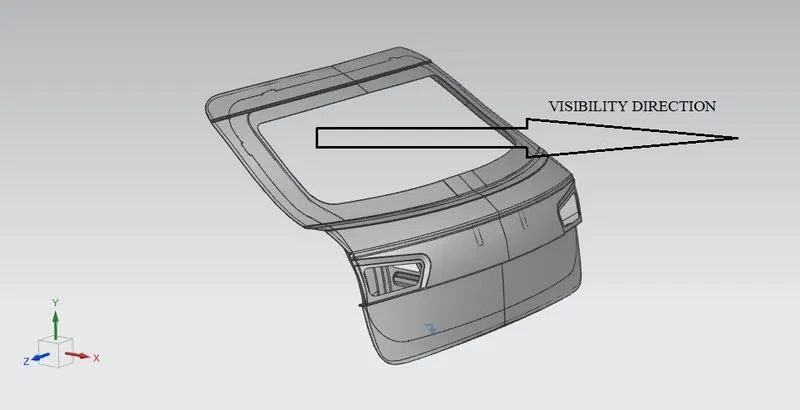
1) REAR VISIBILITY CRITERIA:
Back door of an automobile should be designed in such a way that it should not hinder with the rear visibility of an automobile. So proper considerations for view angle is taken while designing back door.
2) REAR CRASH CONSIDERATION:
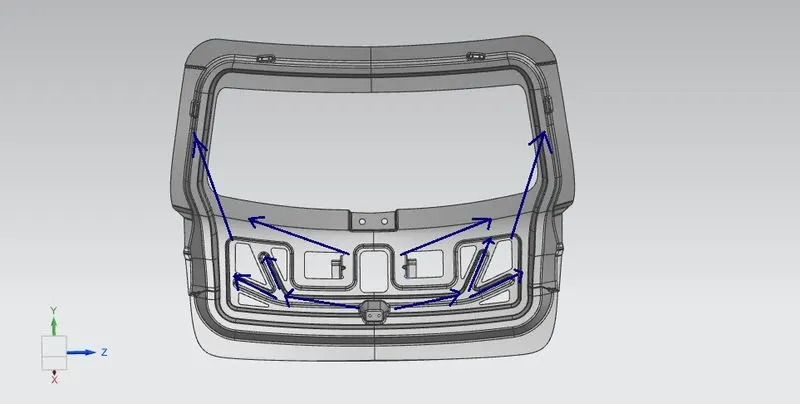
Rear part has to be designed in such way that it should absorb the force and its distribution should be towards hinge and gas stay. It should be crumbled during the crash and should have enough stiffness so ribs will serve the purpose of it.
3) FUNCTIONAL REQUIREMENTS OF HINGE, GAS STAY, LATCH AND STRIKER:
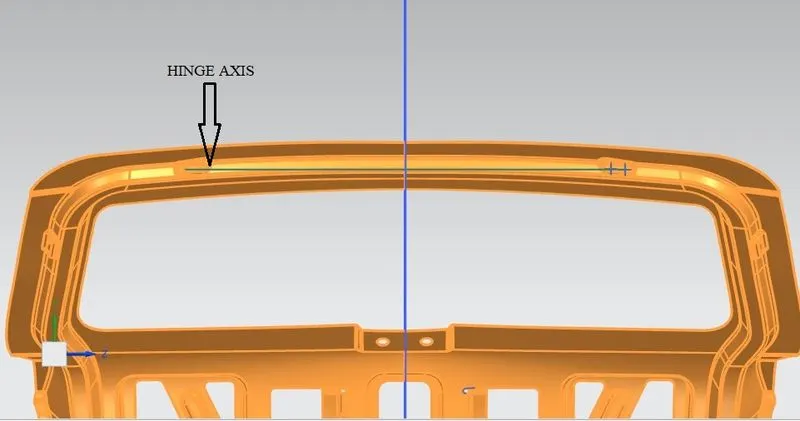
- The line joining the hinge mounts should be collinear and should be perpendicular to the vertical axis.
- Position of gas stay mount should be in accordance with actuation lenth of the gas stay in opening and closing conditions of the back door.
- The Surface normal of the latch and striker mount should be tangential to the trajectory of the back door about the hinge axis.
4) SEALING FLANGE OF THE BACK DOOR:
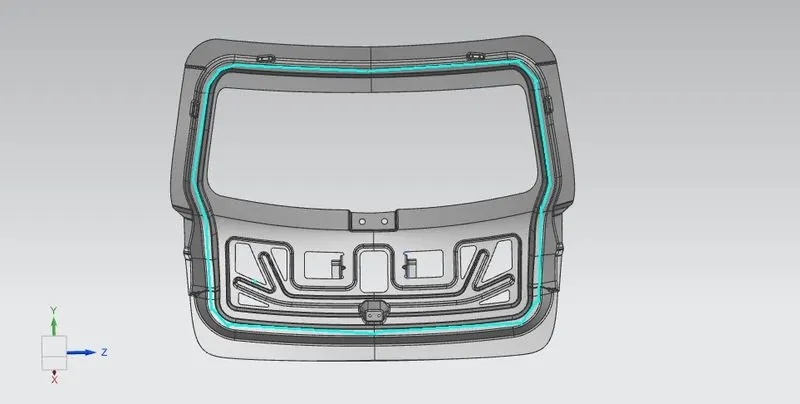
Back door should have a sealing FLANGE which protects automobiule inner chamber from external conditions ( water, Dust etc.,).
5) MASTIC SEALANT CONSIDERATION:
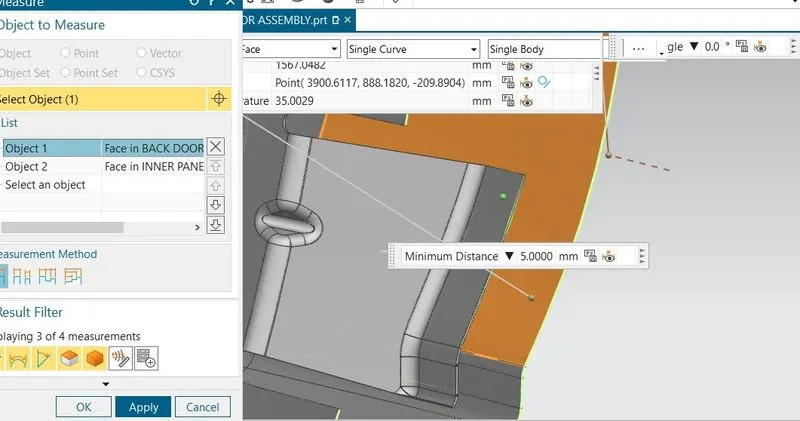
Mastics are hardened after application of heat which joins outer and inner panel provides good NVH properties and has an influence about 80 mm. While designing mastic clearance should be considered
6) MANUFACTURING TOLERANCES AND ALLOWANCES:
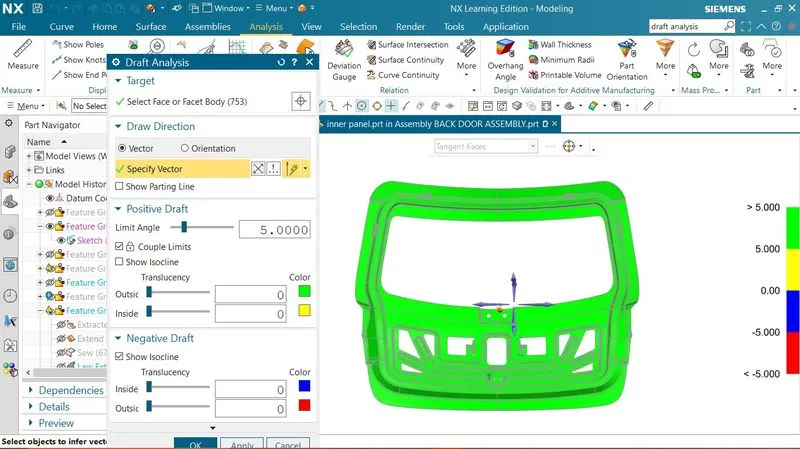
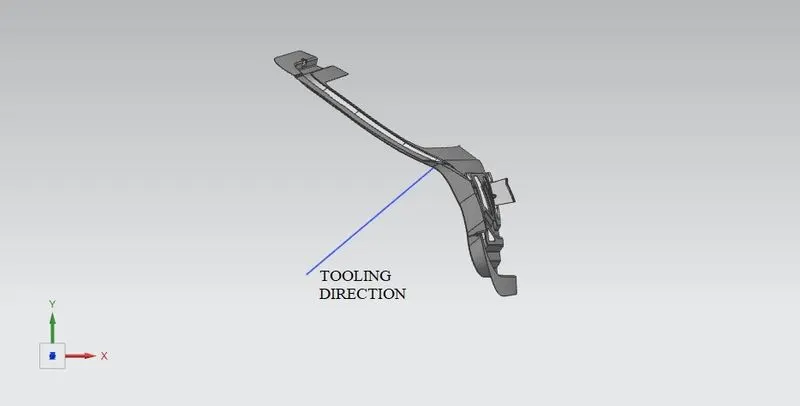
- Design of the back door is made inaccordance with minimum of 5 degree of draft angle for deep drawing in the tooling direction.
- Proper clearances are provided for hemming process (0.2 mm) between the surfaces.
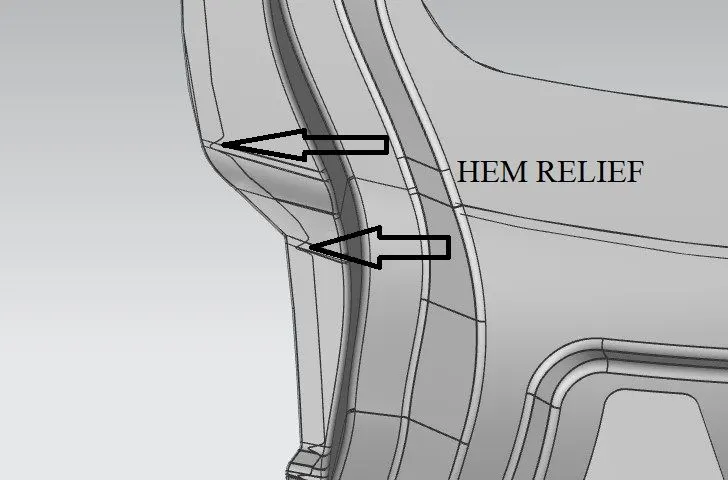
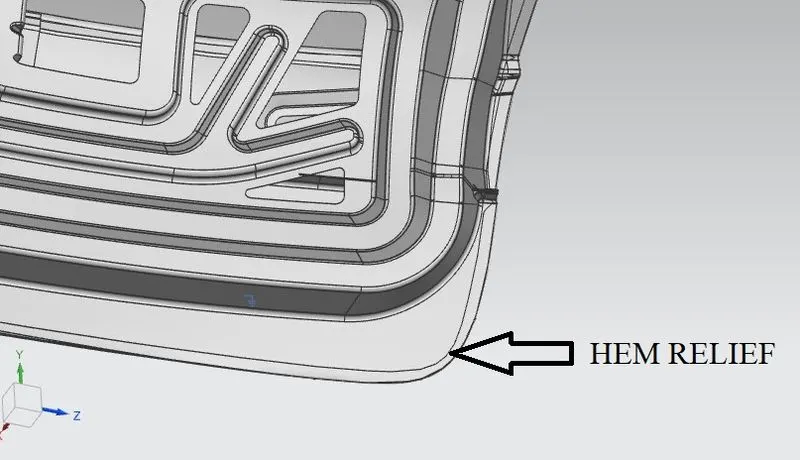
- Hemming reliefs are provided on the outer panels in order to avoid Stress concentration
- Darts arec provided to stiffen the design wherever needed.
Basesd on above considerations the back door is designed.