Design of backdoor
AIM
The aim of this project is to design the Body in white parts of the back door of a SUV vehicle, along with designing the reinforcements for hinges, gas stay, latch and wiper motor for the back door.
INTRODUCTION
The back door of the car is one of the closure commodities of a vehicle which is present at the back portion of the car. While designing the back door space requirements are also taken into consideration as luggage room is also present in this region.

There are two types of back doors:
- Tail Gate
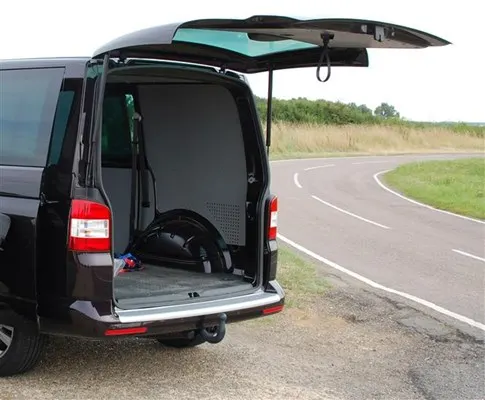
These are hinged on the top and rotate about a horizontal point. Tailgates are more widely used on car derived vans, kombis and minibuses, but can often be chosen as a no-cost option on the larger panel vans.
Pro’s for Tailgate:
The tailgate gives a better view out the back unlike Barn Doors, as there's no central pillar in the rear window, which means wipers are oftenalso included. They can give shelter from the rain when stood under it (providing it's not too windy). The twin door is quicker to get something out the back in really bad weather without soaking or blowing everything and everyone around inside.
They're also less likely to get bumped, as it lifts up and out of the way of people and materials, whereas Barn Doors often get caught in the way which results in scratches and dints. However, the flip side to this is when the van is parked facing uphill, or on a slant, the tailgate could be held at a ‘head hazard’ height.
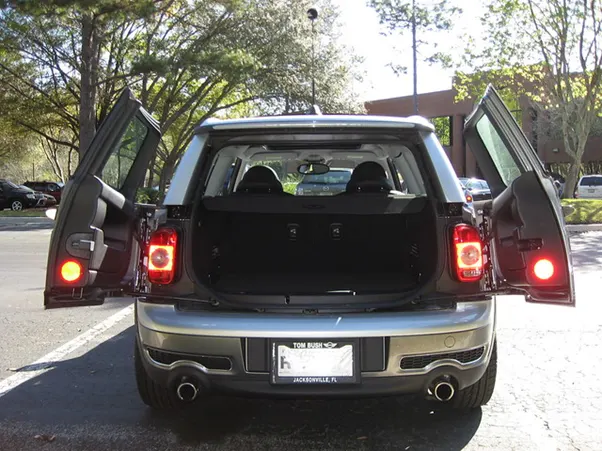
- Barn door: they are hinged on the side of the van rotate about a vertical point.
The components designed in this project are:
- Back Door Outer Panel
- Back Door Inner Panel
- Hinge Reinforcement LH and RH
- Gas Stay Reinforcement LH and RH
- Wiper Motor Reinforcement
- Latch Reinforcement.
PROCEDURE
- INPUT STYLING SURFACE
The styling surface is the surface which is provided as input in order to design the back door as per requirement of the customer.
The below image shows the input styling surface:
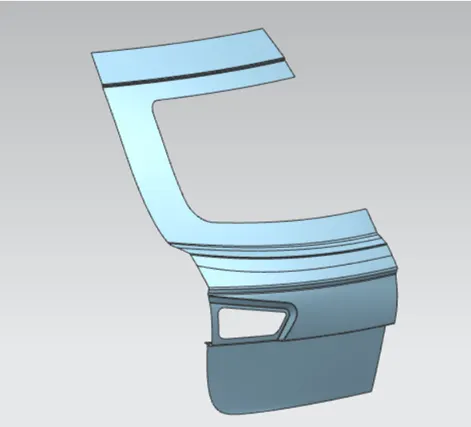
The above surface analysed and it was observed that the surface provided was having uneven surface quality.
The surface quality of the above class A surface was improved at the required positions using bridge curve and through curve mesh feature to improve the surface quality and then make the outer and inner panel of the back door panel.
- Back Door Inner Panel
Determination of Tooling Axis:
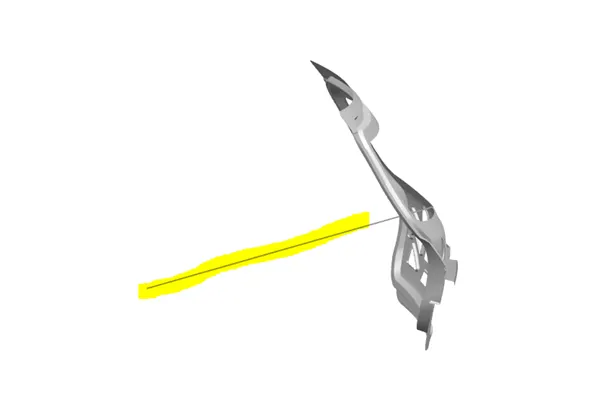
The tooling axis plays an important role while making a component. It is the axis of line along which the component will be extracted after the component is been moulded.
In this project the tooling axis is made by making two lines touch the opposite ends of the styling surface and then a bisecting line is drawn between these two lines to determine the tooling axis line.
The below image shows the tooling axis line:
Determination of emboss shape and direction:
As the back door open and closes in the upward and downward direction, during this time force is generated on it which might effect the durability of the back door panel. This generated force is dissipated in the outwards direction with the help of creating an emboss .
REINFORCEMENTS.
Reinforcements are the components which are used to add strength at a particular region.
The reinforcements designed for the back door are:
- Hinge Reinforcement LH and RH
- Gas Stay Reinforcement LH and RH
- Wiper Motor Reinforcement
- Latch Reinforcement
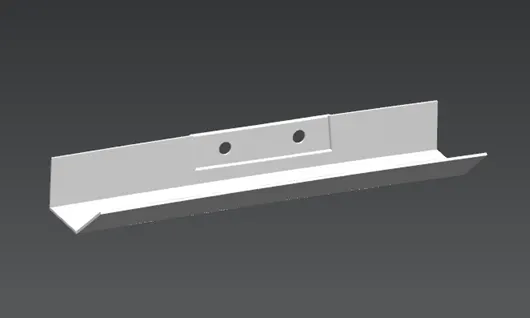
1.hinge Reinforcement
The Hinge reinforcement will be placed on the embosses of the hinges which will enable it to fix the reinforcement firmly to the back door at required position.
- Gas Stay Reinforcement
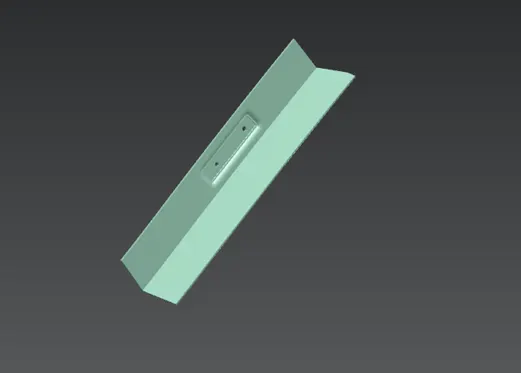
Gas Stay reinforcement are designed to provide strength to the region where the back door will get opened and closed with the help of gas stay rods. For the purpose of durability these reinforcements are placed where the gas stay will be fixed with the back door panel.
- Wiper Motor Reinforcement
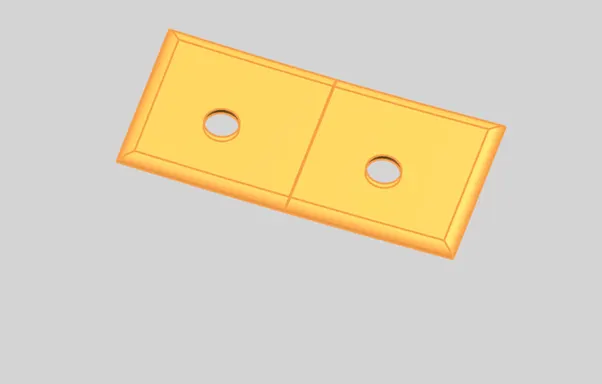
Wiper Motor Reinforcement is placed at the middle portion of the back door to provide strength in this region for the placement of wiper motor.
- Latch Reinforcement
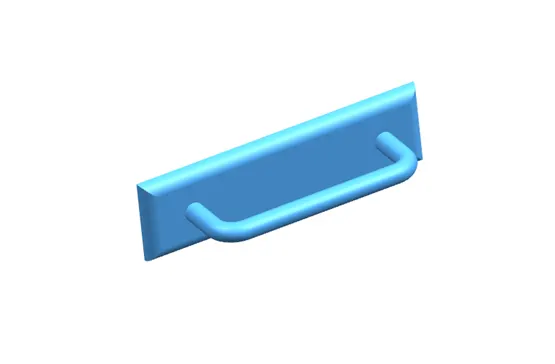
In order to place the latch at correct position a trajectory is made so that the back door is opened and closed following a trajectory without facing any obstacles. A circular sketch is drawn first to and which will show the trajectory of the path that the back door will follow while opening and closing, the latch position will be perpendicular to this circular trajectory at all the positions of the movement of the back door.
HEMMING REGION
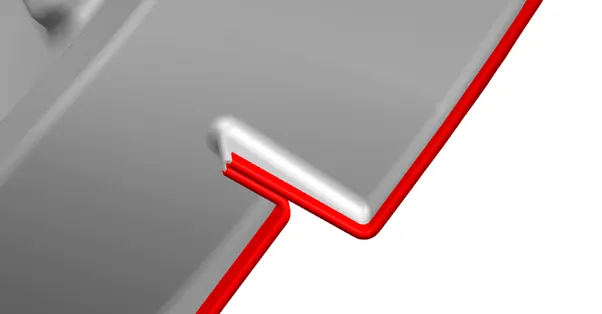
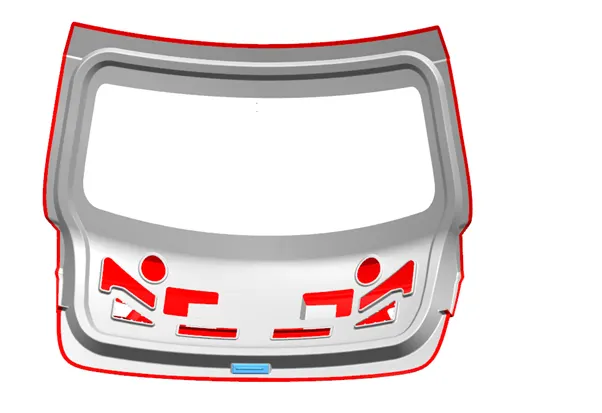
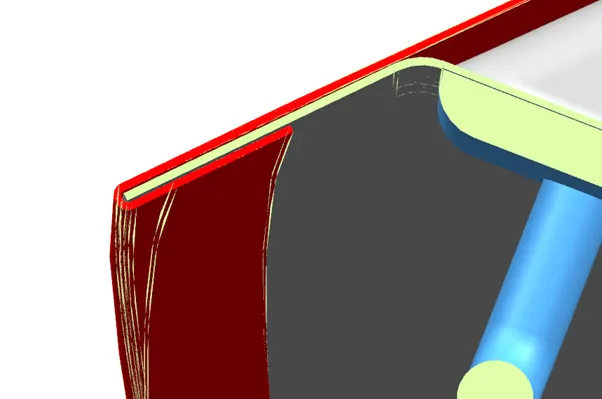
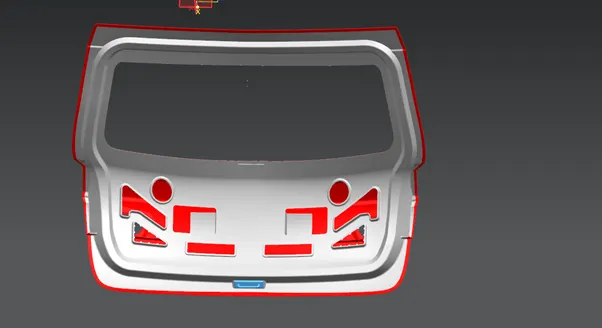
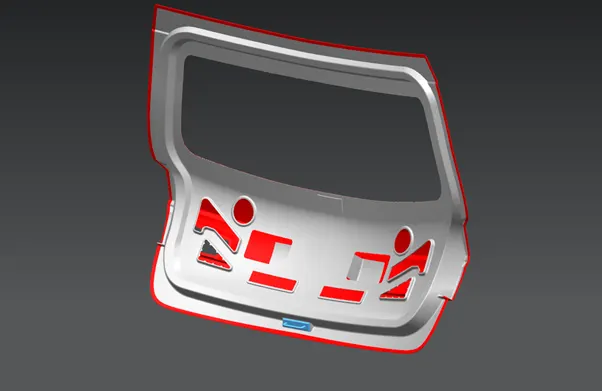
The back door outer panel will be fixed with back door inner panel with the help of hemming which will be done on the outermost edges of the outer panel. In this process the surface is bend and rounded around the inside surface so that it firmly holds the inside panel. Along with this mastic solvent will also be inserted inside this region for firmly sticking the outer panel with the inner panel.
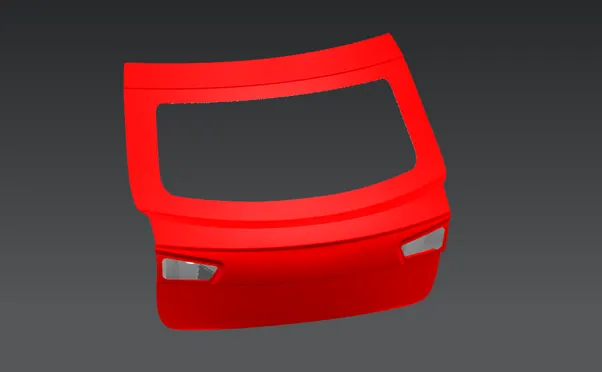
DRAFT ANALYSIS
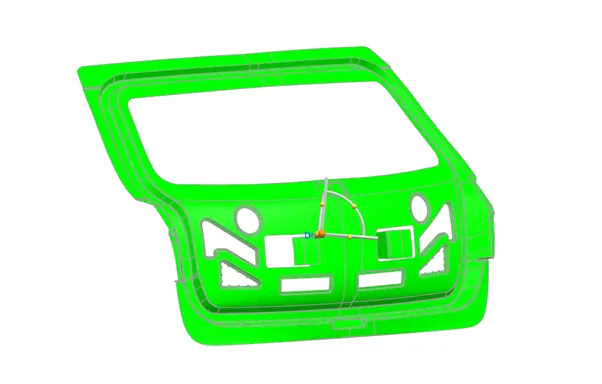
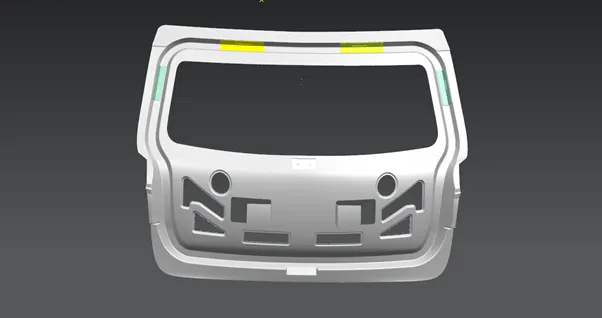
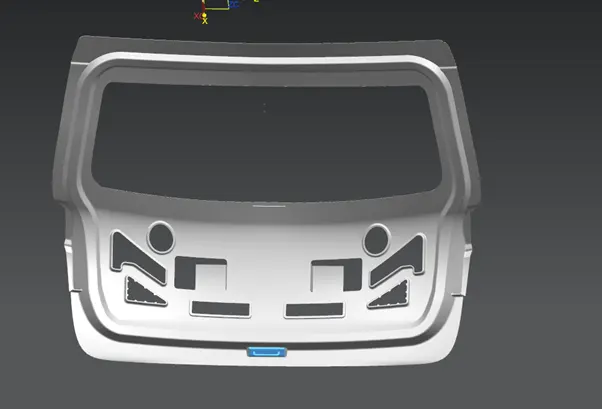
Different Views of Back Door Assembly
Conclusion
We designed the back door using the given styling surface and created different reinforcements and did draft analysis.
Google Drive Link:
https://drive.google.com/drive/folders/1eI6xlbcsOKCHyASiSssmOzYTRDDC12zy?usp=sharing